
First Date Safety: The Best Way to Communicate Your Boundaries


Dive into the world of confident and safe online dating! At OnlineDatingSuccess.org, we empower you to build meaningful connections. But first, let's talk safety. Our latest article on online dating safety boundaries reveals crucial strategies for navigating first dates with confidence and ensuring your well-being. Ready to unlock the secrets to a successful and secure online dating experience? Let's begin!
- Understanding Online Dating Safety Boundaries
- Communicating Your Boundaries Effectively
- Practical Tips for Safe Online Dating and First Dates
- Dealing with Boundary Violations
- Building Healthy Relationships Based on Respect
- Resources for Online Dating Safety and Support
-
Frequently Asked Questions
- How can I communicate my boundaries before a first date?
- What are some examples of healthy online dating boundaries?
- What should I do if someone violates my boundaries on a date?
- How can I ensure my safety during online dating interactions?
- What are some red flags to watch out for regarding online dating safety?
- Final Reflection: Protecting Your Heart, Defining Your Space
- Unleash Your Confidence: Take Control of Your First Date
Understanding Online Dating Safety Boundaries
Navigating the world of online dating can be exciting, but it's crucial to prioritize your safety and well-being throughout the process. This article focuses on establishing and communicating clear boundaries in online dating, a critical aspect of ensuring a positive and secure experience.
We'll explore how to define your personal boundaries, identify potential red flags, and set clear expectations before your first date, ultimately empowering you to take control of your online dating journey and foster meaningful connections while minimizing risks. Understanding and implementing these strategies will significantly contribute to your online dating safety and help you build healthier, more respectful relationships.
Remember, establishing boundaries isn't about being unfriendly; it's about protecting yourself and ensuring you feel comfortable and respected at every stage of the dating process. This is especially relevant for the keyword "Online dating safety boundaries," as it addresses a crucial concern for many individuals venturing into the online dating world.
Defining Your Personal Boundaries in Online Dating
Defining your personal boundaries is the cornerstone of online dating safety. This involves identifying your comfort levels regarding various aspects of online interaction and dating in general. What information are you comfortable sharing? How much personal detail will you reveal in your profile and messages? What kind of communication do you find acceptable, and what behaviors are immediate deal-breakers? These questions are crucial to establishing your personal boundaries.
Consider creating a mental checklist:
- Sharing Personal Information: What details are you comfortable sharing initially (e.g., name, profession, general location)? What information will you only disclose after building trust? Avoid sharing sensitive details like your full address, workplace address, or financial information until you've met in person and feel completely safe.
- Communication Style: Do you prefer text messages, phone calls, or video calls? What kind of language or tone is acceptable to you? Are you comfortable with suggestive language? Set clear expectations early on.
- Meeting in Person: What are your expectations for a first date? Where are you comfortable meeting? Who will be responsible for transportation? Will you let someone know your plans? Having these points clarified beforehand can greatly reduce anxiety and potential risks.
- Physical Affection: What level of physical intimacy are you comfortable with on a first date? Setting clear boundaries about physical touch can prevent uncomfortable or potentially unsafe situations.
Remember, your boundaries are your own. There's no "one size fits all" approach. What's comfortable for one person might be uncomfortable for another. The key is to be aware of your own limits and communicate them clearly.
Recognizing Red Flags and Warning Signs in Online Communication
While online dating offers exciting possibilities, it's essential to be vigilant about potential red flags. These warning signs can indicate a potentially unsafe or manipulative individual. Learn to recognize these signals and protect yourself accordingly.
Some common red flags include:
- Pressure to move too quickly: Someone pushing for a quick meeting or becoming overly intimate too soon.
- Inconsistent information: Discrepancies in their profile or inconsistent stories.
- Aggressive or controlling behavior: Demanding or possessive language in messages.
- Avoidance of video calls: Reluctance to engage in video chats, which can be a way to conceal their identity.
- Excessive flattery or compliments: Over-the-top compliments that feel insincere or manipulative.
- Financial requests: Asking for money or financial assistance early in the relationship.
- Unusual requests: Asking for personal documents or sensitive information.
If you encounter any of these red flags, trust your instincts. It's perfectly acceptable to end communication with someone who makes you feel uncomfortable. Your safety is paramount.
Setting Clear Expectations Before the First Date
Before you meet in person, it's vital to establish clear expectations. Open and honest communication is key to ensuring a safe and comfortable first date.
Consider these points when setting expectations:
- Location: Choose a public place for your first date, where you feel safe and comfortable.
- Transportation: Determine how you will get to and from the date. Avoid having your date pick you up at your home, especially on a first date.
- Time: Set a time limit for the date. This allows you to leave if you feel uncomfortable.
- Communication: Keep a friend or family member informed of your plans and check in with them during the date.
- Emergency Plan: Have a plan in place in case you need to leave the date early. This could involve having a friend call you or having a pre-arranged escape route.
By proactively establishing and communicating your boundaries, you'll significantly enhance your safety and increase the likelihood of a positive and enjoyable online dating experience. Remember, your comfort and well-being are of utmost importance.
Communicating Your Boundaries Effectively
Online dating safety boundaries are crucial for a positive and safe dating experience. Effectively communicating your boundaries is key to protecting yourself and ensuring your comfort throughout the dating process, from initial contact to the first date and beyond. This section will explore different methods for clearly and confidently expressing your limits, fostering respect and mutual understanding.
Remember, establishing and maintaining healthy boundaries is a continuous process, not a one-time event. It's about prioritizing your well-being and ensuring you feel safe and respected. This isn't about being unfriendly; it's about self-preservation and creating a healthy dynamic in your dating life.
Verbal Communication: Expressing Your Needs and Limits
Clear and direct verbal communication is paramount when it comes to online dating safety boundaries. Avoid ambiguous language; instead, use assertive statements that explicitly define your comfort levels. For example, instead of saying "I'm not sure about this," try "I'm not comfortable with that." Practice beforehand what you'll say in different situations. This preparation will empower you to respond confidently and decisively when needed.
Here are some example phrases you can adapt to your specific circumstances:
- "I appreciate the offer, but I prefer to meet in a public place for our first date."
- "I'm not ready for physical intimacy yet."
- "I need to leave by [time] tonight."
- "I'm uncomfortable with this conversation; let's change the subject."
- "Please respect my personal space."
Remember to use "I" statements to focus on your feelings and needs without blaming or accusing the other person. This approach is more likely to be received positively and respectfully. Also, be prepared for potential pushback. Some individuals may not respect your boundaries, and that's a clear sign that you need to disengage.
Non-Verbal Communication: Body Language and Assertiveness
Non-verbal cues are just as important as verbal communication in setting online dating safety boundaries. Your body language speaks volumes. Maintaining eye contact, standing tall, and using open and confident postures convey self-assurance and strength. Conversely, avoiding eye contact, slouching, or fidgeting can signal insecurity and vulnerability, potentially making you a less assertive communicator.
Consider these non-verbal strategies:
- Maintain personal space: Don't let someone get too close for your comfort. Subtly move away if they invade your personal space.
- Use assertive body language: Keep your arms uncrossed and maintain a relaxed but confident stance.
- Mirror positive body language: If the date is respectful, subtly mirroring their posture (but not in a mocking way) can build rapport and demonstrate your comfort level.
- Pay attention to their body language: Observe their responses to your boundaries. Are they respectful of your space and limits? If not, it's a red flag.
Practicing assertive body language can significantly enhance your ability to communicate your boundaries effectively. The combination of assertive verbal and non-verbal communication creates a powerful message of self-respect and clear expectations. Remember, your body language should reinforce your words, not contradict them.
Setting Boundaries During the Date Itself
The first date is where your carefully laid plans and communicated boundaries will be put to the test. Remember, a successful date is one where both individuals feel safe and respected. If at any point you feel uncomfortable, trust your instincts. It's perfectly acceptable, and even advisable, to end the date early if necessary.
Here are some strategies for navigating potential boundary challenges during a date:
- Have an exit strategy: Have a friend or family member aware of your date plans and check in periodically. Have a pre-arranged signal to alert someone if you need help.
- Stick to your plan: If you've decided on a specific time limit or activity, stick to it. Don't feel pressured to extend the date beyond your comfort zone.
- Be direct and assertive: If someone crosses a boundary, don't hesitate to address it directly. Use clear and concise language to express your discomfort.
- Don't feel obligated: You are not obligated to continue a date if you feel unsafe or uncomfortable, regardless of how much time or money has been invested. Your safety and well-being are paramount.
- Trust your gut: If something feels off, it probably is. Trust your instincts and prioritize your safety.
Remember, setting boundaries isn't about being difficult; it's about protecting yourself and ensuring a healthy and respectful dating experience. Prioritizing your online dating safety boundaries empowers you to create positive and fulfilling relationships. Your safety and comfort should always come first.
Practical Tips for Safe Online Dating and First Dates
This section focuses on establishing and communicating clear boundaries to ensure your safety while navigating the exciting, yet sometimes unpredictable, world of online dating and first dates. Remember, prioritizing your well-being is paramount. This isn't about being overly cautious, but rather about being proactively mindful and empowered. Strong online dating safety boundaries are key to a positive experience.
Choosing Safe Public Meeting Places for Your First Date
Selecting the right location for your first date significantly impacts your safety. Avoid secluded or dimly lit areas. Instead, opt for well-populated, public places where you feel comfortable and visible. Think bustling coffee shops, restaurants with outdoor seating, or even museums – places with plenty of people around.
Consider the accessibility of the location. Is it easily accessible by public transport? Having a readily available escape route is crucial for online dating safety. Avoid places that require a significant walk through isolated areas, especially at night.
Here's a table to illustrate good and bad choices:
| Good Choice | Bad Choice | Reason |
|---|---|---|
| Busy Coffee Shop | Remote Park Bench | High visibility vs. isolation and potential vulnerability. |
| Popular Restaurant with Patio | Private Club with Limited Access | Public space with multiple witnesses vs. limited visibility and escape routes. |
| Museum or Art Gallery | Deserted Beach | Well-lit, public space with security presence vs. isolated and potentially dangerous. |
| Lively Bar (during the day) | Your Date's Apartment | Public space with multiple witnesses vs. private space with limited oversight. |
Always meet in a place that feels right to you. Trust your instincts; if a location feels unsafe, don't hesitate to suggest an alternative. Remember, your comfort and safety are the top priorities. This is a crucial aspect of online dating safety boundaries.
Before your first date, share your plans with someone you trust. This includes the time, location, and the person's name you're meeting. Consider using a location-sharing app to provide real-time updates to your trusted contact. This allows them to monitor your whereabouts and intervene if necessary. It's a simple precaution that can provide significant peace of mind.
It's better to be overly cautious than to regret not taking precautions.
- A wise proverb applicable to online dating safety.
This isn't about distrusting your date; it's about having a safety net in place, demonstrating responsible online dating safety practices. Even if you feel completely comfortable, unexpected situations can arise. Having a backup plan and letting someone know your location are essential elements of building strong online dating safety boundaries. This is a crucial aspect of maintaining your safety and security.
Having an Exit Strategy: Planning Your Escape Route
Always have a plan for a quick and safe exit, just in case things don't go as expected. This doesn't mean anticipating a negative experience, but rather being prepared for any unexpected situation. This is a critical element of online dating safety boundaries.
- Pre-arranged transportation: Have your own transportation arranged, whether it's a ride-sharing service, a friend picking you up, or your own car. This ensures you're not reliant on your date for a ride home.
- Designated "check-in" contact: Have a friend or family member ready to receive a text message or call from you at a specific time, so they can check in and offer assistance if needed.
- Escape route identification: Before the date, mentally map out potential escape routes from the meeting place. Are there nearby exits, public transportation options, or easily accessible roads?
Remember, setting boundaries is not about being rude or unapproachable. It's about prioritizing your well-being and making sure you feel safe and respected. By implementing these strategies, you’re not only protecting yourself but also creating a more positive and empowering online dating experience. Prioritizing online dating safety boundaries is a sign of self-respect and self-care.
Dealing with Boundary Violations

Navigating the complexities of online dating safety boundaries requires preparedness. Even with meticulous profile creation and careful initial communication, situations can arise where your boundaries are challenged or violated. This section focuses on practical strategies for handling such scenarios, ensuring your safety and well-being remain paramount. Remember, prioritizing your comfort and security is always the right decision. The goal is to empower you to confidently assert yourself and protect your personal space, both physically and emotionally. Effective communication and clear expectations are key to minimizing these situations, but knowing how to respond if they do occur is equally crucial.
Identifying and Responding to Unwanted Advances
Unwanted advances can manifest in various subtle or overt ways. It’s crucial to recognize these red flags early on. This could range from inappropriate physical contact, such as unwanted touching or overly familiar gestures, to verbally aggressive or disrespectful comments. Persistent attempts to pressure you into activities you're uncomfortable with, regardless of how seemingly harmless they may be presented, also constitute a boundary violation. Online dating safety boundaries extend beyond the physical; they encompass your emotional and mental well-being too. For example, persistent unwanted texting or calls after you've clearly indicated disinterest is a violation of your personal space.
Here's a breakdown of how to respond:
- Assert yourself clearly and directly: Use "I" statements to express your discomfort. For instance, "I'm not comfortable with that," or "Please stop." Avoid being apologetic or hesitant. Your feelings are valid.
- Be firm and unwavering: Don't feel pressured to justify your boundaries. A simple, repeated "No" is often sufficient.
- Remove yourself from the situation: If the behavior persists despite your clear communication, excuse yourself and leave. Your safety is priority number one.
- Document the incident: Note down the details – time, place, what happened, and any witnesses – for future reference if needed. This can be especially helpful if you need to report the incident.
- Trust your instincts: If something feels wrong, it probably is. Don't hesitate to take action to protect yourself.
Remember, you are not obligated to justify your discomfort or explain your boundaries. Your feelings are valid, and your safety is paramount.
Setting Consequences for Boundary Crossings
Establishing clear consequences beforehand helps deter boundary violations and provides a framework for your response. Before the date, consider what actions would constitute a boundary crossing for you and what your response would be. This proactive approach can help prevent uncomfortable situations. These consequences should be proportionate to the severity of the violation, but they should always prioritize your safety and well-being.
Examples of consequences:
| Boundary Violation | Consequence |
|---|---|
| Inappropriate physical touch | Immediately ending the date and leaving. |
| Persistent unwanted attention (texting) | Blocking the individual on all platforms. |
| Verbally abusive or disrespectful remarks | Reporting the behavior to the dating platform (if applicable), and blocking. |
| Threatening behavior | Contacting the authorities (if necessary). |
The key is to communicate these boundaries clearly before a date occurs, either explicitly or implicitly through your actions. This sets the stage for a respectful interaction.
Knowing When to End the Date and Seek Assistance
Knowing when to end a date early and seek assistance is a critical aspect of online dating safety boundaries. If at any point you feel unsafe, uncomfortable, or threatened, you should prioritize your well-being and take action. Don't hesitate to end the date, regardless of the circumstances. Your safety and comfort are non-negotiable.
Here are some signs indicating it’s time to end the date and potentially seek help:
- You feel increasingly uncomfortable or uneasy: Trust your gut feeling. If something feels off, it's okay to leave.
- The other person ignores your boundaries: Repeated attempts to push your limits, despite your clear communication, warrant immediate action.
- The conversation becomes aggressive or threatening: Any hint of verbal or physical aggression is a serious red flag.
- You feel pressured or manipulated: If you're being coerced into anything you don't want to do, leave immediately.
If you need to leave abruptly, have a pre-planned safety plan in place. This could involve having a friend or family member aware of your date's details and location, or having a readily available ride. If you feel threatened, don't hesitate to call for help – 911 or your local emergency services. Remember, your safety is paramount, and seeking help is a sign of strength, not weakness. Prioritizing online dating safety boundaries is crucial for a positive and secure experience.
Building Healthy Relationships Based on Respect
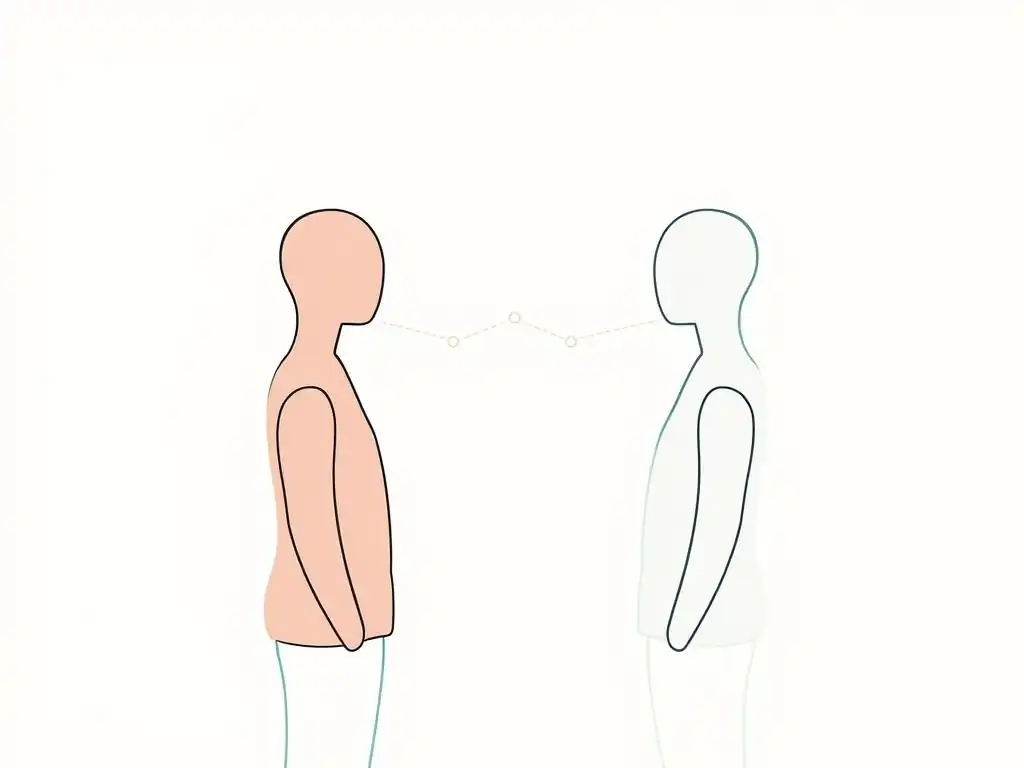
Establishing clear boundaries is paramount for building healthy relationships, both online and offline. This isn't about being rigid or unapproachable; it's about fostering mutual respect and ensuring everyone feels safe and comfortable. The foundation of any successful relationship, especially those born from online dating, rests on a solid understanding and acceptance of individual limits. Ignoring personal boundaries can lead to resentment, conflict, and ultimately, a damaged or broken relationship. Remember, healthy relationships are built on a framework of respect, understanding, and clear communication. This section will explore how to cultivate these crucial elements to create positive and fulfilling connections.
The Importance of Mutual Respect in Online Dating
Mutual respect is the cornerstone of any healthy relationship, particularly in the context of online dating where initial interactions lack the depth of in-person knowledge. It's crucial to recognize that respect isn't simply about politeness; it's about valuing the other person's feelings, opinions, and boundaries. This means actively listening to what your date says, both verbally and nonverbally, and responding thoughtfully. Avoid dismissing their concerns or trying to pressure them into anything they're not comfortable with.
Online dating safety boundaries are intrinsically linked to mutual respect. For example, respecting someone's decision to end a conversation or decline a date request is a fundamental aspect of showing respect. Ignoring such boundaries can be interpreted as disrespectful and even potentially threatening. The goal is to create an environment where both individuals feel valued and respected.
Think of it like this: imagine you're building a house. Respect is the foundation. Without it, the whole structure is unstable and prone to collapse. Similarly, in online dating and relationships, mutual respect lays the groundwork for a strong and lasting connection. Remember, healthy relationships flourish when both parties feel seen, heard, and valued for who they are. This mutual respect is crucial for fostering trust and creating a safe space for both individuals to be themselves.
Recognizing Healthy Communication Patterns
Healthy communication is more than just talking; it's about active listening, empathy, and clear expression of needs and boundaries. In online dating, communication is often the first point of contact, so establishing healthy patterns early on is vital. This involves being direct and honest about your expectations and preferences, while also being receptive to your date's communication style. Recognizing red flags, such as controlling behavior, gaslighting, or dismissive responses, is crucial in maintaining online dating safety boundaries. These behaviors often indicate a lack of respect and can escalate into more serious problems.
Consider these examples of healthy communication patterns:
- Open and honest dialogue: Sharing your feelings and needs without judgment or fear of reprisal.
- Active listening: Paying attention to what your date is saying, both verbally and nonverbally, and responding thoughtfully.
- Respectful disagreement: Disagreements are inevitable, but they should be handled with respect and understanding.
- Clear boundaries: Communicating your limits and expectations clearly and assertively.
Conversely, unhealthy communication patterns might include:
- Passive-aggressiveness: Expressing dissatisfaction indirectly through subtle jabs or hints.
- Constant criticism: Continuously pointing out flaws or shortcomings.
- Ignoring boundaries: Disregarding your date's expressed limits or preferences.
- Controlling behavior: Trying to dictate your date's actions or decisions.
Recognizing these patterns is key to protecting your well-being and establishing a safe and respectful online dating experience.
Fostering Trust and Openness in Your Relationships
Trust and openness are essential components of any healthy relationship. In the context of online dating, building trust requires transparency and consistent behavior that aligns with your words. This means being honest about your intentions, your past relationships (to a reasonable degree), and your expectations for the future. Openness involves sharing your thoughts and feelings vulnerably, while also creating a safe space for your date to do the same.
This mutual vulnerability fosters deeper connections and strengthens the bond between you. Remember, trust isn't built overnight; it's a gradual process that requires consistent effort and honesty from both parties. Prioritizing online dating safety boundaries is a key component in fostering this trust.
Building trust also involves being mindful of your online presence. Sharing too much personal information too early can compromise your safety and make it harder to build genuine trust. Start with smaller, less personal details and gradually reveal more as you get to know each other better. This measured approach allows for a more secure and controlled progression of the relationship, enhancing both online dating safety and relationship quality.
Remember, building trust takes time and patience. Don't rush the process; allow it to unfold naturally and organically. This careful and respectful approach will ultimately lead to a stronger and more fulfilling relationship.
Resources for Online Dating Safety and Support
Navigating the world of online dating requires prioritizing safety and establishing clear boundaries. This section provides resources to help you feel confident and secure throughout your online dating journey. Remember, your safety and well-being are paramount. Knowing where to turn for help and advice is a crucial aspect of online dating safety boundaries.
Online Resources for Dating Safety and Advice
Numerous websites and organizations offer valuable information and support related to online dating safety. These resources often provide practical tips on creating safe profiles, identifying red flags, and managing online interactions effectively. They also offer guidance on how to communicate your boundaries clearly and confidently, a vital aspect of establishing healthy relationships. Many offer articles, webinars, and even online communities where you can connect with others and share experiences. These platforms often address specific concerns related to online dating safety boundaries, such as:
- Managing personal information: Learning how much information is appropriate to share online and how to protect your privacy is crucial. These resources often provide guidance on protecting your location, contact details, and other sensitive information.
- Identifying potential dangers: Recognizing red flags in online profiles and communication is essential for avoiding potentially dangerous situations. These websites often provide checklists and examples to help you identify risky behaviors.
- Safe meeting practices: Planning safe first dates, including meeting in public places and informing friends or family about your plans, is vital. These resources often offer detailed advice on minimizing risks associated with in-person meetings.
- Handling harassment or abuse: Knowing how to respond to harassment or abuse online and offline is crucial. Many resources provide guidance on reporting incidents to relevant authorities and seeking support.
The information available online is constantly evolving, reflecting the changing dynamics of online dating. Regularly reviewing these resources ensures you remain informed about the latest safety practices and strategies for establishing healthy online dating safety boundaries.
Apps and Tools to Enhance Your Safety
Beyond online resources, several apps and tools can significantly enhance your safety while online dating. These technological solutions provide additional layers of protection and help you manage your interactions more securely. Examples include:
- Location-sharing apps: These apps allow you to share your real-time location with trusted friends or family, providing an extra layer of security during dates. This is especially helpful for first dates, when you're meeting someone you've only interacted with online.
- Safety apps with emergency features: Some apps offer features such as emergency alerts, which can automatically contact emergency services or trusted contacts if you're in danger.
- Background check services: While not foolproof, these services can provide some additional information about your date, potentially revealing any concerning past behavior. However, always remember to respect privacy laws and ethical considerations when using such services.
Remember that technology is a tool, not a guarantee of safety. It's crucial to combine the use of these apps and tools with sound judgment and common sense. Always trust your instincts; if something feels wrong, it probably is. Prioritizing online dating safety boundaries means utilizing all available resources to protect yourself.
Local Support Organizations for Dating Violence Prevention
In addition to online resources and apps, seeking support from local organizations specializing in dating violence prevention can be invaluable. These organizations often provide a range of services, including:
- Counseling and support groups: These services offer a safe and confidential space to process your experiences and receive emotional support.
- Legal assistance: Many organizations provide legal assistance to victims of dating violence, helping them navigate the legal system and seek justice.
- Advocacy and education: These organizations actively work to raise awareness about dating violence and advocate for policy changes to protect victims.
Finding a local organization may involve searching online using keywords like "dating violence prevention," "[your city/state] domestic violence hotline," or "relationship abuse support." These organizations play a crucial role in providing support and resources to those affected by dating violence, ensuring that victims have access to the help they need. Their expertise in helping individuals establish healthy online dating safety boundaries is vital in creating a safer online dating experience for everyone. Knowing these resources exist offers peace of mind and reinforces the importance of prioritizing your safety.
Frequently Asked Questions
How can I communicate my boundaries before a first date?
You can communicate your boundaries clearly and directly before the date. This might involve stating your comfort level with physical contact or disclosing your preferred end time. Open communication is key.
What are some examples of healthy online dating boundaries?
Healthy boundaries include limiting personal information shared early on, setting clear expectations for communication frequency, and being upfront about your relationship goals. Respecting your own needs is crucial.
What should I do if someone violates my boundaries on a date?
If someone violates your boundaries, leave the date immediately. Trust your instincts and prioritize your safety. Do not hesitate to contact a friend or family member.
How can I ensure my safety during online dating interactions?
Always meet in a public place for the first date, let a friend or family member know your plans, and avoid sharing overly personal information. Trust your intuition – if something feels wrong, it probably is.
What are some red flags to watch out for regarding online dating safety?
Red flags include pressure to meet quickly, inconsistent information in their profile, or overly aggressive or controlling behavior. Never feel obligated to do anything you're not comfortable with.
Final Reflection: Protecting Your Heart, Defining Your Space
The conversation around online dating safety is more crucial than ever before. The ease of connection through apps and websites also presents a heightened risk, demanding a proactive approach to personal safety and boundary setting. We've explored the complexities of communication, the importance of clear expectations, and the power of assertive self-advocacy in navigating the first date landscape.
The impact of clear communication on dating safety extends far beyond the initial encounter. It shapes the entire dynamic of a relationship, fostering trust and respect from the outset. It's about more than just physical safety; it's about emotional well-being and the creation of healthy relationships. As Maya Angelou wisely said, When people show you who they are, believe them the first time.
Learning to recognize and respond to red flags, and to trust your instincts, is a crucial skill in navigating the complexities of modern dating. This isn't just about avoiding danger; it's about cultivating a sense of self-worth and empowerment that permeates every aspect of your life.
You now possess the tools to navigate the exciting, yet sometimes daunting, world of online dating with confidence and clarity. Remember the importance of setting boundaries, communicating your needs effectively, and prioritizing your safety and well-being above all else. Take a moment to reflect on your own communication style and identify areas where you can improve. Embrace the power of your voice, and create a dating experience that is both fulfilling and safe. Your well-being is paramount, and your journey towards healthy relationships begins with you.
Unleash Your Confidence: Take Control of Your First Date
Thanks for prioritizing your safety and well-being on first dates! We hope this article has given you practical tools to communicate your boundaries effectively. Now let's put that knowledge into action.
- Craft your personal safety plan: Before your next date, identify three specific boundaries you'll set. For example, you might choose to meet in a well-lit public place, share your location with a friend, and set a time limit for the date. This simple act can significantly boost your confidence.
- Share this article with a friend! Talking about dating safety with someone you trust can provide valuable support and perspective.
- Consider exploring additional resources on online and dating safety: Look up local support services in your area or read up on tips for avoiding potentially dangerous situations. Many online resources offer valuable advice.
Feeling empowered to have safe and enjoyable first dates? What's one boundary you feel most confident in setting on your next date?