
The Importance of Regular Privacy Checks on Dating Apps


Ready to transform your online dating experience? At OnlineDatingSuccess.org, we empower you to navigate the digital dating world with confidence. But before you swipe right, are you truly safe? This is why understanding Dating app privacy check tips is crucial. Discover how to protect your personal information and build genuine connections – let's dive into the essential steps for a safer and more successful online dating journey.
- Understanding the Risks: Why Dating App Privacy Matters
-
Essential Dating App Privacy Check Tips: A Step-by-Step Guide
- Regularly Review Your App Permissions and Settings
- Manage Your Profile Visibility and Information Sharing
- Secure Your Account with Strong Passwords and Two-Factor Authentication
- Control Your Location Sharing Preferences and Settings
- Be Mindful of the Information You Share in Messages and Chats
- Regularly Update Your Apps to Benefit from Security Patches
-
Best Practices for Protecting Your Privacy on Dating Apps
- Evaluating Dating App Privacy Policies and Security Measures
- Recognizing and Avoiding Suspicious Profiles and Interactions
- Reporting Abusive or Inappropriate Behavior to the Dating App
- Utilizing Privacy-Focused Dating Apps with Enhanced Security Features
- Regularly Back Up Your Dating App Data for Security
- Staying Safe Online: Beyond Privacy Checks
- Conclusion: Prioritizing Privacy for a Safe and Successful Online Dating Experience
- Frequently Asked Questions
- Final Reflection: Reclaiming Your Digital Heart: Privacy in the Age of Dating Apps
- Take Charge of Your Online Dating Privacy Today!
Understanding the Risks: Why Dating App Privacy Matters
Navigating the world of online dating requires more than just a captivating profile picture and witty opening lines. In today's digital landscape, protecting your personal information is paramount, especially when using dating apps. This article delves into the crucial importance of regular privacy checks on your dating apps, providing practical tips to safeguard your identity, location, and overall online safety.
The rise of online dating has brought unprecedented opportunities for connection, but it also presents significant risks if your privacy isn't prioritized. Ignoring these risks can lead to serious consequences, from identity theft to unwanted harassment and even physical danger. Understanding these vulnerabilities is the first step towards building a safe and successful online dating experience.
This guide will empower you to take control of your digital privacy and navigate the world of online dating with confidence, focusing on practical steps you can implement immediately to enhance your safety and security. We'll explore common threats and offer actionable strategies to minimize your risk, ultimately helping you build meaningful connections without compromising your personal well-being.
Data Breaches and Their Consequences on Dating Profiles
Data breaches are a harsh reality in the digital age, and dating apps are unfortunately not immune. A single breach can expose vast amounts of sensitive personal information, including names, email addresses, phone numbers, location data, and even intimate photos shared within the app. The consequences can be devastating. Imagine the impact of your personal details falling into the wrong hands—potential for identity theft, spam, harassment, and even blackmail.
Consider the case of [Dating App Name], which experienced a data breach in [Year], exposing the personal information of [Number] users. This resulted in [Consequence 1, e.g., widespread phishing scams] and [Consequence 2, e.g., significant financial losses for affected users]. This highlights the critical need for proactive measures to protect your data, including regularly reviewing your app's privacy settings and ensuring you're using a strong, unique password.
Furthermore, staying informed about data breach news related to dating apps can help you anticipate potential risks and take appropriate preventative action. Regularly checking your credit report and monitoring your bank accounts for any unusual activity is also crucial after a potential breach. Protecting yourself requires vigilance and a multi-faceted approach.
Identity Theft and Online Dating: Protecting Your Personal Information
Identity theft is a serious crime that can have long-lasting consequences, and online dating platforms can be fertile ground for malicious actors. Sharing too much personal information on your dating profile—like your full address, workplace, or even your children's names and schools—increases your vulnerability. Cybercriminals can use this information to commit identity theft, accessing your bank accounts, credit cards, and other sensitive financial data. They might also use your information to open fraudulent accounts, take out loans in your name, or even impersonate you online.
To mitigate these risks, avoid oversharing personal details in your profile. Use a strong, unique password for each dating app, and enable two-factor authentication whenever possible. Be wary of suspicious links or attachments received through the app, and report any suspicious activity immediately.
Regularly review your credit report and bank statements for any unauthorized transactions. Remember, a little caution can go a long way in protecting your identity and financial security in the online dating world. Think carefully about the information you disclose and prioritize your safety above all else.
Location Sharing and Safety Concerns on Dating Platforms
Many dating apps utilize location services to help users connect with people nearby. While convenient for finding local matches, over-reliance on location sharing can pose significant safety risks. Sharing your precise location with strangers can make you vulnerable to stalking, harassment, or even physical harm. Always be mindful of the level of location data you share, and consider disabling precise location sharing unless absolutely necessary.
Instead, opt for a broader location radius to maintain a degree of anonymity. Furthermore, be cautious about meeting potential matches in person, particularly in isolated or unfamiliar locations. Always inform a trusted friend or family member of your plans, including the time, location, and the person you're meeting.
Trust your instincts – if something feels off, don't hesitate to end the interaction and leave the situation. Remember, your safety is paramount, and prioritizing your well-being should always be your top priority when using dating apps. Taking these precautions can significantly reduce your risk and help ensure a safer online dating experience.
The Dangers of Phishing and Scams Targeting Dating App Users
Online dating, while offering exciting possibilities for connection, unfortunately also presents a breeding ground for malicious actors. Phishing and scams are prevalent threats targeting unsuspecting users, often with devastating consequences. These scams aren't just about financial loss; they can involve emotional manipulation, identity theft, and even physical danger. Understanding the tactics employed is crucial to protecting yourself.
One common tactic is the phishing email or text message. These messages often appear to come from the dating app itself or a seemingly legitimate source, urging you to click a link to update your profile, verify your account, or claim a prize. These links, however, often lead to fake websites designed to steal your login credentials, personal information, or financial details.
These fake websites are remarkably sophisticated, often mimicking the authentic app's design to deceive the user. Always exercise caution when clicking links received via email or text, especially those that seem unexpected or urgent. Verify the sender's identity independently before proceeding.
Another prevalent scam involves catfishing. This deceptive practice involves creating a fake online persona to lure victims into a relationship. Catfishers often use stolen photos and fabricated information to present a false image of themselves, often creating a seemingly perfect partner to build trust and intimacy. Once a relationship is established, the scammer may begin requesting money, gifts, or personal information, often under emotionally manipulative pretenses.
The emotional investment makes it difficult for victims to recognize the deception, leading to significant financial and emotional harm. Remember to always be wary of individuals who are reluctant to video chat or meet in person, or those whose online persona seems too good to be true. Reverse image searching profile pictures can help verify the authenticity of a profile.
Moreover, some scammers use dating apps to gain access to a user's personal information to commit identity theft. By gaining access to sensitive information such as full name, address, and employment details, scammers can open fraudulent accounts, apply for loans, or even commit crimes in the victim's name. This highlights the importance of only sharing information that is absolutely necessary on your dating profile and being vigilant about the information you provide during online interactions. Consider using a strong, unique password for your dating app account, different from other accounts, to minimize the risk of compromise.
Finally, it's important to remember that many scams involve a gradual build-up of trust and manipulation. The scammer may initially engage in seemingly harmless conversations, slowly building a connection before revealing their true intentions. This highlights the need for cautious optimism and healthy skepticism when interacting with strangers online. If something feels off or too good to be true, trust your instincts and err on the side of caution. Always prioritize your safety and well-being. The potential rewards of online dating should never outweigh the risks to your personal safety and security.
Essential Dating App Privacy Check Tips: A Step-by-Step Guide
This section provides crucial guidance on performing regular privacy checks on your dating apps. Ignoring these steps can expose you to unwanted attention, data breaches, or even scams. Remember, proactive privacy management is key to a safe and positive online dating experience. These "dating app privacy check tips" are designed to empower you to take control of your digital safety.
Regularly Review Your App Permissions and Settings
Dating apps request various permissions upon installation. These permissions often extend beyond what's strictly necessary for the app's core functionality. Regularly reviewing and adjusting these permissions is vital for maintaining your privacy. For example, does the app really need access to your camera roll, microphone, and contacts? If not, revoke these permissions immediately.
Many apps also have in-app settings that control the level of information shared with others. Take the time to explore these settings thoroughly. You might find options to:
- Limit profile visibility: Restrict who can see your profile based on factors like age, distance, or mutual connections.
- Control notification settings: Choose which notifications you receive and from whom. This can help to manage unwanted interactions.
- Manage location sharing: Many apps share your location, often with a degree of precision. Carefully evaluate your comfort level with the level of location data shared. Consider turning off location services entirely or limiting it to a broader area.
- Disable automatic uploads: Check for any features that automatically upload photos or videos. These can sometimes be exploited and used without your knowledge.
Think of it like this: you wouldn't leave your house unlocked, right? The same principle applies to your dating app settings. A quick, regular check of your permissions and settings can significantly reduce your risk. Consider this a regular part of your online dating hygiene—just as important as brushing your teeth! 🦷
Manage Your Profile Visibility and Information Sharing
Your dating profile is a window into your life. While you want to present yourself authentically, you should also be mindful of the information you share publicly. Avoid posting overly personal details such as your full address, workplace, or children's names. Sharing too much information can make you vulnerable to stalking or other forms of harassment.
Remember, even seemingly innocuous details can be used to piece together a comprehensive profile of you. For example, mentioning your favorite coffee shop combined with a publicly available photo showing you in that coffee shop could reveal your location. Use caution and common sense.
Consider these strategies for managing your profile visibility:
- Use generic location data: Instead of specifying your exact town, use a broader region.
- Be cautious with photos: Avoid posting photos that reveal identifying information, such as license plates or house numbers.
- Choose your words carefully: Avoid sharing details that could compromise your safety or privacy.
- Review your profile regularly: Make sure the information you're sharing is still current and appropriate.
By being selective about the information you share, you reduce the risk of unwanted attention and maintain a greater degree of control over your online privacy.
Secure Your Account with Strong Passwords and Two-Factor Authentication
Protecting your account with strong passwords and two-factor authentication (2FA) is paramount. A strong password is long, complex, and unique to each of your online accounts. Avoid using easily guessable information such as your birthday or pet's name. Consider using a password manager to generate and securely store complex passwords.
Two-factor authentication adds an extra layer of security by requiring a second form of verification beyond your password. This could be a code sent to your phone, an email, or a biometric scan. Enabling 2FA significantly reduces the risk of unauthorized access, even if your password is compromised.
Here's a quick checklist for securing your dating app accounts:
| Feature | Recommendation |
|---|---|
| Password | Use a long, complex, unique password. |
| Two-Factor Auth | Enable 2FA immediately. |
| Password Manager | Consider using a password manager for ease of use. |
| Regular Updates | Keep your app updated to the latest version. |
By implementing these simple yet effective security measures, you significantly reduce the risk of unauthorized access and protect your personal data. Regularly reviewing and updating your security practices is a continuous process, not a one-time task. Think of it as an ongoing commitment to your online safety and well-being.
Control Your Location Sharing Preferences and Settings
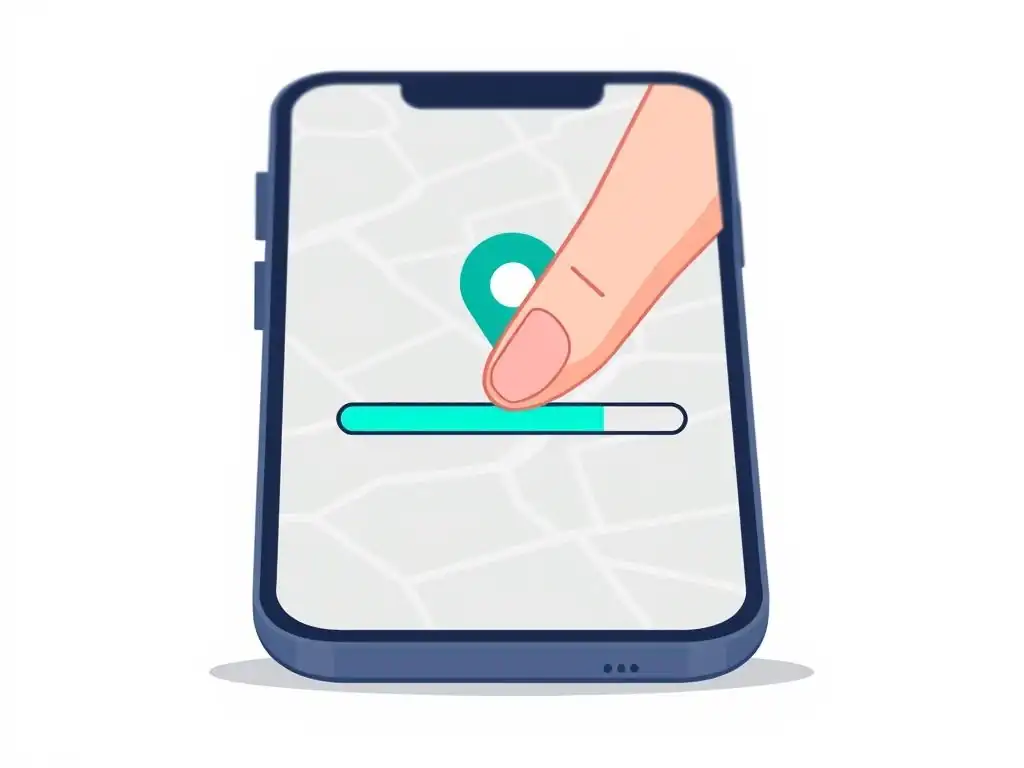
Many dating apps utilize location services to enhance matching and suggest nearby profiles. This functionality, while convenient for finding compatible individuals in your vicinity, presents a significant privacy risk if not managed correctly. Over-sharing your location can expose you to unwanted attention or even stalking. Therefore, meticulously reviewing and adjusting your location sharing settings is paramount. Dating app privacy check tips often emphasize this crucial aspect.
For instance, some apps allow you to share your location only when actively using the app, while others provide options for sharing a broader or more precise location. Opting for the least precise location sharing possible while still maintaining the functionality you need is a recommended strategy. Consider disabling location services entirely when not actively using the app. Remember, the less information you provide, the less vulnerable you become.
This simple act can significantly reduce your risk of unwanted attention and maintain a much safer online dating experience. Think of it as a fundamental part of your dating app privacy check routine. Many users overlook this, but it’s one of the most important dating app privacy check tips.
While exciting conversations are a cornerstone of online dating, it's crucial to remember that everything you type can potentially be saved, accessed, or misused. Avoid sharing excessively personal information, such as your full address, workplace, or even your exact daily routine. These details, seemingly innocuous in a romantic context, could be exploited by malicious individuals. Dating app privacy check tips strongly advise against this.
Consider using pseudonyms or nicknames initially, and only disclose your real name and other identifying details after building trust and confidence in the other person. Be cautious about sharing photos that reveal too much about your surroundings or lifestyle. A picture of you at your workplace, for example, could potentially compromise your security.
Remember, the goal is to build a connection, not to inadvertently reveal sensitive information that could compromise your safety. This careful approach is a critical component of effective dating app privacy checks. Think before you type; a little caution can go a long way in protecting your privacy.
Regularly Update Your Apps to Benefit from Security Patches
Dating apps, like any other software, are constantly evolving. Developers regularly release updates that include crucial security patches designed to address vulnerabilities and enhance user privacy. Neglecting these updates leaves your data vulnerable to potential exploits. Regularly updating your apps is a cornerstone of any comprehensive dating app privacy check strategy. This is a simple yet often overlooked dating app privacy check tip.
These updates often include fixes for bugs that could inadvertently expose your personal information or allow unauthorized access to your account. Furthermore, they incorporate improved security protocols and encryption methods to safeguard your data more effectively. Make it a habit to check for updates regularly and install them promptly.
Most app stores will notify you when updates are available. By keeping your apps updated, you proactively mitigate risks and contribute to a safer online dating experience. This simple step, though often overlooked, significantly contributes to maintaining your online privacy and is a crucial part of any thorough dating app privacy check.
Best Practices for Protecting Your Privacy on Dating Apps
This section delves into practical strategies for safeguarding your personal information while using dating apps. Navigating the digital dating world requires vigilance, and proactive measures are crucial to mitigate risks. Remember, your safety and privacy are paramount. These tips will help you maintain control over your data and online interactions.
Evaluating Dating App Privacy Policies and Security Measures
Before even creating a profile, thoroughly review the app's privacy policy. Look for clear statements on data collection practices, data sharing with third parties, and data retention policies. A reputable dating app will be transparent about how your information is used and protected. Pay close attention to details regarding location data sharing – many apps use GPS, but you should be able to control the level of precision. Consider these points when analyzing a dating app's privacy settings:
- Data Encryption: Does the app utilize end-to-end encryption for messages? This is a crucial security feature, protecting your conversations from unauthorized access.
- Third-Party Integrations: Understand which third-party services the app integrates with (e.g., social media accounts). Limit connections to only those you trust implicitly.
- Data Retention: How long does the app retain your data after you delete your account? Ideally, a reputable app will have a clear policy on prompt and complete data deletion.
- Security Updates: Does the app regularly release security updates to address vulnerabilities? Frequent updates demonstrate a commitment to user safety.
- Two-Factor Authentication (2FA): Does the app offer 2FA? Activating this significantly enhances account security, adding an extra layer of protection against unauthorized access.
Understanding these aspects empowers you to make informed decisions about which dating apps to use and how to configure your privacy settings effectively. Remember, a strong privacy policy is a hallmark of a trustworthy dating app.
Recognizing and Avoiding Suspicious Profiles and Interactions
Protecting your privacy also involves recognizing and avoiding potentially harmful interactions. Be wary of profiles that seem too good to be true, lack personal details, or contain inconsistencies. 🚩 Red flags 🚩 include:
- Generic or Stock Photos: Profiles using generic stock photos or images that appear to be from a professional photoshoot can be a sign of a fake profile.
- Requests for Personal Information Too Early: Be cautious of anyone who pressures you to share personal information (bank details, addresses, etc.) before you've met in person and established trust.
- Inconsistencies in Profile Information: Pay attention to inconsistencies or contradictions in a user's profile details. This can be a clue to a fabricated profile.
- Overly Aggressive or Pushy Behavior: If someone is overly aggressive, demanding, or pushes boundaries too quickly, it's a strong indicator of a potentially problematic interaction.
- Requests to Move to a Different Platform Quickly: Be wary of individuals who quickly try to steer conversations away from the dating app to other platforms (e.g., WhatsApp, email) before you feel comfortable.
Always prioritize your safety. If something feels off, trust your instincts and block or report the user. Remember, you are in control of your online interactions.
Reporting Abusive or Inappropriate Behavior to the Dating App
Dating apps typically have robust reporting mechanisms for dealing with abusive or inappropriate behavior. If you experience harassment, threats, or any form of unwanted contact, immediately report it to the app's support team. Document all instances of inappropriate behavior, including screenshots and timestamps, as this evidence will assist in the investigation.
Many apps have detailed instructions on how to report users and incidents. Familiarize yourself with these procedures beforehand. Prompt reporting helps protect other users and contributes to a safer online dating environment. Remember, you're not alone; many dating apps have dedicated teams to address such issues. Taking action protects you and helps improve the overall experience for everyone. Don't hesitate to report any concerning behavior; your safety and the safety of others are priorities.
Utilizing Privacy-Focused Dating Apps with Enhanced Security Features
Choosing the right dating app is the first step towards protecting your privacy. Not all dating apps are created equal when it comes to data security and user privacy. Some prioritize user data protection more than others. Look for apps that explicitly detail their privacy policies and security measures in easily understandable language.
Avoid apps with vague or overly complex privacy statements, as this can be a red flag. Pay close attention to how the app handles your personal information, including your location data, photos, and communication history. Apps with robust encryption protocols and multi-factor authentication (MFA) options offer a significantly higher level of security. MFA adds an extra layer of protection, requiring more than just a password to access your account, making it harder for unauthorized individuals to gain access.
Many privacy-focused apps also offer features like the ability to blur your location or hide your profile from specific users. Explore these options to further enhance your privacy. Consider apps that allow you to control the visibility of your profile information granularly, allowing you to share only what you feel comfortable with. This allows for a more personalized approach to online dating safety, letting you tailor your experience to your comfort level.
Remember, a balance between finding potential matches and safeguarding your personal information is key. Researching and comparing different apps based on their privacy features is crucial to making an informed decision that prioritizes your online safety and peace of mind. Don't hesitate to read user reviews and look for independent security audits of the apps you are considering, as this can provide valuable insights into their real-world security practices.
Regularly Back Up Your Dating App Data for Security
While it might seem counterintuitive to back up data from a dating app, doing so can be a crucial step in protecting yourself against data loss or breaches. Think of it as an insurance policy. If your account is compromised or the app experiences a technical issue resulting in data loss, having a backup can save you from losing valuable information, including photos, messages, and potentially even your entire dating profile. This is especially important if you've invested significant time and effort building your profile and connecting with potential matches.
The method of backing up your data will depend on the specific dating app. Some apps might offer built-in backup features, while others may require you to manually save your data. For example, you might be able to export your chat history or download your photos.
If the app doesn't offer a direct backup function, consider taking screenshots of important information or manually copying and pasting text messages. It's advisable to store these backups in a secure location, such as a password-protected cloud storage service or an external hard drive, rather than keeping them solely on your phone. Remember to regularly update your backups to ensure you have the latest version of your data.
This proactive approach to data management can provide significant peace of mind, knowing that even if something goes wrong with your dating app account, you won't lose everything. This is a critical element of a comprehensive "dating app privacy check" strategy.
Staying Safe Online: Beyond Privacy Checks
This section delves into crucial cybersecurity practices that extend beyond the routine privacy checks on your dating apps. While regularly reviewing your app's privacy settings is vital, a proactive approach to online safety significantly reduces your risk of encountering harmful situations. Think of it as building a multi-layered security system for your digital life, not just relying on a single firewall. This proactive approach is key to your online dating safety and a significant aspect of effective dating app privacy check tips.
Cybersecurity Best Practices for Online Dating
Maintaining robust cybersecurity habits is paramount when engaging in online dating. This involves more than just checking your app's permissions; it's about cultivating responsible digital behavior. Here are some essential practices to consider:
- Strong and Unique Passwords: Avoid using the same password across multiple accounts, including your dating apps, email, and social media. Use a password manager to generate and store complex, unique passwords for each platform. Consider using a combination of uppercase and lowercase letters, numbers, and symbols. A password like "P@$$wOrd123!" is far stronger than "password."
- Two-Factor Authentication (2FA): Enable 2FA wherever possible. This adds an extra layer of security by requiring a second verification method, such as a code sent to your phone, in addition to your password. It significantly hinders unauthorized access, even if your password is compromised.
- Regular Software Updates: Keep your operating system, apps, and antivirus software up-to-date. Updates often include crucial security patches that address vulnerabilities hackers might exploit. Think of these updates as reinforcing the walls of your digital castle.
- Be Wary of Phishing Attempts: Beware of suspicious emails, messages, or links claiming to be from your dating app or other trusted sources. Legitimate services rarely request personal information via email or unsolicited messages. If something feels off, don't click!
- Secure Wi-Fi Networks: Avoid using public Wi-Fi networks to access your dating apps or share sensitive information. Public Wi-Fi is often unsecured, making your data vulnerable to interception.
- Regular Privacy Check Routine: Establish a regular schedule (e.g., weekly or monthly) to review your app permissions and privacy settings. This consistent vigilance is the foundation of effective dating app privacy check tips. Even small changes in permissions can significantly impact your privacy.
Protecting Your Digital Footprint and Online Reputation
Your online presence extends beyond your dating profiles. Protecting your digital footprint is essential for maintaining your online reputation and safety. Consider these points:
- Google Yourself: Regularly search your name on Google and other search engines to see what information is publicly available. This allows you to identify and address any potentially damaging or misleading information.
- Social Media Privacy Settings: Review and adjust your privacy settings on all social media platforms. Limit who can see your posts, photos, and personal information. Remember, information shared online can easily be accessed by others, including potential dating partners.
- Limit Information Sharing: Avoid sharing overly personal information online, especially on dating apps. This includes your full address, workplace, financial details, and other sensitive information. It's best to build trust gradually.
- Reverse Image Search: Before meeting someone you've met online, perform a reverse image search on their profile pictures. This can help identify if the photos are genuine and if the person is using a fake profile.
- Online Reputation Management: Be mindful of your online interactions. Negative comments or posts can impact your online reputation. Strive to maintain a positive and professional online presence.
Recognizing and Avoiding Online Dating Scams
Online dating scams are unfortunately prevalent. Learning to recognize and avoid these scams is crucial for your safety and well-being.
- Red Flags: Be wary of profiles that seem too good to be true, overly vague profiles, requests for money or financial assistance, inconsistent information, and pressure to move the relationship off the app quickly. These are common red flags indicating a potential scam.
- Verify Information: Before meeting someone in person, try to verify their identity through various means. A simple Google search or a check on their social media presence can sometimes reveal inconsistencies or red flags.
- Never Send Money: Never send money to someone you've met online, regardless of their reasons or circumstances. Legitimate relationships don't involve financial transactions at the outset.
- Trust Your Instincts: If something feels wrong or off, trust your gut feeling. Don't feel pressured to proceed if you have any reservations. Your safety is paramount.
- Report Suspicious Activity: If you encounter a suspicious profile or experience a scam attempt, report it to the dating app and the appropriate authorities. Reporting helps protect others from similar scams. This collaborative effort is crucial for enhancing the overall safety of online dating. Remember, employing these dating app privacy check tips and staying vigilant is crucial for a safe and positive online dating experience.
Building Healthy Online Relationships and Communication Habits
Building a healthy online relationship requires more than just privacy checks; it necessitates cultivating positive communication and interaction habits. Open, honest communication is paramount. Avoid sharing overly personal information too early in the relationship. Remember, building trust takes time, and rushing the process can leave you vulnerable. Start by sharing details gradually, ensuring you feel comfortable and safe with each step. This approach helps establish a foundation of mutual respect and understanding.
Furthermore, pay attention to red flags. If someone is consistently pressuring you to share intimate details or meet in person before you're ready, that's a significant warning sign. Healthy relationships are built on mutual respect for boundaries and personal space. Don't hesitate to end communication if you feel uncomfortable or unsafe, regardless of how promising the connection initially seemed. Your safety and well-being are always the top priority.
Remember, a healthy relationship should be supportive and empowering, not controlling or manipulative. Prioritize your emotional well-being and nurture connections that reflect these values. Don't be afraid to ask for help or advice from trusted friends or family members if you're unsure about a situation. Their perspective can provide valuable insight and guidance.
Resources and Further Information on Online Dating Safety
Numerous resources are available to help you navigate the complexities of online dating safely. Many organizations dedicated to online safety provide comprehensive guides and advice on protecting your personal information and building healthy relationships. These resources often include practical tips on identifying potential scams, avoiding risky behaviors, and reporting inappropriate conduct. Additionally, many dating apps themselves offer safety features and resources, such as reporting mechanisms and safety tips integrated into their platforms. Familiarize yourself with these features and how to utilize them effectively.
Beyond formal organizations, online forums and communities dedicated to online dating safety offer valuable peer-to-peer support and advice. Sharing experiences and learning from others' mistakes can significantly enhance your safety awareness. However, always critically evaluate the information you find online and prioritize resources from reputable sources. Remember that staying informed and proactive is crucial in mitigating risks associated with online dating.
Regularly reviewing safety guidelines and updating your knowledge of current threats will help you stay ahead of potential dangers and build safer, more fulfilling online relationships. This ongoing commitment to self-education is a vital component of fostering a safe and positive online dating experience. Don't hesitate to seek professional help if you experience any form of online harassment or abuse; support is available, and you don't have to go through it alone.
Conclusion: Prioritizing Privacy for a Safe and Successful Online Dating Experience
Prioritizing your privacy on dating apps isn't just about protecting your personal information; it's about safeguarding your emotional well-being and fostering a positive online dating experience. A proactive approach to privacy management directly contributes to a safer and more successful journey towards finding meaningful connections. Neglecting regular privacy checks exposes you to unnecessary risks, from unwanted contact and harassment to identity theft and potential scams.
Remember, a secure online presence allows you to focus on building genuine connections rather than worrying about the potential misuse of your data. By implementing the tips outlined in this article, you're investing in your peace of mind and increasing your chances of finding a fulfilling relationship. Think of it as preventative maintenance for your online dating life – a small investment with significant returns in terms of safety and success.
The Long-Term Benefits of Proactive Privacy Management in Online Dating
Proactive privacy management offers a multitude of long-term benefits that extend far beyond immediate security concerns. Consider these key advantages:
- Enhanced Trust and Confidence: Knowing you've taken steps to protect your personal information fosters a sense of control and confidence in your online interactions. This confidence translates into more authentic and genuine connections, as you're less likely to be guarded or hesitant.
- Improved Communication and Relationship Building: When you feel safe and secure, you're more likely to engage in open and honest communication. This is crucial for building meaningful relationships, as trust is the foundation of any successful connection. A secure online profile allows you to focus on the person, not the fear of data breaches.
- Reduced Stress and Anxiety: The constant worry about potential online threats can be incredibly stressful. By establishing strong privacy practices, you significantly reduce this anxiety, allowing you to relax and enjoy the online dating process. This contributes to a more positive and enjoyable experience overall.
- Protection of Your Reputation: Data breaches and online scams can severely damage your reputation. Regular privacy checks minimize this risk, protecting your online identity and ensuring your personal information remains confidential.
- Long-term Relationship Success: A secure online dating experience lays a strong foundation for a healthy and successful offline relationship. By prioritizing privacy from the outset, you're setting the stage for a more secure and fulfilling future.
The cumulative effect of these benefits contributes to a significantly improved online dating experience, making the effort of regular privacy checks a worthwhile investment in your personal well-being and relationship goals. Think of it as building a strong foundation for a successful and fulfilling journey.
Maintaining Vigilance and Adapting to Evolving Online Threats
The online landscape is constantly evolving, with new threats and vulnerabilities emerging regularly. Maintaining vigilance and adapting to these changes is crucial for ongoing privacy protection. Here's how to stay ahead of the curve:
- Stay Informed: Regularly read articles and updates about online dating safety and privacy. Familiarize yourself with common scams and emerging threats. Knowledge is your best defense.
- Update App Settings Frequently: Dating apps regularly update their security features. Make it a habit to check for and implement these updates promptly. This ensures you benefit from the latest security measures.
- Monitor Your Accounts for Suspicious Activity: Regularly review your app activity, looking for any unusual logins or messages. Report any suspicious activity immediately to the app provider and change your passwords.
- Be Wary of Phishing Attempts: Be cautious of suspicious emails or messages requesting personal information. Legitimate dating apps will never ask for sensitive data through unsolicited communication.
- Adapt to New Technologies: As new technologies emerge, be prepared to adapt your privacy practices accordingly. Stay informed about the security implications of new features and adjust your settings as needed. This proactive approach will ensure your continued safety in the ever-changing digital world.
Remember, proactive privacy management is an ongoing process, not a one-time fix. By consistently implementing these strategies, you'll significantly enhance your safety and increase your chances of finding a successful and fulfilling relationship online. Prioritizing your privacy is not just about security; it’s about empowering yourself to navigate the online dating world with confidence and peace of mind. This empowers you to focus on building genuine connections rather than worrying about data breaches or online threats.
Frequently Asked Questions
How often should I perform a privacy check on my dating apps?
It's recommended to conduct a privacy check at least once a month, or whenever you update your app or make significant profile changes. This helps ensure your information remains secure.
What information should I review during a privacy check?
Review your app's permission settings, ensuring you're only sharing necessary information. Check your profile visibility, photo settings, and location sharing preferences. Also, look for any suspicious activity.
How can I improve my dating app's privacy settings?
Use strong, unique passwords, enable two-factor authentication, and limit the information you share publicly. Be cautious about connecting your dating app to other social media accounts.
What should I do if I suspect a privacy breach on my dating app?
Immediately change your password, contact the app's support team, and report any suspicious activity. Consider monitoring your credit report and bank accounts for fraudulent activity.
Are there any privacy settings I should avoid?
Avoid sharing too much personal information in your profile, such as your full address or workplace. Be wary of apps that request excessive permissions unrelated to their core functionality. Carefully review all requested permissions before granting them.
Final Reflection: Reclaiming Your Digital Heart: Privacy in the Age of Dating Apps
The careless sharing of personal information on dating apps is not just a minor inconvenience; it's a significant vulnerability in our increasingly digital lives. Millions navigate the complexities of modern romance through these platforms, often unaware of the potential risks lurking beneath the surface of carefully curated profiles. This vulnerability necessitates a proactive and informed approach to online safety.
The impact of data breaches and privacy violations extends far beyond the immediate frustration of a compromised account. It touches upon our sense of security, our trust in technology, and even our emotional well-being. The potential for misuse of personal data – from identity theft to stalking – is a chilling reality. Privacy is not a luxury, it's a necessity.
This simple statement underscores the critical importance of prioritizing our digital privacy, especially in spaces as intimate as online dating. The ongoing evolution of dating app features and the constant emergence of new platforms demand continuous vigilance and adaptation in our approach to online safety.
You, the reader, now hold the power to shape your online dating experience. Don't simply accept the default privacy settings; actively engage in regular privacy checks. Take control of your data, understand the implications of what you share, and remember that your digital footprint can have lasting consequences. By actively protecting your privacy, you are not just safeguarding your personal information; you are reclaiming your agency and building a safer, more empowering online dating journey.
Take Charge of Your Online Dating Privacy Today!
Thank you for learning about online dating privacy. We hope this information helps you stay safe. Now, let's put this knowledge into practice!
Here's how to improve your online dating privacy immediately:
- Review and adjust your privacy settings on all your dating apps. This is crucial for safer online dating. Carefully examine each setting to understand what information is shared and who can see it.
- Share this article with a friend. Discussing online safety builds a stronger, safer community.
- Consider creating a dedicated email address for online dating to better manage your personal information.
What privacy setting will you review on your dating apps today?