
Dating Anxiety and Anxious Attachment: Managing Triggers for Success


Welcome to OnlineDatingSuccess.org, your guide to navigating the exciting yet sometimes challenging world of online dating. Are you ready to transform your dating experience and build meaningful connections? We understand the hurdles, and that's why we're here to help. This article delves into the often-overlooked impact of dating anxiety and anxious attachment styles, offering practical strategies to manage your dating anxiety triggers and finally find the fulfilling relationship you deserve. Discover how to turn anxiety into empowerment – read on to learn more!
- Understanding Dating Anxiety and Anxious Attachment
- Common Dating Anxiety Triggers in Online Dating
- Strategies to Manage Dating Anxiety Triggers
- Developing Healthy Coping Mechanisms for Dating Anxiety
- Overcoming Dating App Anxiety and Building Resilience
-
Frequently Asked Questions
- What are some common dating anxiety triggers?
- How can anxious attachment affect my online dating experience?
- What strategies can I use to manage dating anxiety triggers before a date?
- How can I cope with anxiety during an online dating interaction?
- How can I tell if my anxiety is impacting my dating success negatively?
- Final Reflection: Unmasking Dating Anxiety and Forging Forward
- Unlock Your Dating Potential: Take Control of Your Anxiety
Understanding Dating Anxiety and Anxious Attachment
Navigating the world of online dating can be exhilarating, but for many, it's also a breeding ground for anxiety. This is especially true for individuals grappling with anxious attachment styles. This article delves into the intricate relationship between dating anxiety and anxious attachment, providing practical strategies to manage triggers and foster healthier online dating experiences.
We'll explore how to recognize the symptoms of dating anxiety, identify anxious attachment patterns, and understand how these patterns manifest in the context of online dating apps. Ultimately, the goal is to equip you with the tools to transform your online dating journey from a source of stress into an opportunity for connection and growth. Learning to manage your dating anxiety triggers is crucial for building meaningful relationships, and this guide will provide the roadmap to help you achieve that.
Recognizing the Symptoms of Dating Anxiety
Dating anxiety manifests differently in each individual, but some common symptoms include: increased heart rate and shortness of breath before or during dates; excessive worrying about messages, responses, and perceived rejection; difficulty sleeping or concentrating due to dating-related thoughts; feeling overwhelmed or panicky during interactions; and a persistent fear of judgment or criticism. These symptoms can be significantly amplified for those with anxious attachment styles. For example, someone with anxious attachment might excessively analyze every message received, interpreting silence as rejection and overthinking minor details of conversations.
They may also experience intense emotional highs and lows based on the perceived level of interest from potential partners. It's important to remember that these feelings are valid, but understanding them is the first step towards managing them effectively.
Recognizing these symptoms is crucial to seeking help and developing coping mechanisms. The intensity of these symptoms can vary, from mild discomfort to debilitating panic, highlighting the importance of personalized strategies for management.
Identifying Anxious Attachment Styles and Their Impact on Dating
Anxious attachment is characterized by a fear of abandonment and a deep need for reassurance. Individuals with this attachment style often crave constant validation and may struggle with self-doubt. In online dating, this can manifest as repeatedly checking dating apps for messages, sending multiple messages without receiving a response, and feeling intensely jealous or insecure when a potential partner interacts with others. They might also engage in behaviors like oversharing personal information early in the dating process, or becoming overly invested in a potential partner before a solid foundation has been established.
Understanding your attachment style is fundamental. Identifying your anxious attachment behaviors allows for targeted strategies to change these patterns. For example, recognizing a tendency towards clinginess allows you to consciously space out communication, fostering a healthier pace in the relationship.
The Link Between Anxious Attachment and Dating App Usage
The constant notification stream and instant communication features of dating apps can exacerbate anxious attachment tendencies. The immediate feedback loop, or lack thereof, can trigger a cycle of anxiety and insecurity. The seemingly endless stream of potential partners can be overwhelming, leading to feelings of inadequacy and comparison. Moreover, the ease of ghosting and the impersonal nature of online interactions can heighten the fear of rejection.
This is why developing healthy coping mechanisms for managing app usage is crucial. Setting time limits for app usage, practicing mindfulness, and focusing on self-care can mitigate these negative impacts and create a more balanced online dating experience. Remember that the app is a tool; it should not dictate your emotional well-being. Managing your time spent on these apps is crucial to manage your dating anxiety triggers.
Common Dating Anxiety Triggers in Online Dating
Online dating, while offering exciting possibilities for connection, can also be a breeding ground for anxiety, particularly for individuals with anxious attachment styles. Understanding and managing these triggers is crucial for navigating the platform successfully and building healthy relationships. This section delves into some of the most common triggers and offers practical strategies to mitigate their impact.
Trigger 1: Unresponsive Messaging and Slow Responses
For those with anxious attachment, a delay in response can trigger a cascade of negative thoughts. The mind might race with possibilities – Did I say something wrong? Are they losing interest? Do they even like me? This uncertainty fuels anxiety and can lead to compulsive checking of messages or sending multiple follow-up messages, potentially pushing potential partners away.
The feeling of being ignored or devalued is particularly potent. Even a seemingly minor delay can feel catastrophic. This isn't about being overly sensitive; it's about understanding the heightened emotional reactivity associated with anxious attachment.
To manage this trigger, try implementing the following:
- Set realistic expectations: Not everyone is glued to their phone. People have lives, responsibilities, and varying communication styles. Give them some breathing room before jumping to conclusions.
- Engage in distracting activities: When waiting for a response, focus on other aspects of your life. Read a book, exercise, or spend time with friends. This prevents you from obsessively checking your phone.
- Practice self-compassion: Be kind to yourself. Negative self-talk only exacerbates anxiety. Remember that a delayed response doesn't necessarily reflect your worth.
- Establish healthy communication boundaries: Clearly communicate your needs and expectations regarding response times. This doesn't mean demanding immediate replies, but setting boundaries can prevent misunderstandings and reduce anxiety.
Trigger 2: Fear of Rejection and Ghosting
The fear of rejection is a common anxiety trigger in online dating, amplified significantly for individuals with anxious attachment. The impersonal nature of online interactions can heighten this fear, as the lack of face-to-face cues can make it difficult to gauge someone's genuine interest. Ghosting—the sudden cessation of communication without explanation—can be particularly devastating, triggering feelings of worthlessness and insecurity.
The intensity of this fear often stems from past experiences of rejection or abandonment. These past traumas can create a heightened sensitivity to perceived rejection in the present, leading to anticipatory anxiety and fear of vulnerability.
Here are some ways to mitigate the fear of rejection and ghosting:
- Focus on self-worth: Remind yourself of your positive qualities and accomplishments. Your worth is not determined by whether or not someone chooses to date you.
- Practice self-care: Prioritize activities that boost your self-esteem and well-being. This will help you feel more resilient in the face of rejection.
- Remember it's not personal: Sometimes, people disappear for reasons unrelated to you. They might be busy, dealing with personal issues, or simply not ready for a relationship.
- Limit emotional investment early on: Avoid over-analyzing every message or interaction. Give yourself permission to move on if you sense a lack of genuine interest.
- Develop a support system: Lean on trusted friends and family for emotional support during challenging times.
Trigger 3: The Pressure of Creating a Perfect Dating Profile
Crafting the "perfect" online dating profile can be incredibly stressful, particularly for those prone to anxiety. The pressure to present an idealized version of oneself, to attract the "right" kind of attention, can lead to overthinking, self-doubt, and even procrastination. The fear of judgment and negative feedback can be paralyzing.
This pressure often stems from a desire for validation and a fear of being judged negatively. The need to appear flawless online reflects a deeper insecurity about self-worth and acceptance.
Strategies for managing this pressure include:
- Authenticity over perfection: Focus on presenting a genuine and authentic version of yourself. Don't try to be someone you're not; instead, highlight your unique qualities and interests.
- Seek feedback from trusted sources: Ask close friends or family members for honest feedback on your profile. Their perspective can help you identify areas for improvement.
- Manage your expectations: Remember that not everyone will like you, and that's okay. Focus on attracting people who appreciate you for who you are.
- Take breaks: If you feel overwhelmed, step away from the process for a while. Come back to it with a fresh perspective.
- Celebrate small victories: Acknowledge your progress and celebrate your accomplishments, no matter how small. This will help build your confidence and reduce anxiety.
Managing dating anxiety triggers requires consistent effort and self-compassion. Remember that it's a process, and setbacks are normal. By understanding your triggers and implementing these strategies, you can create a more positive and successful online dating experience.
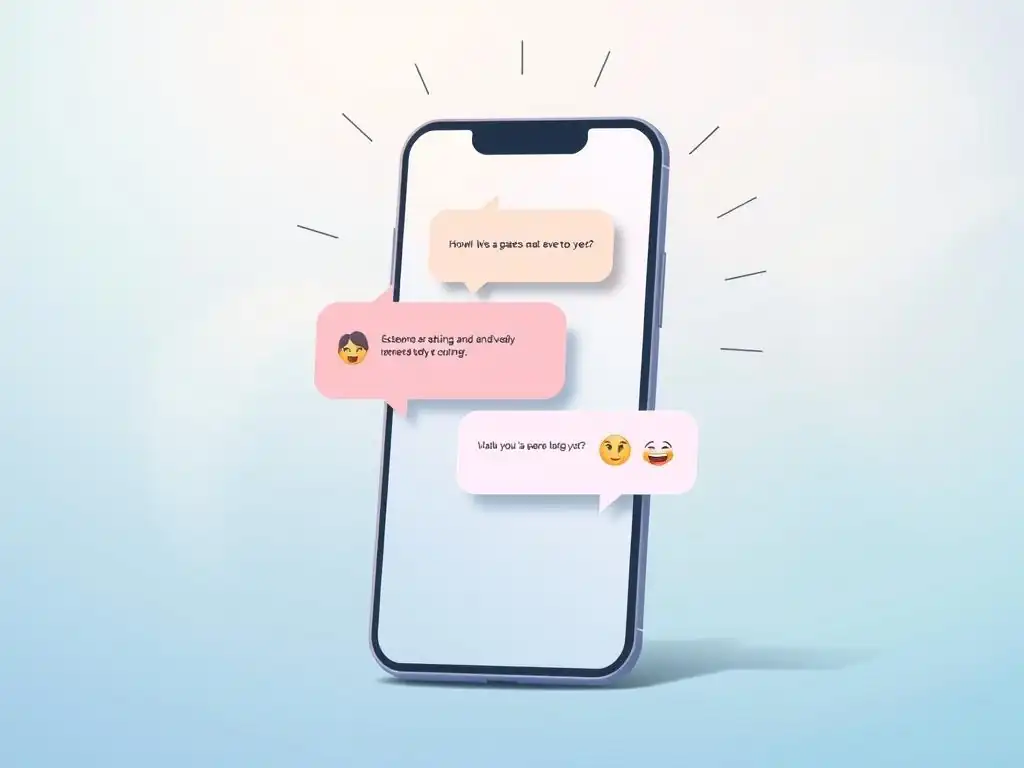
Juggling multiple online dating conversations can feel overwhelming, quickly becoming a major source of dating anxiety. The constant need to remember details about different people, maintain engaging conversations across various platforms, and manage expectations can lead to feeling stressed, overwhelmed, and even resentful. This is especially true for those with anxious attachment styles, who may tend to overthink and over-invest emotionally early on. The fear of missing out (FOMO) can exacerbate this, leading to a frantic cycle of messaging and checking profiles, increasing anxiety levels significantly.
One effective strategy is to prioritize quality over quantity. Instead of trying to keep dozens of conversations going, focus on a smaller number of connections that genuinely spark your interest. This allows for more meaningful interactions and reduces the cognitive load of managing numerous exchanges. Furthermore, be upfront about your availability and capacity. You can politely let people know that you're focusing on a few connections at a time and that you'll respond when you can.
This sets healthy boundaries and manages expectations, reducing the pressure to constantly be "on." Remember, genuine connection takes time, and rushing the process often leads to burnout and increased anxiety. Prioritizing quality interactions over quantity significantly reduces the mental clutter and stress associated with managing multiple conversations. This approach allows you to engage more authentically and reduces the risk of feeling overwhelmed or burnt out.
Trigger 5: The First Date and Meeting in Person Anxiety
The transition from online messaging to an in-person first date is a significant milestone, often accompanied by a surge in anxiety. For individuals with anxious attachment, this leap can be particularly challenging. The anticipation, coupled with the vulnerability of meeting someone face-to-face after building a connection online, can trigger intense feelings of self-doubt, fear of rejection, and uncertainty about the outcome. The fear of the unknown, the potential for the in-person experience not matching the online persona, and the heightened pressure to make a good impression all contribute to this anxiety.
Preparing for the first date strategically can significantly alleviate this stress. Choosing a public and comfortable location reduces the pressure and provides a sense of safety. Planning a specific activity, like grabbing coffee or going for a walk, can also make the interaction feel less daunting than a formal dinner. Remember, the goal of the first date is to get to know each other, not to make a life-altering decision. Focusing on genuine conversation and enjoying the experience, rather than fixating on the outcome, can significantly reduce anxiety. Practicing self-compassion and reminding yourself that it's okay to feel nervous is crucial. Accepting that first dates can be awkward sometimes can prevent the build-up of unrealistic expectations. Finally, remember that a date is simply an opportunity to connect with someone; if it doesn't lead to a romantic relationship, it's not a personal failure. This shift in perspective can be incredibly empowering.
Strategies to Manage Dating Anxiety Triggers
This section explores practical strategies to help you manage dating anxiety triggers, fostering a more positive and successful online dating experience. Remember, recognizing and addressing your anxieties is a crucial step towards building healthier relationships. The journey to managing dating anxiety is personal, and what works for one person might not work for another. The key is to experiment and find what resonates with you.
Mindfulness and Self-Compassion Techniques
Mindfulness and self-compassion are powerful tools in managing anxiety. They help you observe your anxious thoughts and feelings without judgment, reducing their intensity. Instead of letting anxiety control you, you learn to acknowledge it as a temporary state.
Practicing mindfulness involves focusing on the present moment. Simple techniques include deep breathing exercises, body scans (paying attention to physical sensations), and mindful meditation. Even a few minutes a day can make a significant difference. For example, before checking your dating app, take five deep breaths, focusing on the sensation of the air entering and leaving your body. This simple act can ground you and reduce the anticipatory anxiety associated with potential rejection or disappointment.
Self-compassion involves treating yourself with kindness and understanding, particularly during moments of vulnerability. When anxiety strikes, avoid self-criticism. Instead, speak to yourself as you would a close friend facing a similar challenge. Remember that everyone experiences setbacks; it's part of the human experience. Acknowledge your feelings without judgment, and remind yourself that you're doing your best.
For instance, if you receive a negative response from someone, instead of thinking, "I'm unlovable," try, "This didn't work out, but it doesn't diminish my worth. I'll keep learning and growing." This shift in self-talk can significantly impact your emotional well-being. Consider keeping a journal to track your progress and identify patterns in your anxiety triggers.
Setting Realistic Expectations in Online Dating
Online dating, while offering exciting possibilities, can also amplify anxieties. Unrealistic expectations contribute significantly to this heightened anxiety. Many individuals enter online dating with idealized visions of their perfect partner and a flawless romantic experience. This sets them up for inevitable disappointment.
To effectively manage dating anxiety triggers, it's crucial to set realistic expectations. Understand that online dating is a numbers game; not every interaction will lead to a successful connection. Rejection is a normal part of the process. Focus on building genuine connections rather than chasing a specific outcome. Instead of aiming for "the one" immediately, consider online dating as a journey of self-discovery and learning. Each interaction, even those that don't lead to a long-term relationship, provides valuable experience and insights into your preferences and needs.
Furthermore, avoid comparing yourself to others. Social media often presents a curated and unrealistic view of relationships. Focus on your own progress and celebrate your accomplishments, no matter how small. Remember that everyone's journey is unique, and comparing yourself to others will only increase anxiety and self-doubt. Setting realistic goals, like having meaningful conversations with three new people each week, can help shift your focus from an overwhelming search for "the one" to more manageable steps.
Building Self-Esteem and Confidence
Low self-esteem and a lack of confidence often exacerbate dating anxiety. Individuals with low self-esteem may overthink messages, constantly seek validation, and fear rejection more intensely. Building self-esteem is therefore crucial for managing dating anxiety triggers.
Engage in activities that boost your self-worth. This might involve pursuing hobbies you enjoy, focusing on personal growth, or setting and achieving goals—both large and small. Celebrating your accomplishments, no matter how insignificant they may seem, reinforces your sense of self-efficacy. For example, if you've been wanting to learn a new skill, enrolling in a class and diligently practicing will not only build your skills but also bolster your confidence. This increased confidence will translate to more relaxed and authentic interactions in online dating.
Consider seeking professional help if your anxiety significantly impacts your daily life. A therapist can provide personalized strategies and support to address underlying issues contributing to low self-esteem and dating anxiety. They can help you identify and challenge negative thought patterns, develop coping mechanisms, and build resilience.
Remember, seeking professional assistance is a sign of strength, not weakness. It's an investment in your mental well-being and can significantly improve your overall quality of life, including your online dating experience. Taking proactive steps towards improving your self-esteem is a key element in successfully managing dating anxiety triggers and building fulfilling relationships.
Healthy Communication Strategies for Online Dating

Effective communication is crucial for managing dating anxiety and building healthy relationships. Online dating presents unique challenges, as the lack of face-to-face interaction can amplify anxieties. Therefore, adopting healthy communication strategies is paramount for success. Start by setting realistic expectations. Don't expect instant replies or constant communication; people have lives and responsibilities. Respect their time and boundaries. Furthermore, prioritize clear and concise messaging.
Avoid ambiguity or overly suggestive language that might lead to misinterpretations and heightened anxiety. Be upfront about your intentions and feelings, but do so in a respectful and considerate manner. For example, instead of saying "Hey, what are you up to? ", try "I'm looking forward to getting to know you better. Are you free for a quick chat later this week?". This shows initiative and respect for their time.
Another vital aspect is active listening. When engaging in conversations, focus on understanding their perspective rather than formulating your response. Pay attention to their words, tone, and even subtle cues in their messages. This demonstrates genuine interest and reduces the likelihood of misunderstandings that trigger anxiety. Remember that online communication lacks non-verbal cues, so extra care is needed to interpret messages accurately. If something feels unclear or ambiguous, don't hesitate to ask clarifying questions.
This proactive approach minimizes misinterpretations and reduces anxiety caused by uncertainty. Finally, practice self-compassion. If a conversation doesn't go as planned or if you experience a setback, acknowledge your feelings without self-criticism. Learning from these experiences is key to building resilience and managing future anxieties. Remember that not every connection will be successful, and that's okay. Focus on your personal growth and well-being throughout the process.
Creating a Supportive Network
Building a strong support network is essential for navigating the challenges of online dating and managing dating anxiety triggers. This network can consist of trusted friends, family members, or even a therapist specializing in relationship issues or anxiety management. Sharing your experiences with these individuals can provide valuable perspective and emotional support.
They can offer encouragement, challenge negative thought patterns, and help you process difficult situations. For example, if you experience rejection or a frustrating interaction, talking it through with a supportive friend can help you reframe the situation and avoid dwelling on negative emotions. This reduces the likelihood of those emotions escalating into overwhelming anxiety.
Consider joining support groups or online communities focused on dating or anxiety. Connecting with others who share similar experiences can foster a sense of belonging and reduce feelings of isolation. These communities can provide a safe space to share vulnerabilities, ask for advice, and learn from others' experiences.
The shared understanding within these groups can significantly lessen the feeling of being alone in dealing with dating anxiety. Remember, seeking professional help is not a sign of weakness but a sign of strength. A therapist can provide personalized strategies for managing anxiety, improving communication skills, and developing healthy coping mechanisms.
They can help you identify and address underlying issues that contribute to your anxiety, such as past relationship trauma or insecure attachment styles. Therapy provides a safe and structured environment to explore these issues and develop effective strategies for managing them. Building a supportive network, whether through personal connections or professional support, significantly improves your ability to manage dating anxiety triggers and fosters a healthier approach to online dating.
Developing Healthy Coping Mechanisms for Dating Anxiety
This section focuses on practical strategies to manage dating anxiety stemming from anxious attachment. Successfully navigating the online dating world requires equipping yourself with effective coping mechanisms. Learning to identify and challenge negative thoughts, prioritize self-care, and establish healthy boundaries are crucial steps towards reducing anxiety and fostering healthier dating experiences. Remember, managing dating anxiety triggers is a journey, not a destination. Consistency and self-compassion are key.
Identifying and Challenging Negative Thought Patterns
Anxious attachment often fuels negative thought patterns that exacerbate dating anxiety. These thoughts might manifest as catastrophizing ("If I don't get a response, it means they hate me"), overgeneralization ("No one will ever like me"), or mind-reading ("They're definitely bored talking to me"). The first step towards managing these triggers is identifying them. Keep a journal documenting your thoughts and feelings before, during, and after dating interactions. Notice recurring themes and patterns.
Next, actively challenge these negative thoughts. Ask yourself: Is this thought based on facts or assumptions? What evidence supports this thought? What would I tell a friend who had this thought? Often, these negative thoughts are distortions of reality. By consciously challenging them, you can begin to replace them with more balanced and realistic perspectives. For example, if you're worried about a lack of response, consider alternative explanations: they might be busy, their phone might be malfunctioning, or they simply might not be the right match. Reframing these situations reduces the power of anxiety-inducing thoughts.
Practicing Self-Care and Stress Reduction Techniques
Self-care is not a luxury; it's a necessity when managing dating anxiety. Prioritizing your well-being reduces your vulnerability to triggers and enhances your resilience. This involves incorporating various stress-reduction techniques into your daily routine.
Here are some effective strategies:
- Mindfulness and Meditation: Regular mindfulness practices help you stay grounded in the present moment, reducing rumination on past interactions or anxieties about future ones. Even 5-10 minutes a day can make a significant difference.
- Exercise: Physical activity releases endorphins, which have mood-boosting effects. Aim for at least 30 minutes of moderate-intensity exercise most days of the week.
- Healthy Diet: Nourishing your body with wholesome foods provides the energy and nutrients needed to manage stress effectively. Limit processed foods, sugar, and caffeine, which can exacerbate anxiety.
- Sufficient Sleep: Aim for 7-9 hours of quality sleep each night. Adequate sleep is crucial for emotional regulation and stress management.
- Hobbies and Interests: Engaging in activities you enjoy provides a healthy distraction from dating anxieties and boosts your overall well-being. Make time for hobbies that bring you joy and relaxation.
Setting Boundaries in Online and Offline Dating Interactions
Setting healthy boundaries is paramount in managing dating anxiety. This involves clearly communicating your needs and limits, both online and offline. This might involve:
- Limiting screen time: Excessive online dating can fuel anxiety. Set specific times for checking dating apps and avoid constant refreshing or obsessive checking for messages.
- Protecting personal information: Never share sensitive personal information until you've established trust and safety with someone.
- Communicating your availability: Be upfront about your schedule and availability. Don't feel pressured to respond instantly or engage in constant communication.
- Saying "no" without guilt: It's okay to decline dates or interactions that don't feel right. Prioritize your comfort and safety.
- Respecting others' boundaries: Just as you need to set boundaries, it's equally important to respect the boundaries of others. This fosters mutual respect and reduces potential conflict.
By consistently implementing these strategies, you can effectively manage dating anxiety triggers and cultivate healthier, more fulfilling dating experiences. Remember, seeking professional support from a therapist or counselor specializing in anxious attachment can provide additional guidance and tools.
Seeking Professional Support for Anxious Attachment

Dating anxiety, especially when rooted in anxious attachment, can be incredibly challenging to manage alone. While self-help strategies are valuable, professional support can provide a structured and personalized approach to address the underlying issues contributing to your anxiety. A therapist specializing in attachment styles and anxiety can offer a safe space to explore your experiences, understand the roots of your anxieties, and develop effective coping mechanisms tailored to your specific needs. This might involve Cognitive Behavioral Therapy (CBT), which helps identify and challenge negative thought patterns fueling your anxiety.
It could also include techniques like mindfulness and relaxation exercises to manage overwhelming feelings in the moment. Remember, seeking professional help is a sign of strength, not weakness. It demonstrates a commitment to your well-being and your desire to build healthier relationships. Many therapists offer online sessions, making it easier than ever to access the support you need, regardless of your location.
The investment in professional guidance can significantly improve your dating experience and contribute to long-term relationship success. Don't underestimate the power of having an objective, trained professional guide you through this process. They can provide accountability, offer alternative perspectives, and help you navigate challenging situations with greater confidence. Finding the right therapist is crucial; look for someone with experience in attachment theory and anxiety disorders.
Long-Term Strategies for Sustainable Dating Success
Managing dating anxiety triggers isn't a one-time fix; it's an ongoing process requiring consistent effort and self-compassion. Building sustainable dating success means cultivating long-term healthy habits that support your emotional well-being. This includes prioritizing self-care, which might involve regular exercise, a balanced diet, sufficient sleep, and engaging in activities you enjoy. These practices reduce overall stress levels, making you more resilient to dating anxieties. Cultivating a strong support system is equally important. Surround yourself with supportive friends and family who understand your struggles and offer encouragement.
Sharing your experiences can reduce feelings of isolation and provide valuable perspectives. Furthermore, practicing self-acceptance is vital. Recognize that it’s okay to feel anxious; it’s a normal human emotion. Focus on self-compassion rather than self-criticism. Challenge negative self-talk and replace it with positive affirmations. Remember your worth is not determined by your dating successes or failures.
Finally, consider setting realistic expectations for yourself and your dating journey. Dating is a process, not a race. Allow yourself time to heal, grow, and build healthy relationships. Celebrate small victories along the way and learn from setbacks. By focusing on these long-term strategies, you can build a stronger foundation for sustainable dating success and navigate the challenges of anxious attachment with greater ease and confidence. This holistic approach fosters a sense of self-assuredness that extends far beyond the realm of online dating, positively impacting all aspects of your life.
Overcoming Dating App Anxiety and Building Resilience
Dating apps, while offering exciting possibilities, can also be significant sources of dating anxiety triggers. The constant influx of notifications, the pressure to present a perfect profile, and the uncertainty of responses can fuel anxious feelings. However, with proactive strategies, you can significantly reduce these triggers and build resilience. Learning to manage your relationship with dating apps is key to managing dating anxiety. This section will explore practical techniques to navigate this challenging aspect of online dating.
Managing Notifications and Limiting App Usage
The relentless stream of notifications from dating apps can be overwhelming, leading to a cycle of checking, refreshing, and ultimately, increased anxiety. Consider these strategies to regain control:
- Turn off push notifications: This single action can dramatically reduce the frequency of anxiety-inducing alerts. You can still check the app periodically, but without the constant interruptions.
- Set specific times for app usage: Instead of passively checking throughout the day, schedule dedicated times to actively engage with the app. This prevents mindless scrolling and reduces impulsive behavior driven by anxiety. For example, allocate 30 minutes in the evening to review messages and browse profiles.
- Use app timers: Many phones offer built-in app timers that limit usage. Set a daily limit to prevent excessive engagement and promote healthier habits. Even a reduction of just 15 minutes daily can make a big difference.
- Delete the app temporarily: If you find yourself constantly checking the app, consider deleting it for a few days or even a week. This provides a "digital detox" that can help reset your relationship with the app and reduce overwhelming feelings.
Focusing on Quality over Quantity in Online Dating
The pressure to accumulate matches or messages can be a significant trigger for dating anxiety. Shifting your focus from quantity to quality can significantly reduce this pressure. Instead of aiming for numerous matches, concentrate on engaging meaningfully with a select few individuals.
This approach requires a conscious effort to prioritize quality interactions over superficial connections. Take time to write thoughtful messages, engage in genuine conversations, and focus on building rapport. Remember, the goal is to find a compatible partner, not to amass a large number of connections. Prioritize meaningful conversations over superficial swipes. Consider the quality of your interactions, not just the quantity of matches. This shift in perspective is crucial for managing your anxiety and cultivating more fulfilling connections. Focus on building genuine connections, not just collecting matches.
Celebrating Small Victories and Progress
Online dating can be a marathon, not a sprint. It's essential to acknowledge and celebrate your progress, however small it may seem. Every thoughtful message sent, every engaging conversation had, and every genuine connection made is a step forward. Don't discount these achievements.
- Keep a journal: Regularly documenting your experiences, both positive and negative, can help you track your progress and identify patterns. Celebrating small wins, like receiving a positive response or having a meaningful conversation, can boost your confidence and resilience.
- Reward yourself: Acknowledge your efforts with small rewards. This could be anything from enjoying a relaxing evening to treating yourself to something you enjoy. Positive reinforcement can help maintain motivation and reduce feelings of discouragement.
- Practice self-compassion: Online dating is challenging for everyone. Be kind to yourself and acknowledge that setbacks are a normal part of the process. Focus on your strengths and celebrate your progress, no matter how small. Remember that building resilience takes time and consistent effort. Self-compassion is key to managing dating anxiety.
Learning from Setbacks and Moving Forward
Dating, especially online dating, involves its share of setbacks. Rejection is a common experience, and it's crucial to approach these instances with self-compassion rather than self-criticism. Instead of viewing rejection as a personal failure, reframe it as a mismatch – simply meaning that person wasn't the right fit for you. This perspective shift is vital for managing dating anxiety triggers.
Remember, compatibility is complex, and not every connection will blossom into a relationship. For example, you might have matched with someone who seemed perfect on paper, but discovered during conversation that your long-term goals are drastically different. This isn't a reflection of your worth; it's simply a matter of finding the right match.
Analyzing setbacks constructively can also be beneficial. Consider what you learned from each experience. Did you discover communication styles that don't work for you? Did you realize you were compromising your values to accommodate someone else? These are valuable insights that can inform your future dating interactions and help you build more resilient dating habits.
Journaling can be a powerful tool here; writing down your thoughts and feelings after a less-than-successful date can help process emotions and identify patterns. Perhaps you consistently choose partners who exhibit similar negative traits – understanding this pattern can help you break the cycle and make more conscious choices in the future. Remember, each "failed" date is a step closer to understanding what you want and need in a partner. This learning process is key to managing dating anxiety triggers and building confidence in your approach to online dating.
Maintaining a Positive Mindset Throughout the Dating Process
Maintaining a positive mindset is paramount for navigating the challenges of online dating, particularly when managing dating anxiety triggers. This doesn't mean ignoring negative emotions; rather, it involves actively cultivating a balanced perspective. Practice self-care regularly. This could involve engaging in activities you enjoy, spending time with loved ones, or simply taking time for relaxation and reflection.
Prioritizing self-care helps buffer against the potential stressors of online dating and builds your emotional resilience. For example, scheduling regular yoga sessions or dedicating time to a hobby can significantly reduce stress levels and improve overall well-being. This improved well-being directly translates to a more positive and confident approach to dating.
Another crucial aspect is to celebrate small victories. Don't solely focus on the ultimate goal of finding a long-term partner. Acknowledge and appreciate the positive aspects of your dating journey. Did you have an engaging conversation with someone new? Did you feel comfortable and confident during a date? These seemingly minor successes contribute to building self-esteem and reducing anxiety.
Consider keeping a "success journal" where you record these positive experiences. This helps shift your focus from potential setbacks to the positive interactions you've had, reinforcing a more optimistic outlook. Remember, the journey itself is valuable; focusing solely on the "end goal" can increase pressure and anxiety. By focusing on the positive aspects and celebrating small wins, you build resilience and manage dating anxiety triggers more effectively. This mindful approach empowers you to navigate the online dating world with greater confidence and a healthy perspective.
Frequently Asked Questions
What are some common dating anxiety triggers?
Common triggers include fear of rejection, feeling inadequate compared to others, past negative dating experiences, and pressure to impress. Understanding your specific triggers is the first step to managing them.
How can anxious attachment affect my online dating experience?
Anxious attachment can lead to excessive worrying, needing constant reassurance, and difficulty with healthy boundaries. Recognizing this pattern and practicing self-compassion are crucial.
What strategies can I use to manage dating anxiety triggers before a date?
Engage in self-soothing techniques like deep breathing or meditation. Remind yourself of your strengths and positive qualities. Visualize a positive and relaxed date scenario.
How can I cope with anxiety during an online dating interaction?
Practice mindfulness to stay present. Take breaks if needed. Remember that it's okay to be yourself and not to overthink every message.
How can I tell if my anxiety is impacting my dating success negatively?
Signs include avoiding dating altogether, sabotaging potential relationships, or experiencing extreme emotional distress after dates. Seeking professional help is recommended if needed.
Final Reflection: Unmasking Dating Anxiety and Forging Forward
The pervasive nature of dating anxiety, especially for those with anxious attachment styles, is not merely a personal struggle; it's a widespread experience impacting countless individuals' ability to form healthy relationships. Understanding and managing the triggers that fuel this anxiety is crucial for building fulfilling connections and achieving emotional well-being. This isn't just about finding a partner; it's about cultivating self-awareness and empowerment.
The exploration of anxious attachment and its influence on dating has been profoundly insightful, highlighting the cyclical nature of fear and avoidance that often characterizes these experiences. It's a journey of self-discovery, requiring courage to confront deeply ingrained patterns and beliefs. The most courageous act is still to think for yourself. Aloud.
– Coco Chanel. This quote resonates deeply because acknowledging and addressing our anxieties, even when uncomfortable, is the first step towards genuine connection and self-acceptance. The impact of this work extends beyond the individual, shaping healthier relationship dynamics and fostering a more compassionate understanding of emotional vulnerability within our society.
Now, consider your own dating experiences. What triggers have you identified? What coping mechanisms have you found effective? Don't shy away from the discomfort; embrace it as an opportunity for growth. By actively managing your triggers, you're not just improving your dating life; you're cultivating emotional resilience and self-compassion that will enrich every aspect of your life. Take the knowledge gained here, apply it to your unique journey, and build the relationships you deserve, based on authenticity and self-acceptance.
Unlock Your Dating Potential: Take Control of Your Anxiety
Thank you for exploring the challenges of dating anxiety and anxious attachment. We hope you gained valuable insights into managing your anxieties and building healthier relationships. Now, let's put that knowledge into action!
Here are a few steps to help you move forward:
- Identify and Journal Your Triggers: Reflect on situations that trigger your anxiety and write them down. This process can be incredibly empowering and is key to long-term success.
- Practice Self-Compassion: Acknowledge your feelings without judgment. Celebrate your achievements, no matter how small, and be kind to yourself during setbacks. You've got this!
- Connect with Others: Share your experiences with others who understand. Discussing your journey can create a supportive community and offer valuable new perspectives.
What small step can you take today to begin managing your dating anxiety and build the fulfilling relationship you deserve?