
LocationBased Dating: Understanding the Drawbacks to Make Informed Choices


Ready to ditch the dating app frustrations and finally find meaningful connections? At OnlineDatingSuccess.org, we empower you to navigate the world of online dating with confidence. But before you swipe right, let's address a critical factor often overlooked: online dating location drawbacks. Discover how your location might be hindering your search for love and learn proven strategies to overcome these challenges in our insightful article on Dating App Specific Strategies. Let's unlock your dating potential – read on!
- The Allure of Proximity: Why Location-Based Dating Seems Appealing
- Unveiling the Drawbacks of Location-Based Online Dating: Online Dating Location Drawbacks
- Navigating Location-Based Dating: Tips for Minimizing Risks
-
Frequently Asked Questions
- What are some drawbacks of location-based online dating?
- How can I mitigate the limitations of location-based dating?
- Does location-based dating always lead to more convenient dates?
- Are there privacy risks associated with location-based online dating?
- How can I use location-based features strategically and safely?
- Final Reflection: Navigating the Geolocation Minefield of Modern Dating
- Level Up Your Dating Strategy: Take Control of Your Love Life
The Allure of Proximity: Why Location-Based Dating Seems Appealing
Online dating has revolutionized how we meet potential partners, offering a vast pool of possibilities beyond our immediate social circles. However, the rise of location-based dating apps has introduced a new layer of complexity, promising convenience and increased chances of meeting someone nearby. This article delves into the often-overlooked drawbacks of prioritizing location in your online dating strategy, empowering you to make informed choices that align with your relationship goals and personal safety.
Understanding these potential downsides will help you navigate the world of online dating more effectively and increase your chances of finding a meaningful connection, rather than simply a geographically convenient one. We will explore the seemingly attractive aspects of proximity before revealing the less glamorous realities. Ultimately, we aim to help you harness the power of online dating without falling prey to the limitations imposed by solely focusing on location.
Convenience and Accessibility in Online Dating Location
The appeal of location-based dating is undeniable. The promise of connecting with someone just a short drive or even a walk away is incredibly tempting. It conjures images of spontaneous coffee dates, effortless meetups, and the reduced logistical headaches associated with long-distance relationships. Many users find the sheer accessibility a significant advantage.
The ease of filtering profiles based on proximity simplifies the search process, making it seem like finding a date is as simple as checking a nearby restaurant. This perceived convenience often outweighs other crucial factors, leading users to inadvertently overlook potential red flags or compatibility issues simply because someone lives "close by". This convenience can be particularly alluring for busy professionals or individuals with limited time for extensive searching and travel.
Many users report a sense of increased control and reduced anxiety associated with knowing their potential dates are geographically close. The perceived safety net of proximity can feel reassuring, especially for those new to online dating or those who have experienced negative experiences in the past. However, this perceived sense of security can be misleading, and as we will explore later, proximity doesn't necessarily equate to safety or compatibility.
The Promise of Easier Meetings and Reduced Travel Time
Location-based dating frequently markets itself on the ease of arranging in-person meetings. The logic is straightforward: less distance equals less travel time, leading to more frequent dates and quicker progress in getting to know someone. This is a powerful selling point, especially for individuals who value efficiency and dislike the complexities of coordinating schedules across larger distances.
The idea of effortlessly meeting for a casual drink after work or a weekend brunch feels significantly more appealing than the prospect of planning a date across town or even further afield. This ease of arranging meetings is often presented as a key benefit, and for many, it is a crucial factor in their online dating choices.
However, this perceived ease can lead to rushed decisions, and the focus on proximity can distract from more important aspects of compatibility and connection. The convenience of proximity should never overshadow the importance of finding a genuine connection based on shared values and interests.
Unveiling the Drawbacks of Location-Based Online Dating: Online Dating Location Drawbacks
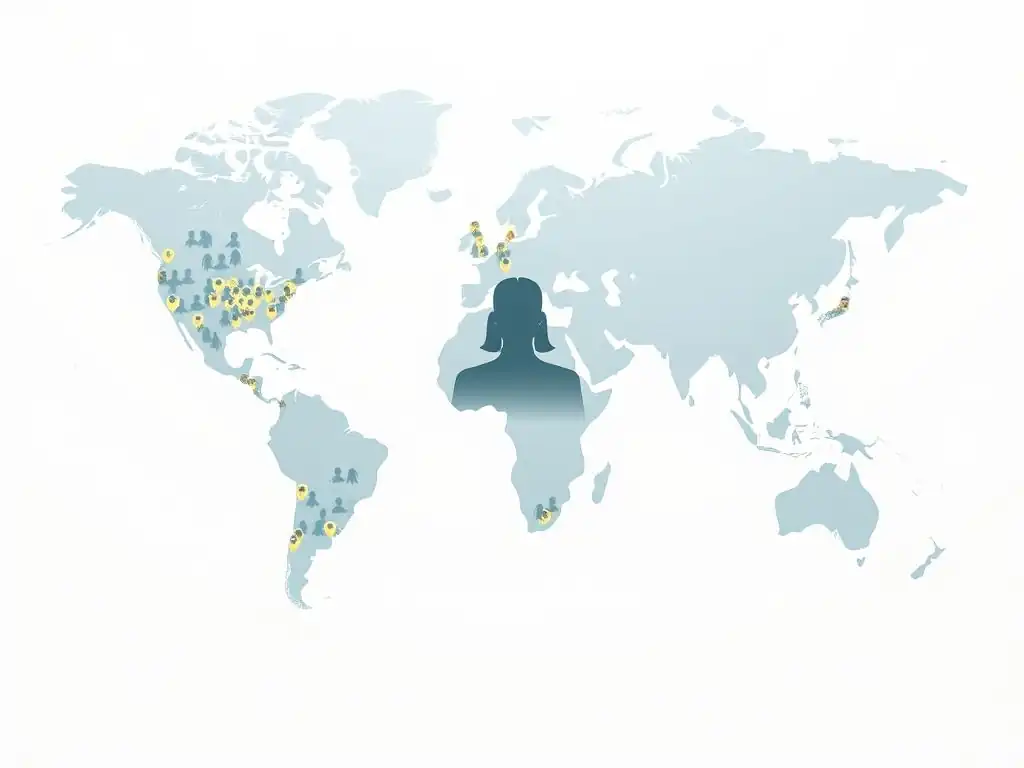

Location-based dating, while offering the convenience of connecting with nearby singles, presents several significant drawbacks that users should carefully consider. This section delves into these challenges, providing insights to help you make informed decisions about your online dating approach. Understanding these potential downsides empowers you to mitigate risks and maximize your chances of finding a fulfilling connection.
Limited Dating Pool and Potential for Missed Connections
The core limitation of location-based dating lies in its inherent restriction—a smaller pool of potential partners. This can significantly impact your dating experience, potentially leading to missed connections with compatible individuals outside your chosen radius.
Geographic Restrictions and Reduced Diversity in Online Dating
Focusing solely on proximity can severely limit the diversity of individuals you encounter. You might miss out on meeting someone who shares your values and interests but lives just beyond your specified search distance. This is especially true in less densely populated areas where the number of potential matches within a reasonable radius might be quite small.
For example, someone living in a rural area might find their options drastically reduced compared to someone in a large metropolitan city. This geographical limitation can lead to a sense of frustration and a feeling of being confined to a smaller, potentially less diverse, dating pool. The algorithm's focus on proximity overshadows other crucial compatibility factors, potentially leading to a less rewarding online dating experience.
Missing Out on Potentially Compatible Partners Outside Your Radius
Many successful relationships blossom between individuals who live further apart than initially anticipated. Restricting your search to a limited geographical area might cause you to miss out on potentially compatible partners who live slightly further away but could be ideal for you in every other aspect. Consider long-distance relationships – although requiring more effort, these can be incredibly rewarding. By limiting your search based solely on location, you are artificially reducing the possibilities and potentially limiting your chances of finding a truly compatible partner. Remember that compatibility extends far beyond geographical proximity.
Safety Concerns: Increased Risk in Location-Based Dating Apps
While location-based features offer convenience, they also introduce increased safety concerns. The proximity factor inherent in these apps means you're more likely to encounter individuals in your immediate vicinity, potentially increasing the risk of unwanted encounters or even dangerous situations.
The Dangers of Meeting Strangers in Your Local Area
Meeting strangers from online dating apps, particularly those using location-based features, carries inherent risks. While many people have positive experiences, the potential for encountering individuals with malicious intent is heightened when meeting someone you've only interacted with online in your local area. It's crucial to prioritize safety and take precautions, such as meeting in well-lit public places, informing a friend or family member of your plans, and being mindful of your surroundings. Remember, your safety is paramount. Never feel pressured to meet someone in person before you feel comfortable and confident in doing so.
Strategies for Enhancing Safety in Location-Based Dating
Despite the inherent risks, you can significantly enhance your safety when using location-based dating apps. Always conduct thorough background checks when possible, meet in well-lit public places for initial encounters, and always share your location and meeting details with a trusted friend or family member. Trust your instincts: if something feels off, don't hesitate to end the interaction. Using the app's safety features, such as reporting inappropriate behavior, is also crucial.
Proactive safety measures are essential to mitigating the risks associated with location-based dating. Remember, a safe and positive dating experience should always be your top priority. Prioritize your well-being and make informed decisions to protect yourself.
Relationship Challenges: Proximity's Impact on Online Dating Relationships
Proximity, while seemingly advantageous in location-based dating, can surprisingly complicate relationships. The ease of frequent, unplanned encounters can accelerate the relationship's progression, potentially overwhelming both partners before a solid foundation is established. This rapid escalation can lead to unrealistic expectations and premature commitment, increasing the likelihood of conflict and ultimately, relationship failure.
Consider the scenario of two individuals who meet through a location-based app and find themselves constantly bumping into each other at local coffee shops or events. This constant proximity, while initially exciting, can quickly become stifling if one or both partners need more space to breathe and develop independently. The lack of "distance" can also hinder the development of trust and emotional intimacy as the relationship progresses too quickly, skipping crucial stages of getting to know each other.
This fast-paced dynamic often overshadows the importance of open communication and the careful cultivation of a healthy, long-term connection. Effective communication and establishing healthy boundaries become paramount to mitigate the risks associated with proximity's influence.
The Pressure of Physical Proximity on New Relationships
The pressure cooker effect of constant proximity can be particularly intense in the early stages of a relationship. The natural desire for personal space and time for self-reflection can be easily compromised when your dating partner lives just down the street. This can lead to feelings of being suffocated or overwhelmed, particularly for individuals who value their independence and personal time.
Imagine a scenario where a new couple, constantly together due to their close proximity, finds their individual hobbies and friendships suffering as a result. This lack of individual space can lead to resentment and conflict, potentially jeopardizing the relationship's overall health. Furthermore, couples who live close together might rush into cohabitation or significant life decisions without adequately assessing their compatibility, leading to future complications.
Establishing clear communication about individual needs and respecting personal space are critical for navigating the challenges of close proximity in a new relationship. Setting aside dedicated "me time" and engaging in separate activities can help maintain a healthy balance and prevent feelings of being overwhelmed.
The Difficulty of Maintaining Privacy in Location-Based Dating
Location-based dating presents unique challenges to maintaining privacy. The inherent nature of these apps involves sharing real-time location data, making it easier for potential partners to discover personal information beyond what's explicitly shared on the profile. This lack of control over the level of information disclosed can create a sense of vulnerability and discomfort for some users.
For instance, a user might unknowingly reveal their home address or workplace through their frequent check-ins or location-based posts. This lack of privacy can be especially concerning for individuals who have experienced stalking or harassment in the past. It's vital to be mindful of the information you share and adjust privacy settings to limit the amount of personal data accessible to others.
Consider using location-based apps sparingly or opting for less location-specific dating platforms to enhance your privacy. Being cautious about the information you share online is crucial for maintaining personal safety and security.
Dealing with Stalking or Harassment: Online Dating Location Risks
Location-based dating apps, while offering convenience, increase the risk of stalking and harassment. The ease of tracking a person's movements and knowing their daily routine presents a significant security risk, particularly for women. This is a serious concern that needs to be addressed proactively. The potential for misuse of location data is a reality that cannot be ignored. A seemingly harmless date can quickly escalate into a dangerous situation if the other person uses location data to track or harass their date.
Recognizing and Addressing Potentially Dangerous Behavior
Identifying potentially dangerous behavior in online dating is crucial for safety. Red flags can include excessive messaging, unwanted calls or texts, showing up unexpectedly at your home or workplace, or making comments that are sexually suggestive or threatening. These behaviors are not simply annoying; they're indicators of a potential threat. If someone repeatedly ignores your boundaries or makes you feel uncomfortable, it's essential to take action immediately.
This could involve blocking them on the app, reporting their behavior to the platform, and informing trusted friends or family members of the situation. Trust your instincts; if something feels wrong, it probably is. Prioritizing your safety should always be the top priority. Don't hesitate to seek help from law enforcement if the situation escalates.
Reporting Mechanisms and Safety Precautions for Online Dating
Most online dating platforms offer reporting mechanisms for users to flag inappropriate behavior or potential safety concerns. Familiarize yourself with these reporting procedures and utilize them promptly if you encounter any concerning behavior. These mechanisms vary across platforms but generally involve reporting profiles or specific messages. Beyond reporting, taking proactive safety measures is essential. Always meet in public places for the first few dates, let a friend or family member know your plans, and share your location with them.
Avoid sharing too much personal information online, and be cautious about sharing your exact address or workplace. Consider using a burner phone or a separate email address for online dating to protect your personal information. Prioritizing your safety involves being informed, cautious, and proactive in managing your interactions on location-based dating platforms. Remember that your safety is paramount, and it's always better to err on the side of caution.
Location-based dating apps offer convenience, connecting you with singles in your immediate vicinity. However, relying solely on proximity can significantly limit your dating pool and introduce unforeseen challenges. Understanding these limitations is crucial for a successful and safe online dating experience. This section explores practical strategies to mitigate the risks associated with focusing exclusively on location-based matches. Successfully navigating the world of online dating location drawbacks requires a proactive and informed approach.
Setting Realistic Expectations: Matching Location with Dating Goals
Many users fall into the trap of believing that proximity equates to compatibility. While living nearby simplifies initial meetings and ongoing relationships, shared location shouldn't be the sole deciding factor. Consider your dating goals. Are you seeking a casual relationship, a long-term commitment, or something in between? A geographically limited search might restrict your options, especially if you're looking for someone with specific interests or personality traits that might be less prevalent in your immediate area.
For instance, someone seeking a partner who enjoys hiking might find a much smaller pool of potential matches in a densely populated urban area compared to a region with abundant outdoor recreational opportunities. Similarly, someone looking for a partner who shares a specific niche hobby might need to broaden their geographical search to find compatible individuals. Therefore, carefully evaluating your dating goals and adjusting your location parameters accordingly is paramount.
Don't confine yourself unnecessarily; a wider search radius can significantly expand your potential matches and increase your chances of finding someone truly compatible. Remember, successful online dating is about more than just shared zip codes.
Diversifying Your Dating Approach: Balancing Location-Based and Non-Location-Based Apps
Over-reliance on location-based dating can lead to disappointment and frustration. To avoid this, consider diversifying your approach by using a mix of location-based and non-location-based dating apps. This strategy offers a broader range of potential partners, reducing the limitations imposed by geographical proximity.
Think of it this way: location-based apps are like fishing in a small pond – you might catch some fish, but your options are limited. Non-location-based apps are like fishing in the ocean – far more options, but it might require a bit more effort. A balanced approach allows you to cast a wider net, increasing the likelihood of finding someone compatible, regardless of their physical location. This balanced strategy helps to mitigate the online dating location drawbacks effectively.
This strategy also allows for a more nuanced understanding of your preferences. You might discover that you're more drawn to individuals with specific personality traits or interests, regardless of their proximity. This discovery can inform future dating choices and refine your search criteria.
Prioritizing Safety and Communication Strategies for Online Dating
Regardless of the app you use, prioritizing safety and effective communication remains paramount. Location-based dating, while offering convenience, can potentially increase safety risks if not handled carefully. Always meet in well-lit, public places for initial dates. Inform a friend or family member about your plans, including the time, location, and the person you're meeting. Trust your instincts; if something feels off, don't hesitate to leave.
Effective communication is crucial. Before meeting in person, engage in meaningful conversations to assess compatibility and build rapport. Avoid sharing sensitive personal information too early in the process, and be wary of individuals who pressure you to meet quickly or share excessive personal details.
Remember, a successful online dating experience is built on mutual respect, open communication, and a commitment to safety. Being aware of potential online dating location drawbacks and implementing these safety measures can greatly enhance your online dating experience. Prioritizing these aspects can lead to more positive and safer interactions, ultimately increasing the chances of building meaningful connections.
Frequently Asked Questions
What are some drawbacks of location-based online dating?
Location-based dating can limit your pool of potential partners, restricting you to those within a specific radius. This might exclude compatible individuals who live further away but could be a great match. It also raises privacy concerns.
How can I mitigate the limitations of location-based dating?
Consider expanding your search radius to include a wider area. You can also use dating apps without strict location features, focusing on shared interests or personality traits instead of proximity. Prioritize safety and communication regardless of distance.
Does location-based dating always lead to more convenient dates?
Not necessarily. While proximity can make initial meetings easier, it doesn't guarantee compatibility or a successful relationship. Consider the time commitment involved in meeting someone nearby versus someone further away.
Are there privacy risks associated with location-based online dating?
Yes, sharing your precise location increases your vulnerability. Be mindful of the information you share and avoid revealing too much personal data early on. Always prioritize your safety and meet in public places.
How can I use location-based features strategically and safely?
Use location features to find matches in your immediate area, but don't rely solely on proximity. Verify profiles, communicate carefully, and meet in safe, public places before sharing personal information or meeting in private locations.
The convenience of location-based dating apps is undeniable, yet their inherent biases and potential pitfalls demand careful consideration. We've explored the deceptive allure of proximity, the limitations of algorithmic matching based solely on geographical location, and the very real safety concerns that arise from prioritizing physical closeness over genuine connection. This isn't simply a discussion about technology; it's a conversation about how we approach relationships in the digital age.
The impact of location-based dating extends far beyond individual experiences; it shapes our perceptions of romance, community, and even self-worth. It influences where we choose to live, how we present ourselves online, and the very expectations we have of potential partners. The pressure to be "discoverable" within a certain radius can be immense, leading to a sense of urgency and potentially compromising choices. The most important thing in life is to learn how to give out love, and to let it come in.
– Morrie Schwartz. This quote, while not directly about dating apps, highlights the importance of genuine connection over superficial proximity.
Now, consider your own dating experiences. Have you felt pressured by the limitations of location-based apps? Have you ever prioritized proximity over compatibility? I urge you to reflect on these questions and to actively challenge the assumptions embedded within these technologies. Don't let the algorithm dictate your romantic destiny. Embrace a more mindful approach to dating, one that prioritizes genuine connection, safety, and a holistic understanding of yourself and your potential partners, regardless of their geographical location. The right person might be just around the corner, but they might also be miles away – and that's perfectly okay.
Level Up Your Dating Strategy: Take Control of Your Love Life
Thank you for exploring the complexities of location-based dating! You've gained valuable insights into potential challenges and are now better equipped to make informed decisions. Ready to put this knowledge into practice?
- Focus on genuine connection, not just proximity: Actively seek out profiles that reflect shared values and interests, rather than focusing solely on physical distance. This is key to a more rewarding dating experience.
- Share your experiences: What are your biggest concerns when using location-based dating apps? Let's discuss them in the comments below!
- Explore alternative approaches: Consider expanding your search to online communities or interest-based groups to connect with compatible individuals beyond geographical limitations.
Have you discovered a dating strategy that's more effective than relying solely on location? We'd love to hear about it!