
How to Handle Rejection Gracefully: Stay Positive in Online Dating


Welcome to OnlineDatingSuccess.org, your guide to navigating the exciting yet sometimes challenging world of online dating. Are you ready to transform your dating experience? We understand that rejection is a part of the process, but it doesn't have to define your journey. Discover powerful online dating rejection coping strategies in our latest article, and learn how to bounce back stronger, wiser, and more confident in your pursuit of meaningful connections. Let's unlock your potential for success together!
- Understanding Online Dating Rejection: Common Scenarios & Their Impact
- Developing Effective Online Dating Rejection Coping Strategies
-
Maintaining a Positive Mindset During Online Dating
- Cultivating Self-Confidence: Building Your Self-Esteem in the Online Dating World
- Setting Realistic Expectations: Avoiding Unrealistic Ideals in Online Dating
- Practicing Gratitude: Focusing on the Positive Aspects of Your Dating Journey
- Prioritizing Self-Care: Maintaining Your Well-being During the Dating Process
-
Moving Forward After Rejection in Online Dating
- Analyzing Your Approach: Identifying Areas for Improvement in Your Online Dating Profile and Communication
- Refocusing Your Goals: Re-evaluating Your Dating Expectations and Priorities
- Staying Persistent: Maintaining a Healthy Approach to Online Dating Despite Setbacks
- Seeking Support: Utilizing Friends, Family, or Therapists for Emotional Support
- Healthy Communication After Rejection (or Lack Thereof)
- Long-Term Strategies for Success in Online Dating
- Frequently Asked Questions
- Final Reflection: Embracing Resilience in the Digital Dating World
- Rediscover Your Dating Confidence: Take the Next Step
Understanding Online Dating Rejection: Common Scenarios & Their Impact
Online dating, while offering exciting possibilities for connection, also presents the very real possibility of rejection. This isn't a sign of personal failure; it's a common experience for many users, regardless of their attractiveness or dating experience. This article offers practical coping strategies and helps you navigate the emotional landscape of online dating rejection, ultimately empowering you to maintain a positive outlook and continue your search for a meaningful relationship.
We'll explore common rejection scenarios, understand the emotional impact, and identify personal triggers to develop resilience and a healthier approach to the online dating world. Mastering these "online dating rejection coping strategies" will significantly improve your overall dating experience and increase your chances of success.
Remember, rejection is a part of the process, and learning to manage it effectively is crucial for long-term success. Let's delve into the specifics to help you navigate this challenging yet common aspect of online dating.
Recognizing the Signs of Rejection in Online Dating
Rejection in online dating can manifest in various subtle and overt ways. It's not always a direct "no," and recognizing these signs is the first step towards effective coping. Some common indicators include:
- Unresponsiveness: A lack of response to your messages, even after multiple attempts, is a clear sign of disinterest. This might involve unanswered messages, ignored profile views, or a sudden cessation of communication. This can be particularly disheartening, but it's crucial to remember that it’s often not personal.
- Vague or Non-committal Responses: Short, one-word answers, or responses that avoid direct engagement with your questions, can indicate a lack of interest. They may be polite but ultimately non-committal, signaling that the other person isn't invested in pursuing a connection.
- Ghosting: This is the sudden and unexplained disappearance of someone from your online dating life. They stop responding to messages and may even delete your contact information. While frustrating, it’s sadly a common occurrence in online dating.
- Decreased Frequency of Communication: A gradual decline in the frequency or quality of messages can also be a subtle sign of rejection. If someone was initially very responsive and enthusiastic, a significant decrease in their engagement could indicate a loss of interest.
- Rejection After a Date: Even after a date, you might encounter rejection. This could be a direct "no" to a second date or a gradual fading away of contact. It's important to remember that compatibility isn't always apparent on a first meeting.
The Emotional Toll of Online Dating Rejection: How to Manage Negative Feelings
Online dating rejection can trigger a range of negative emotions, from disappointment and frustration to sadness, anger, and even self-doubt. It's important to acknowledge these feelings and develop healthy coping mechanisms to manage them effectively. These negative emotions are normal reactions to setbacks, but allowing them to consume you can hinder your progress.
Some strategies for managing these feelings include:
- Self-Compassion: Treat yourself with kindness and understanding. Remember that rejection is a common part of dating, and it doesn't reflect your worth. Avoid self-criticism and focus on self-care.
- Mindfulness and Meditation: Practicing mindfulness can help you become more aware of your thoughts and emotions without judgment. Meditation can help calm your mind and reduce stress.
- Social Support: Talk to trusted friends, family members, or a therapist about your experiences. Sharing your feelings can provide emotional support and perspective.
- Healthy Distraction: Engage in activities you enjoy, such as hobbies, exercise, or spending time with loved ones. This can help take your mind off of rejection and boost your mood.
- Journaling: Writing down your thoughts and feelings can be a helpful way to process your emotions and gain clarity.
Identifying Your Rejection Triggers and Patterns in Online Dating
Understanding your personal triggers and patterns related to rejection is crucial for building resilience. Reflecting on past experiences can help you identify recurring themes or behaviors that contribute to negative feelings. Are you drawn to certain types of people who consistently reject you? Do you tend to overshare early on, potentially scaring people off? Identifying these patterns allows you to develop more adaptive strategies.
Consider these questions to help identify your rejection triggers and patterns:
- What types of profiles or messages typically lead to rejection?
- What are your common reactions when you experience rejection?
- What are your self-limiting beliefs about dating and relationships?
- What are your communication styles – are they too assertive, too passive, or something else?
- What are your expectations of online dating? Are they realistic and healthy?
By understanding these patterns, you can proactively adjust your approach to online dating, improving your chances of success and building greater self-confidence. Remember, navigating online dating is a journey, and learning to handle rejection gracefully is a key component of that journey. It’s about learning, adapting, and growing.
Developing Effective Online Dating Rejection Coping Strategies
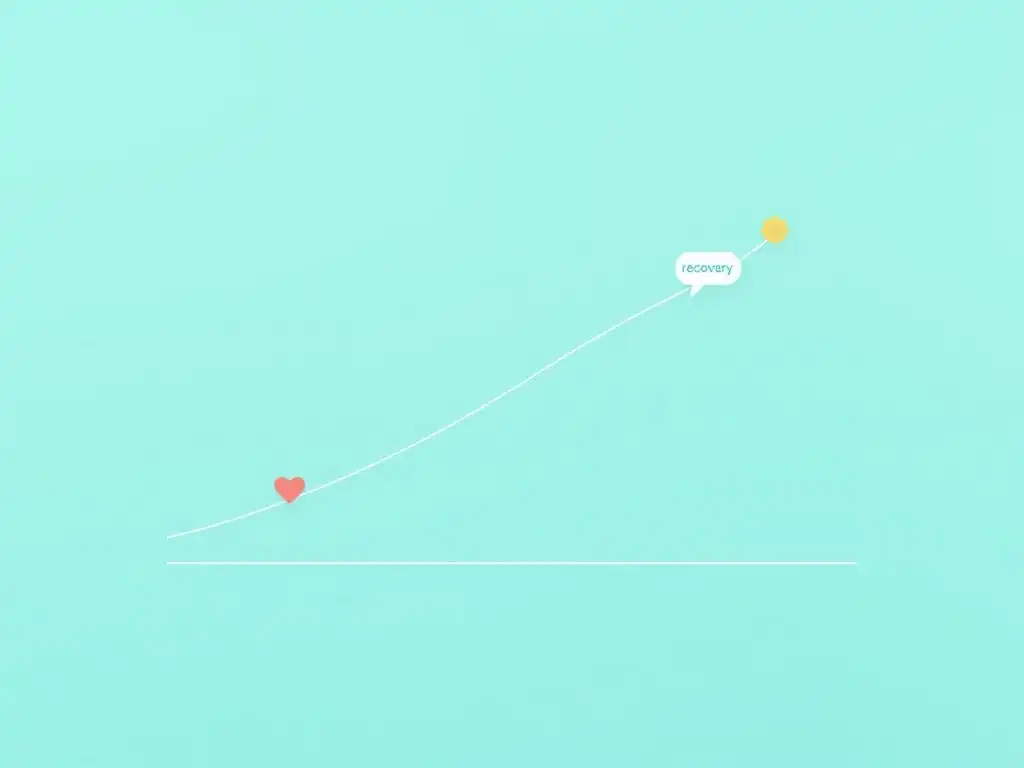
Online dating, while offering exciting possibilities for connection, inevitably involves rejection. Learning to navigate these setbacks gracefully is crucial for maintaining a positive outlook and increasing your chances of success. This section focuses on practical strategies for coping with rejection, fostering resilience, and building self-compassion within the context of online dating.
Mastering these skills significantly improves your overall online dating experience, transforming potential disappointments into valuable learning opportunities. Effectively managing rejection is a key component of successful online dating, contributing to a healthier and more fulfilling journey. This is a critical aspect of developing healthy online dating rejection coping strategies.
Reframing Rejection: Shifting Your Perspective on Online Dating Setbacks
Rejection in online dating often feels intensely personal. However, it's vital to remember that a lack of mutual connection doesn't reflect your inherent worth. Many factors influence compatibility, including individual preferences, timing, and even the nuances of online communication. Consider these points:
- It's not about you (always): Sometimes, the other person might be dealing with personal issues, be unavailable, or simply have different preferences. Their decision doesn't necessarily reflect your qualities.
- Rejection is a filter: Think of rejection as a filtering process. It helps eliminate incompatibilities early on, saving you time and emotional energy that you can invest in more promising connections.
- Focus on learning: Analyze each interaction. What could you have done differently? What did you learn about yourself and your preferences? This reflective process helps refine your approach and improve future interactions.
- Celebrate small wins: Acknowledge every positive interaction, even if it doesn't lead to a date. A thoughtful message or a stimulating conversation is a win in itself, demonstrating your ability to connect with others.
Remember, resilience in online dating isn't about avoiding rejection; it's about managing it constructively. Learning to reframe rejection as a natural part of the process—a filter, a learning experience, and not a personal failure—is key to maintaining a positive mindset. This reframing is crucial for healthy online dating rejection coping strategies.
Building Resilience: Techniques for Bouncing Back from Online Dating Rejection
Building resilience is an active process. It involves developing coping mechanisms and strategies to help you navigate setbacks effectively and maintain a positive outlook. Here are some practical techniques:
- Practice self-care: Engage in activities you enjoy, such as exercise, spending time in nature, reading, or pursuing hobbies. Prioritize your well-being, both physically and mentally.
- Connect with your support system: Talk to trusted friends or family members about your experiences. Sharing your feelings can provide valuable emotional support and perspective.
- Limit exposure: If you find yourself constantly experiencing rejection, take a break from online dating. Stepping back allows you to recharge and reassess your approach.
- Set realistic expectations: Online dating takes time and effort. Avoid becoming discouraged if you don't find a match immediately. Celebrate the small victories along the way.
- Maintain a growth mindset: View rejection as an opportunity for growth and learning. Focus on what you can learn from each experience to improve your future interactions.
Implementing these techniques helps cultivate resilience. This is essential for developing robust online dating rejection coping strategies and maintaining a positive perspective throughout your online dating journey. Remember that setbacks are temporary, and your ability to bounce back is a testament to your strength and perseverance.
Practicing Self-Compassion: Treating Yourself with Kindness After Rejection
Self-compassion is crucial for navigating the emotional challenges of online dating. Treat yourself with the same kindness and understanding you would offer a friend facing similar experiences.
- Acknowledge your feelings: Allow yourself to feel the disappointment and frustration without judgment. Suppressing emotions can be detrimental to your well-being.
- Avoid self-criticism: Refrain from negative self-talk. Instead, focus on your positive qualities and strengths. Remember your worth is not determined by whether or not someone chooses to date you.
- Practice self-soothing: Engage in activities that bring you comfort and relaxation, such as meditation, deep breathing exercises, or listening to calming music.
- Focus on your strengths: Remind yourself of your positive attributes and accomplishments. Rejection doesn't diminish your value or worth.
- Seek professional help: If you're struggling to cope with rejection, consider seeking support from a therapist or counselor. They can provide guidance and tools to help you navigate these challenges.
Practicing self-compassion is essential for building emotional resilience and maintaining a positive outlook in online dating. It's a vital component of effective online dating rejection coping strategies, fostering a healthy and sustainable approach to finding meaningful connections. Remember, you deserve kindness and understanding, especially during challenging times. Treating yourself with compassion is key to navigating the ups and downs of online dating.
Focusing on Self-Improvement: Using Rejection as a Learning Opportunity
Rejection in online dating, while painful, presents a unique opportunity for self-improvement. Instead of viewing it as a personal failure, reframe it as valuable feedback. Analyze the interactions that led to the rejection. Did your profile accurately reflect your personality and interests? Were your messages engaging and respectful? Did you perhaps come across as too aggressive or too passive? Honest self-reflection is crucial.
Consider your dating profile – is your photo selection the best representation of you? Is your bio compelling and genuine, showcasing your personality and highlighting what you're looking for in a partner? Often, a small tweak can make a big difference. Perhaps a more descriptive bio, showcasing your hobbies and values, could attract more compatible matches. Or maybe updating your photos with more recent and varied shots can improve your online presence. Remember, your profile is your first impression – make it count!
Furthermore, examine your communication style. Were your messages too short, too long, or lacking in genuine interest? Did you ask thoughtful questions and actively listen to their responses? Effective communication is paramount in online dating. Practice active listening and respond thoughtfully, showing genuine interest in getting to know the other person. This shows respect and increases your chances of forming a connection. Sometimes, a simple "I enjoyed our conversation, but I don't think we're a romantic match" is all it takes to gracefully exit a conversation and allow both parties to move on.
Don't be afraid to seek feedback from trusted friends or family. They can offer an objective perspective on your profile and communication style, providing valuable insights you might have missed. Their feedback can help you refine your approach and increase your chances of success in future interactions.
Remember, the goal is not to become someone you're not, but rather to present the best version of yourself authentically and confidently. Using rejection as a learning opportunity empowers you to grow and improve, leading to more fulfilling online dating experiences. It's a journey of self-discovery, and each rejection brings you closer to finding the right person.
Maintaining a Positive Mindset During Online Dating
Online dating, while offering exciting possibilities for connection, inevitably involves rejection. It's a crucial part of the process, and developing effective online dating rejection coping strategies is key to navigating this aspect successfully. Maintaining a positive mindset isn't about ignoring setbacks; it's about reframing them as learning opportunities and focusing on your personal growth. This section offers practical techniques to help you cultivate resilience and maintain a healthy perspective throughout your online dating journey. Remember, your worth isn't determined by the number of matches or dates you receive.
Cultivating Self-Confidence: Building Your Self-Esteem in the Online Dating World
Building self-esteem is foundational to navigating the sometimes-challenging world of online dating. Rejection can easily chip away at confidence, but proactive steps can bolster your self-worth and resilience. Start by identifying your strengths and accomplishments. Write them down! This simple act can be surprisingly powerful. Consider creating a "success journal" where you document positive experiences, both big and small, from your day-to-day life and your dating experiences. This isn't about boasting; it's about consciously focusing on your positive attributes and achievements.
Another crucial aspect is self-care. Prioritize activities that nurture your well-being. This could include regular exercise, spending time in nature, pursuing hobbies, or engaging in activities that bring you joy. When you feel good about yourself, you'll project confidence, making you more attractive to potential partners. Remember that self-confidence is not arrogance; it's about believing in your own value and potential. Rejection doesn't diminish that inherent value.
Setting Realistic Expectations: Avoiding Unrealistic Ideals in Online Dating
One significant contributor to negative feelings in online dating is setting unrealistic expectations. The curated profiles often present an idealized version of reality. It's easy to compare yourself to others and feel inadequate. To combat this, focus on creating a realistic profile that accurately reflects who you are. Avoid filters and overly edited photos; authenticity attracts genuine connections.
Furthermore, remember that online dating is a numbers game. Not every connection will lead to a relationship, and that's perfectly okay. Develop a clear understanding of what you're looking for in a partner and avoid fixating on superficial qualities. Focus on compatibility and shared values rather than chasing an unattainable ideal. This realistic approach will reduce disappointment and build resilience in the face of rejection. Consider making a list of your "must-haves" and "nice-to-haves" in a partner to help you stay focused.
Practicing Gratitude: Focusing on the Positive Aspects of Your Dating Journey
Practicing gratitude, even amidst rejection, is a powerful tool for maintaining a positive outlook. Instead of dwelling on negative experiences, consciously focus on the positive aspects of your online dating journey. Did you learn something new about yourself? Did you meet interesting people? Did you improve your communication skills?
Keep a gratitude journal and regularly write down things you're thankful for. This could be as simple as appreciating a beautiful sunset or feeling grateful for a supportive friend. It could also include acknowledging the lessons learned from each dating experience, even the ones that didn't work out.
Focusing on gratitude shifts your perspective, helping you see the bigger picture and appreciate the journey, not just the destination. This approach fosters resilience and helps you approach future interactions with a more optimistic and open heart. Remember, every interaction, whether successful or not, contributes to your growth and understanding of what you seek in a relationship.
Prioritizing Self-Care: Maintaining Your Well-being During the Dating Process
Online dating can be an emotional rollercoaster. Rejection, while a normal part of the process, can significantly impact your self-esteem and overall well-being if not managed effectively. Prioritizing self-care is crucial for navigating these challenges and maintaining a positive mindset. It's not selfish; it's essential for your mental and emotional health. Think of it as preventative maintenance for your emotional engine.
One key aspect of self-care is physical well-being. Engage in regular exercise—even a short walk can make a difference. Exercise releases endorphins, natural mood boosters that combat stress and anxiety. Prioritize healthy eating habits, avoiding excessive reliance on comfort foods to cope with rejection. Aim for a balanced diet rich in fruits, vegetables, and whole grains to fuel your body and mind. Adequate sleep is equally vital; aim for 7-9 hours of quality sleep each night to allow your body and mind to rest and repair.
Beyond the physical, emotional self-care is paramount. Make time for activities you enjoy, whether it's reading, painting, playing a musical instrument, or spending time in nature. These activities provide a much-needed distraction and a sense of accomplishment, boosting your self-esteem and reminding you of your passions and interests outside the dating world. Connecting with supportive friends and family is also crucial.
Share your experiences (without dwelling excessively on negativity), and allow yourself to receive their love and encouragement. Consider journaling to process your emotions and gain perspective on your dating journey. Writing down your feelings can help you identify patterns, understand your reactions, and develop healthier coping mechanisms.
Finally, mental self-care involves actively managing your thoughts and reactions. Practice mindfulness and meditation to center yourself and reduce stress. Even a few minutes a day can make a significant difference. Challenge negative self-talk. When you experience rejection, avoid making sweeping generalizations about yourself or your worth.
Instead, focus on the specific situation and learn from it without internalizing the rejection. Consider seeking professional support if you're struggling to cope with rejection independently. A therapist can provide guidance and tools to help you navigate these challenges and build resilience. Remember, seeking help is a sign of strength, not weakness. Your mental health is an investment in your overall happiness and success, both in dating and in life.
Moving Forward After Rejection in Online Dating
Rejection is an unfortunate but common part of online dating. The key isn't to avoid it entirely—that's unrealistic—but to develop effective online dating rejection coping strategies that allow you to learn, grow, and maintain a positive outlook. This section focuses on practical steps to help you navigate rejection and continue your search for a meaningful connection. Remember, every "no" brings you closer to a "yes."
Analyzing Your Approach: Identifying Areas for Improvement in Your Online Dating Profile and Communication
Facing rejection presents a valuable opportunity for self-reflection and improvement. Instead of viewing it as a personal failure, consider it feedback. Carefully examine your online dating profile and communication style. Are your photos truly representative of your personality and lifestyle? Is your profile description engaging and accurate, showcasing your unique qualities and interests? Do you clearly communicate your intentions and expectations?
Let's delve into specific areas for potential improvement:
- Profile Pictures: Are your photos high-quality, recent, and varied? Do they showcase your personality and hobbies? Consider getting feedback from trusted friends on your photos' effectiveness. A fresh, updated set of pictures can significantly improve your profile's appeal.
- Profile Description: Is your profile description clear, concise, and engaging? Does it highlight your personality, interests, and what you're looking for in a partner? Avoid clichés and generic statements. Be authentic and let your unique personality shine through. Consider using keywords that resonate with your target audience.
- Communication Style: Do you initiate conversations effectively? Are your messages engaging and respectful? Do you ask thoughtful questions and actively listen to responses? Analyze your past conversations to identify areas where you could have improved your communication. Perhaps you were too forward, too passive, or didn't adequately convey your interest.
Consider this example: Imagine two profiles. Profile A uses generic phrases like "looking for someone nice," while Profile B describes specific hobbies, like "I love hiking and trying new restaurants, and I'm always up for an adventure." Which profile is more likely to attract genuine interest? The answer is clear.
Refocusing Your Goals: Re-evaluating Your Dating Expectations and Priorities
Rejection can sometimes highlight unrealistic expectations or misaligned priorities. Take this opportunity to reassess your dating goals. Are your expectations for a partner too narrow or demanding? Are your priorities in a relationship clear to yourself, and are you communicating them effectively?
Consider these questions:
- What are your non-negotiables in a partner? Identify the characteristics and qualities that are truly essential for you.
- What are your dealbreakers? Knowing your dealbreakers can help you avoid wasting time on incompatible matches.
- Are your expectations realistic and achievable? Be honest with yourself about what you can realistically offer and expect in a relationship.
- What are your short-term and long-term dating goals? Having clear goals can help you stay focused and motivated.
By re-evaluating your expectations and priorities, you can create a more positive and productive online dating experience. Remember, self-awareness is crucial for success in online dating. Prioritize finding someone compatible with your values and life goals, rather than solely focusing on superficial attributes.
Staying Persistent: Maintaining a Healthy Approach to Online Dating Despite Setbacks
Rejection can be disheartening, but it's crucial to maintain a healthy and persistent approach to online dating. Don't let a few setbacks derail your efforts. View each rejection as a learning experience and an opportunity to refine your strategy. Remember, the right person is out there, and perseverance is key.
Here are some tips for staying persistent:
- Take breaks when needed: Don't feel pressured to constantly be active on dating apps. Take breaks when you feel overwhelmed or discouraged. Stepping back can provide perspective and help you recharge.
- Focus on self-improvement: Use this time to focus on your personal well-being. Engage in activities you enjoy, pursue your hobbies, and connect with friends and family. A happier and more fulfilled you will be a more attractive dating prospect.
- Seek support: Talk to friends, family, or a therapist about your experiences. Sharing your feelings can help you process rejection and maintain a positive outlook.
- Remember your worth: Rejection doesn't diminish your value or worth. Believe in yourself and your ability to find a meaningful connection.
Remember, the journey of online dating is not always linear. There will be ups and downs, successes and setbacks. By embracing a resilient mindset and focusing on continuous improvement, you can navigate the challenges of online dating and ultimately achieve your relationship goals. Develop robust online dating rejection coping strategies, and your success rate will improve significantly.
Seeking Support: Utilizing Friends, Family, or Therapists for Emotional Support
Rejection in online dating, while a common experience, can still sting. It's crucial to remember that you're not alone and that seeking support is a sign of strength, not weakness. Leaning on your support network can significantly impact your ability to cope and move forward positively.
Your friends and family, if you choose to share your experience with them, can offer invaluable perspective, empathy, and encouragement. They can remind you of your strengths, help you reframe negative thoughts, and provide a much-needed distraction when you need a break from the dating app world. A supportive friend might even be able to offer practical advice based on their own dating experiences.
However, it's important to choose who you confide in carefully. Share only what you're comfortable with, and don't feel pressured to disclose more than you want. Some people might not understand the nuances of online dating or might offer unsolicited and unhelpful advice. Choose those who offer genuine support and understanding.
For deeper emotional processing or if you're struggling to cope independently, consider seeking professional help. A therapist specializing in relationships or dating can provide a safe and confidential space to explore your feelings, identify negative thought patterns, and develop healthier coping mechanisms. They can help you understand why you might be experiencing rejection repeatedly and equip you with tools to build resilience and self-esteem. Therapy can be particularly beneficial if rejection is impacting your overall mental health or self-worth.
Remember, seeking professional support is a proactive step towards building a healthier and more fulfilling dating experience. Don't hesitate to reach out if you feel you need extra support in navigating this challenging aspect of online dating. Your mental well-being is paramount.
Healthy Communication After Rejection (or Lack Thereof)

Navigating the world of online dating inevitably involves encountering rejection, whether it's a lack of response to your messages, a direct "no," or the fading away of a potential connection. How you handle these situations significantly impacts your overall online dating experience and your mental well-being. Effective communication, both in delivering and receiving rejection, is key to maintaining a positive and respectful online dating journey. This section focuses on developing healthy communication strategies to cope with the emotional challenges inherent in online dating rejection.
Mastering these strategies is crucial for building resilience and ultimately finding success. Remember, rejection isn't personal; it's often a matter of incompatibility or timing. Focusing on this perspective can significantly alleviate the sting of a negative outcome.
Communicating Rejection Respectfully: How to Respond to Others & How to Receive Rejection with Grace
Rejection is an unavoidable part of online dating. However, how you communicate rejection—both giving and receiving it—can significantly impact the experience for everyone involved. Consider the following guidelines:
- Responding to Others:
- Be direct, but kind: Avoid ghosting. A brief, polite message acknowledging their interest but explaining that you don't see a romantic connection is sufficient. For example: "Thank you for your interest, but I don't feel a romantic connection. I wish you the best in your search."
- Avoid lengthy explanations: Unless there's a specific, serious reason (e.g., safety concerns), a short and sweet message is best. Over-explaining can be awkward and unnecessary.
- Be timely: Don't leave someone hanging for days or weeks. Respond promptly, showing respect for their time and feelings.
- Avoid offering false hope: Don't suggest friendship if you genuinely don't want one. Honesty is always the best policy.
- Receiving Rejection:
- Acknowledge your feelings: Allow yourself to feel disappointed or hurt. It's okay to grieve the loss of a potential connection.
- Avoid self-blame: Rejection doesn't reflect your worth. It's often a matter of incompatibility or circumstance.
- Practice self-compassion: Treat yourself with the same kindness and understanding you would offer a friend in a similar situation.
- Learn from the experience: Reflect on the interaction. Was there anything you could have done differently? What did you learn about your preferences and dating style?
- Don't take it personally: Remember, rejection is a common part of online dating. It doesn't diminish your value or attractiveness.
Setting Boundaries: Protecting Your Emotional Well-being in Online Interactions
Setting healthy boundaries is crucial for protecting your emotional well-being in the sometimes unpredictable world of online dating. This involves clearly defining what you're comfortable with and consistently enforcing those limits. Consider these examples:
- Time Limits: Set a reasonable amount of time to dedicate to online dating each day or week to avoid burnout.
- Communication Boundaries: Define your preferences regarding frequency and type of communication. For example, you might prefer to only communicate through the dating app initially, before exchanging phone numbers or social media handles.
- Personal Information: Be cautious about sharing overly personal information, especially early in the interaction.
- Physical Meetings: Establish clear guidelines for when and where you're comfortable meeting in person. Prioritize safety and always meet in a public place.
- Respectful Treatment: Set a clear expectation that you will not tolerate disrespectful or abusive behavior, including ghosting, insults, or harassment. Report any violations to the dating platform.
Remember, your boundaries are your own. Don't feel pressured to compromise them to appease others. Prioritizing your emotional and physical safety is paramount.
Knowing When to Move On: Recognizing Unhealthy Dating Patterns & Dynamics
While rejection is a normal part of online dating, it's important to recognize when persistent negative patterns might indicate a need to re-evaluate your approach or even take a break. Consider these warning signs:
- Consistent Rejection: Experiencing repeated rejections without any apparent progress can be disheartening. It might be helpful to reflect on your profile, messaging style, or dating strategy.
- Unhealthy Communication: Are you frequently encountering ghosting, disrespectful behavior, or manipulative tactics? These are clear red flags indicating unhealthy dating dynamics.
- Negative Self-Talk: Are you consistently engaging in negative self-talk or self-criticism after rejections? This can lead to a vicious cycle of low self-esteem and further rejection.
- Emotional Exhaustion: Are you feeling drained, stressed, or overwhelmed by the online dating process? Taking a break might be necessary to recharge and regain perspective.
- Lack of Progress: If you've been consistently using online dating for an extended period without any meaningful connections, it might be time to reassess your approach. Perhaps your profile needs updating, or you need to adjust your dating strategy.
Recognizing these patterns and seeking support when needed is crucial for maintaining a healthy and positive attitude towards online dating. Remember, success in online dating is a journey, not a destination, and learning to handle rejection gracefully is a vital part of that journey. Prioritizing your well-being and setting healthy boundaries will significantly improve your overall experience and increase your chances of finding a meaningful connection.
Long-Term Strategies for Success in Online Dating
Rejection is, unfortunately, a part of online dating. While coping mechanisms are crucial in the short-term, building a robust foundation for success significantly reduces the sting of rejection and increases your chances of finding a meaningful connection. Focusing on long-term strategies shifts the perspective from immediate gratification to sustainable growth in your dating journey. This proactive approach transforms setbacks into learning opportunities, fostering resilience and a positive outlook. Remember, the goal isn't just to find a date; it's to cultivate healthy relationships.
Building a Strong Online Dating Profile: Attracting the Right Matches
A compelling profile is your first line of defense against unnecessary rejection. It acts as a filter, attracting individuals compatible with your values and goals, minimizing the likelihood of mismatches and subsequent disappointment. Think of it as a carefully crafted advertisement for you. Instead of broadcasting to everyone, you're targeting your ideal audience.
Consider these key elements for profile optimization:
- High-Quality Photos: Use clear, recent photos showcasing your personality and interests. Avoid overly filtered or misleading images. A mix of solo shots and photos depicting hobbies or social activities is ideal. Think variety! A smiling photo is a must. 😄
- Authentic Self-Presentation: Write a genuine and engaging bio. Highlight your passions, values, and what you're looking for in a partner. Avoid clichés and generic statements. Let your unique personality shine through.
- Specific Interests: Mention specific hobbies or activities you enjoy. This provides concrete talking points for potential matches and facilitates meaningful conversations. Instead of saying "I like to travel," say "I recently backpacked through Southeast Asia and am planning a trip to Patagonia next year."
- Clear Expectations: Be upfront about what you're looking for in a relationship. This helps attract compatible individuals and prevents wasted time and emotional energy on incompatible matches. Honesty is key!
By investing time and effort in creating a strong profile, you significantly increase your chances of attracting high-quality matches, reducing the frequency of rejection and improving your overall online dating experience.
Effective Online Dating Communication: Improving Your Messaging Skills
Effective communication is paramount in online dating. Poor communication can lead to misunderstandings, missed connections, and ultimately, rejection. Mastering the art of online messaging significantly improves your chances of securing dates and building meaningful relationships.
Here are some key communication strategies to implement:
- Initiate Engaging Conversations: Avoid generic opening lines. Instead, refer to something specific in their profile that piques your interest. Show you've actually read their profile!
- Ask Thought-Provoking Questions: Go beyond surface-level questions. Ask open-ended questions that encourage thoughtful responses and reveal more about their personality and values.
- Active Listening and Responding: Pay attention to their responses and tailor your messages accordingly. Show genuine interest in what they have to say.
- Maintain a Positive Tone: Even if you're not instantly clicking with someone, maintain a respectful and positive tone. Remember, rejection isn't always personal.
- Know When to Move On: If the conversation isn't flowing or you sense a lack of mutual interest, it's okay to gracefully bow out. Don't waste your time or theirs.
Improving your messaging skills transforms online interactions from superficial exchanges into opportunities for genuine connection, minimizing the impact of rejection and maximizing your chances of success.
Maintaining a Healthy Perspective: Balancing Online Dating with Offline Life
Online dating should complement, not consume, your life. Maintaining a healthy balance between your online dating activities and offline life is crucial for managing expectations and mitigating the emotional toll of rejection.
Consider these strategies for maintaining a healthy perspective:
- Set Realistic Expectations: Online dating is a numbers game. Don't get discouraged by rejection. Focus on building connections, not just securing dates.
- Prioritize Self-Care: Engage in activities that bring you joy and fulfillment outside of online dating. Maintain your hobbies, nurture your friendships, and prioritize your well-being.
- Limit Screen Time: Avoid spending excessive time on dating apps. Set boundaries and allocate specific time slots for online dating to prevent burnout and obsession.
- Seek Support: Talk to trusted friends or family members about your experiences. Sharing your feelings can provide valuable support and perspective.
- Remember Your Worth: Rejection doesn't diminish your value. Focus on your strengths and celebrate your accomplishments. You deserve happiness and fulfilling relationships.
By prioritizing your overall well-being and maintaining a balanced approach, you'll navigate the ups and downs of online dating with greater resilience and a healthier perspective, transforming rejection into a stepping stone towards finding lasting love.
Frequently Asked Questions
How can I cope with rejection on online dating sites?
Rejection is a common part of online dating. Focus on self-compassion and remember that it's not a reflection of your worth. Consider what you learned and move forward.
What if I'm getting a lot of rejections?
Don't take it personally! Review your profile for areas of improvement, such as photos or messaging style. Also, consider widening your search criteria.
How can I stay positive despite repeated setbacks?
Maintain a positive mindset by focusing on your strengths and accomplishments. Engage in self-care activities and celebrate small victories. Remind yourself of your worth.
Is there a way to predict who will reject me before investing time?
Unfortunately, no. Focus on building genuine connections rather than trying to predict outcomes. Authenticity is key.
What's the best way to handle rejection from someone I really liked?
Allow yourself to feel the emotions, but avoid dwelling on it. Focus on your own well-being and remember that there are many other people out there. Don't give up.
Final Reflection: Embracing Resilience in the Digital Dating World
The sting of online dating rejection is a universal experience, yet the ability to navigate it gracefully remains a crucial skill for finding genuine connection. This isn't just about finding a partner; it's about cultivating emotional resilience and self-worth in a world increasingly mediated by screens. The strategies discussed – self-compassion, reframing setbacks, and focusing on self-improvement – are not merely coping mechanisms, but essential tools for navigating life's inevitable disappointments.
The impact of online dating extends far beyond the realm of romantic relationships; it shapes our perceptions of self-worth, our understanding of connection, and our resilience in the face of adversity. The greatest glory in living lies not in never falling, but in rising every time we fall.
This quote, often attributed to Nelson Mandela, perfectly encapsulates the spirit of navigating rejection in online dating. It's about the journey of self-discovery and growth, not just the destination of finding "the one." The process itself teaches us invaluable lessons about self-acceptance and the importance of perseverance.
You, the reader, now hold the power to transform your online dating experience. Don't let rejection define you; let it refine you. Embrace the lessons learned, celebrate your strengths, and approach each interaction with renewed self-belief. Remember, the journey to finding meaningful connection is a testament to your courage, resilience, and unwavering belief in yourself. Take the time to reflect on your own experiences, apply the strategies outlined, and step forward with confidence and grace. Your future self will thank you.
Rediscover Your Dating Confidence: Take the Next Step
Thanks for exploring the art of graceful rejection! We hope you gained valuable insights into navigating the complexities of online dating. Now it's time to put your knowledge into practice.
Here's how to maintain your progress:
- Refine your dating profile based on your new understanding. Take some time to reassess your photos, your bio, and your messaging style. Consider what improvements will help you attract more compatible matches. This is a crucial step – even small changes can make a significant difference!
- Share your key takeaway from this article on your favorite social media platform. Inspire fellow daters to approach rejection with a positive and resilient attitude.
- Consider journaling about your dating experiences to identify recurring patterns and celebrate your personal growth. This can be a surprisingly effective tool for self-improvement.
Ready to embrace a more confident and fulfilling online dating experience? What small change can you make to your profile today to reflect your newfound insights?