
Dating Anxiety and the Fear of Dependence: Building Healthy Relationships


Ready to ditch the dating anxiety and unlock the potential for a fulfilling relationship? At OnlineDatingSuccess.org, we understand the challenges of navigating the online dating world. This article tackles a critical aspect: Overcoming dating anxiety dependence, helping you build confidence and create healthy connections. Discover practical strategies to transform your dating experience and find the love you deserve. Let's dive in!
- Understanding Dating Anxiety and its Link to Dependence
- Breaking the Cycle: Strategies to Overcome Dating Anxiety and Dependence
- Cultivating Healthy Relationships: Communication and Emotional Independence
- Building Resilience and Maintaining Long-Term Relationship Success
- Resources and Further Support for Overcoming Dating Anxiety and Dependence
-
Frequently Asked Questions
- How can I overcome my dating anxiety and prevent it from controlling my decisions?
- Is it normal to fear dependence in a relationship after experiencing past trauma?
- What are some practical steps to build healthy independence while dating?
- How can I tell if my dating anxiety is becoming unhealthy or impacting my life negatively?
- Where can I find more information and support for overcoming dating anxiety and dependence?
- Final Reflection: Redefining Intimacy: From Anxiety to Authentic Connection
- Unleash Your Dating Confidence: Take the Next Step
Understanding Dating Anxiety and its Link to Dependence
Dating can be exhilarating, but it also frequently triggers anxiety. For many, this anxiety isn't just about the prospect of rejection; it's intertwined with a deeper fear: dependence. This article delves into the complex relationship between dating anxiety and the fear of dependence, exploring how this fear manifests, its underlying causes, and strategies to build healthier, more independent relationships.
We'll examine how to overcome dating anxiety and the anxieties surrounding dependence, ultimately guiding you towards more fulfilling romantic connections. Understanding the nuances of this anxiety is the crucial first step towards building confidence and fostering healthy relationships. We will equip you with the knowledge and tools to navigate the complexities of online dating while managing your anxieties and prioritizing your independence.
Recognizing the Symptoms of Dating Anxiety
Dating anxiety, often linked to a fear of dependence, manifests in various ways. It's not simply feeling nervous before a date; it's a more pervasive feeling that can significantly impact your dating life and overall well-being. Some common symptoms include:
- Physical symptoms: Increased heart rate, sweating, trembling, nausea, difficulty sleeping.
- Emotional symptoms: Overwhelming nervousness, self-doubt, fear of rejection, feelings of inadequacy, low self-esteem.
- Behavioral symptoms: Avoiding dating altogether, withdrawing from social situations, overthinking interactions, excessively checking messages, perfectionism in profile creation and communication.
- Cognitive symptoms: Negative self-talk ("I'm not good enough," "No one will ever like me"), catastrophizing (imagining the worst possible outcomes), difficulty concentrating.
The intensity of these symptoms can vary greatly from person to person. It's important to remember that experiencing some anxiety is normal, but when it becomes debilitating and interferes with your daily life, it's crucial to seek support. The fear of dependence often adds another layer of complexity, manifesting as a reluctance to commit or a fear of losing oneself in a relationship.
The Root Causes of Dating Anxiety and Fear of Dependence
The fear of dependence in dating often stems from past experiences, learned behaviors, and underlying insecurities. These roots can be deeply personal and complex:
- Past trauma: Negative experiences in past relationships, such as betrayal, abuse, or neglect, can create a deep-seated fear of vulnerability and dependence. These experiences can lead to a heightened sense of anxiety in future relationships.
- Attachment style: Individuals with anxious-preoccupied or fearful-avoidant attachment styles are more prone to experiencing dating anxiety and a fear of dependence. These attachment styles often stem from early childhood experiences and influence how individuals approach relationships.
- Low self-esteem: A lack of self-confidence and a negative self-image can contribute significantly to dating anxiety. Individuals with low self-esteem may fear rejection because they don't believe they are worthy of love.
- Perfectionism: The pursuit of an idealized relationship can lead to disappointment and anxiety. Perfectionism prevents individuals from accepting the imperfections inherent in all relationships.
- Fear of vulnerability: Opening oneself up to another person requires vulnerability, which can be frightening for those who fear rejection or emotional hurt.
How Dependence Manifests in Dating
The fear of dependence can manifest in various ways within the context of dating:
- Sabotaging relationships: Subconsciously creating conflict or pushing potential partners away to avoid intimacy and commitment.
- Relationship avoidance: Avoiding dating altogether or limiting interactions to prevent feelings of dependence.
- Controlling behavior: Attempting to control the relationship dynamics to maintain a sense of independence.
- Difficulty with intimacy: Struggling with emotional intimacy or physical closeness out of fear of losing oneself in the relationship.
- Over-reliance on validation: Seeking constant reassurance and validation from potential partners to alleviate feelings of insecurity.
Understanding these manifestations is key to addressing the root causes and building healthier relationship patterns. The journey to overcoming dating anxiety and the fear of dependence requires self-awareness, self-compassion, and a willingness to work through past experiences and develop healthier coping mechanisms.
Breaking the Cycle: Strategies to Overcome Dating Anxiety and Dependence
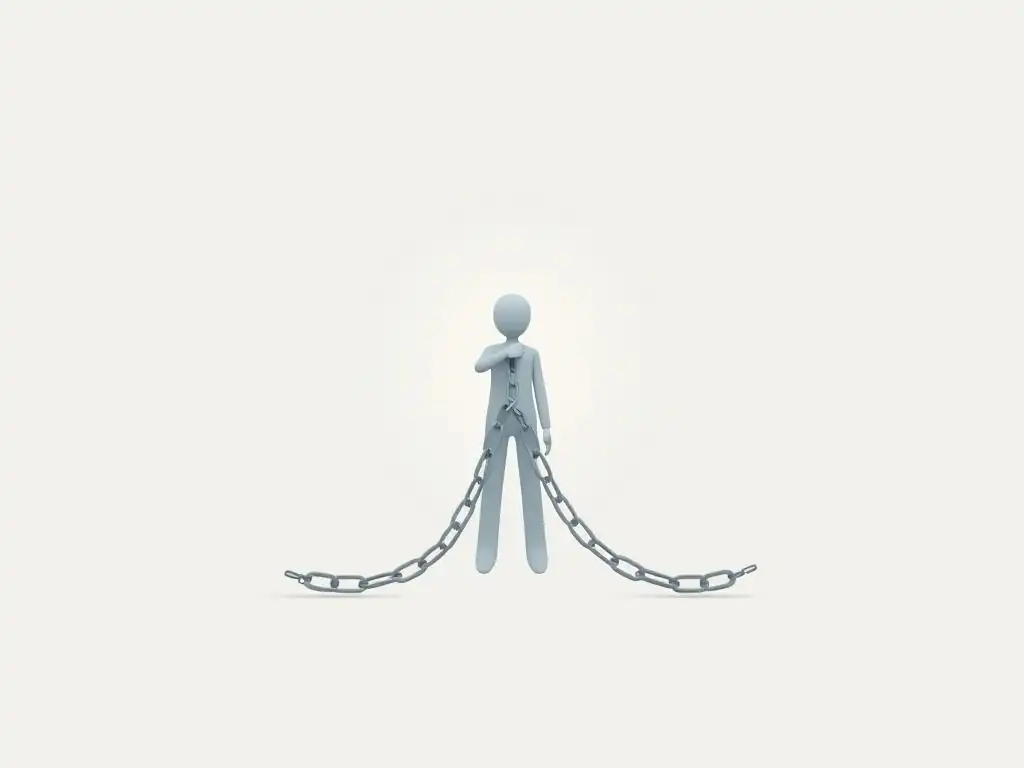
This section focuses on practical strategies to help you break free from the cycle of dating anxiety and dependence, ultimately fostering healthier relationships. We'll explore techniques to boost self-esteem, establish healthy boundaries, and manage the fear of rejection—all crucial steps in building fulfilling connections. Remember, overcoming dating anxiety and dependence is a journey, not a destination. Be patient with yourself, celebrate your progress, and don't hesitate to seek professional support if needed. The key is to build a strong foundation of self-love and self-respect before venturing into the world of dating.
Building Self-Esteem and Confidence
Building self-esteem is foundational to overcoming dating anxiety and dependence. It's about recognizing your inherent worth and valuing yourself independently of external validation, especially from romantic partners. This involves a multifaceted approach:
- Identify and Challenge Negative Self-Talk: We all engage in negative self-talk sometimes. Become aware of these thoughts ("I'm not good enough," "No one will ever like me") and actively challenge their validity. Replace them with positive affirmations and realistic self-appraisals. For example, instead of "I'm a failure at dating," try "I'm learning and growing with each experience."
- Focus on Self-Care: Prioritize activities that nurture your physical and mental well-being. This could include regular exercise, healthy eating, sufficient sleep, hobbies you enjoy, and spending time in nature. Self-care isn't selfish; it's essential for building resilience and confidence.
- Celebrate Your Achievements: Acknowledge and celebrate your accomplishments, no matter how small. Keep a journal to record your successes, both big and small. This constant reinforcement helps build a positive self-image and combats self-doubt. Did you finally finish that book you started? Did you ace a presentation at work? Celebrate these wins! 🎉
- Practice Self-Compassion: Treat yourself with the same kindness and understanding you would offer a friend struggling with similar issues. Avoid harsh self-criticism and focus on self-acceptance. Remember, everyone makes mistakes; it's part of being human.
- Seek Professional Help: If negative self-talk persists or significantly impacts your daily life, consider seeking professional help from a therapist or counselor. They can provide personalized strategies and support to build your self-esteem and manage underlying issues.
Setting Healthy Boundaries in Dating
Healthy boundaries are essential for preventing codependency and fostering healthy relationships. This means knowing your limits and communicating them clearly and respectfully to others. Examples include:
- Time Boundaries: Don't feel pressured to constantly be available for your date. Maintain your own schedule and activities.
- Emotional Boundaries: Don't allow yourself to be manipulated or controlled emotionally. Assert your feelings and needs.
- Physical Boundaries: Establish comfortable levels of physical intimacy and respect your own pace.
- Financial Boundaries: Don't feel obligated to spend beyond your means or to constantly pay for dates. Healthy relationships involve mutual respect and shared responsibilities.
Setting boundaries can feel uncomfortable at first, but it's crucial for maintaining your sense of self and preventing unhealthy dynamics. Remember, it's okay to say "no" and to prioritize your own well-being. A healthy relationship respects your boundaries and values your independence.
Managing Fear of Rejection
The fear of rejection is a common obstacle in dating, often exacerbated by dating anxiety and dependence. It's important to reframe your perspective on rejection:
- Rejection is Not a Reflection of Your Worth: Rejection doesn't mean you're unworthy of love or happiness. It simply means that you and the other person weren't a match. There are many people out there who would appreciate you for who you are.
- Practice Self-Acceptance: Accept that rejection is a possibility in dating, and it doesn't diminish your value. Focus on your strengths and qualities, and remember that you deserve to be with someone who appreciates you.
- Develop Coping Mechanisms: Develop healthy coping mechanisms to deal with rejection, such as talking to a trusted friend or engaging in self-care activities. Avoid dwelling on rejection; instead, focus on learning from the experience and moving forward.
- Focus on the Process, Not the Outcome: Shift your focus from the outcome (finding a partner) to the process of getting to know yourself and others. Enjoy the journey, and remember that building meaningful connections takes time.
Remember, overcoming dating anxiety and dependence is a process that requires patience, self-compassion, and consistent effort. By focusing on building self-esteem, setting healthy boundaries, and managing your fear of rejection, you can create a foundation for healthier and more fulfilling relationships. 💖
Cultivating Healthy Relationships: Communication and Emotional Independence
Overcoming dating anxiety often involves addressing the fear of dependence, a common concern intertwined with anxieties about vulnerability and intimacy. Building healthy relationships requires a delicate balance: genuine connection without losing sight of your individual identity and needs. This section explores crucial aspects of fostering healthy relationships, focusing on communication and emotional independence as cornerstones of overcoming dating anxiety and dependence. Understanding these elements empowers you to navigate the complexities of dating with confidence and build fulfilling, lasting relationships.
Effective Communication Skills for Healthy Relationships
Effective communication is paramount in any relationship, but it's especially crucial when navigating the anxieties that often accompany dating. Open and honest communication helps build trust and security, crucial for overcoming the fear of dependence. Avoid bottling up feelings; instead, express your needs and concerns directly, yet respectfully. This might involve stating your boundaries clearly or expressing your anxieties without blaming your partner.
For example, instead of saying "You always make me feel insecure," try "I've been feeling a little anxious lately about [specific situation]. Could we talk about it?" This approach focuses on your feelings and encourages a collaborative solution rather than assigning blame. Active listening is equally important. Truly hear what your partner is saying, reflecting their feelings back to them to ensure understanding.
This shows respect and builds empathy, strengthening the connection. Remember, healthy communication is a two-way street. It's about expressing yourself clearly and actively listening to understand your partner's perspective. Consistent, open communication reduces the breeding ground for anxieties related to dependence. It allows for a more balanced and secure relationship, built on mutual understanding and respect.
Fostering Emotional Independence
Emotional independence is not about isolation; it's about having a strong sense of self and not relying on a partner for your entire sense of worth or happiness. This is particularly vital for overcoming the fear of dependence in dating. Cultivating emotional independence involves nurturing your own interests, maintaining your friendships, and pursuing personal goals independent of your relationship status.
Consider engaging in activities that bring you joy and fulfillment, whether it's pursuing a hobby, spending time with friends and family, or focusing on your career. This allows you to maintain a sense of self outside of the dating world, reducing the pressure to find validation solely through a romantic partner. Remember that your happiness should not solely depend on a relationship. A strong sense of self-worth and independence allows you to enter relationships from a position of strength and autonomy, rather than a place of neediness or desperation.
This reduces the likelihood of developing unhealthy attachment patterns and fosters healthier, more balanced relationships. Prioritizing self-care is also crucial. This encompasses physical health, mental wellbeing, and emotional resilience. When you prioritize your own needs, you are better equipped to navigate the challenges of dating and build healthy relationships.
Identifying Red Flags in Relationships
Recognizing red flags is crucial for building healthy relationships and avoiding unhealthy dependence. Certain behaviors can signal potential problems and hinder your ability to overcome dating anxiety and dependence. These can include controlling behavior, possessiveness, constant criticism, disregard for your feelings, or isolation from friends and family.
For instance, a partner who consistently tries to control your social interactions or criticizes your choices might be exhibiting controlling behavior. Similarly, a partner who dismisses your concerns or makes you feel small is demonstrating a lack of respect. These behaviors can create an environment of fear and insecurity, exacerbating dating anxieties and fostering unhealthy dependence. Trust your instincts. If something feels off or makes you uncomfortable, don't dismiss it.
Openly communicating your concerns with your partner is essential. However, if the behavior continues despite your efforts to address it, it’s crucial to consider the long-term implications of the relationship and prioritize your own well-being. Remember, a healthy relationship should be supportive, respectful, and empowering, not controlling or anxiety-inducing. Recognizing and addressing red flags early on is crucial for protecting your emotional well-being and fostering healthy, fulfilling relationships.
Building Resilience and Maintaining Long-Term Relationship Success
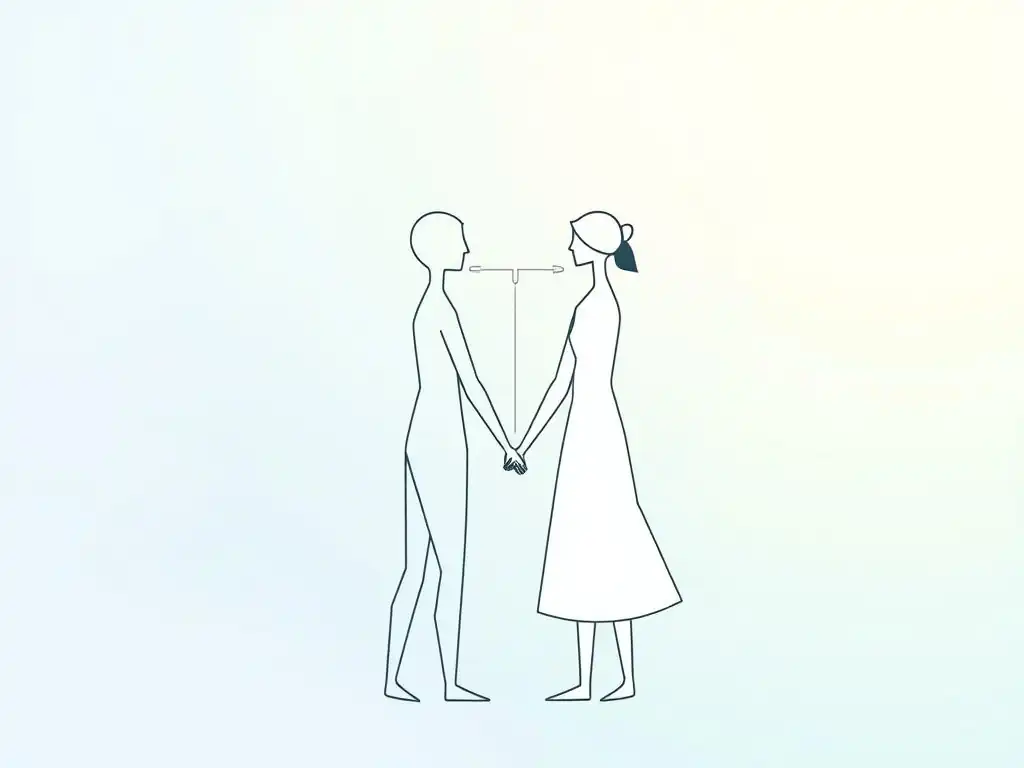
Overcoming dating anxiety and the fear of dependence is a journey, not a destination. Building resilience is crucial for navigating the inevitable ups and downs of relationships and fostering long-term success. This involves developing a strong sense of self, cultivating healthy coping mechanisms, and proactively addressing potential relationship challenges. Remember, building a fulfilling relationship is a process of continuous growth and adaptation for both partners. The ability to adapt and bounce back from setbacks is key to maintaining a healthy and thriving connection. This section will delve into practical strategies to achieve that resilience.
Developing Coping Mechanisms for Dating Challenges
Dating can be emotionally taxing. Rejection, incompatibility, and the pressure to present a perfect image can trigger anxiety and self-doubt. Developing healthy coping mechanisms is vital for managing these challenges and preventing them from derailing your dating journey. These mechanisms aren't about avoiding difficult emotions, but rather about managing them constructively.
Here are some effective coping strategies:
- Mindfulness and Meditation: Practicing mindfulness techniques, even for a few minutes daily, can significantly reduce stress and anxiety. Focusing on the present moment helps to quiet the racing thoughts that often accompany dating anxiety. Numerous studies show a correlation between mindfulness practice and reduced anxiety levels.
- Journaling: Writing down your thoughts and feelings can provide valuable insight into your emotional patterns. Identifying triggers and processing your experiences through writing can lead to a greater understanding of your anxieties and help you develop more effective coping strategies. Consider journaling about your dating experiences, both positive and negative.
- Self-Compassion: Treat yourself with the same kindness and understanding you would offer a close friend. Avoid self-criticism and focus on self-acceptance. Remember that setbacks are a normal part of the dating process. Practicing self-compassion can significantly reduce the impact of negative experiences.
- Healthy Lifestyle: Regular exercise, a balanced diet, and sufficient sleep are crucial for both physical and mental well-being. A healthy lifestyle can significantly improve your mood, energy levels, and overall resilience. Prioritizing these aspects can directly impact your ability to manage dating-related stress.
Recognizing the Signs of Codependency and Seeking Professional Help
While healthy interdependence is crucial for successful relationships, codependency can be detrimental. Codependency involves an excessive emotional or psychological dependence on a partner, often stemming from a fear of abandonment or a lack of self-worth. Recognizing the signs of codependency is the first step towards addressing it.
Some common signs include:
- Low self-esteem and a need for external validation: Constantly seeking approval from your partner and feeling insecure without it.
- Neglecting personal needs and boundaries: Prioritizing your partner's needs above your own, often to the point of self-sacrifice.
- Fear of conflict and difficulty expressing needs: Avoiding disagreements and suppressing your feelings to maintain the relationship.
- Controlling behaviors: Attempting to manage your partner's actions or emotions.
- Difficulty being alone: Experiencing intense anxiety or loneliness when not in a relationship.
If you recognize these patterns in yourself, seeking professional help is crucial. A therapist can provide guidance, support, and tools to help you develop healthier relationship dynamics and overcome codependency. Remember, seeking help is a sign of strength, not weakness. Professional help can provide the tools necessary to build healthy, balanced relationships, free from the shackles of dependence.
Maintaining a Healthy Balance Between Independence and Intimacy in Long-Term Relationships
Long-term relationship success hinges on maintaining a healthy balance between independence and intimacy. This means nurturing your individual identity while simultaneously cultivating a deep connection with your partner. This delicate balance requires consistent effort and self-awareness.
Here are some key strategies for achieving this balance:
- Maintain individual interests and hobbies: Continue pursuing activities and interests that are personally fulfilling, even outside the relationship. This ensures you maintain a sense of self and prevents your identity from becoming solely defined by your partner.
- Nurture friendships and social connections: Maintaining strong relationships with friends and family provides crucial support and helps prevent over-reliance on your partner for emotional fulfillment. A strong support network is essential for overall well-being.
- Communicate openly and honestly about your needs and boundaries: Clear communication is the cornerstone of any healthy relationship. Openly discussing your individual needs and respecting each other's boundaries is essential for fostering mutual understanding and respect.
- Respect each other's space and time: Allowing each other time for personal pursuits and self-reflection is crucial for maintaining individuality within the relationship. This creates a sense of autonomy and prevents feelings of being smothered or overwhelmed.
Remember, overcoming dating anxiety and the fear of dependence is an ongoing process. By focusing on building resilience, developing healthy coping mechanisms, recognizing potential codependency, and maintaining a balance between independence and intimacy, you can cultivate stronger, healthier, and more fulfilling relationships. The journey may have its challenges, but the reward of a thriving, balanced partnership is well worth the effort. 🎉
Resources and Further Support for Overcoming Dating Anxiety and Dependence
This section offers practical resources to help you navigate dating anxiety and the fear of dependence, paving the way for healthier, more fulfilling relationships. Remember, seeking support is a sign of strength, not weakness. Taking proactive steps towards managing your anxiety can significantly improve your dating experience and overall well-being.
Recommended Books and Articles
Overcoming dating anxiety and the fear of codependency often requires a multifaceted approach. Supplementing therapy or self-help strategies with insightful reading material can provide valuable tools and perspectives. Here are some recommended resources focusing on anxiety, codependency, and healthy relationship dynamics:
- "Attached: The New Science of Adult Attachment and How It Can Help You Find—and Keep—Love" by Amir Levine and Rachel S.F. Heller: This book explores attachment styles and how they impact our relationships. Understanding your attachment style can be crucial in identifying patterns of anxiety and dependence in your dating life. It provides practical strategies for building secure attachment and healthier relationships.
- "Daring Greatly: How the Courage to Be Vulnerable Transforms the Way We Live, Love, Parent, and Lead" by Brené Brown: This book emphasizes the importance of vulnerability in building authentic connections. Overcoming dating anxiety often requires embracing vulnerability, which can be challenging but ultimately rewarding. Brown's work provides powerful insights into the benefits of vulnerability and how to cultivate it.
- Articles on Psychology Today: Psychology Today's website offers a wealth of articles written by licensed professionals on topics related to anxiety, codependency, and healthy relationships. Search for keywords like "dating anxiety," "codependency," "healthy relationships," and "attachment theory" to find relevant and informative pieces. Many articles offer practical tips and exercises to help you manage your anxiety and build healthier relationship patterns.
Helpful Online Resources and Support Groups
The internet offers a vast network of support for individuals struggling with dating anxiety and codependency. Connecting with others who understand your experiences can be incredibly validating and helpful.
- Online Forums and Communities: Numerous online forums and communities provide a safe space for sharing experiences and seeking advice from others facing similar challenges. Look for forums specifically focused on anxiety, dating, or codependency. Remember to prioritize your safety and only engage in supportive and respectful communities.
- Support Groups (Online and In-Person): Consider joining a support group, either online or in-person. These groups offer a structured environment for sharing your experiences, learning coping mechanisms, and receiving support from others. Look for groups focused on anxiety, codependency, or relationship issues. Connecting with others facing similar struggles can significantly reduce feelings of isolation and provide valuable emotional support.
Finding a Therapist or Counselor
Professional guidance can be invaluable in overcoming dating anxiety and addressing underlying issues of codependency. A therapist or counselor can provide personalized support, teach coping mechanisms, and help you develop healthier relationship patterns.
- Types of Therapy: Several therapeutic approaches can be effective in addressing dating anxiety and codependency, including Cognitive Behavioral Therapy (CBT), Dialectical Behavior Therapy (DBT), and psychodynamic therapy. Research different therapeutic approaches to find one that aligns with your preferences and needs.
- Finding a Qualified Professional: When seeking a therapist, look for someone with experience in treating anxiety, codependency, and relationship issues. Many online directories allow you to search for therapists based on their specialization, location, and insurance coverage. Remember to schedule a consultation to ensure a good therapeutic fit before committing to ongoing sessions. It's crucial to find a therapist with whom you feel comfortable and safe sharing your thoughts and feelings. The therapeutic relationship is key to successful treatment.
Remember, overcoming dating anxiety and codependency is a journey, not a destination. Be patient with yourself, celebrate your progress, and don't hesitate to seek support along the way. You deserve to have healthy and fulfilling relationships. 🫂
Frequently Asked Questions
How can I overcome my dating anxiety and prevent it from controlling my decisions?
Dating anxiety often stems from fear of rejection or vulnerability. Start by identifying your specific anxieties and practicing self-compassion. Gradually expose yourself to dating situations, starting small and building confidence.
Is it normal to fear dependence in a relationship after experiencing past trauma?
Yes, past negative experiences can significantly impact your ability to trust and form healthy attachments. Therapy can help you process these traumas and develop healthier relationship patterns. Focus on building self-reliance before seeking intimacy.
What are some practical steps to build healthy independence while dating?
Maintain your own hobbies and interests, continue pursuing personal goals, and establish strong friendships outside the relationship. Clearly communicate your needs and boundaries, and avoid merging your identity completely with your partner's.
How can I tell if my dating anxiety is becoming unhealthy or impacting my life negatively?
If your anxiety significantly interferes with your daily life, work, or social interactions, or if it prevents you from pursuing relationships, it's time to seek professional help. Recognize avoidance behaviors as a sign that your anxiety may be overwhelming you.
Where can I find more information and support for overcoming dating anxiety and dependence?
OnlineDatingSuccess.org offers practical tips and advice to navigate online dating and build healthy relationships. Consider seeking support from a therapist specializing in relationship issues or joining a support group. Self-help books and resources are also available.
Final Reflection: Redefining Intimacy: From Anxiety to Authentic Connection
The fear of dependence in dating isn't just a personal struggle; it's a widespread societal challenge reflecting our culture's emphasis on independence above all else. This often leaves individuals feeling isolated even within relationships, hindering the development of genuine intimacy and connection. Understanding this anxiety is the first step towards building healthier, more fulfilling partnerships.
The pervasive nature of dating anxiety, fueled by societal pressures and personal insecurities, has profoundly shaped how we approach relationships. We often prioritize self-reliance to the point of sacrificing vulnerability, the very foundation of trust and deep connection. This creates a paradox: the more we fear dependence, the more isolated we become, ironically increasing our anxiety. The greatest fear in life is not failure; it is to succeed at something that doesn't really matter.
This quote, while not directly about dating, highlights the importance of aligning our actions with our values, creating relationships that truly enrich our lives rather than simply filling a void.
Now, consider your own relationships. What aspects of your approach stem from a fear of dependence? Where can you cultivate more vulnerability and trust? Take a moment to reflect on the ways you can redefine intimacy, not as a threat to independence, but as a source of strength and mutual support. Embrace the journey towards authentic connection, recognizing that healthy interdependence—a balance of independence and reliance—is the key to building lasting and fulfilling relationships. This isn't about losing yourself; it's about finding yourself within the context of a loving partnership.
Unleash Your Dating Confidence: Take the Next Step
Thank you for exploring the world of healthy relationships with us! We hope this article provided valuable insights into managing dating anxiety and the fear of dependence. Now, it's time to put that knowledge into practice.
Here's how you can build healthier, more fulfilling connections:
- Prioritize self-reflection: Regularly journaling about your dating anxieties can help you identify specific triggers and develop coping mechanisms. This focused self-awareness is crucial for personal growth.
- Explore a new dating strategy: Experiment with different approaches to online dating. Instead of focusing solely on physical appearance, try connecting with potential partners based on shared interests and hobbies. This can lead to more meaningful connections.
- Share your insights: Connect with other readers by sharing your experiences overcoming dating anxieties in the comments below. Let's create a supportive community!
What's one small step you can take this week to cultivate a healthier approach to dating and relationships?