
The "Too Serious Too Soon" Sign: Recognizing Red Flags in Early Messaging

Ready to ditch the dating app disappointments and finally find meaningful connection? At OnlineDatingSuccess.org, we empower you to navigate the world of online dating with confidence. Are you wondering how to spot those subtle yet crucial red flags before things get serious? This article dives deep into the "Too Serious Too Soon" sign and other vital indicators to watch out for in your early online dating messages, helping you avoid wasted time and heartache. Learn to identify these warning signs and unlock the secrets to successful online dating—read on to discover more!
- Understanding Online Dating Red Flags in Messaging
- Spotting "Too Serious Too Soon" Red Flags: Specific Examples
- Navigating Early Online Dating Interactions: Healthy Communication Practices
- How to Respond to "Too Serious Too Soon" Behavior
- Moving Forward: Healthy Online Dating Communication
-
Frequently Asked Questions
- What are some red flags to watch out for in online dating messages?
- How can I identify someone who is moving too fast in online dating?
- What should I do if I encounter a red flag in someone's messages?
- Are all intense messages necessarily a red flag?
- How can I balance being friendly with avoiding red flags in online dating messaging?
- Final Reflection: Decoding the Signals: Beyond the "Too Serious Too Soon" Sign
- Unlock Your Dating Potential: Decode Early Messaging Clues
Understanding Online Dating Red Flags in Messaging
Navigating the world of online dating can feel like traversing a minefield. While the potential for connection and meaningful relationships is undeniably exciting, it's crucial to be aware of potential pitfalls. This article focuses on a specific, yet common, red flag: the "too serious too soon" sign that can manifest in early messaging exchanges.
We'll explore how to identify overly intense communication, excessive personal information sharing, and an overall discordant pace and tone in initial online dating conversations. Learning to recognize these red flags can significantly improve your online dating experience, helping you avoid potentially unhealthy or even dangerous relationships and focus your energy on genuine connections.
Understanding these subtle yet important cues will empower you to make informed decisions about who to pursue and who to politely step away from, ultimately increasing your chances of finding a compatible and healthy relationship. This guide is designed to equip you with the tools necessary to navigate the complexities of online dating communication with confidence and safety.
Identifying Overly Intense Communication Early On
Overly intense communication in the initial stages of online dating is a significant red flag. This doesn't necessarily mean someone is inherently bad, but it does indicate a potential imbalance in communication styles and expectations. Look out for messages that are excessively long, deeply personal, or express overwhelming feelings of love, commitment, or future planning far too early in the process.
For example, receiving declarations of undying love after only a few messages should raise a significant alarm. Similarly, relentless messaging, where the other person dominates the conversation and seems to expect immediate responses, is a clear sign of potential issues.
Consider this scenario: You exchange a few pleasantries, share some basic interests, and suddenly you're bombarded with lengthy messages detailing their deepest fears, vulnerabilities, and life plans. This intensity can feel flattering initially, but it often masks deeper issues such as insecurity, neediness, or even manipulative behavior. Remember, healthy relationships develop gradually, allowing for a natural progression of intimacy and trust.
An overwhelming display of emotion early on can be a sign of someone trying to rush the relationship, potentially for unhealthy reasons. Healthy communication involves a balanced exchange of information, allowing both parties to get to know each other at a comfortable pace.
Recognizing Excessive Personal Information Sharing in Initial Messages
Sharing personal information is a natural part of getting to know someone, but excessive or inappropriate disclosure early on is a major red flag. This can manifest in several ways. For example, revealing highly sensitive personal details, such as past trauma, financial struggles, or family conflicts, before establishing a foundation of trust is a warning sign. This behavior can stem from a desire for immediate connection, a lack of boundaries, or even a manipulative tactic.
Think about it: Would you share your deepest secrets with a stranger you met on the street? The same principle applies to online dating. Building trust takes time, and prematurely revealing deeply personal information can make you vulnerable and potentially put you at risk. A healthy relationship involves a gradual exchange of personal information, with both parties feeling comfortable and safe in the process.
Excessive sharing early on can indicate a lack of emotional regulation or an attempt to manipulate your empathy. Pay close attention to the type of information being shared; if it feels overly intimate or inappropriate for the stage of your interaction, it's a significant cause for concern. Remember, protecting your personal information is crucial for your safety and well-being.
Analyzing the Pace and Tone of Early Online Dating Conversations
The pace and tone of your early online dating conversations can reveal a lot about the other person's communication style and intentions. A healthy conversation flows naturally, allowing for a balanced exchange of information and a comfortable rhythm. However, an unbalanced pace, where one person dominates the conversation or constantly pressures the other for responses, can indicate potential problems. Similarly, an overly aggressive, demanding, or controlling tone should be treated as a serious red flag.
Consider the overall flow of the conversation. Is it a two-way street, or does it feel like one person is constantly trying to steer the conversation in a specific direction? Do you feel pressured to respond immediately or to share more information than you're comfortable with? These are all indicators of an unhealthy dynamic. A healthy online dating conversation should feel respectful, reciprocal, and comfortable.
If the tone is consistently negative, critical, or demanding, it's a clear sign to proceed with caution, or to end the interaction altogether. Trust your instincts; if something feels off, it probably is. Remember, healthy relationships are built on mutual respect, understanding, and a comfortable pace. Don't feel pressured to rush into anything, and always prioritize your own safety and well-being.
Spotting "Too Serious Too Soon" Red Flags: Specific Examples
Navigating the initial messaging phase of online dating can be thrilling, but it's crucial to identify potential red flags that signal a relationship progressing too quickly. This section focuses on recognizing the "too serious too soon" pattern, a common online dating red flag that can indicate incompatibility or even potential danger. Understanding these warning signs can help you protect your emotional well-being and make informed decisions about your online dating interactions.
The key is to differentiate between genuine enthusiasm and overly intense behavior that might be unhealthy. Remember, healthy relationships develop gradually, building trust and connection over time. This isn't about dismissing genuine connection; it's about recognizing potentially problematic patterns in early online dating messaging.
Unrealistic Expectations and Declarations of Love
One significant red flag is the rapid escalation of emotional intensity. Instead of a gradual build-up of affection and understanding, some individuals might express unrealistic expectations or declare overwhelming feelings prematurely. For example, receiving messages like "I've never felt this connection with anyone before" or "I know we're meant to be" within the first few exchanges should raise concerns. These statements often lack the foundation of shared experiences and genuine understanding that should underpin such strong pronouncements. They suggest a need for instant gratification and a disregard for the natural progression of a relationship.
Consider this example: A person you've exchanged only a few messages with suddenly declares their undying love, stating they feel an immediate, inexplicable connection. This should be a major red flag. Such intense declarations lack the context of shared time, personal interaction, and mutual understanding, making them highly suspicious.
While genuine feelings can certainly develop quickly, declarations of this nature in the early stages are often a sign of emotional instability or manipulative behavior. The speed at which these feelings are expressed should be a cause for caution and warrant further scrutiny of the individual's behavior and intentions. Look for consistency in their actions and words – are their messages consistently intense, or is there a more balanced approach?
Premature Plans for the Future and Intense Commitment Pressure
Another crucial indicator of "too serious too soon" behavior is the premature discussion of long-term plans and the application of intense commitment pressure. This can manifest in various ways, from proposing a future together after only a few messages to subtly pressuring you into defining the relationship quickly. For instance, receiving messages suggesting specific future dates, trips, or even marriage plans within a short period is a significant red flag. Healthy relationships allow for organic growth and avoid the pressure of predefined timelines.
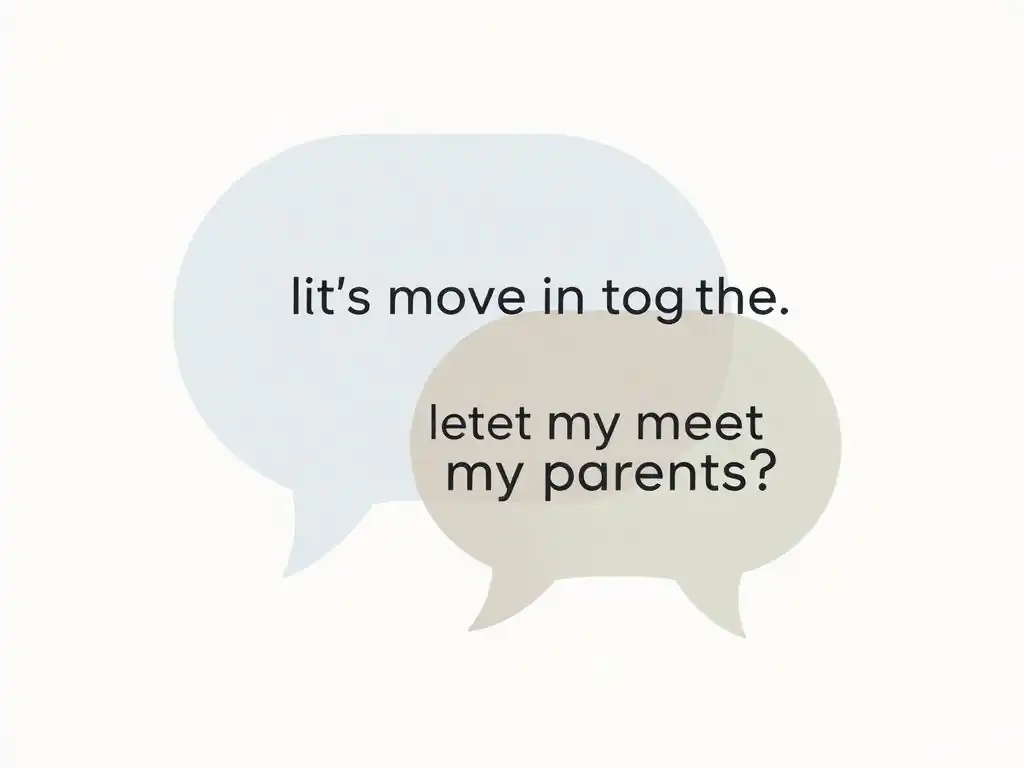
Imagine this scenario: You've been chatting online for a week, and the person already starts discussing moving in together or meeting your family. This rapid progression is problematic. While some couples might develop quickly, the intensity and pressure are the key issues here. The individual may be exhibiting controlling tendencies or an inability to manage their own emotions healthily.
They might be projecting their own desires onto you without considering your comfort level or pace. This behavior often reflects a lack of respect for your boundaries and autonomy. Pay close attention to the underlying pressure and avoid feeling obligated to respond in kind.
Controlling or Possessive Language in Early Messages
Controlling or possessive language in early messages is a serious red flag that should not be ignored. This behavior can range from subtly questioning your activities and relationships to overtly demanding your attention and loyalty. Watch out for messages expressing jealousy or attempting to isolate you from your friends and family. This type of behavior is indicative of potential controlling tendencies and unhealthy relationship dynamics.
Consider these examples: Messages questioning who you're talking to, demanding constant updates on your location, or making negative comments about your friends or family are clear signs of possessiveness and control. These actions can be subtle at first, disguising themselves as concern or affection. However, the underlying pattern is one of manipulation and control. Such behavior can escalate quickly, leading to emotional abuse.
Prioritize your safety and well-being; do not engage with individuals who exhibit these patterns. Remember, a healthy relationship is built on mutual respect, trust, and autonomy, not control or possessiveness. Trust your instincts; if something feels off, it probably is. Your safety and emotional well-being are paramount.
This section focuses on establishing healthy communication patterns from the outset of your online dating journey. Understanding what constitutes healthy interaction helps you identify potential "too serious too soon" red flags and navigate the complexities of online dating more effectively. Remember, online dating red flags in messaging often manifest subtly, so paying close attention to communication styles is crucial.
Setting Healthy Boundaries and Expectations in Online Dating
Establishing clear boundaries is paramount to a positive online dating experience. This involves defining what you're comfortable sharing and how quickly you're willing to progress in the relationship. Setting boundaries prevents feeling overwhelmed or pressured, common experiences leading to the "too serious too soon" pitfall.
For example, avoid sharing overly personal information, such as your full address or workplace, during initial conversations. It’s also wise to avoid lengthy, emotionally charged exchanges before you've met in person. Instead, keep early conversations light and focused on getting to know each other's interests and personalities. Consider setting a time limit for daily messaging to avoid excessive communication in the early stages.
This proactive approach helps manage expectations and ensures that your interactions remain healthy and respectful. Avoid rushing into deep conversations about past relationships or future plans until you have a stronger foundation of trust and understanding. Prioritizing your emotional well-being is key to navigating online dating successfully and avoiding the "too serious too soon" trap. Remember, building a genuine connection takes time.
Maintaining a Balanced Pace of Communication
The pace of communication is a significant indicator of healthy interactions. A balanced approach avoids both excessive messaging (which can feel overwhelming) and radio silence (which can be equally disconcerting). Finding a rhythm that suits both parties is essential.
Consider these points:
- Frequency: Aim for a consistent, yet manageable, level of communication. Avoid bombarding your match with messages or expecting immediate replies.
- Content: Keep the tone light and engaging. Avoid overly intense or personal topics early on.
- Responsiveness: Respond in a timely manner, but don't feel pressured to reply instantly. A short delay can be perfectly acceptable.
Think of it like a dance – a healthy exchange involves give-and-take. If one person is significantly more invested in the communication than the other, it's a potential red flag, suggesting an imbalance of interest and potentially signaling "too serious too soon" behavior. Pay attention to the flow of the conversation. Does it feel natural and comfortable, or does it feel forced or overwhelming? Trust your instincts.
Prioritizing Safety and Protecting Your Personal Information Online
Safety should be a top priority throughout your online dating journey. Protecting your personal information is crucial, especially during the initial messaging phase, to avoid potential scams or harmful encounters. Over-sharing can be a significant online dating red flag.
Remember these important points:
- Avoid sharing sensitive information: Don't disclose your full name, address, workplace, or other identifying details until you've met in person and feel comfortable.
- Be wary of overly personal requests: If someone asks for financial assistance or overly personal details early on, it's a major red flag.
- Verify profiles: Do some research to ensure your match is who they claim to be. Use reverse image searches and check their social media profiles (if available) for consistency.
- Meet in public places: If you decide to meet in person, always choose a well-lit, public location. Let a friend or family member know where you're going and when you expect to be back.
By prioritizing safety and protecting your personal information, you mitigate risks and create a safer environment for yourself while navigating the world of online dating. Being cautious and proactive is crucial for a positive and secure experience, allowing you to focus on building genuine connections without unnecessary worries. Remember, your safety is paramount.
How to Respond to "Too Serious Too Soon" Behavior
This section focuses on practical strategies for handling overly serious communication in the early stages of online dating, a common online dating red flags messaging scenario. Navigating these situations requires tact and self-preservation. Remember, your safety and emotional well-being are paramount. Ignoring these red flags can lead to uncomfortable or even dangerous situations. Let's explore effective responses.
Directly Addressing Concerns and Setting Boundaries
When someone progresses too quickly in their messages – declaring undying love, making future plans, or discussing deeply personal topics prematurely – it's crucial to address it directly, yet gently. Avoid confrontation; instead, focus on setting boundaries and managing expectations. For example, if someone starts discussing marriage after only a few messages, you might respond with something like: "I appreciate your enthusiasm, but I prefer to get to know someone gradually. Let's focus on getting to know each other better before discussing long-term plans."
This approach allows you to express your discomfort without being accusatory. Setting clear boundaries early on is crucial for protecting yourself from potentially harmful interactions. Remember, it's perfectly acceptable to say no to anything that makes you uncomfortable, and it's not your responsibility to manage someone else's feelings. You are prioritizing your own emotional and mental health.
Consider using a combination of direct statements and gentle redirection. For instance, if they are pressuring you for a phone call or video chat too soon, you could say: "I'm enjoying our messages, and I'm looking forward to eventually connecting on a call, but I'd prefer to wait until we've had a chance to get to know each other a bit better online first." This shows interest while maintaining your personal boundaries.
Gradually Reducing Communication if Necessary
If direct communication doesn't resolve the issue, or if the behavior escalates, you might need to gradually reduce your interaction. This doesn't mean ghosting; instead, it involves responding less frequently and with shorter messages. For example, instead of lengthy replies, you might respond with a simple "Sounds interesting!" or "That's cool!" Gradually decreasing the frequency and length of your responses can subtly signal that you are not interested in continuing the conversation at the current pace.
This approach is particularly useful if you're uncomfortable with a direct confrontation. It provides a less confrontational way to disengage while still maintaining a modicum of politeness. The key is to be consistent. If you continue to engage fully, the other person may misinterpret your intentions. Remember, your time and energy are valuable; don't feel obligated to maintain a conversation that feels unsafe or uncomfortable.
Knowing When to Disengage from a Potentially Harmful Interaction
In some cases, despite your best efforts, the overly serious behavior persists or escalates into harassment or threats. In such situations, disengaging completely is essential. This might involve blocking the user on the dating platform and reporting their behavior if necessary. Prioritizing your safety is always the top priority.
It's important to recognize that some individuals might exhibit manipulative behavior or disregard your boundaries. If you feel threatened or unsafe at any point, don't hesitate to cease all communication immediately and seek support from friends, family, or relevant authorities. Remember, you deserve to feel safe and respected in your online interactions. This is a crucial online dating red flags messaging element to consider. Your well-being is paramount. Don't be afraid to take decisive action to protect yourself.
This section provides a comprehensive guide to navigating the "too serious too soon" red flag in online dating. By employing these strategies, you can protect yourself while still maintaining respectful communication. Remember, your comfort and safety are paramount.
Moving Forward: Healthy Online Dating Communication
This section focuses on shifting the conversation from identifying red flags to establishing healthy communication patterns in online dating. Recognizing negative indicators is crucial, but equally important is understanding how to cultivate positive interactions that foster genuine connections. This proactive approach helps you avoid the "too serious too soon" trap and build a foundation for a more successful online dating experience. The goal is to move beyond superficial exchanges and towards meaningful interactions that reveal compatibility and shared values.
Focusing on Building Genuine Connections
Building genuine connections in online dating requires more than just witty banter or perfectly crafted profiles. It's about fostering a sense of authenticity and mutual interest. Instead of focusing solely on superficial characteristics, prioritize getting to know the other person on a deeper level. Ask open-ended questions that encourage them to share their thoughts, feelings, and experiences. For example, instead of asking "What do you do?
", try "What are you passionate about?" or "What's something you're learning or working towards right now?". These questions reveal personality traits and long-term aspirations, offering a much clearer picture of compatibility than surface-level information. Remember, the aim is to discover shared interests, values, and life goals — the building blocks of a meaningful relationship.
Avoid bombarding your match with rapid-fire questions; instead, aim for a natural, conversational flow. Active listening and thoughtful responses are key to showing genuine interest and building rapport. Pay attention to their communication style as well; do they reciprocate your efforts to connect on a deeper level? If not, it might be a sign that you're not a good match.
One of the most significant predictors of long-term relationship success is compatibility, specifically in terms of values and life goals. Online dating red flags often appear when there's a significant mismatch in these areas. While shared interests are enjoyable, aligning on fundamental values is crucial. Early conversations should subtly explore these areas.
For example, discussions about career aspirations, family plans, and personal beliefs can reveal crucial information about compatibility. However, approach these topics with sensitivity and avoid being overly direct or intrusive. Look for consistent patterns in their responses; do their words align with their actions and overall communication style? Inconsistencies can be a significant red flag.
Remember, the goal isn't to find someone identical to you, but to find someone whose values and life goals are broadly compatible with your own. This understanding minimizes the likelihood of future conflicts and disappointments. Analyze your conversations for signs of alignment or mismatch in these crucial areas.
Recognizing the Importance of Gradual Disclosure in Online Dating
Gradual disclosure is key to building trust and intimacy in online dating. Revealing too much personal information too early can create an imbalance of power or make the other person uncomfortable. It’s a common online dating red flag. Start with lighter topics and gradually share more personal details as the conversation progresses and trust develops. Avoid sensitive subjects or controversial opinions early on.
Observe how your match responds to your disclosures; do they reciprocate with similar levels of openness and vulnerability? Mutual disclosure fosters a sense of safety and connection. Respect boundaries and avoid pushing for information that your match isn't comfortable sharing. This mindful approach builds trust and demonstrates respect, crucial elements for a healthy relationship. Remember, building a strong foundation takes time; gradual disclosure allows for a natural progression of intimacy, reducing the risk of overwhelming your match or creating an unhealthy dynamic.
Frequently Asked Questions
What are some red flags to watch out for in online dating messages?
Some red flags include overly intense or serious messages early on, pressure to meet quickly, avoidance of answering personal questions, or excessive flattery. These can signal a potentially problematic person.
How can I identify someone who is moving too fast in online dating?
Look for signs like immediately talking about marriage or commitment, sharing very personal information too early, or ignoring your boundaries regarding meeting up or sharing information. Slow and steady wins the race.
What should I do if I encounter a red flag in someone's messages?
Trust your instincts. If something feels off, don't ignore it. You can stop responding, report the profile, or block the user. Your safety and comfort are paramount.
Are all intense messages necessarily a red flag?
No, but extreme intensity very early on can be. It's a matter of context and your personal comfort level. If it feels rushed or overwhelming, it's a sign to proceed with caution.
How can I balance being friendly with avoiding red flags in online dating messaging?
Be warm and engaging, but maintain your boundaries. Don't overshare personal information too early, and be wary of anyone who seems too eager to meet in person before building a rapport. Trust your intuition.
Final Reflection: Decoding the Signals: Beyond the "Too Serious Too Soon" Sign
The pressure to find "the one" in the digital age often overshadows the crucial need to identify red flags early in online communication. Ignoring these subtle yet significant signals can lead to wasted time, emotional distress, and potentially dangerous situations. Understanding these early warning signs is not about cynicism, but about self-preservation and fostering healthy relationships.
The impact of rushed intimacy and premature declarations of love in online dating extends far beyond individual experiences. It shapes our expectations of relationships, influencing how we communicate and perceive connection. The constant pressure to move quickly, fueled by dating app algorithms and societal pressures, often masks genuine compatibility. The greatest thing you'll ever learn is just to love and be loved in return.
While this classic quote speaks to the beauty of love, it also highlights the importance of recognizing healthy, reciprocal connection, not just the immediate rush of intense emotion.
Now, consider your own online dating experiences. Have you encountered these "too serious too soon" signals? Reflect on how you responded, and consider how a more cautious approach might have saved you time and heartache. Moving forward, prioritize clear communication, healthy boundaries, and a discerning eye for genuine connection over the allure of instant gratification. Your emotional well-being is worth protecting, and recognizing red flags early is the first step towards building a fulfilling and respectful relationship.
Unlock Your Dating Potential: Decode Early Messaging Clues
Thanks for exploring the nuances of early dating communication! You now have the tools to identify potentially overwhelming early interactions and navigate conversations confidently. Ready to apply your new knowledge?
- Master the art of playful banter: Use the insights from this article to craft engaging and fun responses that avoid appearing overly eager. Practice makes perfect!
- Share your experiences: What warning signs have you encountered in early messages? Sharing your stories can help others and spark valuable discussions.
- Try a week of mindful messaging: Consciously focus on pacing and playful interaction, applying what you've learned. Then, reflect on how it impacted your dating experiences.
Have you ever had a surprisingly successful date despite initial messaging doubts? What was your approach? Let's discuss!