
Rejecting Discrimination: Finding Respect and Acceptance in LGBTQ+ Online Dating


Welcome to OnlineDatingSuccess.org, your guide to navigating the exciting yet complex world of online dating! Are you ready to find a meaningful connection? We empower you to build genuine relationships. But in the vibrant landscape of LGBTQ+ online dating, safety is paramount. Discover crucial LGBTQ+ dating profile safety tips within our insightful article, "Rejecting Discrimination: Finding Respect and Acceptance in LGBTQ+ Online Dating," and learn how to create a profile that attracts the right people while protecting your well-being. Let's embark on this journey together!
- Understanding Discrimination in LGBTQ+ Online Dating
-
Creating a Safe and Inclusive LGBTQ+ Dating Profile
- LGBTQ+ Dating Profile Safety Tips: Choosing the Right Photos
- LGBTQ+ Dating Profile Safety Tips: Crafting a Welcoming Bio
- LGBTQ+ Dating Profile Safety Tips: Setting Clear Boundaries and Expectations
- Highlighting Your Identity Authentically and Positively
- Avoiding Stereotypes and Promoting Inclusivity
- Navigating Interactions with Respect and Confidence
- Protecting Your Privacy and Personal Information
- Seeking Support and Resources
- Building Positive and Respectful Relationships Online
-
Frequently Asked Questions
- How can I create a safe and inclusive LGBTQ+ dating profile?
- What should I do if I encounter discrimination or harassment on a dating app?
- Are there specific safety precautions for LGBTQ+ individuals using online dating?
- How can I spot fake profiles or scams targeting LGBTQ+ users?
- What resources are available for support if I experience online dating abuse?
- Final Reflection: Cultivating Safety and Respect in the Digital Landscape of LGBTQ+ Dating
- Ignite Your Dating Journey: Find Love, Respect, and Connection
Understanding Discrimination in LGBTQ+ Online Dating
Navigating the world of online dating can be challenging for anyone, but for members of the LGBTQ+ community, it often presents a unique set of hurdles. This article delves into the pervasive issue of discrimination within LGBTQ+ online dating, offering practical strategies for identifying, addressing, and ultimately overcoming prejudice to foster positive and respectful connections. We'll explore various forms of discrimination, from subtle microaggressions to overt hate speech, and discuss their impact on mental well-being.
Ultimately, our goal is to empower LGBTQ+ individuals to create safer and more fulfilling online dating experiences, focusing on building profiles that attract genuine connections while minimizing exposure to harmful behavior. Learning to recognize and reject discrimination is crucial for building a positive and respectful online dating experience, and fostering a sense of community and acceptance. This guide provides essential LGBTQ+ dating profile safety tips to help you navigate this landscape confidently and safely.
Recognizing Subtle and Overt Forms of Prejudice
Discrimination in LGBTQ+ online dating manifests in many ways, ranging from subtle to overtly hostile. Subtle forms of prejudice can be harder to identify but are equally damaging. These might include:
- Ignoring or dismissing messages: A potential partner might consistently ignore messages from someone whose profile indicates a non-heterosexual orientation or gender identity.
- Fetishisation or objectification: Comments focusing solely on sexual aspects, neglecting the individual's personality and interests, are a common form of subtle discrimination.
- Negative stereotypes in profile descriptions: Profiles that use derogatory language or perpetuate harmful stereotypes about certain LGBTQ+ identities contribute to a hostile environment.
- Unwanted requests for specific sexual acts: Pressure to engage in particular sexual acts, especially acts that align with harmful stereotypes, constitutes a form of discrimination.
Overt forms of discrimination are more blatant and easier to recognize. These include:
- Hate speech and slurs: The use of homophobic, transphobic, or other derogatory language is unacceptable and should be reported immediately.
- Threats of violence or harassment: Any communication containing threats of physical harm or online harassment is a serious offense.
- Rejection based solely on sexual orientation or gender identity: Explicitly stating rejection solely due to someone's identity is a clear violation of respect.
- DoXing or outing: Sharing someone's personal information online without their consent, particularly information about their sexual orientation or gender identity, is a serious privacy violation.
The Impact of Discrimination on Mental Health and Well-being
The constant exposure to prejudice and discrimination in online dating can significantly impact the mental health and well-being of LGBTQ+ individuals. This can manifest in various ways, including:
- Increased anxiety and stress: The fear of encountering negativity or rejection can lead to heightened anxiety and stress levels.
- Low self-esteem and self-worth: Repeated negative experiences can erode self-esteem and create feelings of inadequacy.
- Depression and feelings of isolation: The inability to find genuine connections and the constant exposure to hostility can lead to depression and feelings of isolation.
- Trauma and PTSD: Severe instances of online harassment and hate speech can result in trauma and post-traumatic stress disorder.
It's crucial to remember that these are serious issues, and seeking support from friends, family, or mental health professionals is vital for anyone struggling with the emotional toll of discrimination. Building a support network is key to resilience. Remember, you are not alone.
Identifying Hate Speech and Harassment in Online Dating Platforms
Identifying hate speech and harassment is crucial for protecting your safety and well-being. Pay close attention to the following indicators:
- Use of slurs and derogatory terms: Any language that demeans or insults based on sexual orientation, gender identity, or other protected characteristics is a clear sign of hate speech.
- Threats of violence or harm: Direct or indirect threats of physical harm, whether online or offline, should be reported immediately.
- Cyberstalking and harassment: Repeated unwanted contact, messages, or online actions aimed at intimidating or harassing you are forms of cyberstalking.
- DoXing and outing: The deliberate disclosure of private information without consent constitutes a serious privacy violation.
- Unwanted sexual advances or pressure: Persistent and unwanted sexual advances or pressure to engage in sexual acts you're uncomfortable with are forms of harassment.
Reporting mechanisms vary across different online dating platforms. Familiarize yourself with the reporting procedures of each platform you use and report any instances of hate speech or harassment promptly. Remember, reporting these incidents helps create a safer environment for everyone. Your safety and well-being are paramount.
Creating a Safe and Inclusive LGBTQ+ Dating Profile
This section focuses on crafting a dating profile that attracts respectful matches while minimizing the risk of encountering prejudice or discrimination. Remember, your profile is your first impression – make it count! We'll explore practical strategies to ensure your online presence reflects your authentic self while prioritizing your safety and well-being within the LGBTQ+ dating landscape. Effective profile creation is crucial for positive LGBTQ+ dating experiences.
LGBTQ+ Dating Profile Safety Tips: Choosing the Right Photos
Choosing the right photos is paramount. Your pictures are often the first thing potential matches see, and they can significantly influence their perception of you. Avoid generic or overly posed shots; instead, opt for images that authentically represent your personality and interests.
Here's a breakdown of what to consider:
- Show, don't tell: Instead of listing your hobbies, showcase them through photos. A picture of you hiking, playing a musical instrument, or volunteering speaks volumes.
- Variety is key: Include a mix of photos – a headshot, a full-body shot, and some action shots. This gives potential matches a well-rounded view of you.
- High-quality images: Use well-lit, clear photos taken with a decent camera. Avoid blurry, dark, or pixelated images.
- Focus on your face: While showcasing your hobbies is important, ensure your face is clearly visible in at least one photo. This builds trust and allows potential matches to connect with you on a personal level.
- Consider your background: Be mindful of the background in your photos. Avoid anything that could reveal sensitive personal information, such as your address or workplace.
- Avoid overly revealing photos: While you want to present yourself authentically, avoid photos that are too revealing or suggestive. This can attract unwanted attention and may not reflect the kind of relationship you're seeking.
- Recent photos: Use recent pictures that accurately reflect your current appearance.
LGBTQ+ Dating Profile Safety Tips: Crafting a Welcoming Bio
Your bio is your opportunity to connect with potential matches on a deeper level. It should be both informative and engaging, showcasing your personality and values while establishing clear boundaries.
- Be authentic: Write in your own voice. Don't try to be someone you're not. Authenticity is attractive and will attract genuine connections. Let your unique personality shine through!
- Highlight your interests: Mention your hobbies, interests, and passions. This allows potential matches to find common ground and initiate conversations.
- Set the tone: Let your bio reflect the type of relationship you're seeking. Are you looking for something casual, serious, or somewhere in between? Be upfront and clear about your intentions.
- Use positive language: Avoid negativity or complaining. Focus on the positive aspects of your life and what you're looking for in a partner.
- Proofread carefully: Before posting your bio, proofread it carefully for any grammatical errors or typos. A well-written bio shows that you care about details and present yourself professionally.
- Include dealbreakers (carefully): While mentioning dealbreakers can be helpful, frame them positively. For example, instead of saying "I don't date smokers," try "I prefer a healthy lifestyle and enjoy spending time outdoors."
- Keep it concise: Aim for a bio that is engaging but not overwhelming. A short, well-written bio is more effective than a long, rambling one.
LGBTQ+ Dating Profile Safety Tips: Setting Clear Boundaries and Expectations
Establishing clear boundaries is crucial for a safe and positive dating experience. This includes protecting your personal information and setting expectations about communication and interactions.
- Privacy is paramount: Avoid sharing overly personal information in your profile or during initial conversations. This includes your full name, address, workplace, or any other information that could compromise your safety.
- Control the information you share: Be cautious about sharing personal details with someone you haven't met in person. Verify their identity through multiple sources before revealing sensitive information.
- Be mindful of your location: Avoid sharing your exact location, especially during initial interactions. Meet in well-lit, public places for your first few dates.
- Trust your instincts: If something feels off or unsafe, don't hesitate to end the conversation or interaction. Your safety is always the top priority.
- Report inappropriate behavior: If you encounter any harassment or discrimination, report it to the dating platform immediately. Most platforms have robust reporting mechanisms in place.
- Use the platform's safety features: Familiarize yourself with the safety features offered by the dating app or website you're using. These features can provide additional layers of protection.
- Verify profiles: Take the time to verify the authenticity of potential matches' profiles. Look for inconsistencies or red flags that might indicate a fake profile or malicious intent. A genuine profile will usually have multiple photos, a detailed bio, and mutual connections.
Remember, creating a safe and inclusive LGBTQ+ dating profile is an ongoing process. Regularly review and update your profile to reflect your evolving needs and preferences. Prioritize your safety and well-being throughout your online dating journey. By following these LGBTQ+ dating profile safety tips, you can increase your chances of finding meaningful connections while protecting yourself from harm.
Highlighting Your Identity Authentically and Positively
Creating an LGBTQ+ dating profile that attracts genuine connections requires showcasing your authentic self. This doesn't mean revealing every detail of your life upfront, but it does involve presenting a truthful and positive representation of who you are. Consider what aspects of your identity are most important to you and how you can express them in your profile. For example, if your queer identity is central to your life, don't shy away from mentioning it! Use descriptive language that reflects your personality and interests.
Instead of simply stating "gay," you could say something like, "Proudly gay and passionate about hiking and indie music." This approach allows potential matches to connect with you on a deeper level. Remember, authenticity attracts authenticity. Don't try to be someone you're not to appeal to a certain type of person; be yourself, and the right people will be drawn to you. A genuine profile is far more effective than a generic one.
Consider including photos that accurately reflect your appearance and lifestyle, showcasing your genuine happiness and confidence. This builds trust and encourages meaningful interactions. Remember, your goal is to find someone who appreciates you for who you are, not for who you pretend to be. Authenticity is key to building genuine connections in the LGBTQ+ dating world. This approach not only protects you from potential harm associated with misrepresentation but also significantly increases your chances of finding a compatible partner.
Avoiding Stereotypes and Promoting Inclusivity
Online dating profiles often unintentionally perpetuate harmful stereotypes, especially within the LGBTQ+ community. Avoiding these stereotypes is crucial for creating a safe and inclusive space for yourself and others. Refrain from using clichés or generalizations that reinforce negative preconceptions. For example, avoid phrases like "looking for my unicorn" or relying solely on overtly sexualized images. These can attract unwanted attention and limit the type of connections you can make. Instead, focus on highlighting your unique qualities and interests.
Emphasize your personality, hobbies, and values. This helps attract people who appreciate you for who you are, rather than fitting you into a pre-conceived box. Furthermore, using inclusive language in your profile is vital. Avoid gendered assumptions and use inclusive pronouns or specify your preferred pronouns if you're comfortable doing so. This simple act demonstrates respect and creates a welcoming environment for everyone.
Remember, promoting inclusivity is not just about avoiding stereotypes; it's about actively fostering a space where everyone feels accepted and respected. Consider your profile’s language carefully to ensure it’s free from potentially harmful or exclusionary phrases. Think about what kind of community you want to attract and design your profile to reflect those values. By actively combating stereotypes and promoting inclusivity, you contribute to a more positive and safer online dating experience for everyone. This also helps you find a partner who values diversity and mutual respect.
This section focuses on practical strategies for LGBTQ+ individuals to navigate online dating interactions with confidence and resilience, emphasizing safety and self-respect. Successfully navigating the online dating world as an LGBTQ+ person often requires a proactive approach to managing potential negativity. Remember, your safety and well-being are paramount.
Responding to Discriminatory Messages and Behaviors
Encountering discriminatory messages or behaviors is, unfortunately, a reality for many in the LGBTQ+ community using online dating platforms. Responding effectively requires a balance of self-preservation and assertive communication. Ignoring hateful messages is often the best course of action, as engaging can escalate the situation. However, documenting these interactions is crucial. Keep screenshots as evidence for reporting purposes.
For less overtly hateful but still discriminatory comments (e.g., subtle biases or fetishization), consider a brief, firm response. Phrases like, "I'm not comfortable with that kind of language," or "I'm looking for a respectful connection," can set a boundary without engaging in a lengthy argument. Remember, you are not obligated to justify your identity or preferences. Your comfort and safety are priorities. A simple "I'm not interested" is often sufficient. Avoid lengthy explanations; they rarely change someone's behavior.
Consider creating a standard response for common discriminatory messages to save time and energy. This could be a pre-written message that you can easily copy and paste. This efficient approach can help you avoid getting emotionally drained by repetitive interactions.
Example of a canned response: "Thank you for your message, but I'm not interested in continuing this conversation. I'm looking for a respectful and inclusive connection."
Data suggests that a significant percentage of LGBTQ+ users experience some form of discrimination online. While precise figures vary depending on the platform and survey methodology, reports consistently highlight the need for robust safety measures and proactive strategies for managing negative interactions. Your experience is valid, and you deserve to feel safe.
Setting Boundaries and Blocking Offensive Users
Setting clear boundaries is essential for maintaining your emotional and mental well-being. This involves identifying your limits and acting decisively when those limits are crossed. Blocking users who exhibit discriminatory behavior is a fundamental self-care practice. Don't hesitate to utilize the block feature readily available on most dating platforms. Blocking removes the individual from your feed and prevents further contact. This is not just about avoiding unpleasant interactions; it's about protecting your mental health and creating a safer online experience.
Beyond blocking, consider muting users whose behavior is mildly offensive but not yet egregious. Muting prevents you from seeing their messages without entirely cutting them off. This allows you to manage the flow of communication and prioritize interactions with respectful individuals.
Consider also reviewing your profile settings regularly. Ensure your privacy settings are optimized to limit unwanted contact. Many platforms provide options to control who can message you, which can significantly reduce exposure to discriminatory behavior. Take advantage of these features to curate a more positive and safer online dating experience. Proactive measures like these can significantly reduce the amount of negative interactions you encounter.
Reporting Hate Speech and Harassment to Dating Platforms
Reporting hate speech and harassment is crucial for fostering a more inclusive and safer online dating environment for everyone. Most dating platforms have robust reporting mechanisms in place. Use these tools to document and report instances of discrimination. Provide as much detail as possible, including screenshots of messages or profiles. The more information you provide, the better equipped the platform is to take appropriate action against offenders.
Remember that reporting isn't just about personal retribution; it's about contributing to a larger effort to create a safer space for the LGBTQ+ community online. Your report can potentially prevent others from experiencing similar harassment. Many platforms actively work to remove discriminatory content and accounts, and your report contributes directly to these efforts.
While the effectiveness of reporting mechanisms can vary, consistent reporting sends a clear message to platforms that discriminatory behavior is unacceptable. By actively participating in reporting, you are actively contributing to a more inclusive and safer online dating experience for yourself and others. Don't underestimate the power of your report; it's a crucial step in combating discrimination and promoting acceptance.
Building a Supportive Online Community
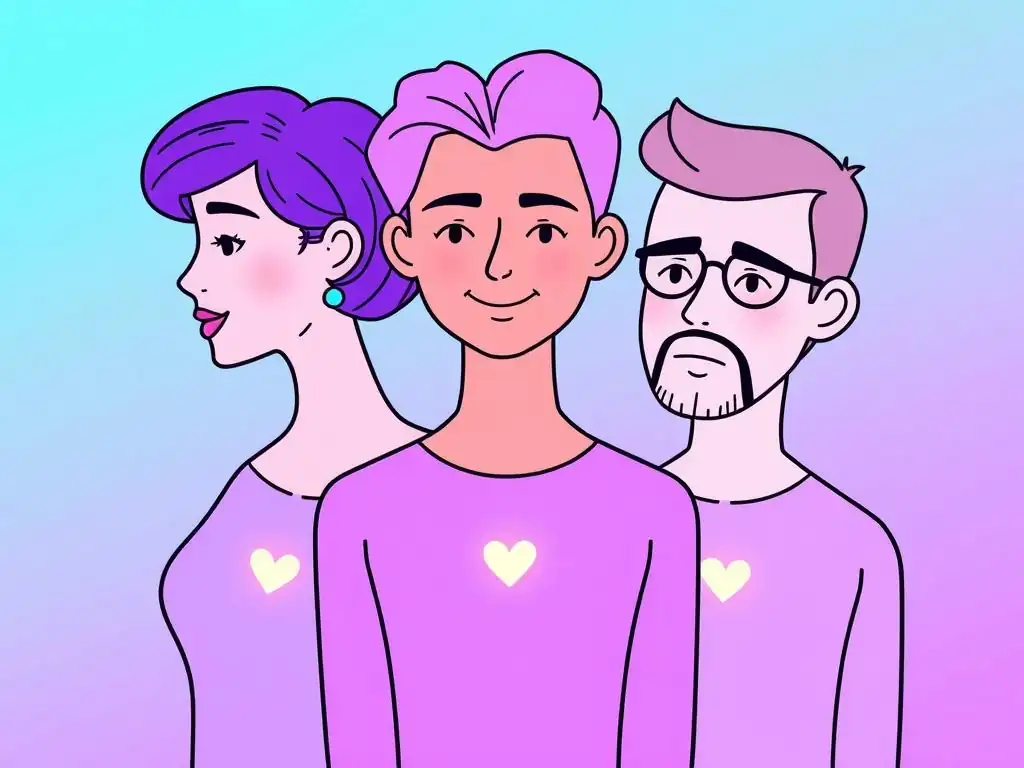
Finding a supportive online community is crucial for navigating the complexities of LGBTQ+ dating. It's a space where you can connect with others who understand your experiences, share advice, and offer emotional support. This can significantly reduce feelings of isolation and increase your confidence in approaching online dating. Building this network can involve joining online forums, participating in LGBTQ+ focused social media groups, or even engaging in discussions within dating apps themselves.
Remember to prioritize spaces that actively promote inclusivity and respect, actively moderating against hate speech and harassment. Look for groups that offer a variety of perspectives and experiences within the LGBTQ+ community; this will help broaden your understanding and build a more diverse and resilient support system. Don't hesitate to reach out to others; many people are looking for the same sense of belonging and shared experience. Sharing your own experiences, even if challenging, can help build connections and foster empathy within the community.
Remember that finding the right community takes time and patience, but the rewards of having a supportive network are immense. The right community can be your lifeline during frustrating or disheartening experiences in the world of online dating. It's a vital resource for strengthening your resilience and promoting your overall well-being. Consider contributing actively to the community, offering your support and insights to others as well; this reciprocal exchange strengthens the bonds within the group and creates a more positive and helpful environment for everyone.
Finding LGBTQ+-Friendly Dating Apps and Websites
Choosing the right platform is paramount for a safe and positive LGBTQ+ dating experience. Not all dating apps and websites are created equal when it comes to inclusivity and safety. Some platforms specifically cater to the LGBTQ+ community, offering features designed to enhance safety and promote respectful interactions. These platforms often have robust reporting mechanisms and moderation policies to address harassment and discrimination promptly. Researching and selecting a platform that prioritizes safety is a proactive step towards protecting your well-being online.
Look for apps with features such as profile verification, background checks (where available), and clear community guidelines that explicitly address discrimination and harassment. Read reviews from other users to gauge the app's atmosphere and effectiveness in dealing with inappropriate behavior. Many apps actively promote a culture of respect and inclusivity, providing resources and support for users who experience harassment or discrimination. Consider also the app's features in terms of matching algorithms; some apps utilize sophisticated algorithms to connect users based on shared interests and values, potentially leading to more meaningful and respectful connections.
Don't be afraid to try out several different apps; the best fit often depends on your personal preferences and comfort levels. Remember that finding the right platform is an important step toward building safer and more fulfilling relationships online. Choosing a well-moderated and inclusive platform significantly reduces the risk of encountering hateful or discriminatory behavior, allowing you to focus on finding genuine connections. Prioritizing safety from the start is an investment in your positive online dating journey.
Protecting Your Privacy and Personal Information
This section focuses on crucial safety measures to protect your privacy and personal information while navigating the world of LGBTQ+ online dating. Remember, your safety and well-being are paramount. Building a strong foundation of privacy from the start can significantly reduce your risk of encountering harmful individuals or situations. These tips are designed to empower you to take control of your online presence and build positive connections.
LGBTQ+ Dating Profile Safety Tips: Protecting Your Location and Personal Details
Protecting your location is critical. Avoid posting photos that reveal specific landmarks or easily identifiable locations. Sharing your exact address, workplace, or even the neighborhood you live in is a significant risk. Many dating apps use location services, but you can often adjust these settings to limit the information shared. Consider using a location-based privacy app to manage your location settings more precisely. Always remember that even seemingly innocuous details, when combined, can lead to someone identifying your location.
For instance, posting a picture in front of a unique building downtown might seem harmless, but combined with mentioning your profession in your profile, a determined individual could potentially pinpoint your exact location. Similarly, avoid explicitly mentioning your workplace or the name of your school. This seemingly insignificant detail can make you more vulnerable.
Instead of precise locations, you could use broader terms like "city center" or "near the park" to give a general idea of your whereabouts without compromising your privacy. Remember, a little mystery can even add intrigue to your profile! The goal is to connect with people, not to inadvertently broadcast your location to strangers.
The same principle applies to personal details. Avoid including your full name, phone number, email address, or other sensitive information directly on your profile. This information should only be exchanged after you've established trust and verified the identity of the other person. Think twice before sharing any information that could compromise your safety or security. This proactive approach is essential for maintaining your personal well-being in the online dating sphere.
LGBTQ+ Dating Profile Safety Tips: Avoiding Sharing Too Much Information Too Soon
Over-sharing personal information, particularly early in the dating process, can put you at risk. While building rapport is important, avoid revealing intimate details or sharing sensitive information before you've met in person and feel comfortable doing so. Remember, online interactions can be deceptive, and it's crucial to protect yourself.
Consider the information you're sharing. Do you really need to reveal your financial status, political affiliations, or detailed personal history on your first interaction? These are things best discussed later in a relationship, after you have a better understanding of the person you're talking to. Resist the urge to overshare, even if you feel a strong connection.
For example, avoid detailed discussions about your family dynamics, especially if these involve vulnerabilities or sensitive issues. Sharing such information too soon could make you susceptible to manipulation or emotional exploitation. Instead, focus on building a connection based on shared interests and values. Take your time, and allow the relationship to develop organically. Remember, building trust takes time, and rushing the process can have serious consequences. Prioritize your safety and well-being above all else.
Using Strong Passwords and Enabling Two-Factor Authentication
Strong passwords and two-factor authentication (2FA) are fundamental to protecting your online accounts and personal data. A weak password is an open invitation for unauthorized access, and this is especially critical in online dating, where your personal information is at stake.
Use unique, complex passwords for each of your dating apps and accounts. Avoid using easily guessable passwords like your birthday or pet's name. Instead, opt for a combination of uppercase and lowercase letters, numbers, and symbols. Password managers can help you create and securely store complex passwords. Remember, a strong password is your first line of defense against unauthorized access.
Enabling two-factor authentication (2FA) adds an extra layer of security. 2FA typically involves receiving a verification code via text message or email to confirm your login attempts. This makes it significantly harder for someone to access your accounts even if they obtain your password. Many dating apps offer this feature; make sure to activate it for all your accounts. This simple step can dramatically reduce your risk of unauthorized access and help protect your personal information. Prioritize your digital safety by adopting these vital security practices.
Being Mindful of Phishing Scams and Online Predators
Online predators and phishing scams are unfortunately prevalent in all areas of online interaction, and LGBTQ+ dating apps and websites are no exception. These malicious actors often exploit vulnerabilities and prejudices within the community. Understanding how these scams work is the first step to protecting yourself. Phishing scams often involve fake profiles that mimic genuine users, attempting to lure you into sharing personal information, financial details, or even intimate photos under false pretenses.
These scammers might claim to be from the app itself, needing to verify your account, or they might pose as someone genuinely interested in you, building trust before making their request. Always be wary of unsolicited requests for personal information, especially financial details or login credentials. Legitimate dating apps will never ask for such information through direct messages.
Remember that building trust takes time. If someone you've just met online is pressuring you for sensitive information or intimate images early in your interactions, this should be a major red flag. Don't feel pressured to share anything you're not comfortable with, no matter how charming or persistent the other person may seem. Report suspicious profiles or messages to the platform immediately. Most reputable dating apps have robust reporting mechanisms in place to help identify and remove fraudulent accounts and protect their users.
Online predators operate under a different guise. They may create fake profiles to manipulate and groom individuals, often targeting those who are vulnerable or feeling isolated. They build relationships through charm and manipulation, slowly gaining your trust before exploiting you emotionally, financially, or even physically. This can be particularly dangerous within the LGBTQ+ community, where some individuals may be more hesitant to report abuse due to fear of judgment or discrimination.
It's crucial to be aware of the signs of predatory behavior, such as excessive flattery, overly persistent messaging, or attempts to isolate you from friends and family. Trust your instincts; if something feels wrong, it probably is. Prioritize your safety and well-being. Talking to a trusted friend or family member about your online interactions can also be a helpful way to gain an outside perspective and identify potential red flags.
Remember, you are not alone, and seeking help is a sign of strength, not weakness. Utilize the support systems available to you. Many LGBTQ+ organizations offer resources and support for individuals experiencing online harassment or abuse.
Seeking Support and Resources
Navigating the world of online dating, especially within the LGBTQ+ community, can present unique challenges. Discrimination, harassment, and prejudice are unfortunately realities for many. Therefore, having access to the right support systems is crucial for maintaining well-being and fostering positive experiences. This section outlines essential resources available to help you navigate these difficulties and build resilience. Remember, you are not alone, and help is available. This information is crucial for your safety and mental health while engaging in LGBTQ+ dating profile safety tips.
Connecting with LGBTQ+ Support Organizations and Communities
Finding a supportive community is paramount when facing discrimination or harassment. Numerous organizations offer a safe space for LGBTQ+ individuals to connect, share experiences, and access vital resources. These groups often provide:
- Peer support: Connecting with others who understand your experiences can be incredibly validating and helpful. Sharing stories and offering mutual support can create a strong sense of community and reduce feelings of isolation.
- Educational resources: Many organizations offer workshops, seminars, and online resources covering topics like safer dating practices, managing online harassment, and building healthy relationships. These resources equip you with the knowledge and tools to navigate challenging situations effectively.
- Advocacy and legal assistance: Some organizations provide advocacy services to help individuals navigate legal issues related to discrimination and harassment. They may offer guidance on reporting incidents and pursuing legal action.
- Crisis hotlines and helplines: These services provide immediate support during times of crisis, offering a lifeline when you need it most. They are trained to listen and provide compassionate guidance.
Remember to research organizations local to you for the most effective support. Consider the specific needs you have and look for groups that address those areas. A strong support network is a powerful tool in combating discrimination and building resilience. This is a key aspect of implementing effective LGBTQ+ dating profile safety tips.
Accessing Mental Health Resources for LGBTQ+ Individuals
Experiencing discrimination and prejudice can significantly impact mental health. Accessing appropriate mental health resources is crucial for managing stress, anxiety, and other potential emotional consequences. Specialized mental health professionals are trained to understand the unique challenges faced by LGBTQ+ individuals and can provide tailored support.
- Therapists and counselors: Seek out therapists specializing in LGBTQ+ issues. They possess the cultural competency and understanding to address the specific challenges faced within the community. They can provide therapy, coping mechanisms, and support to help you navigate difficult emotions.
- Support groups: Participating in support groups can create a sense of community and provide a safe space to share your experiences. These groups can offer valuable peer support and validation.
- Online resources: Numerous websites and apps offer mental health resources, including self-help tools, articles, and directories of LGBTQ+-affirming therapists. These resources can provide information and support at your convenience.
Prioritizing your mental well-being is essential, especially when facing adversity. Don't hesitate to seek professional help if you need it. Taking care of your mental health is a vital part of your overall well-being and safety, especially when implementing LGBTQ+ dating profile safety tips.
Finding Legal Advice Regarding Online Harassment and Discrimination
Online harassment and discrimination are serious offenses. If you experience these issues, it's crucial to understand your legal rights and options. Seeking legal advice can help you determine the best course of action and protect yourself.
- Legal aid organizations: Many legal aid organizations offer free or low-cost legal services to individuals who cannot afford an attorney. They can provide guidance on reporting incidents, filing complaints, and pursuing legal action.
- LGBTQ+ legal organizations: Some organizations specialize in LGBTQ+ legal issues and can provide expertise in areas such as hate crimes, discrimination, and harassment.
- Private attorneys: If you can afford it, consider hiring a private attorney specializing in civil rights or online harassment. They can represent you in legal proceedings and fight for your rights.
Documenting incidents of harassment or discrimination is essential. Save screenshots, emails, and any other evidence that could be useful in a legal case. Knowing your legal options empowers you to take action and protect yourself. This is a crucial aspect of effective LGBTQ+ dating profile safety tips. Remember, reporting these incidents helps create a safer online environment for everyone.
Building Positive and Respectful Relationships Online
This section focuses on cultivating healthy and respectful relationships within the context of LGBTQ+ online dating. Building a strong foundation of trust and respect is crucial for navigating the complexities of online interactions and fostering meaningful connections. Remember, a positive online experience significantly increases your chances of finding a compatible partner. Let's explore key strategies to achieve this.
Prioritizing Open Communication and Mutual Respect
Open and honest communication is the bedrock of any healthy relationship, and this is especially true in the online dating world where initial interactions often lack the nuances of face-to-face conversations. Misunderstandings are easily amplified through text-based communication, so clarity and respect are paramount. Actively listen to your potential partner's perspectives, and express your own feelings and needs clearly and respectfully. Avoid making assumptions or jumping to conclusions. Remember, everyone deserves to be treated with kindness and consideration, regardless of their identity or expression.
For example, instead of assuming someone's gender identity or sexual orientation, directly ask them using respectful language. This avoids potentially hurtful misinterpretations. Similarly, if you feel uncomfortable or unsafe during a conversation, politely but firmly express your boundaries. This proactive approach demonstrates self-respect and protects your well-being. A healthy relationship involves mutual respect for each other's boundaries and feelings.
Using inclusive language and demonstrating genuine interest in getting to know someone as an individual, rather than focusing on stereotypes, is crucial for fostering a respectful environment. Remember, respectful communication isn't just about what you say, but how you say it. A kind tone and considerate phrasing go a long way in building positive connections. This contributes significantly to the overall safety and positivity of your LGBTQ+ dating experience. Prioritizing this aspect of communication is a key element of LGBTQ+ dating profile safety tips.
Finding common ground is essential for building lasting connections. While attraction is important, shared values and interests provide a more substantial foundation for a long-term relationship. Instead of solely focusing on superficial aspects, engage in meaningful conversations that explore your potential partner's beliefs, passions, and goals. This allows you to assess compatibility beyond physical attraction, leading to more genuine and fulfilling connections.
For instance, discussing your views on social issues, family plans, or career aspirations can reveal whether you share fundamental life values. Similarly, exploring shared hobbies or interests, such as travel, music, or volunteering, can create opportunities for future activities and deeper bonding. Don't be afraid to be vulnerable and authentic in sharing your own passions and values.
This transparency fosters trust and helps attract partners who genuinely appreciate you for who you are. This approach is crucial in mitigating potential risks and promoting a positive and safe dating experience, reflecting the importance of these strategies in LGBTQ+ dating profile safety tips.
Developing Healthy Relationship Boundaries
Establishing and maintaining healthy boundaries is crucial for protecting your emotional and physical well-being. This involves setting clear limits on what you're comfortable sharing, doing, or discussing online and offline. Respecting your own boundaries and those of your partner prevents misunderstandings and ensures a safe and positive dating experience.
For example, you might choose to avoid sharing personal information, such as your full address or workplace, until you've met in person and built a level of trust. You might also set limits on the frequency and intensity of communication, taking breaks if needed. It's equally important to respect your partner's boundaries.
If they express discomfort with a topic or activity, respect their wishes and avoid pushing them beyond their comfort zone. Openly discussing boundaries and expectations early in a relationship helps establish a foundation of mutual respect and understanding, contributing to a safer and more positive dating experience. This is a critical component of LGBTQ+ dating profile safety tips, helping to build secure and fulfilling relationships.
Recognizing Red Flags and Avoiding Toxic Relationships
Navigating the world of LGBTQ+ online dating requires vigilance. While the goal is to find connection and build meaningful relationships, it's crucial to be aware of potential red flags that signal toxicity. These red flags can manifest in various ways, and recognizing them early can prevent you from investing time and emotional energy in unhealthy relationships. Remember, your safety and well-being are paramount.
One common red flag is inconsistent communication or behavior. Someone who is initially very enthusiastic and attentive, but then becomes distant or unresponsive without explanation, might be exhibiting manipulative behavior. This inconsistency can be a sign of a lack of respect for your time and feelings. Pay attention to patterns; if you notice a cycle of intense engagement followed by sudden withdrawal, it's a significant warning sign. Don't make excuses for this behavior; trust your gut instincts.
Another red flag is pressure to move too quickly. Healthy relationships develop at a natural pace. If someone is constantly pushing you to share personal information too soon, meet in person before you're comfortable, or engage in intimate activities prematurely, this is a major red flag. Healthy relationships prioritize consent and respect for individual boundaries. Never feel pressured to do anything you're not ready for, regardless of how much you like someone. Respecting your own limits is crucial for your safety and emotional well-being.
Excessive jealousy or possessiveness is another significant warning sign. While some level of interest and care is normal, excessive jealousy or controlling behavior is a sign of a toxic relationship. This can manifest as demanding constant updates on your whereabouts, scrutinizing your interactions with others, or attempting to isolate you from friends and family. This type of behavior is never acceptable and can quickly escalate into abuse. Remember, healthy relationships are built on trust and mutual respect, not control and suspicion.
Finally, pay close attention to how someone treats others. Someone who is disrespectful or unkind to service staff, friends, or family members is likely to exhibit similar behavior in a romantic relationship. Observe their interactions with others—this can offer valuable insight into their character and how they might treat you in the long run. Remember, their behavior towards others is often a reflection of their character and how they approach relationships.
Don't overlook subtle signs of disrespect or unkindness; these can be early indicators of potential problems. Prioritizing your safety and well-being in the online dating world is vital—never hesitate to end contact if you feel uncomfortable or unsafe. Building positive and respectful relationships requires mutual respect, healthy communication, and a shared commitment to kindness and understanding.
Frequently Asked Questions
How can I create a safe and inclusive LGBTQ+ dating profile?
Avoid revealing overly personal information like your exact address or workplace. Use clear, positive language to express your preferences and boundaries. Focus on showcasing your personality and interests to attract respectful matches.
What should I do if I encounter discrimination or harassment on a dating app?
Immediately report the user to the app's administrators and block them. Consider saving screenshots as evidence. Remember you deserve respect and have the right to a safe online experience.
Are there specific safety precautions for LGBTQ+ individuals using online dating?
Absolutely. Be cautious about sharing personal details until you've established trust. Meet in public places for first dates, and always let a friend or family member know your plans.
How can I spot fake profiles or scams targeting LGBTQ+ users?
Be wary of profiles with limited or inconsistent information. Beware of users who ask for money or personal details too quickly. Trust your instincts; if something feels off, it probably is.
What resources are available for support if I experience online dating abuse?
Many organizations offer support for victims of online harassment and abuse. Search for LGBTQ+ specific resources in your area or online. Remember you are not alone and help is available.
Final Reflection: Cultivating Safety and Respect in the Digital Landscape of LGBTQ+ Dating
The fight for safe and inclusive online spaces for LGBTQ+ individuals is far from over, and the need for awareness and proactive safety measures remains critically important. The rise of online dating has opened doors to connection and community, but it has also unfortunately created new avenues for discrimination and harassment. This necessitates a constant vigilance and a commitment to fostering environments where genuine connection can flourish without fear.
The impact of online discrimination on the LGBTQ+ community is profound, extending far beyond the immediate experience of a hateful message or profile. It reinforces existing societal prejudices and creates a chilling effect, discouraging open expression and participation. The internet can be a powerful tool for connection, but it can also be a breeding ground for hate. We must actively work to create safer spaces online for everyone.
This quote highlights the urgent need for continued education and the development of robust safety protocols within online dating platforms. We must actively challenge the normalization of discrimination and celebrate the beauty of diverse identities and relationships.
You, the reader, hold the power to make a difference. Consider the information presented in this article – not just as a list of safety tips, but as a call to action. Reflect on your own online behavior, and actively challenge discriminatory language and actions whenever you encounter them. By creating a culture of respect and understanding, both online and offline, we can build a more inclusive and supportive world for LGBTQ+ individuals seeking love and connection. Let's work together to ensure that the digital landscape reflects the vibrant and deserving community it serves.
Ignite Your Dating Journey: Find Love, Respect, and Connection
Thank you for exploring the world of respectful LGBTQ+ online dating! We hope this article has provided you with valuable knowledge and strategies for building authentic connections. Now it's time to put that knowledge into practice.
- Craft an authentic dating profile: Let your personality shine! Be specific and highlight what makes you unique. This is crucial for attracting genuine connections.
- Share your experiences: Discuss your thoughts and journey with friends or within online LGBTQ+ communities. Sharing your experiences can inspire others and build a supportive network.
- Explore different dating platforms: Don't limit yourself! Try various apps and websites to connect with a wider range of potential partners.
Ready to find a meaningful and respectful relationship? What unique quality are you most excited to highlight in your dating profile?