
Analyzing the Anxious: Understanding Inconsistent Online Dating Communication


Dive into the world of online dating and unlock the secrets to lasting connections. Are you frustrated by inconsistent communication? At OnlineDatingSuccess.org, we understand the challenges of navigating the digital dating landscape. We equip you with the practical tools and expert advice needed to craft a compelling profile, master effective communication strategies, prioritize your safety, and ultimately, build meaningful relationships. Discover why inconsistent messaging is so common and learn how to overcome this hurdle—read on to learn more about analyzing the anxious and mastering the art of online dating communication.
- Deciphering Inconsistent Messaging in Online Dating
- Analyzing Communication Styles: From Ghosting to Breadcrumbing
- Strategies for Navigating Inconsistent Communication in Online Dating
- Case Study: A Real-Life Example of Inconsistent Online Dating Communication
- Moving Forward: Building Healthy Online Dating Communication Habits
-
Frequently Asked Questions
- Why does my online dating match communicate inconsistently?
- How can I handle inconsistent communication from an online date?
- Is inconsistent communication a red flag in online dating?
- What if my online date's communication is inconsistent, but they seem genuinely interested?
- How can I avoid inconsistent communication in my own online dating interactions?
- Final Reflection: Navigating the Labyrinth of Digital Romance
- Unlock Your Dating Confidence: Decode Inconsistent Messaging
Deciphering Inconsistent Messaging in Online Dating
Navigating the world of online dating can feel like traversing a minefield, especially when communication becomes erratic. This article delves into the complexities of inconsistent messaging, a common frustration for many online daters. We'll explore the telltale signs of inconsistent communication, unpack the underlying reasons behind this behavior, and offer insights into how to navigate these challenging interactions.
Understanding the potential causes – from simple anxieties to deeper-seated relationship fears – empowers you to make informed decisions about your online dating journey, fostering healthier and more meaningful connections. We'll equip you with the knowledge to recognize these patterns, approach them with empathy, and ultimately, protect your emotional well-being while searching for a genuine connection.
This isn't about judging others; it's about understanding the nuances of human behavior in the digital dating landscape and building resilience in your own approach to online romance. Remember, consistent and respectful communication is key to a successful online dating experience, and recognizing the red flags early can save you time and heartache.
Recognizing Patterns of Erratic Communication
Inconsistent communication in online dating manifests in various ways. It's not always about ghosting; sometimes, it's subtler, yet equally frustrating. Look out for these patterns:
- Sporadic responses: Messages are answered, but with significant delays, sometimes days or even weeks between replies. This inconsistency can leave you feeling ignored and uncertain about the other person's interest.
- Short, unengaged responses: Instead of engaging in meaningful conversation, you receive brief, one-word answers or generic replies that lack enthusiasm. This can signal disinterest or a lack of effort.
- Hot and cold behavior: The communication may swing wildly between highly engaged interactions and periods of complete silence, creating a confusing and emotionally draining experience.
- Broken promises: Dates are suggested, then canceled or rescheduled with little to no explanation. This lack of reliability is a significant red flag.
- Overly frequent communication followed by sudden silence: This can be a sign of someone overwhelmed by the dating process, who engages intensely to then retreat when feeling overwhelmed.
Understanding these patterns is the first step towards effectively navigating inconsistent communication. Remember, consistent and reciprocal effort is crucial for building a healthy connection. The absence of such effort warrants careful consideration.
Identifying the Root Causes of Inconsistent Online Dating Communication
Inconsistent communication often stems from underlying emotional factors. While it's impossible to definitively know someone's motivations without direct communication, recognizing common causes can offer valuable insights:
Anxiety and Insecurity in Online Dating Interactions
Many people experience anxiety in online dating. The pressure to present a perfect image, coupled with the uncertainty of the outcome, can lead to inconsistent messaging. Some may over-communicate initially, then retreat when feeling overwhelmed by the potential vulnerability of a developing connection. Others may delay responses due to fear of rejection or self-doubt. This anxiety is perfectly understandable, given the inherently vulnerable nature of online dating.
Remember, many people experience similar anxieties. Empathy and understanding can be invaluable in navigating these situations.
Fear of Commitment and its Impact on Messaging
A fear of commitment can manifest as inconsistent communication. Individuals struggling with this might engage initially, but pull back as the relationship progresses, fearing the implications of a deeper connection. This often translates into inconsistent responses, delayed replies, and an overall reluctance to fully invest in the interaction. This behavior is not necessarily malicious; it often reflects internal struggles.
Dating App Fatigue and its Correlation with Inconsistent Responses
The sheer volume of interactions on dating apps can lead to fatigue. Constantly swiping, messaging, and managing multiple conversations can be emotionally taxing. This can lead to inconsistent responses as individuals struggle to keep up with the demands of the platform and prioritize their time and energy effectively. Dating app fatigue is a real phenomenon, and recognizing it can help you manage your own expectations and responses. It's important to take breaks and prioritize your well-being. Remember that finding a meaningful connection takes time and effort, and prioritizing self-care is crucial.

This section delves into the nuances of inconsistent communication in online dating, exploring specific behaviors and their potential implications. Understanding these patterns can help you navigate the complexities of digital romance and protect your emotional well-being. We'll examine three common scenarios: ghosting, breadcrumbing, and slow fading. Each demonstrates a different level of engagement (or lack thereof) and requires a distinct approach to understanding and responding. Recognizing these patterns is a crucial step in improving your online dating experience and fostering healthier relationships.
Understanding Ghosting: The Silent Treatment in Online Dating
Ghosting, the abrupt cessation of all communication without explanation, is a prevalent issue in online dating. It's characterized by the sudden disappearance of a potential partner, leaving the other person feeling confused, rejected, and often, deeply hurt. This behavior can stem from various reasons, including:
- Fear of commitment: Some individuals might ghost when they realize their feelings aren't as strong as they initially thought or when the prospect of a serious relationship becomes overwhelming.
- Lack of emotional maturity: An inability to handle difficult conversations or express dissatisfaction constructively can lead to ghosting as an avoidance mechanism.
- Convenience: In the digital age, it's easy to simply delete someone's number or unmatch them, making ghosting a convenient (though unkind) way to end contact.
- Uncertainty about their feelings: Sometimes, a person might ghost because they're unsure of their own feelings and avoid the discomfort of a potentially awkward conversation.
While the reasons behind ghosting are varied, the impact on the ghosted individual is often similar: feelings of self-doubt, insecurity, and a diminished sense of self-worth. It's important to remember that ghosting is not a reflection of your worth; it reflects the limitations and insecurities of the person who chose to engage in this behavior.
Breadcrumbing is a more insidious form of inconsistent communication. It involves sending sporadic, non-committal messages—a "breadcrumb trail"—to keep someone engaged without offering any genuine commitment or consistent interaction. These might include:
- Occasional likes on social media posts.
- Random, infrequent messages that lack substance.
- Short, vague responses to messages.
- Promises of future contact that are never fulfilled.
Unlike ghosting, which is a complete absence of communication, breadcrumbing maintains a low level of contact, keeping the recipient dangling and hoping for more. This behavior is often manipulative, designed to maintain a sense of connection while avoiding any real emotional investment. The goal is typically to keep the other person as a backup option or to boost the breadcrumber's ego. Identifying breadcrumbing requires paying close attention to the quality and consistency of communication, not just the frequency.
It's crucial to recognize breadcrumbing for what it is: a form of emotional manipulation. Setting boundaries and detaching yourself from someone exhibiting this behavior is essential for your emotional well-being.
The Art of Slow Fading: A Gradual Decrease in Communication
Slow fading is a more gradual decline in communication, unlike the sudden cut-off of ghosting or the sporadic crumbs of breadcrumbing. It involves a slow decrease in the frequency and quality of interactions, often without explicit explanation. This might manifest as:
- Longer response times to messages.
- Shorter and less engaging messages.
- Cancelling or postponing planned dates without clear reasons.
- A general decrease in enthusiasm or effort.
While slow fading might seem less hurtful than ghosting, it can still be incredibly confusing and emotionally draining. The lack of clarity and the gradual withdrawal can leave the other person questioning their worth and the nature of the connection. Slow fading is often a less direct, but equally damaging, way to end a budding relationship. Identifying this pattern requires careful observation of the changes in communication dynamics over time. It's important to recognize when the effort is no longer mutual and prioritize your own emotional well-being.
Understanding these distinct communication styles—ghosting, breadcrumbing, and slow fading—is key to navigating the complexities of online dating. Recognizing these patterns allows you to protect yourself from emotional manipulation and focus your energy on individuals who demonstrate consistent and respectful communication. Remember, healthy relationships are built on mutual respect, clear communication, and consistent effort.
Spotting the "Hot and Cold" Pattern: Fluctuations in Engagement
Inconsistent communication in online dating often manifests as a "hot and cold" pattern. This isn't about someone being naturally inconsistent; it's a specific behavioral pattern indicating potential issues. One day, you're bombarded with messages, engaging in long, detailed conversations filled with emojis and enthusiastic plans for a future date. The next, radio silence. Days, even weeks, can pass without a word, only to be followed by another burst of intense interest. This rollercoaster of engagement is a significant red flag. It can leave you feeling confused, frustrated, and emotionally drained, constantly wondering where you stand. This unpredictable behavior can be incredibly damaging to your self-esteem and mental well-being, as you're left second-guessing your own worth and questioning if you’re doing something wrong. Remember, healthy communication is consistent and respectful, not sporadic and emotionally manipulative. This pattern often stems from underlying issues the person is unwilling or unable to address directly.
Understanding the root causes behind this inconsistency is crucial. Sometimes, it's simply a matter of poor communication skills or a fear of commitment. The person might be overwhelmed by the prospect of a relationship, leading them to pull back when things get too serious. In other cases, it can be a more deliberate tactic used to keep you hooked, a form of emotional manipulation known as breadcrumbing. They provide just enough attention to keep you invested but avoid any real commitment or emotional vulnerability.
This inconsistent engagement is designed to maintain control and prevent you from moving on. Analyzing the pattern, rather than focusing on individual messages, is key to recognizing this manipulative behavior. Pay attention to the overall trend of communication rather than isolated instances of enthusiasm. The sporadic nature of the engagement, not the content of individual messages, is the primary concern.
Consider this example: Imagine someone messaging you excitedly for three days straight, sharing details about their life and making plans to meet. Then, complete silence for a week. After this silence, they suddenly reappear with a casual message, as if nothing happened. This is a clear example of the "hot and cold" pattern. It’s not about one missed message but the overall erratic nature of their communication.
This inconsistent approach is a common tactic used to manipulate emotions and maintain a sense of control. It's essential to recognize this pattern early on to protect your emotional well-being and avoid wasting time on someone who isn't ready or willing to commit to open, honest communication. Your emotional health is paramount, and recognizing these red flags can save you from unnecessary heartache. Remember, healthy relationships are built on consistent, reliable communication. Anything less should be a serious cause for concern.
Online dating inconsistent communication can be incredibly frustrating. It leaves you wondering where you stand, questioning your worth, and ultimately wasting valuable time and emotional energy. This section provides actionable strategies to help you navigate these challenging situations and protect your wellbeing. Understanding the root causes of inconsistent communication, whether it stems from genuine lack of interest, conflicting priorities, or simple ineptitude, is crucial for developing effective responses. Remember, your peace of mind is paramount.
Setting Boundaries and Expectations: Communicating Your Needs
Setting clear boundaries is vital in online dating, particularly when dealing with inconsistent communication. This involves clearly articulating your needs and expectations regarding responsiveness and communication frequency. Avoid assuming or hoping for change; instead, proactively address the issue. For instance, if you've sent several messages without a response, a direct message like, "I've noticed the communication has been a bit sporadic lately. I value consistent communication, so I wanted to check in and see if you're still interested in getting to know each other," can be effective.
This approach avoids accusatory language and opens a dialogue. It allows the other person to explain their behavior, potentially revealing genuine reasons for their inconsistency. However, it also allows you to assess their response and decide if their explanation aligns with your needs and expectations. Remember, healthy communication is a two-way street. If their response is dismissive or lacks a commitment to improve communication, it may be a sign to move on.
You should also establish boundaries around how much time and energy you're willing to invest in someone who isn't consistently communicative. This could mean limiting the number of messages you send or setting a time limit for how long you'll wait for a response before moving on. This is crucial for self-preservation and preventing emotional investment in someone who might not be fully invested in you. Prioritizing your time and emotional resources is a sign of self-respect.
Prioritizing Self-Care: Managing Your Emotional Wellbeing
Inconsistent communication can significantly impact your emotional wellbeing. The uncertainty and unanswered questions can lead to anxiety, insecurity, and even feelings of rejection. Prioritizing self-care is crucial to mitigating these negative emotions and protecting your mental health. This involves engaging in activities that bring you joy and peace, such as spending time with loved ones, pursuing hobbies, exercising, or practicing mindfulness.
Consider creating a "self-care toolkit" containing strategies you can employ when faced with inconsistent communication. This might include listening to calming music, practicing deep breathing exercises, journaling your feelings, or talking to a trusted friend or therapist. Remember, your emotional health is paramount, and it's okay to prioritize your own wellbeing over the uncertainties of a potentially inconsistent relationship. Don't let someone else's unpredictable behavior dictate your emotional state.
Furthermore, it's important to recognize the signs of emotional exhaustion. If you find yourself constantly checking your phone, overthinking messages, or feeling anxious and drained, take a step back and prioritize your self-care. This may involve temporarily deactivating your dating apps or taking a break from online dating altogether to recharge and refocus on your own needs. Your mental health is more important than any potential relationship.
Assessing the Potential of the Relationship: Is it Worth the Effort?
Ultimately, you need to assess whether the effort required to maintain communication with someone who is inconsistently responsive is worth the potential reward. Consider the bigger picture: Is this person demonstrating the qualities you seek in a partner? Do they show respect for your time and feelings? Is their behavior a pattern, or just a temporary blip?
Honest self-reflection is key. Create a pros and cons list, weighing the positive aspects of the connection against the consistent frustration of inconsistent communication. If the cons significantly outweigh the pros, it's likely time to move on. Remember, a healthy relationship should feel easy and supportive, not draining and stressful. Don't settle for less than you deserve. Investing your time and energy in someone who consistently communicates and values your presence is far more rewarding than chasing someone who leaves you constantly guessing.
Consider the long-term implications of this behavior. If inconsistent communication is a pattern in the early stages of the relationship, it's unlikely to improve significantly later on. Setting clear expectations and boundaries is important, but if these aren't met, it’s a clear indication that this relationship is not a good fit for you. Remember, there are plenty of other people out there who will value your time and appreciate consistent, open communication. Don't waste your precious energy on someone who doesn't.
Knowing When to Walk Away: Recognizing Unhealthy Communication Patterns
Inconsistent communication in online dating is a significant red flag, often indicative of deeper issues within the potential relationship. While occasional lapses in communication can be understandable due to busy schedules or life events, persistent inconsistency points towards a lack of genuine interest or respect for your time. Understanding when to walk away is crucial for protecting your emotional well-being and preventing wasted time and energy on someone who isn't invested.
Several unhealthy communication patterns signal the need to disengage. For example, someone who consistently leaves you on "read" without explanation, responds sporadically with brief, uninspired messages, or cancels plans repeatedly with little to no notice demonstrates a lack of respect and consideration. This behavior isn't necessarily malicious; it might stem from insecurity, fear of commitment, or simply a lack of maturity. However, the outcome is the same: you're left feeling undervalued and uncertain.
Another warning sign is the "hot and cold" approach. This involves periods of intense engagement followed by sudden silence or withdrawal. This rollercoaster of attention can be incredibly emotionally draining and confusing. While the initial high of connection might feel exciting, the subsequent periods of neglect will leave you feeling anxious and questioning your self-worth. Remember, healthy relationships are built on consistent effort and mutual respect, not on unpredictable cycles of engagement and disengagement.
Furthermore, pay attention to the quality of communication, not just the frequency. Even frequent communication can be unhealthy if it's superficial, evasive, or dismissive. Are their messages genuine and engaging, or are they short, generic replies that lack substance? Do they actively listen and engage in meaningful conversations, or do they primarily focus on themselves? These nuances are critical in assessing the overall health of the communication dynamic. Consider the feeling their messages leave you with; do you feel energized and hopeful, or anxious and depleted? Your gut feeling is often a powerful indicator.
Finally, remember that you deserve consistent effort and respect. Don't settle for less. Walking away from an inconsistent communication pattern, even if it’s painful, is a sign of self-respect and a crucial step towards finding a healthy and fulfilling relationship. It frees you up to focus your energy on someone who values your time and reciprocates your efforts. Prioritizing your emotional well-being is never a sign of weakness; it's a testament to your strength and self-awareness. 🤝
Case Study: A Real-Life Example of Inconsistent Online Dating Communication
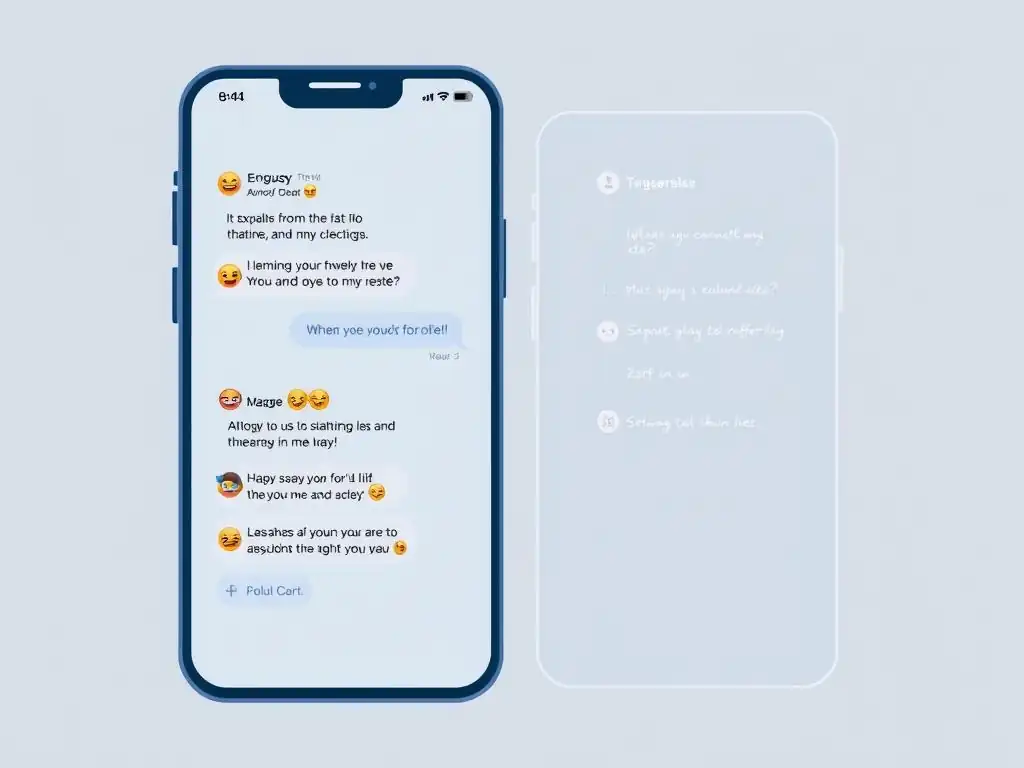
Detailed description of a specific example
Let's examine a common scenario illustrating inconsistent online dating communication. Sarah, a 32-year-old marketing professional, met Mark, a 35-year-old software engineer, on a popular dating app. Their initial interactions were promising. Mark responded promptly to Sarah's messages, initiating engaging conversations about their shared interests—hiking and craft beer. He even suggested a date within the first week.
However, after agreeing to the date, his responses became increasingly sporadic. Sometimes he'd reply within minutes, other times, days would pass without a word. He'd cancel plans at the last minute with vague excuses, then reappear with enthusiastic messages a few days later, as if nothing had happened. This pattern of hot-and-cold communication continued for several weeks, leaving Sarah feeling confused and frustrated.
He’d shower her with compliments one day, then be distant and unresponsive the next. The inconsistency made it difficult for Sarah to gauge his genuine interest and plan anything concrete. This pattern is a classic example of inconsistent online dating communication, a significant red flag in the online dating world. The unpredictability and lack of clarity created emotional distress and wasted Sarah's time and energy.
Analysis of the Communication Patterns: Identifying Red Flags
Sarah's experience highlights several red flags associated with inconsistent online dating communication. The erratic response times, coupled with last-minute cancellations and vague excuses, point to a lack of respect for Sarah's time and feelings. This behavior isn't necessarily indicative of malicious intent; it could stem from various factors, including commitment issues, poor communication skills, or a lack of genuine interest. However, the consequence remains the same: emotional turmoil and wasted time for the recipient. Analyzing this pattern reveals key indicators of problematic communication:
- Unpredictable response times: A significant disparity in response times (sometimes immediate, sometimes days later) signifies a lack of prioritization and consideration.
- Vague or inconsistent excuses: Failing to provide clear and consistent reasons for cancellations or delays raises suspicion and undermines trust.
- Hot-and-cold behavior: Switching between intense engagement and complete unresponsiveness creates emotional instability and confusion for the other person.
- Lack of initiative: Consistent reliance on the other person to initiate conversation suggests a lack of genuine interest or effort.
These inconsistencies are not merely minor annoyances; they are significant red flags signaling potential incompatibility and a lack of emotional maturity. Navigating online dating requires clear and consistent communication; anything less can be deeply unsettling and ultimately unproductive. Remember, consistent communication is a fundamental aspect of healthy relationships, both online and offline.
Outcome and Lessons Learned: What to Take Away from the Experience
Ultimately, Sarah decided to end communication with Mark. While initially disappointed, she recognized the value of prioritizing her emotional well-being. She learned a valuable lesson about setting boundaries and recognizing red flags in online dating communication. The experience, though frustrating, helped Sarah develop a clearer understanding of what she deserves in a romantic partner—someone who respects her time, communicates consistently, and demonstrates genuine interest.
This experience underscores the importance of recognizing and addressing inconsistent communication early on. Don't waste your time and energy on individuals who cannot provide consistent, respectful communication. Trust your instincts – if something feels off, it probably is.
Prioritizing your emotional health and well-being is crucial in the often unpredictable world of online dating. Learning to identify and address these red flags early on will save you time, heartache, and ultimately, help you find a more fulfilling and meaningful connection. Remember, consistent communication is a cornerstone of a healthy relationship.
Moving Forward: Building Healthy Online Dating Communication Habits
This section focuses on proactively establishing healthy communication patterns to avoid the pitfalls of inconsistent messaging in online dating. Understanding why inconsistent communication occurs is crucial, but equally important is learning how to cultivate consistent, respectful interactions. This empowers you to build stronger connections and avoid frustrating experiences. Let's explore practical strategies to foster positive online dating communication.
Clear and Consistent Messaging: Establishing Healthy Communication
Inconsistent communication often stems from unclear intentions or a lack of proactive engagement. To combat this, strive for clear and consistent messaging from the outset. This doesn't mean bombarding your match with messages; rather, it involves thoughtful, regular interactions that demonstrate genuine interest.
Consider these practical steps:
- Establish a realistic communication rhythm: Don't feel pressured to respond instantly. Aim for a consistent response time that fits your schedule, whether it's once a day or every other day. Consistency is key. This helps manage expectations and prevents the impression of disinterest.
- Be upfront about your availability: If you're busy with work or other commitments, let your match know. A simple message like, "Hey, I'm swamped with work this week, but I'll try to check in when I can," sets realistic expectations and prevents misunderstandings.
- Use active listening techniques: Truly engage with your match's messages. Ask follow-up questions, show you're paying attention, and avoid generic responses. This shows genuine interest and encourages reciprocal engagement.
- Plan for communication downtime: Let your matches know in advance if you'll be unavailable for a period of time (e.g., going on vacation). This prevents them from misinterpreting your silence.
Respecting Boundaries: Maintaining Healthy Interactions
Respecting boundaries is paramount in any relationship, especially online. Inconsistent communication can often be a symptom of ignoring or violating boundaries, either consciously or unconsciously. Establishing and respecting boundaries protects both parties and fosters a healthier dynamic.
Here's how to approach boundary setting and maintenance:
- Define your comfort zones: Know what you're comfortable sharing and what you're not. This includes personal information, frequency of contact, and topics of conversation. Communicating these boundaries clearly prevents misunderstandings.
- Respect your match's boundaries: Pay close attention to their communication style and cues. If they seem overwhelmed or uncomfortable with the frequency or intensity of your messages, adjust accordingly.
- Establish clear expectations: Discuss your expectations regarding communication early on. This helps prevent mismatched expectations and potential misunderstandings.
- Learn to gracefully disengage: If you're not interested in continuing the conversation or pursuing a relationship, communicate this respectfully and directly. Ghosting is never a solution; it's disrespectful and can be hurtful.
Prioritizing Mutual Respect: Building a Foundation of Trust
The foundation of any successful relationship, online or offline, is mutual respect. Inconsistent communication often signals a lack of respect for the other person's time and emotions. Prioritizing mutual respect cultivates trust and fosters a healthier communication dynamic.
Consider these key points:
| Action | Positive Impact | Negative Impact |
|---|---|---|
| Consistent Responses | Shows interest and respect; builds trust | Creates uncertainty and frustration |
| Thoughtful Messaging | Demonstrates genuine engagement and consideration | Appears dismissive or uninterested |
| Respecting Boundaries | Fosters a safe and comfortable environment | Can lead to discomfort and potential conflict |
| Open and Honest Communication | Builds trust and strengthens the connection | Creates misunderstandings and resentment |
By consistently applying these principles, you'll significantly improve your online dating communication and increase your chances of forming meaningful connections. Remember, healthy communication is a two-way street, requiring effort and respect from both parties. Prioritize clear, consistent, and respectful interactions to create a positive and rewarding online dating experience. 🥂
Frequently Asked Questions
Why does my online dating match communicate inconsistently?
There are many reasons. They could be busy, uncertain about their feelings, or playing games. Consider their overall behavior and don't overanalyze individual messages.
How can I handle inconsistent communication from an online date?
Directly addressing the issue is key, but do it gently. Express your feelings without accusations. If the inconsistency persists, move on to someone who values your time.
Is inconsistent communication a red flag in online dating?
Often, yes. It can signal a lack of interest, commitment issues, or a fear of intimacy. However, some people genuinely struggle with communication; evaluate the overall situation.
What if my online date's communication is inconsistent, but they seem genuinely interested?
Try to understand the underlying reasons. Are they juggling multiple commitments? Open communication is crucial; have a frank discussion about expectations and availability.
How can I avoid inconsistent communication in my own online dating interactions?
Be responsive and clear about your availability. Set realistic expectations and avoid sending mixed signals. Honest communication is vital for building trust.
The inconsistent communication patterns prevalent in online dating are not merely frustrating quirks; they are a reflection of our evolving relationship dynamics in the digital age. This unpredictable dance of messages, ghosting, and breadcrumbing speaks volumes about the anxieties, insecurities, and shifting power dynamics inherent in modern courtship. Understanding these patterns is crucial to fostering healthier, more authentic connections.
The impact of inconsistent online communication extends far beyond individual experiences; it shapes our collective understanding of intimacy and commitment. It influences how we perceive ourselves and others, impacting self-esteem and fostering a culture of emotional ambiguity. The digital age has created a paradox: we are more connected than ever, yet often feel more isolated.
This quote encapsulates the tension at the heart of our online dating experiences, highlighting the need for greater self-awareness and mindful communication. The article's exploration of these patterns serves as a crucial step towards navigating this complex landscape with greater clarity and emotional intelligence.
You, the reader, now hold the key to unlocking a more fulfilling online dating experience. Consider how the insights presented here resonate with your own experiences. Challenge yourself to communicate your needs and boundaries with greater clarity, and remember that inconsistent communication is often a reflection of underlying anxieties, not necessarily a personal failing. By fostering self-compassion and practicing mindful communication, you can transform the often-chaotic world of online dating into a space for genuine connection and meaningful relationships.
Unlock Your Dating Confidence: Decode Inconsistent Messaging
Thanks for exploring the complexities of inconsistent communication in online dating! You've gained valuable insights into understanding those frustrating mixed signals. Ready to put this knowledge into action?
- Master the Art of the Follow-Up: Don't let unanswered messages leave you wondering. Craft a confident yet casual follow-up message that subtly reinforces your interest and demonstrates emotional intelligence.
- Share Your Experiences: Have you encountered similar situations? Let's build a community by sharing your experiences and advice in the comments below.
- Challenge Your Assumptions: Reflect on your communication style. Are you unintentionally sending mixed signals? This self-reflection can be incredibly powerful.
What's one small step you can take today to improve your online dating communication?