
The Psychology of Rejection: How to Handle Swiping Disappointments


Ready to transform your online dating experience? At OnlineDatingSuccess.org, we understand the rollercoaster of emotions that comes with navigating the digital dating world. Feeling disheartened by dating app rejections? Our expert advice on dating app rejection coping strategies will help you bounce back stronger, learn from setbacks, and ultimately, find the connection you deserve. Discover how to turn swiping disappointments into opportunities for growth and lasting love—read on to unlock the secrets to success!
- Understanding Dating App Rejection: Why It Happens and How to Process It
- Developing Healthy Coping Mechanisms for Dating App Rejection
- Strategies for Managing Dating App Rejection
- Moving Forward After Rejection: Tips for Success
- When to Seek Professional Help for Dating App Rejection
- Frequently Asked Questions
- Final Reflection: Finding Strength in the Swipe
- Rediscover Your Dating Confidence: Take Charge of Your Dating Journey
Understanding Dating App Rejection: Why It Happens and How to Process It
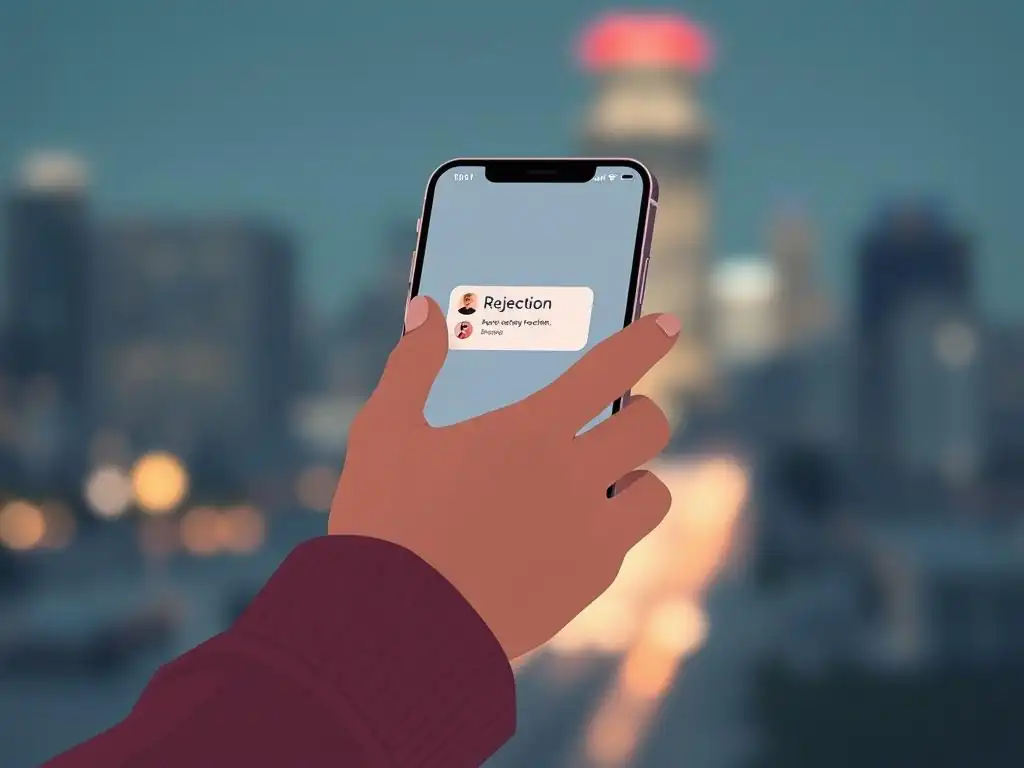
Online dating, while offering exciting possibilities for connection, also presents a unique landscape of potential rejection. The constant swiping, the immediate feedback (or lack thereof), and the often-anonymous nature of the interactions can amplify feelings of vulnerability and disappointment. This article delves into the psychology of rejection within the context of dating apps, providing practical coping strategies to navigate these challenges and build resilience.
We'll explore the emotional impact of rejection, common reasons why it happens, and importantly, how to recognize and manage your own sensitivity to it. Mastering these skills can significantly improve your online dating experience, transforming it from a source of anxiety into a journey towards meaningful connections.
Learning to cope effectively with dating app rejection is crucial for building a healthy and positive approach to finding love online – a process that, for many, involves navigating a substantial amount of initial "no's" before finding a "yes." This isn't about avoiding rejection altogether; it's about building the emotional resilience to handle it gracefully and constructively.
The Emotional Impact of Online Dating Rejection
Rejection, in any context, can trigger a cascade of negative emotions. In the world of online dating, where judgments are often swift and impersonal, this impact can be particularly acute. The immediate nature of the "swipe left" or the unanswered message can leave individuals feeling inadequate, invisible, or even worthless.
These feelings can be intensified by the constant exposure to other profiles, creating a sense of competition and comparison. This can lead to a decrease in self-esteem, feelings of anxiety and depression, and even impacting self-worth outside of the dating app context. It's important to remember that a rejection on a dating app doesn't reflect your inherent worth; it simply means that a particular person didn't find a connection with you, and that's perfectly okay.
The key is to process these emotions healthily, rather than allowing them to define your self-perception. This might involve self-compassion, engaging in enjoyable activities, or seeking support from friends and family. Remember, it's a numbers game, and statistically, not every profile will be a match.
Common Reasons for Rejection on Dating Apps
Understanding why rejections occur can help alleviate some of the sting. While it's impossible to know the exact reason behind every "no," some common factors contribute to unsuccessful matches. These can be broadly categorized into profile-related issues, communication-related issues, and simply a lack of mutual attraction.
- Profile-related issues: A poorly written bio, unflattering photos, or a lack of genuine personality can deter potential matches. Think about it from the other person's perspective; what would make you swipe right? A compelling profile showcases your personality, interests, and what you're looking for in a relationship.
- Communication-related issues: Even with a great profile, poor communication can derail a potential connection. Opening lines that are generic, overly aggressive, or inappropriate can quickly turn someone off. A lack of responsiveness or engaging conversation can also lead to rejection.
- Lack of mutual attraction: Sometimes, despite a perfect profile and excellent communication, there simply isn't a mutual spark. Chemistry is a complex and unpredictable factor, and it's crucial to remember that not every connection is meant to be. This is not a reflection of your personal value.
| Reason for Rejection | Example | Coping Strategy |
|---|---|---|
| Unattractive Photos | Using blurry or outdated pictures | Update your photos with clear, recent, and diverse images. |
| Generic Profile | A bio that says only "Looking for a good time" | Write a detailed and engaging bio that highlights your personality and interests. |
| Poor Communication | Sending one-word responses | Practice engaging conversation starters and respond thoughtfully. |
| Lack of Mutual Attraction | No clear reason for rejection | Accept that not everyone will be compatible and move on. |
Recognizing Your Own Rejection Sensitivity
Rejection sensitivity is the tendency to experience heightened emotional distress in response to perceived or actual rejection. For some, this is more pronounced than for others, and it can significantly impact the online dating experience. Recognizing your own rejection sensitivity is the first step in managing it. Are you prone to overthinking unanswered messages?
Do you dwell on rejections for extended periods? Do you avoid putting yourself out there due to fear of rejection? If so, you might have a higher degree of rejection sensitivity.
Developing coping mechanisms, such as mindfulness practices, self-compassion exercises, and focusing on self-care, can help manage these feelings and build resilience. Remember that online dating involves a degree of risk and uncertainty; developing healthy coping strategies will allow you to navigate these challenges with greater ease and emotional well-being. Learning to accept rejection as a normal part of the process is crucial for a positive dating experience.
Developing Healthy Coping Mechanisms for Dating App Rejection
Dating app rejection is, unfortunately, a common experience. The constant stream of swipes left and right can take a toll on self-esteem and mental well-being. However, developing healthy coping mechanisms is crucial for maintaining a positive outlook and increasing your chances of finding a meaningful connection. This section focuses on practical strategies to navigate the emotional challenges of online dating rejection, transforming setbacks into opportunities for growth and self-discovery. Remember, rejection doesn't define your worth; it's simply a part of the process. The key lies in how you choose to respond.
Reframing Negative Thoughts and Self-Talk After a Swipe Left
Receiving a "swipe left" can trigger a cascade of negative self-talk. Phrases like, "I'm not good enough," or "No one will ever like me," might flood your mind. Combatting this requires conscious effort and a deliberate shift in perspective. Instead of internalizing rejection as a personal failing, try reframing the situation. A swipe left doesn't necessarily mean you are inadequate; it simply means that person's preferences didn't align with yours at that moment. Their choice reflects their preferences, not a judgment of your inherent value.
Consider keeping a journal to track your thoughts and feelings after experiencing rejection. Identify recurring negative thought patterns and actively challenge their validity. Replace self-critical statements with more compassionate and realistic ones. For example, instead of "I'm unattractive," try "This person's preferences didn't match mine, and that's okay. There are plenty of others out there who will appreciate me for who I am." This conscious reframing of negative self-talk is a crucial step in building resilience against dating app rejection. Remember, self-compassion is key to navigating the emotional rollercoaster of online dating.
Building Resilience and Self-Compassion in Online Dating
Resilience—the ability to bounce back from adversity—is paramount in the face of repeated dating app rejection. It's not about avoiding disappointment altogether (that's unrealistic! ), but about developing the capacity to process setbacks constructively and move forward. This involves cultivating self-compassion, treating yourself with the same kindness and understanding you would offer a friend facing similar challenges.
Building resilience involves several key strategies:
- Practice mindfulness: Pay attention to your thoughts and feelings without judgment. Mindfulness meditation can help you develop emotional regulation skills, allowing you to manage negative emotions more effectively.
- Engage in self-care: Prioritize activities that nurture your well-being, such as exercise, spending time in nature, pursuing hobbies, or connecting with supportive friends and family.
- Set boundaries: Don't spend excessive time on dating apps if it's negatively impacting your mental health. Take breaks when needed and prioritize your self-care.
- Focus on your strengths: Remind yourself of your positive qualities and accomplishments. Rejection doesn't diminish your worth or potential. It simply means this particular connection wasn't meant to be.
Remember, building resilience is an ongoing process. It requires consistent effort and self-awareness. Be patient with yourself, and celebrate your progress along the way. The journey to finding a meaningful connection is a marathon, not a sprint. 😜
Setting Realistic Expectations and Avoiding Idealization
Many individuals enter online dating with unrealistic expectations, often fueled by idealized images and narratives presented on dating apps. This can lead to disappointment and frustration when reality doesn't match their expectations. To mitigate this, it's crucial to set realistic expectations about the online dating process. Understand that not every connection will lead to a long-term relationship, and that rejection is a normal part of the process.
Avoid idealizing potential partners based on limited information. Remember that profiles often present a curated version of a person's life, and the reality might be different. Focus on getting to know individuals authentically through meaningful conversations, rather than relying solely on superficial impressions. Furthermore, define what you truly seek in a partner, focusing on values, compatibility, and shared interests, rather than just physical attributes or superficial achievements.
This approach will help you make more informed choices and avoid disappointment caused by unrealistic expectations. Remember, a successful dating experience is about finding a genuine connection, not just accumulating matches. Prioritizing authenticity over idealized images will ultimately lead to more fulfilling relationships.
Strategies for Managing Dating App Rejection
Dating app rejection is a common experience, and learning effective coping strategies is crucial for maintaining a positive outlook and continuing your search for a meaningful connection. This section explores practical techniques to help you navigate the emotional challenges of swiping disappointments and build resilience in the face of setbacks. Remember, rejection doesn't define your worth; it's simply a part of the process. The key is to learn from each experience and move forward with renewed confidence. Understanding the psychology behind your reactions is the first step towards developing effective coping mechanisms for dating app rejection.
Identifying and Challenging Negative Thought Patterns
Rejection on dating apps can trigger negative thought patterns, often leading to feelings of inadequacy or self-doubt. It's vital to identify and challenge these thoughts to prevent them from spiraling into negativity. For example, if you receive little to no matches, you might automatically assume you're unattractive or undesirable. This is a cognitive distortion – a way of thinking that exaggerates reality.
Instead of accepting these negative thoughts as fact, actively challenge them. Ask yourself: Is this thought truly accurate? What evidence supports it? What evidence contradicts it? Consider alternative explanations for the lack of matches. Perhaps your profile isn't optimized, your photos aren't representative, or your messaging style needs improvement. Remember, a lack of matches doesn't necessarily mean you're unworthy of love; it simply means your current approach might need refinement.
Let's illustrate this with an example. Imagine you receive several rejections in a row. A negative thought pattern might be: "I'm unlovable and will never find anyone." A more balanced and realistic thought would be: "I haven't had much success lately, but I'm going to adjust my approach and keep trying. My worth isn't determined by the number of matches I get." By actively questioning and reframing negative thoughts, you can significantly improve your emotional well-being and increase your chances of success. This process of cognitive restructuring is a powerful tool in managing dating app rejection and building self-esteem.
Focusing on Self-Improvement and Personal Growth
Dating app rejection presents an opportunity for self-reflection and personal growth. Instead of viewing rejection as a personal failure, use it as a catalyst for positive change. Focus on aspects of your life that you can control, such as your physical and mental health, your hobbies, and your personal development.
This might involve:
- Improving your dating profile: Refine your profile pictures, update your bio to highlight your best qualities, and ensure it accurately reflects your personality and interests.
- Enhancing your communication skills: Practice clear and engaging communication, both in your profile and in your messages.
- Exploring new hobbies and interests: Engage in activities you enjoy to boost your confidence and meet new people outside of the dating app environment.
- Prioritizing self-care: Engage in activities that promote your physical and mental well-being, such as exercise, meditation, or spending time in nature. Self-care is not selfish; it's essential for maintaining a positive mindset and resilience.
Remember, personal growth is a continuous journey, not a destination. Each step you take towards self-improvement will contribute to your overall well-being and increase your confidence in dating. Focusing on self-improvement shifts the focus from external validation (matches) to internal growth, leading to a more fulfilling and resilient approach to dating. This process cultivates self-love and acceptance, making you more attractive to potential partners both online and offline.
Utilizing Mindfulness and Stress Reduction Techniques
The emotional rollercoaster of dating apps can be stressful. Incorporating mindfulness and stress reduction techniques into your routine can significantly improve your ability to cope with rejection. Mindfulness involves paying attention to the present moment without judgment. This can help you to observe your emotions without getting carried away by them.
Several techniques can be used:
- Deep breathing exercises: Practicing deep, slow breaths can calm your nervous system and reduce feelings of anxiety. Even a few minutes of deep breathing can make a significant difference.
- Meditation: Regular meditation can help you develop a greater sense of self-awareness and emotional regulation. Many guided meditation apps are available to assist you.
- Yoga: Yoga combines physical postures, breathing techniques, and meditation to promote relaxation and stress reduction.
- Spending time in nature: Connecting with nature has been shown to have a calming effect on the mind and body. A walk in the park or a hike in the mountains can be incredibly therapeutic.
By incorporating these techniques into your daily routine, you can build resilience and manage the stress associated with dating app rejection more effectively. Remember, building these coping mechanisms is an ongoing process. Be patient with yourself and celebrate your progress along the way. The goal isn't to eliminate all negative emotions, but to develop healthy ways to manage them and maintain a positive outlook. This approach empowers you to navigate the ups and downs of online dating with greater emotional intelligence and resilience.
Moving Forward After Rejection: Tips for Success

Rejection is a common part of online dating. It's crucial to develop healthy coping mechanisms to avoid becoming discouraged. Remember, a lack of immediate success doesn't reflect your worth; it simply means you haven't yet found the right match. Many factors influence compatibility, and a single "no" doesn't negate your potential for finding a fulfilling relationship.
The key is to learn from each experience and adjust your approach accordingly. This section focuses on practical strategies to help you navigate the emotional challenges of online dating rejection and emerge stronger. Effective strategies for managing dating app rejection are essential for long-term success.
Refining Your Dating Profile for Better Matches
A well-crafted profile is your first impression, crucial for attracting compatible individuals. Often, rejection stems from unclear or unappealing profiles. Analyze your current profile objectively. Are your photos high-quality and representative of your current appearance and personality? Do your bio and prompts accurately reflect your interests and values? Consider these points:
- Photo Selection: Use diverse, well-lit photos showcasing your personality. Avoid overly filtered or misleading images. Consider asking a friend for feedback on your photo choices.
- Bio Enhancement: Craft a concise and engaging bio that highlights your key qualities and interests, avoiding negativity or clichés. Show, don't tell; use vivid language to paint a picture of who you are.
- Prompt Responses: Address prompts thoughtfully and authentically. This helps potential matches understand your values and personality more deeply. Avoid generic answers.
- Keyword Optimization: While not explicitly stated in your profile, subtly incorporating keywords related to your ideal partner (e.g., "adventurous," "intellectual," "family-oriented") can subtly increase the likelihood of matching with compatible users.
Improving Your Communication Skills for Online Dating
Effective communication is paramount in online dating. Poor communication can lead to misunderstandings and rejection. Consider these improvements:
- Initiating Conversations: Start conversations with engaging questions that go beyond simple "hi" messages. Show genuine interest in the other person's profile.
- Active Listening: Pay attention to their responses and ask follow-up questions to show you're truly interested in getting to know them. Avoid dominating the conversation.
- Clarity and Honesty: Be clear about your intentions and expectations. Avoid misleading information or playing games.
- Respectful Boundaries: Respect their responses, even if they aren't what you hoped for. Avoid being pushy or overly persistent if they don't reciprocate your interest. Remember, mutual respect is key.
Maintaining a Positive Mindset and Persistence in Your Dating Journey
Rejection can be disheartening, but maintaining a positive mindset is essential. Remember that online dating is a numbers game; not every connection will be a match. Practice self-compassion and celebrate small victories along the way.
- Self-Care: Prioritize your well-being. Engage in activities you enjoy, spend time with loved ones, and practice self-care strategies to boost your mood and resilience. This will enhance your ability to handle rejection and remain optimistic.
- Perspective Shift: Frame rejection as an opportunity for growth and learning. Analyze what you can improve upon and adjust your approach accordingly.
- Persistence: Don't give up! Continue to refine your profile, improve your communication skills, and remain open to new connections. Success often requires patience and perseverance. Consistent effort yields better results over time. Remember, finding the right person takes time and effort. Don't let temporary setbacks derail your journey. 🎉
Recognizing When to Take a Break from Online Dating
Feeling disheartened after repeated swiping disappointments is completely normal. The constant cycle of creating profiles, messaging, and facing rejection can take a significant toll on your mental well-being. Ignoring these feelings can lead to burnout and potentially affect your approach to future dating endeavors.
Recognizing the signs of needing a break is crucial for maintaining a healthy perspective and preventing negative self-perception from taking root. Many find that the constant stream of superficial interactions on dating apps can be emotionally draining, leading to feelings of inadequacy or frustration. This is especially true if you’re investing significant time and energy without seeing the desired results.
Common signs you need a break include persistent feelings of low self-esteem, increased irritability or frustration, a noticeable decrease in overall motivation, and a pervasive sense of disappointment. You might also find yourself spending excessive time on the apps, obsessively checking for matches, or feeling anxious when you're not actively swiping. These are all indicators that you might be overdoing it and need a period of self-care and reflection. Remember, online dating is a tool, not a solution; taking a step back allows you to reassess your goals and approach with fresh eyes.
It’s important to distinguish between a temporary break and quitting altogether. A break offers a chance to recharge and refocus, while quitting might mean abandoning the pursuit of finding a relationship through online dating. A break can involve temporarily deleting the apps from your phone, focusing on other aspects of your life, or engaging in activities that bring you joy and fulfillment. This could include spending more time with friends and family, pursuing hobbies, or focusing on personal growth.
The goal is to reconnect with yourself and your needs, outside the pressures of the online dating world. This period of self-reflection can be incredibly beneficial in helping you identify patterns of behavior or expectations that may be contributing to your disappointment. Remember, a break isn't a failure; it's an act of self-preservation and a chance to return to online dating with a more balanced and positive mindset.
When to Seek Professional Help for Dating App Rejection
Dating app rejection is a common experience, but for some, the emotional toll can be significant and persistent. While resilience and healthy coping mechanisms are crucial, recognizing when professional help is needed is equally important. This section explores the signs that indicate you might benefit from professional support in navigating the emotional challenges of online dating rejection. Learning effective dating app rejection coping strategies is key, and sometimes, professional guidance is the most effective strategy.
Recognizing Signs of Persistent Negative Impacts from Online Dating Rejection
The sting of rejection is normal, but persistent negative impacts can signal a need for professional intervention. These impacts go beyond the fleeting sadness or frustration of a few unsuccessful matches. Instead, they manifest as sustained patterns of behavior or emotional distress.
Consider these warning signs:
- Obsessive checking of dating apps: Constantly refreshing, checking for new matches, and becoming preoccupied with the app to the detriment of other aspects of your life. This can manifest as spending several hours a day on the app, neglecting work, social engagements, or self-care.
- Significant impact on self-esteem and confidence: Experiencing a drastic and prolonged drop in self-worth, leading to feelings of inadequacy, hopelessness, and self-doubt that extend beyond the dating app context. This might involve avoiding social situations or withdrawing from activities you once enjoyed.
- Development or exacerbation of anxiety or depression: Dating app rejection triggering or worsening existing mental health conditions. Symptoms might include persistent sadness, loss of interest in activities, changes in sleep or appetite, feelings of worthlessness, and difficulty concentrating.
- Self-destructive behaviors: Engaging in unhealthy coping mechanisms like excessive drinking, substance abuse, or self-harm in response to rejection. These behaviors represent a serious need for professional support.
- Impacting relationships with friends and family: Withdrawal from loved ones, increased irritability, or difficulty maintaining healthy relationships due to the emotional strain of continuous rejection. Isolation can further worsen the negative impacts of dating app rejection.
It's crucial to remember that seeking professional help is a sign of strength, not weakness. If you recognize these patterns in your behavior or emotional state, reaching out to a mental health professional is a proactive step towards better mental well-being.
Finding a Therapist or Counselor Specializing in Relationship Issues
Finding the right therapist is a critical step in addressing the emotional challenges of dating app rejection. Many therapists specialize in relationship issues, offering expertise in navigating the complexities of dating and romantic relationships.
When searching for a therapist, consider these factors:
- Specialization: Look for therapists with experience in relationship dynamics, dating anxiety, or managing rejection. Some may specialize in cognitive behavioral therapy (CBT) or other evidence-based approaches that can be highly effective for managing negative thought patterns and behaviors related to dating.
- Approach and methodology: Different therapists employ different therapeutic approaches. Research different methods to find one that aligns with your preferences and needs.
- Insurance coverage: Verify if your insurance covers therapy sessions and whether the therapist you choose is in-network.
- Comfort and rapport: A strong therapeutic relationship is essential for successful treatment. Schedule initial consultations to assess compatibility and comfort level with the therapist.
Finding a therapist who understands the unique challenges of online dating can significantly improve the effectiveness of therapy. Don't hesitate to reach out to several therapists before finding the right fit.
Utilizing Online Resources and Support Groups for Dating App Rejection
While professional help is invaluable for significant emotional distress, online resources and support groups offer additional avenues for coping with dating app rejection. These resources provide a sense of community and shared experience, helping individuals feel less alone in their struggles.
Several online platforms offer support groups specifically tailored to dating and relationship challenges. These groups provide a safe space to share experiences, receive advice, and connect with others facing similar difficulties. Moreover, numerous websites and articles offer practical advice and strategies for managing rejection and improving online dating experiences.
These resources can be particularly helpful for those who are not yet ready to seek professional help or who want to supplement professional therapy with additional support. Remember, effective dating app rejection coping strategies often involve a multi-faceted approach, combining self-help strategies with professional guidance if needed. Utilizing these resources can be a valuable part of your journey towards healthier online dating experiences.
Frequently Asked Questions
Why do I keep getting rejected on dating apps?
Rejection is common on dating apps. It often reflects a mismatch in preferences or simply the high volume of profiles users encounter. Don't take it personally; focus on refining your profile and approach.
How can I build resilience against dating app rejection?
Develop a growth mindset, viewing rejection as a learning opportunity. Focus on self-improvement and celebrate small victories, like engaging conversations, rather than solely focusing on matches. Practice self-compassion.
What if I'm getting rejected consistently despite a great profile?
Review your profile objectively, seeking feedback from friends. Consider if your photos accurately represent you, and ensure your bio is engaging and authentic. Your messaging style might also need improvement.
Is it normal to feel bad after being rejected on a dating app?
Yes, it's perfectly normal to feel disappointed or frustrated. Rejection can affect self-esteem. Acknowledge your feelings, but avoid dwelling on them. Engage in self-care activities to help process your emotions.
How do I move on after multiple dating app rejections?
Focus on your own well-being and personal growth. Remember that finding a connection takes time. Set realistic expectations, take breaks from apps if needed, and engage in activities you enjoy.
Final Reflection: Finding Strength in the Swipe
The sting of a dating app rejection is undeniably real, yet understanding its psychological underpinnings empowers us to navigate these digital disappointments with greater resilience. In a world increasingly mediated by screens, the ease of connection paradoxically amplifies the pain of disconnection, making the strategies discussed throughout this article more vital than ever. We've explored the science behind rejection sensitivity, the importance of self-compassion, and practical techniques for reframing negative experiences.
The impact of dating apps on our self-perception and emotional well-being is profound and far-reaching. It's easy to get caught in the endless cycle of swiping, likes, and matches, allowing our self-worth to become inextricably linked to the validation (or lack thereof) received online. The greatest glory in living lies not in never falling, but in rising every time we fall.
- Nelson Mandela. This quote perfectly encapsulates the journey of navigating rejection, not as a sign of failure, but as an opportunity for growth and self-discovery. The process of learning to cope with rejection on dating apps is, in many ways, a journey of self-acceptance and resilience that extends far beyond the digital realm.
You are not defined by a swipe left. Remember the strategies we’ve discussed: practice self-compassion, focus on your self-worth independent of external validation, and cultivate healthy coping mechanisms. Take time to reflect on your dating app experience – what patterns emerge? What are your strengths? What areas can you nurture? Embrace the lessons learned from each interaction, and remember that your journey to finding connection and happiness is a marathon, not a sprint. The path may be challenging, but your strength and resilience will guide you.
Rediscover Your Dating Confidence: Take Charge of Your Dating Journey
Thanks for exploring the psychology of rejection! We hope you gained valuable insights into handling dating app setbacks. Now it's time to apply that knowledge.
- Embrace the learning process: This week, focus on improving one specific aspect of your online dating experience. For example, you could revamp your profile, refine your messaging style, or adjust your expectations about finding a match. Make a concrete change.
- Share your key takeaway from the article with your friends. Starting a conversation about online dating might even help someone else!
- Approach online dating with self-compassion and resilience. Remember, every interaction, successful or not, brings you closer to finding the right connection.
What's one small step you can take today to create a more positive and successful online dating experience?