
Tips for Avoiding Scams on Various Dating Platforms

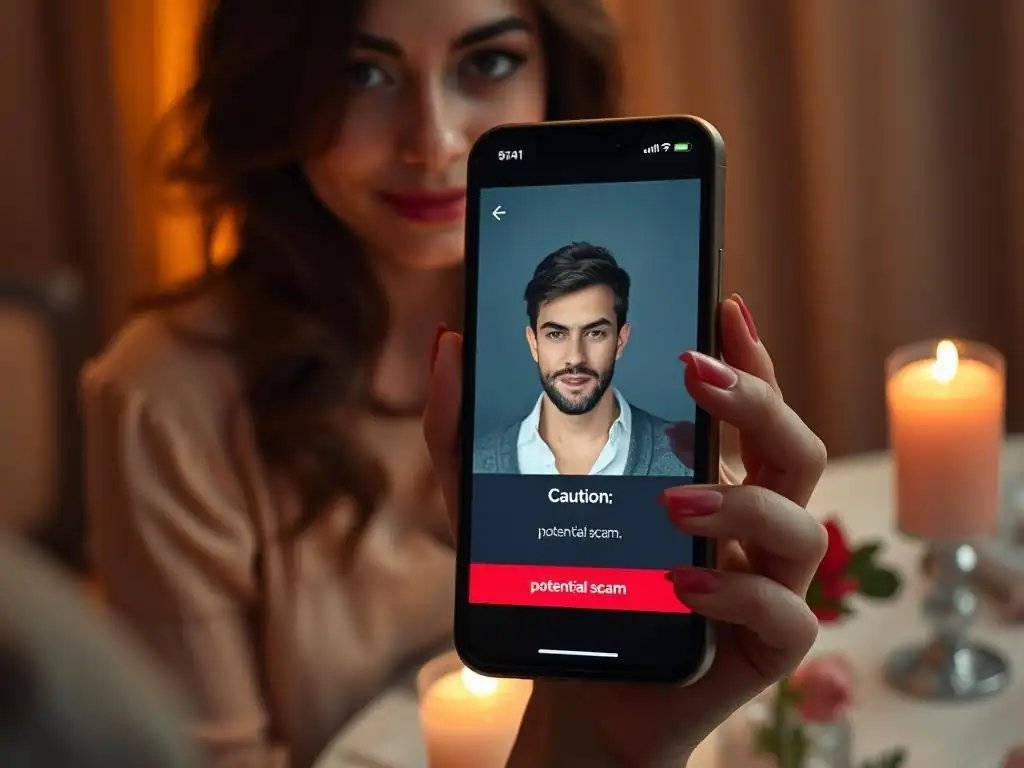
Ready to transform your online dating experience? At OnlineDatingSuccess.org, we empower you to navigate the world of online romance with confidence. But before you dive in, let's address a critical element: safety. This article on dating site scam prevention tips reveals crucial strategies to protect yourself from fraud and ensure your journey towards meaningful connections remains secure and fulfilling. Discover how to identify red flags and avoid heartbreak – start building your successful dating profile, today.
- Understanding Common Online Dating Scams
- Protecting Yourself from Dating App Scammers
- Dating Site Scam Prevention Tips: Platform-Specific Strategies
- Reporting and Seeking Help After a Scam
- Building Trust and Healthy Relationships Online
- Frequently Asked Questions
- Final Reflection: Navigating Love's Digital Landscape Safely
- Ready to Date Safely and Confidently?
Understanding Common Online Dating Scams
Navigating the world of online dating can be exciting, offering the potential to connect with like-minded individuals and build meaningful relationships. However, it's crucial to be aware of the potential risks involved, particularly the prevalence of scams designed to exploit vulnerable users. This article provides practical, actionable Dating site scam prevention tips to help you stay safe and protect yourself while searching for love online. We'll explore common scam tactics across various dating platforms, empowering you to identify red flags and avoid becoming a victim.
Understanding these scams is the first step towards building a positive and secure online dating experience. Remember, your safety and well-being are paramount, and taking precautions is essential for a successful and enjoyable online dating journey. Let's delve into the specifics of recognizing and avoiding these harmful practices.
Recognizing Catfishing and Fake Profiles
Catfishing, the act of creating a fake online persona to deceive others, is a prevalent issue on many dating platforms. Perpetrators often use stolen photos, fabricated biographies, and false identities to lure unsuspecting individuals into relationships. These fake profiles can be incredibly convincing, making it difficult to distinguish them from genuine ones. However, there are several key indicators to look out for:
- Inconsistencies in profile information: Pay close attention to discrepancies between photos, descriptions, and claimed professions. A lack of detail or overly generic descriptions can be a red flag.
- Limited or low-quality photos: Be wary of profiles with few photos, particularly if the images are blurry, low-resolution, or appear professionally staged. Genuine profiles often feature a variety of candid shots.
- Unrealistic expectations and promises: Be cautious of profiles promising unrealistic levels of commitment or offering extravagant gifts early in the "relationship." Genuine connections develop organically over time.
- Hesitation to video chat or meet in person: A persistent refusal to engage in video calls or meet in person should raise significant concerns. Legitimate daters are usually willing to verify their identity through these means.
- Overly aggressive or insistent communication: Be wary of profiles exhibiting overly aggressive or insistent communication styles, particularly those pushing for rapid intimacy or financial transactions.
Remember, if something feels "off," trust your instincts. It's always better to err on the side of caution. Thoroughly investigate a profile before engaging in any meaningful interaction.
Identifying Romance Scams and Their Tactics
Romance scams, also known as confidence fraud, are particularly insidious. Scammers create fake profiles, often portraying themselves as successful professionals, to build trust and emotional connections with their victims. The goal is to eventually solicit money or other valuables. These scams can be incredibly emotionally manipulative, leveraging feelings of love and trust to exploit their victims.
- Rapid escalation of affection: Romance scammers often shower their victims with excessive compliments and declarations of love within a short period. This rapid escalation should be a major warning sign.
- Requests for financial assistance: Beware of requests for money, often disguised as emergencies, investments, or medical bills. Legitimate relationships do not typically involve financial transactions early on.
- Pressure to act quickly: Scammers often create a sense of urgency, pressuring victims to make hasty decisions without proper consideration.
- Vague or inconsistent stories: Their narratives often lack detail or contain inconsistencies, suggesting a fabricated background.
- Inability to meet in person: They usually invent reasons why they can't meet in person, such as being overseas on a business trip or having family emergencies.
Protecting yourself requires critical thinking and a healthy dose of skepticism. Never send money or personal information to someone you've only met online, regardless of how convincing their story may seem.
Spotting Phishing Attempts and Data Breaches
Phishing attempts and data breaches represent a different type of online dating scam, targeting your personal information rather than your emotions. These scams often involve deceptive emails, messages, or links designed to steal your login credentials, banking details, or other sensitive data.
- Suspicious emails and messages: Be wary of unsolicited emails or messages requesting your login credentials or personal information. Legitimate dating platforms will never ask for this information via email.
- Fake websites: Be cautious of websites that mimic the appearance of legitimate dating platforms. Check the website address carefully for any inconsistencies or misspellings.
- Unusual activity on your account: Monitor your account activity regularly for any unusual logins or suspicious transactions. Report any suspicious activity to the dating platform immediately.
- Lack of security measures: Be wary of dating platforms that lack robust security measures, such as two-factor authentication. Choose platforms that prioritize user security.
- Unexpected requests for personal information: Legitimate dating platforms rarely request sensitive information beyond what is necessary for profile creation. Be wary of any unusual or excessive requests.
By staying vigilant and employing these Dating site scam prevention tips, you can significantly reduce your risk of encountering online dating scams and enjoy a safer, more rewarding online dating experience. Remember, your safety is paramount.
Beware of Extortion and Blackmail Schemes
Extortion and blackmail are insidious scams preying on vulnerabilities within online dating. These schemes often begin with seemingly innocent interactions, gradually escalating into manipulative tactics designed to extract money or personal information. Perpetrators might cultivate a seemingly genuine connection, building trust before revealing a fabricated crisis – a sudden medical emergency, a family member in dire need, or a legal problem requiring immediate financial assistance. The scammer will often pressure the victim into providing funds quickly, leveraging their emotional investment in the relationship to overcome any hesitation.
This pressure can be subtle at first, but it intensifies as the scammer becomes more insistent. They may threaten to expose embarrassing information or photos unless the victim complies. This is a particularly cruel tactic, as it exploits the victim’s fear of public humiliation or reputational damage.
It's crucial to remember that genuine relationships don't involve sudden, urgent financial requests. Legitimate emergencies are rarely handled via online dating platforms, and trustworthy individuals will not resort to blackmail to acquire funds. If someone you're interacting with online suddenly requests large sums of money or threatens you with damaging information, it's a major red flag.
Immediately cease communication, and consider reporting the incident to the dating platform and law enforcement. Protecting your personal information is paramount; avoid sharing sensitive details, such as your full name, address, financial information, or explicit images, until you've established a strong, verifiable connection in the real world. Remember, a genuine connection shouldn't involve coercion or intimidation.
Your safety and well-being are far more important than any perceived romantic opportunity. Always prioritize your emotional and financial security; reporting suspicious activity is a vital step in preventing these harmful scams from continuing. The emotional toll of these scams can be significant, so seeking support from friends, family, or a mental health professional is also encouraged.
The emotional manipulation involved in these blackmail schemes can be incredibly damaging, leading to feelings of shame, guilt, and isolation. Victims often struggle to report these crimes due to fear and embarrassment. However, it's vital to remember that you are not alone and seeking help is a sign of strength. Support groups and counseling services can provide invaluable resources and guidance in navigating the aftermath of such experiences.
Remember, reporting these incidents helps protect others from becoming victims of similar scams. By speaking out, you contribute to a safer online dating environment for everyone. Don't let shame or fear silence you—your voice matters.
Protecting Yourself from Dating App Scammers
This section focuses on practical strategies to mitigate the risks associated with online dating scams, ensuring a safer and more positive experience. Remember, vigilance is key to protecting yourself. These tips, tailored for various dating platforms, will help you navigate the online dating world with confidence and minimize the chances of becoming a victim. Let's delve into some crucial preventative measures.
Secure Profile Creation: Privacy Settings and Information Sharing
Creating a secure profile is the first line of defense against scammers. Many dating apps offer robust privacy settings; utilizing them effectively is paramount. Avoid sharing overly personal information in your profile description or photos. This includes your full name, exact location, workplace, and children's details. Instead, opt for vague descriptions that hint at your interests without revealing sensitive data.
For example, instead of writing "I work as a financial analyst at Goldman Sachs, living in the Upper West Side," try something like "I'm a finance professional living in Manhattan, passionate about art and hiking." This approach preserves your privacy while still conveying your personality.
Remember, your profile picture is also a key aspect of your security. Avoid using images that could easily be traced back to other online profiles, like your Facebook or LinkedIn picture. A unique, well-lit, and recent photo is ideal.
Here's a checklist to ensure your profile's security:
- [x] Review and adjust all privacy settings on the dating app.
- [x] Avoid sharing explicit details about your personal life.
- [x] Use a unique profile picture not found on other platforms.
- [x] Be cautious about sharing your phone number or email address early on.
- [x] Regularly check your privacy settings for any unwanted changes.
Safe Communication Practices: Avoiding Personal Information Disclosure
Once you start communicating with potential matches, maintaining safe communication practices is critical. Scammers often try to quickly establish trust and then exploit it by requesting personal information or financial assistance. Never share sensitive information like your bank account details, social security number, or address with someone you've only met online.
Be wary of individuals who pressure you to move conversations off the platform quickly. Legitimate users are generally comfortable interacting within the app's secure environment. If someone persistently pushes you to use a different communication method, like WhatsApp or email, before establishing trust, it's a significant red flag.
Furthermore, be cautious about requests for financial help, no matter how compelling the story. Legitimate users will not ask for money, especially in the initial stages of getting to know each other. Always verify any claims or stories you are told, and don't hesitate to end communication if something feels off.
Remember the golden rule: If it sounds too good to be true, it probably is. Trust your instincts; if a situation makes you uncomfortable, remove yourself from it.
Before meeting someone in person, take steps to verify their identity. A simple reverse image search using Google Images or TinEye can reveal if their profile picture is being used elsewhere online. This can uncover instances of catfishing or identity theft. Discrepancies between their profile information and the results from a reverse image search are a strong warning sign.
Additionally, consider performing a social media check. If they provide their social media handles, try to find their profiles on platforms like Facebook, LinkedIn, or Instagram. Compare the information on their dating profile with their social media presence. Inconsistencies or a lack of online presence can indicate a fraudulent profile.
Remember, thorough verification is not about being distrustful; it's about protecting yourself. A little extra diligence can significantly reduce your risk of encountering a scammer. By utilizing these verification methods, you can gain a clearer picture of who you're interacting with and make informed decisions about your safety and well-being. Prioritizing your safety is not only sensible but essential for a positive experience in the world of online dating.
Financial Security: Never Send Money or Gifts Online
Financial security is paramount when navigating the world of online dating. One of the most prevalent and damaging scams involves requests for money or gifts. Remember, legitimate relationships don't start with financial transactions. If someone you've met online asks for money, regardless of the reason—medical emergencies, travel expenses, business ventures, or even seemingly innocent requests like gift cards—it's a major red flag. These requests are classic hallmarks of a scam.
Scammers often weave elaborate tales to manipulate your emotions and pressure you into sending funds. They might create a sense of urgency, playing on your empathy and desire to help. They may even claim to be in a desperate situation, making you feel obligated to assist. Don't fall for it. No matter how convincing their story, never send money or gifts to someone you've only met online.
Your financial well-being is far more important than any fabricated emergency. Report any suspicious requests to the dating platform immediately. Protecting your finances is an essential component of safe online dating, and it's crucial to maintain a healthy skepticism regarding financial requests from online contacts. Remember, genuine connections don't involve financial transactions. If someone asks for money, it's almost certainly a scam.
Building on this, consider the emotional manipulation involved. Scammers are skilled at exploiting vulnerabilities and building trust quickly, often creating a false sense of intimacy to pressure you into sending money. They may shower you with compliments, express intense feelings early on, and generally mirror your own desires and affections to create a strong bond. This rapid escalation of intimacy is designed to make you more susceptible to their requests.
Remember that genuine relationships develop gradually, with a natural progression of trust and understanding. Sudden declarations of love or intense expressions of affection from someone you've barely interacted with should raise serious concerns. Always prioritize your emotional safety alongside your financial security. Trust your instincts; if something feels off, it likely is.
Don't hesitate to end communication with anyone who pressures you for money, no matter how convincing their story. Your safety and well-being are always the top priority. Protecting yourself from dating site scams involves being both financially and emotionally astute.
Dating Site Scam Prevention Tips: Platform-Specific Strategies
Online dating offers exciting possibilities, but navigating the digital landscape requires awareness of potential scams. This section provides platform-specific strategies to enhance your safety and protect yourself from fraudulent activity. Understanding the unique characteristics of each platform is crucial for effective "dating site scam prevention tips". Remember, vigilance is your best defense.
Tinder Scam Prevention: Recognizing Fake Profiles and Bots
Tinder, known for its swipe-based interface, is unfortunately a breeding ground for fake profiles and bots designed to extract information or money. Identifying these deceptive accounts requires a keen eye and a healthy dose of skepticism.
Several red flags signal a potentially fake profile. Look for inconsistencies: Photos that appear professionally edited or stock images, profiles lacking personal details, or biographies that are generic or overly complimentary. Be wary of profiles with limited or no mutual connections. Bots often use repetitive messaging or send unsolicited links.
Another tactic employed by scammers is the "catfishing" technique, where individuals present a false identity using stolen photos and fabricated information. Always verify information, if possible, through reverse image searches or social media checks. Remember, if something seems too good to be true, it probably is. Take your time, don't rush into conversations, and report suspicious profiles immediately.
Remember, Tinder provides reporting mechanisms – use them! Proactive reporting contributes significantly to a safer online dating experience. The more users report suspicious activity, the better Tinder can improve its algorithms and protect its community. Detailed reporting, including screenshots and specific examples of suspicious behavior, is invaluable.
Bumble Scam Prevention: Avoiding Suspicious Links and Requests
Bumble, with its women-first messaging approach, also faces challenges with scam attempts. While the platform prioritizes user safety, vigilance remains paramount. A common tactic on Bumble involves sending suspicious links, often disguised as innocent requests. These links may lead to phishing websites designed to steal your personal data, including login credentials and financial information.
Never click on links from individuals you don't know or trust completely. If someone asks for your personal information, such as your bank details or social security number, under any pretext, report them immediately. Legitimate users will never request such sensitive information. Remember, Bumble prioritizes user privacy and will never request such details.
Another key "dating site scam prevention tip" for Bumble is to be wary of overly enthusiastic or overly persistent users. If someone's communication seems unusually intense or pushy from the beginning, exercise caution. Genuine connections develop gradually, built on mutual respect and trust. Slow down the communication pace and observe their behavior before sharing personal details. Maintaining strong boundaries and protecting your information is crucial for a safe and positive experience.
OkCupid Scam Prevention: Reporting Suspicious Behavior and Profiles
OkCupid, emphasizing compatibility through detailed questionnaires, isn’t immune to scams. While OkCupid strives to maintain a safe environment, users should remain vigilant. A common scam on OkCupid involves individuals requesting financial assistance or gifts under various pretexts. These requests are often urgent and emotionally manipulative, aiming to exploit empathy and generosity.
Never send money or gifts to someone you've only met online. This is a critical "dating site scam prevention tip" that applies across all platforms. Legitimate relationships do not rely on financial transactions. If someone requests money, regardless of the reason, report them immediately.
Another crucial aspect of OkCupid scam prevention is reporting suspicious profiles. OkCupid provides reporting tools; use them. Report any profiles that seem fake, use inappropriate language, or engage in suspicious behavior. The platform's ability to maintain a safe environment relies heavily on user reports. Detailed reports, including screenshots and descriptions of the suspicious activity, are highly valuable in helping OkCupid identify and remove fraudulent accounts. Remember, your vigilance and active participation in reporting contributes significantly to a safer online dating experience for everyone.
Hinge Scam Prevention: Protecting Your Personal Data and Financial Information
Hinge, known for its focus on meaningful connections, isn't immune to scams. While the platform actively works to mitigate fraudulent activity, users still need to be vigilant. Protecting your personal data and financial information on Hinge requires a multi-layered approach. This involves careful profile management, cautious communication, and a healthy dose of skepticism.
One common tactic involves scammers creating incredibly appealing profiles, often featuring professional-looking photos and seemingly successful careers. They quickly build rapport, showering you with compliments and expressing strong interest. The goal is to gain your trust and eventually request financial assistance, often under a fabricated emergency or investment opportunity. Remember, genuine connections take time to develop; don't rush into anything that feels too good to be true. 🚩
Never share sensitive personal information, such as your full address, workplace details, or bank account numbers, with someone you've only met online. Even seemingly harmless information, like your place of work, can be used to gather more personal details. Hinge's privacy settings allow you to control the visibility of your information, so utilize these features to your advantage. Limit the information visible to only those you trust.
Furthermore, be wary of requests for money, gift cards, or other financial assistance, regardless of how compelling the story may seem. Legitimate relationships don't involve financial transactions, especially in the early stages. If someone asks for money, report them to Hinge immediately and block them. Their account will likely be investigated and potentially suspended.
Another crucial aspect of Hinge scam prevention is verifying the authenticity of a profile. Look for inconsistencies in the profile, such as low-quality photos, generic descriptions, or a lack of mutual friends. If something feels off, trust your instincts. You can also do a reverse image search on their profile pictures to check if they're being used on other platforms or websites. A quick search can often reveal inconsistencies or red flags.
Finally, remember that Hinge provides reporting mechanisms for suspicious activity. Use these tools to report any profiles or interactions that raise concerns. Active reporting helps Hinge maintain a safer environment for all its users. By remaining vigilant and employing these preventative measures, you can significantly reduce your risk of becoming a victim of a dating scam on Hinge. Your safety and security are paramount, so prioritize cautious interaction and responsible information sharing.
Reporting and Seeking Help After a Scam
Experiencing a scam on a dating platform can be incredibly distressing. Knowing how to report the incident and seek support is crucial for your well-being and to help prevent others from falling victim. This section outlines the steps you can take to report scams and find assistance. Remember, you are not alone, and taking action is a powerful step towards recovery. This information is key for effective dating site scam prevention tips.
Reporting Scams to Dating Platforms
The first step in combating online dating scams is reporting the incident to the dating platform itself. Most reputable platforms have robust reporting mechanisms in place. Look for a "Report" or "Flag" button associated with the user's profile or messages. When reporting, be as detailed as possible. Include the following information:
- The scammer's username and profile information: Screenshots are invaluable here. Note any inconsistencies or red flags you observed in their profile.
- Specific details of the scam: Clearly describe the nature of the scam – did they request money, personal information, or attempt to manipulate you emotionally? Provide dates and times of communication where possible.
- Evidence of communication: Save all messages, emails, and any other forms of communication you had with the scammer. This forms crucial evidence.
- Any financial transactions: Document any monetary transfers, including transaction IDs and amounts. This helps in tracing the funds and potentially recovering losses.
Remember to be patient; processing reports can take time. However, your report contributes to the platform's efforts to identify and remove fraudulent accounts, ultimately improving the safety of the online dating environment for everyone. Providing thorough information significantly increases the chances of a successful investigation and improves dating site scam prevention tips for other users.
Contacting Law Enforcement Agencies
While reporting to the dating platform is essential, you should also consider contacting law enforcement agencies if you've experienced significant financial loss or believe you've been a victim of a more serious crime. The Federal Trade Commission (FTC) is a valuable resource for reporting online fraud, and many local police departments have specialized cybercrime units. When contacting law enforcement, provide them with the same detailed information you gave to the dating platform. They may also ask for additional information, such as your IP address and device information.
This is crucial for assisting in the investigation process. Don't hesitate to seek legal advice if you feel your situation warrants it. This is a vital component of effective dating site scam prevention tips.
Seeking Support from Online Dating Communities
Dealing with the emotional fallout of a dating scam can be challenging. Fortunately, many online dating communities and support groups offer a safe space to share your experiences, receive empathy, and learn from others who have faced similar situations. These communities can provide valuable support and help you process your emotions. Connecting with others who understand what you're going through can be incredibly helpful in your recovery.
Remember, seeking support is a sign of strength, not weakness. Finding such communities enhances the broader strategy of dating site scam prevention tips by sharing knowledge and fostering collective awareness. It's a valuable resource often overlooked.
Protecting Your Online Identity After a Scam
Experiencing a dating scam can be incredibly distressing, leaving you feeling violated and vulnerable. Beyond the emotional toll, it's crucial to understand the potential long-term impact on your online identity and take proactive steps to mitigate further damage. The scammers may have access to more than just your financial information; they might have personal details, photos, or even your location data. This information could be used for identity theft, further scams, or even harassment. Therefore, protecting your online identity is a critical post-scam recovery step.
One of the first things you should do is change all your passwords. This includes your dating app passwords, email accounts, social media profiles, online banking, and any other online services where you use the same or similar passwords. Consider using a password manager to generate strong, unique passwords for each account, making it significantly harder for scammers to access your information even if they've obtained one password. Remember, strong passwords are long, complex, and include a mix of uppercase and lowercase letters, numbers, and symbols.
Beyond password changes, review your online privacy settings across all platforms. Limit the amount of personal information you share publicly. This includes your birthday, address, workplace, and other details that could be used to identify you or verify your identity. Many social media platforms allow you to control who can see your posts and information; take advantage of these settings to restrict access to only your trusted friends and family. Regularly audit your privacy settings, as platforms often update their features and options.
Consider setting up two-factor authentication (2FA) wherever possible. 2FA adds an extra layer of security by requiring a code from your phone or another device in addition to your password to log in. This significantly increases the difficulty for scammers to access your accounts, even if they manage to obtain your password. Enabling 2FA on your email, banking, and social media accounts is particularly important.
Finally, monitor your accounts and credit reports closely for any suspicious activity. Regularly check your bank statements, credit card statements, and credit reports for unauthorized transactions or accounts opened in your name. Many credit bureaus offer free credit monitoring services, which can alert you to any potential problems.
If you notice anything unusual, report it immediately to the relevant authorities and financial institutions. Protecting your online identity after a dating scam requires vigilance and proactive measures, but it's a vital step in regaining control and preventing future harm. Remember, you are not alone, and seeking support from friends, family, or professionals can be incredibly beneficial during this challenging time.
Building Trust and Healthy Relationships Online
Building trust is paramount when navigating the world of online dating. It's crucial to remember that genuine connections take time, and rushing into anything can lead to disappointment or worse – becoming a victim of a scam. This section focuses on practical strategies to cultivate trust and foster healthy online relationships, helping you avoid common dating site scams.
The key is to prioritize your safety and well-being while seeking meaningful connections. Remember, a healthy relationship is built on mutual respect, transparency, and open communication – not rushed promises or unrealistic expectations. Let's explore some key strategies for building trust effectively.
Slow and Steady Communication: Building Genuine Connections
Developing genuine connections requires patience and a measured approach. Avoid individuals who pressure you into rapid commitments or who seem overly eager to share personal information prematurely. Instead, focus on building a rapport through consistent, meaningful communication. Start with text-based conversations, gradually progressing to voice calls and eventually video chats, as comfort levels increase.
This measured approach allows you to assess compatibility and identify any red flags before sharing overly personal details. Pay attention to inconsistencies in their stories or overly enthusiastic promises; these could be warning signs of deceptive behavior. For example, if someone claims to be a high-earning professional but their communication style is riddled with grammatical errors or their profile pictures seem inconsistent, it's a cause for concern.
Remember that genuine connections flourish organically; don't let pressure from others compromise your safety or judgment. Authenticity takes time, and rushing the process often leads to negative outcomes. Prioritize quality over quantity in your online interactions.
Video Calls: Verifying Identities and Building Rapport
Video calls are a powerful tool for verifying identities and building rapport. While text-based communication offers a starting point, a video call allows you to see the person you're interacting with, observe their demeanor, and assess their authenticity. This step significantly reduces the risk of encountering fraudulent profiles or individuals misrepresenting themselves. Before scheduling a video call, ensure you've established a reasonable level of comfort and trust through text-based communication.
Suggest a video call casually, perhaps mentioning that you enjoy seeing people's faces when communicating. If someone consistently avoids a video call, it could be a red flag, particularly if they offer vague excuses. During the call, pay attention to their body language and overall presentation.
Inconsistencies between their online profile and their real-life appearance should raise concerns. Remember, a video call is not just about verifying identity; it also helps build a more meaningful connection based on genuine interaction. It's a crucial step in the process of establishing trust and ensuring your safety online.
Meeting in Public Places: Safety First on First Dates
Even after extensive online communication and video calls, prioritizing safety remains crucial when planning your first in-person meeting. Always choose a well-lit, public place for your first date. This could be a busy cafe, a popular restaurant, or a public park during daylight hours. Avoid meeting at someone's home or in isolated locations, especially on a first date.
Let a trusted friend or family member know where you're going, who you're meeting, and when you expect to be back. Share your date's contact information with them as well. During the date, remain alert and aware of your surroundings. Trust your instincts; if something feels off or uncomfortable, don't hesitate to leave.
Remember, your safety and well-being are paramount. A successful first date should be enjoyable and reassuring, not filled with anxiety or apprehension. Planning carefully and prioritizing safety will help ensure that your online dating experience is a positive and secure one. Taking these precautions is a vital part of dating site scam prevention.
Trust Your Instincts: Recognizing Red Flags and Warning Signs
Developing a keen awareness of potential red flags is paramount in online dating safety. Your intuition is a powerful tool; if something feels off, it likely is. Don't dismiss uneasy feelings or gut reactions just because you're excited about a potential connection. Many successful relationships are built on open communication and mutual trust, and these qualities should be evident from the start. Ignoring warning signs can lead to heartbreak and, worse, financial or emotional exploitation.
Learning to recognize red flags requires careful observation and critical thinking. Pay close attention to inconsistencies in a person's profile or story. For instance, a highly detailed profile picture might contrast sharply with vague or contradictory information in their written profile. Be wary of individuals who are overly eager to move the conversation offline quickly, especially to private messaging platforms outside the dating app's secure environment. This urgency often masks ulterior motives.
Another critical aspect of trusting your instincts involves assessing the overall consistency of a person's online presence. Does their profile picture appear on other social media platforms? Do their statements align with their public online persona? Discrepancies can indicate a fabricated identity or a lack of transparency, both significant warning signs. Remember, a healthy relationship is built on honesty and openness. Any attempt to conceal or misrepresent information should raise serious concerns.
Financial requests should be an immediate red flag. Legitimate relationships do not involve soliciting money or gifts, especially during the early stages. Be wary of anyone who makes excuses for needing financial assistance, regardless of how compelling their story sounds. Such requests are a hallmark of many online dating scams. Always prioritize your financial safety; your well-being is far more valuable than any potential romantic connection.
Finally, pay attention to communication patterns. Avoid individuals who are overly possessive, controlling, or demanding. Healthy relationships are characterized by mutual respect and boundaries. If someone attempts to isolate you from your friends or family, or tries to manipulate your emotions, it's essential to step back and re-evaluate the situation. Your safety and emotional well-being should always come first. Trusting your instincts and recognizing these red flags will significantly increase your chances of building a genuine, safe, and fulfilling relationship online.
Frequently Asked Questions
How can I spot a potential scammer on a dating site?
Be wary of profiles with limited personal information, unrealistic photos, or those who request money or personal details very early in the conversation. Inconsistencies in their stories should also raise red flags.
What are some common tactics used by dating site scammers?
Scammers often use sob stories, promises of quick riches, or pretend to be in a crisis needing financial help. They may also attempt to isolate you from friends and family. Always be skeptical.
How can I protect my personal information on dating sites?
Never share your full name, address, phone number, or financial information with someone you've only met online. Be cautious about sharing your workplace or other identifying details.
What should I do if I suspect I'm being scammed?
Immediately stop all communication with the suspicious individual. Report the profile to the dating site's administrators and consider blocking the user. Do not send any money.
What are the best ways to stay safe while dating online?
Meet in public places for your first few dates. Let a friend or family member know where you're going and who you're meeting. Trust your instincts; if something feels off, it probably is.
The rise of online dating has undeniably revolutionized romance, but it's also created fertile ground for sophisticated scams. Protecting yourself in this digital landscape isn't just about avoiding financial loss; it's about safeguarding your emotional well-being and preserving the integrity of your search for genuine connection.
The impact of dating scams extends far beyond the immediate financial consequences. The emotional toll of betrayal and manipulation can be devastating, leaving lasting scars on trust and self-esteem. The heart, once wounded, takes a long time to heal.
This sentiment rings particularly true in the context of online dating, where vulnerability is often exploited. We must acknowledge the pervasive nature of these scams and work towards a more transparent and secure online dating environment, fostering a culture of caution and mutual respect.
Now, consider your own online dating experiences. What steps do you already take to protect yourself? What new strategies, gleaned from this article, can you implement to further enhance your safety and peace of mind? Remember, your safety and well-being are paramount. Approach online dating with informed awareness, healthy skepticism, and a commitment to prioritizing your emotional and financial security. Let's collectively build a safer and more authentic space for finding love in the digital age.
Ready to Date Safely and Confidently?
Thank you for learning about online dating safety! We hope you feel empowered to navigate the online dating world with confidence. Let's put your new knowledge into practice:
- Prioritize your safety: Before meeting anyone offline, carefully review their profile, use reverse image searches to verify their photos, and share your plans with a trusted friend or family member. This is crucial for your safety.
- Report suspicious profiles: If something feels wrong, report it to the dating platform immediately. This helps create a safer environment for everyone.
- Share your experience: Help build a safer online dating community by sharing your experiences—both positive and negative—in the comments below. Your insights can help others stay safe.
What's one step you'll take today to improve your online dating safety?