
The Impact of Demographics on Different Dating App Cultures


Ready to unlock the secrets to online dating success? At OnlineDatingSuccess.org, we empower you to navigate the world of digital romance with confidence. But have you ever considered the profound impact of demographics on your dating app experience? Our latest article on Dating App Demographic Impact delves into the unique cultures of different dating apps, revealing how age, location, and even the app itself shape your chances of finding a meaningful connection. Discover the surprising truths and gain the edge you need – start exploring now!
- Understanding the Dating App Demographic Landscape: Age, Gender, and Location
- How Demographics Shape Communication Styles on Dating Apps
- The Impact of Demographics on Online Dating Safety
- Demographic Trends and the Future of Dating App Cultures
- Leveraging Demographic Insights for Dating App Success
-
Frequently Asked Questions
- How does age affect the dating app experience?
- What is the impact of gender on dating app usage?
- How do location and cultural background influence dating app demographics?
- Does socioeconomic status affect dating app behavior?
- How does the "Dating app demographic impact" affect relationship outcomes?
- Final Reflection: Navigating the Shifting Sands of Digital Romance
- Uncover Your Dating App Advantage: Decode Demographic Dynamics
Understanding the Dating App Demographic Landscape: Age, Gender, and Location
Navigating the world of online dating can feel like deciphering a complex code. Understanding the nuances of different dating apps and their user bases is crucial for maximizing your chances of success. This article delves into the significant impact of demographics – age, gender, and geographic location – on the culture and user experience of various dating platforms.
We'll explore how these factors shape user expectations, communication styles, and overall app experience, equipping you with the knowledge to choose the right app and optimize your profile for a more meaningful and successful online dating journey. Understanding the demographic landscape of online dating is not just about finding the right app; it's about understanding the people you'll meet there and how to best connect with them.
This knowledge empowers you to create a more authentic profile, tailor your communication strategy, and ultimately, increase your chances of finding a compatible partner. Let's dive into the specifics.
Age Demographics and Dating App Preferences: Millennials vs. Gen Z vs. Baby Boomers
The age of a dating app user significantly influences their experience and expectations. Millennials (born roughly between 1981 and 1996), Gen Z (born between 1997 and 2012), and Baby Boomers (born between 1946 and 1964) each bring unique perspectives and preferences to the online dating world.
Millennials, often seen as digital natives, are generally comfortable navigating various dating apps and are open to different forms of communication. Their profiles often reflect a balance between showcasing their personal achievements and highlighting their desire for genuine connections. They may value in-depth conversations and seek long-term relationships, although this varies greatly.
Gen Z, even more digitally fluent than Millennials, often utilizes apps with a strong visual focus and integrated social media features. Short, engaging interactions are common, and they prioritize authenticity and transparency in profiles. While romantic relationships remain a goal, casual dating and exploring connections are also frequently seen. Quick and efficient communication is key.
Baby Boomers, a relatively newer demographic to online dating, might approach apps with a slightly different mindset. They may prefer apps with user-friendly interfaces and clear communication guidelines. Their profiles often emphasize established life goals and shared values. Building trust and genuine connections are paramount. They may show less reliance on quick-paced communication styles favoured by younger generations.
Gender Differences in Dating App Usage and Expectations
Gender plays a significant role in shaping online dating experiences. While generalizations should be avoided, certain trends consistently emerge. Men and women often have different motivations, communication styles, and expectations when using dating apps. These differences stem from societal norms, personal experiences, and individual preferences.
For example, studies suggest that men may be more likely to prioritize physical attraction in initial profile assessments, while women may place a greater emphasis on personality and long-term compatibility. This does not negate individual exceptions, but it highlights an overall trend. Furthermore, the way men and women communicate differs; men may be more direct, while women may prefer more nuanced and gradual approaches. Understanding these subtle differences is key to effective communication and successful matches. It's crucial to avoid perpetuating stereotypes and instead focus on fostering respectful and genuine interactions. [Specific data on communication styles pending]
Geographic Location and its Influence on Dating App Culture: Urban vs. Rural Dating
Geographic location significantly impacts the culture and dynamics of online dating. Urban areas, with their dense populations and diverse communities, offer a wider pool of potential matches and a faster-paced dating scene. Dating apps in these environments often reflect a higher volume of activity and shorter interaction times.
In contrast, rural areas typically have smaller dating pools and a slower, more deliberate approach to online dating. Users may value building stronger connections before progressing to in-person meetings. Communication styles might be more personal and less superficial, reflecting the closer-knit nature of rural communities. The overall tone and expectations of dating apps will significantly differ depending on location. [Data comparing urban vs. rural dating app usage pending]. Understanding these differences will allow you to tailor your approach and expectations to the specific context of your location.
How Demographics Shape Communication Styles on Dating Apps
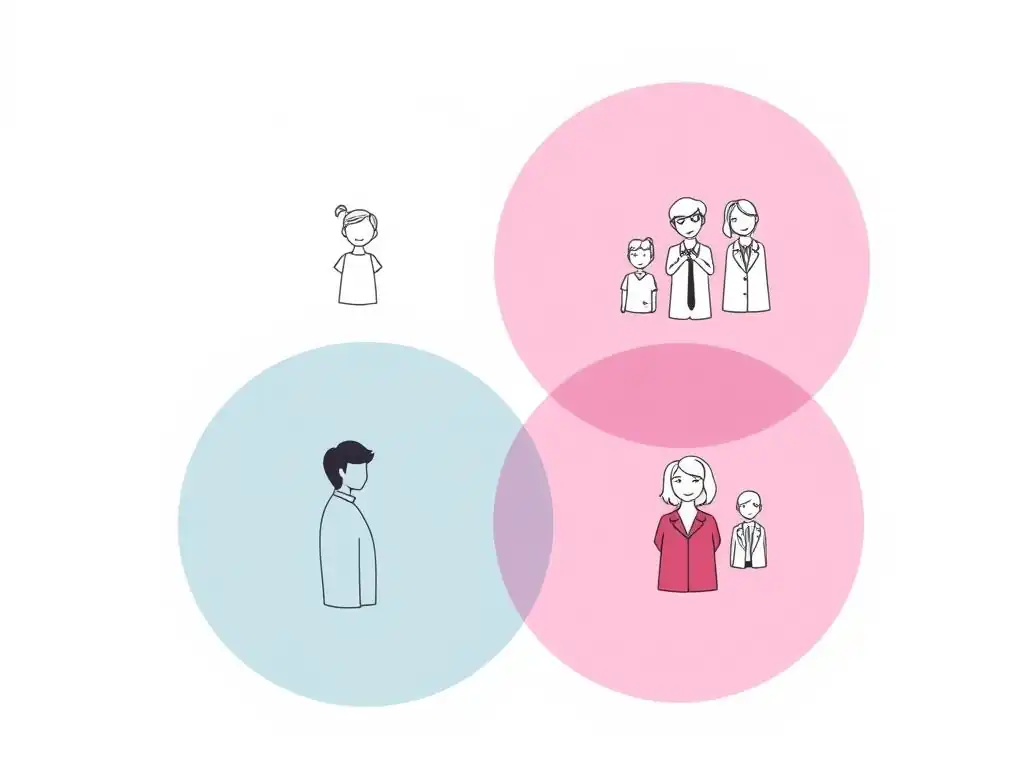
Understanding how demographics influence communication styles on dating apps is crucial for navigating the diverse online dating landscape. The "Dating app demographic impact" is significant and multifaceted, affecting everything from the initial message to the eventual (or lack of) meeting. This section will explore these nuances.
Language and Tone: Formal vs. Informal Communication Styles
The formality of language used on dating apps varies considerably depending on the user's age, background, and cultural context. Younger demographics (18-25) tend to favor informal language, using slang, emojis, and abbreviations liberally. Think "wyd?" or "lol" peppered throughout their messages. This reflects their comfort with digital communication and a fast-paced, less structured approach to dating.
Conversely, older demographics (35+) often demonstrate a preference for more formal language, employing proper grammar and avoiding overly casual expressions. Their communication might be more direct and less playful, reflecting a potentially more serious approach to finding a partner. This isn't to say they don't use emojis or abbreviations, but their overall tone tends towards professionalism, mirroring their established communication styles outside the digital realm.
This difference in communication style can lead to misinterpretations. A younger user might perceive a more formal message as stiff or unapproachable, while an older user might find overly casual messaging disrespectful or unserious. Therefore, being mindful of these age-related communication nuances is vital for successful interactions.
Data from a recent study [specific information pending] indicated a strong correlation between age and the use of emoticons/emojis in initial messages. Younger users were significantly more likely to incorporate visual communication elements, while older users leaned towards text-based communication.
Dating Goals and Expectations: Casual Dating vs. Marriage-Oriented Relationships
Demographic factors strongly influence dating goals and expectations. Younger users often prioritize casual dating and exploring various relationships before settling down. Their profiles might reflect this, showcasing a fun-loving personality and highlighting activities associated with a more spontaneous lifestyle. Their communication often focuses on immediate plans and short-term connections.
In contrast, older users frequently express a stronger desire for long-term relationships leading to marriage. Their profiles emphasize stability, family values, and shared life goals. Their communication tends to be more focused on building a connection and exploring compatibility on a deeper level. They might initiate conversations around shared interests, long-term aspirations, and family plans.
This difference in dating goals impacts communication significantly. Discussions about future plans and relationship seriousness are more common among older users, while younger users might focus on immediate dates and experiences. Understanding these different expectations is crucial to avoid misunderstandings and wasted time. For example, a user seeking a serious relationship might be frustrated by a partner who only focuses on casual encounters.
The Role of Demographic Factors in Profile Creation and Presentation
The way users present themselves on dating apps is heavily influenced by their demographic background. Age, education, occupation, and cultural background all contribute to the overall image projected in their profiles. Younger users might create profiles that are visually engaging, using multiple pictures and highlighting their social life. They might focus on showcasing their personality through creative bios and engaging captions.
Older users, on the other hand, might prioritize presenting a more mature and established image. Their profiles might emphasize professional achievements, family values, and hobbies that demonstrate stability and maturity. They might use fewer pictures, focusing on high-quality images that present a clear and professional image.
Furthermore, cultural background plays a significant role. Users from different cultural contexts may have varying expectations regarding profile presentation and communication styles. Some cultures might prioritize modesty and restraint, while others might embrace more self-promotion and extroverted self-presentation. Understanding these cultural nuances is essential for navigating the diverse online dating environment. Awareness of these factors can help users avoid unintentionally offensive or inappropriate behavior and enhance their chances of connecting with compatible partners. The impact of these differences is profound, underscoring the need for respectful and culturally sensitive communication on dating apps.
The Impact of Demographics on Online Dating Safety
Understanding how demographics influence online dating safety is crucial for navigating the digital dating landscape successfully. This section explores the specific safety concerns and precautions associated with age, gender, and location, empowering you to make informed decisions and prioritize your well-being. The impact of demographics on your online dating experience is significant, shaping not only your potential matches but also the safety considerations you should prioritize.
This section delves into these crucial aspects, providing actionable advice to enhance your safety while dating online. Remember, your safety is paramount, and being aware of these demographic-related risks is the first step towards a positive and secure online dating journey.
Age significantly impacts the types of safety concerns users face on dating apps. Younger users (18-25) often encounter more instances of catfishing, scams, and pressure for inappropriate behavior. Older users (45+), conversely, might experience more instances of financial scams or manipulative behavior targeting their life experiences and financial stability.
Data from [specific information pending] suggests a correlation between age and the likelihood of encountering certain types of online harassment. For instance, younger users report higher rates of unsolicited explicit content, while older users may experience more subtle forms of manipulation or emotional abuse.
Here's a breakdown of age-specific safety tips:
- Younger Users: Be extra cautious about sharing personal information, verify profiles thoroughly, and utilize the app's reporting features promptly if you encounter any suspicious behavior. Consider using video calls early in the communication process to verify the identity of your match.
- Older Users: Be wary of requests for financial assistance or overly generous offers. Verify the identity of your potential match through multiple channels and avoid sharing sensitive financial details or personal addresses until you've met in person and feel comfortable.
Gender-Specific Safety Precautions on Dating Apps
Gender also plays a crucial role in online dating safety. Women, statistically, report higher rates of harassment, stalking, and even physical violence stemming from online interactions compared to men. However, men also face specific risks, such as being targeted by scams or experiencing online shaming.
Studies show that [specific information pending] highlighting the disparity in reported negative experiences between genders. This difference necessitates a nuanced approach to safety, tailored to individual circumstances.
Here are some gender-specific safety recommendations:
- Women: Prioritize safety by utilizing the app's safety features such as location sharing with trusted contacts, limiting the information shared in your profile, and meeting in public places for first dates. Trust your instincts – if something feels off, it probably is.
- Men: Be mindful of potential scams, particularly those involving financial requests or promises of unrealistic rewards. Maintain clear boundaries and respect the boundaries of your matches. Never pressure anyone into anything they are not comfortable with.
Location-Based Safety Tips for Online Dating
Your location significantly impacts your safety while using dating apps. Users in densely populated urban areas may face different risks compared to those in smaller towns or rural settings. The anonymity offered by online dating can be exploited by individuals with malicious intent, making location awareness essential.
[Specific information pending] regarding crime statistics and online dating safety by location would be beneficial here. This data would allow for more targeted recommendations based on geographic location.
Regardless of location, these safety tips apply:
- Always meet in public places for first dates. Choose well-lit, populated areas, and inform a friend or family member about your plans, including the location, time, and the person you're meeting.
- Share your location discreetly with trusted contacts. Many apps offer location-sharing features that allow you to share your real-time location with friends or family without revealing it to your match.
- Be aware of your surroundings. Pay attention to your environment and trust your instincts. If something feels unsafe, leave immediately and contact someone you trust.
The interplay of age, gender, and location creates a complex web of safety considerations within the online dating sphere. By understanding these demographic influences and implementing the appropriate precautions, you can significantly reduce your risks and enjoy a safer and more positive online dating experience. Remember, proactive safety measures are key to a successful and enjoyable online dating journey.
Demographic Trends and the Future of Dating App Cultures

The landscape of online dating is constantly shifting, largely driven by evolving demographic trends. Understanding these trends is crucial for navigating the diverse cultures of different dating apps and maximizing your chances of success. The "Dating app demographic impact" is significant and multifaceted, influencing everything from app design and features to user behavior and relationship outcomes. We're seeing a rise in niche dating apps catering to specific demographics, reflecting a growing desire for more targeted and inclusive online dating experiences. This section will explore these trends and their implications for the future of online dating.
Emerging Demographic Groups and Their Impact on Dating Apps
Several emerging demographic groups are reshaping the online dating landscape. One notable example is the increasing number of Gen Z users. Unlike Millennials, Gen Z users often prioritize authenticity and transparency in their profiles. They're less likely to be swayed by heavily filtered photos and instead appreciate genuine self-expression. This has led to a rise in apps that emphasize video profiles and authentic content sharing. Furthermore, Gen Z's comfort with technology has fueled the adoption of innovative features, such as AI-powered matchmaking and interactive profile elements.
Another significant shift is the growing inclusivity within the online dating world. Apps are increasingly catering to LGBTQ+ communities, people with disabilities, and individuals from diverse ethnic and religious backgrounds. This is not just about creating separate spaces; it's about fostering a more accepting and representative online environment.
We're seeing a rise in apps that prioritize inclusivity in their algorithms and community guidelines, aiming to combat discrimination and promote positive interactions. This shift reflects a broader societal movement towards inclusivity and acceptance, and its impact on dating apps is undeniable. The data shows a significant increase in usage and positive feedback from users who feel more represented and understood on these platforms.
| Demographic Group | Key Characteristics | Impact on Dating Apps |
|---|---|---|
| Gen Z | Tech-savvy, authentic, transparency-focused | Rise of video profiles, interactive features, niche apps |
| LGBTQ+ Community | Diverse needs and preferences | Specialized apps, inclusivity features, safer spaces |
| Individuals with Disabilities | Diverse needs and preferences | Accessibility features, inclusive design, supportive communities |
| Ethnic and Religious Minorities | Diverse cultural backgrounds and preferences | Apps with multilingual support, cultural sensitivity features |
The impact of these demographic shifts is undeniable. Apps that fail to adapt risk losing users to more inclusive and innovative competitors. Successful apps are those that actively listen to their users, incorporate feedback, and continuously refine their features to meet the evolving needs of a diverse user base.
Adapting to Changing Demographics in the Online Dating World
Adapting to these changing demographics requires a multifaceted approach. Dating apps need to prioritize user experience and ensure their platforms are accessible and inclusive. This includes:
- Improving accessibility: Ensuring apps are usable by people with disabilities, including those with visual, auditory, and motor impairments.
- Implementing robust moderation policies: Actively combating harassment, discrimination, and hate speech to create a safer environment for all users.
- Offering diverse profile options: Allowing users to express their identities fully and authentically, beyond traditional gender and relationship status categories.
- Developing culturally sensitive features: Incorporating language support, cultural nuances, and respectful representations of diverse communities.
- Utilizing data analytics: Analyzing user behavior to identify trends and improve the app's features and algorithms to better serve specific demographic groups.
The future of online dating is undoubtedly shaped by demographic trends. Apps that embrace inclusivity, innovation, and user feedback will thrive in this evolving landscape. Ignoring these trends risks irrelevance and ultimately, failure. The key is to understand the unique needs and preferences of different demographic groups and to create dating experiences that are not only effective but also respectful, inclusive, and enjoyable for everyone. The successful integration of these strategies will be key to the continued growth and success of the online dating industry. Understanding the dating app demographic impact is paramount for both app developers and users alike.
Leveraging Demographic Insights for Dating App Success
Understanding the dating app demographic impact is crucial for maximizing your success. Different platforms attract different age groups, professions, relationship goals, and cultural backgrounds. This isn't just about finding your ideal match; it's about strategically presenting yourself to the right audience on the right platform. Ignoring demographic nuances can lead to wasted time and frustration. By strategically leveraging this information, you can significantly improve your online dating experience and increase your chances of finding a compatible partner. This section will explore how to utilize demographic data to your advantage.
Optimizing Your Profile for Specific Demographic Groups
Your profile is your first impression. Optimizing it for specific demographics requires understanding their priorities and communication styles. For example:
- Younger Demographics (18-25): This group often prioritizes spontaneity, fun, and shared experiences. Your profile should reflect an energetic and adventurous personality. Use visuals that showcase your active lifestyle and mention hobbies that appeal to a younger audience, such as hiking, attending concerts, or trying new restaurants. Avoid overly formal language or overly serious photos. Think vibrant and engaging!
- Older Demographics (35+): This group often values stability, shared values, and long-term compatibility. Your profile should highlight your career achievements, family values (if applicable), and interests that suggest maturity and stability. Professional photos are important, and your bio should showcase your personality in a sophisticated and thoughtful way. Focus on what you're looking for in a long-term partner.
- Profession-Specific Demographics: Consider the professional backgrounds prevalent on different apps. A platform popular with entrepreneurs might benefit from showcasing your ambition and drive. Conversely, a platform frequented by academics might require a more intellectual approach in your profile's description. Tailor your language and imagery to resonate with the professional culture of the app you're using.
Consider this table summarizing effective profile strategies:
| Demographic Group | Profile Focus | Language Style | Visuals |
|---|---|---|---|
| 18-25 | Fun, spontaneity, shared experiences | Casual, energetic | Active lifestyle, vibrant colors |
| 35+ | Stability, shared values, long-term compatibility | Mature, thoughtful | Professional, well-lit photos |
| Tech Professionals | Career achievements, innovative projects | Concise, results-oriented | Modern, sleek imagery |
| Creative Professionals | Artistic endeavors, unique perspectives | Expressive, passionate | Showcasing creativity, unique style |
Remember, authenticity is key. Don't try to be someone you're not; simply present yourself in a way that resonates with the specific demographics you're targeting.
Tailoring Your Communication Strategy Based on Demographics
Effective communication is vital. Your messaging style should adapt to the age group and cultural background of your potential matches. Younger generations might prefer quick, informal messages, while older generations might appreciate more thoughtful and detailed communication.
- Directness: Younger demographics often appreciate directness and efficiency. Older demographics might prefer a more gradual approach.
- Humor: Humor is generally well-received, but its style should be adjusted to the audience. Younger users might appreciate more playful humor, while older users might prefer wit and subtle humor.
- Emojis and Slang: Use sparingly, and be mindful of their appropriateness for the age group. Overuse can appear immature or unprofessional.
Understanding these nuances will greatly improve your chances of engaging in meaningful conversations and building connections. Remember to always be respectful and considerate of individual preferences, even within broader demographic trends.
Finding Your Ideal Match by Understanding Demographic Preferences
Demographic data provides valuable insights into the types of relationships people seek. Knowing the prevalent relationship goals on a specific platform helps you focus your efforts. For instance, a platform with a high concentration of users seeking long-term relationships will require a different approach than one where casual dating is more common.
Consider these factors:
- Relationship Goals: Some apps cater to those seeking casual dating, while others focus on serious relationships or marriage. Understanding this distinction is fundamental.
- Cultural Backgrounds: Different cultures have different dating norms and expectations. Be mindful of these differences and adapt your communication accordingly. Researching cultural norms can be extremely beneficial.
- Location: Even within a single app, location can influence the dating culture. Urban areas might have a faster-paced dating scene than rural areas.
By carefully considering these demographic preferences, you can significantly increase your chances of finding a compatible match and building a successful and fulfilling relationship. Remember, the key is to be informed, adaptable, and respectful. The dating app demographic impact is significant; learning to navigate it effectively will greatly enhance your online dating journey.
Frequently Asked Questions
How does age affect the dating app experience?
Age significantly impacts the dating app culture. Younger users often prioritize casual dating, while older users may seek more serious relationships. Different apps cater to various age demographics, influencing the overall user experience.
What is the impact of gender on dating app usage?
Men and women often have different experiences on dating apps. Men may receive more messages, while women may face more unwanted attention. Understanding these differences is crucial for navigating the app successfully.
How do location and cultural background influence dating app demographics?
Geographic location dramatically affects the pool of potential matches and the prevalent dating culture. Cultural backgrounds also shape expectations and communication styles within the app's user base.
Does socioeconomic status affect dating app behavior?
Yes, socioeconomic status can influence dating app usage. Access to technology and dating app subscriptions, as well as dating preferences and expectations, vary across socioeconomic groups.
How does the "Dating app demographic impact" affect relationship outcomes?
Understanding the demographic makeup of a dating app can improve your chances of success. Knowing the typical age, gender, and location of users helps you choose the right app and tailor your profile accordingly for better matches.
The way we date is inextricably linked to the demographics shaping our digital landscapes. Understanding the unique cultures fostered within different dating apps, based on their user demographics, is no longer a niche observation; it's a crucial element in navigating the modern dating world. This understanding empowers individuals to make informed choices about which platforms best suit their needs and expectations.
The impact of age, gender, location, and even socioeconomic status on the dynamics of online dating is profound and constantly evolving. These factors influence everything from communication styles and relationship goals to the very algorithms that curate potential matches. The digital age has democratized dating, but it hasn't necessarily equalized it.
This quote highlights the inherent complexities and inequalities that persist within these seemingly open platforms, a reality we must acknowledge and strive to address. The ongoing evolution of these digital spaces demands continuous critical analysis and adaptation.
Consider the implications of this research in your own dating journey. Are you consciously choosing a platform that aligns with your demographic and relationship goals? Are you aware of the potential biases embedded within the algorithms that shape your experience? Take the time to reflect on these questions. By understanding the demographic forces at play, you can become a more informed and empowered user, ultimately increasing your chances of finding meaningful connections in the ever-changing world of online dating.
Uncover Your Dating App Advantage: Decode Demographic Dynamics
Thanks for exploring the fascinating world of dating app demographics! You've gained valuable insights into how different groups shape online dating. Ready to use this knowledge?
- Craft a Resonant Profile: Tailor your profile to attract your ideal partner, highlighting interests and values that align with their preferences. This significantly increases your chances of connecting.
- Expand Your Search: Experiment with different search filters, exploring various age ranges and locations based on your newfound understanding of dating app trends. You might discover a whole new pool of potential matches!
- Share Your Discoveries: Discuss your insights with friends—what surprised you most about the diverse online dating landscape? Let's start a conversation!
What unique strategies will you use to enhance your online dating experience, now that you understand these demographic trends?