
Relationship Harmony: How Defining Expectations Minimizes Conflict and Maximizes Happiness


Welcome to OnlineDatingSuccess.org, your guide to navigating the exciting yet often challenging world of online dating! Are you ready to transform your dating experience and find lasting happiness? Discover how managing your dating expectations can significantly impact your success. Our expert advice on Dating Expectations Happiness Tips, featured in our "Long-Term Success" section, will reveal the secrets to minimizing conflict and maximizing joy in your online dating journey. Dive in and unlock the path to a fulfilling and meaningful relationship!
- Understanding Your Dating Expectations for Lasting Happiness
- Communicating Your Dating Expectations Effectively
- The Role of Expectations in Online Dating Success
- Maintaining Harmony: Long-Term Relationship Expectations and Happiness
- Dating Expectations Happiness Tips: A Summary
-
Frequently Asked Questions
- How can I set realistic expectations in online dating to increase my happiness?
- What are some common dating expectations that often lead to disappointment?
- How can I communicate my expectations effectively to potential partners?
- How do I balance my dating expectations with the need for spontaneity and flexibility?
- What role does self-awareness play in managing dating expectations and achieving happiness?
- Final Reflection: Cultivating Lasting Joy Through Defined Expectations
- Unlock Deeper Connection: Start Building a Harmonious Relationship Today
Understanding Your Dating Expectations for Lasting Happiness
Navigating the world of online dating can be exhilarating and challenging in equal measure. While the potential for finding a meaningful connection is immense, the path is often fraught with misunderstandings and unmet expectations. This article delves into the crucial role of clearly defined expectations in fostering lasting happiness in relationships, focusing on how proactively addressing your needs and desires can minimize conflict and maximize the chances of finding a compatible partner.
We'll explore how identifying your non-negotiables, defining your relationship goals, and recognizing your emotional needs are essential steps towards building a strong and fulfilling connection, ultimately leading to a more harmonious and joyful romantic partnership. This approach is particularly relevant for those using online dating platforms where initial impressions and communication are paramount in establishing a successful connection.
By understanding your own expectations, you'll be better equipped to communicate effectively, attract the right partner, and cultivate a relationship built on mutual understanding and respect – significantly improving your chances of long-term success. Let's embark on this journey towards relationship harmony!
Identifying Your Non-Negotiables: Core Values in a Partner
Defining your "non-negotiables" is the cornerstone of successful dating. These are the fundamental values, qualities, and characteristics you absolutely require in a partner. These aren't superficial preferences; they represent your deeply held beliefs about what constitutes a healthy and fulfilling relationship. For example, some non-negotiables might include:
- Honesty and Integrity: A commitment to truthfulness and ethical behavior.
- Shared Values: Alignment on core beliefs regarding family, career, and life goals.
- Respect: Mutual appreciation and consideration for each other's feelings and boundaries.
- Commitment to Personal Growth: A desire for continuous self-improvement and mutual support in achieving personal aspirations.
- Emotional Intelligence: The ability to understand and manage one's own emotions and empathize with others.
Ignoring your non-negotiables can lead to significant relationship problems down the line. Compromise is essential in any relationship, but compromising on your core values often leads to resentment and dissatisfaction. Before embarking on your dating journey, take the time to thoroughly identify these crucial elements.
Consider journaling, reflecting on past relationships, and discussing your values with trusted friends or family to gain clarity. This self-reflection will provide you with a strong foundation for making informed choices and attracting a partner who truly aligns with your vision of a fulfilling relationship. This process empowers you to avoid wasting time and emotional energy on incompatible matches.
Defining Your Relationship Goals: Short-Term and Long-Term Visions
Understanding your relationship goals, both short-term and long-term, is crucial for navigating the dating landscape effectively. Short-term goals might include:
- Going on several dates to assess compatibility.
- Building a strong foundation of trust and communication.
- Exploring shared interests and hobbies.
Long-term goals, on the other hand, may encompass:
- Establishing a committed, long-term relationship.
- Building a family.
- Sharing a home and building a life together.
- Supporting each other's personal and professional growth.
Having a clear vision of your relationship aspirations helps you identify partners who share similar goals. It also guides your decisions throughout the dating process, preventing you from pursuing relationships that are ultimately incompatible with your long-term desires. For instance, if you envision a future family, it's important to communicate this early on.
Similarly, if you prioritize career advancement, finding a partner who supports your ambitions is crucial. By clearly defining your goals, you’ll attract partners who are aligned with your vision and increase the likelihood of a successful, long-lasting relationship. This proactive approach minimizes the risk of incompatibility and disappointment down the road.
Recognizing Your Emotional Needs and Expectations in a Relationship
Understanding your emotional needs is equally important. Are you seeking a partner who provides emotional support, companionship, or intellectual stimulation? Do you need someone who encourages your independence or prefers a more interdependent relationship? These questions are crucial to consider. Some common emotional needs include:
- Affection and Intimacy: Feeling loved, appreciated, and emotionally connected.
- Security and Stability: Knowing that your partner is reliable and committed.
- Support and Encouragement: Having someone who believes in you and supports your dreams.
- Open Communication: Feeling comfortable sharing your thoughts and feelings.
- Shared Activities and Interests: Enjoying quality time and shared experiences.
Failure to address your emotional needs can lead to dissatisfaction and resentment. It's essential to communicate your emotional needs clearly and honestly to your partner. This open communication fosters understanding and creates a space for mutual support and growth.
Understanding your own emotional landscape and communicating it effectively is paramount to building a relationship founded on mutual respect and emotional fulfillment. This self-awareness is key to attracting a partner who can meet your emotional needs and contribute to a happy and healthy relationship. Remember, healthy relationships are built on mutual understanding and the ability to openly and honestly communicate your needs and desires.
Communicating Your Dating Expectations Effectively
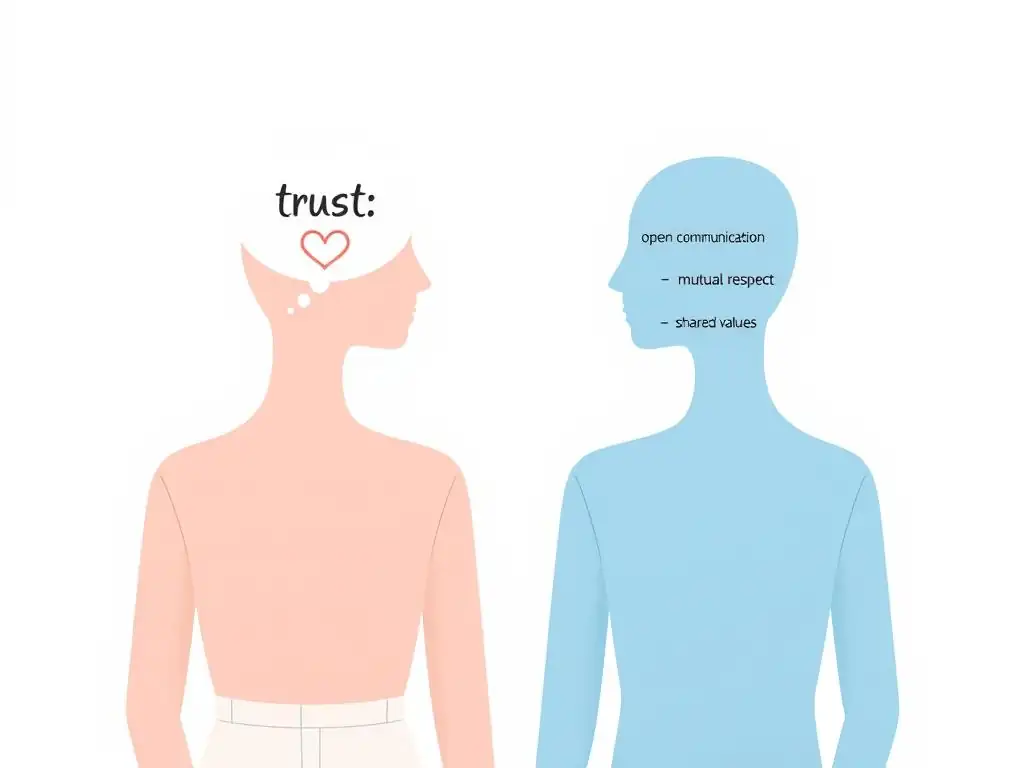
This section delves into the practical application of defining your dating expectations, focusing on effective communication strategies to foster understanding and minimize potential conflict. Open, honest communication is paramount in building a strong foundation for any relationship, whether it's a budding romance or a long-term partnership. Successfully navigating the complexities of dating requires a proactive and thoughtful approach to expressing your needs and desires.
Ignoring this crucial aspect can lead to misunderstandings, unmet expectations, and ultimately, relationship dissatisfaction. The aim is to cultivate a space where both partners feel comfortable expressing themselves authentically and respectfully. This, in turn, contributes significantly to dating expectations happiness tips.
Open and Honest Communication: The Foundation of Healthy Relationships
Open and honest communication forms the bedrock of any healthy relationship. It's not just about what you say, but how you say it. Consider the following strategies for fostering open communication in your dating life:
- Choose the right time and place: Avoid sensitive conversations when you're stressed, tired, or distracted. Opt for a calm and private setting where you both feel comfortable. A relaxed atmosphere is conducive to productive discussions.
- Use "I" statements: Instead of blaming or accusing ("You always...", "You never..."), focus on expressing your own feelings and experiences. For example, instead of saying "You're always late," try "I feel anxious and disrespected when we have agreed upon a time and you arrive late." This approach minimizes defensiveness and promotes understanding.
- Be specific and clear: Avoid vague language. Clearly articulate your needs and expectations, providing concrete examples. Ambiguity can lead to misinterpretations and frustration.
- Practice active listening: Pay attention to your partner's verbal and nonverbal cues. Show genuine interest in understanding their perspective. Active listening is a crucial component of effective communication and is directly linked to dating expectations happiness tips.
- Seek clarification: If something is unclear, don't hesitate to ask for clarification. It's better to address misunderstandings early on than let them fester.
Active Listening and Empathy: Understanding Your Partner's Perspective
Active listening goes beyond simply hearing your partner's words; it involves understanding their emotions and perspectives. Empathy is crucial for building trust and connection. Consider these practical applications:
- Reflect back what you hear: To ensure understanding, paraphrase your partner's statements to confirm that you've grasped their meaning. For example: "So, what I'm hearing is that you feel frustrated when..."
- Validate their feelings: Even if you don't agree with your partner's perspective, acknowledge and validate their feelings. Saying something like, "I understand why you feel that way," can go a long way in de-escalating conflict. This is vital for achieving the dating expectations happiness tips we're discussing.
- Avoid interrupting: Let your partner fully express themselves before responding. Interrupting can be dismissive and can shut down communication.
- Pay attention to body language: Observe your partner's nonverbal cues, such as their facial expressions, posture, and tone of voice. These cues can provide valuable insights into their emotional state and help you understand their perspective more deeply.
- Practice perspective-taking: Try to see the situation from your partner's point of view. This can help you understand their motivations and behaviors, even if you don't necessarily agree with them.
Setting Boundaries: Protecting Your Emotional and Physical Well-being
Setting healthy boundaries is essential for protecting your emotional and physical well-being in any relationship. Boundaries are not about controlling others; they are about protecting yourself and ensuring that your needs are met.
- Identify your non-negotiables: What are your absolute deal-breakers? What behaviors or situations are you unwilling to tolerate? Clearly defining these non-negotiables will help you avoid potentially harmful relationships. This is a key element in achieving dating expectations happiness tips.
- Communicate your boundaries clearly and assertively: Don't be afraid to express your boundaries directly and respectfully. Use "I" statements to explain how certain behaviors make you feel and what you need to feel safe and respected.
- Enforce your boundaries consistently: If your boundaries are violated, it's important to take appropriate action. This might involve having a conversation with your partner, setting stricter limits, or even ending the relationship. Consistency is key to maintaining healthy boundaries.
- Be prepared for resistance: Not everyone will be receptive to your boundaries. Some individuals might test or push your limits. Staying firm and consistent is crucial in these situations.
- Practice self-care: Setting boundaries can be emotionally challenging. Prioritize self-care activities to help you manage stress and maintain your emotional well-being. This includes things like exercise, spending time in nature, meditation, or engaging in hobbies you enjoy. This is an important part of the dating expectations happiness tips strategy.
This detailed approach to communicating expectations, incorporating active listening, and setting boundaries significantly improves the chances of finding and maintaining a fulfilling relationship. Remember, open communication and mutual respect are the cornerstones of lasting happiness.
Disagreements are inevitable in any relationship, even those blossoming from the promising beginnings of online dating. The key isn't to avoid conflict entirely—that's unrealistic—but to learn how to navigate disagreements constructively, turning potential points of friction into opportunities for growth and deeper understanding. Effective communication is paramount in this process, and understanding each other's perspectives is crucial for resolving conflicts in a healthy way. This involves active listening, which goes beyond simply hearing what your partner is saying; it means truly understanding their feelings and the reasons behind their words.
One effective strategy is to practice empathetic listening. Try to put yourself in your partner's shoes and understand their point of view, even if you don't agree with it. This doesn't mean you have to concede your own perspective, but it does mean acknowledging and validating their feelings. For example, if your partner expresses frustration about a lack of spontaneity, actively listen to their concerns before formulating a defense.
Acknowledge their feelings: "I understand you feel frustrated by the lack of spontaneity in our dates. That sounds really disappointing." This shows you care about their feelings and are willing to work through the issue together.
Another crucial aspect of constructive conflict resolution is clear and assertive communication. Express your own needs and feelings honestly and respectfully, using "I" statements to avoid placing blame. For instance, instead of saying, "You never plan anything fun," try, "I feel a little neglected when we don't have exciting plans together. I'd love to explore new activities with you."
This approach encourages a collaborative problem-solving approach rather than a defensive one. Remember to focus on the issue at hand, avoiding personal attacks or bringing up past grievances. Keep the conversation focused on the present problem and how you can work together to find a solution.
Finally, compromise is key. Finding a solution that works for both partners requires a willingness to compromise and meet each other halfway. This doesn't mean surrendering your own needs, but finding a middle ground that respects both perspectives. Perhaps you agree to alternate planning dates, or explore activities that both of you find enjoyable. The goal is to find a solution that fosters mutual respect and satisfaction, thereby strengthening your relationship.
Remember, navigating disagreements successfully is a skill that improves with practice and a commitment to open and honest communication. The effort invested in resolving conflicts constructively will significantly contribute to a happier and more fulfilling relationship. Learning these skills early in the dating process can lay a strong foundation for long-term relationship success. By focusing on understanding, empathy, and compromise, you can transform potential conflicts into opportunities for growth and deeper connection.
The Role of Expectations in Online Dating Success
Defining clear and realistic expectations is paramount to achieving happiness in online dating. Many individuals enter the online dating world with idealized notions of romance, often fueled by romanticized portrayals in media. This can lead to significant disappointment and frustration when reality doesn't match these unrealistic expectations.
By proactively managing expectations, you significantly increase your chances of finding a compatible partner and fostering a healthy, fulfilling relationship. This involves a multifaceted approach, encompassing how you present yourself, how you interpret others' presentations, and your understanding of the dating process itself. Ignoring this crucial aspect can lead to a cycle of dissatisfaction and ultimately hinder your online dating success.
Remember, managing expectations is not about lowering your standards; it’s about aligning your hopes with a realistic understanding of online dating dynamics. It’s about cultivating a mindset that embraces the journey and celebrates the process of connection, rather than fixating solely on an immediate "happily ever after." This proactive approach fosters resilience and allows for a more positive and fulfilling experience.
Managing Expectations in Online Profiles: Authenticity and Realistic Portrayals
Crafting an online dating profile requires careful consideration of how you present yourself. Authenticity is key. While it's natural to want to showcase your best self, avoid exaggerating your attributes or creating a false persona. This includes being truthful about your physical appearance, lifestyle, and personality traits. Using outdated or heavily filtered photos can create unrealistic expectations and lead to disappointment upon a first meeting. Instead, opt for recent, natural-looking photos that accurately reflect your current appearance.
Similarly, be honest about your interests and hobbies. Avoid listing activities you don't genuinely enjoy, simply to impress potential matches. Remember, the goal is to attract individuals who genuinely appreciate you, not a fabricated version of yourself. A genuine profile attracts authentic connections, leading to more meaningful interactions and a higher likelihood of long-term compatibility. Consider these points:
- Photo Selection: Include a variety of photos showcasing different aspects of your personality and lifestyle. Avoid overly posed or heavily edited images.
- Bio Accuracy: Be honest and concise in your profile description. Highlight your key personality traits and interests without embellishment.
- Lifestyle Portrayal: Present a realistic depiction of your daily life and routines. Don't portray a lifestyle you don't actually live.
This approach minimizes the risk of mismatched expectations from the outset, fostering a foundation of trust and transparency in your interactions.
Avoiding Disappointment: Matching Expectations with Reality in Online Interactions
Even with an authentic profile, managing expectations continues to be crucial throughout the online dating process. Remember, online profiles only offer a glimpse into someone's personality and life. Avoid projecting your ideal partner onto a potential match based solely on their profile. Engage in open and honest communication to clarify expectations and avoid misunderstandings. Don't assume compatibility based solely on shared interests; delve deeper into values, goals, and communication styles.
Be mindful of the limitations of online communication – tone and nuance can be easily misinterpreted. Avoid jumping to conclusions or making assumptions based on limited interactions. For example, if someone doesn't respond immediately, resist the urge to assume disinterest; they may simply be busy. Embrace patience and understand that building a genuine connection takes time. Remember, the initial excitement of a match shouldn't overshadow the importance of getting to know the person authentically.
Patience is a virtue, especially in the realm of online dating. Give the relationship time to grow organically.
Setting Realistic Expectations for Online Dating Timeframes
One of the most common sources of frustration in online dating is unrealistic expectations regarding the timeframe for finding a partner. It's important to understand that finding a compatible partner takes time and effort. Avoid setting strict deadlines or comparing your progress to others. Each individual's journey is unique.
Focus on enjoying the process of meeting new people and exploring potential connections, rather than fixating on a specific outcome within a predetermined timeframe. Celebrate small victories along the way, such as engaging in meaningful conversations or going on enjoyable dates. Remember, building a lasting relationship takes time, and rushing the process can lead to disappointment. Moreover, remember that even successful relationships require consistent effort and dedication to thrive.
Don't get discouraged if you don't find "the one" immediately; the journey itself is valuable. Focus on self-improvement and personal growth, and the right person will eventually appear. Consider online dating as a marathon, not a sprint. This mindful approach significantly improves your chances of achieving lasting happiness.
Maintaining Harmony: Long-Term Relationship Expectations and Happiness

This section delves into the crucial role of managing expectations in fostering long-term relationship happiness. Successfully navigating the complexities of a committed relationship hinges significantly on understanding and adapting expectations over time. Unrealistic or inflexible expectations are a common source of conflict, leading to decreased satisfaction and even relationship dissolution. By proactively addressing expectations, couples can cultivate a strong foundation built on mutual understanding and shared goals, maximizing their chances of enduring happiness.
This involves not only setting clear initial expectations but also regularly reevaluating and adjusting them as the relationship evolves. The key is to create a dynamic, flexible approach to expectations, allowing for growth and change while maintaining a shared vision for the future. This proactive approach is a cornerstone of sustainable relationship happiness, directly impacting the overall quality of the partnership and the individuals within it.
Adapting Expectations Over Time: Growth and Change in Relationships
Relationships are not static; they are constantly evolving. What works initially might not work later, and what was initially acceptable might become a point of contention. Adapting expectations to accommodate these changes is vital for maintaining harmony. For example, career aspirations may shift, leading to changes in lifestyle and available time. Early in a relationship, spontaneous weekend getaways might be the norm; however, as careers progress and families grow, these spontaneous outings might become less frequent. Failing to adapt expectations to these changes can lead to resentment.
Consider the impact of significant life events. The birth of a child, a job relocation, or a family illness drastically alters the dynamics of any relationship. Couples who rigidly adhere to initial expectations often find themselves struggling to cope with these changes. Instead, a flexible approach, involving open communication and a willingness to compromise, is essential.
Successful couples learn to renegotiate expectations, focusing on adapting to the evolving needs of both partners and the relationship itself. This continuous adjustment ensures that the relationship remains a source of support and fulfillment, even amidst life's inevitable changes. This flexibility is directly linked to increased relationship satisfaction and lasting happiness.
Re-evaluating Expectations: Periodic Check-ins and Open Dialogue
Regular check-ins are not just about discussing daily routines; they're about proactively addressing expectations. These check-ins should be dedicated time for open and honest conversations, free from distractions. Consider scheduling these conversations weekly or monthly, depending on your needs and communication style. The goal is not to criticize or fault-find, but to ensure that both partners feel heard, understood, and valued.
Think of it as preventative maintenance for your relationship. Just as a car needs regular servicing, so does a relationship. These check-ins provide an opportunity to address potential issues before they escalate into major conflicts. For example, if one partner feels their needs regarding household chores are not being met, open communication can prevent resentment from building. Similarly, if one partner feels their career ambitions are not being supported, regular dialogue can help find solutions that satisfy both partners.
These conversations should focus on active listening and mutual understanding, aiming to find common ground and compromise. Using "I" statements ("I feel… when… because…") can facilitate constructive communication and avoid accusatory language. Open dialogue and regular check-ins are powerful tools for preventing conflict and nurturing lasting happiness. These proactive measures are directly related to higher reported levels of relationship satisfaction.
Ultimately, the success of any relationship depends on shared values and goals. Do you both prioritize family, career, personal growth, or adventure? Aligning your expectations with your shared values ensures that you're both working towards the same overarching objectives. This shared vision provides a strong foundation for navigating challenges and celebrating successes. If your values significantly diverge, it can create persistent tension, no matter how much you adapt other expectations.
For example, if one partner prioritizes financial security above all else, while the other prioritizes travel and experiences, conflict is almost inevitable without open discussion and compromise. Understanding and respecting these core values are paramount. This doesn't mean you need identical aspirations; rather, it requires mutual respect and understanding of each other's priorities. Finding common ground and creating shared goals, even amidst differing individual ambitions, is key.
For instance, perhaps you can agree on a savings plan that allows for both financial security and occasional travel. This demonstrates a commitment to shared happiness, building a stronger and more fulfilling relationship. Aligning expectations with shared values and goals is the bedrock of lasting relationship happiness and directly contributes to minimizing conflict and maximizing fulfillment.
Dating Expectations Happiness Tips: A Summary
Defining clear expectations early on in a relationship is crucial for long-term happiness. Many relationship conflicts stem from unspoken assumptions and unmet needs. By proactively communicating your desires, values, and boundaries, you significantly reduce the potential for misunderstandings and disappointment.
This proactive approach, focusing on "dating expectations happiness tips," fosters a more harmonious and fulfilling partnership. It's about creating a shared understanding of what each person wants and needs from the relationship, leading to increased satisfaction and a stronger emotional connection. Remember, open communication is the cornerstone of a successful relationship, and setting healthy expectations is the foundation of that communication.
This isn't about controlling your partner; it's about building a relationship based on mutual respect and realistic expectations, maximizing your chances of finding lasting love. The key is to find a balance between your individual needs and your partner's, fostering a healthy equilibrium that allows both of you to thrive.
Actionable Steps for Setting and Managing Expectations in Dating
Setting healthy dating expectations is an ongoing process, not a one-time event. It requires consistent communication and a willingness to adapt as the relationship evolves. Here’s a breakdown of actionable steps to help you navigate this crucial aspect of dating:
- Self-Reflection: Before engaging with potential partners, take time for introspection. What are your non-negotiables in a relationship? What are your dealbreakers? What are your hopes and dreams for the future? Identifying these key elements will guide your choices and communication. Consider writing these down – it can be incredibly clarifying!
- Open Communication: Don't assume your partner knows what you want or need. Communicate your expectations clearly and directly, using "I" statements to avoid sounding accusatory. For example, instead of saying "You never call me," try "I feel a little neglected when I don't hear from you for a few days." Active listening is just as important; truly hear what your partner has to say and validate their feelings.
- Compromise and Negotiation: Relationships thrive on compromise. Be willing to negotiate and find common ground. Understanding that you won't always get everything you want is key. Focus on finding solutions that work for both of you.
- Regular Check-Ins: Schedule regular check-ins with your partner to discuss how things are going. This provides a safe space to address any concerns or unmet needs before they escalate into larger conflicts. These check-ins shouldn't feel like interrogations; instead, frame them as opportunities to connect and strengthen your bond.
- Adaptability and Flexibility: Remember that relationships evolve. Be willing to adjust your expectations as your relationship progresses and as you and your partner grow and change. Rigidity can be a relationship killer; flexibility and understanding are essential for long-term success.
- Setting Boundaries: Establishing healthy boundaries is crucial for protecting your emotional and mental well-being. These boundaries should be communicated clearly and respectfully. This might involve setting limits on communication frequency, physical intimacy, or time commitment.
Here's a table summarizing key aspects of setting and managing expectations:
| Stage of Dating | Key Actions | Expected Outcome |
|---|---|---|
| Early Stages | Self-reflection, open communication | Clear understanding of individual needs and desires |
| Developing Stage | Compromise, negotiation, regular check-ins | Shared goals and expectations, strong communication |
| Long-Term Stage | Adaptability, boundary setting | Healthy balance, mutual respect, lasting happiness |
Remember, setting and managing expectations is a skill that improves with practice. Don't be discouraged if you encounter challenges along the way; focus on learning from each experience and building a stronger, more fulfilling relationship.
Resources for Building Stronger Relationships (Links to relevant articles on OnlineDatingSuccess.org)
This section would typically contain links to other relevant articles on OnlineDatingSuccess.org. For example, articles focusing on:
- Effective communication techniques in dating
- Identifying and addressing relationship red flags
- Building trust and intimacy in relationships
- Managing conflict constructively
- Understanding different attachment styles and their impact on relationships
These articles would provide more detailed guidance and support for building strong, healthy, and happy relationships based on clearly defined and mutually understood expectations. Consider exploring these additional resources to further enhance your understanding of "dating expectations happiness tips" and their role in achieving relationship harmony.
Frequently Asked Questions
How can I set realistic expectations in online dating to increase my happiness?
Setting realistic expectations is key. Don't expect perfection; focus on compatibility and shared values. Manage your expectations by understanding that it takes time to find a good match.
What are some common dating expectations that often lead to disappointment?
Expecting an instant connection or immediate commitment is unrealistic. Avoid idealizing potential partners based on limited information. Remember that disagreements are normal in any relationship.
How can I communicate my expectations effectively to potential partners?
Open and honest communication is vital. Clearly express your needs and desires early on. Be mindful of your partner's feelings and actively listen to their perspectives.
How do I balance my dating expectations with the need for spontaneity and flexibility?
While having clear expectations is important, remain open to unexpected connections and experiences. Flexibility allows for organic growth within a relationship, fostering happiness.
What role does self-awareness play in managing dating expectations and achieving happiness?
Self-awareness is crucial. Understanding your own needs, values, and relationship patterns helps you set healthy expectations and choose compatible partners. It allows you to identify and address your own emotional baggage.
Final Reflection: Cultivating Lasting Joy Through Defined Expectations
The clarity of defined expectations in relationships isn't just a theoretical ideal; it's the bedrock of lasting happiness and a powerful antidote to the pervasive anxieties of modern dating. Ignoring this fundamental truth leads to misunderstandings, resentment, and ultimately, the erosion of connection. In a world obsessed with instant gratification and idealized portrayals of love, the simple act of openly communicating expectations becomes a revolutionary act of self-care and relationship preservation.
The impact of unspoken expectations reverberates throughout our cultural landscape, shaping everything from the narratives we consume to the anxieties we carry into our relationships. We're bombarded with unrealistic portrayals of romance, leaving many feeling inadequate or disillusioned when their own relationships don't perfectly mirror these idealized versions. This pressure to conform to an unattainable standard often leads to conflict and disappointment. The greatest obstacle to love is expectation.
– Unknown. This quote highlights the crucial role of realistic expectations in fostering genuine connection and avoiding the pitfalls of disillusionment. Understanding this allows us to approach relationships with greater empathy and self-awareness, fostering healthier dynamics.
You now possess the tools to cultivate a more fulfilling and harmonious relationship. Take the time to honestly assess your own expectations, communicate them openly and respectfully with your partner, and actively listen to theirs. Remember, defining expectations isn't about controlling your partner; it's about creating a shared understanding that fosters trust, intimacy, and a lasting sense of joy. Embrace the power of clear communication; it's the key to unlocking a future filled with genuine connection and lasting happiness.
Unlock Deeper Connection: Start Building a Harmonious Relationship Today
Thank you for exploring the importance of clear communication in relationships! We hope you gained valuable insights into fostering stronger, happier connections. Now it's time to put that knowledge into practice.
Here are a few ways to start building a more harmonious relationship:
- Clearly communicate your needs and expectations. Openly discussing your desires and boundaries is crucial for reducing misunderstandings and building a stronger foundation.
- Schedule a dedicated time this week for an honest conversation about your relationship. Even 15 minutes of focused discussion can significantly improve understanding and connection.
- Share this article with someone who might find these tips helpful. Spreading awareness about healthy communication strengthens relationships within your community.
What's one small step you can take today to improve communication and strengthen your relationship?