
First Date Conversation: Discovering Their Love Language


Ready to ditch the dating app anxieties and dive into genuinely meaningful connections? At OnlineDatingSuccess.org, we're dedicated to helping you navigate the world of online dating with confidence. This isn't just about finding a date; it's about building something real. Learn how understanding your date's love language on that crucial first encounter can dramatically increase your chances of success. Discover the secrets to unlocking deeper connections—let's explore how to Discover Love Language First Date and transform your dating experience.
- Understanding Love Languages and Their Impact on Dating
- Incorporating Love Language Exploration into Your First Date Conversation
- Examples of First Date Conversations to Discover Love Language
- Interpreting Responses and Recognizing Love Language Clues
- Using Love Language Insights to Plan Future Dates
- Beyond the First Date: Maintaining Connection Through Love Languages
-
Frequently Asked Questions
- How can I subtly discover someone's love language on a first date?
- What if I discover their love language is different from mine on a first date?
- Is it too forward to discuss love languages on a first date?
- How can I use this knowledge to improve my communication on the first date?
- What if the first date doesn't reveal their love language clearly?
- Final Reflection: Unlocking Connection Through Conversational Clues
- Unlock Deeper Connections: Speak Their Love Language
Understanding Love Languages and Their Impact on Dating
Navigating the world of online dating can feel like deciphering a complex code, but one key to unlocking successful connections lies in understanding something profoundly impactful: love languages. This isn't about flowery poetry or grand gestures alone; it's about identifying how someone best receives and expresses love, and how that knowledge can dramatically improve your first date experience and beyond.
This article will guide you through discovering your date's love language during your first meeting, transforming a potentially awkward encounter into a meaningful conversation that reveals compatibility and builds a stronger foundation for a potential relationship. By understanding how your date best receives affection, you can tailor your communication and actions to resonate deeply, creating a more positive and memorable first impression.
Learning about love languages isn't just about romance; it's about fostering deeper connection and understanding in all relationships. Let's dive into how to seamlessly integrate this powerful concept into your first date conversations to maximize your chances of finding a meaningful connection.
What are the Five Love Languages?
Gary Chapman's book, The 5 Love Languages, introduced a framework that categorizes how people primarily express and experience love. Understanding these five languages—Words of Affirmation, Acts of Service, Receiving Gifts, Quality Time, and Physical Touch—is crucial for effective communication and building strong relationships. Knowing which language resonates most strongly with your date can help you understand their needs and tailor your interactions accordingly.
Let's explore each one in detail:
- Words of Affirmation: These individuals feel loved through verbal expressions of appreciation, encouragement, and affection. Compliments, kind words, and expressions of support are deeply meaningful to them. Think of heartfelt messages, sincere compliments, or simply expressing your admiration.
- Acts of Service: For these people, actions speak louder than words. Showing love through helpful deeds, like doing chores, running errands, or offering assistance, resonates deeply. On a first date, this could be something as simple as offering to help with their coat or paying for the bill.
- Receiving Gifts: While not materialistic, this love language values thoughtful gifts as symbols of love and affection. These gifts don't need to be expensive; a small, carefully chosen item demonstrates thoughtfulness and care. Consider a small, meaningful token or a handwritten note.
- Quality Time: Undivided attention is paramount for those who value quality time. Meaningful conversations, focused interaction, and shared experiences are expressions of love. Putting away your phone, actively listening, and engaging in genuine conversation are crucial here.
- Physical Touch: This love language expresses love through physical affection—holding hands, hugs, a gentle touch on the arm. Non-sexual physical intimacy is important for building connection and conveying care. Appropriate physical touch, depending on the date's comfort level, can foster intimacy and connection.
Identifying Your Own Love Language Before the Date
Before even thinking about your date's love language, it's essential to understand your own. Self-awareness is key to building healthy relationships. Take some time to reflect on how you best express and receive love. Do you cherish compliments? Do you feel most loved when someone helps you out?
Do thoughtful gifts make your day? By understanding your own preferences, you can better appreciate and understand how others express their love. Many online quizzes and resources are available to help you identify your primary love language. Knowing your own love language will also help you interpret your date's actions and words more accurately, avoiding misunderstandings and fostering better communication. This self-reflection is an important step towards a more successful dating experience.
Why Knowing Love Languages Improves First Date Success
Understanding your date's love language significantly increases your chances of a successful first date. By tailoring your communication and behavior to resonate with their primary love language, you create a more positive and comfortable environment. For example, if your date's primary love language is "Words of Affirmation," offering genuine compliments and expressing your appreciation for their company will make a far greater impact than a grand gesture.
Conversely, if their love language is "Acts of Service," offering to help with something practical will be more meaningful. This approach shows thoughtfulness and understanding, making the date more personal and memorable. It fosters deeper connection and increases the likelihood of a second date, transforming a potentially superficial encounter into a meaningful exchange that could lead to a lasting relationship.
The power of understanding love languages lies in its ability to create genuine connection and build a strong foundation for future interactions. It's a subtle yet powerful tool for improving your dating success.
Incorporating Love Language Exploration into Your First Date Conversation
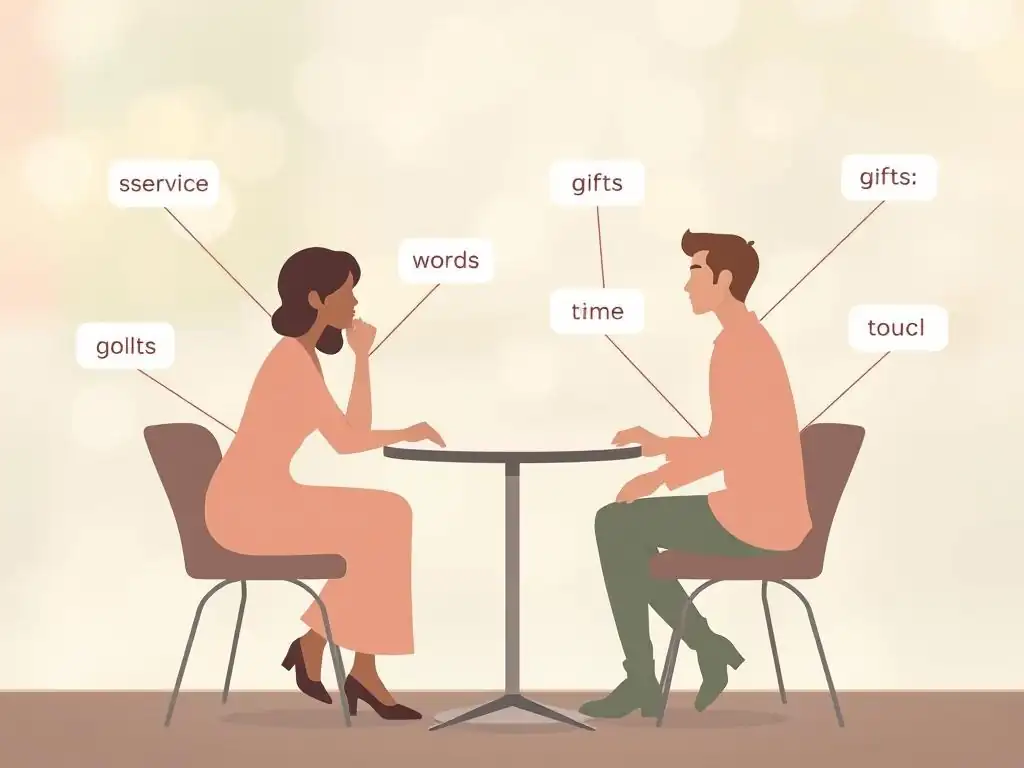
Discovering someone's love language on a first date can significantly improve your chances of building a meaningful connection. It's not about explicitly quizzing your date, but rather subtly weaving the exploration into natural conversation. Remember, the goal is to understand how they best receive and express love, not to label them definitively. This approach fosters genuine connection and avoids feeling like an interrogation.
Successfully integrating this into your first date conversation requires a delicate balance of casual inquiry and attentive observation. The key is to create a relaxed atmosphere where your date feels comfortable sharing personal preferences and experiences. This section provides actionable strategies to achieve this.
Casual Conversation Starters to Gauge Love Languages
Beginning the conversation with lighthearted prompts can open the door to understanding your date's preferences. Instead of directly asking "What's your love language? ", try these casual conversation starters:
- "What's your favorite way to show someone you care?" This broad question allows your date to share actions that resonate with them, potentially hinting at their love language. For example, an answer focusing on acts of service might indicate a preference for that love language. Similarly, emphasis on quality time or gifts could reveal other preferences.
- "What's the most memorable gift you've ever received?" Pay close attention to why the gift was memorable. Was it the thoughtfulness behind it (Acts of Service), the time spent together choosing it (Quality Time), or the symbolic value (Words of Affirmation)? This approach allows for a deeper understanding beyond the surface level.
- "What's your ideal way to unwind after a long week?" This question subtly explores their preferred ways of receiving comfort and affection. A preference for quiet time alone might suggest a need for quality time or words of affirmation, while an emphasis on shared activities could point to quality time or acts of service.
- "What makes you feel truly appreciated?" This is a more direct, yet still gentle, approach. The answer will often provide a clear indicator of their primary love language. For example, "when someone takes the time to listen to me without interrupting" suggests a preference for quality time or words of affirmation.
Remember to listen actively and follow up with relevant questions to delve deeper into their responses. The goal is not to immediately categorize their love language, but to gather meaningful insights into their emotional needs and preferences. This empathetic approach fosters a more genuine and fulfilling connection.
Asking Direct but Subtle Questions About Love and Appreciation
While casual conversation starters are effective, sometimes more direct questions are necessary to gain a clearer understanding. However, it's crucial to maintain a subtle and non-judgmental approach. Avoid phrasing questions in a way that feels like a test or an interview. Instead, integrate them naturally within the flow of conversation.
Here are some examples of subtly probing questions:
- "What are some of the things that make you feel loved and cherished?" This open-ended question allows your date to express their needs and preferences without feeling pressured to conform to specific categories.
- "If you could choose one thing to always have more of in a relationship, what would it be?" This question focuses on their desires, which often align with their love language. More physical touch? Quality time? Words of affirmation?
- "Do you prefer grand gestures or small, thoughtful acts?" This helps determine whether they value grand displays of affection or smaller, more consistent expressions of care. This can reveal a preference for gifts of service, or quality time.
It's important to tailor these questions to the specific context of your conversation and to maintain a relaxed and engaging tone. Remember, the aim is not to label your date but to understand their preferences better. Focus on creating a safe space for open and honest communication. The more comfortable your date feels, the more likely they are to share authentic insights.
Active Listening and Observing Nonverbal Cues
Beyond directly asking questions, pay attention to your date's nonverbal cues and how they respond to your own actions. Active listening involves more than just hearing their words; it's about understanding their emotions and intentions.
- Body Language: Do they lean in when you're talking, indicating engagement and a preference for quality time? Do they maintain consistent eye contact, suggesting a value for words of affirmation? Do they touch your arm frequently, possibly indicating a preference for physical touch?
- Responses: How do they react when you share something personal or vulnerable? Do they offer words of encouragement and support (Words of Affirmation)? Do they offer practical help or solutions (Acts of Service)? Do they ask detailed questions, demonstrating interest in your experiences (Quality Time)?
- Their Questions: What type of questions do they ask? Do they focus on practical matters, indicating a preference for acts of service? Do they delve into your feelings and emotions, indicating an appreciation for words of affirmation? Do they focus on shared experiences and memories, showing a value for quality time?
By combining active listening with careful observation of nonverbal cues, you can gain a much richer understanding of your date's love language, even without explicitly discussing the topic. This holistic approach ensures a more accurate and nuanced understanding of their needs and preferences, fostering a more fulfilling connection. Remember, discovering their love language is a journey, not a destination. The more you understand, the better you can adapt your communication and build a stronger bond.
Examples of First Date Conversations to Discover Love Language
This section provides practical examples of how to subtly incorporate questions into your first date conversation to discover your date's love language. Remember, the goal is not to interrogate, but to naturally weave these inquiries into the flow of conversation. Authenticity is key; forcing the conversation will likely backfire. The best approach is to listen attentively to their responses and observe their body language. Discovering someone's love language is about understanding their emotional needs and how they express and receive love. This knowledge is invaluable for building a strong and healthy relationship.
Scenario 1: The Gift-Giving Love Language
Individuals whose primary love language is Gift-Giving often express affection through thoughtful presents, big or small. They don't necessarily need extravagant gifts; the gesture itself holds significant meaning. To subtly explore this, consider incorporating these conversation starters:
- "What's the most memorable gift you've ever received, and why did it resonate with you so much?" This question allows them to share a personal anecdote and reveal the emotional weight they place on gifts.
- "Do you enjoy giving gifts? What kind of gifts do you typically enjoy giving to loved ones?" This probes their giving habits, revealing whether they express love through this avenue.
- "If you were to give someone a gift to show them you care, what would it be and why?" This hypothetical scenario encourages them to think about how they express affection practically.
Observe their responses carefully. Do they elaborate on the thoughtfulness behind the gift rather than the monetary value? Do they light up when discussing giving gifts? These are key indicators of a gift-giving love language. For instance, a detailed description of a handmade gift, highlighting the effort and intention behind it, strongly suggests this love language.
Scenario 2: The Quality Time Love Language
Those with Quality Time as their primary love language value undivided attention and meaningful shared experiences above all else. Their love tank fills up when they feel truly seen and heard. Here are some conversation prompts to consider:
- "What do you enjoy doing in your free time? Do you prefer solitary activities or spending time with loved ones?" This helps determine their preference for social interaction versus solitude.
- "When you're feeling stressed, what helps you relax and recharge?" This reveals how they prefer to spend their time when needing emotional support.
- "Describe your ideal weekend getaway. What would make it perfect?" This opens the door to discuss shared experiences and preferred ways of spending quality time.
Pay attention to how they describe their ideal scenarios. Do they emphasize uninterrupted time together, meaningful conversations, or shared activities? A detailed description of a quiet evening at home, sharing stories, or a focused activity together, are indicators of this love language. Someone whose ideal weekend involves a busy schedule of activities might express love differently.
Scenario 3: The Words of Affirmation Love Language
Individuals whose love language is Words of Affirmation thrive on verbal expressions of love, appreciation, and encouragement. They feel loved and cherished through kind words, compliments, and positive feedback. Try these conversation starters:
- "What's the nicest thing someone has ever said to you?" This helps understand what kind of affirmation resonates most deeply with them.
- "How do you typically express appreciation to someone?" This reveals if they use verbal affirmations themselves.
- "What kind of compliments do you appreciate the most?" This provides insight into what kind of positive words make them feel valued.
Listen for the emphasis on verbal expressions of love and appreciation. Do they recall specific compliments or encouraging words vividly? Do they talk about how important positive feedback is to them? Someone who dwells on specific positive comments received and actively uses positive language themselves is likely to have words of affirmation as their primary love language. Conversely, someone who shrugs off compliments or doesn't mention positive words might have a different primary love language. Remember, discovering someone's love language takes patience and keen observation.
Scenario 4: The Acts of Service Love Language

Discovering someone's preference for Acts of Service as their primary love language on a first date requires a subtle approach. You don't want to come across as interrogative, but rather, as genuinely interested in getting to know them. Instead of directly asking "Is your love language Acts of Service? ", try weaving the question into the conversation naturally.
One effective strategy is to subtly observe their behavior and actions throughout the date. Do they offer to help you with anything? Do they anticipate your needs before you even articulate them? For example, if you're struggling with a heavy coat, do they offer to take it for you? Small gestures like this can reveal a lot about their inclination towards Acts of Service.
You could also steer the conversation towards past experiences. For instance, you might ask, "What's the most thoughtful thing someone has ever done for you?" Their response might reveal their appreciation for practical gestures and acts of kindness, hinting at a preference for Acts of Service. If they describe a scenario where a helpful deed meant more to them than a grand gesture, this is a strong indicator.
Remember to listen attentively to the details of their stories. Did they appreciate the act itself, or the thought behind the gift? The former suggests a possible Acts of Service love language.
Another approach is to subtly share your own experiences. You could say something like, "I really appreciate it when someone helps me with [task], it shows they care." This opens the door for them to share their own preferences without feeling directly pressured. Pay close attention to their reaction; do they enthusiastically agree, or do they seem less interested in this aspect of showing affection? Their response will provide valuable insight. Remember, the goal is not to label them, but to gain a better understanding of how they experience and express love.
Scenario 5: The Physical Touch Love Language
Identifying a Physical Touch love language on a first date requires sensitivity and respect for personal boundaries. It's crucial to avoid any actions that could be interpreted as inappropriate or pushy. The key is to observe their body language and responses to subtle physical cues.
Start by noticing their comfort level with physical proximity. Do they lean in during the conversation? Do they maintain a comfortable distance, or do they seem to instinctively seek closer contact? These non-verbal cues can offer valuable clues. For example, if they subtly touch your arm while laughing or making a point, it could indicate a preference for physical affection.
You can also subtly introduce physical touch into the conversation. A light touch on the arm during a shared laugh or a gentle hand gesture while making a point can be a way to gauge their reaction. Observe their response closely. Do they reciprocate the touch, or do they seem uncomfortable or withdraw? A positive and reciprocal response suggests a potential preference for Physical Touch.
However, remember that even a positive reaction doesn't guarantee Physical Touch is their primary love language. It's important to respect their personal space and boundaries. Avoid forceful or overly intimate contact. Instead, focus on observing their reactions to subtle physical cues and interpreting their body language in the context of the overall conversation.
A person might enjoy a friendly hug at the end of the date but not be particularly receptive to prolonged physical contact early in the relationship. Pay attention to these nuances to gain a more accurate understanding. Remember, respecting boundaries is paramount when exploring this aspect of someone's personality.
Interpreting Responses and Recognizing Love Language Clues
Discovering someone's love language on a first date requires keen observation and insightful questioning. It's not about directly asking "What's your love language? ", but rather subtly gauging their responses and behaviors to identify underlying preferences. Remember, this is about discovering clues, not definitively labeling someone after a single encounter. The goal is to gain valuable insight into their emotional needs and communication styles, improving your understanding and connection. This can significantly enhance your chances of building a meaningful relationship.
Decoding Body Language and Conversational Style
Observe their nonverbal cues. Do they maintain consistent eye contact, suggesting a words of affirmation leaning? Or do they lean in physically, perhaps indicating a physical touch preference? Someone who frequently uses physical gestures and expressive facial expressions might be more attuned to visual cues, hinting at a acts of service or gifts love language.
Their conversational style also provides valuable insights. Do they focus on shared experiences and collaborative activities? This could suggest a preference for quality time. Conversely, someone who prioritizes practical help and problem-solving might express a acts of service love language.
Analyzing their tone and enthusiasm when discussing various topics can reveal what truly resonates with them. For example, intense excitement when discussing a shared hobby might signal a strong quality time preference. Conversely, a more subdued but deeply thoughtful response to a thoughtful gesture could suggest acts of service or gifts. Remember, these are indicators, not definitive answers.
Understanding Preferences and Priorities Based on Responses
Pay close attention to what aspects of the date they highlight. Do they express gratitude for a thoughtful gesture (like a nice restaurant choice)? This might be a subtle indication of gifts or acts of service. Do they remember small details you shared and bring them up later in the conversation? This could suggest a preference for quality time or words of affirmation.
Conversely, someone who focuses on shared experiences and building connections might show a strong preference for quality time. Their responses to questions about their past relationships can also be revealing. For instance, focusing on positive memories and shared experiences might signal a quality time or words of affirmation preference, while emphasizing practical support and helpful actions could indicate a acts of service preference. Analyzing these responses with an open mind and careful consideration will greatly improve your ability to discover their love language.
Avoiding Misinterpretations and Biases
It's crucial to approach this with empathy and avoid projecting your own love language onto them. Your interpretation should be based on their behavior and responses, not your assumptions. Remember, first dates are about getting to know someone, not making definitive judgments. Avoid jumping to conclusions based on limited information.
Someone might be reserved on a first date, not necessarily reflecting their true love language. Cultural differences can also influence behavior, so consider these factors. For example, someone from a culture that values physical affection might express their love language more openly than someone from a more reserved culture.
This doesn't necessarily mean their love language is different; it simply means their expression of it might vary. Embrace ambiguity and focus on building a genuine connection rather than forcing a love language interpretation. The primary goal is to understand their communication style and emotional needs, which will enhance your interactions and potential future relationship.
Using Love Language Insights to Plan Future Dates

Discovering someone's love language on a first date provides invaluable information for planning future encounters. Instead of generic date ideas, you can tailor experiences that resonate deeply with their emotional preferences, significantly increasing the chances of a successful connection. This strategic approach moves beyond superficial interactions and fosters a genuine understanding of their needs and desires.
Knowing their love language allows you to show them you care, rather than just telling them. This proactive approach makes your efforts more impactful and demonstrates your attentiveness to their personality. For example, understanding their love language can transform a simple coffee date into a deeply meaningful experience.
Tailoring Activities to Their Preferred Love Language
Imagine your first date revealed your potential partner's love language is Acts of Service. A second date involving a simple act of service, like picking them up, preparing their favorite meal, or helping them with a task they've mentioned, would resonate powerfully. This isn't about grand gestures; it's about thoughtful consideration. Conversely, if their love language is Quality Time, your next date should prioritize uninterrupted, focused attention. A quiet dinner, a walk in nature, or attending a concert together – where conversation and connection are paramount – would be ideal.
If their primary love language is Words of Affirmation, plan a date that allows for meaningful conversations and heartfelt compliments. A museum visit followed by a quiet dinner where you can share your thoughts and feelings would be more effective than a bustling, noisy event. Similarly, if Gifts is their preference, a small, thoughtful present related to something you learned about them on the first date would be appreciated.
It's not about the expense; it's about the thoughtfulness. Finally, if Physical Touch is their love language, choose dates that involve physical closeness, such as dancing, or even just a comfortable walk holding hands. Remember, the key is intentionality.
Strengthening the Connection Through Meaningful Interactions
Understanding their love language isn't just about planning dates; it's about shaping your interactions throughout the date. For example, if their love language is Words of Affirmation, sprinkle genuine compliments and positive feedback throughout the evening. Don't be insincere; focus on specific qualities you admire. If their love language is Acts of Service, offer to help with little things, like opening doors or carrying things. These small gestures speak volumes.
For those who value Quality Time, give them your undivided attention. Put away your phone, make eye contact, and actively listen to what they're saying. Show genuine interest in their thoughts and feelings. Those who cherish Physical Touch might appreciate a gentle touch on the arm during conversation or a comforting hug at the end of the date.
For those who appreciate Gifts, a small, symbolic gesture – even a flower picked from a garden – can be incredibly meaningful. The goal is to make them feel seen, heard, understood, and cherished. Remember, consistency is key – showing them you understand their love language should be an ongoing effort.
Building a Stronger Foundation for a Lasting Relationship
Using love languages to inform your dating strategy builds a stronger foundation for a potentially lasting relationship. By demonstrating understanding and catering to their emotional needs, you create a secure and nurturing environment. This approach goes beyond superficial attraction and fosters a deep connection based on mutual respect and appreciation.
This conscious effort to understand and meet their emotional needs significantly improves your chances of building a successful and fulfilling relationship. It shows you're invested in understanding them as a person, not just as a romantic prospect. This thoughtful approach transcends the initial excitement of a new connection and lays the groundwork for a more stable and loving partnership.
The ability to discover and respond to their love language signals emotional intelligence and strengthens the bond between you, leading to a more meaningful and lasting relationship. It's about creating a relationship built on genuine understanding and mutual respect – a foundation far stronger than fleeting attraction.
Beyond the First Date: Maintaining Connection Through Love Languages
Discovering someone's love language on a first date is a fantastic starting point, but it's only the beginning of building a meaningful connection. Understanding how your date best receives and expresses love is crucial for nurturing the relationship beyond that initial meeting. This section explores how to leverage this knowledge to build a stronger, more fulfilling relationship. The key is to move beyond simply identifying their love language and into actively integrating it into your interactions.
Continuing the Conversation About Love Languages
The first date might only offer a glimpse into their preferred love language. Subsequent interactions provide a richer understanding. Don't pressure them for a definitive answer; instead, subtly weave questions into your conversations that reveal their preferences. For example, instead of directly asking "What's your love language?
", you could say, "What's the nicest thing someone has ever done for you?" or "What makes you feel truly appreciated?". Their responses will offer clues. Observe their actions too – do they shower you with gifts (Acts of Service), lavish you with compliments (Words of Affirmation), prioritize quality time together (Quality Time), or perform small acts of kindness (Acts of Service)?
Remember, discovering their love language is an ongoing process, a journey of understanding rather than a single destination. Pay close attention to their reactions to your actions – are they enthusiastic and appreciative, or do they seem indifferent? This feedback is invaluable.
Long-Term Relationship Strategies Based on Love Languages
Once you have a better understanding of their primary love language (and perhaps a secondary one), you can tailor your interactions to foster deeper connection. Consider these strategies:
| Love Language | Long-Term Relationship Strategies | Example |
|---|---|---|
| Words of Affirmation | Regularly express appreciation, offer compliments, and send thoughtful messages. | "I really appreciate you helping me with that project, you're amazing!" |
| Acts of Service | Offer practical help, take initiative, and anticipate their needs. | "I noticed you're swamped, I'll pick up groceries on my way home." |
| Receiving Gifts | Give thoughtful, personalized gifts that show you're paying attention to their interests. | A book by their favorite author, tickets to a concert they'd love. |
| Quality Time | Prioritize undivided attention, schedule regular date nights, and engage in meaningful conversations. | "Let's have a proper dinner date this weekend, just the two of us." |
| Physical Touch | Show affection through hugs, cuddles, holding hands, and other forms of physical intimacy. | A spontaneous hug, a comforting hand on their shoulder during a tough moment. |
Remember, consistency is key. Small, regular gestures tailored to their love language will have a much greater impact than grand, infrequent ones.
The Importance of Consistent Effort and Understanding
Maintaining a strong relationship requires consistent effort and a genuine desire to understand your partner. Discovering their love language is a crucial step, but it's not a magic bullet. Even with this knowledge, misunderstandings can still occur. Open communication is paramount; talk about your needs and preferences, and actively listen to theirs. Be patient and understanding, recognizing that love languages can evolve over time.
Regularly check in with your partner and ask how you can best support them. This ongoing dialogue, coupled with a conscious effort to speak their love language, is the foundation of a lasting and fulfilling relationship. The journey of discovering and understanding love languages is a continuous process of growth and mutual appreciation, leading to a deeper and more meaningful connection. 💝
Frequently Asked Questions
How can I subtly discover someone's love language on a first date?
Instead of directly asking, observe their behavior and listen to their conversation. Do they express affection verbally, through gifts, acts of service, quality time, or physical touch? Focus on listening more than talking.
What if I discover their love language is different from mine on a first date?
This is completely normal! Different love languages don't mean incompatibility. Focus on mutual respect and understanding. Learning about their preferences can enrich your relationship.
Is it too forward to discuss love languages on a first date?
It's generally best to avoid explicitly mentioning "love languages" on a first date. Instead, observe their actions and communication style to infer their preferences more naturally.
How can I use this knowledge to improve my communication on the first date?
By understanding their preferred ways of receiving affection, you can tailor your communication to resonate better. For example, if they appreciate quality time, focus on engaging conversation and undivided attention.
What if the first date doesn't reveal their love language clearly?
Don't worry! Discovering someone's love language is a process that unfolds over time. A first date is just the beginning; subsequent dates will provide further insights into their communication and affection styles.
Final Reflection: Unlocking Connection Through Conversational Clues
Understanding someone's love language on a first date isn't about ticking boxes; it's about building genuine connection. The subtle cues, the shared laughter, the way they listen – these are the building blocks of a potentially meaningful relationship. Ignoring these early signals can lead to misunderstandings and missed opportunities, while actively seeking them out can pave the way for deeper intimacy.
The exploration of love languages has profoundly shifted how we approach relationships, moving beyond superficial interactions to a more nuanced understanding of emotional needs. It's no longer enough to simply say "I love you"; we must actively demonstrate our love in ways that resonate with our partners. This understanding, cultivated even in the initial stages of dating, can prevent future heartache and foster a more fulfilling connection. The best love is the kind that awakens the soul and makes us reach for more, that plants a fire in our hearts and brings peace to our minds.
This quote speaks to the depth of connection we can achieve when we truly understand and appreciate our partner's unique way of receiving love.
Consider this: How have your conversations revealed the love languages of those you've dated? What adjustments have you made, or could you make, to better express your own love language and receive that of others? Take the time to reflect on these questions, and let the insights guide you toward more meaningful and fulfilling relationships. The journey to understanding love languages is a lifelong one, and each first date offers a fresh opportunity to learn and grow.
Unlock Deeper Connections: Speak Their Love Language
Thanks for exploring the world of first-date conversations and discovering the power of love languages! You've gained a valuable tool for building genuine connections. Ready to apply your new knowledge?
- Identify your and your date's love languages: Reflect on your conversation; consider how you both expressed affection (or its absence). This self-awareness will shape future interactions.
- Plan a love language-themed date: Consider a date centered around their love language (e.g., a cozy night in for someone who values Quality Time, a thoughtful gift for someone who appreciates Receiving Gifts).
- Share your experience: Tell us about your discoveries! What did you learn about love languages on your first date?
Have you considered how understanding love languages could transform your next first date?