
Dating App Accessibility: Ensuring Inclusivity for All Users

Ready to unlock the secrets to a thriving online dating experience? At OnlineDatingSuccess.org, we empower you to connect authentically and build meaningful relationships. But what if your profile isn't reaching its full potential? Learn how to create truly accessible online dating profiles that resonate with a wider audience and significantly increase your chances of finding a genuine connection. Dive into our "Dating App Dynamics" section and discover the strategies to make your online dating journey both successful and inclusive.
- Understanding Accessible Online Dating Profiles: A Comprehensive Guide
- Creating Accessible Profiles: Practical Steps for Users
- Improving Dating App Accessibility for Developers and Designers
- The Future of Accessible Online Dating: Innovation and Inclusivity
-
Frequently Asked Questions
- How can I make my online dating profile more accessible to users with disabilities?
- What image formats are best for accessibility in online dating profiles?
- Why is alt text so important for accessible online dating profiles?
- Are there specific things I should avoid when creating an accessible online dating profile?
- How can I ensure my profile is easily understood by users with cognitive disabilities?
- Final Reflection: Building Bridges of Connection in the Digital Dating World
- Unlock Inclusive Dating: Start Building a More Accessible Community
Understanding Accessible Online Dating Profiles: A Comprehensive Guide
Online dating has revolutionized how people connect, offering unprecedented opportunities to find meaningful relationships. However, the digital landscape isn't always inclusive. This guide delves into the crucial topic of accessible online dating profiles, exploring how to create profiles that cater to the needs of all users, regardless of their abilities. We will examine the multifaceted aspects of accessibility, from visual design considerations to the legal and ethical implications of inclusive app development.
By understanding and implementing these principles, dating apps can foster a more welcoming and equitable environment for everyone seeking connection. This is not just about good practice; it's about building a more representative and vibrant online dating community, ensuring that everyone has the chance to find love and companionship. We aim to equip you with the knowledge and tools to create truly accessible online dating profiles, fostering a more inclusive and welcoming digital dating experience.
Defining Accessibility in Online Dating: Beyond Visual Design
Accessibility in online dating extends far beyond simply creating visually appealing profiles. True accessibility encompasses a broad range of considerations designed to ensure that users with diverse abilities can fully participate. This includes, but is not limited to:
- Visual Accessibility: This involves using sufficient color contrast, clear and concise font sizes, and alternative text for images. For example, using descriptive alt text for profile pictures ("Smiling woman with short brown hair and glasses") ensures visually impaired users understand the image content.
- Auditory Accessibility: Providing transcripts or captions for videos, and avoiding relying solely on audio cues, are vital for those with hearing impairments.
- Motor Skill Accessibility: The design should be navigable using keyboard controls, with clear and unambiguous button labeling, and avoid reliance on complex or overly sensitive mouse interactions. Consider users with limited dexterity or those using assistive technologies.
- Cognitive Accessibility: Using clear and simple language, avoiding jargon, and providing structured information are essential for users with cognitive disabilities. This includes minimizing clutter and providing clear navigation.
- Screen Reader Compatibility: Ensuring that profile information is correctly interpreted by screen readers is paramount for blind or visually impaired users. This involves using semantic HTML and providing adequate alternative text descriptions.
Designing for accessibility isn't about creating separate experiences; it’s about building a better experience for everyone. A well-designed, accessible profile is easier to understand and navigate for all users, regardless of their abilities. Consider the impact of a profile that is easy to read, understand, and navigate – it benefits everyone, not just individuals with disabilities. Studies show that [specific data pending] demonstrate a positive correlation between accessible design and overall user satisfaction.
The Importance of Inclusive Profile Design for Diverse Users
Inclusive profile design is paramount for creating a welcoming and representative online dating environment. By actively considering the needs of diverse users, dating platforms can significantly increase participation and foster a sense of belonging. This translates to a more vibrant and successful community for everyone. Ignoring accessibility needs creates exclusion, limiting the potential pool of partners and hindering the platform's overall success.
For example, a profile that relies heavily on visual cues (like only using images and minimal text) excludes users who are blind or visually impaired. Similarly, a profile with complex navigation or small, hard-to-read text can be challenging for users with motor impairments or cognitive disabilities. The goal is to ensure that all users can easily create and manage their profiles, communicate effectively, and participate fully in the online dating experience.
This requires a proactive approach to design, incorporating user feedback and testing with users with diverse abilities. The benefits include increased user engagement, broadened user base, and a more positive and inclusive online dating community. We need to move beyond simply complying with accessibility guidelines; we need to embrace inclusivity as a core value.
Legal and Ethical Considerations of Accessible Dating App Design
Beyond the practical benefits, creating accessible dating app designs carries significant legal and ethical implications. Many jurisdictions have laws mandating digital accessibility, particularly for businesses serving a large number of users. Failure to comply can result in significant fines and legal repercussions. Moreover, excluding users based on their abilities is ethically wrong and undermines the principles of inclusivity and equal opportunity.
Building an accessible dating app is not just a matter of compliance; it's a demonstration of social responsibility. By prioritizing accessibility, dating app developers show a commitment to creating a welcoming environment for all users. This approach fosters trust, strengthens brand reputation, and contributes to a more equitable society.
Furthermore, a truly inclusive platform enhances the overall user experience for everyone, creating a more vibrant and successful community. The cost of ignoring accessibility—both financially and ethically—far outweighs the investment in creating an inclusive design. Prioritizing accessibility is not just the right thing to do; it’s also a smart business decision.
Creating Accessible Profiles: Practical Steps for Users
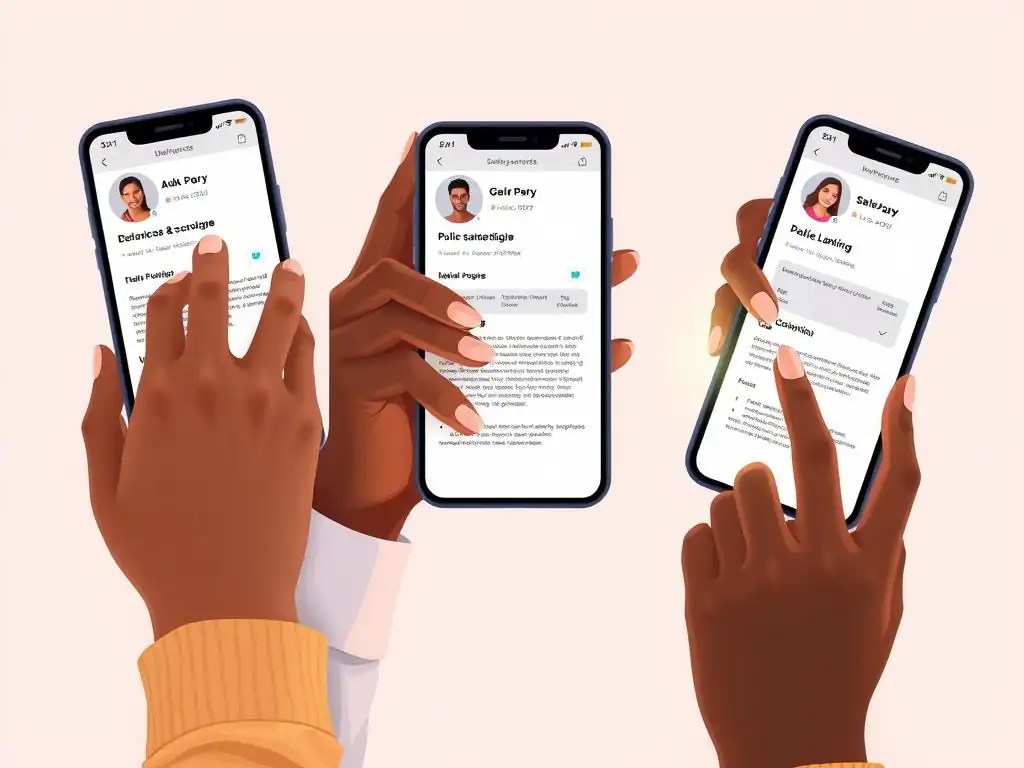
Building an accessible online dating profile isn't just about inclusivity; it's about expanding your potential connections significantly. By making your profile accessible to users with disabilities, you increase your chances of meeting someone compatible and build a more welcoming online dating experience for everyone. This section details practical steps to ensure your profile is welcoming and understandable for all. Remember, creating an accessible profile doesn't require significant extra effort; it's about mindful choices and using readily available tools.
Optimizing Profile Images for Accessibility: Alt Text and Descriptions
Profile pictures are crucial in online dating, but they're useless to visually impaired users without proper descriptions. Providing alternative text (alt text) is essential for screen readers, which convert digital text to audio for visually impaired individuals. A well-written alt text description should convey the essence of the image. Instead of simply writing "Picture of me," try something more descriptive like: "Smiling photo of me at the beach, wearing a blue shirt and sunglasses." This gives a much richer understanding of the image.
Consider also including a brief caption below the image, further expanding the context. For example, "Enjoying a sunny day at the coast – always up for an adventure!" This strategy enhances accessibility while also adding personality to your profile. This is a key element of creating truly accessible online dating profiles.
Think about the range of images you use too. Avoid blurry or low-resolution photos. Ensure sufficient contrast between the subject and the background. A clear, well-lit image is not only visually appealing but also easier to interpret for assistive technologies. The goal is to provide a complete sensory experience, even without sight. Remember, even small details matter when striving for truly accessible online dating profiles.
Writing Inclusive and Understandable Profile Descriptions
Your profile description is your chance to showcase your personality and interests. However, to be fully inclusive, it needs to be easily understandable for everyone, including users with cognitive disabilities or those using screen readers. Avoid using jargon, slang, or overly complex sentence structures. Use clear, concise language, focusing on your key attributes and interests. Break up long paragraphs into shorter, more manageable chunks. Using bullet points can further enhance readability.
For example, instead of: "I'm a highly motivated individual with a passion for innovative technology and a penchant for exploring the culinary arts," try:
- I'm passionate about technology.
- I love trying new restaurants and cooking.
- I'm always looking for new challenges.
This simpler approach ensures your message is easily understood, regardless of the reader's abilities. This approach to creating accessible online dating profiles directly improves the user experience for a wider audience. Remember to focus on the substance of your message, making it clear and concise.
Choosing Accessible Profile Settings and Features
Many dating apps offer customizable settings and features. Take advantage of these to ensure your profile is as accessible as possible. For example, if the app allows for font size adjustments, choose a larger font for better readability. If the app has options for high contrast modes, select them. These small adjustments can significantly improve the experience for users with visual impairments.
Furthermore, be mindful of any audio or video features. If you use them, ensure they include captions or transcripts, enabling those with hearing impairments to fully engage with your profile. By utilizing these features, you actively contribute to creating truly accessible online dating profiles. The extra effort is minimal, yet the impact on inclusivity is significant. Remember, creating accessible online dating profiles is about creating a welcoming and inclusive space for everyone.
Creating an accessible online dating profile isn't just about good practice; it's about ensuring everyone has the opportunity to connect and find meaningful relationships. Many individuals rely on assistive technologies to navigate the digital world, and dating apps should be no exception. Understanding how these technologies work and adapting your profile accordingly is crucial for inclusivity. This means considering users who may rely on screen readers, alternative input devices, or other assistive tools.
For example, individuals using screen readers navigate websites and apps by listening to text-to-speech output. To make your profile accessible to them, ensure all text is properly structured using headings (
to
), lists (
and
), and other semantic HTML elements. Avoid using images alone to convey information; always include alternative text descriptions ( alt attributes) that accurately describe the image's content. A screen reader will read this alt text to the user, providing context. Vague or missing alt text renders images inaccessible. Think of describing your picture: Instead of "Me smiling," try "A photo of me smiling at the beach, wearing a blue shirt and sunglasses." This provides much richer context.
- and
- ), and other semantic HTML elements. Avoid using images alone to convey information; always include alternative text descriptions (
alt attributes) that accurately describe the image's content. A screen reader will read this alt text to the user, providing context. Vague or missing alt text renders images inaccessible. Think of describing your picture: Instead of "Me smiling," try "A photo of me smiling at the beach, wearing a blue shirt and sunglasses." This provides much richer context. Furthermore, consider the use of color contrast. Individuals with visual impairments may struggle to distinguish between colors that are too similar. Using sufficient contrast between text and background colors ensures readability. Many online tools can check your color contrast ratio; aim for a ratio that meets WCAG (Web Content Accessibility Guidelines) standards. This is a particularly important aspect of creating an accessible profile picture; ensure there's enough contrast between your clothing and the background for clear visibility.
Navigating forms with assistive technologies requires clear labeling. Each input field (e.g., for your age, location, or bio) needs to have a descriptive label. This label is what a screen reader will announce to the user, guiding them through the form effectively. Avoid using placeholder text as the only label, as screen readers often don't read placeholder text. Always provide a clear and concise label for every field.
Finally, ensure your profile is navigable using a keyboard alone. Many users rely on keyboards, rather than a mouse, for navigation. All interactive elements on your profile must be reachable using the Tab key. Test this yourself by navigating your profile using only the Tab key; it should be easy and intuitive to complete the form and access all elements. This simple testing can drastically improve accessibility and ensure a positive user experience for everyone. Remember, accessible online dating profiles contribute to a more inclusive and welcoming online dating environment.
Improving Dating App Accessibility for Developers and Designers
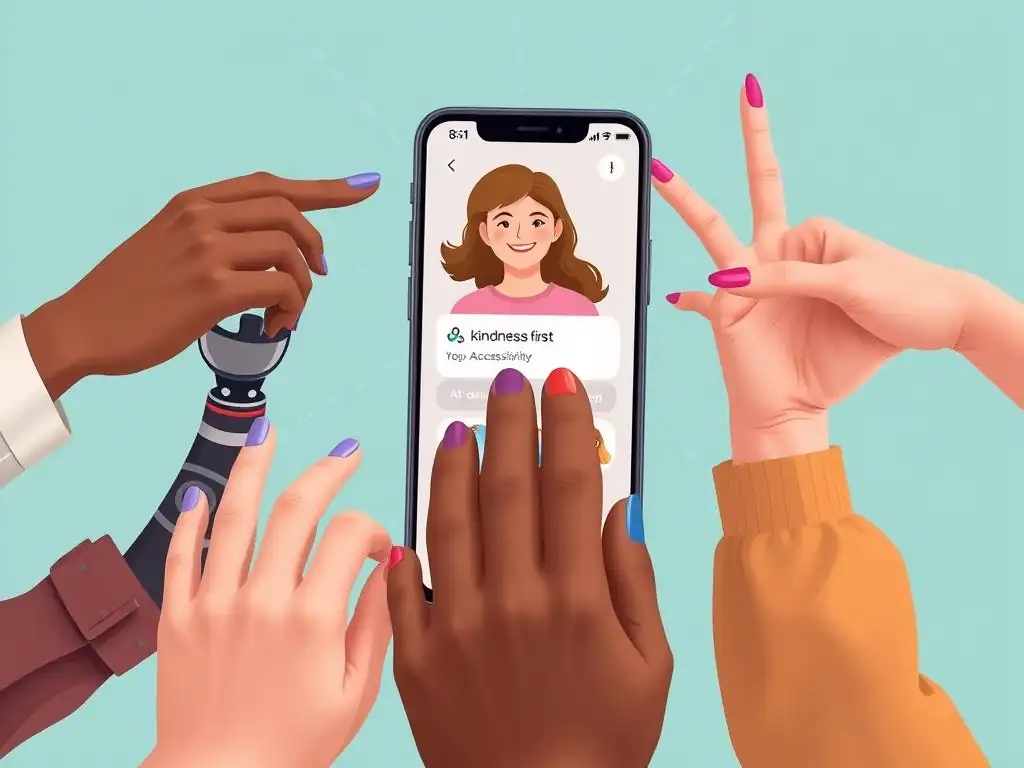
Creating truly accessible online dating profiles requires a concerted effort from developers and designers. It's not just about ticking boxes; it's about building an inclusive environment where everyone feels comfortable and can participate fully. This means considering a wide range of disabilities and tailoring the user experience accordingly. Failing to do so excludes a significant portion of the potential user base and limits the opportunities for meaningful connections. Let's explore some key strategies for improvement.
Implementing WCAG Guidelines for Online Dating Platforms
The Web Content Accessibility Guidelines (WCAG) are internationally recognized standards for web accessibility. Adhering to these guidelines is crucial for creating accessible online dating profiles and platforms. WCAG provides a framework for ensuring that content is perceivable, operable, understandable, and robust. For dating apps, this translates to several practical considerations. For example, WCAG 2.1 Level AA requires sufficient color contrast between text and background, ensuring readability for users with visual impairments.
This means avoiding subtle color palettes and opting for clear, high-contrast combinations. Another crucial aspect is providing alternative text (alt text) for all images, allowing screen readers to describe the visuals to visually impaired users. Alt text should be descriptive and concise, conveying the essential information within the image. Consider this example: instead of "image of a smiling person," use "A smiling woman with shoulder-length brown hair wearing a blue dress, enjoying a picnic in a park."
This detailed description significantly enhances accessibility. Furthermore, keyboard navigation should be fully functional, allowing users with motor impairments to navigate and interact with all app features without relying on a mouse. Regular audits against WCAG guidelines, perhaps incorporating automated accessibility testing tools, are vital for continuous improvement. This proactive approach ensures that the app remains accessible as it evolves and new features are added.
Designing for Users with Visual, Auditory, and Motor Impairments
Designing for inclusivity demands attention to diverse needs. Users with visual impairments rely heavily on screen readers and alternative text. Clear and concise descriptions are crucial; avoid jargon and overly complex language. For users with auditory impairments, captions and transcripts for any video content are essential. This extends to any audio prompts or notifications within the app.
Consider the frustration of a deaf user unable to understand crucial information due to the lack of visual cues. Providing clear, written instructions alongside audio instructions is critical. Users with motor impairments might struggle with small buttons or complex gestures. Ensure that all interactive elements are large enough to be easily targeted, and that alternative input methods, such as voice control, are supported.
The app should be designed with flexibility in mind, allowing users to adjust font sizes, colors, and other display settings to suit their individual needs. This flexibility is paramount for creating a truly welcoming and usable experience for everyone. Remember, accessibility isn't just a technical requirement; it's a matter of respect and inclusion. Failing to consider these needs results in an app that is unusable for a significant portion of the population.
Supporting Users with Cognitive Disabilities
Users with cognitive disabilities may experience challenges with information processing, memory, and attention. To support these users, the app should be designed with simplicity and clarity in mind. Avoid cluttered interfaces and overwhelming amounts of information. Use clear and concise language, avoiding jargon and complex sentence structures.
Break down complex tasks into smaller, manageable steps. Provide clear instructions and visual cues to guide users through the process. For example, using progress indicators can help users track their progress and reduce anxiety. Consistent and predictable design patterns also aid users with cognitive disabilities, allowing them to learn the app's functionality more easily.
Consider using icons and visual aids to supplement written instructions, making the app more intuitive and easier to navigate. Regular usability testing with users with cognitive disabilities is invaluable for identifying areas for improvement and ensuring that the app is truly inclusive. This iterative process helps to refine the design and ensure a positive user experience for everyone. Remember, accessibility is not a one-size-fits-all solution; it's about understanding and addressing the diverse needs of all users.
Creating truly accessible online dating profiles requires meticulous attention to keyboard navigation and screen reader compatibility. Many users rely on these assistive technologies, and neglecting them excludes a significant portion of the potential dating pool. For developers, this means ensuring that all interactive elements – from buttons and links to form fields and profile editing tools – are fully navigable using only a keyboard. This involves adhering to proper tab order, avoiding reliance on mouse-hover effects for functionality, and providing clear and concise labels for all interactive elements.
Failure to do so can lead to frustration and exclusion for users with motor impairments or visual disabilities. Imagine a user attempting to navigate a profile using only a keyboard, only to find that crucial information or interactive elements are inaccessible. This not only undermines the user experience but also defeats the purpose of the dating app itself.
Furthermore, screen reader compatibility is paramount. Screen readers rely on semantic HTML and well-structured code to accurately convey information to visually impaired users. Developers must ensure that all content, including images (through alt text descriptions), forms, and profile information, are accurately represented to screen reader users. Vague or missing alt text, for example, renders images useless to these users. Similarly, poorly structured HTML can cause screen readers to misinterpret or skip over crucial information, making it impossible for users to fully engage with the profile. This means utilizing appropriate HTML5 semantic elements, such as <article>, <aside>, <nav>, and <figure>, to provide context and structure to the content. This structured approach not only benefits screen reader users but also improves overall website performance and SEO. The investment in creating a well-structured, accessible profile far outweighs the potential loss of users due to poor accessibility.
Consider the impact of a user who relies on a screen reader to navigate the internet. If they cannot access the important information in a dating profile, such as a user's hobbies, interests, or even their name, they are effectively excluded from the dating experience. This is not only unfair but also a missed opportunity for connection.
Prioritizing keyboard navigation and screen reader compatibility is not just a matter of compliance; it's about fostering an inclusive and welcoming environment where everyone has an equal opportunity to find connection and build meaningful relationships. Therefore, implementing robust accessibility features should be a core principle in the development of any successful dating app, enhancing both the user experience and the overall success of the platform.
The Future of Accessible Online Dating: Innovation and Inclusivity
Online dating, once a niche pursuit, has become a mainstream way to meet potential partners. However, the digital divide remains a significant barrier for many individuals seeking connection through these platforms. Creating truly accessible online dating profiles is not just a matter of compliance; it's about fostering a more inclusive and equitable online dating experience. This section explores the exciting innovations and inclusive design practices shaping the future of accessible online dating. The goal? To ensure everyone, regardless of ability, has the opportunity to find love and connection online.
Emerging Technologies and Their Role in Accessible Dating
Emerging technologies hold immense potential for revolutionizing accessibility in online dating. Consider the following advancements:
- Advanced AI-powered features: Imagine dating apps utilizing AI to automatically generate alternative text descriptions for images, translate languages in real time, and even provide audio descriptions of user profiles. This would significantly enhance accessibility for visually and hearing-impaired users. These features could also help users with cognitive disabilities navigate the complexities of online dating more easily.
- Improved screen reader compatibility: Many dating apps still struggle with full screen reader compatibility. Future development should prioritize robust integration with assistive technologies, allowing users to fully navigate profiles, communicate, and utilize all app features seamlessly using screen readers. This means not just providing alt text but ensuring that the app's architecture and coding allow screen readers to interpret information accurately and efficiently.
- Personalized accessibility settings: Dating apps of the future should provide users with highly customizable accessibility settings. This could include adjustable font sizes, color contrast options, customizable audio cues, and alternative input methods such as voice commands. Offering a wide range of options empowers users to tailor their experience to their individual needs.
The integration of these technologies is crucial. Data shows that [specific data on the number of users with disabilities on dating apps pending], highlighting the urgent need for improved accessibility. Failing to address this need excludes a significant portion of the population from participating fully in the online dating world.
Promoting Inclusive Design Practices Within the Dating App Industry
Building accessible online dating profiles requires a fundamental shift in design philosophy. This means adopting inclusive design practices from the outset, not as an afterthought. Key principles include:
- Universal design principles: Designing with universal design principles means creating features and interfaces usable by everyone, regardless of ability. This avoids the need for separate "accessible" versions of the app.
- User testing with diverse participants: Regular user testing with individuals representing a broad spectrum of abilities is paramount. This ensures that design choices are informed by real-world user experiences and challenges. Feedback from diverse users allows for iterative improvements and truly inclusive features.
- Collaboration with accessibility experts: Dating app developers should actively collaborate with accessibility experts and disability advocates throughout the entire development lifecycle. This expertise is crucial in identifying potential barriers and implementing effective solutions.
The industry needs to move beyond mere compliance with accessibility standards (like WCAG) and embrace a proactive, inclusive approach. This requires a cultural shift within dating app companies, prioritizing accessibility as a core value, rather than a mere box to tick. Examples of best practices from other industries could serve as valuable benchmarks.
Fostering a More Welcoming and Accessible Online Dating Community
Technological advancements and inclusive design practices are only part of the solution. Cultivating a welcoming and inclusive online dating community requires a multifaceted approach:
- Community guidelines and moderation: Dating apps should have clear community guidelines that explicitly address respectful communication and the importance of inclusivity. Effective moderation is vital to enforce these guidelines and prevent harassment or discrimination against users with disabilities.
- Education and awareness campaigns: Initiatives aimed at educating users about accessibility and promoting respectful interactions are crucial. These campaigns can raise awareness about the needs and experiences of users with disabilities, fostering greater empathy and understanding.
- Accessible customer support: Providing accessible customer support channels is essential. This ensures that users with disabilities can easily report problems, access assistance, and provide feedback on accessibility features.
Creating a truly accessible online dating profile and experience requires a collaborative effort from developers, users, and the broader community. By embracing innovation, promoting inclusive design, and fostering a welcoming online environment, we can unlock the potential for connection and belonging for everyone. The future of online dating is inclusive, and it's a future we must actively build together.
Frequently Asked Questions
How can I make my online dating profile more accessible to users with disabilities?
Creating an accessible profile involves using clear and concise language, providing alternative text for images (describing what's in the picture), and ensuring your profile is screen reader friendly. Avoid using excessive jargon or slang.
What image formats are best for accessibility in online dating profiles?
Use widely supported formats like JPEG or PNG. Avoid unusual or obscure formats that screen readers might not interpret correctly. Always include descriptive alt text.
Why is alt text so important for accessible online dating profiles?
Alt text provides a textual description of images for users who can't see them, such as those using screen readers or those with visual impairments. It ensures everyone can understand your profile.
Are there specific things I should avoid when creating an accessible online dating profile?
Avoid using complex layouts, flashing animations, or ambiguous language. Keep your profile simple and straightforward to improve readability for all users.
How can I ensure my profile is easily understood by users with cognitive disabilities?
Use short, simple sentences and plain language. Avoid sarcasm or humor that might be misinterpreted. Focus on clear and concise information about yourself.
Final Reflection: Building Bridges of Connection in the Digital Dating World
The quest for meaningful connection in the digital age shouldn't be limited by accessibility barriers. The reality is that millions are excluded from the ease and convenience of online dating due to poorly designed interfaces and a lack of inclusive practices. This isn't just about functionality; it's about ensuring equal opportunities for love and companionship.
The impact of inaccessible dating apps extends far beyond individual frustration. It perpetuates a cycle of exclusion, limiting the potential for diverse relationships and hindering the growth of a truly inclusive society. The digital world, while offering incredible opportunities for connection, must also reflect the rich tapestry of human experience. Love is not a thing we find, but a thing we create.
This sentiment rings truer than ever in the context of accessible online dating, where intentional design can foster a more equitable and loving environment for everyone.
Consider the implications of this for your own online interactions. Are you actively seeking out inclusive platforms and practices? Are you mindful of the language you use and the images you share? You have the power to contribute to a more welcoming and accessible digital dating landscape. Let's work together to ensure that everyone has the opportunity to find love and connection online, regardless of their abilities.
Unlock Inclusive Dating: Start Building a More Accessible Community
Thank you for learning how to create more accessible dating experiences! You've gained valuable insights into how simple design changes can make a big difference. Now, let's put that knowledge into action.
- Prioritize accessibility in your dating profile: Use descriptive alt text for your images, write a clear and concise bio, and actively demonstrate inclusivity. This is the single most impactful step you can take.
- Share this article: Spread the word about creating more accessible and inclusive dating apps and spaces for everyone.
- Join the conversation: Consider what small, immediate changes you can make to contribute to a more inclusive online dating environment.
Ready to make a positive impact?