
Rebuilding Your Life: Finding Connection Through Dating After Widowhood in Your 40s+

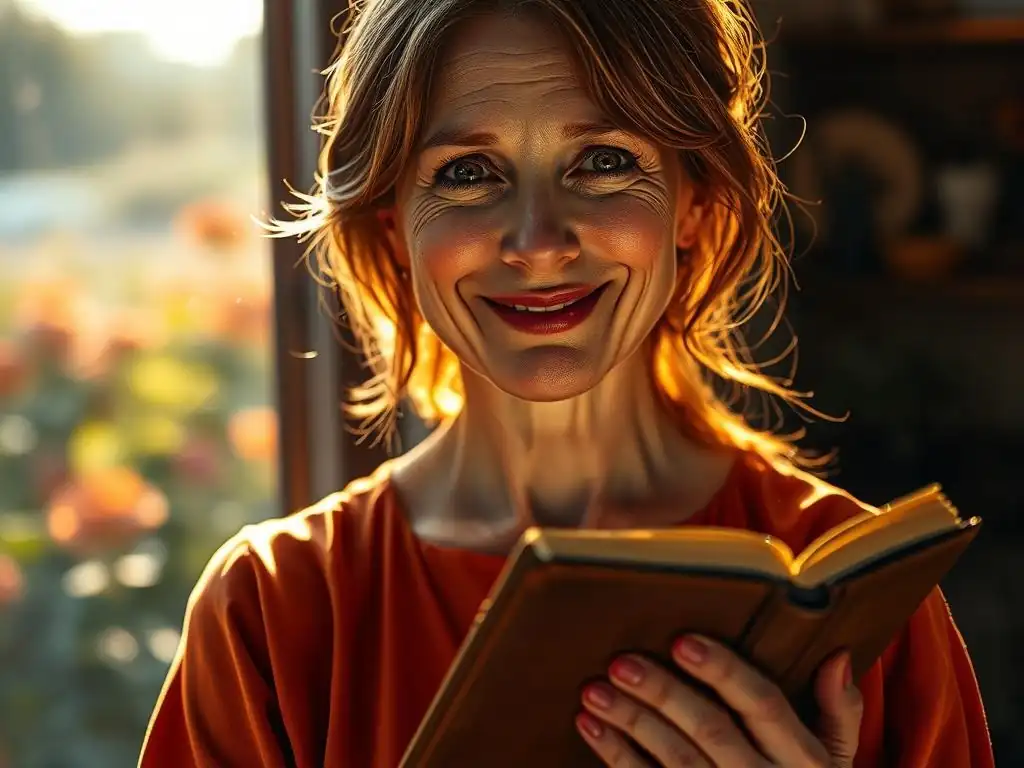
Ready to rewrite your love story? At OnlineDatingSuccess.org, we understand the unique challenges and incredible opportunities that come with navigating the world of online dating. This journey is especially significant for those rebuilding their lives after widowhood, and our expert advice is tailored to help you find connection and build meaningful relationships. Discover the secrets to crafting a compelling profile and fostering authentic communication as you explore dating after widowhood in your 40s+. Let's embark on this exciting chapter together—read on to learn how to navigate this new path with confidence and grace.
- Navigating Dating After Widowhood in Your 40s+
- Creating a Successful Online Dating Profile After Widowhood
- Communicating Effectively on Dating Apps and Websites
- Safety First: Protecting Yourself While Dating Online
- Building Meaningful Connections: Moving Towards a New Relationship
- Finding Support and Resources: Connecting with Others
-
Frequently Asked Questions
- How do I navigate dating again after the loss of my spouse?
- What should I mention about my late spouse in my dating profile?
- How can I address the concerns of potential partners about my past?
- What are some tips for dating in my 40s+ after widowhood?
- Where can I find support while navigating dating after widowhood?
- Final Reflection: Reclaiming Joy: Love, Loss, and the Courage to Connect
- Rediscover Connection: Your Next Chapter Starts Now
Dating after the loss of a spouse is a deeply personal journey, especially when entering it in your 40s or beyond. This stage of life often presents unique challenges, blending the emotional complexities of grief with the desire for companionship and connection. This article provides a compassionate and practical guide for women navigating the world of online dating after widowhood, offering strategies to manage grief, rebuild self-esteem, and create a fulfilling dating experience.
We understand that this is a sensitive topic, and we aim to offer support and guidance every step of the way. Re-entering the dating scene after a significant loss requires courage, self-awareness, and a willingness to embrace the unknown.
We will explore the emotional hurdles, practical considerations, and strategies for building a positive and successful dating experience after widowhood, focusing specifically on the unique experiences of women in their 40s and beyond. The goal is not just to find a partner, but to find genuine connection and build a meaningful life after loss.
The Emotional Landscape of Dating After Loss
The emotional terrain of dating after widowhood is complex and multifaceted. It's not simply a matter of "getting back out there." Many women in their 40s+ experience a range of emotions, including:
- Grief: The pain of loss can linger, manifesting in unexpected ways. You might find yourself comparing potential partners to your late spouse, experiencing waves of sadness, or struggling with feelings of guilt. This is perfectly normal and requires patience and self-compassion.
- Fear: Fear of vulnerability, rejection, or even finding someone "good enough" is common. This fear stems from a place of deep hurt and the understandable apprehension of reopening your heart.
- Guilt: Some individuals grapple with guilt for moving on, feeling disloyal to their deceased spouse. It's vital to remember that finding love again doesn't diminish the love you shared.
- Self-Doubt: Loss can erode self-esteem. You might question your attractiveness, desirability, or ability to form a new relationship. Rebuilding confidence is a crucial step in successful dating.
It's crucial to acknowledge and validate these feelings. Allow yourself time to grieve, seek support from friends, family, or a therapist, and remember that healing takes time. There's no timeline for moving on, and prioritizing your emotional well-being is paramount. Journaling, mindfulness practices, and connecting with support groups can provide invaluable tools for navigating these complex emotions. Remember that you are not alone in this journey, and seeking professional help is a sign of strength, not weakness.
Addressing Grief and Self-Doubt in Online Dating
Online dating can feel daunting after widowhood, especially when grappling with grief and self-doubt. However, it offers a unique opportunity to connect with others at your own pace and on your own terms. Here are some strategies to navigate this space:
- Craft a compassionate and authentic profile: Highlight your strengths, interests, and what you're looking for in a partner. Don't be afraid to mention your past, but focus on your present and future. Choose photos that reflect your current self and personality. Avoid overly somber or overly cheerful photos; aim for something genuine and reflective of your personality.
- Start slowly: Don't feel pressured to jump into intense relationships immediately. Begin with casual conversations, getting to know people gradually. Remember that building trust and connection takes time.
- Be honest about your feelings: Open communication is key. If you feel comfortable, you can mention your widowhood in your profile or during early conversations. This allows potential partners to understand your journey and show empathy. However, it's also acceptable to wait until you feel more comfortable sharing.
- Set boundaries: Protect your emotional well-being by setting clear boundaries. Don't rush into anything you're not ready for. Remember, you deserve respect and consideration.
- Focus on self-care: Prioritize activities that nourish your mind, body, and soul. This will help you build resilience and confidence, making you more prepared for healthy relationships.
Remember, online dating is a numbers game. Not every connection will be a perfect match, and that's okay. Focus on finding people who appreciate you for who you are and understand your journey. Be patient with yourself and celebrate small victories along the way.
Redefining Yourself: Identity and Self-Esteem After Widowhood
Rebuilding your identity and self-esteem after widowhood is a crucial step in successful dating. The loss of a spouse can profoundly impact your sense of self, leaving you feeling lost or incomplete. Here's how to reclaim your identity and build confidence:
- Explore your passions: Rediscover old hobbies or explore new ones. This helps you reconnect with yourself and discover new aspects of your personality. This could be anything from painting and yoga to volunteering or joining a book club.
- Set new goals: Having goals gives you a sense of purpose and direction. This could be anything from professional development to personal growth.
- Nurture your friendships: Spend time with supportive friends and family. Their love and companionship can provide a strong foundation for your emotional well-being. Lean on your support system, and don't hesitate to reach out to them when you need it.
- Practice self-compassion: Be kind to yourself. Healing takes time, and there will be ups and downs along the way. Treat yourself with the same patience and understanding you would offer a dear friend.
- Consider professional support: A therapist can provide guidance and support as you navigate the emotional complexities of grief and rebuild your self-esteem. Therapy can help you process your feelings, build coping mechanisms, and gain valuable insights into your journey.
Redefining yourself after widowhood is a journey of self-discovery and growth. Embrace the process, celebrate your strengths, and remember that you are worthy of love and happiness. Your story is unique and valuable, and your future is full of possibilities. Dating after widowhood can be a challenging yet rewarding experience, leading to new connections and a fulfilling life.
Creating a Successful Online Dating Profile After Widowhood
This section focuses on crafting a compelling online dating profile that accurately reflects your life and attracts compatible partners after widowhood in your 40s+. Remember, your profile is your first impression – make it count! Successfully navigating dating after widowhood in your 40s+ requires a thoughtful and strategic approach to your online presence.
Honesty and Authenticity in Your Dating Profile: Sharing Your Story
Honesty is paramount when creating your profile. While you don't need to dwell on your grief, acknowledging your widowhood with grace and sensitivity can attract empathetic partners who understand your journey. Avoid clichés like "looking for my soulmate" – instead, focus on what you genuinely seek in a relationship. For example, instead of saying "I'm looking for someone special," try something like "I'm seeking a kind and supportive partner to share adventures and quiet evenings with."
Consider including a brief, positive mention of your late spouse. For example, you might write: "My late husband, [Spouse's Name], taught me the importance of [positive quality]. I carry that lesson with me, and I'm now ready to share my life with someone new who appreciates [similar quality]." This demonstrates emotional maturity and allows potential partners to understand a significant part of your past without dwelling on sadness.
Remember, your story is unique, and showcasing your resilience will be attractive to many. Authenticity shines through and makes you more relatable to others navigating similar experiences. Don't be afraid to be vulnerable; it's a strength, not a weakness. Sharing your story in a genuine way will resonate with those who truly appreciate your journey.
Highlighting Your Strengths and Interests: Attracting the Right Partner
Your profile should showcase your personality, interests, and values. What makes you unique? Think beyond hobbies; consider your values, passions, and what brings you joy. Do you enjoy hiking, cooking, volunteering, or attending cultural events? Describe these activities with vivid details. Instead of simply stating "I like to travel," say, "I'm passionate about exploring new cultures and recently returned from an amazing trip to [Location], where I [Describe a specific experience]." This provides concrete examples that potential matches can relate to.
Use keywords strategically. While "dating after widowhood 40s+" is your target keyword, incorporate related terms naturally. For instance, instead of writing "I'm looking for a serious relationship," you might say, "I'm seeking a committed, long-term partnership with someone who shares my values and enjoys [mention specific activities]." This approach subtly incorporates relevant keywords while maintaining a natural tone. Remember to focus on what you offer, not what you're "looking for." Highlight your positive qualities and the kind of relationship you want to cultivate. This positive and proactive approach will attract compatible partners.
Photos That Reflect Your Current Life: Choosing Images for Online Dating
Your photos are crucial. Choose recent, high-quality images that accurately represent your current appearance and lifestyle. Include a variety of photos that showcase your interests and personality. A solo shot, a photo with friends (showing you're social), and a picture depicting a hobby are all excellent choices. Avoid blurry or outdated photos. Ensure your photos are well-lit and show you smiling and looking your best. Remember, first impressions are visual. A flattering and authentic representation of yourself is essential for attracting potential matches.
Consider the message each photo conveys. A photo of you hiking in the mountains shows you're active and outdoorsy; a picture with friends at a local event suggests you're sociable and enjoy community involvement. Avoid using overly filtered or heavily edited images; aim for natural and unposed photos that capture your personality. Consider asking a friend to help you choose and review your photos.
A fresh perspective can make a significant difference. Remember, you are presenting your best self in a positive and approachable way – your photos should reflect this. The goal is to present a genuine and attractive image to potential partners.
Communicating Effectively on Dating Apps and Websites

Dating after widowhood in your 40s+ presents unique challenges, but effective communication can significantly improve your experience. This section focuses on strategies to navigate the digital dating landscape with confidence and respect, while prioritizing your emotional well-being. Remember, you deserve to be treated with kindness and consideration.
Initiating Conversations with Confidence and Respect
Starting a conversation can feel daunting, especially after a period of grief. However, approaching potential matches with authenticity and respect can yield positive results. Avoid generic opening lines; instead, personalize your message based on their profile. Notice details like their hobbies, interests, or travel experiences. For example, instead of "Hey beautiful," try something like, "Your photos from hiking in Yosemite are amazing! I've always wanted to go there. What was your favorite part of the trip?" This shows genuine interest and provides a natural conversation starter.
Remember to be patient and understanding. Not everyone will respond, and that's okay. Focus on connecting with individuals who demonstrate genuine interest in getting to know you. It’s a numbers game, but quality over quantity is key when dating after widowhood in your 40s+. Don't be afraid to be yourself, showcasing your personality, humor, and values. Authenticity is attractive! Consider using emojis sparingly to add a touch of personality, but avoid overuse. A simple 😊 can convey warmth without being overwhelming.
Setting Boundaries and Protecting Your Emotional Well-being
Protecting your emotional well-being is paramount when dating after widowhood. Establishing clear boundaries from the outset is crucial. This might involve specifying your expectations regarding communication frequency, the pace of the relationship, or physical intimacy. For instance, you might state, "I'm looking for a meaningful connection, but I need time to build trust before becoming physically intimate." Communicating your boundaries directly and respectfully empowers you and prevents potential misunderstandings.
It's perfectly acceptable to decline dates or end conversations if you feel uncomfortable or unsafe. Trust your instincts. If someone is pressuring you or making you feel uneasy, don't hesitate to remove them from your contacts and block their number. Remember, you are in control of your dating experience. Prioritizing your emotional well-being is not selfish; it’s essential. Consider taking breaks from dating apps if you feel overwhelmed. Self-care is key to navigating this journey successfully. Dating after widowhood 40s+ is a marathon, not a sprint.
Identifying Red Flags and Avoiding Harmful Relationships
Recognizing red flags is vital in protecting yourself from harmful relationships. These can manifest in various ways, including controlling behavior, excessive jealousy, disrespect, or a lack of empathy. For example, if someone consistently criticizes your friends or family, dismisses your feelings, or isolates you from your support network, these are significant red flags. Similarly, watch out for inconsistencies in their stories or a reluctance to share personal information. Remember, healthy relationships are built on mutual respect, trust, and open communication.
Pay attention to how you feel during interactions. Do you feel drained, anxious, or constantly walking on eggshells? These are indicators that something might be amiss. Trust your intuition; it's often accurate. If you notice these red flags, don't hesitate to end the interaction. Your safety and well-being are paramount. Remember, finding a healthy and fulfilling relationship after widowhood takes time and patience. Don't settle for less than you deserve. Dating after widowhood 40s+ is about finding someone who values and respects you for who you are.
Safety First: Protecting Yourself While Dating Online
Dating after widowhood, especially in your 40s and beyond, can be an exciting but also potentially vulnerable experience. Prioritizing your safety is paramount. This section provides practical advice on navigating the online dating world securely and confidently. Remember, your well-being is the top priority. Taking proactive steps to protect yourself can significantly reduce risks and empower you to enjoy the dating process. The emotional toll of widowhood is already significant; avoid adding unnecessary stress or danger.
Safe Dating Practices: Meeting in Public Places, Sharing Your Location
The first few dates are crucial for assessing compatibility and safety. Always meet in well-lit, public places for your initial encounters. Avoid secluded areas or inviting someone to your home, especially early in the dating process. Consider busy cafes, restaurants, or even museums – locations where other people are present.
Sharing your location with a trusted friend or family member is also a wise precaution. Many apps allow you to share your real-time location, providing an extra layer of security. Before meeting, inform your confidant about the date's details: the person's name, the time, location, and even a photo. This simple action can be life-saving.
Additionally, try to have a phone call with your date before meeting in person to get a better sense of their personality and voice. This can help you identify any inconsistencies or red flags. Remember, a slight feeling of unease is a valid signal to be cautious.
Recognizing and Avoiding Potential Scams
Online dating unfortunately attracts individuals with malicious intentions. Be aware of potential scams and red flags. Beware of profiles that seem too good to be true, with unrealistic photos or inconsistent information. Scammers often try to quickly establish emotional connections and ask for financial assistance, gifts, or personal details. Never send money or provide sensitive information to someone you've only met online.
If someone pressures you for financial help or personal details early in the relationship, it's a major warning sign. Take your time, get to know the person gradually, and don't feel pressured to rush into anything. Report suspicious profiles or behavior to the dating platform immediately. Remember, legitimate relationships develop organically; genuine connection takes time. Always prioritize your financial security.
Trusting Your Instincts: Knowing When to Walk Away
Your intuition is your most valuable tool. If something feels off, trust your gut. Don't dismiss uneasy feelings or dismiss red flags as "just nerves." If a date makes you uncomfortable, you have the right to end the encounter immediately. It's perfectly acceptable to leave a date early or to not go on a second date. Your safety and well-being are not negotiable.
Prioritize your own feelings and comfort level. Remember, a healthy relationship is built on mutual respect and trust. If a potential partner disregards your boundaries or makes you feel unsafe, it's a clear indication that the relationship is not right for you. Don't hesitate to walk away, even if it means disappointing someone. Your emotional and physical safety is always the priority. Dating after widowhood should be a positive experience; don't let anyone jeopardize that.
Building Meaningful Connections: Moving Towards a New Relationship

This section focuses on the crucial steps involved in forging genuine connections after widowhood, specifically addressing the unique challenges and opportunities faced by individuals in their 40s and beyond. Re-entering the dating scene after a significant loss requires a delicate balance of self-awareness, emotional intelligence, and a realistic approach to finding companionship. The process isn't about replacing your late spouse, but about enriching your life with a new, compatible partner. Dating after widowhood 40s+ demands patience and self-compassion.
Finding someone with whom you share common ground and values is paramount. This isn't just about surface-level similarities, but about deeper connections that resonate with your core beliefs and life goals. Consider what truly matters to you – your hobbies, your political views, your spiritual beliefs, your lifestyle preferences, and your future aspirations.
Are you seeking a partner who shares your love for hiking and outdoor adventures, or someone who enjoys quiet evenings at home with a good book? Do you prioritize family, career, or personal growth? Clearly defining your values will help you attract compatible partners and avoid potentially incompatible matches.
For example, if you value intellectual stimulation and meaningful conversations, you might find a better match with someone who enjoys attending lectures or engaging in philosophical discussions, rather than someone who primarily focuses on superficial interactions. Similarly, if family is a high priority, seeking someone who shares similar family values and desires will increase the likelihood of a long-lasting, harmonious relationship. Honest self-reflection is key to identifying these core values and communicating them effectively to potential partners. Remember, finding someone who resonates with your core values will lay a strong foundation for a fulfilling relationship.
Open and Honest Communication: Building Trust and Intimacy
Open and honest communication is essential for building trust and intimacy in any relationship, but it's particularly crucial when dating after widowhood. Many individuals in this situation carry emotional baggage and may be hesitant to fully open up to a new partner. It’s important to acknowledge these feelings and approach communication with vulnerability and empathy. This doesn’t mean divulging every detail of your grief immediately, but it does mean being authentic and transparent about your feelings and needs as the relationship progresses.
Consider creating a safe space for open dialogue. This might involve setting aside specific times for meaningful conversations, or seeking professional guidance to navigate challenging conversations. Active listening is also vital. Truly hearing and understanding your partner's perspective is just as important as expressing your own.
Remember, building trust takes time and consistent effort. Be patient with yourself and your partner, and celebrate the small victories along the way. Open communication paves the way for deeper intimacy and a more fulfilling relationship. The ability to communicate openly and honestly is a cornerstone of a healthy relationship, regardless of age or past experiences.
Patience and Self-Compassion: The Journey to Finding Love Again
Dating after widowhood in your 40s+ is a journey, not a race. It requires patience, self-compassion, and a realistic understanding of the process. There will be setbacks, disappointments, and moments of doubt. It’s crucial to treat yourself with kindness and understanding during these times. Remember that healing takes time, and there’s no set timeline for finding love again. Allow yourself to grieve, to heal, and to rediscover your sense of self before fully committing to a new relationship.
Self-compassion involves acknowledging your feelings without judgment. It's okay to feel sad, angry, or confused. These emotions are a natural part of the grieving process and the transition into dating again. Instead of criticizing yourself for feeling these emotions, practice self-care and seek support from friends, family, or a therapist.
Celebrate your strengths and acknowledge your progress, no matter how small. Remember, you deserve happiness and companionship, and finding love again is possible. Embrace the journey with patience and self-compassion, and you will increase your chances of finding a meaningful and lasting relationship. Dating after widowhood 40s+ is a testament to your resilience and your capacity for love.
Finding Support and Resources: Connecting with Others

Rebuilding your life after widowhood in your 40s+ requires immense strength and resilience. While dating can be a significant part of this journey, it's crucial to acknowledge the emotional complexities involved and seek support along the way. Finding the right resources can make a world of difference in your healing process and your ability to approach dating with confidence and optimism. Remember, you're not alone, and many resources are available to help you navigate this challenging yet potentially rewarding chapter.
Support Groups for Widows and Widowers
Joining a support group specifically designed for widows and widowers can provide invaluable emotional support and a safe space to share your experiences. These groups offer a unique understanding, as members share the common experience of grief and the challenges of rebuilding their lives. The shared experience fosters a sense of community and belonging, reducing feelings of isolation often associated with widowhood.
Many groups offer both in-person and online options, allowing you to choose the format that best suits your comfort level and needs. The benefits extend beyond emotional support; you may find practical advice, coping strategies, and even newfound friendships. Consider searching online for local groups or exploring national organizations that offer support networks for widows and widowers.
The structured environment and facilitated discussions can be particularly helpful in processing complex emotions and navigating the transition into dating after loss. Remember, the goal is not to "get over" your grief but to learn to live with it while embracing new possibilities.
Therapy and Counseling: Processing Grief and Moving Forward
Professional therapy or counseling plays a vital role in processing the grief associated with widowhood and preparing for future relationships. A therapist provides a confidential and non-judgmental space to explore your emotions, address unresolved issues, and develop healthy coping mechanisms. They can help you understand the stages of grief, identify potential obstacles to moving forward, and develop strategies for building self-esteem and confidence.
Moreover, a therapist can help you address any lingering trauma or emotional baggage that might impact your ability to form new relationships. This is particularly crucial when considering dating after widowhood, as unresolved grief can significantly affect your ability to connect with others authentically.
Therapy isn't about fixing you; it's about providing you with the tools and support you need to navigate your emotions and build a fulfilling life, including the possibility of finding love again. Finding a therapist specializing in grief and loss can be particularly beneficial.
Online Communities and Forums: Sharing Experiences and Finding Encouragement
The internet offers a wealth of online communities and forums dedicated to widows and widowers. These platforms provide a sense of connection and shared experience, allowing you to connect with others who understand the unique challenges of dating after widowhood in your 40s+. Sharing your experiences, asking questions, and offering support to others can be incredibly therapeutic.
You can find encouragement, practical advice, and emotional validation from individuals who've been through similar situations. These online spaces offer anonymity and flexibility, making them accessible to those who might find it difficult to attend in-person support groups. However, it's essential to approach online communities with caution, prioritizing those with established moderation and a focus on respectful communication.
Remember to protect your privacy and avoid sharing overly personal information. The supportive nature of these communities can significantly aid in your journey towards healing and finding new connections. The ability to connect with others facing similar challenges provides invaluable emotional support and can foster a sense of hope and possibility.
Frequently Asked Questions
Dating after widowhood can be challenging, but it's important to allow yourself time to grieve. Focus on self-care and building your confidence before diving back into the dating world. Remember that it's okay to take things slowly.
What should I mention about my late spouse in my dating profile?
While you don't need to dwell on your late spouse, briefly acknowledging your widowhood can be helpful. A simple mention shows honesty and vulnerability, which can attract compatible partners. Focus on what you're looking for now and your current life.
How can I address the concerns of potential partners about my past?
Openness and honesty are key. Be prepared to discuss your past, but focus on the present and future. Emphasize your resilience and growth since your loss. Choose partners who are understanding and supportive.
What are some tips for dating in my 40s+ after widowhood?
Remember that you deserve happiness. Be confident, focus on your strengths, and be selective about who you spend your time with. Use online dating tools to your advantage and prioritize safety. Don't be afraid to ask for what you want.
Consider seeking support from grief counseling or support groups for widows. Talking to friends and family can also be helpful. Remember that building a strong support network is crucial during this transition.
Final Reflection: Reclaiming Joy: Love, Loss, and the Courage to Connect
Dating after widowhood in your 40s+ isn't just about finding a new partner; it's about rediscovering the possibility of joy and connection after profound loss. This journey, often fraught with complexities and unique challenges, underscores the resilience of the human spirit and the enduring need for companionship. It's a testament to the fact that even in the deepest sorrow, the capacity for love and happiness can be rekindled.
The experience of navigating dating after widowhood profoundly shapes not only the individual but also the broader cultural understanding of grief and healing. It challenges societal expectations surrounding timelines for mourning and the perceived "right" way to move forward. The stigma surrounding dating after loss remains a significant hurdle, often leaving individuals feeling isolated and misunderstood. Grief, I've learned, is really just love. It's all the love you want to give, but cannot. It's all that unspent love.
This quote beautifully encapsulates the emotional landscape many navigate, highlighting the enduring power of love even in the face of loss.
You, the reader, are now equipped with insights and strategies to navigate this unique chapter. Consider the lessons learned within these pages – the importance of self-compassion, the power of vulnerability, and the courage it takes to open your heart again. Don't let fear or societal pressures dictate your journey. Embrace the possibility of finding love and connection on your terms, honoring your past while embracing a future filled with hope and happiness. Your story is unique, your journey is valid, and your capacity for love is boundless.
Rediscover Connection: Your Next Chapter Starts Now
Thank you for exploring the journey of finding connection after widowhood. We hope this article offered valuable insights and renewed your hope for the future. Now, it's time to begin building a fulfilling new chapter.
- Craft a compelling dating profile: Highlight what makes you unique—let your personality shine through in your photos and profile text. Don't hesitate to show your vulnerability and sense of humor!
- Practice mindful self-reflection: Consider past experiences and how they can inform a healthier, happier future relationship. Start journaling your thoughts and feelings to gain clarity and perspective.
- Join a supportive community: Connect with other widowed individuals who understand your journey. Sharing experiences and hearing from others can be profoundly beneficial.
What's one small step you can take today to embrace this exciting new phase of your life?