
How to Set Unbreakable Online Dating Boundaries for Your Peace of Mind


Ready to transform your online dating experience? At OnlineDatingSuccess.org, we empower you to find meaningful connections. But navigating the digital dating world requires strategy. This is where understanding healthy boundaries becomes crucial. Discover practical and effective online dating boundary examples in our latest article, “How to Set Unbreakable Online Dating Boundaries for Your Peace of Mind,” and unlock the key to safer, more fulfilling relationships. Let's dive in!
- Defining Your Online Dating Boundaries: A Personal Checklist
- Practical Online Dating Boundary Examples: Communication
- Online Dating Boundary Examples: Physical Interactions & Safety
- Enforcing Your Boundaries: Techniques and Strategies
- Maintaining Your Boundaries: Long-Term Strategies
- The Benefits of Strong Online Dating Boundaries: Peace of Mind and Healthy Relationships
-
Frequently Asked Questions
- What are some examples of healthy online dating boundaries?
- How can I communicate my boundaries effectively to someone I'm dating online?
- What should I do if someone violates my online dating boundaries?
- How do I know if I'm setting healthy boundaries or being overly cautious?
- Are online dating boundaries only for safety, or do they also affect relationship quality?
- Final Reflection: Protecting Your Peace in the Digital Dating World
- Take Control: Define Your Dating Boundaries Today!
Defining Your Online Dating Boundaries: A Personal Checklist
Navigating the world of online dating can be exhilarating, but it's crucial to prioritize your well-being throughout the process. This article provides practical, actionable steps to help you establish and maintain healthy boundaries in your online dating journey. Setting clear boundaries isn't about being unfriendly; it's about self-respect and protecting your emotional and physical safety. We'll explore how to identify your personal non-negotiables, recognize potential red flags, and effectively communicate your expectations to potential partners.
By implementing these strategies, you'll cultivate a more positive and secure online dating experience, increasing your chances of forming meaningful connections while safeguarding your peace of mind. This guide offers concrete online dating boundary examples to help you create a personalized plan for a safer and more fulfilling dating life. Remember, your comfort and safety are paramount.
Identifying Your Non-Negotiables in Online Interactions
Before diving into the dating pool, it's essential to define your personal boundaries. What are your absolute dealbreakers? What behaviors or interactions will you not tolerate? This isn't about creating a rigid list of rules, but rather about understanding your limits and respecting them. Consider these examples:
- Sharing Personal Information: What level of personal detail are you comfortable sharing early on? Do you have a limit on the types of information (address, workplace, financial details) you'll disclose? Many find it safer to withhold such details until they've met in person and established trust.
- Frequency and Type of Communication: How often do you want to communicate? Are you okay with constant messaging, or do you prefer a more measured approach? Will you tolerate aggressive or demanding communication styles? Setting boundaries around the volume and nature of communication can help prevent feeling overwhelmed or pressured.
- Physical Contact and Meeting in Person: What are your expectations regarding physical intimacy and when you are comfortable meeting in person? Many prioritize meeting in a public place for the first date and establishing clear expectations about physical boundaries before any physical contact.
- Respect for Your Time and Energy: Do you have a time limit for how long you'll engage with someone who isn't showing reciprocal interest or respect? Protecting your time and mental energy is crucial. Don't hesitate to disengage if someone isn't valuing your time.
Think of this as creating a personalized safety net. The more clearly you define your boundaries, the better equipped you'll be to protect yourself and maintain your emotional well-being. Remember, it's okay to change these boundaries as you gain experience and learn more about your needs.
Recognizing Early Warning Signs of Boundary Violations
Even with clearly defined boundaries, it's important to recognize potential red flags. These could be subtle or overt signs that someone is disregarding your limits. Some examples include:
- Ignoring your stated preferences: If you've clearly communicated a boundary and the other person consistently disregards it, that's a significant warning sign. For example, if you've said you're not comfortable sharing your address and they repeatedly pressure you for it.
- Pressuring you to do something you're uncomfortable with: This could be anything from sharing personal information to moving too quickly physically. Healthy relationships are built on mutual respect and consent.
- Controlling or manipulative behavior: This can manifest in various ways, such as excessive messaging, demanding attention, or trying to isolate you from friends and family. These behaviors are a serious red flag and should not be tolerated.
- Disrespectful language or tone: If someone uses insulting, demeaning, or threatening language, it's a clear indication that they are not respecting your boundaries.
Learning to recognize these early warning signs is crucial for protecting yourself. Trust your instincts – if something feels off, it probably is. Don't hesitate to end contact if you feel unsafe or disrespected.
Setting Clear Expectations for Communication and Contact
Effective communication is key to maintaining healthy boundaries. Don't assume your partner understands your limits; clearly and directly communicate your expectations. This might involve:
- Directly stating your boundaries: Use "I" statements to express your needs and preferences. For example, "I'm not comfortable sharing my address until we've met in person." or "I prefer to communicate [frequency] and find [communication style] overwhelming."
- Setting limits on contact: If someone is messaging you excessively, let them know you need space. You could say, "I enjoy our conversations, but I need some time to myself."
- Being assertive, not aggressive: While it's important to be clear, avoid being accusatory or confrontational. Focus on expressing your needs calmly and respectfully.
- Having an exit strategy: It's helpful to have a plan in place for how you'll disengage if someone violates your boundaries. This could involve simply ending the conversation, blocking their number, or reporting them to the dating platform.
Remember, setting boundaries is a continuous process. It's okay to adjust your boundaries as you learn more about your needs and preferences. Prioritizing your well-being is crucial for a positive and safe online dating experience. By proactively setting and upholding your boundaries, you'll create a more fulfilling and empowering journey.
Practical Online Dating Boundary Examples: Communication
This section dives into concrete examples of healthy communication boundaries in the online dating world. Establishing clear boundaries from the outset protects your emotional well-being and helps you attract respectful partners. Remember, setting boundaries isn't about being unfriendly; it's about self-respect and ensuring a positive dating experience. These online dating boundary examples are designed to be adaptable to your individual needs and preferences.
Establishing Boundaries Around Sharing Personal Information
Sharing personal information online requires careful consideration. Over-sharing can make you vulnerable to scams or unwanted attention. A strong boundary here involves a gradual disclosure of information, only sharing details when you feel comfortable and safe.
Here's a table illustrating a phased approach to information sharing:
| Phase | Information Shared | Rationale |
|---|---|---|
| Initial Contact | Username, profile picture, brief bio | Establishes initial connection, allows for assessment of compatibility. |
| Few Messages Exchanged | General interests, hobbies, profession (vague details) | Builds rapport, gauges common ground without revealing too much. |
| Several Positive Interactions | More specific details about work, lifestyle, and interests. | Increased comfort level warrants more personal information. |
| Video Call/In-Person Meeting | Address (if meeting in person), further personal details as felt appropriate. | In-person interactions allow for better judgment and trust building. |
| Long-Term Relationship | More intimate details shared on a need-to-know basis. | Trust and intimacy are established, information sharing is mutually agreed upon. |
Remember, you are never obligated to share anything you're not comfortable with. Some individuals might pressure you to reveal more than you're ready for; this is a red flag. A firm "I'm not ready to share that yet" is a perfectly acceptable response. Prioritizing your safety and comfort is paramount. This is a crucial aspect of successful online dating boundary examples.
Setting Limits on Contact Frequency and Methods
Maintaining a healthy balance in communication is vital. Some people might bombard you with messages, calls, or requests for virtual meetings. Establishing limits on contact frequency and methods prevents feeling overwhelmed or pressured.
Consider these online dating boundary examples:
- Responding promptly but not instantly: Don't feel compelled to answer every message immediately. Take your time to respond thoughtfully.
- Setting specific communication times: Designate certain hours of the day for online dating interactions to avoid constant interruptions.
- Limiting the duration of conversations: Keep initial interactions relatively brief. Longer conversations can be saved for when you feel more comfortable.
- Specifying preferred communication methods: Clearly state your preference (e.g., texting, calling, video chat) and stick to it.
- Taking breaks from the app: Give yourself time away from online dating to avoid burnout and maintain perspective. This is an important boundary often overlooked.
Ignoring these online dating boundary examples can lead to stress and resentment. Assertively managing your communication time and methods protects your mental space and fosters healthier interactions.
Defining Acceptable Online Behavior and Interactions
Online dating interactions should always be respectful. Unacceptable behavior includes harassment, insults, threats, or any form of aggression. Setting clear boundaries around acceptable behavior ensures a safer and more positive experience.
Here are some online dating boundary examples concerning behavior:
- Zero tolerance for insults or derogatory remarks: Immediately block and report anyone who uses offensive language or makes inappropriate comments.
- Refusal to engage in explicit conversations: Maintain a respectful and appropriate tone in all communications.
- Setting clear expectations for meeting in person: Clearly communicate your safety concerns and expectations before agreeing to an in-person meeting. This includes sharing your location with a trusted friend or family member.
- Maintaining privacy: Never share your passwords or other sensitive information with anyone online.
- Reporting inappropriate behavior: Use the reporting features of the dating app to flag any harmful or abusive behavior.
These online dating boundary examples are crucial for creating a positive and safe online dating experience. Remember, your comfort and safety are paramount. Don't hesitate to enforce your boundaries—it's your right, and it contributes to a healthier and more fulfilling dating journey. 🤝
Online Dating Boundary Examples: Physical Interactions & Safety
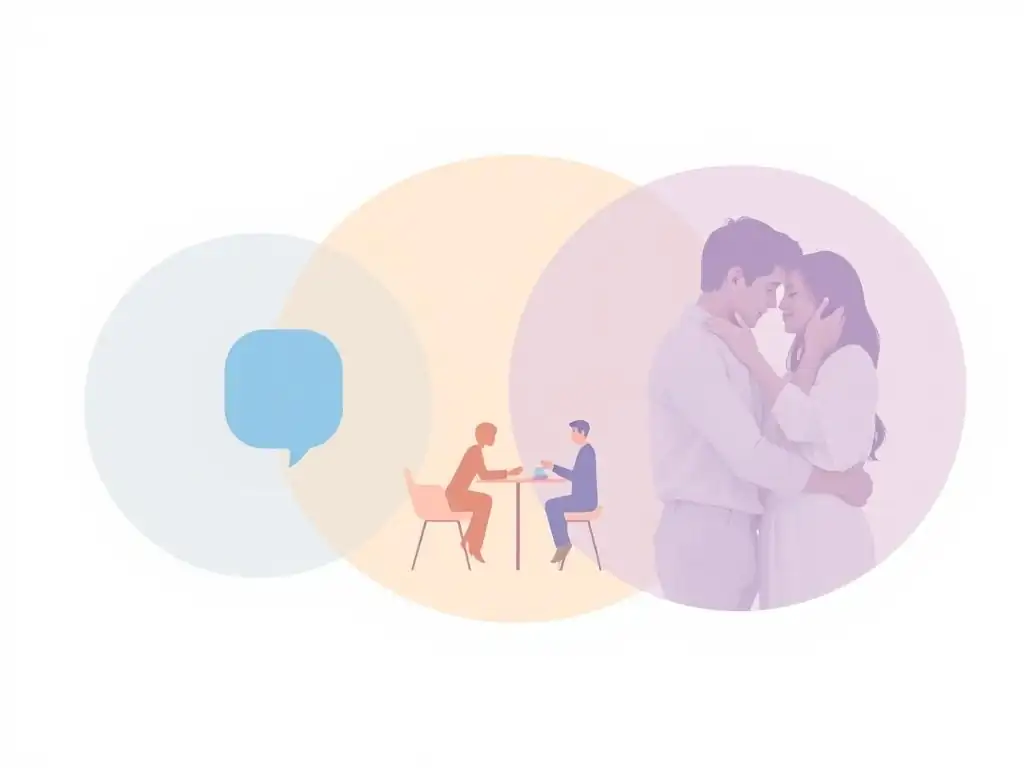
This section provides concrete examples of establishing healthy boundaries related to physical interactions and safety in the online dating world. Remember, your safety and comfort are paramount. These examples offer a framework; adjust them to fit your personal comfort levels and circumstances. Prioritizing your well-being is key to a positive online dating experience. Knowing what constitutes a healthy boundary and sticking to it is crucial for navigating the complexities of online dating, minimizing potential risks, and fostering healthy relationships.
Protecting Your Personal Safety: First Dates and Meeting Locations
The first date is a crucial step. Many successful relationships begin with a well-planned and safe first encounter. Examples of strong safety boundaries include:
- Public places: Always choose a well-lit, public place for your first date. Cafes, restaurants, or busy parks are better options than secluded locations. Avoid meeting at someone's home or inviting them to yours until you feel safe and comfortable doing so.
- Transportation: Have your own transportation to and from the date. This allows you to leave whenever you feel uncomfortable, without relying on your date. Let a friend or family member know where you're going and when you expect to be back.
- Time limits: Set a time limit for your first date. This helps manage expectations and provides a clear exit strategy if needed. If you're feeling uneasy, it's perfectly acceptable to shorten the date or leave early.
- Background checks (optional): While not always necessary, some individuals opt for light background checks on their dates. This is a personal choice, but it can provide an extra layer of security.
- Sharing your location: Consider discreetly sharing your real-time location with a trusted friend or family member during your date. Many apps facilitate this.
Remember, trusting your instincts is crucial. If a situation feels unsafe or uncomfortable at any point, leave immediately. Your safety is more important than politeness. Prioritizing safety is not being overly cautious; it's being proactive and responsible. These online dating boundary examples highlight the importance of preemptive planning for peace of mind.
Setting Boundaries Regarding Physical Intimacy and Expectations
Establishing clear boundaries regarding physical intimacy is essential for healthy relationships. Avoid feeling pressured to engage in physical activity beyond your comfort level, regardless of how long you've been talking online or how well you think you know someone. Here are some examples:
- Communicate your limits: Openly and honestly communicate your boundaries regarding physical intimacy. This might involve stating your preferences for physical contact before the date or during the date if things progress. This is especially important in the early stages of dating.
- Respect "no" means "no": Never pressure someone into physical intimacy. Respect their decision, even if it's different from your expectations. A firm "no" should always be respected.
- Consent is key: Consent must always be enthusiastic and freely given. It's not consent if someone is pressured, intoxicated, or unsure. Ensure clear, ongoing consent for any physical activity.
- Pace yourself: Don't feel rushed to progress physically faster than you're comfortable with. A healthy relationship is built on mutual respect and understanding of individual boundaries. It's okay to take things slow.
- Consequences for violation: Consider in advance how you will react if someone violates your boundaries. This might involve ending the date, blocking their contact, or reporting inappropriate behavior.
Defining Acceptable Levels of Physical Contact Online and Offline
Even online interactions can have implications for physical boundaries. Knowing what is and isn't acceptable can prevent misunderstandings and uncomfortable situations. Consider these examples:
| Type of Interaction | Acceptable | Unacceptable |
|---|---|---|
| Online Messaging | Friendly, respectful communication | Explicit or sexually suggestive messages |
| Video Calls | Casual conversation, appropriate attire | Inappropriate clothing, overly suggestive behavior |
| First Date Physical Contact | Handshake, light hug (if comfortable) | Unwanted touching, kissing, or other advances |
| Subsequent Dates | Physical intimacy decided consensually | Any physical intimacy without enthusiastic consent |
Setting clear boundaries isn't about being unfriendly; it's about protecting your well-being and ensuring that your dating experiences are positive and respectful. These examples provide a starting point for creating a safe and fulfilling online dating journey. Remember, your peace of mind is invaluable. Prioritizing your needs and establishing healthy boundaries will empower you to navigate the world of online dating with confidence and self-respect.
Enforcing Your Boundaries: Techniques and Strategies

Setting online dating boundaries is only half the battle; enforcing them is crucial for maintaining your well-being. This requires proactive strategies and the ability to react decisively when your boundaries are tested. Remember, your peace of mind is paramount. This section will equip you with the tools to navigate challenging situations and protect your emotional and physical safety. Consistent application of these techniques will significantly improve your online dating experience. Think of it as building a strong, impenetrable shield around your emotional well-being. This isn't about being unfriendly; it's about self-respect and prioritizing your needs.
Assertive Communication Techniques for Setting Limits
Assertive communication is key to enforcing your boundaries. It's about expressing your needs and feelings clearly and respectfully, without being aggressive or passive. This means directly stating your limits before a situation escalates. For example, if you're uncomfortable with exchanging personal information early on, explicitly state that. Instead of vague responses, try something like: "I prefer to get to know someone better before sharing my address or phone number." Or, if someone is pushing for a date too quickly: "I appreciate your enthusiasm, but I'd prefer to chat online for a bit longer before meeting in person."
Remember, you have the right to say "no" without feeling guilty or needing to offer lengthy explanations. Practice using "I" statements to focus on your feelings and needs, such as "I feel uncomfortable with this level of intimacy" or "I need more time to process this information". Using phrases such as "I'd prefer..." or "I'm not comfortable with..." directly communicates your boundaries without blaming the other person. Consistent, assertive communication sets the tone for respectful interactions. This is a crucial online dating boundary example to remember.
Here's a table summarizing effective communication techniques:
| Technique | Example | Outcome |
|---|---|---|
| Direct & Clear | "I'm not ready to meet in person yet." | Sets a clear expectation |
| "I" Statements | "I feel uncomfortable with this conversation." | Expresses personal feelings without blame |
| Setting Limits | "I only share my phone number after several video calls." | Controls information sharing |
| Polite but Firm | "I appreciate your interest, but I'm not a match for you." | Ends the conversation respectfully |
| Setting Time Limits | "I can only chat for 30 minutes tonight." | Manages time commitment |
Handling Boundary Violations with Grace and Firmness
Despite your best efforts, you might encounter boundary violations. Someone might ignore your requests, pressure you, or behave inappropriately. It's crucial to respond with both grace and firmness. Ignoring the violation won't make it go away; it will likely embolden the other person. Instead, reiterate your boundary clearly and concisely. For instance, if someone repeatedly asks for your address after you've said no, respond directly: "I've already explained that I'm not comfortable sharing my address at this stage. I hope you respect that."
If the behavior continues, don't hesitate to block or report them. Many online dating platforms have robust reporting mechanisms. This is not only protecting yourself, but also helping to create a safer environment for other users. Remember, you are not obligated to engage with anyone who disrespects your boundaries. Your safety and emotional well-being are paramount. Documenting instances of boundary violations can be helpful if you need to report the user to the platform.
Consider these online dating boundary examples of violations and appropriate responses:
- Violation: Constant messaging despite requests to slow down. Response: "I appreciate your interest, but the frequency of your messages is overwhelming. Please give me space."
- Violation: Sharing inappropriate photos or making sexually suggestive comments. Response: "This is inappropriate and makes me uncomfortable. I am blocking you."
- Violation: Pressuring you to meet in person too soon. Response: "I'm not ready to meet in person yet. I'll let you know when I am."
Knowing When to Disconnect and Move On
Sometimes, despite your best efforts at assertive communication and boundary setting, a connection just isn't working. Recognizing when to disconnect and move on is a crucial aspect of healthy online dating. This isn't about giving up; it's about recognizing when a relationship isn't serving your best interests. Consider these signs:
- Consistent Disrespect of Boundaries: If someone repeatedly ignores your clearly stated limits, it's a significant red flag. Their behavior demonstrates a lack of respect for your needs and well-being.
- Feeling Drained or Anxious: Healthy relationships should bring joy and excitement, not stress and anxiety. If interacting with someone leaves you feeling depleted, it's time to reassess the connection.
- Lack of Mutual Respect: A healthy relationship involves mutual respect and consideration. If the interaction feels one-sided or manipulative, it's time to move on.
Disconnecting doesn't have to be dramatic. A simple, polite message indicating that you're not feeling a connection is sufficient. Remember, your time and energy are valuable. Prioritizing your well-being is not selfish; it's essential for a fulfilling online dating experience and for building healthy relationships. This is one of the most important online dating boundary examples to consider. Prioritizing your mental health should always come first.
Maintaining Your Boundaries: Long-Term Strategies
Setting online dating boundaries isn't a one-time event; it's an ongoing process requiring consistent effort and self-reflection. Think of it as cultivating a healthy garden – you need to tend to it regularly to ensure it thrives. Ignoring your boundaries, even occasionally, can lead to feelings of frustration, resentment, and ultimately, jeopardize your well-being. Maintaining strong online dating boundaries is crucial for protecting your mental and emotional health. This section explores long-term strategies to ensure your boundaries remain robust and effective.
Regularly Reviewing and Adjusting Your Boundaries
Life is dynamic, and so should your boundaries be. What felt comfortable six months ago might feel restrictive now. Regularly reviewing your boundaries allows for necessary adjustments based on your evolving needs and experiences. Consider scheduling a monthly or quarterly review session with yourself. This self-reflection can be as simple as journaling or a more structured process involving writing down your current boundaries and evaluating their effectiveness.
For example, you might initially decide to only communicate with matches for a week before meeting in person. After several positive experiences, you might adjust this to communicating for a shorter period. Conversely, if you've encountered negative interactions, you might lengthen this timeframe. This flexibility ensures your boundaries remain relevant and protective. Remember, the goal is to create a system that works for you and fosters a safe and positive online dating experience. Don't be afraid to experiment and find what best suits your needs. The key is consistent evaluation and adaptation.
Building Confidence in Your Boundaries and Self-Worth
Maintaining strong online dating boundaries requires self-assurance. This confidence stems from a strong sense of self-worth and understanding your own needs and values. Many people struggle to set boundaries due to fear of rejection or appearing "difficult." However, setting boundaries isn't about being unkind; it's about self-respect. It's about prioritizing your well-being and recognizing that you deserve to be treated with consideration and respect.
One effective technique is to practice self-affirmations daily. Repeating positive statements about your worth and your right to set boundaries can significantly boost your confidence. For instance, you could repeat phrases like, "I am worthy of respect," or "My boundaries are valid and important." Another helpful strategy is to celebrate small victories. Each time you successfully uphold a boundary, acknowledge your strength and resilience. This positive reinforcement reinforces your confidence and makes it easier to maintain your boundaries in the future. Remember, building self-esteem is a journey, not a destination, and consistent effort will yield positive results.
Seeking Support When Needed: Friends, Family, or Professionals
Navigating the complexities of online dating can be challenging, even with well-defined boundaries. Sometimes, you might need additional support to maintain your boundaries or to process difficult experiences. Don't hesitate to reach out to your support network—friends, family, or even a therapist. Talking about your experiences and challenges can provide valuable perspective and emotional support.
A trusted friend or family member can offer a listening ear, practical advice, and encouragement. They can help you process your emotions and reinforce your commitment to your boundaries. If you're struggling with persistent difficulties or feeling overwhelmed, consider seeking professional help. A therapist can provide guidance and tools to help you build stronger boundaries, manage emotional responses, and develop healthy coping mechanisms.
Remember, asking for help is a sign of strength, not weakness. Prioritizing your mental and emotional well-being is essential for a successful and fulfilling online dating journey. Seeking professional support is a proactive step towards building a healthier and safer experience. You deserve to feel safe and empowered in your online dating life.
The Benefits of Strong Online Dating Boundaries: Peace of Mind and Healthy Relationships

Establishing clear online dating boundaries isn't just about protecting yourself from potential harm; it's a crucial step towards fostering healthier, more fulfilling relationships. By setting these limits, you're proactively shaping your online dating experience to align with your values and needs, ultimately leading to a more positive and empowering journey. This section explores the significant advantages of prioritizing your well-being through robust boundary setting, providing concrete online dating boundary examples to illustrate their impact. Understanding these benefits will help you confidently implement and maintain your personal boundaries.
Improved Mental and Emotional Well-being
One of the most significant benefits of setting strong online dating boundaries is the positive impact on your mental and emotional well-being. Imagine this scenario: you've matched with someone who consistently sends overly familiar or sexually suggestive messages despite your polite attempts to redirect the conversation. Without clear boundaries, this could lead to feelings of frustration, anxiety, and even self-doubt. However, with established boundaries – perhaps a firm statement about respectful communication – you reclaim control of the interaction.
This simple act can significantly reduce stress and protect your emotional space. The ability to say "no" and enforce those limits empowers you, fostering a sense of self-assurance and reducing the likelihood of experiencing emotional distress from negative online interactions. Prioritizing your emotional well-being through boundary setting is an act of self-care, a crucial aspect of navigating the often unpredictable world of online dating.
Increased Confidence and Self-Respect
Setting and maintaining online dating boundaries directly contributes to increased confidence and self-respect. Each time you uphold your boundaries – whether it's refusing a date with someone who isn't a good fit, politely declining inappropriate requests, or ending a conversation that makes you uncomfortable – you reinforce your self-worth. This consistent self-advocacy strengthens your sense of self and bolsters your confidence in your decisions. For example, refusing to share personal information prematurely, or declining video calls before you feel comfortable, showcases your respect for your own privacy and safety.
These actions, seemingly small, cumulatively contribute to a stronger sense of self-esteem and a healthier perception of your own value. The more you practice setting boundaries, the more natural and effortless it becomes, further enhancing your confidence and self-respect. This positive feedback loop is essential for building resilience and navigating the complexities of online dating with greater ease and assurance.
Attracting Healthy and Respectful Partners
Counterintuitively, setting strong boundaries can actually attract healthier and more respectful partners. By demonstrating your self-respect and clear expectations, you signal to potential partners that you value yourself and won't tolerate disrespect. This can act as a filter, attracting individuals who are also looking for healthy, balanced relationships.
Those who respect your boundaries are more likely to be considerate, communicative, and understanding in their interactions. For instance, if you clearly state your preference for in-person meetings after a certain number of online conversations, you're more likely to attract partners who value open communication and respect your need for safety and security. Conversely, those who disregard your boundaries reveal their own incompatibility, saving you time and emotional energy invested in potentially unhealthy relationships.
Setting boundaries isn't about being unapproachable; it's about attracting partners who value your needs and respect your individuality. This selective process significantly increases the likelihood of finding a compatible and respectful partner.
Frequently Asked Questions
What are some examples of healthy online dating boundaries?
Setting clear expectations is key. This includes specifying how often you'll communicate, your comfort level with sharing personal information, and your expectations regarding meeting in person. Avoid pressure to do anything you're not comfortable with.
How can I communicate my boundaries effectively to someone I'm dating online?
Be direct and assertive when expressing your needs. Use "I" statements to focus on your feelings and preferences, e.g., "I need some time to myself before we meet." Avoid being apologetic for prioritizing your well-being.
What should I do if someone violates my online dating boundaries?
Immediately cease communication and block the person. Report any inappropriate behavior to the dating platform if applicable. Prioritize your safety and well-being.
How do I know if I'm setting healthy boundaries or being overly cautious?
Healthy boundaries are about protecting yourself while still allowing for connection. Overly cautious behavior might involve excessive suspicion or avoidance of any interaction. Trust your intuition and prioritize your comfort level.
Are online dating boundaries only for safety, or do they also affect relationship quality?
Boundaries are crucial for both safety and relationship success. Clear boundaries foster respect, trust, and healthy communication, leading to more fulfilling relationships. They prevent resentment and power imbalances from developing.
Final Reflection: Protecting Your Peace in the Digital Dating World
The quest for connection in the digital age shouldn't come at the cost of your well-being. Establishing clear online dating boundaries isn't just about protecting yourself from potential harm; it's about cultivating a healthy and fulfilling dating experience. Ignoring this crucial aspect can lead to emotional exhaustion and a diminished sense of self-worth, hindering your ability to find genuine connection.
The impact of online dating on our social landscape is undeniable, shaping how we approach intimacy and relationships. The constant influx of information and the pressure to present a perfect online persona can be overwhelming. It's easy to lose sight of our own needs and boundaries in the pursuit of a match. The most important relationship you have is the one you have with yourself.
This quote rings truer than ever in the context of online dating, where self-respect and clear boundaries are essential for navigating the complexities of the digital dating world. We must prioritize our mental and emotional health above the allure of instant gratification.
Now, consider your own dating experiences. What boundaries have you established, and how have they served you? What areas need further attention? I urge you to take a moment to reflect on your own digital dating journey and actively cultivate a space where you feel safe, respected, and empowered. Remember, setting boundaries isn't selfish; it's an act of self-love and a crucial step towards building healthy, fulfilling relationships – both online and offline. Embrace your power to define your dating experience and create a space for authentic connection.
Take Control: Define Your Dating Boundaries Today!
Thank you for prioritizing your well-being in the online dating world! You've already learned valuable strategies to protect your peace of mind. Now it's time to put them into practice.
Here's how you can begin:
- Define your personal boundaries: Write down several clear, non-negotiable boundaries for your next online dating interaction. This will be your personal guide. For example, you might decide to only communicate with people who have complete profiles, or to always meet in a public place for a first date.
- Share your boundaries with a trusted friend: Accountability is key. Discuss your boundaries with someone you trust and ask for their support as you navigate this new approach.
- Keep a journal: Reflecting on your dating experiences and how your boundaries worked (or didn't work) will help you refine your approach and reinforce your commitment to your well-being.
Ready to create a safer, more fulfilling online dating experience? What's one boundary you're most excited to implement and why?