
Setting Boundaries Around Financial Requests in Online Dating


Ready to navigate the world of online dating with confidence and clarity? At OnlineDatingSuccess.org, we empower you to build meaningful connections. But what happens when things get complicated? This week's article dives headfirst into the often-uncomfortable topic of online dating financial boundary requests, offering practical advice and strategies to protect yourself and ensure a healthy dating experience. Discover how to confidently set boundaries and safeguard your well-being while searching for love. Let's get started!
- Understanding the Risks of Financial Requests in Online Dating
- Establishing Clear Financial Boundaries Before Meeting in Person
- Handling Financial Requests During Online Dating Interactions
- Protecting Your Financial Information Online
- When to Discontinue Contact and Report Suspicious Activity
- Maintaining Healthy Relationships While Setting Boundaries
- Moving Forward After a Negative Experience with Financial Requests
-
Frequently Asked Questions
- How can I politely decline a financial request from someone I met online?
- Is it okay to ask for financial help from someone I'm dating online?
- What are some red flags regarding financial requests in online dating?
- How do I set clear financial boundaries in my online dating profile?
- What should I do if someone continues to ask for money despite my refusal?
- Final Reflection: Protecting Your Heart and Wallet in the Digital Age
- Take Control: Secure Your Dating Finances
Understanding the Risks of Financial Requests in Online Dating
Navigating the world of online dating can be exciting, filled with the potential for connection and romance. However, it's crucial to be aware of the potential dangers lurking beneath the surface, particularly concerning financial exploitation. This article will delve into the critical topic of setting boundaries around financial requests in online dating, equipping you with the knowledge and strategies to protect yourself from scams and maintain your financial security while searching for love.
We'll explore common tactics used by those seeking to exploit vulnerable individuals, offer practical advice on recognizing red flags, and provide actionable steps to ensure your safety and well-being throughout your online dating journey. Remember, prioritizing your financial security doesn't diminish the potential for genuine connection; rather, it empowers you to build healthy and sustainable relationships based on trust and mutual respect.
This is about protecting yourself and maintaining your financial integrity, which are essential components of a successful and fulfilling dating experience. Let's explore how to navigate this sensitive topic with confidence and clarity.
Recognizing Red Flags: Early Warning Signs of Financial Exploitation in Online Dating
Financial exploitation in online dating often starts subtly. Recognizing red flags early on is crucial to protecting yourself. These early warning signs can manifest in various ways, and understanding them is the first step towards safeguarding your financial well-being. Here are some key indicators to watch out for:
- Premature requests for money: Be wary of anyone who asks for financial assistance very early in the relationship, before even meeting in person. This is a major red flag. Requests might range from small amounts ("I'm short on cash for gas") to large sums ("I need money for a medical emergency").
- Elaborate sob stories: Scammers often weave compelling narratives of hardship to elicit sympathy and financial aid. These stories can be incredibly detailed but are ultimately fabricated to manipulate you. Be skeptical of overly dramatic or emotionally charged pleas for money.
- Pressure and urgency: Legitimate requests rarely involve pressure or a sense of urgency. If someone is constantly pushing you to send money quickly, it's a significant red flag. They might use phrases like, "I need it by tomorrow!" or "This is a life-or-death situation!" to create a sense of panic.
- Inconsistencies in their story: Pay close attention to details. If their story changes or contains inconsistencies, it could be a sign of deception. Cross-check information if possible.
- Avoidance of video calls or in-person meetings: A persistent reluctance to meet in person or engage in video calls should raise suspicion. This avoidance prevents you from verifying their identity and assessing the validity of their situation.
- Unrealistic promises of future repayment: Promises of repayment, often with exaggerated returns, are a common tactic. Be wary of anyone who guarantees significant financial rewards in exchange for your assistance. Remember, if it sounds too good to be true, it probably is.
The table below summarizes these red flags:
| Red Flag | Description |
|---|---|
| Premature Money Requests | Asking for money early in the relationship, before even meeting in person. |
| Elaborate Sob Stories | Compelling but fabricated narratives of hardship to elicit sympathy and financial aid. |
| Pressure and Urgency | Constant pressure to send money quickly, often creating a sense of panic. |
| Inconsistencies in their Story | Changes or inconsistencies in their narrative. |
| Avoidance of Video Calls/Meetings | Reluctance to meet in person or engage in video calls to prevent identity verification. |
| Unrealistic Promises of Repayment | Promises of repayment with exaggerated returns. |
Remember, your gut feeling is important. If something feels off, trust your instincts and proceed with caution.
Protecting Yourself from Financial Scams: Recognizing and Avoiding Common Tactics
Beyond recognizing red flags, proactive steps can significantly reduce your vulnerability to financial scams in online dating. These strategies focus on establishing clear boundaries and employing verification methods to protect your financial well-being.
- Never send money: This is the most critical piece of advice. No matter how compelling the story, never send money to someone you've only met online. Legitimate relationships don't rely on financial transactions.
- Verify their identity: Use reverse image search to check if their profile pictures are genuine. Be cautious of profiles with limited information or inconsistent details.
- Slow down the pace: Don't rush into anything. Take your time getting to know someone before considering any kind of financial involvement.
- Communicate openly and honestly: Establish clear boundaries from the start. Let your date know you're uncomfortable with financial requests.
- Report suspicious activity: If you encounter suspicious behavior, report it to the dating platform immediately.
By following these guidelines, you can significantly reduce your risk of becoming a victim of online dating financial scams. Remember, building meaningful connections should be based on genuine trust and mutual respect, not financial transactions. Protecting your financial security is paramount to a safe and fulfilling online dating experience. Prioritize your well-being and make informed decisions to safeguard your financial future.
Establishing Clear Financial Boundaries Before Meeting in Person

Protecting your financial well-being in the world of online dating is paramount. Many individuals find themselves in uncomfortable situations due to a lack of upfront clarity regarding finances. This section focuses on proactively establishing healthy financial boundaries before you even consider an in-person meeting.
Remember, setting these boundaries isn't about being unkind; it's about safeguarding yourself and ensuring a respectful, mutually beneficial experience. The goal is to create a dating environment where both parties feel secure and valued, free from financial pressure or exploitation. This applies equally to men and women; online dating financial boundary requests are crucial regardless of gender.
Communicating Your Financial Boundaries: Tips for Open and Honest Communication
Open and honest communication is key to establishing healthy financial boundaries. Avoid ambiguity; vague statements can be easily misinterpreted. Instead, be direct and clear about your expectations. Here are some practical tips:
- Be upfront from the start: Don't wait until you've developed feelings or invested significant time. Early communication prevents misunderstandings and potential hurt feelings down the line. Consider adding a subtle mention in your profile about your financial independence and expectations regarding dating expenses.
- Use "I" statements: Frame your boundaries using "I" statements to express your needs and feelings without placing blame. For example, instead of saying "You shouldn't ask for money," try "I'm not comfortable with financial requests early in our relationship."
- Set clear expectations for expenses: Be explicit about what you are and are not willing to contribute to during dates. This might include splitting bills equally, taking turns paying, or having other clear expectations regarding the financial aspect of your dates.
- Be prepared for different responses: Not everyone will react positively. Some individuals might be uncomfortable with your directness, while others might appreciate your honesty and respect your boundaries. Be prepared to gracefully end conversations with those who are unwilling to respect your needs.
- Example scenarios:
- Instead of: "Let's meet for dinner, you pay" Try: "I'm happy to go out; let's split the bill or take turns paying for future dates."
- Instead of: "Can you lend me some money?" Try: "I'm currently managing my finances carefully and prefer not to borrow or lend money in online dating."
- Remember: Your financial well-being is not negotiable. It's perfectly acceptable to decline dates or end relationships with those who disrespect your boundaries.
Setting Expectations Early: Avoiding Ambiguity and Misunderstandings
Ambiguity is the breeding ground for misunderstandings and potential exploitation. Clear communication from the outset significantly reduces the likelihood of uncomfortable financial requests. Consider these strategies:
- Profile clarity: While you don't need to detail your entire financial situation, hinting at financial independence and responsible spending habits can deter those seeking financial gain. Phrases like "I'm financially secure and independent" or "I enjoy managing my finances responsibly" can subtly communicate your stance.
- Early conversation starters: Integrate financial topics into your initial conversations. This could be as simple as casually mentioning your hobbies or lifestyle, which might naturally reveal your financial stability without being overly explicit.
- Direct communication is key: Don't shy away from directly addressing financial expectations. This might involve stating your preference for splitting bills or your discomfort with lending or borrowing money.
- Red flags to watch out for: Be vigilant for individuals who excessively focus on your financial status early in the relationship, make frequent financial requests, or pressure you into spending beyond your comfort zone. These are significant red flags and warrant immediate caution.
- Prioritize your safety: Your safety and financial security should always be your top priority. If someone makes you feel uncomfortable or pressured, trust your instincts and end the interaction. Remember that genuine connections are built on mutual respect and understanding, not financial transactions. Online dating financial boundary requests are a vital part of building that respect.
This section provides practical guidance on establishing clear financial boundaries in online dating. Remember, setting boundaries is an act of self-respect and a crucial step toward building healthy, fulfilling relationships.
Handling Financial Requests During Online Dating Interactions
This section focuses on navigating the tricky terrain of financial requests in the world of online dating. It's crucial to establish and maintain clear boundaries to protect your financial well-being and personal safety. Remember, healthy relationships are built on mutual respect and trust, not financial transactions. Learning to handle these situations with grace and firmness is essential for a positive online dating experience. This guide provides practical strategies to help you manage unsolicited financial requests and maintain your emotional and financial security.
Responding to Unsolicited Financial Requests: Polite but Firm Responses
Receiving unsolicited requests for money, gifts, or financial assistance is unfortunately a common occurrence in online dating. It's vital to respond promptly and decisively, setting a clear boundary without engaging in lengthy explanations or arguments. A polite yet firm response immediately establishes your position and discourages further requests. Here are some examples of effective responses:
- Scenario 1: A request for a small loan.: "I appreciate you reaching out, but I'm not comfortable lending money through online dating. I hope you understand." This is concise, clear, and respectful. It avoids any justification or explanation.
- Scenario 2: A request for a gift.: "Thank you for thinking of me, but I prefer to keep my personal finances separate from online dating interactions." This response is polite, but firmly establishes your boundary.
- Scenario 3: A vague request for financial help.: "I'm sorry to hear you're facing financial difficulties, but I'm unable to provide financial assistance at this time." This response offers empathy without committing to financial help.
Remember, you are not obligated to provide any explanation beyond a polite but firm refusal. Prolonged conversation often encourages further requests. The goal is to clearly and concisely communicate your boundary. It's also important to document these interactions; saving screenshots of messages can be crucial if the situation escalates.
Dealing with Pressure for Financial Assistance: Strategies for Deflecting and Declining
Sometimes, despite a clear initial refusal, individuals may persist in their requests, applying pressure or attempting to manipulate your emotions. In these situations, it’s important to have strategies in place to deflect and decline further requests effectively. These strategies focus on maintaining your composure and reinforcing your boundary.
- Direct and Repeated Refusal: If the person persists, simply repeat your initial refusal. For example, "As I said before, I'm not comfortable lending money." Repetition underscores the firmness of your boundary.
- Changing the Subject: Subtly shift the conversation to another topic to redirect the pressure. For instance, if they mention their financial struggles, you might respond with, "I hope things improve for you. Have you tried [suggesting a relevant resource, if appropriate]?" This shows empathy without offering financial assistance.
- Ending the Conversation: If the pressure continues, don't hesitate to end the conversation. A simple "I'm not comfortable with this conversation; goodbye" is perfectly acceptable. Blocking the individual is also a valid option to ensure your safety and well-being.
Remember, your safety and well-being are paramount. If you feel threatened or unsafe at any point, cease communication immediately and report the individual to the dating platform.
Setting Boundaries with Persistent Requestors: Maintaining Your Position
For persistent requestors, maintaining your position requires consistent and unwavering firmness. This doesn't mean being rude or aggressive, but it does mean not backing down from your established boundary. Consider these additional strategies:
- Document Everything: Keep detailed records of all communication, including dates, times, and content of messages. This documentation can be crucial if you need to report the individual to the dating platform or law enforcement.
- Block and Report: Don't hesitate to block the individual on the dating platform and report their behavior to the platform's administrators. Many platforms have mechanisms for reporting inappropriate or harassing behavior.
- Seek Support: If you're feeling overwhelmed or unsafe, reach out to friends, family, or a support group for emotional support and guidance. Sharing your experience can help you process your feelings and gain perspective.
Remember, setting and maintaining boundaries is not selfish; it's a crucial aspect of self-respect and personal safety. Protecting yourself from financial exploitation is a priority in online dating. By implementing these strategies, you can navigate these difficult situations with confidence and maintain your well-being. Prioritizing your safety and financial security is essential for a positive and healthy online dating experience.
Protecting Your Financial Information Online
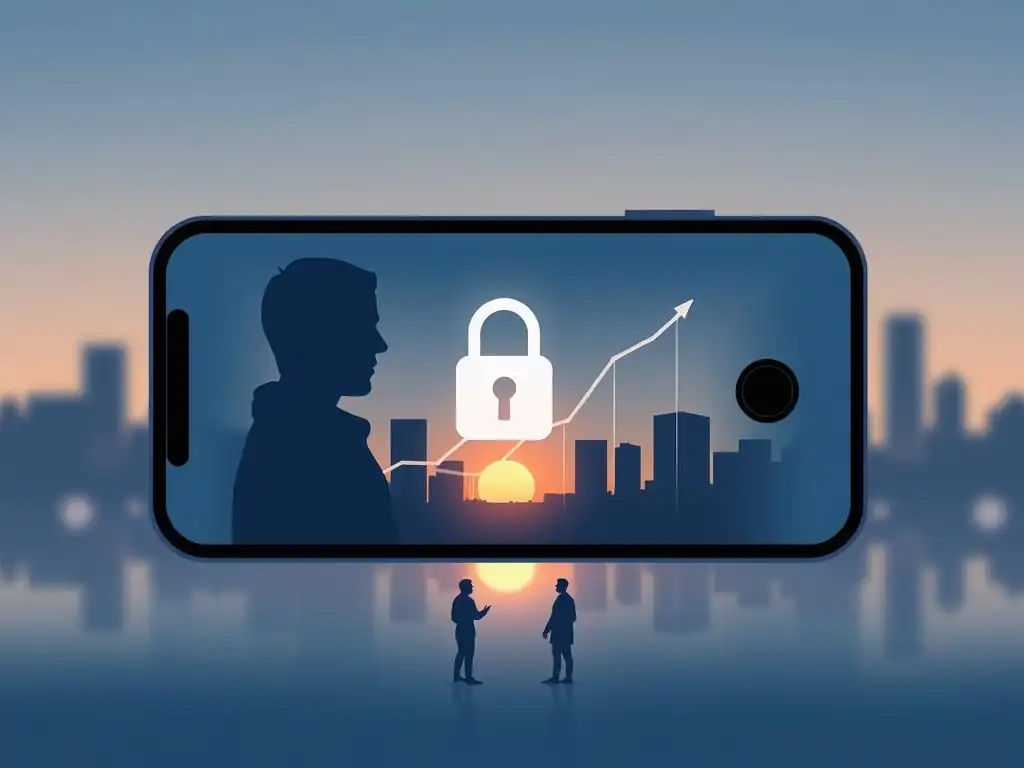
This section focuses on proactive strategies to shield your financial data while navigating the world of online dating. Remember, protecting your financial well-being is paramount, and establishing clear boundaries is crucial for a safe and positive online dating experience. The risks associated with sharing financial information prematurely are significant, and understanding these risks is the first step towards mitigating them.
We'll explore practical steps to safeguard your personal financial details and utilize secure communication channels to minimize the likelihood of falling victim to online scams. The goal is to enjoy the process of online dating without compromising your financial security.
Safeguarding Your Personal Financial Details: Protecting Against Identity Theft
Protecting your financial information online requires a multi-layered approach. Never share sensitive details like your bank account numbers, credit card information, social security number, or full address with someone you've only met online, regardless of how much you trust them. Even seemingly harmless details, like your place of employment, can be pieced together by scammers to create a more complete picture of your life and financial situation.
Consider these crucial steps:
- Use strong, unique passwords: Avoid using the same password for multiple online accounts, including your dating profile and financial institutions. Employ a password manager to help generate and securely store complex passwords.
- Enable two-factor authentication (2FA): This adds an extra layer of security to your accounts, requiring a code from your phone or email in addition to your password. Many dating sites and financial institutions offer this feature.
- Monitor your accounts regularly: Check your bank and credit card statements frequently for any unauthorized transactions. Set up alerts to notify you of unusual activity.
- Be wary of phishing scams: Scammers often pose as legitimate organizations to trick you into revealing your personal information. Never click on links in suspicious emails or text messages. Always verify the sender's identity directly through official channels.
- Regularly review your credit report: Check your credit report annually for any signs of identity theft. You are entitled to a free credit report from each of the three major credit bureaus.
Using Secure Communication Channels: Minimizing Risks of Online Scams
Choosing the right communication channels is vital in minimizing the risk of online dating scams. Avoid sharing personal financial information through less secure platforms. While some dating sites offer internal messaging systems, these might not always offer the same level of security as other channels.
Here's how to navigate communication safely:
- Prioritize secure messaging platforms: If you need to share information, opt for encrypted messaging apps known for their security features. These apps often encrypt your messages, making them more difficult for third parties to intercept.
- Avoid sharing financial details via email or text: These channels are less secure and susceptible to interception. If someone asks for your banking details through these methods, it's a significant red flag.
- Be cautious of requests for financial assistance: Legitimate relationships don't require financial transactions early on. If someone asks for money, gifts, or loans, especially in the early stages of online dating, it's a major warning sign of a potential scam. 🚩
- Video calls can help verify identity: Before sharing any sensitive information, consider a video call to help confirm the identity of the person you're communicating with. This can help to detect inconsistencies and potential scams.
- Trust your instincts: If something feels wrong or too good to be true, it probably is. Don't hesitate to end communication if you feel uncomfortable or unsafe. Your safety and financial security are more important than a potential online relationship.
Remember, building trust takes time. Don't rush into sharing sensitive financial information with someone you've only met online. By following these tips, you can significantly reduce the risks associated with online dating financial boundary requests and protect yourself from potential scams. Prioritizing your financial security is a crucial aspect of safe and successful online dating.
When to Discontinue Contact and Report Suspicious Activity
Navigating the world of online dating requires a keen awareness of potential risks. While the goal is connection and relationship building, it's crucial to prioritize your safety and well-being. This section focuses on identifying red flags related to financial requests and understanding when to immediately cease communication and, if necessary, report suspicious activity. Learning to establish clear online dating financial boundary requests is paramount to a positive and safe experience.
Recognizing When It's Time to End Communication: Prioritizing Your Safety
The moment someone starts pressuring you for financial assistance, regardless of how charming or convincing they seem, should be a major warning sign. There are subtle and overt ways this can manifest. Subtle examples might include frequent mentions of their financial difficulties, hinting at needing help, or subtly suggesting ways you could assist. Overt examples are direct requests for money, gift cards, loans, or investments. These requests often come with elaborate stories designed to evoke sympathy or urgency.
Remember, genuine connections don't involve immediate or persistent financial demands. Other red flags to watch out for include:
- Inconsistency in their stories: Details change, dates don't align, or explanations are vague.
- Pressure to act quickly: They create a sense of urgency, making you feel guilty or obligated to respond immediately.
- Excessive flattery or love bombing: This is an attempt to manipulate your emotions and lower your defenses.
- They avoid video calls or in-person meetings: This is a common tactic used by scammers to remain anonymous.
- Grammar and spelling errors that are inconsistent with their claimed education or profession. This can indicate a fake profile.
If you encounter any of these warning signs, it's crucial to end communication immediately. Your safety and emotional well-being should always come first. Don't feel pressured to respond to their pleas; prioritize your own judgment and instincts. Trust your gut feeling; it often knows more than you think.
Reporting Suspicious Behavior: Procedures and Resources for Reporting Online Dating Scams
If you've encountered suspicious behavior involving financial requests or other concerning actions, reporting the individual is vital. This helps protect others from potential harm and contributes to making online dating safer for everyone. The process varies depending on the platform you're using, but generally involves these steps:
- Document everything: Save all messages, photos, and any other form of communication you've had with the suspicious individual. This evidence will be crucial when reporting the incident.
- Report to the dating platform: Most online dating sites have reporting mechanisms within their app or website. Use these to flag the profile and provide the evidence you've collected. Be detailed and factual in your report.
- Report to law enforcement: If you believe you've been a victim of a scam or fraud, report it to your local law enforcement agency. They have the resources to investigate and potentially take action.
- Contact the Federal Trade Commission (FTC): The FTC is a U.S. government agency that investigates fraud and scams. They can provide valuable resources and guidance on how to proceed. Remember to report the incident even if you haven't suffered direct financial loss.
Remember, reporting suspicious activity is not just about protecting yourself; it's about protecting the broader online dating community. By taking these steps, you contribute to a safer environment for everyone seeking meaningful connections. Don't hesitate to report; your actions can make a difference. Your safety and the safety of others are paramount in the online dating world. Learning to identify and report suspicious activity is a vital part of establishing healthy online dating financial boundary requests.
Maintaining Healthy Relationships While Setting Boundaries

Setting firm boundaries around finances in online dating doesn't mean you're unfriendly or unapproachable. It's about prioritizing your safety and well-being while still allowing for genuine connection. Many people successfully navigate online dating and build healthy, fulfilling relationships while maintaining strong financial boundaries. This section will explore how to strike this balance.
Remember, protecting yourself financially doesn't preclude finding love; in fact, it often strengthens the foundation of a healthy relationship built on mutual respect and trust. The key is clear communication and consistent application of your personal rules. Think of it as self-care, a vital component of a successful online dating experience.
Balancing Connection and Safety: Creating a Secure Dating Experience
Navigating the complexities of online dating requires a delicate balance between openness and caution. While it's important to be approachable and genuine, safeguarding your financial well-being should be a priority from the very first interaction. This doesn't involve being suspicious of everyone; rather, it's about establishing healthy habits and clear expectations.
Consider these practical strategies:
- Slow and Steady: Avoid rushing into any financial commitments, no matter how charming your date may seem. Take your time to get to know them, observe their behavior, and assess their character before discussing anything financial.
- Transparency Upfront: Subtly incorporate discussions about your financial values into your conversations. This could involve mentioning your responsible spending habits, or your commitment to financial independence. This sets the stage for open communication about money later on.
- The "Get-to-Know-You" Phase is Key: During the initial stages of online dating, focus on building a connection based on shared interests, values, and personalities. Avoid discussing finances until you’ve developed a level of trust and comfort. This allows you to assess their character and intentions before any financial discussions arise.
- Financial Discussions are a Red Flag: If someone pushes for financial discussions too early in the dating process, consider it a warning sign. Healthy relationships are built on mutual respect, not financial dependence. A genuine connection will develop organically, without financial pressure.
Building Healthy Relationships Based on Mutual Respect: Fostering Trust and Transparency
Healthy relationships thrive on mutual respect and transparency. This is especially true when it comes to finances. While discussing finances might feel uncomfortable initially, open communication is crucial for building a strong foundation of trust. This transparency extends beyond just avoiding financial requests; it also involves being honest about your own financial situation and expectations.
Here's how to foster trust and transparency in your online dating interactions:
| Action | Benefit | Example |
|---|---|---|
| Openly discuss your values | Establishes clear expectations from the start | "I'm a saver, and financial responsibility is important to me." |
| Set clear boundaries early on | Prevents misunderstandings and uncomfortable situations later | "I'm not comfortable lending money or receiving financial assistance." |
| Share financial goals (broadly) | Shows you're secure and responsible, without revealing sensitive details | "I'm saving for a down payment on a house" (avoids specifics like amount) |
| Be honest about your limitations | Demonstrates maturity and self-awareness | "I'm currently focusing on paying off student loans" |
Remember, setting boundaries around financial requests in online dating is not about being cynical; it’s about being smart, safe, and realistic. By prioritizing your financial well-being, you're setting the stage for a healthier and more successful dating experience. The right person will respect your boundaries and appreciate your responsible approach. 🥂
Moving Forward After a Negative Experience with Financial Requests
Experiencing unwanted financial requests in online dating can be jarring and emotionally draining. It's crucial to remember that you are not alone and that these situations, while upsetting, offer valuable opportunities for growth and self-reflection. Successfully navigating these challenges strengthens your ability to set and maintain healthy boundaries in future relationships, both online and offline. The key is to shift your focus from the negativity of the experience to the positive lessons learned and the increased self-awareness gained.
Learning from Experiences: Growth and Personal Development in Online Dating
Dealing with inappropriate financial requests in online dating provides a chance for significant personal growth. Analyze the situation objectively. What red flags did you miss? Were there subtle cues you overlooked in their profile or early conversations? Perhaps they were vague about their financial situation, or their requests escalated quickly.
Identifying these patterns allows you to develop a sharper intuition for recognizing potentially problematic individuals in the future. Consider keeping a journal to document your online dating experiences, noting both positive and negative interactions, along with specific details that might indicate future red flags. This proactive approach helps you learn from mistakes and refine your online dating strategy. Remember, every negative experience is a learning opportunity to refine your discernment and strengthen your boundaries. This process empowers you to make more informed decisions and protect yourself emotionally and financially.
Maintaining Hope and Resilience: Continuing Your Search for Meaningful Connections
After a negative experience, it's natural to feel hesitant or even discouraged about continuing your online dating journey. It's important to acknowledge these feelings without letting them derail your search for a meaningful connection. Remind yourself that one negative experience does not define your online dating success or your worth. Many people find genuine, loving relationships through online dating; your experience is not representative of the entire online dating landscape. Consider shifting your focus to positive aspects of online dating.
Focus on the enjoyable parts of connecting with new people, engaging in interesting conversations, and exploring potential matches. Celebrate small victories, like engaging in a thoughtful conversation or finding someone who shares your values. Maintain a healthy self-care routine. Prioritize activities that bring you joy and relaxation.
This helps you maintain a positive outlook and strengthens your resilience, enabling you to approach online dating with renewed optimism and a clearer sense of self. Remember, building meaningful connections takes time and patience. Don't let one negative experience overshadow the potential for future happiness. Keep your hope alive and continue your search with renewed confidence and stronger boundaries.
Frequently Asked Questions
How can I politely decline a financial request from someone I met online?
You can politely but firmly decline by stating that you're not comfortable with financial requests at this stage of getting to know someone. Emphasize that you want to build a relationship based on mutual respect and connection, not financial transactions.
Is it okay to ask for financial help from someone I'm dating online?
No, it's generally not a good idea. Asking for money early in the dating process can be a red flag and might be perceived as manipulative. Focus on building a genuine connection first.
What are some red flags regarding financial requests in online dating?
Red flags include requests for large sums of money, vague explanations for the need, pressure to send money quickly, or promises of future repayment that never materialize. Trust your instincts.
How do I set clear financial boundaries in my online dating profile?
While you don't need to explicitly state "no financial requests," you can subtly set boundaries by focusing on your values and emphasizing that you're looking for a genuine connection, not a financial arrangement.
What should I do if someone continues to ask for money despite my refusal?
Immediately cease all communication and report the profile to the dating site. Consider blocking the individual and saving any evidence of their requests for potential future use.
Final Reflection: Protecting Your Heart and Wallet in the Digital Age
The rise of online dating has undeniably changed the landscape of modern romance, but it has also introduced a new set of challenges, particularly concerning financial boundaries. Navigating the complexities of money in online relationships requires vigilance and clear communication, a necessity often overlooked amidst the excitement of a potential connection. The vulnerability inherent in online dating makes establishing and maintaining financial boundaries paramount for protecting both emotional and financial well-being.
The subtle pressure to spend money, whether it's for extravagant dates or seemingly innocent requests for financial assistance, can quickly escalate into uncomfortable or even exploitative situations. This isn't just about avoiding scams; it's about fostering healthy relationships built on mutual respect and transparency. As the writer Maya Angelou wisely stated, When someone shows you who they are, believe them the first time.
This applies equally to financial interactions as it does to any other aspect of a relationship. Ignoring red flags regarding money can lead to significant emotional and financial distress, highlighting the importance of setting clear expectations from the outset.
Consider this your call to action. Take the time to reflect on your own financial boundaries and how you communicate them. Don't be afraid to say no, to set limits, and to prioritize your own well-being. By proactively establishing clear expectations and communicating them confidently, you can navigate the world of online dating with greater confidence and protect yourself from potential harm. Remember, healthy relationships are built on mutual respect and understanding, and that includes respecting each other's financial independence. Your financial security is just as important as your emotional well-being. Protect both.
Take Control: Secure Your Dating Finances
Thank you for exploring the crucial topic of setting financial boundaries in online dating! You've gained valuable insights to protect yourself and foster healthier relationships. Ready to put this knowledge into practice?
- Prioritize open communication: Have an honest conversation about finances with your date early in the relationship, establishing your comfort levels and expectations. This is vital for your safety and well-being.
- Share this article: Let's normalize conversations about money in dating! Share this article with your friends and on social media to help others protect themselves.
- Reflect on your past experiences: Consider how you've handled finances in previous relationships. Identify areas where you can improve and establish clear boundaries for future relationships. What changes will you implement?
What's one small step you can take today to cultivate healthier financial boundaries in your online dating life?