
The LongTerm Implications of Sharing Your Data on Dating Apps


Welcome to OnlineDatingSuccess.org, your guide to navigating the exciting yet complex world of online dating. Are you ready to unlock your dating potential? We'll help you craft a compelling profile, master the art of online communication, and most importantly, understand the often-overlooked dating app data privacy risks. Discover how protecting your personal information can significantly impact your online dating experience and lead to building meaningful, long-term connections. Dive into our article, "The LongTerm Implications of Sharing Your Data on Dating Apps," and learn how to stay safe while searching for love.
- Understanding Dating App Data Privacy Risks
-
Potential Risks of Sharing Personal Data on Dating Apps
- Identity Theft and Fraud: Protecting Yourself from Scammers
- Stalking and Harassment: Mitigating Online Threats
- Reputation Damage: The Long-Term Impact of Shared Information
- Emotional Manipulation: How Data Can Be Used to Exploit Users
- Identity Theft and Fraud: The Dangers of Oversharing
- Stalking and Harassment: When Data Enables Unwanted Pursuit
-
Minimizing Your Dating App Data Privacy Risks
- Choosing Secure Dating Apps: Prioritizing Privacy Features
- Controlling Your Data Sharing Settings: Optimizing Privacy Controls
- Strong Passwords and Two-Factor Authentication: Enhancing Account Security
- Regularly Reviewing Your Privacy Settings: Maintaining Ongoing Protection
- Being Mindful of the Information You Share: Protecting Your Personal Data
- The Future of Data Privacy in Online Dating
-
Frequently Asked Questions
- What are the biggest data privacy risks associated with dating apps?
- How can I minimize my data privacy risks on dating apps?
- Do all dating apps have the same level of data security?
- What happens if my data is compromised on a dating app?
- What are some long-term implications of sharing my data on dating apps?
- Final Reflection: Navigating the Digital Landscape of Love
- Unlock Your Dating App Privacy Power
Understanding Dating App Data Privacy Risks
Navigating the world of online dating requires careful consideration of many factors, from crafting the perfect profile to maintaining healthy communication. However, a crucial aspect often overlooked is data privacy. This article delves into the long-term implications of sharing your personal information on dating apps, exploring the potential risks and offering insights into protecting your digital well-being.
Understanding the extent of data collection, the security measures employed by dating apps, and the potential for third-party data sharing is paramount for anyone seeking meaningful connections online. Failure to understand these risks can have significant consequences, ranging from minor annoyances to serious breaches of privacy and even identity theft. This guide aims to empower you with the knowledge necessary to make informed decisions and navigate the digital dating landscape safely and confidently.
We'll examine the specific data points collected, assess the robustness of security protocols, and uncover the potential sharing of your information with third-party entities. Ultimately, our goal is to help you build meaningful connections while safeguarding your personal information.
The Data Collected: What Dating Apps Really Know About You
Dating apps collect a surprising amount of data, far beyond just your profile picture and stated preferences. Think about it: you're providing them with highly personal information, often without fully understanding the implications. This data collection often goes far beyond the information you consciously provide. Let's explore some key data points:
- Explicitly Provided Information: This includes your name, age, location, photos, biographical information (education, occupation, interests), and relationship preferences. This is the information you actively choose to share.
- Implicitly Collected Data: This is where things get more complex. Many apps track your device's GPS location, even when the app isn't actively open. They also monitor your app usage, noting how often you log in, who you interact with, and your browsing patterns within the app. This information, often collected without your explicit consent, paints a detailed picture of your behavior and preferences.
- Data from Linked Accounts: If you connect your dating app profile to other accounts (like Facebook, Instagram, or Spotify), the app gains access to even more data, potentially including your social circles, listening habits, and online activity. This interconnectedness greatly expands the app's knowledge of you.
- Behavioral Data: Apps meticulously track your interactions within the app, such as swiping patterns, messaging habits, and the type of profiles you engage with. This data is used to refine algorithms and personalize your experience, but it also reveals a great deal about your preferences and online behavior.
This comprehensive data collection allows for targeted advertising, but also presents significant privacy risks. The vast amount of personal information held by these apps makes them attractive targets for data breaches and malicious actors. The potential misuse of this data underlines the importance of understanding what information is being collected and how it's being used.
Data Security Practices: How Well Are Your Data Protected?
While many dating apps claim to have robust security measures in place, the reality is often more nuanced. Understanding the specifics of their security practices is crucial to assessing the level of risk. Consider these factors:
- Data Encryption: Does the app use end-to-end encryption to protect your data both in transit and at rest? End-to-end encryption is a crucial security measure, ensuring that only you and the recipient can access your communications. The absence of this feature significantly increases the risk of data interception.
- Security Audits and Certifications: Has the app undergone regular independent security audits? Do they hold any relevant security certifications? These measures demonstrate a commitment to data security, but their absence raises concerns.
- Incident Response Plan: What measures are in place to respond to data breaches or security incidents? A clear and well-defined incident response plan is crucial for minimizing the impact of any security compromise. The absence of such a plan indicates a lack of preparedness.
- User Authentication and Authorization: What authentication methods are used to verify user identity and protect accounts from unauthorized access? Strong password requirements, multi-factor authentication, and regular security updates are essential security measures.
The level of security varies significantly across different dating apps. It's vital to research the specific security practices of the apps you use and to choose those that prioritize user data protection. Remember that no system is foolproof, but choosing apps with demonstrably strong security measures can significantly reduce your risk.
Third-Party Data Sharing: Who Else Has Access to Your Information?
Many dating apps share user data with third-party companies for various purposes, including advertising, analytics, and marketing. Understanding the extent of this data sharing is critical for assessing the potential risks. Consider these points:
- Advertising Networks: Your data might be shared with advertising networks to target you with personalized ads, both within and outside the dating app. This can lead to intrusive and unwanted advertising.
- Analytics Providers: Apps often share data with analytics providers to track user behavior and improve the app's functionality. While this data might be anonymized, there's still a risk of re-identification.
- Marketing Partners: Your data might be shared with marketing partners to promote the app or related services. This can lead to unsolicited marketing communications.
- Data Brokers: In some cases, dating apps might sell or share user data with data brokers, who then compile and sell this information to various other companies. This practice can expose your data to a wide range of potential misuse.
Transparency regarding data sharing practices is crucial. Review the app's privacy policy carefully to understand exactly who has access to your data and for what purposes. Be wary of apps that are vague or unclear about their data sharing policies. Protecting your data requires vigilance and a thorough understanding of how your information is being handled.
Potential Risks of Sharing Personal Data on Dating Apps
Online dating offers exciting possibilities for connection, but it's crucial to understand the potential pitfalls related to data privacy. Sharing personal information on dating apps exposes you to various risks, impacting not only your immediate online experience but also your long-term well-being and security. Understanding these risks is the first step towards mitigating them and enjoying a safer online dating journey.
This section delves into some of the most significant threats associated with sharing data on dating apps, providing practical advice to help you protect yourself. The risks associated with "Dating app data privacy risks" are far-reaching and demand careful consideration.
Identity Theft and Fraud: Protecting Yourself from Scammers
Identity theft and fraud are significant concerns in the online dating world. Scammers often create fake profiles to target unsuspecting individuals, aiming to gain access to sensitive personal information like bank details, social security numbers, or credit card information. This information can be used for financial gain, leaving victims with substantial financial and emotional distress.
The methods used by these scammers are varied and sophisticated. They might employ elaborate stories to build trust, promising investment opportunities or requesting financial assistance under false pretenses. They could also use phishing techniques, sending seemingly legitimate emails or messages containing malicious links that redirect to fake websites designed to steal your login credentials or other sensitive data.
Protecting yourself requires vigilance and a healthy dose of skepticism. Never share financial information with someone you've only met online. Be wary of overly enthusiastic individuals who profess their love quickly or pressure you for money. Verify the identity of potential matches through reverse image searches or by checking their social media profiles (if available and you're comfortable doing so).
Report suspicious profiles immediately to the dating app's support team. Regularly review your bank and credit card statements for any unauthorized transactions. Consider using strong, unique passwords for your dating apps and enabling two-factor authentication whenever possible. Remember, if something feels off, it probably is.
Stalking and Harassment: Mitigating Online Threats
The ease with which personal information can be shared on dating apps creates vulnerabilities to stalking and harassment. Sharing your location, workplace, or even seemingly innocuous details about your daily routine can provide stalkers with the information they need to track and target you. This can lead to a range of distressing experiences, from unwanted contact and online harassment to physical threats and real-world stalking.
The consequences of stalking and harassment can be severe, causing significant emotional distress, anxiety, and even physical harm. Victims might experience sleep disturbances, difficulty concentrating, and social isolation. It's crucial to take proactive steps to protect yourself. Avoid sharing overly specific details about your location or personal schedule. Be cautious about sharing photos that reveal identifying information about your home or workplace.
If you experience any form of harassment, report it immediately to the dating app and consider blocking the individual. If the harassment escalates, consider contacting law enforcement. Remember, your safety is paramount. The risk of online harassment is a serious consideration when assessing "Dating app data privacy risks."
The information you share on dating apps doesn't disappear once you delete your profile. Screenshots, conversations, and other data can be easily shared and potentially used to damage your reputation. A compromising photo or a misrepresented fact can have lasting consequences, affecting your personal and professional life. This is especially relevant in today's interconnected world, where information spreads rapidly online.
Protecting your reputation requires careful consideration of what you share. Think twice before posting photos or sharing personal details that could be used against you. Be mindful of the tone and content of your messages; avoid saying anything that you wouldn't want to be publicly shared. Remember that even deleted content can sometimes be recovered.
While managing your online reputation completely is impossible, being mindful and proactive can greatly reduce the risks. The potential for long-term reputation damage is a key component of understanding the full scope of "Dating app data privacy risks." Consider carefully what information you choose to share, and always prioritize your long-term well-being and online safety.
Emotional Manipulation: How Data Can Be Used to Exploit Users
Dating apps collect vast amounts of data, often unknowingly, from their users. This data, encompassing everything from location history and communication patterns to personality assessments and expressed relationship preferences, can be exploited for emotional manipulation. Sophisticated algorithms can analyze this information to identify vulnerabilities and tailor manipulative tactics. For instance, a user expressing feelings of loneliness or insecurity might be targeted with messages designed to exploit those vulnerabilities. These messages might appear to offer genuine connection and understanding but ultimately serve to manipulate the user into revealing more personal information or engaging in behavior against their best interests.
The insidious nature of this manipulation lies in its personalization. Unlike generic spam, these targeted messages feel relevant and resonate with the user's specific emotional state. This heightened sense of connection makes the manipulation more effective, leaving the user feeling understood and validated, even as they are being exploited.
This can lead to situations where users share sensitive information, send money, or make decisions detrimental to their well-being, all based on a carefully crafted illusion of genuine connection fostered through the exploitation of their data. The lack of transparency surrounding data collection and usage practices on many dating apps exacerbates this problem, leaving users vulnerable and unaware of the potential risks. The emotional toll of such manipulation can be significant, leading to feelings of betrayal, self-doubt, and even depression.
Recognizing the potential for emotional manipulation through data exploitation is crucial for navigating the online dating landscape safely and effectively. Being mindful of the information you share and practicing healthy skepticism are vital protective measures.
Identity Theft and Fraud: The Dangers of Oversharing
The seemingly harmless act of creating a dating profile can open the door to identity theft and fraud. Dating apps often request extensive personal information, including names, addresses, phone numbers, and even financial details. This information, if compromised through data breaches or malicious actors, can be used for various fraudulent activities. Criminals can access bank accounts, open credit cards in your name, or even file fraudulent tax returns.
The consequences of identity theft can be devastating, impacting credit scores, financial stability, and even employment opportunities. Furthermore, the sheer volume of personal data collected by dating apps increases the risk of a successful data breach. A single breach affecting a large dating platform can expose millions of users' sensitive information.
This underscores the importance of being cautious about the information shared on these platforms and regularly monitoring your credit reports for any suspicious activity. The consequences of identity theft extend beyond financial losses; the emotional distress and time required to rectify the situation are considerable. Therefore, it's crucial to prioritize data security and take proactive measures to protect your personal information.
The increasing sophistication of phishing scams further complicates the issue. Malicious actors can use stolen data to craft convincing phishing emails or messages, designed to trick users into revealing even more sensitive information. These scams often exploit the trust established through the dating app platform, making them particularly effective. To mitigate these risks, users should adopt strong passwords, enable two-factor authentication whenever possible, and be wary of unsolicited requests for personal information. Regularly reviewing your privacy settings on dating apps and maintaining vigilance against suspicious activity are crucial steps in safeguarding your identity and preventing fraud.
Stalking and Harassment: When Data Enables Unwanted Pursuit
The wealth of personal information available through dating apps can unfortunately facilitate stalking and harassment. Location data, shared photos, and even seemingly innocuous details from profiles can be pieced together to create a detailed picture of a user's life. This information can then be used to track their movements, identify their workplace or home, and even target their friends and family.
The consequences of stalking and harassment can range from minor annoyances to severe psychological trauma and even physical harm. The anonymity offered by online platforms can embolden perpetrators, making them feel less accountable for their actions. The ease with which personal data can be accessed and exploited on dating apps significantly increases the risk of unwanted attention and harassment.
Furthermore, the persistent nature of online platforms means that even after ending contact with someone, the risk of stalking and harassment can persist. Information shared on a dating app can remain accessible for an extended period, potentially providing a stalker with ongoing access to a victim's personal details. This highlights the need for users to be extremely cautious about the information they share and to take proactive steps to protect their privacy.
This includes carefully reviewing privacy settings, limiting the amount of personal information shared, and being mindful of the potential for data misuse. Users should also be aware of the resources available for reporting harassment and seeking support from law enforcement or victim advocacy groups.
The emotional toll of stalking and harassment can be significant, and victims should not hesitate to seek professional help if needed. The ongoing threat of unwanted pursuit underscores the importance of prioritizing safety and well-being when using dating apps.
Minimizing Your Dating App Data Privacy Risks
Dating apps have revolutionized how we meet people, but this convenience comes at a cost: the sharing of personal data. Understanding the potential risks associated with "Dating app data privacy risks" is crucial for protecting your privacy and safety. This section delves into practical strategies to mitigate these risks, empowering you to navigate the digital dating landscape with confidence. We'll explore app selection, data control, and robust security measures to safeguard your information and maintain your online privacy.
Choosing Secure Dating Apps: Prioritizing Privacy Features
Not all dating apps are created equal when it comes to data privacy. Some prioritize user data protection more than others. Before signing up, research the app's privacy policy thoroughly. Look for apps that are transparent about their data collection practices and offer robust privacy features. Consider these key indicators:
- Explicit Privacy Policies: A well-written, easily accessible privacy policy that clearly outlines what data is collected, how it's used, and with whom it's shared is a must. Avoid apps with vague or overly complex policies.
- Data Encryption: Look for apps that use end-to-end encryption to protect your communications and personal information from unauthorized access. This is especially vital for messaging features.
- Transparency in Data Sharing: Be wary of apps that share your data with third-party advertisers or other companies without your explicit consent. Opt for apps that offer granular control over data sharing.
- User Reviews and Ratings: Check online reviews and ratings to see what other users say about an app's privacy practices. Negative reviews regarding data breaches or privacy concerns should raise red flags.
- Reputation and Track Record: Choose established apps with a proven track record of protecting user data. Newer apps may lack the experience and infrastructure to handle sensitive information effectively.
Remember, a little research upfront can save you significant headaches down the line. Prioritizing privacy features from the outset is the first step in minimizing your "dating app data privacy risks".
Controlling Your Data Sharing Settings: Optimizing Privacy Controls
Even with a secure app, you need to actively manage your privacy settings. Most dating apps offer a range of customization options. Take the time to understand and adjust these settings to minimize the amount of data you share.
Consider these crucial settings:
- Location Sharing: Many apps request access to your location. Carefully consider whether you need to share your precise location, or if a broader region is sufficient. Restricting location sharing can significantly reduce your vulnerability.
- Photo Sharing: Be selective about the photos you upload. Avoid sharing images that reveal identifying information, such as your home address or workplace.
- Profile Information: Be mindful of the personal information you include in your profile. Avoid sharing sensitive details like your full address, phone number, or place of employment.
- Connection Requests: Control who can contact you. You might choose to only accept connection requests from users who meet specific criteria.
- Third-Party App Integrations: Review and revoke access for any third-party apps that have access to your dating app data. Regularly check which apps have access and remove those you no longer need.
Regularly review and update your privacy settings. App policies and features can change, so staying proactive is key to maintaining your privacy. This proactive approach significantly reduces your "dating app data privacy risks".
Strong Passwords and Two-Factor Authentication: Enhancing Account Security
Strong passwords and two-factor authentication (2FA) are fundamental to securing your account and protecting your personal information from unauthorized access. Weak passwords are a major vulnerability, making your account an easy target for hackers.
Here's how to bolster your account security:
- Password Strength: Use a unique, strong password for each dating app. A strong password should be at least 12 characters long, including a mix of uppercase and lowercase letters, numbers, and symbols. Avoid using easily guessable information like your birthday or pet's name. Consider using a password manager to generate and securely store complex passwords.
- Two-Factor Authentication (2FA): Enable 2FA whenever possible. This adds an extra layer of security by requiring a second verification method, such as a code sent to your phone or email, in addition to your password. This significantly reduces the risk of unauthorized access, even if your password is compromised.
- Regular Password Changes: Change your passwords regularly, especially if you suspect any compromise or security breach. This preventative measure is essential for minimizing your "dating app data privacy risks".
- Monitor Account Activity: Regularly check your account for any suspicious activity, such as unauthorized logins or unexpected changes to your profile. Report any suspicious activity to the app's support team immediately.
By implementing these security measures, you significantly reduce the likelihood of a data breach and protect your personal information. Remember, vigilance is key in online safety, especially within the context of online dating.
Regularly Reviewing Your Privacy Settings: Maintaining Ongoing Protection
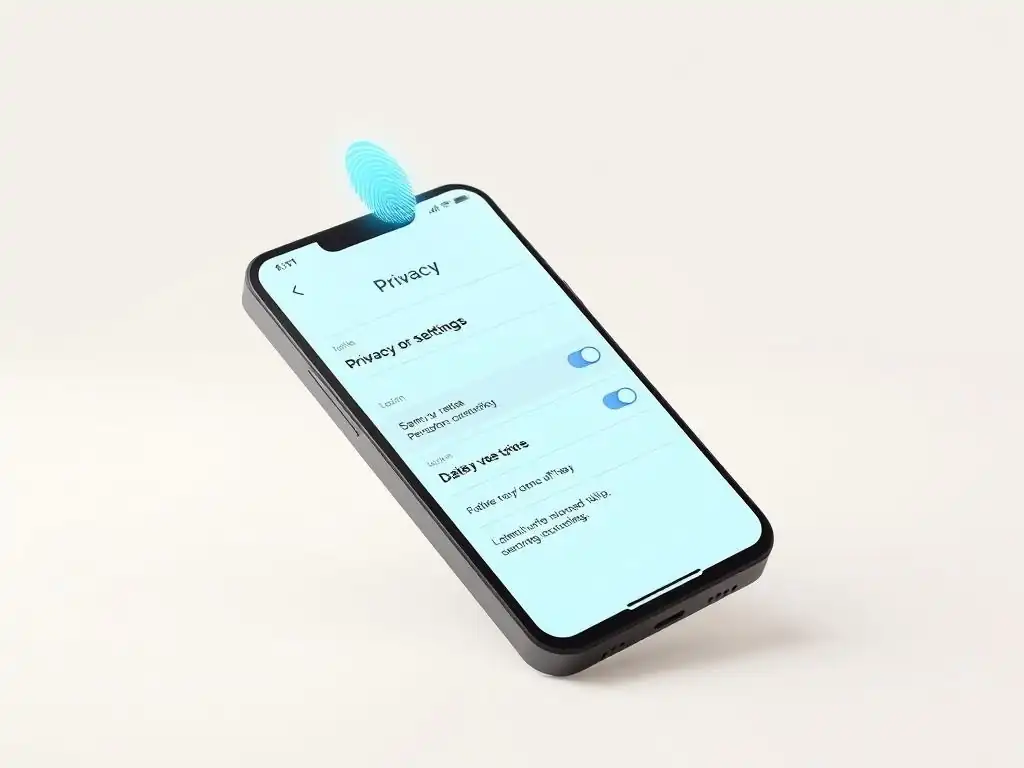
Dating apps frequently update their privacy settings and features. What was secure last month might be vulnerable today. Proactive monitoring is crucial to mitigating the risks associated with "dating app data privacy risks." Think of it like this: your privacy settings aren't a "set it and forget it" situation; they require consistent attention. Regularly checking your app's settings—ideally every few months, or even more often if there's a significant update—is essential.
Pay close attention to permissions you've granted. Many apps request access to your location, contacts, photos, and even your microphone. Review each permission individually and revoke access to anything you're uncomfortable with. For example, do you really need the app constantly tracking your location? Probably not. Restricting access minimizes the potential for data breaches and unwanted tracking.
Remember, the more information you allow the app to access, the greater the potential for misuse or exposure. Even seemingly innocuous permissions can be exploited. A seemingly harmless location access can reveal your home address or regular routines, increasing your vulnerability. So, be diligent and selective about the permissions you grant. This proactive approach is a significant step in reducing your exposure to dating app data privacy risks.
Beyond app settings, your personal behavior plays a significant role in managing dating app data privacy risks. Avoid sharing overly personal information, especially in your profile or early messages. This includes your full name, address, workplace, phone number, and other sensitive details. Remember, the information you share on these platforms persists, and you have no control over how it's used or shared once it's out there.
Think carefully before posting pictures that reveal too much about your lifestyle. Avoid images that show your license plate, house number, or other identifying information. Consider using less-revealing photos, or photos that don't reveal the specifics of your location.
Furthermore, be cautious about what you discuss in your messages. Avoid revealing sensitive details about your financial situation, family, or personal history until you've built a strong level of trust with someone. Even seemingly harmless details can be pieced together to create a comprehensive profile of you, which could be exploited. Remember, the goal is to build a connection, not to reveal your entire life story immediately.
Be mindful of the information you share to avoid unnecessary exposure. This conscious approach to data sharing can significantly reduce your vulnerability to the threats associated with dating app data privacy risks and enhance your overall safety while online dating. Your privacy is your responsibility, so practice caution and protect your personal information.
The Future of Data Privacy in Online Dating
This section explores the long-term implications of sharing personal data on dating apps, focusing on potential future scenarios and the evolving landscape of data privacy in the online dating world. Understanding these implications is crucial for navigating the complexities of modern romance and mitigating the risks associated with "Dating app data privacy risks".
Emerging Technologies and Privacy Concerns: What to Expect
The integration of new technologies like AI and machine learning in dating apps presents both opportunities and significant privacy challenges. AI algorithms, while potentially improving matchmaking accuracy, often rely on extensive data collection, raising concerns about the potential for misuse or unintended biases. For example, an algorithm trained on biased data could inadvertently perpetuate societal stereotypes in suggesting matches, potentially leading to discriminatory outcomes. Furthermore, the use of facial recognition technology, increasingly common in some apps for verification purposes, raises serious concerns about surveillance and potential identity theft.
The ethical implications of these technologies must be carefully considered, and robust safeguards implemented to protect user data. We need more transparency from app developers regarding how these technologies are used and what data is being collected. This lack of transparency is a major contributing factor to the pervasive "Dating app data privacy risks".
The rise of the "metaverse" and other immersive online environments also introduces new privacy considerations. Dating apps may integrate with these platforms, potentially expanding the data they collect and increasing the risk of exposure. Imagine a scenario where your dating app profile is linked to your virtual avatar in a metaverse game, exposing even more personal details about your habits and preferences. The potential for data breaches and misuse in such interconnected systems is significant, necessitating proactive measures to secure user information. The future of dating app privacy hinges on addressing these emerging technological challenges proactively and responsibly.
Advocacy for Stronger Data Protection Laws: The Need for Regulation
Current data protection laws in many jurisdictions are struggling to keep pace with the rapid evolution of online dating technologies. Existing regulations, like GDPR in Europe and CCPA in California, offer some protection, but they often lack the specificity needed to address the unique challenges posed by dating apps. There's a clear need for more targeted legislation that specifically addresses the collection, use, and storage of personal data by dating platforms. This includes stricter requirements for data minimization, enhanced transparency regarding data usage practices, and stronger penalties for violations.
A crucial aspect of stronger data protection laws is the establishment of independent regulatory bodies with the power to enforce these rules effectively. These bodies should have the resources and expertise to investigate complaints, conduct audits, and impose meaningful sanctions on companies that fail to comply. This regulatory oversight is essential to deter unethical data practices and to hold dating app companies accountable for protecting user data.
Without robust regulatory frameworks, the "Dating app data privacy risks" will continue to escalate. The development of international standards for data privacy in online dating could also help harmonize regulations across different countries and provide a more consistent level of protection for users worldwide.
User Education and Awareness: Taking Control of Your Privacy
Ultimately, fostering user education and awareness is paramount in mitigating "Dating app data privacy risks". Many users are unaware of the extent of data collection practices employed by dating apps, or they underestimate the potential consequences of sharing personal information online. Comprehensive educational campaigns are needed to equip users with the knowledge and skills to make informed decisions about their data privacy.
This includes providing clear and accessible information about an app's privacy policy, explaining the types of data collected, how it is used, and with whom it is shared. Users should be empowered to understand their rights and how to exercise them, such as requesting data deletion or access. Moreover, promoting best practices for online safety, such as using strong passwords, enabling two-factor authentication, and being cautious about sharing sensitive personal information, is crucial.
Educating users about the potential risks associated with sharing location data, photos, and other sensitive details is also essential. By empowering users with knowledge and promoting responsible online behavior, we can collectively contribute to a safer and more privacy-respecting online dating environment. The future of online dating depends on a shared commitment to responsible data handling and user empowerment.
Frequently Asked Questions
What are the biggest data privacy risks associated with dating apps?
Dating apps collect vast amounts of personal information, including your location, photos, and communication history. This data can be vulnerable to data breaches and malicious use, potentially leading to identity theft or stalking. Protecting your privacy requires careful consideration.
How can I minimize my data privacy risks on dating apps?
Use strong, unique passwords, enable two-factor authentication, and review the app's privacy policy carefully. Limit the personal information you share, avoid sharing your full name or address early on, and be cautious about clicking on suspicious links.
Do all dating apps have the same level of data security?
No, data security practices vary significantly across different dating apps. Some apps are more transparent about their data collection and security measures than others. Research individual app privacy policies before signing up.
What happens if my data is compromised on a dating app?
If you suspect a data breach, immediately change your passwords on all affected accounts. Consider reporting the incident to the dating app and the relevant authorities. Monitor your credit report and bank accounts for any suspicious activity.
What are some long-term implications of sharing my data on dating apps?
The long-term implications can include identity theft, stalking, harassment, and reputational damage. It's crucial to be mindful of the potential risks and take proactive steps to protect your personal information.
The seemingly innocent swipe right holds unforeseen consequences; our digital love lives are leaving a trail of data far more extensive than we realize. This article has explored the often-overlooked risks associated with sharing personal information on dating apps, highlighting the potential for data breaches, identity theft, and even manipulation. The implications extend far beyond a simple profile picture; they touch upon our financial security, emotional well-being, and even our physical safety.
The pervasive nature of data collection in the dating app ecosystem is deeply unsettling. We willingly surrender intimate details – from our location history to our deepest desires – with little understanding of how this information is used, stored, and potentially misused. The price of privacy is eternal vigilance.
– This quote, while not directly about dating apps, perfectly encapsulates the ongoing need for awareness and proactive measures in protecting our digital selves. The casual nature with which we share information online needs to be reconsidered, especially within the vulnerable context of seeking romantic connections.
Consider the implications of this for your own digital footprint. Are you truly aware of the data you're sharing? Do you understand the terms and conditions you readily agree to? Take control of your digital privacy. Research the apps you use, adjust your privacy settings, and be mindful of the information you choose to disclose. The future of online dating, and indeed our digital lives, depends on our collective understanding and responsible engagement with data privacy. Let's build a more informed and secure online dating landscape, one swipe at a time.
Unlock Your Dating App Privacy Power
Thank you for learning about the long-term consequences of sharing your data on dating apps. We hope this article has empowered you to make informed decisions about your online presence. Now, let's put that knowledge into practice!
- Take control of your privacy settings: Carefully review and adjust the privacy settings on all your dating apps to reflect your comfort level. This is crucial for protecting your personal information.
- Share this article with your friends: Help them understand the complexities of online dating privacy. Sharing this information could significantly improve someone's safety and security.
- Explore alternative approaches to dating: Consider prioritizing in-person connections or relying on mutual friends to meet new people. This can offer a greater sense of privacy and security.
What small step will you take today to enhance your dating app privacy?