
First Date Safety: The Importance of Having an Exit Strategy

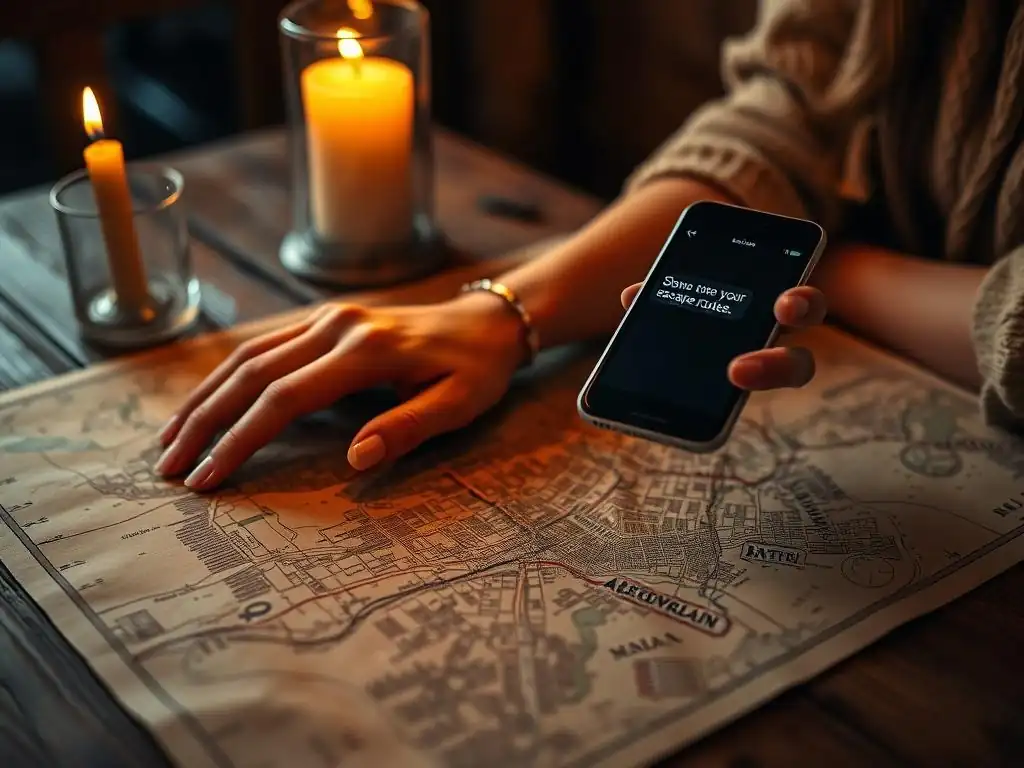
Ready to transform your online dating experience from frustrating to fulfilling? At OnlineDatingSuccess.org, we empower you to navigate the world of online dating with confidence and clarity. But before that first date, are you prepared for everything? This isn't just about crafting the perfect profile; it's about building a solid foundation for meaningful connections. Discover the crucial importance of having an Online Dating Safety Plan, and learn how to prioritize your well-being while searching for love. Let's dive into the essential strategies for a safe and successful first date.
- Planning Your Online Dating Safety Plan: Before the First Meeting
- Executing Your Online Dating Safety Plan: During the Date
- Post-Date Safety: After Your First Encounter
- Maintaining Personal Safety: Ongoing Practices for Online Dating Success
- Frequently Asked Questions
- Final Reflection: Securing Your Safety, Securing Your Future
- Unleash Your Confidence: Take Control of Your First Date
Planning Your Online Dating Safety Plan: Before the First Meeting
Navigating the world of online dating can be exciting, but it's crucial to prioritize your safety and well-being. This article focuses on developing a comprehensive online dating safety plan, specifically geared towards ensuring a secure and positive first date experience. We'll explore practical strategies to assess potential risks, choose safe meeting locations, and implement essential safety measures before, during, and after your first date.
Building a robust safety plan isn't about fear; it's about empowering yourself to make informed decisions and enjoy the online dating experience with confidence. A proactive approach to online dating safety is key to building meaningful connections without compromising your personal security. This guide will provide you with the tools and knowledge to create a personalized safety plan tailored to your specific circumstances, helping you confidently navigate the initial stages of online dating and beyond.
Remember, a successful online dating experience starts with prioritizing your safety. Let's dive into the key elements of creating a comprehensive online dating safety plan.
Assessing Potential Risks in Online Dating Profiles and Communication
Before you even think about a first date, carefully evaluate potential risks associated with online dating profiles and communication. This crucial step is often overlooked, yet it forms the bedrock of a solid safety plan. Many red flags can be identified early on, preventing potentially dangerous situations. Pay close attention to profile details and communication patterns. For example, vague profiles lacking personal information or those containing inconsistencies should raise concerns. Similarly, be wary of overly aggressive or overly flattering communication – both can be signs of manipulative behavior.
Consider these warning signs:
- Lack of personal details: A profile with minimal information or inconsistent details could indicate an attempt to conceal identity.
- Pressure for quick meetings: Be cautious of individuals who push for an in-person meeting too soon, before establishing trust and sufficient communication.
- Inconsistent information: Discrepancies in their profile information or their communication style should raise a red flag.
- Excessive flattery or negativity: Be wary of profiles or messages that are excessively flattering or overly negative towards others.
- Requests for financial assistance: Never send money or provide financial information to someone you've met online.
- Avoidance of video calls: A refusal to engage in a video call could indicate they are hiding their true identity.
Remember, your intuition is a powerful tool. If something feels off, trust your gut and don't hesitate to discontinue communication. Thorough vetting at this stage significantly minimizes risks in subsequent interactions. The goal is to identify potential red flags before meeting in person. This proactive approach is essential for your safety and well-being.
Creating a Safe and Secure First Date Location: Choosing the Right Venue
Choosing the right venue for your first date is paramount for ensuring safety and comfort. Avoid isolated or secluded locations. Public places with high visibility and foot traffic are ideal. Consider these options:
- Busy cafes or restaurants: These offer a public, well-lit environment with plenty of people around.
- Museums or art galleries: These venues provide a structured environment and opportunities for conversation.
- Parks during the daytime: While parks can be lovely, stick to well-lit and populated areas during daylight hours. Avoid secluded areas or nighttime meetings in parks.
Avoid meeting at someone's home or private residence for a first date. Always opt for a public place where you can easily leave if you feel uncomfortable. Remember, your safety is the top priority. A well-lit, populated venue significantly reduces the risk of unwanted situations. Choosing a public place also allows for easy escape if necessary. Prioritize your comfort and security when making this important decision.
Sharing your plans with trusted friends or family is a crucial safety measure. Before your first date, inform someone you trust about your date's name, profile information (if possible), the time, location, and planned activities. Consider sharing your real-time location using a location-sharing app. This allows your trusted contacts to monitor your whereabouts and offer assistance if needed. This simple step provides an additional layer of security and peace of mind.
Regular check-ins throughout the date can also provide added reassurance. Remember, letting someone know your plans is not just about safety; it’s about empowering yourself and creating a support network. This proactive measure can make all the difference in ensuring a safe and positive experience. Prioritize open communication with your support network – it’s a crucial component of a comprehensive online dating safety plan.
Executing Your Online Dating Safety Plan: During the Date

This section focuses on the practical application of your pre-planned online dating safety measures during the actual first date. Remember, preparation is key, but adaptability is equally crucial. Your online dating safety plan shouldn't be a rigid set of rules, but a flexible framework guiding your actions. The goal is to remain alert and empowered throughout the encounter. Think of it less as a checklist and more as a mental toolkit you can draw upon as needed. Let's delve into specific strategies to help you navigate your date confidently and safely.
Recognizing Red Flags: Identifying Warning Signs on a First Date
Identifying potential danger signs early on is paramount for your safety. Red flags aren't always overt acts of aggression; they can be subtle behavioral cues that warrant caution. These indicators might include inconsistencies in their story, aggressive or controlling behavior, excessive drinking or drug use, disregard for your boundaries, or a general feeling of unease. For example, if your date consistently dismisses your concerns or tries to pressure you into situations you're uncomfortable with, that's a significant red flag.
Trust your intuition; if something feels wrong, it probably is. Remember, a successful online dating safety plan prioritizes your comfort and well-being above all else. Don't hesitate to end the date if you feel unsafe, regardless of how early it is.
Your safety is non-negotiable. Consider keeping a mental log of any questionable behavior or comments, should you need to report them later. This could include specific instances of verbal abuse, aggressive gestures, or attempts to isolate you from your support network.
Implementing Your Exit Strategy: Discreet and Safe Escape Plans
Having a pre-planned exit strategy is crucial. This isn't about being paranoid; it's about being prepared. Before the date, identify several potential escape routes. This could include having a friend on standby who can call you or text you under the guise of an emergency, or pre-arranging a ride that can arrive quickly and discreetly if needed.
A simple "I have to leave early" excuse might not be enough if you feel truly threatened. Consider having a code word or phrase you can text to a trusted friend to signal you need help without raising suspicion. This is a critical component of a robust online dating safety plan. If you're meeting in a public place, familiarize yourself with nearby exits and potential safe havens, such as a busy shop or restaurant.
Ensure your phone is charged and easily accessible. Practice your exit strategy mentally beforehand, visualizing different scenarios and how you would react in each. This mental rehearsal will help you act calmly and decisively if necessary. The more prepared you are, the more confident and in control you will feel.
Utilizing Technology for Safety: Apps and Tools for Enhanced Security
Technology offers several tools to enhance your online dating safety plan. Consider using a ride-sharing app to ensure a safe and reliable mode of transportation to and from the date. Share your live location with a trusted friend or family member during the date, allowing them to monitor your whereabouts in real-time. Many apps enable this feature, providing an additional layer of security.
Additionally, many phones have built-in safety features, such as emergency contacts and quick access to emergency services. Familiarize yourself with these functions beforehand. While technology can significantly enhance your safety, it's essential to remember that no app or tool can completely eliminate risk.
Your personal awareness, judgment, and proactive planning are the most critical elements of a successful online dating safety plan. Always maintain a healthy skepticism and trust your instincts. Remember, your safety is paramount, and utilizing these technological tools is just one part of a much larger strategy focused on your overall well-being.
Trusting Your Instincts: Recognizing and Responding to Discomfort
Your gut feeling is your most powerful safety tool. Learning to recognize and respond to discomfort is crucial for online dating safety. Discomfort isn't always a dramatic event; it can be subtle, like a feeling of unease, a nagging intuition that something isn't right, or a mismatch between your date's online persona and their in-person behavior. Perhaps their body language seems tense or evasive, or their conversation veers into topics that make you uncomfortable. Maybe the location feels isolated or unsafe, or you sense a lack of respect for your boundaries. These are all red flags.
Don't dismiss these feelings as overreaction or nervousness. Your intuition is often correct. Many successful online daters report instances where a subtle feeling of unease ultimately prevented a potentially dangerous situation. Remember, a successful date is about feeling safe and comfortable, not forcing yourself to endure an unpleasant experience. Prioritizing your safety and well-being is paramount.
Responding to discomfort requires proactive planning. Before the date, identify your personal comfort thresholds and pre-determine your boundaries. For example, you might decide that if the conversation feels coercive or if your date ignores your requests, you will immediately excuse yourself. Having a clear plan in place reduces stress and allows for a quicker, more decisive response in a challenging situation. This reduces the likelihood of freezing or feeling overwhelmed when confronted with unexpected behavior. Practice asserting your boundaries in less stressful situations, so you're prepared to do so when needed.
Remember, there's no shame in ending a date early. Your safety and well-being are more important than politeness or avoiding perceived awkwardness. A safe and successful date ends when you decide it ends, not when your date does. Leaving a date early is not a failure; it's an act of self-preservation and a testament to your commitment to your online dating safety plan. Prioritizing your comfort level demonstrates self-respect and reinforces healthy boundaries.
Post-Date Safety: After Your First Encounter
After your first date, regardless of how it went, taking some time for self-reflection is crucial. This isn't just about analyzing the romantic potential; it's about reviewing your personal safety and making adjustments to your online dating safety plan. Your experience, positive or negative, offers valuable insights for future interactions.
Reviewing Your Experience and Making Adjustments to Your Safety Plan
Did your date adhere to the safety precautions you established beforehand? Did you feel comfortable throughout the encounter? Consider the entire process, from initial contact to the end of the date. If anything made you feel uneasy—a comment, a location, their behavior—note it down. This detailed record is vital for refining your safety strategy.
For example, if you met in a public place but felt pressured to go somewhere more secluded, that's a red flag. Adjust your plan for future dates to include a stricter adherence to pre-determined public locations. If you shared your real-time location with a friend, did the sharing process go smoothly? If not, practice this beforehand with a trusted friend to ensure you're comfortable and efficient in case of an emergency. Perhaps you need to streamline your communication method or choose a different app for location sharing.
Consider these points:
- Location Choice: Was the chosen location safe and well-lit? Did you have easy access to transportation?
- Communication: Did the communication style match your expectations? Was there any concerning behavior during the date?
- Transportation: Did you have a safe and reliable means of transportation to and from the date?
- Emergency Contacts: Were your emergency contacts easily accessible? Did you effectively communicate your whereabouts?
Remember, there's no such thing as being overly cautious when it comes to your safety. An online dating safety plan is a living document; it should be continuously updated and refined based on your experiences. Even positive dates can highlight areas for improvement in your safety protocols.
Reporting Safety Concerns: When and How to Seek Help
If your date violated your boundaries, made you feel unsafe, or engaged in any harassing or abusive behavior, reporting is crucial. Don't hesitate to seek help. Your safety and well-being are paramount.
Several avenues exist for reporting safety concerns:
- Dating App Platforms: Most online dating platforms have reporting mechanisms built into their apps. Use these features to report inappropriate behavior. Document the incident with screenshots and timestamps whenever possible.
- Law Enforcement: For serious incidents such as assault, harassment, or stalking, contact your local law enforcement agency immediately.
- Support Groups and Hotlines: Organizations dedicated to domestic violence and sexual assault offer support, resources, and guidance. They can provide crucial assistance and help you navigate the reporting process.
- Friends and Family: Lean on your support network. Talking to trusted friends and family can provide emotional support and practical advice.
Remember, reporting is a sign of strength, not weakness. By reporting incidents, you contribute to creating a safer online dating environment for everyone. Your experience can help others avoid similar situations. Don't let fear or shame prevent you from seeking help.
Learning from Experiences: Refining Your Online Dating Safety Strategy for Future Dates
Each date, regardless of outcome, offers valuable lessons. Analyze your experiences to identify areas where your safety plan could be improved. This iterative process is key to building a robust and effective online dating safety strategy.
Here's how to refine your plan:
- Communication: Review your communication style. Were you clear about your boundaries? Did you feel comfortable sharing personal information? Adjust your communication strategy to ensure clear, safe, and respectful interactions.
- Risk Assessment: Develop a more detailed risk assessment process for potential dates. Consider factors like their profile information, communication style, and proposed date locations.
- Technology: Explore new technologies or apps that enhance your safety. Location sharing apps, safety check-in features, or encrypted communication tools can add extra layers of security.
- Self-Care: Prioritize self-care. Ensure you have a supportive network and are prioritizing your mental and emotional well-being. This is crucial for making sound judgments and staying safe.
By consistently reviewing, refining, and adapting your online dating safety plan, you can significantly reduce risks and increase your confidence in navigating the world of online dating. Remember, your safety is always the top priority.
Maintaining Personal Safety: Ongoing Practices for Online Dating Success

This section focuses on proactive measures you can take to ensure your safety throughout your online dating journey, not just on the first date. A comprehensive online dating safety plan isn't a one-time event; it's an ongoing commitment to your well-being. Think of it as a layered approach, combining digital vigilance with smart, real-world choices. The goal is to minimize risks and maximize your chances of positive experiences. Remember, your safety is paramount.
Protecting Your Personal Information: Online Privacy Best Practices
Protecting your personal information is the cornerstone of any effective online dating safety plan. Avoid sharing sensitive details like your full address, workplace, or exact location prematurely. Instead of directly revealing your home address, you could suggest meeting in a public area. Similarly, using a nickname or a less identifiable email address for online dating can add an extra layer of protection.
Many dating apps offer privacy settings; utilize them to your advantage. Consider limiting who can see your profile and restrict access to your location data. Regularly review your privacy settings on all dating apps and social media platforms, as updates can sometimes alter the defaults.
Think carefully before connecting your dating profile to other social media accounts. While this might seem convenient, it exposes more of your personal information, potentially leading to unwanted attention or stalking. Remember, less is often more when it comes to sharing details online.
Here's a checklist to help you stay safe:
- [ ] Use a strong, unique password for each dating app.
- [ ] Enable two-factor authentication wherever possible.
- [ ] Regularly review your privacy settings on all platforms.
- [ ] Avoid sharing sensitive personal information like your full address or workplace.
- [ ] Be cautious about sharing photos that reveal too much personal information about your location or lifestyle.
Communicating Boundaries Clearly: Setting Expectations for Respectful Interactions
Clear communication is key to a safe and respectful online dating experience. Before meeting anyone in person, establish boundaries and expectations. This isn't about being unfriendly; it's about being proactive in protecting yourself. This includes setting limits on what information you’re willing to share, and what kind of behavior you will and will not tolerate.
For example, you could explicitly state your preference for meeting in well-lit, public places for your first date. You can also set ground rules about contact frequency, such as indicating you prefer communication primarily through the dating app initially. If someone pressures you to share information or meet sooner than you're comfortable with, it's a red flag and you should consider disengaging.
It's equally important to be assertive about your personal space and comfort levels during in-person interactions. Don't hesitate to politely but firmly refuse unwanted advances or inappropriate behavior. Learning to say "no" confidently is a crucial aspect of self-protection. Remember, respecting your own boundaries is non-negotiable.
Building Confidence and Assertiveness: Empowering Yourself for Safe Online Dating
Feeling confident and assertive can significantly impact your safety. This isn't about projecting an air of aggression; it's about possessing the self-assurance to trust your instincts and act accordingly. If a situation feels uncomfortable or unsafe, even slightly, you have the right to leave. Don't worry about appearing rude; your safety is the priority.
Consider taking a self-defense class. Learning basic self-defense techniques can boost your confidence and provide you with practical skills to protect yourself in potentially dangerous situations. Beyond physical self-defense, emotional self-defense is equally crucial. Strengthening your ability to identify and address red flags is equally important for avoiding potentially risky encounters.
Develop a strong support network. Share your dating plans with trusted friends or family members, providing them with the person's name, profile information, and planned meeting location. Regular check-ins can provide additional security and reassurance. Remember, building a strong support system can make a significant difference in your online dating safety plan. Your safety and well-being are never selfish concerns.
Frequently Asked Questions
What is an exit strategy in the context of a first date?
An exit strategy is a pre-planned way to safely leave a date if you feel uncomfortable or unsafe. This could involve having a friend call you at a specific time, or having a ride readily available. It's all about prioritizing your safety and well-being.
Why is having an exit strategy important for online dating safety?
Online dating involves meeting strangers, increasing the risk of encountering someone who isn't who they seem. An exit strategy provides peace of mind and control during a first date, allowing you to leave a potentially dangerous situation quickly and discreetly.
How can I discreetly use an exit strategy during a date?
You can use a pre-arranged call from a friend as a believable excuse. A simple text to a friend letting them know your location and the date's details also works as a safety net and a record. Remember to trust your instincts; if something feels off, leave.
What are some examples of a good exit strategy?
Having a friend "check in" via text or call, arranging your own transportation, and choosing a public, well-lit meeting place are excellent strategies. Sharing your location with a trusted friend or family member in real-time is also highly recommended.
Does having an exit strategy mean I'm being paranoid or distrustful?
No, it's a proactive measure to ensure your safety. It's better to be prepared and never need to use your exit strategy than to be caught in an unsafe situation without a plan. Prioritizing your safety shows self-respect and responsibility.
Final Reflection: Securing Your Safety, Securing Your Future
The ease of connecting online has unfortunately been matched by an increase in the risks associated with first dates. Ignoring these risks can have devastating consequences, highlighting the urgent need for proactive safety measures. We must move beyond simply hoping for the best and actively cultivate a culture of informed consent and personal safety.
The impact of online dating on our social landscape is undeniable, fundamentally altering how we meet and interact with potential partners. This shift necessitates a corresponding evolution in our understanding of personal safety. The vulnerability inherent in meeting strangers, amplified by the anonymity of the digital world, demands a conscious and deliberate approach to risk mitigation. The price of freedom is eternal vigilance,
a sentiment that rings truer than ever in the context of online dating. We must remain vigilant, not to stifle the joy of connection, but to safeguard our well-being.
Now, consider your own dating habits. Do you have a solid safety plan in place? Do you regularly evaluate your comfort levels and trust your instincts? Take the time to create a personalized exit strategy, a plan that empowers you to disengage from any situation that feels unsafe, regardless of how it began. This isn't about fear; it's about empowerment, about taking control of your safety and ensuring that your pursuit of connection doesn't compromise your well-being. Your safety is paramount, and your future self will thank you for prioritizing it.
Unleash Your Confidence: Take Control of Your First Date
Thank you for prioritizing your safety! We hope this article has provided you with the knowledge to confidently navigate first dates. Now, let's put that knowledge into practice.
- Develop a personalized safety plan: Consider various scenarios and devise specific strategies for leaving if needed, including pre-arranged signals for help. Prioritizing your safety empowers you.
- Share your itinerary: Inform a trusted friend or family member of your date's location, the person you're meeting, and your expected return time. A simple text message can provide significant reassurance.
- Join the discussion: Share your own first-date safety tips and experiences in the comments below – let's create a supportive community!
What's your most effective first-date safety tip? We'd love to hear it!