
Avoid Catfishing: Setting Boundaries Around Online Identity Verification

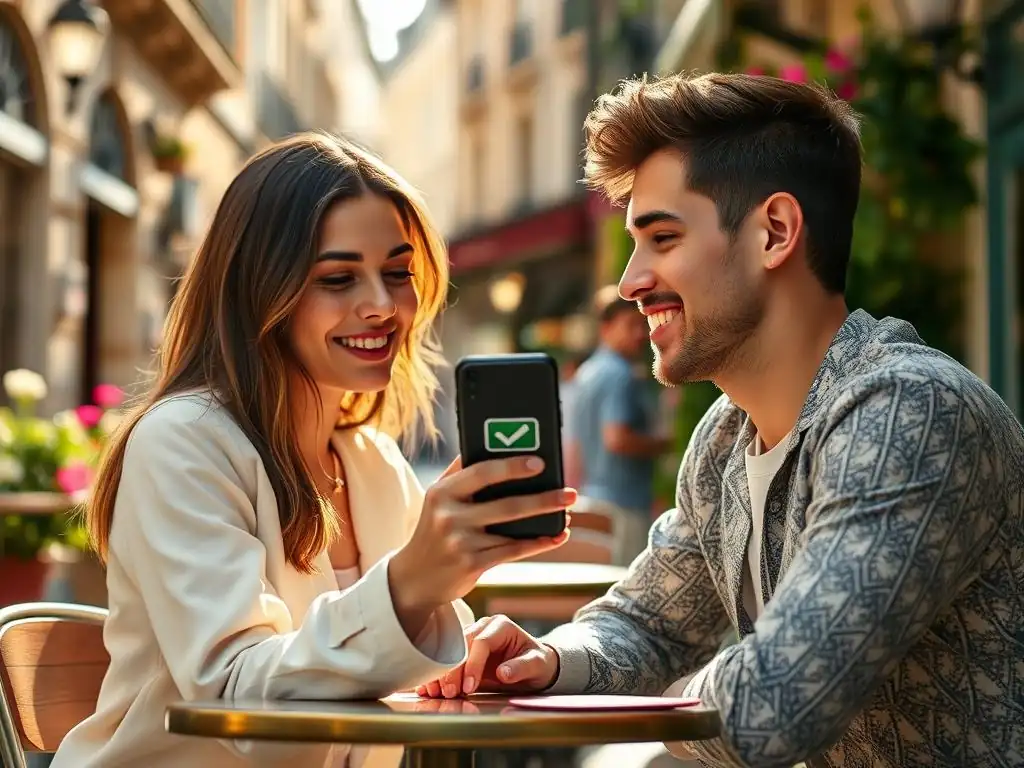
Tired of endless swiping and disappointing dates? At OnlineDatingSuccess.org, we're dedicated to helping you navigate the world of online dating with confidence and achieve meaningful connections. This isn't just about finding a match; it's about building a genuine relationship. Learn how to protect yourself and ensure authenticity by understanding the crucial role of online dating identity verification, a critical aspect of safe and successful online dating etiquette. Discover the strategies you need to build a stronger online presence and avoid falling victim to catfishing – your journey to a fulfilling relationship starts here.
- Understanding the Risks of Online Dating Identity Verification
- Implementing Effective Online Identity Verification Strategies
- Setting Healthy Boundaries in Online Communication
- When to Seek External Help for Online Dating Identity Verification
- Maintaining Safe Online Dating Practices Beyond Identity Verification
-
Frequently Asked Questions
- How important is online identity verification in online dating?
- What methods can I use to verify someone's online dating profile?
- Are there any red flags suggesting a lack of identity verification?
- How can I protect my own identity while using online dating?
- What should I do if I suspect someone is catfishing me?
- Final Reflection: The Enduring Need for Authentic Connections in the Digital Age
- Unmask Your Authentic Self: Next Steps for Safe Online Dating
Understanding the Risks of Online Dating Identity Verification
Online dating offers incredible opportunities to connect with people, expand your social circle, and even find lasting love. However, the ease of creating profiles and the anonymity afforded by the internet also presents significant risks. This article focuses on the crucial aspect of online dating identity verification and the importance of setting clear boundaries to protect yourself from potential harm.
Navigating the world of online dating requires awareness of the dangers, proactive strategies to mitigate risks, and a robust understanding of how to identify and avoid deceptive profiles. We'll explore the prevalence of catfishing, discuss warning signs to watch out for, and examine the potential emotional and psychological consequences of engaging with fraudulent online personas.
Ultimately, the goal is to empower you to make informed decisions, build trust safely, and enjoy the positive aspects of online dating while minimizing the potential for negative experiences. Protecting your personal information and emotional well-being is paramount, and this guide provides practical steps to achieve that.
The Prevalence of Catfishing in Online Dating
Catfishing, the act of creating a fake online profile using false photos and information to deceive others, is a pervasive problem in online dating. While precise statistics are difficult to obtain due to the clandestine nature of this activity, anecdotal evidence and reports from dating platforms suggest it's a significant concern. Many individuals create these fake profiles for various reasons, including seeking attention, financial gain, or engaging in manipulative or abusive behavior.
The anonymity of the internet makes it relatively easy to create a false identity, and the emotional vulnerability of individuals seeking connection can make them susceptible to deception. Studies suggest that a significant percentage of online daters have encountered suspicious profiles or experienced some form of catfishing attempt.
Understanding the scale of this issue is the first step towards developing effective protective measures. The ease of accessing and manipulating images online further exacerbates the problem, making it increasingly challenging to distinguish genuine profiles from fabricated ones.
Recognizing Red Flags: Signs of a Fake Profile
Identifying a catfish requires vigilance and a healthy dose of skepticism. Several red flags should raise your suspicion. Inconsistencies in profile information, such as discrepancies between photos and descriptions or a lack of personal detail, are common warning signs. Be wary of profiles with overly perfect or unrealistic photos, limited or generic information, and an unwillingness to engage in video calls or share personal details.
Furthermore, pay attention to communication patterns. Catfish often avoid in-depth conversations, change their communication style abruptly, or make excuses to avoid meeting in person. They might also be overly complimentary or express strong feelings too quickly. A sudden request for money or other financial assistance should be treated as a major red flag.
Remember, trust should be earned, not assumed, especially in the online dating world. Reviewing multiple photos for inconsistencies and conducting reverse image searches can also be helpful in verifying the authenticity of a profile. A lack of mutual friends or connections on other social media platforms can also be a cause for concern.
Potential Consequences of Dating a Catfish
The emotional toll of discovering you've been catfished can be devastating. The betrayal of trust, the investment of time and emotion into a fabricated relationship, and the potential for identity theft or financial fraud can leave lasting psychological scars. Many victims experience feelings of embarrassment, shame, anger, and confusion. The emotional manipulation involved in catfishing can be particularly damaging, leading to feelings of self-doubt and low self-esteem.
In addition to the emotional consequences, there are potential risks to personal safety. Catfishing can be a precursor to more serious forms of online abuse or harassment. It is crucial to recognize that you are not alone and that seeking support from friends, family, or mental health professionals is a sign of strength, not weakness. Remember that the fault lies entirely with the catfish; their actions are a reflection of their own issues, not a judgment on your worth or judgment.
Implementing Effective Online Identity Verification Strategies

This section delves into practical strategies for verifying the identities of potential matches in the online dating world. Navigating the complexities of online dating requires a proactive approach to safety and ensuring authenticity. Remember, your safety and well-being are paramount, and implementing these strategies can significantly reduce the risk of encountering a catfish. Effective online dating identity verification isn't about suspicion; it's about responsible online interaction.
Verifying Profiles: Methods and Tools for Online Dating Identity Verification
Verifying profiles involves a multi-pronged approach, combining careful observation with readily available tools. Don't rely on a single method; instead, utilize a combination for a more comprehensive assessment. Here's a breakdown of effective methods:
- Cross-referencing Information: Carefully compare information provided on the dating profile with publicly available information. Does their profile picture appear elsewhere online? Do their stated professional details align with LinkedIn or other professional networking sites? Inconsistencies should raise a red flag.
- Social Media Checks (with caution): While not foolproof, a quick check of their social media presence (if they've linked their accounts or you can find them via a simple search) can provide additional context. However, remember to respect their privacy; overt investigation is inappropriate.
- Video Calls: A video call is a powerful verification tool. Seeing someone in real-time allows you to compare their appearance with their profile pictures and assess their overall demeanor. This method significantly reduces the likelihood of interacting with a fake profile.
- Reverse Phone Lookup Services (for phone numbers provided): Several services allow you to search for a phone number and potentially find associated information, such as name and address. Use these services responsibly and ethically, respecting privacy regulations.
- Professional Verification Services (paid): While not always necessary, professional background check services can provide in-depth verification of someone's identity, albeit at a cost. Consider this option if you feel particularly uneasy about a potential match and are willing to invest in your safety.
| Method | Effectiveness | Privacy Concerns | Cost |
|---|---|---|---|
| Cross-referencing Information | High | Low | Free |
| Social Media Checks | Moderate | Moderate | Free |
| Video Calls | High | Low | Free |
| Reverse Phone Lookup | Moderate | Moderate | Varies |
| Professional Verification | High | Low | Moderate to High |
Remember, even with thorough verification, there's no guarantee of complete authenticity. Trust your instincts; if something feels off, it's best to err on the side of caution.
Asking the Right Questions: Techniques for Discreet Verification
Subtle questioning can be a powerful tool for identity verification without seeming intrusive or accusatory. The key is to weave these questions naturally into your conversations. Avoid direct accusations; instead, focus on building rapport and gathering information organically. For example:
- "I'm curious about your work in [field mentioned on profile]. What's a typical day like?" This encourages a detailed response that can be cross-referenced with public information.
- "I noticed you mentioned [hobby/interest]. That sounds fascinating! Tell me more about it." This opens the door for them to elaborate, providing opportunities to verify details they've shared.
- "What are some of your favorite weekend activities?" This seemingly casual question can reveal details that can later be subtly verified.
The goal isn't to grill them with questions, but to subtly gather information that can be used to corroborate their claims. Pay attention to their responses and look for inconsistencies or evasiveness. If they consistently avoid answering direct questions or provide vague answers, it might be a sign of deception. Remember, genuine individuals are usually happy to share details about their lives.
Utilizing Reverse Image Search for Profile Picture Verification
Reverse image search is a simple yet effective tool for verifying profile pictures. Many search engines (like Google, Bing, etc.) offer this functionality. Simply upload the profile picture to the search engine and see if it appears elsewhere online. If the image shows up on multiple dating profiles or other websites, it could indicate a fake profile or a stolen identity.
This quick check can save you time and potential heartache. Be aware, however, that some sophisticated catfishers might use slightly altered images to avoid detection. Therefore, it's crucial to utilize this tool in conjunction with other verification methods for a more comprehensive assessment. The process is straightforward: upload the image, review the results carefully, and consider the context of any matches found. A single match might not be alarming, but multiple matches on different dating sites should raise significant concerns.
Cross-referencing social media profiles is a crucial step in online dating identity verification. It allows you to gather more information about a potential partner and compare it to the information they've provided on the dating platform. This isn't about invading someone's privacy; it's about exercising due diligence to protect yourself. Remember, the goal is to corroborate information, not to judge.
Many people maintain a consistent online presence across various platforms. If their dating profile picture doesn't match their Facebook profile picture, or if their stated profession differs significantly from their LinkedIn profile, it could be a red flag. Inconsistencies don't automatically mean someone is a catfish, but they warrant further investigation or a cautious approach. Pay close attention to the dates of their social media activity, as this can sometimes reveal discrepancies with the timeline they've presented to you.
Consider the overall tone and content of their social media. Do their posts align with their personality and the information they shared on their dating profile? For example, if their dating profile portrays them as an adventurous outdoors person, but their social media shows only indoor activities and little evidence of travel, it might be a cause for concern. This isn't about finding a perfect match in every detail, but about looking for glaring inconsistencies that could signal deception.
Remember to be mindful of privacy settings. Publicly available information is fair game for comparison, but avoid accessing private content or attempting to circumvent privacy settings. This is crucial to maintain ethical boundaries and avoid any potential legal issues. Respect their privacy while still ensuring your own safety and well-being. Remember, online identity verification is about gathering confirming evidence, not about conducting extensive background checks. If you find significant discrepancies, it's best to proceed with caution or consider ending communication. Your safety and well-being should always be the priority in the realm of online dating.
Setting Healthy Boundaries in Online Communication
This section focuses on establishing healthy communication boundaries to mitigate the risks associated with online dating identity verification. Remember, protecting your personal safety and emotional well-being is paramount. Navigating the world of online dating requires a cautious, yet proactive approach. Successfully verifying someone's online identity isn't about immediate confirmation, but rather a gradual process built on trust and transparency.
Slow and Steady: Building Trust Gradually
The best approach to online dating identity verification isn't a sudden leap of faith, but a slow, steady progression. Don't rush into sharing personal details or engaging in deeply personal conversations before establishing a baseline level of trust. Think of it like a carefully constructed bridge – you wouldn't cross a bridge without first ensuring its stability. Similarly, verifying someone's identity online takes time and careful observation.
Consider these steps:
- Start with text-based communication: Initial conversations should focus on getting to know the person's personality, interests, and values. Pay attention to inconsistencies or red flags in their stories.
- Progress to voice calls: Once you feel comfortable, move to voice calls. This allows you to assess their tone of voice, accent, and overall communication style. Discrepancies between their written and spoken communication could indicate a potential issue.
- Share information gradually: Don't reveal sensitive personal information like your full address, workplace, or financial details too early. This protects you from potential harm and allows you to assess their trustworthiness over time.
- Look for consistency: Genuine connections are built on consistency. Do their actions align with their words? Do their online profiles match their self-description? Inconsistencies should raise a red flag.
Video Calls: The Power of Visual Confirmation
Video calls are a powerful tool in online dating identity verification. While not foolproof, they offer a much higher level of assurance than text or voice calls alone. Seeing someone's face, observing their body language, and hearing their voice in real-time provides a much richer context for assessing their authenticity.
Here's how to maximize the effectiveness of video calls:
- Initiate video calls early: Don't wait too long to suggest a video call. A genuine person will usually be happy to accommodate this request. Avoid excuses or resistance from the other party.
- Pay attention to details: Observe their surroundings, their appearance, and their overall demeanor. Do they seem nervous or evasive? Do their surroundings match their descriptions?
- Use multiple platforms: Consider using different video calling platforms to avoid potential manipulation or spoofing.
Protecting Personal Information: Avoiding Oversharing
Protecting your personal information is crucial for online safety. Oversharing can make you vulnerable to scams, stalking, or identity theft. Remember, online dating identity verification is a two-way street – you need to protect yourself as much as you verify others.
Here are some essential tips:
- Never share sensitive information: Avoid revealing your full name, address, workplace, social security number, bank details, or other sensitive information.
- Use strong passwords and two-factor authentication: Protect your online dating accounts with strong, unique passwords and enable two-factor authentication whenever possible.
- Be cautious about sharing photos: Avoid sharing photos that reveal too much personal information, such as your home address or workplace.
- Be aware of social engineering: Be cautious of attempts to manipulate you into revealing personal information. Legitimate dating sites will never ask for your bank details or other sensitive information.
Remember, online dating identity verification is an ongoing process. Trust your instincts and prioritize your safety. If something feels off, it probably is. Don't hesitate to end contact if you have any concerns. Prioritizing your safety and well-being is always the most important aspect of online dating.
Trust Your Instincts: Recognizing Warning Signs

Your intuition is a powerful tool, often picking up on subtle cues that your conscious mind might miss. In the world of online dating, where deception can be prevalent, trusting your gut feeling is paramount for online dating identity verification. If something feels off, even if you can't pinpoint exactly what it is, it's crucial to investigate further or simply move on. This could manifest in various ways.
Perhaps their profile seems too perfect, lacking any imperfections or vulnerabilities. Or maybe their communication style feels inconsistent or evasive. They might be overly eager to move the relationship offline quickly, before you've had a chance to establish a genuine connection and verify their identity. Remember, healthy relationships are built on trust and transparency, and a reluctance to share information or answer direct questions should raise a red flag.
Don't dismiss these feelings as mere nervousness; they could be your subconscious alerting you to potential danger. Prioritizing your safety and well-being is always the correct decision. Learning to recognize these early warning signs is a crucial step in successful online dating identity verification. It's better to err on the side of caution than to risk your emotional and physical safety.
The Importance of Slow and Steady Communication
Rushing into deep conversations or intense emotional commitments online is a significant risk factor. Online dating identity verification is a process, not a single event. Take your time to get to know someone before sharing personal information or agreeing to meet in person. Slow and steady communication allows you to observe patterns of behavior and assess consistency. Does their online persona align with their offline actions (if you've had any offline interactions)?
Do they respond promptly and consistently, or are there periods of silence or unexplained absences? Do their words match their actions? These are all crucial aspects of online dating identity verification. A rush to intimacy often masks ulterior motives.
Building trust takes time, and rushing this process can make you vulnerable to manipulation or deception. Focus on building a genuine connection based on open communication and mutual respect. This approach significantly reduces your risk and enhances your chances of finding a healthy, authentic relationship. Remember, quality over quantity is key when it comes to online dating identity verification.
Verification Methods: Balancing Privacy and Safety
While complete transparency is ideal, it’s also important to prioritize your personal safety and privacy during online dating identity verification. You don't need to reveal everything about yourself immediately. Instead, focus on verifying key information. For instance, reverse image searching their profile pictures can help confirm their identity and reveal inconsistencies.
A simple Google search of their name and location might uncover additional information. However, avoid overly intrusive methods that might violate their privacy. The goal is to verify their identity, not to conduct a full-scale background check. Furthermore, be mindful of the information you share yourself.
Avoid revealing sensitive personal details, such as your full address or workplace, until you've established a high level of trust. Remember, a healthy balance between caution and openness is essential for successful online dating identity verification and building a safe and fulfilling relationship. This balance safeguards your privacy while allowing you to verify the authenticity of your potential partner.
When to Seek External Help for Online Dating Identity Verification

Navigating the world of online dating requires a keen awareness of potential risks, and sometimes, even the most cautious individuals need additional support in verifying online identities. Knowing when to seek external help is crucial for protecting your safety and well-being. This section outlines scenarios where seeking assistance from online platforms or even law enforcement becomes necessary. Remember, prioritizing your safety is paramount in the online dating landscape. Effective online dating identity verification is a multi-faceted process, and external resources can play a vital role.
Reporting Suspicious Profiles to Online Dating Platforms
Most reputable online dating platforms have robust mechanisms in place to report suspicious profiles. These mechanisms are designed to help identify and remove accounts engaged in deceptive practices, including catfishing. Reporting a profile you suspect is fake or misleading is a crucial step in protecting yourself and the broader online dating community. Don't hesitate to utilize these features; the platforms themselves are invested in maintaining a safe environment for their users. The specific steps to report a profile vary slightly between platforms, but generally involve:
- Locating a "Report" or "Flag" button on the user's profile page.
- Selecting the appropriate reason for reporting (e.g., suspicious photos, fake profile, inappropriate behavior).
- Providing as much detail as possible about your concerns, including screenshots or specific examples of suspicious activity. The more information you provide, the better equipped the platform is to investigate.
- Following up if necessary. While platforms strive for prompt action, it's reasonable to follow up if you haven't received a response within a reasonable timeframe.
Remember, reporting suspicious profiles isn't just about protecting yourself; it's about contributing to a safer online dating experience for everyone. Active participation in reporting helps platforms maintain a higher standard of user safety and accountability. Your vigilance is a valuable asset in the fight against online deception.
While reporting suspicious profiles to online dating platforms is often the first step, there are situations where contacting law enforcement becomes necessary. This is particularly true if you suspect you're a victim of identity theft, financial fraud, or harassment stemming from an online dating interaction. These situations require a more formal approach, and engaging with law enforcement is vital for initiating a proper investigation and obtaining legal recourse. Some situations that warrant contacting the authorities include:
- Financial scams: If you've sent money to someone you met online and believe you've been defrauded, immediately contact your local police department and file a report. Gather all relevant evidence, such as communication logs, transaction records, and any other information that could aid the investigation.
- Harassment or threats: If you're receiving threatening messages, unwanted contact, or experiencing any form of harassment, report it to the police immediately. Preserve all communication records as evidence. Remember to prioritize your safety and consider obtaining a restraining order if necessary.
- Identity theft: If you discover that someone has used your personal information (name, address, social security number, etc.) to create a fake online dating profile, report it to the police and the relevant credit bureaus. Take immediate steps to protect your identity and credit.
- Stalking: If you believe someone you met online is stalking you, contact the authorities immediately. Document all instances of stalking behavior, including dates, times, and locations. Consider seeking assistance from victim support organizations for additional guidance.
Contacting authorities can be a daunting step, but it’s a crucial one in protecting yourself from serious harm. Remember, you are not alone, and help is available. Law enforcement agencies are equipped to handle these sensitive situations and provide the support you need. The process may involve providing detailed information about your interactions and providing evidence, so being prepared is helpful. Your safety and well-being are the top priority. 👮♀️
Maintaining Safe Online Dating Practices Beyond Identity Verification
This section focuses on proactive measures you can take to enhance your safety while online dating, even after verifying a potential partner's identity. Remember, identity verification is just one piece of the puzzle; a holistic approach to online safety is crucial for a positive and secure dating experience. Effective online dating identity verification is a powerful tool, but it shouldn't be your sole reliance.
Protecting Your Privacy Online: General Tips for Online Safety
Protecting your privacy extends far beyond simply verifying identities. It's about being mindful of the information you share and the platforms you use. Consider these crucial steps:
- Avoid oversharing: Resist the urge to divulge sensitive personal information, such as your full address, place of work, or financial details, too early in the online dating process. Remember, even verified profiles can still harbor malicious intent. Think of it like this: you wouldn't hand a stranger your house keys on a first date, so why give them your life story online?
- Be wary of unsolicited links: Never click on links sent by individuals you don't fully trust. These links can lead to phishing scams designed to steal your personal information. Always double-check the sender's identity and the legitimacy of the link before clicking. If something feels off, it probably is.
- Use a separate email address: Creating a dedicated email address solely for online dating can help protect your primary inbox from spam and potential security breaches. This isolates your dating communication from other important aspects of your life, minimizing risk.
- Reverse image search: Before meeting someone in person, consider performing a reverse image search on their profile pictures to ensure the images aren't stolen or misrepresented. This is a simple yet effective way to corroborate their online identity, supplementing the verification process.
- Limit personal information on social media: Review your social media privacy settings to ensure that only approved contacts can view your personal information. Remember, many online dating profiles link to social media accounts, making it easier for potential predators to find sensitive information.
Using Strong Passwords and Two-Factor Authentication
Strong passwords and two-factor authentication (2FA) are fundamental aspects of online security, directly impacting your online dating safety. Weak passwords are easily cracked, leaving your profile vulnerable to unauthorized access and potential identity theft. Here's how to bolster your defenses:
- Password complexity: Create strong passwords that incorporate a mix of uppercase and lowercase letters, numbers, and symbols. Aim for a minimum length of 12 characters. Avoid using easily guessable information, such as your birthday or pet's name. Consider using a password manager to generate and securely store complex passwords.
- Unique passwords: Use unique passwords for each of your online accounts, including your online dating profile. This way, if one account is compromised, it won't compromise others.
- Two-Factor Authentication (2FA): Enable 2FA wherever possible. This adds an extra layer of security, requiring a code from your phone or email in addition to your password to access your account. Even if someone obtains your password, they'll still need access to your secondary device to log in. This significantly reduces the risk of unauthorized access.
Regularly Reviewing Your Online Privacy Settings
Regularly reviewing your online privacy settings is crucial for maintaining control over your personal information. Online platforms frequently update their privacy policies and settings, making it necessary to periodically review and adjust your preferences. This proactive approach ensures that your personal information remains protected. Here's what to look for:
- Data sharing preferences: Understand what data each dating app collects and how it uses that information. Opt out of unnecessary data sharing whenever possible. Pay close attention to location services; you might not want your precise location shared with every match.
- Notification settings: Adjust your notification settings to manage the frequency and type of notifications you receive. This can help you avoid unwanted communication or potential harassment.
- Account activity: Regularly review your account activity for any suspicious logins or unauthorized access attempts. If you notice anything unusual, change your password immediately and report it to the platform's support team. This vigilance is your first line of defense against potential breaches.
Remember, online safety is an ongoing process, not a one-time fix. By combining online dating identity verification with these proactive measures, you significantly enhance your chances of having a positive and safe online dating experience. Prioritizing your privacy and security is an investment in your well-being and peace of mind.
Frequently Asked Questions
How important is online identity verification in online dating?
It's crucially important to prioritize safety. While complete verification isn't always possible, taking steps to verify information reduces the risk of encountering catfish and scammers. This protects your emotional and financial well-being.
What methods can I use to verify someone's online dating profile?
There's no foolproof method, but you can use reverse image searches on profile pictures, check for consistent information across multiple platforms, and engage in video calls early in communication. Be cautious and trust your instincts.
Are there any red flags suggesting a lack of identity verification?
Yes. Vague or missing information on their profile, inconsistent details, a reluctance to video chat, and pressure to move quickly off the platform are all significant red flags.
How can I protect my own identity while using online dating?
Avoid sharing personal information like your full address, workplace, or financial details prematurely. Use a strong password, enable two-factor authentication, and be mindful of the information you share in photos and conversations.
What should I do if I suspect someone is catfishing me?
Trust your gut. If something feels off, gently probe for more information, and if inconsistencies persist, discontinue contact immediately. Report suspicious profiles to the online dating platform.
Final Reflection: The Enduring Need for Authentic Connections in the Digital Age
The ease of creating false online identities has created a pervasive climate of distrust, impacting not only online dating but also broader social interactions. This erosion of trust necessitates a proactive approach to online identity verification, a crucial step towards fostering genuine connections in the digital sphere. The consequences of catfishing extend far beyond bruised egos; they can lead to emotional distress, financial scams, and even physical danger.
The pervasiveness of online deception underscores the importance of critical thinking and healthy skepticism when navigating the digital world. We are constantly bombarded with curated images and carefully crafted narratives, making it increasingly difficult to discern authenticity. This challenge highlights the need for a shift in our online interactions, moving away from superficial impressions towards a deeper appreciation for genuine connection. The opposite of love isn't hate, it's indifference.
This quote speaks volumes about the importance of authentic engagement, and the dangers of settling for less in our pursuit of connection, both online and offline.
You, the reader, are now equipped with the knowledge and tools to navigate the complexities of online identity verification. Take the time to reflect on your own online presence and the boundaries you set to protect your identity and the identities of others. Don't just passively consume information; actively participate in creating a safer and more authentic online environment. By prioritizing verification and fostering genuine interactions, we can collectively build a digital world where trust and meaningful connections thrive.
Unmask Your Authentic Self: Next Steps for Safe Online Dating
Thanks for learning about online identity verification! You're now better equipped to navigate the digital dating world safely and confidently. Let's put your new knowledge into practice.
- Prioritize video calls: Make this a crucial part of your online dating process. A quick video chat can often highlight inconsistencies early on, saving you time and potential heartache.
- Share this information with friends: Help raise awareness about the dangers of online deception and promote safer dating practices among your friends and family.
- Stay informed: Continue researching identity verification tools and techniques to stay ahead of evolving online scams. The online landscape is constantly changing, so ongoing vigilance is key.
Ready to create a safer and more authentic online dating experience? What's the first step you'll take to protect yourself from online deception?