
Love Languages in the Digital Age: Avoid Online Dating Pitfalls

Ready to unlock the secrets to finding lasting love in the digital world? At OnlineDatingSuccess.org, we empower you to navigate the complexities of online dating with confidence. But be warned: even the most carefully crafted profile can fall flat if you're unaware of online dating love language pitfalls. Discover how understanding your own and your potential partner's love language can dramatically improve your online dating experience and lead you to a more meaningful connection. Let's dive in and explore how to avoid these common mistakes!
- Understanding Love Languages in Online Dating
- Common Online Dating Pitfalls Related to Love Languages
- Navigating Different Love Languages in Online Dating Profiles
- Effective Communication Strategies for Online Dating Success
- Avoiding Misunderstandings and Conflict
- Building Meaningful Connections Despite Digital Barriers
- Online Dating Love Language Pitfalls to Avoid: A Summary
-
Frequently Asked Questions
- How do love languages affect online dating?
- What are some common online dating pitfalls related to love languages?
- How can I identify my own and my date's love languages in online dating?
- Can I use love languages to improve my online dating profile?
- What if my love language and my date's love language are completely different?
- Final Reflection: Bridging the Digital Divide in Love
- Unlock Deeper Connections: Mastering Digital Love
Understanding Love Languages in Online Dating
Navigating the world of online dating can be exhilarating and challenging in equal measure. While the promise of connection is palpable, misunderstandings often arise, leading to frustration and ultimately, unsuccessful matches. A significant contributor to these miscommunications lies in the often-overlooked realm of love languages. This article delves into the complexities of love languages in the digital age, exploring how differing communication styles can impact online dating success and providing practical strategies to avoid common pitfalls.
We'll equip you with the knowledge to identify your own love language and that of potential partners, fostering more meaningful and authentic connections online. Understanding these nuances is key to building stronger, more fulfilling relationships, even before that first in-person date. Learning to recognize and respect these differences is crucial for navigating the unique challenges of online dating and ultimately finding lasting love.
Identifying Your Love Language and Your Match's
Understanding your love language—the way you prefer to give and receive affection—is paramount to online dating success. Are you someone who thrives on words of affirmation, feeling loved through compliments and encouraging messages? Or perhaps acts of service resonate most deeply with you, appreciating thoughtful gestures and practical help. Do you prioritize quality time, cherishing undivided attention and meaningful conversations? Receiving gifts might be your preferred method of showing and experiencing love, while physical touch might be the most important aspect of your relationships.
The five main love languages, as defined by Dr. Gary Chapman, are:
- Words of Affirmation: Expressing love through verbal compliments, appreciation, and encouragement.
- Acts of Service: Showing love through helpful actions and deeds.
- Receiving Gifts: Feeling loved through thoughtful presents and tokens of affection.
- Quality Time: Prioritizing undivided attention and meaningful shared experiences.
- Physical Touch: Expressing and experiencing love through physical affection.
Identifying your love language is the first step. However, equally crucial is recognizing the love language of your potential partners. This requires keen observation and thoughtful communication. Look for clues in their profiles, messages, and interactions. Do they shower you with compliments (Words of Affirmation)? Do they offer practical advice or assistance (Acts of Service)?
Do they send thoughtful messages or small gifts (Receiving Gifts or Acts of Service)? Do they consistently make time for you, even virtually (Quality Time)? Or do their messages convey a warmth and intimacy that suggests a preference for Physical Touch (though this is harder to gauge online)? Understanding these preferences allows for more effective communication and a greater chance of compatibility. Remember, different doesn’t mean incompatible; it simply means requiring a more nuanced approach to connection.
The Challenges of Expressing Love Languages Online
The digital realm presents unique challenges to expressing love languages effectively. While words of affirmation translate relatively easily to text messages and online chats, other love languages require more creativity and intentionality. For example, expressing acts of service online might involve offering technical support, helping with online research, or sharing relevant resources. Similarly, showing love through gifts necessitates thoughtful digital presents, such as curated playlists, e-books, or online courses.
The lack of physical presence significantly impacts the expression of physical touch and quality time. While video calls can partially address quality time, the intimacy of physical touch is inherently absent. This necessitates finding alternative ways to convey affection and connection, such as expressing heartfelt emotions in your messages or planning virtual dates that foster a sense of closeness.
The absence of these non-verbal cues can lead to misinterpretations and misunderstandings, highlighting the importance of clear and consistent communication to avoid online dating pitfalls related to love languages. For example, someone whose love language is physical touch might misinterpret a lack of frequent video calls as disinterest, even if their partner expresses affection through other means. Open communication about these preferences is crucial for preventing misunderstandings and building a strong foundation for a potential relationship.
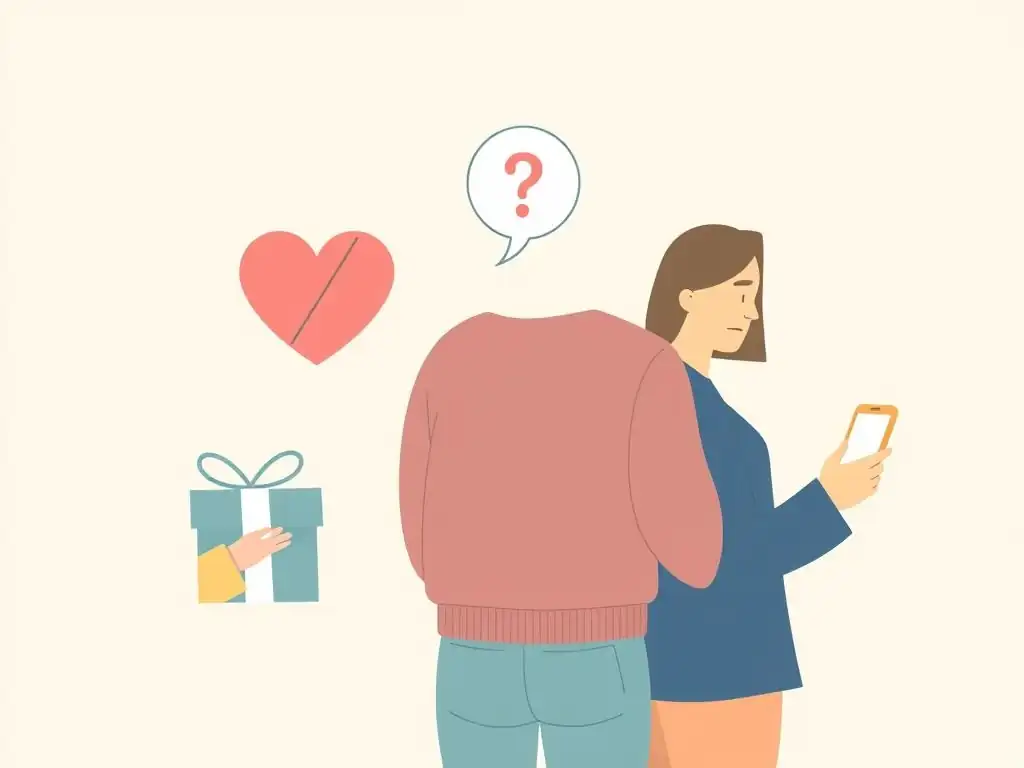
Navigating the world of online dating requires a nuanced understanding of love languages, especially given the inherent limitations of digital communication. Misunderstandings stemming from a lack of awareness about how love languages manifest online can lead to frustration, missed connections, and ultimately, unsuccessful dating experiences. This section delves into common pitfalls related to love languages in the online dating sphere, offering practical advice to help you avoid these potential stumbling blocks and foster more meaningful connections.
Successfully navigating these challenges can significantly increase your chances of finding a compatible partner. Understanding the nuances of online communication is key to avoiding common online dating love language pitfalls.
Misinterpreting Text-Based Communication: Words vs. Actions
Text-based communication, the cornerstone of most online dating interactions, presents unique challenges when it comes to love languages. Words, devoid of the richness of tone and body language, can be easily misinterpreted. For instance, someone whose primary love language is Words of Affirmation might feel undervalued if their online partner doesn't consistently express appreciation through thoughtful messages. Conversely, an individual whose love language is Acts of Service might feel unappreciated by profuse verbal compliments if they don't see corresponding actions.
Consider this example: A user receives numerous compliments on their profile picture. While this might seem like a positive interaction, if their love language is Acts of Service, they might perceive these compliments as empty words unless accompanied by genuine efforts, such as initiating a video call or suggesting a virtual date.
This disconnect can lead to disappointment and frustration, highlighting the importance of understanding your own and your potential partner's love languages. The key here is to look beyond just the words and assess the overall pattern of communication and behavior to avoid misinterpretations fueled by online dating love language pitfalls.
Furthermore, sarcasm and humor, which heavily rely on nonverbal cues, often get lost in translation. A joke intended to be lighthearted might be perceived as offensive or dismissive, especially if the recipient doesn't share the same sense of humor. This is particularly relevant for those whose love language is Quality Time, as misinterpretations can hinder the development of a genuine connection. Therefore, clear, concise, and thoughtful communication is crucial to avoid misunderstandings and ensure your efforts are perceived correctly.
The Limitations of Non-Verbal Cues in Digital Interactions
Online dating inherently limits the exchange of nonverbal cues, crucial components in understanding emotions and intentions. Body language, facial expressions, and tone of voice—all vital for interpreting love languages like Physical Touch and Quality Time—are significantly reduced in digital interactions. This limitation can lead to misinterpretations and difficulties in building genuine connections.
For example, someone whose love language is Physical Touch might struggle to feel connected through text-based communication alone. The absence of physical closeness can make it challenging to establish intimacy and trust. Similarly, individuals whose love language is Quality Time might feel frustrated by the lack of face-to-face interaction, finding it difficult to build a strong emotional bond through fleeting messages.
These limitations emphasize the need for creative strategies to bridge the gap and compensate for the absence of nonverbal cues. Consider scheduling video calls, using emojis thoughtfully, and actively listening during voice calls to enhance communication and minimize the impact of the limitations inherent in online dating love language pitfalls.
The Pressure of Constant Online Availability and its Impact on Love Languages
The always-on nature of online dating can create unrealistic expectations regarding communication and responsiveness. This pressure can negatively affect the expression and reception of various love languages. For instance, someone whose love language is Quality Time might feel neglected if their partner is constantly checking their dating app or responding to other messages instead of focusing on their conversation.
Conversely, someone whose love language is Acts of Service might feel unappreciated if their partner doesn't respond promptly to messages or doesn't proactively schedule virtual dates or online activities. The constant accessibility of online dating platforms can lead to a sense of urgency and expectation that isn't always conducive to building healthy relationships. This is especially true for those whose love languages emphasize the importance of dedicated attention and genuine presence, which can be easily overshadowed by the immediacy of online interactions.
Setting boundaries, prioritizing quality over quantity in interactions, and communicating expectations clearly are essential strategies to mitigate the negative impacts of constant online availability and navigate the online dating love language pitfalls successfully. Remember that healthy relationships thrive on mutual respect and understanding, and managing expectations is vital in this digital age.
Understanding love languages is crucial for building healthy relationships, and this becomes even more critical in the digital realm of online dating. The way you express and receive affection significantly impacts your online dating experience, influencing how you craft your profile, communicate with matches, and ultimately, connect with someone compatible. Ignoring love languages can lead to frustrating experiences, missed connections, and ultimately, online dating pitfalls. This section delves into how to navigate the complexities of love languages within the context of your online dating profile and interactions.
Crafting a Profile that Reflects Your Love Language
Your online dating profile is your first impression – a digital representation of your personality, interests, and values. It's where you subtly (or not so subtly!) communicate your love language. Consider how you naturally express affection and tailor your profile to reflect that.
For example, someone whose primary love language is Words of Affirmation might include quotes about self-love, optimism, or positive affirmations in their profile. They might also emphasize their appreciation for thoughtful gestures and kind words. Their profile might include phrases like, "I value meaningful conversations and genuine connections" or "Looking for someone who appreciates thoughtful words and gestures."
Conversely, someone whose love language is Acts of Service might highlight their helpful nature and willingness to go the extra mile. Their profile might mention volunteering, helping friends and family, or having a proactive approach to life. They might emphasize practical skills or a willingness to assist others. For example, "I love helping others and always try to lend a hand" or "I'm a problem-solver and enjoy supporting those around me."
Those whose love language is Receiving Gifts might showcase their appreciation for thoughtful details or their enjoyment of curated experiences. They might mention hobbies that involve collecting items or an appreciation for the finer things in life. This might be shown by including photos of them enjoying a nice meal, attending a concert, or highlighting their collection of something unique.
A profile reflecting Quality Time might emphasize the importance of shared experiences and meaningful connections. It might include photos of them engaging in activities that they enjoy with friends or family, highlighting their social nature and desire for companionship. They might say "I value quality time with loved ones" or "I'm looking for someone who enjoys spending meaningful time together."
Finally, for those whose love language is Physical Touch, while direct mention might be too forward, subtler cues can be utilized. Photos depicting physical activity, hugs with friends (platonic, of course! ), or even a mention of enjoying dancing or other physical hobbies could indirectly communicate this preference. This requires a delicate balance to avoid appearing inappropriate. Remember that online dating necessitates a level of discretion.
Remember, the goal is not to explicitly state your love language, but to subtly integrate elements that hint at your preferences. This attracts like-minded individuals who appreciate and understand your way of showing and receiving love. Authenticity is key; don't try to be someone you're not.
Recognizing Love Language Preferences in Potential Matches' Profiles
Once you've crafted your profile to reflect your love language, it's equally important to recognize potential matches' preferences. Carefully examining their profiles for subtle clues can save you time and prevent potential misunderstandings.
Look for keywords and phrases that might indicate their love language. For instance, frequent mentions of "quality time," "adventures," or "shared experiences" might suggest a Quality Time love language. A profile filled with photos showcasing acts of service or volunteering might indicate an Acts of Service preference. An emphasis on gifts, experiences, or collecting might hint at Receiving Gifts. Similarly, numerous photos with friends, or a description of a warm and supportive nature, can point toward Words of Affirmation. While subtle, these clues can help you assess compatibility before even initiating contact.
Pay attention to the type of photos they use. Are they mostly pictures of them with friends and family (Quality Time, possibly Physical Touch)? Do they show them engaged in activities that benefit others (Acts of Service)? Do they feature them enjoying luxurious items or unique experiences (Receiving Gifts)? The visuals can often be more telling than the words.
Don't forget to consider the overall tone of the profile. Is it warm, encouraging, and supportive (Words of Affirmation)? Is it practical and action-oriented (Acts of Service)? Is it playful and light-hearted (Quality Time)? These nuances contribute to a holistic understanding of their potential love language.
Remember that profiles rarely explicitly state love languages. The key is observation and careful interpretation of the information provided. Learning to recognize these subtle cues enhances your online dating success by helping you identify potential matches whose love languages align with yours, thereby reducing the likelihood of miscommunication and fostering more meaningful connections. This proactive approach minimizes online dating pitfalls and increases the chances of finding a compatible partner.
Effective Communication Strategies for Online Dating Success
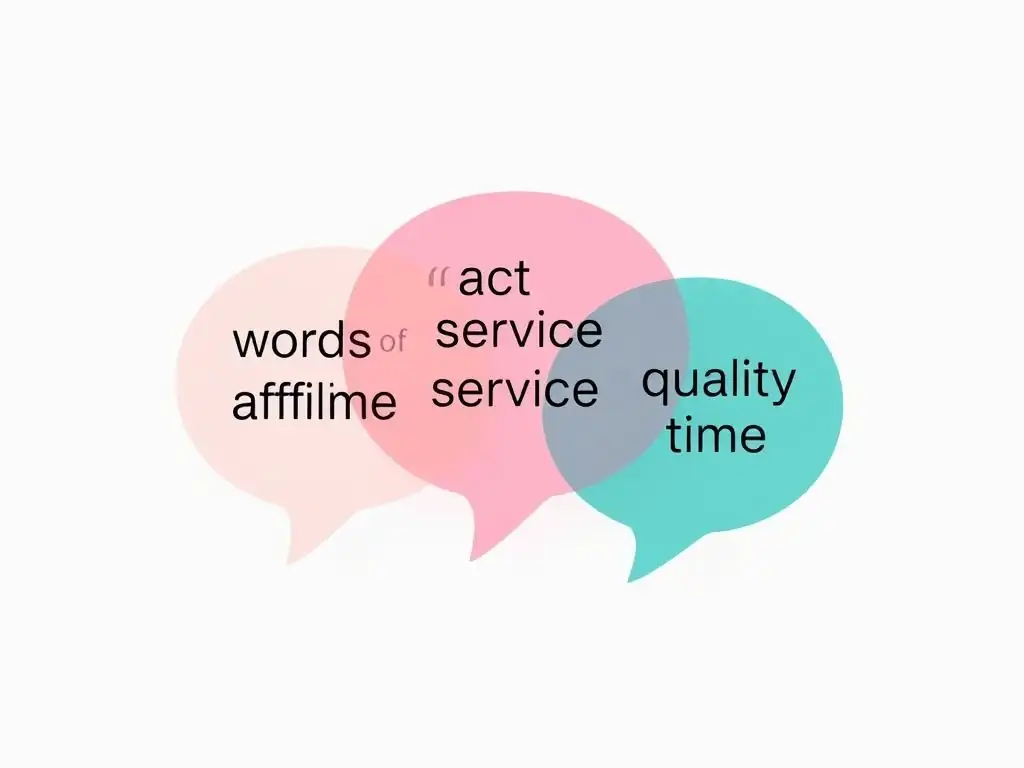
Effective communication is the cornerstone of any successful relationship, and online dating presents unique challenges and opportunities in this regard. Understanding and adapting your communication style to your partner's love language is crucial for navigating the digital landscape of romance and avoiding common pitfalls. Misinterpretations are amplified online, making clear, conscious communication even more vital. Ignoring love languages in online dating can lead to frustration, mismatched expectations, and ultimately, failed connections. Let's explore how to overcome these challenges.
Adapting Your Communication Style to Your Partner's Love Language
Knowing your own love language is a great starting point, but understanding your partner's is even more important for online dating success. Different love languages manifest differently in the digital world. For example, someone whose love language is Words of Affirmation might appreciate frequent, heartfelt messages, while someone whose love language is Acts of Service might find more meaning in your willingness to help them troubleshoot a technical issue or schedule a virtual date.
Let's consider some examples:
| Love Language | Online Dating Manifestation | Potential Pitfalls if Ignored | Solution |
|---|---|---|---|
| Words of Affirmation | Frequent compliments, thoughtful messages, expressing appreciation | Feeling unappreciated, overlooked, or undervalued; relationship feels cold | Send regular encouraging messages, leave positive comments on their posts. |
| Acts of Service | Offering technical support, scheduling dates, making arrangements | Feeling unsupported, neglected, or taken for granted | Proactively offer help, suggest activities, and take initiative. |
| Receiving Gifts | Sending virtual gifts, thoughtful emojis, sharing digital content | Feeling unloved, unimportant, or uncared for | Send virtual gifts, share meaningful links or articles. |
| Quality Time | Scheduling regular video chats, engaging in meaningful online conversations | Feeling disconnected, ignored, or unimportant | Prioritize dedicated time for virtual dates and meaningful conversations. |
| Physical Touch | Limited applicability online, but consider virtual closeness via video calls | Feeling emotionally distant or disconnected | Ensure frequent video calls and focus on non-verbal cues during chats. |
Ignoring these nuances can lead to misunderstandings. For instance, someone whose love language is Acts of Service might feel unappreciated if their partner only sends generic messages, while someone whose love language is Words of Affirmation might feel neglected if their partner focuses solely on practical arrangements. Active listening and observation are key to understanding your partner's unspoken needs within the online context. Pay attention to their responses and adjust your approach accordingly.
Using Digital Tools to Express Your Love Language Authentically
The digital realm offers unique opportunities to express your love language authentically. While physical touch is naturally limited, other languages find fertile ground online. Think beyond simple text messages; leverage the richness of digital communication.
- Words of Affirmation: Use creative and heartfelt messages, personalized emojis, and voice notes to convey your feelings. Go beyond simple "good morning" texts; express genuine appreciation and admiration.
- Acts of Service: Offer to help with their online profile, research locations for a future date, or share relevant articles or resources. Think proactively about how you can ease their online dating journey.
- Receiving Gifts: Send virtual gifts, share playlists of songs that remind you of them, or create a digital scrapbook of shared moments (screenshots of funny messages, etc. ).
- Quality Time: Schedule regular video calls, play online games together, or watch a movie simultaneously. These shared digital experiences build connection and intimacy.
- Physical Touch: While direct physical touch is impossible, virtual closeness through video calls can help compensate. Pay attention to non-verbal cues and create a warm and inviting virtual atmosphere.
Remember, the key is authenticity. Don't force a love language; express your feelings in ways that feel genuine and comfortable to you. The goal is to build a connection based on mutual understanding and respect, and leveraging the tools of the digital age can significantly enhance this process. By actively applying these strategies, you can significantly reduce the risk of online dating pitfalls related to love languages and cultivate meaningful connections.
Avoiding Misunderstandings and Conflict
This section delves into practical strategies for minimizing friction and maximizing connection in online dating, specifically addressing the challenges posed by differing love languages. Understanding how your love language and your potential partner's love language interact in the digital realm is crucial for building a healthy and fulfilling relationship. Ignoring these differences can lead to significant misunderstandings and ultimately, unsuccessful online dating experiences. We'll explore concrete steps you can take to navigate these complexities and foster a more positive online dating journey.
Setting Healthy Boundaries and Expectations in Online Interactions
Navigating the complexities of online dating requires establishing clear boundaries and realistic expectations from the outset. This is particularly important when considering love languages. For example, someone whose primary love language is Words of Affirmation might expect frequent and effusive messages, while someone whose love language is Acts of Service might perceive a lack of consistent effort as a lack of interest, even if profuse verbal affection is present. This discrepancy can cause conflict.
To avoid these pitfalls, consider these steps:
- Clearly communicate your preferences: Don't assume your partner understands your love language. Early on, subtly express your needs. For example, if you value Quality Time, suggest a video call instead of just texting. If Gifts are important to you, mention appreciating small, thoughtful gestures.
- Manage expectations about response times: The immediacy of online communication can create unrealistic expectations. Establish boundaries around response times to avoid feeling neglected or pressured. Explain that you have a life outside of the app and may not always respond instantaneously.
- Define what constitutes a "date" in the online context: A virtual coffee date might look different for someone who prioritizes Physical Touch compared to someone who values Acts of Service. Be explicit about your expectations and preferences.
- Respect boundaries: Recognize that your partner may have different boundaries and communication styles. Respect their preferences even if they differ from your own. This mutual respect is foundational for a successful online relationship.
Addressing Potential Conflicts Arising from Love Language Differences
Even with clear communication and established boundaries, conflicts can still arise. Recognizing the root cause—often differing love languages—is the first step towards resolution. For instance, a person whose love language is Physical Touch might feel emotionally distant from someone who primarily expresses love through Words of Affirmation, even if the latter is showering them with compliments. This perceived disconnect can lead to misunderstandings and hurt feelings.
Here's how to effectively navigate these conflicts:
- Active listening and empathy: When a conflict arises, actively listen to your partner's perspective without interrupting. Try to understand their feelings and how their love language influences their interpretation of your actions.
- Focus on understanding, not winning: The goal isn't to prove who's right or wrong, but to understand each other's needs and find common ground.
- Identify the underlying love language needs: Pinpoint the unmet love language needs driving the conflict. For example, if your partner feels unappreciated, it might be because their love language of Acts of Service isn't being met.
- Find creative solutions: Brainstorm ways to meet each other's love language needs within the context of online dating. This could involve sending thoughtful voice notes (Words of Affirmation), scheduling regular virtual dates (Quality Time), or sending small digital gifts (Gifts).
- Seek professional help if needed: If conflicts persist despite your best efforts, consider seeking guidance from a relationship counselor or therapist specializing in online dating dynamics. They can provide tools and strategies to effectively communicate and navigate these challenges. Remember, understanding and addressing love language differences is a crucial step towards building a successful and fulfilling online relationship.
Building Meaningful Connections Despite Digital Barriers
Online dating presents a unique challenge: conveying genuine personality and connection through a screen. Understanding and navigating love languages becomes even more crucial in this digital landscape. Misinterpretations are amplified when nonverbal cues are limited, leading to potential misunderstandings and missed connections. This section will explore strategies to overcome these hurdles and foster authentic relationships despite the inherent limitations of online interactions.
Mastering the nuances of digital communication, combined with a keen awareness of your own and your potential partner's love languages, is key to building meaningful connections in the online dating world. The goal is to bridge the gap between digital interaction and genuine emotional intimacy. This requires intentional effort and a willingness to adapt communication styles to the platform.
The Importance of Open and Honest Communication
Effective communication is paramount in any relationship, but it takes on even greater significance in online dating. The absence of physical presence necessitates a more explicit and deliberate approach to expressing feelings and needs. For example, someone whose primary love language is words of affirmation might feel neglected if their online partner doesn't regularly send encouraging messages or express appreciation. Similarly, someone whose love language is acts of service might feel unappreciated if their partner doesn't offer digital assistance, such as helping schedule a virtual date or sharing relevant articles.
Openly discussing your love languages early in the online interaction can prevent significant misunderstandings later. This doesn't mean explicitly quizzing your match, but rather naturally weaving these preferences into conversations. For instance, mentioning your appreciation for thoughtful messages ("I really value receiving heartfelt messages – it makes my day!")
subtly reveals your preference for words of affirmation. Remember, honesty and transparency are the cornerstones of successful online dating, and openly discussing your communication preferences sets a foundation for a healthy and fulfilling relationship. Consider these tips:
- Be explicit: Don't assume your partner understands your needs; clearly communicate them.
- Use diverse communication methods: Combine text messages with voice notes or video calls to add richness to your interactions.
- Be patient and understanding: Online communication can be asynchronous; allow time for responses and avoid misinterpretations due to delays.
- Seek clarification: If something seems unclear, ask for clarification rather than making assumptions.
Transitioning from Online to Offline Interactions Successfully
Successfully transitioning from online dating to in-person interactions requires careful planning and mindful communication. The initial online connection, built on understanding love languages, should seamlessly translate into the offline world. However, the shift can be challenging, as the dynamics change significantly. The key is to maintain the open and honest communication established online. This means continuing to acknowledge and appreciate your partner's love language in real-life interactions.
For example, if your partner's love language is quality time, plan meaningful dates that allow for focused attention and deep connection. If it's physical touch, incorporate appropriate physical affection into your interactions, ensuring you respect boundaries. The transition should feel natural and comfortable, building upon the foundation established in the online phase. Remember that the online world is just a stepping stone; the real connection unfolds offline. Here's how to make the shift smoothly:
| Online Behavior | Offline Equivalent | Love Language Implication |
|---|---|---|
| Sending encouraging messages | Expressing compliments and appreciation | Words of Affirmation |
| Offering digital assistance | Performing acts of service (e.g., help with chores) | Acts of Service |
| Scheduling virtual dates | Planning quality time together | Quality Time |
| Sending thoughtful gifts | Giving thoughtful gifts (online or offline) | Receiving Gifts |
| Expressing affection digitally | Showing physical affection (respectfully) | Physical Touch (within appropriate boundaries) |
Consider this: A mismatch in love languages can lead to frustration if not addressed proactively. For instance, someone whose love language is physical touch might feel emotionally distant if their partner, whose love language is acts of service, primarily expresses affection through practical gestures. Recognizing and adapting to these differences is crucial for building a strong and lasting connection, both online and offline. 💔➡️❤️
Online Dating Love Language Pitfalls to Avoid: A Summary
This section summarizes common pitfalls encountered when navigating online dating through the lens of love languages. Understanding your own love language and that of potential partners is crucial for building meaningful connections. Ignoring these differences can lead to misunderstandings, frustration, and ultimately, unsuccessful dating experiences. The digital realm presents unique challenges to expressing and receiving love, demanding a heightened awareness of these nuances. We'll delve into practical strategies to mitigate these pitfalls.
Key Takeaways and Actionable Steps for Success
Successfully integrating love languages into your online dating strategy requires conscious effort and self-awareness. Here's a breakdown of actionable steps to improve your online dating experience:
- Identify Your Love Language and Your Ideal Partner's: Before even crafting your profile, take a quiz to determine your primary love language (Words of Affirmation, Acts of Service, Receiving Gifts, Quality Time, Physical Touch). Consider what type of love language you are most drawn to in a partner. This crucial first step provides a foundation for understanding your communication preferences and expectations.
- Profile Optimization Based on Love Language: Tailor your online dating profile to reflect your dominant love language subtly but effectively. For example, if your love language is Words of Affirmation, use positive and encouraging language in your bio. If it's Acts of Service, highlight your helpful nature and willingness to assist others. This attracts compatible individuals who appreciate your communication style.
- Effective Communication Strategies: Online communication necessitates mindful adaptation. If your love language is Quality Time, suggest virtual dates or extended video chats to foster deeper connections. If it's Physical Touch, express affection through emojis or virtual high-fives. Remember, adapting your approach to suit your partner's love language is key.
- Managing Expectations: The digital nature of online dating can lead to misinterpretations. What might seem like a simple text message to one person could be a significant act of love for another. Be patient and understanding, allowing for differences in communication styles. Openly discuss your love language preferences to avoid misunderstandings.
- Recognizing Red Flags: Pay attention to inconsistencies in your partner's behavior and communication. If someone consistently fails to respond to your attempts at expressing affection in your preferred love language, it might signal incompatibility. Don't dismiss these subtle yet important cues.
| Love Language | Online Dating Pitfall | Solution |
|---|---|---|
| Words of Affirmation | Lack of compliments or positive feedback online | Send encouraging messages; express appreciation openly. |
| Acts of Service | Unwillingness to initiate contact or plan virtual dates | Take the lead in suggesting activities; show initiative. |
| Receiving Gifts | Lack of thoughtful gestures or virtual presents | Send virtual gifts; offer thoughtful digital surprises. |
| Quality Time | Infrequent or brief communication; rushed interactions | Schedule dedicated video chats; engage in meaningful conversations. |
| Physical Touch | Lack of affectionate emojis or virtual expressions | Use emojis strategically; express affection through digital means. |
Remember, online dating is a journey, not a race. Take your time, be patient, and focus on building genuine connections with individuals who appreciate and understand your unique love language. This will significantly increase your chances of finding a meaningful relationship. 🥂
The successful navigation of online dating requires understanding and adapting to different love languages. By focusing on these key takeaways and actionable steps, you can significantly improve your chances of finding a compatible partner and building a lasting connection. Remember, empathy and clear communication are your most powerful tools in this digital landscape.
Frequently Asked Questions
How do love languages affect online dating?
Understanding your and your potential partner's love languages is crucial. Ignoring these preferences can lead to miscommunication and missed connections, even if there's initial attraction. Expressing love in a way your date understands is key.
A common pitfall is assuming everyone communicates love the same way. Another is focusing solely on your preferred love language, neglecting your date's needs. Misinterpreting actions through a different love language lens can also cause problems.
How can I identify my own and my date's love languages in online dating?
Pay attention to how you and your date express affection and appreciate gestures. Observe their communication style and what makes them feel loved. Consider using online quizzes or resources to help clarify.
Can I use love languages to improve my online dating profile?
Yes! Subtly hinting at your love language preferences in your profile can attract compatible matches. For example, mentioning your love for quality time or acts of service can be a great conversation starter.
What if my love language and my date's love language are completely different?
It's not necessarily a deal-breaker! Open communication is key. Learning to appreciate and adapt to each other's love languages can strengthen your connection. Mutual effort and understanding are vital.
Final Reflection: Bridging the Digital Divide in Love
Understanding love languages is no longer a niche concept; it's a crucial skill for navigating the complexities of modern relationships, especially in the digital realm. The rise of online dating has amplified the potential for miscommunication and heartbreak, highlighting the urgent need to understand how we express and receive affection in the virtual world. Failure to do so can lead to misunderstandings, unmet needs, and ultimately, failed connections.
The impact of love languages on online dating extends far beyond individual relationships; it shapes our collective understanding of intimacy and connection in the digital age. We're constantly bombarded with curated online personas, making it harder to discern genuine connection from superficial interactions. This creates a fertile ground for disappointment and frustration. As the poet Rupi Kaur eloquently stated, love doesn't have to be perfect. it just has to be real.
This rings truer than ever in the context of online dating, where authenticity can often be obscured by carefully crafted profiles and filtered images. The challenge lies in bridging the gap between the digital presentation and the genuine human connection we all crave.
You now possess a deeper understanding of how love languages can either enhance or hinder your online dating experience. Take this knowledge and apply it to your own interactions. Actively consider your own love language and those of potential partners. Don't be afraid to communicate your needs openly and honestly, even if it feels vulnerable. By embracing the principles of understanding and empathy, you can transform your online dating journey from a frustrating search into a meaningful path towards genuine connection. The potential for love is always there; it simply requires mindful navigation in this increasingly digital world.
Unlock Deeper Connections: Mastering Digital Love
Thank you for exploring the world of love languages in the digital age! We hope you gained valuable insights into avoiding common online dating pitfalls and building more meaningful relationships. Now, let's put your new knowledge into practice.
- Understand your and your partner's primary love languages: This is crucial! Take time for honest self-reflection and observe how your matches communicate. Consider taking a love languages quiz together to gain a shared understanding.
- Experiment with expressing love in diverse ways online: Instead of just texting, try sending a thoughtful voice note, or share an article that reminds you of them. Be creative and show your affection in meaningful ways!
- Share your experiences and insights with the community: Let us know which love language resonates most with you in online dating, and what strategies you're finding most effective.
Are you ready to experience more fulfilling and authentic connections in your digital dating journey?