
IntrovertExtrovert Online Dating: Tips for LongTerm Relationship Success


Ready to unlock the secrets to finding lasting love in the digital age? Whether you're an introvert carefully crafting the perfect message or an extrovert ready to dive headfirst into the world of online dating, OnlineDatingSuccess.org is your guide. Our expert advice, tailored specifically for both introverts and extroverts, will help you navigate the complexities of online dating and build meaningful connections. Discover how to leverage your unique personality to find long-term relationship success – learn more about our essential online dating tips for introverts and extroverts now!
- Understanding Introvert and Extrovert Communication Styles in Online Dating
- Online Dating Profile Optimization for Introverts and Extroverts
- Effective Messaging Strategies for Introvert-Extrovert Matches
- First Date Strategies for Introvert-Extrovert Couples
- Building a Long-Term Relationship: Introvert and Extrovert Dynamics
- Overcoming Challenges in Introvert-Extrovert Online Dating Relationships
- Long-Term Relationship Success: Introvert and Extrovert Compatibility
-
Frequently Asked Questions
- How can introverts succeed in online dating?
- What are some dating profile tips for extroverts?
- What are the key differences in online dating strategies for introverts and extroverts?
- How can introverts and extroverts find compatible partners online?
- Are there any online dating safety tips specific to introverts or extroverts?
- Final Reflection: Bridging the Introvert-Extrovert Divide in the Digital Age
- Unlock Your Dating Potential: Find Lasting Love
Understanding Introvert and Extrovert Communication Styles in Online Dating
Navigating the world of online dating can be challenging for anyone, but the experience can be particularly nuanced for introverts and extroverts. This article delves into the unique communication styles of introverts and extroverts in the context of online dating, offering practical tips to help you identify your own style, recognize those of potential partners, and ultimately, bridge the communication gap for long-term relationship success. Understanding these differences is key to finding compatibility and building meaningful connections, fostering a more fulfilling online dating experience and increasing your chances of finding a lasting relationship.
We'll explore how these differences manifest in online interactions, from crafting compelling profiles to engaging in meaningful conversations, and provide actionable strategies to maximize your chances of success. Remember, the goal is not to change who you are, but to understand how to best present yourself and connect with others in the online dating sphere.
Let's dive into the fascinating world of introvert-extrovert dynamics in the digital age of romance! 🚀
Identifying Your Communication Style: Introvert vs. Extrovert
Understanding your own communication preferences is the first step towards successful online dating. Are you an introvert or an extrovert? Or perhaps somewhere in between (an ambivert)? This self-awareness is crucial.
Introverts often prefer deeper, more meaningful conversations with fewer people. They recharge by spending time alone and may find the constant stimulation of online dating overwhelming. Their online profiles might be more concise and thoughtful, focusing on substance over quantity. They might prefer thoughtful, one-on-one messages over quick exchanges.
Extroverts, on the other hand, thrive on social interaction and tend to communicate more openly and frequently. They often enjoy the energy of online dating and might engage with multiple potential partners simultaneously. Their profiles might be more outgoing and engaging, showcasing their active social life. They might initiate conversations more readily and prefer a more fast-paced exchange of messages.
Consider these questions to help determine your communication style:
- Do you prefer one-on-one interactions or group settings?
- How do you recharge after social interactions?
- Do you prefer writing long, thoughtful messages or short, quick exchanges?
- How many people do you typically communicate with at once?
- Do you initiate conversations easily, or do you prefer others to reach out first?
Remember, there's no right or wrong answer. Understanding your preferences allows you to leverage your strengths and navigate potential challenges more effectively. Knowing whether you're an introvert, extrovert, or ambivert will greatly inform your approach to online dating.
Recognizing the Communication Style of Potential Partners
Once you've identified your own communication style, the next step is to learn to recognize the styles of potential partners. This requires careful observation of their online profiles and messaging habits.
Look for clues in their profile descriptions. Do they emphasize their social life and numerous activities? This might suggest an extroverted communication style. Or, do they focus on their interests and passions, preferring a more introspective tone? This could point towards an introverted style.
Pay attention to their messaging style. Do they respond quickly and frequently, initiating conversations easily? This is often a characteristic of extroverted communicators. Do they take their time to respond, preferring more thoughtful and in-depth replies? This suggests a more introverted approach.
It's important to remember that online profiles and messages offer only a glimpse into someone's personality. However, by carefully observing these cues, you can gain valuable insights into their communication style and assess potential compatibility. Don't be afraid to ask questions to clarify your understanding and foster open communication from the start.
Bridging the Communication Gap: Introvert and Extrovert Compatibility Online
While introverts and extroverts might seem like opposites, successful relationships can absolutely blossom between them. The key is understanding and appreciating the differences in communication styles and actively working to bridge the gap.
For example, an introvert might need more time to respond to messages, while an extrovert might appreciate a more immediate and frequent exchange. Open communication is crucial here. Let your potential partner know your communication preferences and be understanding of theirs. Finding a balance that respects both styles is essential.
Introverts might benefit from setting boundaries to prevent feeling overwhelmed, while extroverts might need to be mindful of not overwhelming their introverted partners. Scheduling regular check-ins or setting aside specific times for communication can help manage expectations and prevent miscommunication.
Remember, effective communication is a two-way street. By being patient, understanding, and proactive in your communication, you can build strong and lasting connections, regardless of whether you're an introvert or an extrovert. Embrace the unique strengths that each communication style brings to the table, and build a relationship founded on mutual respect and understanding. 🎉
Online Dating Profile Optimization for Introverts and Extroverts

This section delves into the nuanced strategies for crafting online dating profiles that resonate with both introverted and extroverted individuals, ultimately increasing your chances of finding a long-term partner. Understanding the subtle differences in how each personality type presents themselves online is crucial for maximizing your profile's effectiveness. We'll explore how to tailor your profile to attract your ideal match, regardless of their personality type. Remember, the goal is to authentically represent yourself while appealing to a broad range of potential partners.
Crafting Compelling Profiles that Attract Your Ideal Partner
Creating a compelling online dating profile requires more than just a few good photos. It's about crafting a narrative that showcases your personality, interests, and values in a way that resonates with potential partners. For introverts, this might mean focusing on thoughtful descriptions of your hobbies and passions, highlighting your depth and intellectual curiosity.
Avoid clichés and generic statements; instead, aim for authenticity and specificity. For example, instead of writing "I like to travel," you could write, "My last backpacking trip through Southeast Asia ignited a passion for exploring ancient temples and vibrant local cultures." This provides a much more engaging and specific glimpse into your personality.
Extroverts, on the other hand, might benefit from highlighting their social activities and outgoing nature. Emphasize your active lifestyle and your ability to connect with others. However, avoid coming across as overly boastful or self-absorbed. Balance your energetic personality with a genuine desire for connection. For instance, instead of listing a laundry list of activities, focus on one or two that truly excite you and explain why. This allows potential matches to connect with your enthusiasm rather than being overwhelmed by a long, impersonal list.
Remember, both introverts and extroverts should strive for a balance. Introverts can showcase their social side by mentioning activities they enjoy with friends or family, while extroverts can demonstrate their thoughtful side by describing their passions and values. The key is to present a well-rounded picture that showcases your personality's full spectrum.
Highlighting Your Strengths: Introvert and Extrovert Profile Dos and Don'ts
Understanding your strengths and weaknesses as an introvert or extrovert is key to crafting a successful profile. Here's a breakdown of dos and don'ts for each personality type:
Introverts:
- Do: Focus on your interests, hobbies, and passions. Showcase your intellectual curiosity and your ability to engage in meaningful conversations. Use evocative language to paint a picture of your inner world.
- Don't: Be overly self-deprecating or apologetic. Avoid vague descriptions and generic statements. Don't be afraid to show your personality, even if it's quieter than some.
Extroverts:
- Do: Highlight your social life and your ability to connect with others. Showcase your energy and enthusiasm. Use action verbs to describe your activities.
- Don't: Come across as arrogant or boastful. Avoid overwhelming your profile with too much information. Remember that quality over quantity is key.
The following table summarizes these points for quick reference:
| Feature | Introvert DOs | Introvert DON'Ts | Extrovert DOs | Extrovert DON'Ts |
|---|---|---|---|---|
| Profile Tone | Thoughtful, reflective, specific | Self-deprecating, vague, apologetic | Energetic, enthusiastic, engaging | Arrogant, boastful, overwhelming |
| Language | Evocative, descriptive, detail-oriented | Generic, cliché, overly simple | Action-oriented, vibrant, descriptive | Monotonous, generic, lacking personality |
| Focus | Interests, hobbies, passions, values | Negative self-perception, lack of detail | Social activities, hobbies, shared experiences | Excessive self-promotion, lack of substance |
Using Photos Effectively to Showcase Your Personality
Your photos are often the first thing potential matches see, making them a crucial element of your online dating profile. For both introverts and extroverts, high-quality, well-lit photos are essential. However, the type of photos you choose should reflect your personality.
Introverts might benefit from photos that showcase their hobbies or interests. A picture of you engrossed in a book, hiking in nature, or working on a creative project can communicate your personality more effectively than a generic posed photo. Consider including photos that show you in comfortable, familiar settings.
Extroverts might choose photos that show them interacting with friends or engaging in social activities. These photos can highlight your outgoing nature and your ability to connect with others. However, avoid photos that are overly crowded or difficult to interpret. Focus on clear, well-composed images that showcase your personality in a positive light.
Remember, a genuine smile goes a long way! Both introverts and extroverts should avoid overly filtered or heavily edited photos; authenticity is key. A mix of solo shots and group photos showcasing different facets of your personality can be particularly effective. Consider including a photo that reflects your passions, hobbies, and interests, allowing potential matches to connect with your unique personality.
Effective Messaging Strategies for Introvert-Extrovert Matches
This section delves into the nuances of online communication between introverts and extroverts, offering practical strategies to foster connection and understanding. Successfully navigating the online dating world as an introvert or extrovert, or even as a couple with differing communication styles, requires understanding and adapting to each other's needs. Remember, the goal is to build a meaningful connection, not just exchange messages. Effective communication is key to achieving long-term relationship success. The following tips will help you leverage your unique strengths and navigate potential challenges.
Initiating Conversations: Tips for Introverts and Extroverts
Initiating contact can feel daunting, especially in the online dating arena. Introverts often prefer thoughtful, deliberate approaches, while extroverts might favor more spontaneous, energetic openings. Here’s how to bridge that gap:
- Introverts: Instead of generic "Hi," consider referencing something specific from their profile. For example, "I saw you're a fan of [band/book/hobby]. I am too! What's your favorite [album/book/activity]?" This shows genuine interest and provides a conversation starter beyond a simple greeting. Think quality over quantity; one well-crafted message is better than several generic ones.
- Extroverts: While your enthusiasm is appreciated, avoid overwhelming an introvert with lengthy, detailed messages initially. Keep your initial message concise and engaging, focusing on shared interests. For example, "Your profile caught my eye – that [shared interest] is amazing! What got you interested in it?" Remember to respect their need for space and time to respond.
- Shared Strategy: Both introverts and extroverts can benefit from using emojis strategically to convey tone and emotion, especially in text-based communication where nuances can be easily missed. A simple 😊 can show friendliness and approachability.
Maintaining Engaging Conversations: Balancing Communication Styles
Once the initial conversation begins, maintaining momentum requires understanding and adapting to each other’s communication styles.
- Introverts: Introverts often value deeper conversations and meaningful connections. They appreciate thoughtful questions that encourage introspection and self-expression. Avoid superficial small talk; instead, focus on shared values, passions, and life goals.
- Extroverts: Extroverts thrive on interaction and lively exchanges. While their energy is infectious, they should be mindful of not dominating the conversation. Allow the introvert time to process and respond thoughtfully. Ask open-ended questions and actively listen to their responses.
- Finding Balance: The key is to find a happy medium. Extroverts can practice active listening and allow for pauses in the conversation, while introverts can challenge themselves to share more openly and engage in more frequent communication. Consider incorporating a variety of conversation topics to keep things interesting and engaging.
Misunderstandings can easily arise between introverts and extroverts due to their differing communication styles. Here are some strategies to minimize conflict and foster understanding:
- Clarification is Key: Don't hesitate to ask clarifying questions if something seems unclear. For example, if an extrovert's message seems overly enthusiastic, an introvert might politely ask, "Just to clarify, are you suggesting [X] or [Y]?" This prevents misinterpretations and ensures both parties are on the same page.
- Embrace Different Communication Methods: Some introverts might feel more comfortable communicating through text than voice calls, while some extroverts might prefer the opposite. Be open to utilizing various communication methods to accommodate each other's preferences.
- Patience and Understanding: Remember that everyone communicates differently. Patience and understanding are crucial. Avoid making assumptions about the other person's intentions based solely on their communication style. Open communication and a willingness to compromise are essential for building a strong and lasting connection. This requires active listening and empathy – truly hearing and understanding the other person's perspective. Online dating tips for introverts and extroverts often center around this crucial element of mutual respect and understanding.
First Date Strategies for Introvert-Extrovert Couples

This section delves into practical first date strategies specifically tailored for introvert-extrovert pairings, acknowledging the unique communication styles and social energy levels of each personality type. Successfully navigating a first date requires understanding and accommodating these differences to foster connection and lay the groundwork for a potentially long-term relationship. Remember, the goal is to create a comfortable and engaging experience for both individuals, maximizing the chances of a second date.
Choosing the Right First Date Setting
The setting for a first date significantly impacts the success of the interaction, especially when pairing introverts and extroverts. Extroverts often thrive in bustling, social environments, while introverts may prefer quieter, more intimate settings. Finding a middle ground is crucial.
Avoid overly stimulating environments like loud nightclubs or crowded bars, which can overwhelm introverts and leave them feeling drained. Similarly, excessively quiet settings, such as a secluded coffee shop, might leave extroverts feeling stifled and unable to express themselves fully.
Instead, consider these alternatives:
- A moderately busy coffee shop or café: This offers a balance – enough ambient noise to feel comfortable, but not so loud as to hinder conversation.
- A casual walk in a park or nature trail: This provides a relaxed atmosphere, allowing for natural conversation flow and opportunities for shared experiences. The outdoor setting can also help ease social anxiety for introverts.
- A museum or art gallery: This offers a visually stimulating environment that can provide conversation starters, yet allows for periods of quiet observation and reflection. This caters to both introverted reflection and extroverted engagement.
- A cooking class or wine tasting: These shared activities provide a structured environment, reducing the pressure of solely relying on conversation to build rapport.
The ideal setting allows for both conversational engagement and moments of comfortable silence. The key is to choose a location that respects both the introvert’s need for quiet reflection and the extrovert’s desire for interaction and stimulation. Consider your date's individual preferences and try to find common ground.
Managing Expectations and Communication During the First Date
Effective communication is paramount for any successful relationship, but it requires extra attention when an introvert and an extrovert are involved. Introverts may communicate more thoughtfully and less frequently, while extroverts often express themselves more openly and enthusiastically. Misunderstandings can easily arise if these differences are not acknowledged.
- Extroverts: Be mindful of the introvert's pace. Don't dominate the conversation, and allow ample time for them to process and respond. Active listening is crucial. Avoid bombarding them with questions.
- Introverts: Make a conscious effort to participate actively in the conversation. Don't be afraid to share your thoughts and feelings, even if it feels slightly uncomfortable. Extroverts value open communication.
Remember to:
- Set realistic expectations: A first date isn't about sealing the deal. It's about getting to know each other.
- Practice active listening: Pay attention to what your date is saying, both verbally and nonverbally.
- Be patient and understanding: Recognize that communication styles differ.
- Embrace the silences: Comfortable silences are perfectly acceptable, especially for introverts who need time to process information.
Successful communication involves a conscious effort from both parties to bridge the gap between their communication styles. Openness and patience are key ingredients in fostering understanding and connection. This proactive approach can transform a potentially awkward first date into a positive experience.
Reading Nonverbal Cues: Recognizing Introvert and Extrovert Body Language
Nonverbal communication often speaks louder than words, especially in online dating where initial impressions are heavily reliant on limited information. Understanding the subtle body language cues of both introverts and extroverts can significantly improve your dating interactions.
| Body Language Cue | Introvert | Extrovert |
|---|---|---|
| Eye Contact | May avoid prolonged eye contact; feels more comfortable with brief glances. | Maintains consistent eye contact; uses it to connect and engage. |
| Body Posture | May appear reserved; might subtly withdraw physically. | Open and expansive posture; leans forward to engage. |
| Gestures | Uses fewer, more reserved gestures. | Uses more expressive and expansive gestures. |
| Facial Expressions | May have more subtle facial expressions. | Shows more pronounced and frequent facial expressions. |
| Response Time | May take longer to respond to questions. | Responds quickly and enthusiastically. |
Understanding these nuances can help you avoid misinterpretations. For instance, an introvert’s quietness shouldn't be mistaken for disinterest, while an extrovert's energetic enthusiasm shouldn't be misinterpreted as overbearing. Observing these subtle cues allows for a more empathetic and nuanced understanding of your date's personality and comfort level, leading to more meaningful connections. Remember, effective online dating for introverts and extroverts requires understanding and adapting to the unique communication styles of each personality type.
Building a Long-Term Relationship: Introvert and Extrovert Dynamics
This section delves into the specific challenges and opportunities inherent in building a long-term relationship between introverts and extroverts in the context of online dating. Understanding these dynamics is crucial for navigating potential friction and fostering a strong, lasting connection. The key lies in recognizing and respecting each other's fundamental social needs and communication styles. Remember, successful online dating for introverts and extroverts hinges on mutual understanding and compromise.
Introverts and extroverts often have vastly different social needs. Extroverts typically thrive on social interaction, gaining energy from being around others. They may crave frequent dates, large social gatherings, and constant communication. Conversely, introverts recharge by spending time alone and may feel drained after extended periods of socializing. They might prefer smaller, more intimate gatherings and less frequent, but more meaningful, communication. This difference in social energy can lead to misunderstandings if not addressed proactively.
For example, an extrovert might feel neglected if their introverted partner consistently declines invitations to large parties. Simultaneously, an introvert might feel overwhelmed and resentful if their extroverted partner pressures them into constant social engagements. Open and honest communication about these needs is paramount. Finding a balance that respects both individual preferences is key to long-term success. This might involve scheduling dedicated "alone time" for the introvert and planning social activities that are manageable for both partners. Consider creating a shared calendar where both social and solitary activities are planned, ensuring both partners feel understood and respected.
Think of it like this: extroverts might see social gatherings as essential for relationship bonding, while introverts may view deeper, one-on-one conversations as more meaningful. Neither perspective is inherently "wrong"—it's about finding a compromise that works for both. The use of online communication tools can also help bridge this gap. For instance, planned texting or video calls can cater to the extrovert's need for frequent communication while allowing the introvert to engage at their own pace and comfort level.
Maintaining Open Communication and Understanding
Open and honest communication is the cornerstone of any successful relationship, but it's especially crucial for introvert-extrovert pairings. Misunderstandings are more likely to occur due to differing communication styles and preferences. Extroverts often communicate openly and directly, while introverts may be more reserved and reflective. This can lead to misinterpretations and unmet expectations.
For instance, an extrovert might interpret an introvert's silence as disinterest, while the introvert might be simply processing their thoughts before responding. Similarly, an introvert might feel overwhelmed by an extrovert's constant communication, leading to withdrawal. Active listening and empathetic communication are vital to overcome these challenges. Extroverts need to learn to appreciate the introvert's need for quiet reflection, while introverts need to consciously make an effort to express their thoughts and feelings clearly, even if it doesn't come naturally.
Utilizing various communication methods can help. For example, scheduled check-in calls or texts can allow the extrovert to feel connected without overwhelming the introvert. Written communication, such as letters or emails, can provide the introvert with time to formulate their thoughts before responding. Regularly scheduled "relationship check-ins" can provide a structured space for open and honest communication about feelings and needs, preventing minor issues from escalating into larger conflicts.
While differences in social needs are significant, shared interests and activities are equally important for building a strong bond. Finding common ground is crucial for creating a sense of connection and partnership. This doesn't mean abandoning individual hobbies or preferences; rather, it's about finding activities that both partners can enjoy, even if they approach them differently.
For example, an extrovert might enjoy attending a concert with friends, while an introvert might prefer a quiet evening at home. Finding a compromise could involve attending the concert and then having a quiet dinner together afterward. Alternatively, they could explore shared interests like hiking, cooking, or playing board games – activities that can be enjoyed both socially and individually. This balance ensures that both partners feel fulfilled and connected.
The key is to be flexible and open to trying new things. Extroverts can introduce introverts to new social experiences, while introverts can encourage extroverts to appreciate quieter moments. Exploring different activities together fosters a sense of shared experience and mutual understanding, strengthening the bond between them. Creating a list of potential shared activities and brainstorming new ideas together can also be a fun and engaging process. Remember, the goal is to build a relationship based on mutual respect, understanding, and shared experiences, regardless of personality type.
Overcoming Challenges in Introvert-Extrovert Online Dating Relationships
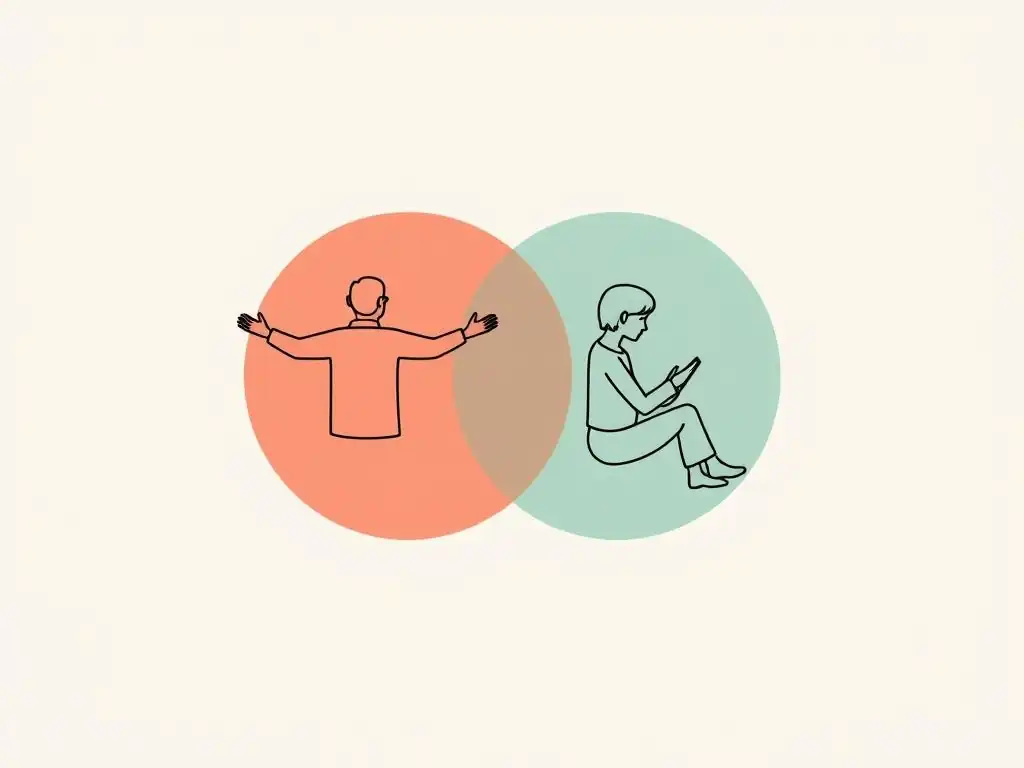
Online dating presents unique hurdles for introverts and extroverts seeking long-term compatibility. While the initial spark might ignite easily, navigating the complexities of differing communication styles, energy levels, and intimacy needs requires conscious effort and understanding. Successfully bridging this gap hinges on recognizing these differences as strengths, not weaknesses, and proactively employing strategies to foster mutual respect and connection. This section delves into practical approaches to address common challenges and build a robust, fulfilling relationship.
Addressing Communication Barriers and Misunderstandings
Introverts and extroverts often communicate differently. Extroverts might prefer frequent, energetic interactions, while introverts may value deeper, more thoughtful conversations. This difference can lead to misunderstandings. For example, an extrovert might interpret an introvert's silence as disinterest, while an introvert might perceive an extrovert's constant chatter as overwhelming. Effective communication requires patience and a willingness to adapt.
To mitigate these issues, clear and open communication is paramount. Extroverts should be mindful of pacing their conversations and allowing introverts time to process information. Introverts, in turn, should make a conscious effort to articulate their needs and feelings, even if it feels uncomfortable. Consider utilizing different communication channels: texting for quick updates, phone calls for more intimate conversations, and video calls for a blend of both. Remember, "online dating tips introverts extroverts" often highlight the importance of understanding each other's communication preferences. Scheduling dedicated "check-in" times can also ensure both partners feel heard and understood.
Consider this scenario: An extrovert excitedly shares details about their day, while the introvert, feeling drained, offers short, less enthusiastic responses. The extrovert might misinterpret this as disengagement. However, by openly acknowledging their different energy levels and communication styles, they can create a more understanding environment. The extrovert could ask, "Is this too much information right now? Do you need some quiet time to process?" This proactive approach fosters empathy and avoids unnecessary conflict.
One of the most significant challenges in introvert-extrovert relationships is managing differing social energy levels. Extroverts often thrive in social settings, gaining energy from interactions, while introverts often find social situations draining, requiring solitude to recharge. This divergence can lead to friction if not addressed proactively. For instance, an extrovert might feel frustrated if their partner consistently declines social invitations, while an introvert might feel overwhelmed and resentful if constantly pressured to participate in activities that deplete their energy.
Successful navigation of this difference requires compromise and mutual respect. Creating a balanced social calendar that accommodates both partners' needs is crucial. This may involve alternating between social events and quiet evenings at home. It's also vital for each partner to understand and respect the other's energy levels. Extroverts should avoid pushing introverts beyond their comfort zones, while introverts should make an effort to participate in social activities that they genuinely enjoy, rather than feeling obligated.
Remember, finding a rhythm that works for both is key to a long-lasting relationship. This often involves pre-planning outings and communicating energy levels beforehand. A simple "I'm feeling a bit drained today, can we have a quiet night in?" can prevent misunderstandings and resentment.
Building Trust and Emotional Intimacy
Building trust and emotional intimacy is essential in any relationship, but it can be particularly challenging for introverts and extroverts due to their differing communication styles and emotional expressions. Introverts often take longer to open up and share their feelings, while extroverts might express their emotions more readily. This can lead to feelings of insecurity or misunderstanding. For example, an extrovert might misinterpret an introvert's reserved nature as a lack of emotional connection, while an introvert might feel overwhelmed by an extrovert's open displays of affection.
To overcome this, patience and understanding are critical. Introverts should make a conscious effort to share their feelings, even if it feels vulnerable. This might involve expressing appreciation, sharing personal experiences, or simply stating their needs.
Extroverts, in turn, should be mindful of their partner's pace and avoid overwhelming them with excessive emotional displays. Creating a safe and supportive space where both partners feel comfortable expressing themselves is paramount. Engaging in activities that promote emotional connection, such as sharing personal stories, discussing values, or engaging in meaningful conversations, can help to build trust and intimacy.
Active listening, showing empathy, and validating each other's feelings are also crucial components in fostering a strong emotional bond. Remember, building trust is a gradual process; patience and consistent effort are key. Small gestures of affection, thoughtful acts, and regular expressions of appreciation can go a long way in reinforcing the emotional connection between an introvert and an extrovert.
Long-Term Relationship Success: Introvert and Extrovert Compatibility
This section delves into the specific challenges and rewards of long-term relationships between introverts and extroverts, offering practical advice for navigating the complexities of this dynamic pairing in the context of online dating success. Understanding each other's needs and communication styles is paramount for building a lasting connection. Successfully navigating the differences between introverted and extroverted personalities requires intentional effort and a willingness to adapt and compromise. This isn't about changing who you are, but about appreciating and celebrating your unique qualities while building a strong foundation together.
Maintaining a Healthy Balance in a Long-Term Relationship
Maintaining a healthy balance in a long-term relationship between an introvert and an extrovert requires mindful consideration of each other's energy levels and social needs. Extroverts often thrive in social situations, drawing energy from interacting with others. Introverts, conversely, often recharge by spending time alone or in small, intimate settings. Ignoring these fundamental differences can lead to conflict and resentment.
One effective strategy is to schedule regular "recharge" time for both partners. This might involve the extrovert agreeing to a quiet night in while the introvert plans a social outing with friends. The key is to ensure both individuals feel understood and respected. Compromise is key – perhaps agreeing on a balance of social events and quiet evenings at home. For example, attending one large social gathering a week, followed by three quieter evenings could be a workable compromise.
Consider creating a visual schedule or using a shared calendar to plan social events and quiet time. This proactive approach minimizes misunderstandings and ensures both partners have their needs met. Remember, open communication is crucial. Regularly checking in with your partner about their energy levels and social needs helps maintain a harmonious balance.
A successful long-term relationship between introverts and extroverts hinges on celebrating each other's individualities while also creating shared experiences. This involves acknowledging and respecting the differences in how each partner approaches social situations and personal time. It's not about trying to change each other, but about embracing the unique strengths each person brings to the relationship.
For instance, the extrovert might enjoy planning social gatherings and inviting friends over, while the introvert might prefer cozy nights in with a book or a movie. Instead of viewing these preferences as opposing forces, consider them complementary aspects of your relationship. The extrovert’s social skills can enrich the introvert's life, while the introvert's quiet nature can offer a much-needed respite for the extrovert.
Finding common ground is also essential. This might involve exploring shared hobbies, interests, or activities that both partners enjoy, creating a balance between social interaction and quiet time. Perhaps you both enjoy hiking, cooking, or playing board games – activities that can be enjoyed together without overwhelming either partner. The goal is to find a balance that works for both of you, fostering a sense of connection and shared experiences.
Prioritizing Open and Honest Communication
Open and honest communication is the bedrock of any successful relationship, especially one involving individuals with differing personality types like introverts and extroverts. Regularly expressing your needs and feelings, listening actively to your partner's perspective, and working together to resolve conflicts are essential for building a strong, lasting bond.
Misunderstandings can easily arise due to communication style differences. For example, an extrovert might express their feelings openly and directly, while an introvert might need more time to process their emotions before sharing them. Learning to recognize and appreciate these differences is crucial. The extrovert might need to practice patience and allow the introvert time to articulate their thoughts, while the introvert might need to make a conscious effort to communicate their needs more clearly.
Consider practicing active listening techniques: making eye contact, nodding to show you're engaged, and summarizing your partner's points to ensure understanding. This can significantly improve communication and help prevent misunderstandings. Regular check-ins, even brief ones, can help prevent small issues from escalating into larger conflicts. Remember, effective communication is a skill that improves with practice and intention. Prioritize it, and your relationship will thrive.
Frequently Asked Questions
How can introverts succeed in online dating?
Introverts can leverage online dating's asynchronous nature. Take your time crafting thoughtful messages and don't feel pressured to respond instantly. Focus on quality over quantity in your interactions.
What are some dating profile tips for extroverts?
Extroverts should showcase their energetic and social side through photos and descriptions. Highlight your active lifestyle and social connections. Be upfront about your desire for frequent interaction.
What are the key differences in online dating strategies for introverts and extroverts?
Introverts benefit from planned, deliberate communication, while extroverts thrive on spontaneous, frequent contact. Tailor your approach to your personality to feel authentic and comfortable.
How can introverts and extroverts find compatible partners online?
Look for partners who appreciate your communication style. Open communication is key; discuss your needs and preferences early on. Don't try to change yourself to fit a mold.
Are there any online dating safety tips specific to introverts or extroverts?
Both introverts and extroverts should prioritize safety. Verify profiles, meet in public places for first dates, and tell a friend about your plans. Trust your instincts.
Final Reflection: Bridging the Introvert-Extrovert Divide in the Digital Age
The complexities of online dating are amplified when personality types clash, yet understanding these differences is key to finding lasting love. Navigating the digital landscape as an introvert or extrovert presents unique challenges, but with mindful strategies, lasting connections are entirely possible. The key lies not in changing who you are, but in leveraging your strengths and understanding those of your potential partner.
The impact of personality on relationships is undeniable, and the online dating world only intensifies this dynamic. Introverts, often misunderstood as shy or uninterested, may struggle to project their personality online, while extroverts might inadvertently overwhelm potential partners with excessive communication. This delicate balance requires self-awareness and empathy. The greatest thing you'll ever learn is just to love and be loved in return.
– Moulin Rouge! This sentiment, while seemingly simple, highlights the core need for mutual understanding and acceptance in any relationship, regardless of personality type.
Now, consider your own dating journey. What strategies have you found most effective? How can you better understand your own personality and the preferences of others? Take the time to reflect on your communication style, your energy levels, and your needs in a relationship. By embracing your unique qualities and approaching online dating with intention and self-compassion, you can increase your chances of finding a meaningful and lasting connection. The journey may be challenging, but the reward – a fulfilling relationship – is well worth the effort.
Unlock Your Dating Potential: Find Lasting Love
Thank you for exploring the world of online dating! We hope you've gained valuable insights into building strong, long-term relationships. Now it's time to put that knowledge into practice.
- Craft a compelling dating profile: Reflect on what you've learned and revise your online profile to highlight your best qualities and attract compatible partners. Ensure it authentically represents who you are!
- Share your insights: Discuss your key takeaways from this article with a friend or family member. Their perspective might offer a surprising new viewpoint!
- Expand your search: Consider taking a personality test or exploring different online dating platforms to broaden your options and find someone who complements your personality.
Ready to start connecting with someone special? What part of your dating profile will you improve first?