
Online Dating for CoParents: How to Avoid Dating Someone Who Isn't Right for Your Family


Dive into the world of online dating as a co-parent with OnlineDatingSuccess.org. We understand the unique challenges and rewards of finding love while raising children. Are you ready to navigate the complexities of dating while prioritizing your family's well-being? Discover crucial insights and practical advice to help you avoid pitfalls, identify coparent online dating red flags, and ultimately, build a healthy and fulfilling relationship. Let's help you find the right match – for you and your family.
- Navigating Online Dating as a Co-Parent: Unique Challenges
-
Identifying Coparent Online Dating Red Flags: Early Warning Signs
- Red Flag #1: Disrespectful or Dismissive Attitude Towards Children
- Red Flag #2: Lack of Interest in Getting to Know Your Children
- Red Flag #3: Unrealistic Expectations About Co-Parenting Dynamics
- Red Flag #4: Secretive Behavior or Evasive Answers About Their Past
- Red Flag #5: Inconsistent Communication and Unreliable Behavior
- Protecting Your Children During Online Dating: Practical Tips for Co-Parents
- Successful Co-Parenting and Dating: Strategies for Long-Term Harmony
- Finding Compatible Partners Online: Tips for Co-Parents
-
Frequently Asked Questions
- What are some red flags to watch out for when co-parenting and online dating?
- How can I subtly introduce my children into the online dating conversation?
- Is it okay to meet someone from online dating before involving my children?
- How do I protect my children's privacy while dating online?
- What if my date is disrespectful of my co-parenting situation?
- Final Reflection: Navigating the Complexities of Co-Parenting and Dating
- Ready to Navigate Online Dating with Confidence?
Dating as a single parent presents a unique set of challenges, and when you’re a co-parent, the complexities multiply. Successfully navigating the online dating world while prioritizing your children's well-being requires careful consideration, open communication, and a healthy dose of self-awareness. This article will delve into the specific concerns of co-parents using online dating, focusing on identifying potential red flags and avoiding pitfalls that could negatively impact your family.
We'll explore strategies for balancing your personal life with your co-parenting responsibilities, ensuring that your dating life doesn't compromise your children's stability and happiness. Understanding the nuances of co-parent online dating and recognizing potential red flags is crucial for creating a safe and positive dating experience for yourself and your family. This guide offers practical advice to help you build healthy relationships while maintaining a strong co-parenting dynamic.
Balancing Personal Life and Co-Parenting Responsibilities in Online Dating
Juggling the demands of online dating with the responsibilities of co-parenting can feel overwhelming. Finding the right balance requires careful planning and prioritization. Many co-parents struggle with guilt, feeling torn between pursuing personal happiness and dedicating sufficient time and energy to their children. It's essential to remember that prioritizing your own well-being doesn't equate to neglecting your parental duties. In fact, a happy and fulfilled parent is often a better parent.
Consider creating a realistic schedule that accommodates both your dating life and your parental obligations. This might involve scheduling dates during your co-parent's time with the children, utilizing childcare services when necessary, or being upfront with potential partners about your parenting schedule. Transparency is key to avoiding conflicts and resentment down the line. Remember, a healthy relationship should support your role as a parent, not detract from it.
It's also crucial to establish clear boundaries. This might involve limiting the time you spend on dating apps, setting specific times for communication with potential partners, and prioritizing family time over dating activities when necessary. This proactive approach will help you maintain a sense of equilibrium and prevent burnout. Remember to be kind to yourself; finding the perfect balance takes time and experimentation. The goal is to find a sustainable rhythm that works for your unique circumstances.
The Importance of Open Communication with Your Co-Parent About Dating
Open and honest communication with your co-parent about your dating life is paramount. Avoiding this crucial conversation can lead to misunderstandings, resentment, and even legal complications. Before you even begin online dating, consider having a frank discussion with your co-parent about your intentions and expectations. This conversation should cover several key areas:
- Timing: Discuss when you feel it's appropriate to introduce a new partner to your children. This should be a gradual process, respecting both your children's emotional needs and the developing relationship.
- Boundaries: Set clear boundaries regarding introducing partners to your children. Consider establishing guidelines for how and when partners will interact with your children.
- Shared Responsibilities: Discuss how you'll manage childcare and family responsibilities when dating. This might involve coordinating schedules or finding reliable childcare options.
- Respect: Emphasize the importance of mutual respect and understanding throughout the dating process. This means respecting each other's feelings and opinions, even if they differ.
Remember, effective communication is a two-way street. Be prepared to listen to your co-parent's concerns and address them with empathy and understanding. This collaborative approach will foster a more positive and supportive co-parenting environment, even amidst the complexities of dating. Open communication is the cornerstone of successful co-parenting, and it plays a vital role in navigating the challenges of online dating as a co-parent.
Identifying Coparent Online Dating Red Flags: Early Warning Signs
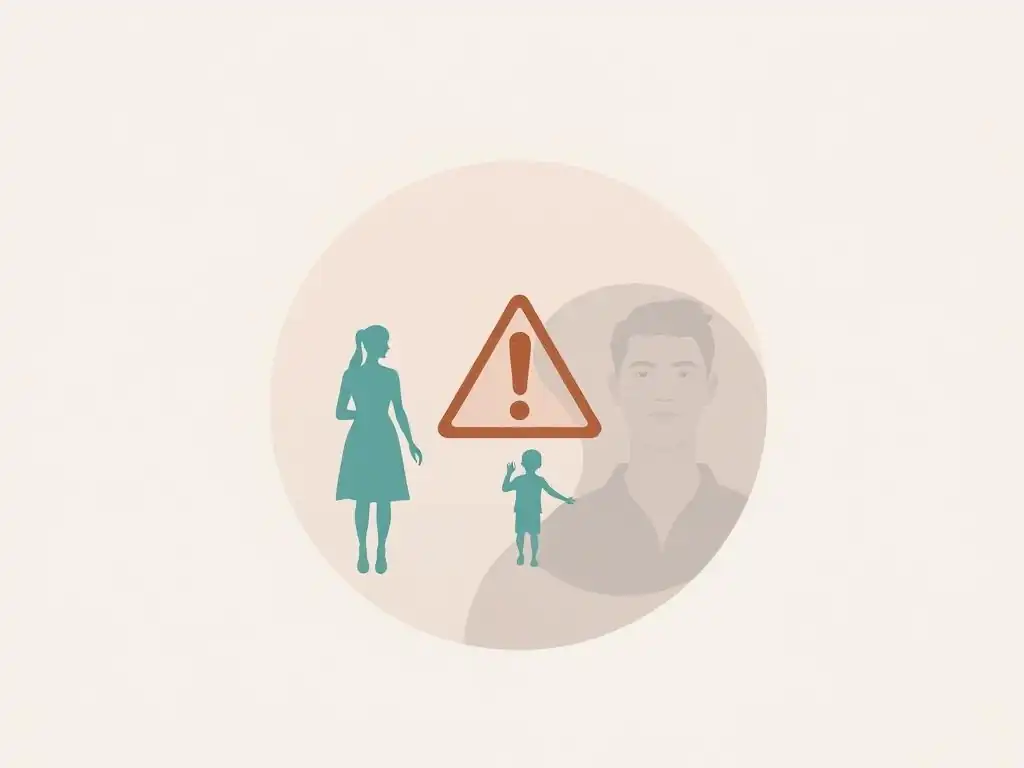
Finding love as a co-parent is challenging, but navigating the complexities of online dating adds another layer. It's crucial to identify potential problems early to avoid heartache and protect your family. This section focuses on recognizing key "coparent online dating red flags" that signal incompatibility and potential future issues. Remember, your children's well-being should always be your top priority.
Red Flag #1: Disrespectful or Dismissive Attitude Towards Children
A disrespectful or dismissive attitude toward children is a major red flag in online dating for co-parents. This isn't just about overt negativity; subtle signs can be equally alarming. Pay close attention to their communication style. Do they minimize the importance of your children's role in your life? Do they avoid discussing your children or brush off questions about your parenting style? These actions reveal a lack of respect for your family structure and could indicate future conflicts.
For instance, someone who repeatedly refers to your children as "baggage" or makes snide comments about parenting choices is exhibiting a serious lack of respect. Even seemingly minor instances, like consistently ignoring mentions of your children in conversations, can be indicative of a deeper problem. Remember that a healthy relationship involves respecting and valuing all aspects of your life, including your children. A potential partner who doesn't demonstrate this early on is unlikely to change later.
Consider this example: In your dating profile, you mention your active role in your children's lives. If a potential match responds with something like, "Wow, that sounds…intense," instead of showing interest or asking questions, it’s a subtle yet significant red flag. This dismissive attitude foreshadows potential future conflicts related to co-parenting. Prioritize partners who actively engage with and value your children's presence in your life.
Red Flag #2: Lack of Interest in Getting to Know Your Children
Beyond simple respect, a genuine interest in getting to know your children is vital. This isn't about demanding immediate intimacy; it's about showing a willingness to understand their personalities, interests, and needs. A potential partner who avoids conversations about your children or shows little curiosity about their lives is sending a clear message: they aren't ready to be a part of your family unit.
Look for signs of genuine curiosity. Do they ask questions about your children's hobbies, school, or personalities? Do they express a desire to meet them at some point? If the answers are consistently negative or evasive, it’s a warning sign. Remember, building a strong relationship involves integrating all aspects of your life, and your children are an integral part of that.
A lack of interest can manifest in various ways. For example, consistently changing the subject when you mention your children or avoiding opportunities to meet them (even casually) showcases a lack of commitment to integrating into your family dynamic. This isn't about immediate acceptance; it's about a willingness to build a relationship with your children over time. If this willingness isn't present from the start, it’s unlikely to develop later.
Red Flag #3: Unrealistic Expectations About Co-Parenting Dynamics
Navigating co-parenting requires understanding, flexibility, and compromise. Someone entering your life must be prepared to respect your existing co-parenting arrangements and the unique challenges involved. If a potential partner holds unrealistic expectations about your co-parenting dynamic, it's a significant red flag.
This could involve expecting you to immediately prioritize them over your children, assuming complete control over your children’s lives, or displaying intolerance towards your ex-partner’s role in your children's upbringing. These unrealistic expectations often stem from a lack of understanding of co-parenting realities. A partner who doesn't respect the boundaries of your co-parenting arrangement will likely create conflict and tension within your family.
For example, a potential partner who insists on immediate exclusivity and expects you to sever all contact with your ex-partner (beyond what's necessary for co-parenting) is demonstrating a lack of understanding and respect for your family structure. Similarly, someone who attempts to undermine your ex-partner's role in your children's lives will likely create significant conflict. A healthy relationship respects the pre-existing dynamics and incorporates the new partner gradually and respectfully. Remember, healthy co-parenting involves cooperation and mutual respect, and your new partner must be prepared to navigate this dynamic with maturity and understanding.
Red Flag #4: Secretive Behavior or Evasive Answers About Their Past
Secretiveness is a major red flag in any relationship, but it's especially crucial to watch out for when you're a co-parent. A potential partner who is evasive about their past, particularly regarding previous relationships or family situations, could be hiding something significant. This could range from unresolved legal issues involving child custody or support payments to a history of abusive behavior or dishonesty. Remember, you're not just dating this person; you're potentially introducing them into your children's lives. Therefore, a lack of transparency about their history is a serious concern.
Don't be afraid to ask direct questions; a healthy relationship is built on open communication and trust. If their answers are vague, inconsistent, or if they consistently avoid answering, consider it a warning sign. Trust your instincts; if something feels off, it probably is. The emotional wellbeing of your children should be paramount, and a secretive partner poses a significant risk to that wellbeing.
For example, a history of financial irresponsibility could lead to future problems, impacting your children's stability. Similarly, a hidden history of domestic violence presents a clear and present danger. Transparency and honesty are fundamental to building a strong and safe family unit. Avoid anyone who appears unwilling or unable to provide these fundamental building blocks.
Red Flag #5: Inconsistent Communication and Unreliable Behavior
Inconsistent communication and unreliable behavior are significant red flags in online dating, especially for co-parents. This isn't just about occasional missed texts; it's about a pattern of flakiness and unreliability that demonstrates a lack of respect for your time and, more importantly, a lack of responsibility. Consider the implications for your children if you're dating someone who frequently cancels plans, is constantly late, or doesn't follow through on commitments. This unreliability can create instability and uncertainty in your children's lives, which is detrimental to their development and well-being. For instance, if your date is supposed to pick up your children from school but consistently fails to do so, it disrupts your schedule and creates stress for everyone involved.
This pattern of behavior suggests a larger issue with responsibility and commitment, which is not a quality you want in a long-term partner, especially one who will be interacting with your children. Look for consistency in their actions and words. Do their words match their actions? Do they consistently follow through on their promises?
If the answer is no, it's time to reconsider the relationship. Remember, a reliable and responsible partner is crucial for creating a stable and supportive environment for your children. Prioritize partners who demonstrate these qualities consistently. Inconsistent communication and unreliable behavior are not minor inconveniences; they are signs of deeper character flaws that can significantly impact your family's stability.
Protecting Your Children During Online Dating: Practical Tips for Co-Parents

Finding love as a co-parent requires careful consideration, especially when it comes to protecting your children's emotional well-being. Navigating the world of online dating while sharing custody demands a proactive approach to ensure your children's safety and stability. This section outlines practical steps to minimize potential risks and maximize positive outcomes for your family. Understanding and recognizing the coparent online dating red flags is crucial in this process.
Prioritizing Your Children's Emotional Well-being in the Dating Process
The emotional impact of a parent's dating life on children should never be underestimated. Children can be sensitive to changes in family dynamics, and introducing a new romantic partner requires careful planning and sensitivity. Prioritizing their emotional well-being means:
- Open and Honest Communication: Talk to your children (appropriately for their age) about your dating life. Explain that you're looking for companionship but that their needs remain your top priority. Avoid overly detailed discussions, focusing instead on reassurance and stability. This honesty helps build trust and reduces anxiety.
- Maintaining Consistency: Strive for consistency in routines and schedules, regardless of your dating activities. Sudden changes can unsettle children. Predictability provides a sense of security during this transition period.
- Observing Your Children's Reactions: Pay close attention to your children's behavior and emotional responses. Are they exhibiting signs of stress, anxiety, or withdrawal? These are important indicators that warrant further discussion and potential adjustments to your approach. Remember, every child reacts differently.
- Seeking Professional Support: If you notice significant changes in your children's behavior or if you're struggling to manage the emotional aspects of dating, don't hesitate to seek professional guidance from a therapist or counselor specializing in family dynamics. They can offer valuable support and strategies.
Remember, patience and understanding are key. The process of integrating a new partner into your family takes time.
Creating a Safe and Supportive Environment for Your Children
Safety is paramount when navigating online dating as a co-parent. Protecting your children from potential harm requires careful consideration and proactive measures. Here's how to create a safe environment:
- Thorough Background Checks: Before introducing anyone to your children, conduct thorough background checks. While not foolproof, this is a vital step in mitigating risks.
- Controlled Introductions: Avoid rushing the introduction process. Start with supervised meetings in public places. Observe their interactions carefully. Gradually increase the time spent together as you assess their compatibility with your family.
- Clear Boundaries: Establish clear boundaries with your dates regarding interactions with your children. Respect their privacy and avoid overwhelming them with too much attention too soon.
- Open Communication with Your Co-parent: Maintain open communication with your co-parent throughout the dating process. Sharing information and coordinating approaches ensures consistency and reduces the potential for conflict. This is especially important regarding the introduction of new partners to your children. Transparency and collaboration are crucial.
This approach helps build a secure and stable environment for your children, minimizing the potential for negative impacts from your dating life.
Gradually Introducing New Partners to Your Children
Introducing a new partner to your children is a delicate process that requires careful planning and sensitivity. Avoid rushing this stage. Here's a phased approach:
- Phase 1: Casual Mentions: Initially, casually mention your new partner to your children, focusing on positive aspects and emphasizing that this person is a friend. Avoid labeling the relationship prematurely.
- Phase 2: Supervised Meetings: Arrange a supervised meeting in a neutral, public setting. Keep the initial interaction brief and positive. Observe your children's reactions closely.
- Phase 3: Extended Interactions: Gradually increase the duration and frequency of interactions, always ensuring a safe and comfortable environment. Let the relationship develop naturally.
- Phase 4: Overnight Stays (if applicable): If the relationship progresses, consider allowing overnight stays only after a considerable period of positive interactions and your children's comfort level has been established. This is a significant step and requires careful consideration.
Remember, there is no one-size-fits-all approach. The speed of introduction should be guided by your children's emotional responses and your own comfort level. Prioritize their well-being above all else. Recognizing coparent online dating red flags early on is crucial for ensuring a safe and supportive environment for your family.
Setting Boundaries and Protecting Your Family's Privacy
Protecting your children's privacy is paramount when navigating the world of online dating as a co-parent. It's crucial to establish clear boundaries from the outset, both for yourself and for your children. This isn't just about shielding them from inappropriate content; it's about safeguarding their emotional well-being and protecting their sense of security within the family unit. Remember, your children are not participants in your dating life; they are observers, and their feelings are valid and deserve consideration.
One of the most effective ways to set boundaries is to avoid introducing new partners to your children too early in the relationship. Allow ample time for the relationship to develop and for you to assess the compatibility not only with your partner but also with your family dynamic. Rushing this process can lead to unnecessary stress and emotional upheaval for your children.
Consider waiting at least six months before introducing a significant other to your children, and even then, proceed cautiously. Observe how your partner interacts with your children in small, controlled settings before introducing them to the wider family circle.
Furthermore, be mindful of what information you share online about your children. While sharing adorable photos might seem harmless, oversharing can inadvertently expose them to risks. Avoid posting images that reveal identifying details like school names, addresses, or even specific locations where your children frequent.
Remember, the internet is a vast space, and once something is online, it's difficult to control its dissemination. Protecting your children's privacy online extends beyond your own social media accounts; it also includes educating them about the responsible use of social media and the importance of privacy settings. Openly discuss online safety with your children, emphasizing the importance of not sharing personal information with strangers online.
Another crucial aspect of setting boundaries is protecting your children's emotional space. Avoid engaging in discussions about your dating life in front of your children, particularly if these conversations involve negativity or criticism of potential partners. This can create confusion and anxiety for children, making them feel caught in the middle of adult conflicts. Respect their need for stability and consistency, even amidst the complexities of co-parenting and dating.
Create a safe and supportive environment where they feel comfortable expressing their feelings without fear of judgment or criticism. Remember, your children's emotional well-being should always be your top priority. Prioritizing their emotional safety is a key component of responsible co-parenting and online dating.
Successful Co-Parenting and Dating: Strategies for Long-Term Harmony

Finding love as a co-parent is a rewarding but complex journey. Successfully navigating online dating while prioritizing your children's well-being requires careful consideration and proactive strategies. This section focuses on building a solid foundation for your new relationship while maintaining a healthy co-parenting dynamic. Remember, your children's stability is paramount. Successfully integrating a new partner into your family life requires patience, clear communication, and a commitment to long-term harmony. Ignoring potential red flags in the online dating process can lead to significant challenges down the line. Let's explore key strategies for success.
Open Communication with Your New Partner About Co-Parenting
Open and honest communication is the cornerstone of any healthy relationship, especially when co-parenting is involved. From the outset, be transparent about your co-parenting arrangement, including your ex-partner's role, the children's schedules, and any existing challenges. Don't shy away from discussing the realities of shared custody. This isn't about burdening your potential partner; it's about setting realistic expectations. Early and frank conversations prevent misunderstandings and potential conflicts later on. Consider these points:
- Frequency of contact with your ex: How often do you communicate with your ex-partner? What are the main topics of discussion?
- Children's involvement: How involved are your children in the dating process? Have you discussed this with them appropriately?
- Shared decision-making: How are major decisions regarding your children made? Is there a shared legal agreement?
- Financial responsibilities: How are the children's financial needs met? Is there a child support agreement in place?
Remember, your new partner doesn't need to become best friends with your ex, but understanding your co-parenting dynamics is crucial for a successful relationship. Early, open conversations will help establish trust and lay the groundwork for a harmonious future. A willingness to discuss these topics honestly demonstrates maturity and respect for your partner's needs and concerns. This transparency builds a foundation of mutual understanding and reduces the likelihood of future conflicts.
Establishing Clear Expectations and Ground Rules
Once a relationship progresses, establishing clear expectations and ground rules is essential for avoiding conflicts and maintaining a healthy co-parenting environment. This isn't about creating a rigid set of rules, but rather about fostering open communication and mutual understanding. Consider these key areas:
- Introducing your partner to your children: This should be a gradual process, allowing time for everyone to adjust. Avoid rushing the introduction and respect the children's feelings and boundaries.
- Shared parenting time: Discuss how your new partner will integrate into the children's schedule and how this will affect existing routines and plans.
- Disciplinary approaches: Align on consistent disciplinary approaches to avoid confusion and inconsistency for the children. This doesn't necessarily mean identical approaches but a shared understanding of core values and expectations.
- Respecting boundaries: Establish clear boundaries regarding communication with your ex-partner to avoid unnecessary conflict or involvement from your new partner.
Creating a shared understanding of expectations regarding discipline, communication, and family time, will contribute positively to the well-being of the children. Openly discussing these aspects early on minimizes potential sources of conflict and promotes a more harmonious environment. Documenting key agreements can provide a useful reference point if disagreements arise in the future.
Maintaining a Healthy Co-Parenting Relationship Even After Breakups
Even if your relationship with your new partner doesn't work out, maintaining a healthy co-parenting relationship remains crucial. A breakup doesn't negate your responsibility to your children or your co-parenting arrangement. Remember that the focus should always be on the children’s well-being. Consider these important factors:
- Protecting children from conflict: Avoid involving your children in the details of your breakup. Maintain a united front when communicating with them about the situation.
- Respectful communication: Even after a breakup, maintain respectful communication with your ex-partner regarding the children. This is essential for the children's stability and well-being.
- Minimizing disruption: Try to minimize any disruption to the children's routines or schedules as much as possible during the transition. Consistency is key.
Remember, co-parenting is a marathon, not a sprint. Prioritizing the needs of your children throughout the dating process and beyond will contribute significantly to their well-being and your own peace of mind. Navigating online dating as a co-parent requires patience, clear communication, and a willingness to adapt. By proactively addressing potential challenges and establishing healthy patterns of communication and expectation, you can increase your chances of finding lasting love while maintaining a strong and stable co-parenting relationship.
Seeking Professional Support When Needed: Therapists and Counselors
Navigating the complexities of co-parenting while simultaneously dating can be emotionally taxing. It's crucial to remember that seeking professional help isn't a sign of weakness, but rather a proactive step towards building a healthier and more stable life for yourself and your children. A therapist specializing in family dynamics or relationship counseling can provide invaluable support during this transition.
They offer a safe space to process your emotions, address anxieties, and develop effective coping mechanisms for the challenges you face. The benefits extend beyond individual support; a therapist can also help you develop strategies for communicating more effectively with your co-parent, ensuring a smoother co-parenting experience even amidst the changes brought about by dating.
Many therapists offer specialized services in co-parenting and blended families. They understand the unique dynamics and potential conflicts that arise when combining families. They can help you navigate difficult conversations, set healthy boundaries, and develop strategies to minimize conflict. Remember, your children's well-being should be prioritized, and a therapist can help you approach dating and co-parenting with a focus on their emotional stability.
They can also equip you with the tools to handle potential jealousy or resentment from your children towards your new partner, guiding you through these delicate situations with empathy and understanding. Finding the right therapist is crucial; look for someone with experience in family dynamics and co-parenting issues. Don't hesitate to schedule a consultation with several therapists before choosing one who best suits your needs and communication style. The investment in your emotional well-being is an investment in the well-being of your entire family.
Remember, prioritizing your mental health is a key component of successful co-parenting and dating. It allows you to approach each aspect of your life with more clarity, resilience, and a stronger sense of self. This ultimately creates a more positive environment for your children and fosters healthier relationships.
Finding Compatible Partners Online: Tips for Co-Parents
Finding love as a co-parent presents unique challenges, but online dating can be a powerful tool when used strategically. Successfully navigating this landscape requires a nuanced approach, focusing on transparency, clear communication, and a realistic assessment of your needs and priorities. This section will offer practical advice on maximizing your chances of finding a compatible partner who respects your family structure and understands the complexities of co-parenting. Remember, honesty and self-awareness are key to attracting the right kind of person.
Using Online Dating Platforms Effectively for Co-Parents
Choosing the right online dating platform is crucial. Some platforms cater better to specific demographics or relationship goals. Consider platforms that allow for detailed profile descriptions, enabling you to clearly articulate your co-parenting situation. Avoid platforms that prioritize casual encounters; instead, seek out platforms known for fostering deeper connections and long-term relationships.
Think about specifying your family situation early in your profile to filter out unsuitable matches. This saves time and prevents potential emotional distress. Don't be afraid to be upfront about your children and co-parenting arrangement; this is a major aspect of your life, and hiding it will only lead to problems later. Prospective partners who are not ready for a blended family situation will self-select out.
Many co-parents find success with platforms prioritizing genuine connections over superficial interactions. A well-crafted profile highlighting your values and family-oriented nature can attract like-minded individuals. Remember to choose photos that accurately reflect your lifestyle and personality, showcasing your children (if comfortable and appropriate) in a positive light. This helps potential partners visualize your family dynamic and assess compatibility.
Highlighting Your Co-Parenting Strengths in Your Dating Profile
Your online dating profile is your first impression. Present your co-parenting experience not as a drawback, but as a strength. Highlight your successful co-parenting strategies – your collaborative approach to decision-making, your commitment to your children's well-being, and your ability to maintain a healthy relationship with your co-parent. This demonstrates maturity, responsibility, and a positive attitude towards family life, attractive qualities in a partner.
For example, instead of writing "I'm a single parent," try "I'm a dedicated co-parent who prioritizes my children's happiness and well-being. I work collaboratively with my co-parent to ensure a stable and loving environment." This phrasing shifts the focus from the challenges of co-parenting to your strengths and capabilities. Use keywords like "collaborative," "supportive," "responsible," and "committed" to paint a picture of a responsible and successful co-parent. Remember, you are showcasing yourself as a complete package, including your family and your successful co-parenting journey.
Attracting Partners Who Respect Your Family Dynamics
Attracting a partner who respects your family dynamics requires careful communication and boundary setting. Be upfront about your children and your co-parenting arrangement early in the dating process. Don't shy away from discussing the realities of co-parenting, including the challenges and the joys. This allows potential partners to self-select, ensuring that you're connecting with people who are genuinely compatible with your family structure.
Look for partners who demonstrate empathy, understanding, and a willingness to integrate into your family life. Consider how they respond to discussions about your children and your co-parenting routine. Do they ask thoughtful questions? Do they show genuine interest in getting to know your children?
Their responses can reveal a lot about their potential compatibility with your family. Remember, finding someone who respects your family is crucial for building a healthy and lasting relationship. It's not about finding someone who fits perfectly into your family, but someone who respects the existing dynamics and is willing to be a positive addition. Red flags might include dismissing your co-parenting arrangement, showing a lack of interest in your children, or expressing negativity towards your co-parent.
Finding a compatible partner when you're a co-parent requires a more thorough screening process than typical online dating. It's not just about romantic compatibility; it's about finding someone who respects your family structure and understands the complexities of co-parenting. This involves looking beyond surface-level attraction and delving into their values, lifestyle, and approach to relationships. Don't rush into anything; take your time to get to know potential partners thoroughly.
One effective strategy is to explicitly discuss your co-parenting situation early in the dating process. This isn't about scaring them off, but about setting clear expectations and ensuring everyone is on the same page. Be upfront about your children, your co-parenting schedule, and the level of involvement you expect from a partner. This transparency helps weed out those who aren't ready for the commitment or the unique challenges involved. Observe how they react to this information; a respectful and understanding response is crucial. Those who are dismissive or show signs of discomfort may not be the right fit.
Beyond the practical aspects of co-parenting, it's essential to assess their values and beliefs. Do they share your parenting philosophy? Do they respect your boundaries regarding your children? Do they have a healthy approach to conflict resolution? These are vital questions to consider, and the answers often reveal more about their character than their initial charm.
Look for individuals who demonstrate empathy, patience, and a willingness to work collaboratively. Remember, a compatible partner will not only enhance your romantic life but will also contribute positively to your children's well-being. Consider engaging in meaningful conversations about their family background, their upbringing, and their experiences with relationships. These discussions can offer valuable insights into their potential as a long-term partner within your co-parenting dynamic.
Don't hesitate to ask direct questions about their expectations regarding family life and their ability to navigate the complexities of blended families. This open communication is key to avoiding future conflicts and misunderstandings. Remember, you're not just looking for a romantic partner; you're looking for a potential step-parent figure who will contribute positively to your children's lives. So, carefully assess their capacity for empathy, patience, and understanding in this context.
Frequently Asked Questions
What are some red flags to watch out for when co-parenting and online dating?
Some major red flags include reluctance to discuss children, avoiding the topic of family, exhibiting controlling behavior, or displaying a lack of respect for your boundaries regarding your children. These indicate potential incompatibility.
How can I subtly introduce my children into the online dating conversation?
Start by mentioning your children in your profile in a positive way, showcasing your parenting skills and values. During conversations, naturally weave in details about your family life, but don't overshare early on. Focus on building trust and a genuine connection.
Is it okay to meet someone from online dating before involving my children?
Yes, absolutely. Prioritize getting to know the person before introducing them to your children. This allows you to assess compatibility and ensure safety. Consider several dates before thinking about meeting the family.
How do I protect my children's privacy while dating online?
Avoid sharing specific details about your children's lives, schools, or activities online. Don't post pictures of your children on dating profiles until you're certain about the person. Always prioritize their safety and well-being.
What if my date is disrespectful of my co-parenting situation?
This is a significant red flag. Respect for your co-parenting dynamic is crucial. If your date shows disrespect or tries to undermine your relationship with your co-parent, it's important to end the date and move on. Your children's well-being should always come first.
The search for love after divorce is challenging enough, but adding the complexities of co-parenting significantly raises the stakes. Finding a partner who understands and respects your family dynamic is crucial, not just for your own happiness, but for the well-being of your children. The right partner can enrich your life and theirs; the wrong one can cause significant upheaval and distress.
The impact of choosing the wrong partner in a co-parenting situation extends far beyond the romantic sphere. It affects children's stability, emotional security, and overall development. The emotional toll on everyone involved can be immense. As the saying goes, The family that prays together, stays together.
While not literally religious, the sentiment highlights the importance of a unified and supportive family unit, even in blended or evolving family structures. This requires careful consideration and a proactive approach to dating, especially when children are involved.
Now, consider your own dating journey. Have you encountered any of the red flags discussed? What steps can you take to better protect yourself and your children in the future? Remember, prioritizing your family's well-being is not selfish; it's essential. Take the time to reflect on your needs and boundaries, and don't settle for anything less than a partner who respects and supports your family unit. The journey to finding love as a co-parent is challenging, but with careful consideration and self-awareness, you can navigate it successfully and build a happy and healthy future for yourself and your children.
Thank you for taking the time to learn how to find a compatible partner while co-parenting! You've gained valuable insights into building a healthy dating life that prioritizes your family's well-being. Now, let's put that knowledge into practice.
- Identify your non-negotiables: Take some time today to write down three essential qualities you seek in a partner. This will help you efficiently screen potential matches.
- Share your insights: Join the conversation in the comments below. What's one change you'll make to your online dating strategy based on what you've learned?
- Refresh your dating profile: Review and update your profile photos and bio to accurately reflect your values and priorities.
What's the first step you'll take to create a more successful and family-friendly dating experience?