
Should You Text or Call? PostFirst Date Communication Guide

Ready to transform your online dating experience? At OnlineDatingSuccess.org, we're dedicated to helping you navigate the complexities of finding meaningful connections. But the journey doesn't end with a match; it begins with that crucial first contact. Should you text or call after your first date? This question, and many more, are answered in our comprehensive guide, providing you with the tools and knowledge to build genuine relationships. Discover the secrets to successful communication and unlock your dating potential – let's get started!
- First Date Contact: Text or Call? Deciphering the Post-Date Dilemma
- Navigating the Post-First Date Communication Landscape: Texting Etiquette
- The Art of the Post-First Date Phone Call
- First Date Contact: Choosing the Right Approach Based on Your Date
- Moving Forward After the First Date: Setting Expectations
- Frequently Asked Questions
- Final Reflection: Navigating the Modern Dating Maze
- Unlock Your Post-Date Communication Confidence!
First Date Contact: Text or Call? Deciphering the Post-Date Dilemma
Navigating the post-first date world can feel like traversing a minefield. The initial excitement fades, leaving you wondering: what's the next step? Should you text, call, send a carrier pigeon—or simply vanish into the digital ether? This guide tackles the age-old question of first date contact: text or call?
We'll explore the advantages and disadvantages of each approach, helping you make an informed decision that reflects your personality and respects the other person's comfort level. Remember, the goal is to foster genuine connection, not to create unnecessary anxiety. Let's dive into the nuances of post-first date communication and find the perfect approach for you.
The success of your online dating journey often hinges on these crucial initial interactions, so choosing wisely can significantly increase your chances of building a meaningful relationship. This guide aims to provide practical advice, empowering you to navigate this crucial stage with confidence and clarity. We'll explore various scenarios and offer tailored advice, acknowledging that there's no one-size-fits-all answer.
Weighing the Pros and Cons of Texting After a First Date
Texting Advantages: Casual, Convenient, and Low-Pressure
Texting offers a casual and convenient way to follow up after a first date. It's low-pressure, allowing you to gauge interest without the intensity of a phone call. A simple, "I had a great time last night! 😊" can be a perfect way to express your enjoyment without feeling overly forward.
The asynchronous nature of texting also gives both parties time to respond thoughtfully, avoiding the pressure of immediate answers. Furthermore, texting can be a useful tool for scheduling a second date, exchanging contact information, or even just sharing a funny meme that reminds you of your shared experience. This method is also great for people who might feel more comfortable expressing themselves in writing than verbally.
Texting Disadvantages: Misinterpretation, Lack of Tone, and Limited Emotional Connection
The downside of texting is the potential for misinterpretation. Lack of tone and body language can lead to misunderstandings, turning a well-intentioned message into something awkward or even offensive. Emojis can help, but they can't fully replace the richness of verbal communication. Furthermore, texting often lacks the emotional depth and connection that a phone call can offer.
The limited nature of the medium can hinder the development of a deeper understanding and rapport. A simple text might not convey the full extent of your feelings or enthusiasm, potentially leading to mixed signals. Therefore, relying solely on texting might limit your ability to build a strong connection.
Weighing the Pros and Cons of Calling After a First Date
Calling Advantages: More Personal, Allows for Nuance, and Fosters Deeper Connection
A phone call offers a more personal and intimate way to connect after a first date. It allows for a more nuanced conversation, enabling you to express your feelings and understand the other person's perspective more effectively. The ability to hear their voice, pick up on subtle inflections, and share a laugh together can foster a deeper sense of connection and intimacy.
This is particularly important in building rapport and getting a true sense of their personality beyond a few carefully chosen words in a text. A phone call can demonstrate your genuine interest and create a more meaningful connection.
Calling Disadvantages: More Intimidating, Requires More Time Commitment, and Potential for Awkwardness
On the other hand, a phone call can be more intimidating than a text. It requires a greater time commitment and can feel more vulnerable. The potential for awkward silences or mismatched conversational styles increases the risk of an uncomfortable experience. Scheduling a call might also be more challenging, requiring coordination and potentially leading to delays. It's important to consider your comfort level and the level of connection established on the first date before opting for a phone call. If the first date felt somewhat forced, a phone call might not be the best strategy.
The post-first date period is a delicate dance, a careful balancing act between expressing interest and avoiding overwhelming your date. Choosing the right communication method – text or call – is crucial to navigating this landscape successfully. While a phone call might seem more personal, texting often provides a less intrusive, more convenient, and less pressure-filled entry point for initial post-date contact.
This section focuses on the nuances of texting etiquette after a first date, helping you understand the dos and don'ts to maximize your chances of a second date. Remember, the goal is to maintain momentum and keep the connection alive, without being overly eager or appearing desperate. This requires a thoughtful approach to timing, message crafting, and interpreting responses.
Timing Your Text: When to Reach Out After a First Date
The timing of your post-first date text is paramount. Sending it too soon can appear clingy or overly enthusiastic, while waiting too long risks letting the connection fade. Finding the "golden window" is key to successful post-date communication.
The "Too Soon" and "Too Late" Trap: Finding the Golden Window
There's no magic number of hours or days to wait, as individual preferences vary greatly. However, a good rule of thumb is to wait at least a few hours, allowing both of you some space to reflect on the date. Waiting more than 24-48 hours, however, risks the conversation stalling. Consider the flow of the date itself.
If you ended the evening with a clear and positive exchange, a slightly quicker response might be acceptable. Conversely, if the date concluded a bit awkwardly, giving yourselves more time and space is advised. Think of it less as a rigid timeline and more as a guideline; use your judgment based on the specific dynamics of your date.
Consider this scenario: You had a fantastic first date that ended with a lingering goodbye and shared laughter. Waiting an entire day to text might send the wrong message. However, if the date felt more subdued, a longer wait might be more appropriate. The key is to be mindful and respectful of the other person's space and pace.
Crafting the Perfect Post-Date Text: Examples and Templates
Your post-date text should be brief, positive, and reflect on a specific shared experience from the date. Avoid generic messages like "I had a great time!" Instead, try referencing a specific detail from your conversation or activity, demonstrating that you were genuinely present and engaged.
Here are a few examples:
- Example 1 (referencing a shared activity): "Hey! It was so fun exploring that new art gallery with you last night. That sculpture was amazing, wasn't it? 😊"
- Example 2 (referencing a shared interest): "Hey [Date's Name], enjoyed chatting about [shared interest] last night. I've been meaning to check out [related resource/place], maybe we could do that sometime?"
- Example 3 (simple and sweet): "Hi [Date's Name], had a really nice time getting to know you last night. Hope you had a good evening too! 🙂"
Remember to keep it light, positive, and avoid overly forward or suggestive language. The goal is to spark further conversation, not to pressure a commitment.
Decoding the Response: Interpreting Their Text Message
Their response (or lack thereof) will provide valuable insight into their interest level. Pay attention not just to the words themselves, but also to the nonverbal cues present in their message.
Understanding Nonverbal Cues in Text Messages
While texts lack the richness of face-to-face communication, certain cues can still reveal a lot about someone’s feelings. Short, one-word responses might indicate disinterest, while longer, more engaging replies generally suggest the opposite. The use of emojis and the speed of their response also provide clues. A quick, enthusiastic response suggests keen interest, whereas a delayed or unenthusiastic reply might suggest a lack of it. However, remember that individual texting styles vary, so don't overanalyze every detail. Look for the overall pattern of their responses.
Handling Unresponsive or Mixed Signals After a First Date
If you don't receive a reply, or the response is lukewarm, it's important to respect their space. Sending multiple follow-up texts can appear desperate. Give them some time before sending another message, if at all. If the mixed signals persist, you might need to accept that they aren't as interested as you'd hoped.
This isn’t necessarily a reflection of your worth; sometimes, the connection simply isn't there. Focus your energy on other potential matches, remembering that dating involves a degree of trial and error. It's okay to move on gracefully and learn from the experience. The goal is to find a connection that is mutual and fulfilling; not to force one where it doesn't exist.
The Art of the Post-First Date Phone Call
Choosing between a text and a call after a first date is a crucial decision. While texting offers casual convenience, a phone call often conveys a deeper level of interest and allows for richer communication. This section explores the nuances of a post-first date phone call, offering guidance on initiating the conversation, interpreting the responses, and navigating potential awkwardness. Mastering this skill can significantly increase your chances of building a meaningful connection.
Initiating the Call: Tips for a Smooth Conversation
Timing is everything. Don't call immediately after the date; give your date some space to process their experience. A call within 24-48 hours usually strikes a good balance between showing interest and avoiding seeming overly eager. Before dialing, consider the conversation's purpose. Is it to confirm mutual interest, schedule a second date, or simply follow up on a shared anecdote from the first date? Having a clear objective will make the conversation flow more naturally.
Remember to keep the call relatively brief—aim for 10-15 minutes initially. Respect your date's time and avoid lengthy monologues. A concise and engaging conversation is far more effective than a rambling one. Start with a warm greeting, referencing a specific detail from your date to personalize the interaction (e.g., "It was so nice chatting about [topic] last night"). This shows you were paying attention and genuinely enjoyed their company. Finally, end the call positively, expressing your enjoyment of the date and suggesting a concrete next step.
Preparing Talking Points: Beyond the First Date Recap
While briefly recapping a positive aspect of the date is fine, avoid dwelling on it excessively. Instead, aim for a more forward-looking conversation. Think about shared interests or topics you could discuss further. Perhaps you could mention an upcoming event you think they'd enjoy, or discuss a book, movie, or restaurant that aligns with your shared tastes.
This shows initiative and demonstrates your desire to learn more about them beyond the first date's context. Preparing a few open-ended questions can keep the conversation flowing smoothly. Consider asking about their week, their hobbies, or their aspirations. This shows genuine interest and helps you build a deeper connection.
For example, instead of saying, "I had a great time last night! ", try something like, "I really enjoyed our conversation about [shared interest]; I was wondering if you've ever tried [related activity]?" This approach is more engaging and less repetitive.
Managing Awkward Silences and Maintaining a Natural Flow
Awkward silences are inevitable, especially in early stages of dating. Don't panic! Prepare some backup conversation starters, but don't force the conversation. If a silence arises, acknowledge it with humor or redirect the conversation gently. For instance, you could say something like, "Well, that's a thoughtful question," or "That's interesting; it makes me wonder about..." This demonstrates adaptability and prevents the conversation from stalling completely. Remember, genuine connection takes time.
Interpreting the Call: Reading Between the Lines
Pay close attention to your date's tone of voice, the length of their responses, and their overall enthusiasm during the conversation. A lively and engaging conversation with reciprocal questions suggests mutual interest. Conversely, short, monosyllabic answers or an abrupt ending might indicate a lack of interest. While it's important to be mindful of these signals, avoid overanalyzing every detail. Trust your intuition and focus on genuine connection rather than solely interpreting subtle cues.
Recognizing Positive and Negative Signals During a Phone Conversation
| Signal | Positive Interpretation | Negative Interpretation |
|---|---|---|
| Enthusiastic tone of voice | Genuine interest and enjoyment of the conversation | Forced enthusiasm or disinterest |
| Lengthy and detailed responses | Eagerness to share and connect | Short and abrupt responses, lack of engagement |
| Reciprocal questions | Active listening and interest in getting to know you | Minimal questions or one-word answers |
| Laughter and lightheartedness | Positive connection and shared sense of humor | Forced laughter or lack of genuine amusement |
| Suggesting a second date | Clear indication of interest and desire to continue | Absence of any mention of a future meeting |
| Scheduling difficulties | Potential scheduling conflicts, not necessarily lack of interest | Unwillingness to make time, potential disinterest |
Remember, these are just guidelines. Context matters! The best way to navigate the post-first date communication is to be yourself, be respectful, and prioritize genuine connection. Good communication is key to building successful relationships, both online and offline. 🥂
First Date Contact: Choosing the Right Approach Based on Your Date
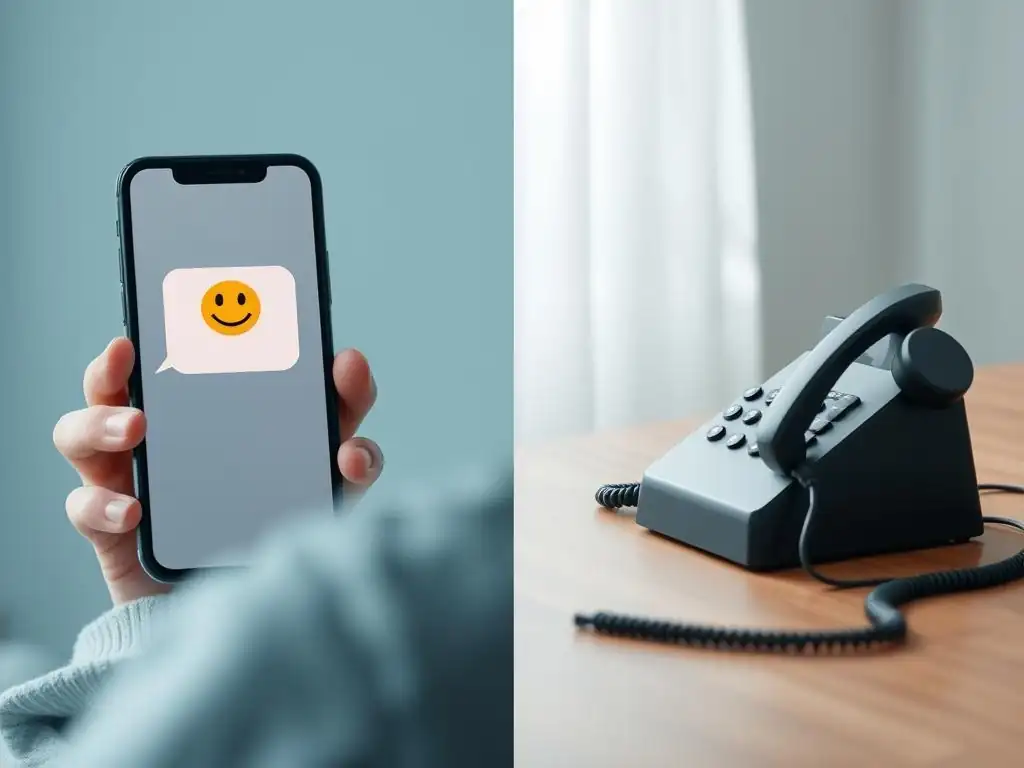
Choosing between a text or a call after a first date hinges on several factors, primarily revolving around your date's personality and your shared experience. There's no universally "right" answer; the best approach is tailored to the specific situation. The question, "First date contact: text or call?" becomes less about a rigid rule and more about thoughtful consideration. This section will guide you through making the best decision for your unique circumstances, focusing on optimizing your chances of a second date.
Considering Personality and Communication Styles
Did your date prefer quick texts or lengthy conversations? Were they more reserved or outgoing during your first date? These observations offer crucial clues. If your date primarily communicated through brief texts, mirroring that style post-date might feel more natural and less intrusive. Conversely, if your date engaged in deeper conversations and seemed comfortable with more extended interactions, a phone call might be a more appropriate follow-up.
Consider their communication style as a whole. Did they respond promptly to your messages? Did they seem engaged and enthusiastic in their responses? This reveals a lot about their communication preferences and expectations. Someone who values quick, efficient communication might prefer a text, while someone who appreciates more thoughtful and detailed conversations might prefer a call.
For example, if your date was a naturally expressive individual, who shared their thoughts and feelings openly during the date, a phone call allowing for more nuanced conversation would likely be better received. However, if your date was more introverted and communicated more sparingly, a text message might be a more comfortable and less overwhelming way to follow up.
Analyzing the Dynamics of Your First Date
The overall chemistry and connection you felt during the date significantly influences the best way to follow up. If you had a truly amazing time, brimming with laughter and engaging conversations, a phone call demonstrates enthusiasm and a deeper level of interest. It allows you to reminisce about specific moments and express your genuine appreciation.
Conversely, if the date was pleasant but lacked a strong spark, a text message might be a more appropriate and less demanding approach. A casual text keeps the interaction light and avoids any pressure for a second date if the connection wasn't mutual. Remember, the goal is to gauge interest without being overly assertive. A simple, "I had a great time last night! 😊" text leaves the door open without demanding a response immediately.
Analyzing the specific interactions during your date is key. Did you share meaningful conversations, or was the communication more superficial? A deeper connection suggests a phone call to foster further understanding. A more surface-level connection might suggest a less formal text message to express a pleasant time.
Prioritizing Your Comfort and Confidence in Communication
Ultimately, the most critical factor in deciding between a text or a call is your own comfort level. Choose the method that allows you to communicate authentically and confidently. If you feel more comfortable initiating a conversation via text, then do so. If you feel more confident expressing your feelings and enthusiasm through a phone call, then opt for that.
Forced communication, whether through text or a call, rarely produces positive results. Authenticity shines through, and confidence is always attractive. If you're unsure, err on the side of caution. A simple, well-timed text is always a safe bet, offering a less intimidating way to express your interest without overwhelming your date. Remember, the goal is to initiate further contact – not to create unnecessary anxiety. Your comfort and confidence will naturally translate into a more positive interaction, regardless of whether you choose to text or call.
Moving Forward After the First Date: Setting Expectations
This section focuses on navigating the crucial post-first date phase. Successfully transitioning from a first date to a second hinges on clear communication and realistic expectations. Ignoring this vital step can lead to misunderstandings, wasted time, and ultimately, disappointment. The key is to understand both your own expectations and the unspoken expectations your date might have.
The Importance of Clear Communication in Dating
Effective communication is paramount in the world of dating, and it’s even more critical after a first date. Misinterpretations can easily arise from subtle cues or a lack of direct conversation. Remember, everyone communicates differently; some are more expressive, while others are more reserved. Understanding these differences is crucial to avoiding misinterpretations and fostering healthy relationships.
Consider this scenario: You had a wonderful first date, but your date hasn't contacted you within 24-48 hours. Instead of jumping to conclusions, consider their personality and communication style. Are they typically quick to respond, or do they take their time? Perhaps they're genuinely busy or dealing with something personal. Before you assume the worst, give them the benefit of the doubt.
However, setting healthy boundaries is also important. If you've expressed your interest and haven't heard back after a reasonable amount of time (perhaps a week), it's okay to move on. Don't waste your energy on someone who isn't reciprocating your effort. Remember, dating is a two-way street; it shouldn't feel like a constant uphill battle. This doesn't necessarily mean they're not interested, but it could suggest a mismatch in communication styles or expectations. Open communication, even if it's to say you're not feeling a connection, is always better than radio silence.
The best approach is to be clear and direct but also considerate. A simple, "I had a lovely time on Tuesday. Are you free to chat sometime this week?" is a much better approach than waiting in anticipation or sending multiple messages. This demonstrates your interest without appearing overeager or demanding.
Knowing When to Move On and When to Pursue
Determining whether to pursue a connection further or move on after a first date requires careful consideration of several factors. While a single date isn't a definitive indicator of compatibility, it provides valuable insights into potential chemistry and shared interests. Analyzing these aspects helps determine if the relationship warrants further exploration.
Let's examine some key indicators:
| Indicator | Suggests Pursuing Further | Suggests Moving On |
|---|---|---|
| Conversation Flow | Easy, engaging, and reciprocal conversation | One-sided conversation, little shared interest |
| Physical Chemistry | Mutual attraction and comfortable physical presence | Lack of physical connection, discomfort |
| Shared Values/Interests | Significant overlap in values and interests | Few shared values or interests, conflicting views |
| Mutual Respect | Respectful communication and behavior | Disrespectful behavior, disregard for boundaries |
| Post-Date Communication | Prompt and engaging follow-up | Delayed or lack of response, lack of initiative |
Remember, dating involves a degree of trial and error. Not every first date will lead to a second, and that's perfectly okay. Focus on identifying your preferences, respecting your own boundaries, and learning from each experience. The goal is to find meaningful connections, and sometimes that requires gracefully moving on from dates that don't feel right. Don't be afraid to be upfront and honest about your feelings.
This approach, while potentially uncomfortable, shows respect and maturity. Ultimately, it's better to move on sooner rather than later if you sense a lack of compatibility or reciprocal interest. Respecting your time and emotional energy is crucial in the dating process. Remember, there are plenty of fish in the sea! 🐠
Frequently Asked Questions
Should I text or call after a first date?
This depends on your comfort level and the vibe of the date. A text is generally less intrusive, but a call shows more initiative and allows for a more natural conversation. Consider your date's preferences, too.
What should I say in my first post-date contact?
Keep it brief and positive. Mention something specific you enjoyed about the date, and suggest a next step if you're interested ("I had a great time last night, would you be free for coffee next week?")
How soon should I contact them after the first date?
Aim to contact them within 24-48 hours. Waiting too long might make you seem uninterested, but contacting them immediately could seem overly eager. Find a balance that feels natural to you.
What if they don't respond to my text or call?
Don't take it personally. People are busy, or might not be interested. Respect their silence and move on. It's better to find someone who reciprocates your interest.
Is there a difference between texting and calling for a second date suggestion?
A phone call often feels more personal and intimate, making it a better choice for suggesting a second date, particularly if you already have a good rapport. A text is fine for casual follow-up, but a call shows more effort.
The question of text versus call after a first date isn't just about communication; it's a reflection of our evolving social landscape and the delicate dance of modern courtship. The subtle nuances of digital communication, coupled with the inherent anxieties of new connections, make this seemingly simple choice surprisingly complex. Our exploration of this topic reveals a need for mindful consideration, moving beyond simple rules to a deeper understanding of individual preferences and relationship dynamics.
The impact of technology on dating is undeniable, constantly reshaping our expectations and interactions. The ease of texting often overshadows the warmth and personal connection a phone call can offer. Yet, the pressure to respond instantly, the potential for misinterpretation, and the lack of non-verbal cues inherent in texting can create misunderstandings and anxieties. The most important thing in communication is hearing what isn't said.
- Peter Drucker. This quote highlights the crucial role of unspoken cues, often lost in the brevity of a text message, underscoring the importance of considering the context and the individual involved.
So, what's the takeaway? Consider this article not as a definitive answer, but as a guidepost. Reflect on your own communication style, the signals you received from your date, and the level of connection you felt. Don't be afraid to experiment, to choose the method that feels most authentic and respectful. Ultimately, the goal is to foster genuine connection, and the best approach will always be the one that best reflects your intentions and respects the other person's comfort level. Choose wisely, and may your next first date lead to something wonderful.
Unlock Your Post-Date Communication Confidence!
Thank you for exploring the art of post-date communication! We hope you gained valuable insights into navigating those crucial first interactions. Now it's time to apply your newfound knowledge.
- Craft the perfect follow-up message: Consider the advice from the article and tailor your message to reflect your unique connection. Remember, authenticity is key!
- Experiment with different approaches: Try a text, a phone call, or even a thoughtful handwritten note – discover what feels most natural and yields the best results.
- Share your experience: Which communication method resonated most with you? Share your successes (or even a funny mishap!) in the comments below. Let's build a supportive community!
Ready to make your next post-date communication a resounding success? What's your preferred method for connecting after a first date?