
Discover Your Safe Space: LGBTQ+ Communities for Meaningful Relationships

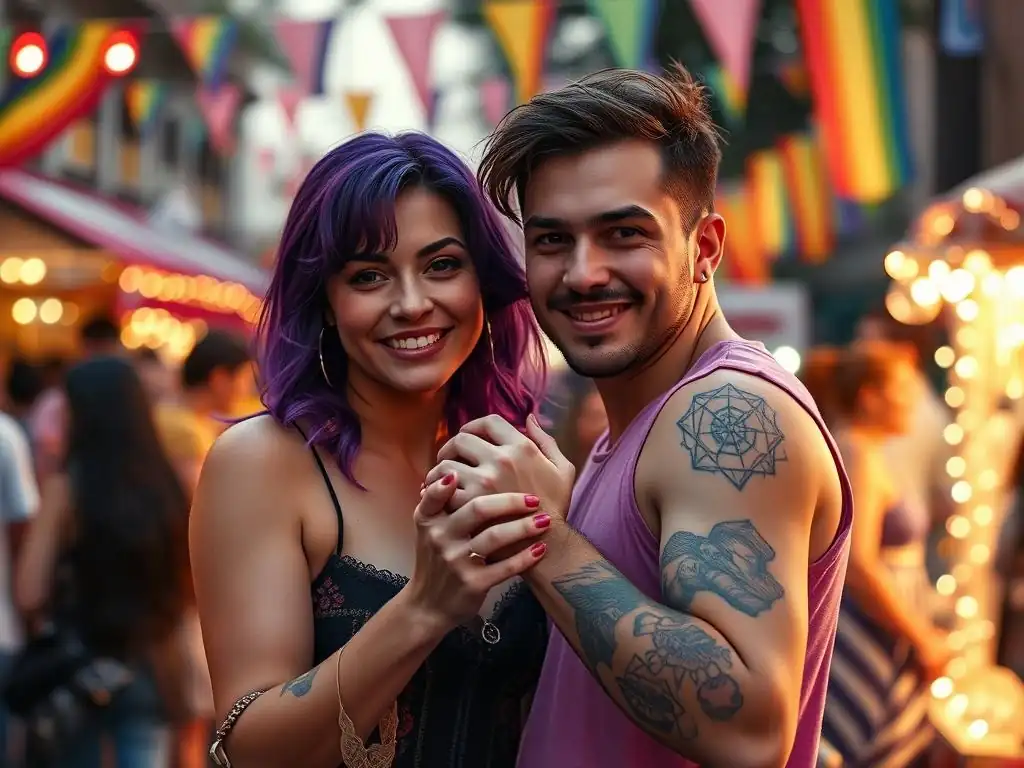
Ready to find your perfect match? At OnlineDatingSuccess.org, we empower you to navigate the world of online dating with confidence. But finding love shouldn't come at a cost – your safety is paramount. That's why we're diving into crucial LGBTQ+ dating safety tips, helping you build meaningful connections while prioritizing your well-being. Discover how to create a safe space for yourself in the online dating world and unlock the potential for a truly fulfilling relationship. Let's get started!
- Finding Your Tribe: Navigating LGBTQ+ Online Dating Safely
- LGBTQ+ Dating Safety Tips: Protecting Yourself Online and Offline
- Leveraging LGBTQ+ Online Communities for Support and Connection
- Resources and Support: LGBTQ+ Organizations and Hotlines
- Maintaining Safety and Well-being in Your LGBTQ+ Relationships
-
Frequently Asked Questions
- How can I ensure my safety while using online dating apps as an LGBTQ+ individual?
- What are some red flags to watch out for when meeting someone from an LGBTQ+ dating app?
- Are there specific LGBTQ+ dating apps or websites that prioritize safety?
- How can I protect my privacy when creating an online dating profile?
- What should I do if I feel unsafe or uncomfortable after meeting someone from an online dating app?
- Final Reflection: Cultivating Safety and Connection in LGBTQ+ Spaces
- Unveil Your Tribe: Find Belonging and Connection
Online dating can be a thrilling yet daunting journey for anyone, but for members of the LGBTQ+ community, it presents a unique set of challenges and opportunities. This guide focuses on enhancing your safety and well-being while navigating the world of LGBTQ+ online dating, helping you find meaningful connections within a supportive and inclusive environment. We'll explore the specific concerns faced by LGBTQ+ individuals in online dating, discuss strategies for creating safer profiles, and offer insights into recognizing and avoiding potential scams.
Ultimately, our goal is to empower you to build genuine connections while prioritizing your safety and personal well-being. This is about finding your tribe, forging meaningful relationships, and celebrating your identity in a digital space designed to support and uplift you. Let's embark on this journey together, focusing on creating a positive and safe online dating experience.
Understanding the Unique Challenges of LGBTQ+ Online Dating
The online dating landscape for LGBTQ+ individuals differs significantly from that of heterosexual individuals. Many LGBTQ+ people face unique challenges, including:
- Higher risk of discrimination and harassment: Sadly, LGBTQ+ individuals often experience higher rates of hateful messages, discrimination, and even threats online. This necessitates extra caution and a proactive approach to safety.
- Limited representation and inclusivity: Not all dating platforms are equally inclusive or cater specifically to the diverse needs and experiences within the LGBTQ+ community. Choosing the right platform is crucial.
- Misrepresentation and catfishing: The anonymity afforded by online platforms can unfortunately lead to a higher incidence of catfishing and misrepresentation of identity, requiring heightened vigilance.
- Safety concerns related to outing and privacy: Sharing personal information online carries inherent risks, and for LGBTQ+ individuals who may not be openly out to everyone in their lives, these risks can be amplified.
It's vital to acknowledge these challenges and adopt strategies to mitigate them. Building a strong sense of community and utilizing appropriate safety measures are paramount to a positive online dating experience. Understanding these unique risks allows us to develop proactive strategies to navigate them effectively. For example, research suggests that [specific data on reported harassment rates pending] of LGBTQ+ users on dating apps report experiencing some form of harassment. This underscores the need for enhanced safety measures.
Building a Safe and Inclusive Online Dating Profile: LGBTQ+ Best Practices
Creating a profile that reflects your authentic self while prioritizing your safety is key. Here's how to build a safe and inclusive profile:
- Choose your platform carefully: Select platforms known for their inclusive communities and robust moderation policies. Look for platforms with robust reporting mechanisms for inappropriate behavior.
- Use clear and respectful language: Avoid overly suggestive or revealing language in your profile and photos. Maintain a professional and respectful tone.
- Protect your personal information: Never share your full name, address, workplace, or other identifying information in your profile or early messages. Be mindful of what you disclose.
- Use high-quality photos: Choose photos that accurately represent you and avoid photos that could compromise your safety. Avoid including photos with location markers.
- Be upfront about your identity and expectations: Clearly state your sexual orientation and relationship goals in your profile. This helps attract compatible matches and avoids misunderstandings.
Remember, your profile is your first impression. By presenting a clear, respectful, and safe profile, you attract genuine connections while minimizing potential risks. A well-crafted profile can significantly improve your online dating experience. For instance, using specific keywords related to your interests can help you connect with like-minded individuals who share your values. This targeted approach fosters genuine connections.
Avoiding Common LGBTQ+ Dating Scams and Red Flags
Awareness of common scams and red flags is crucial for staying safe in the LGBTQ+ online dating world. Here are some key things to watch out for:
- Requests for money or financial assistance: Be wary of anyone who asks for money or financial assistance, regardless of their explanation. Genuine connections don't involve financial transactions.
- Inconsistencies in their profile or communication: Pay attention to inconsistencies in their profile, photos, or communication style. If something feels off, trust your instincts.
- Pressure to meet in person too quickly: Healthy relationships develop gradually. Be cautious of anyone who pressures you to meet in person before you feel comfortable and safe.
- Excessive flattery or overly intense communication: Be wary of overly flattering or intense communication, especially early in the relationship. Healthy relationships are built on mutual respect and trust.
- Avoid sharing sensitive information: Never share your full name, address, workplace, or other identifying information until you have met in person and feel completely comfortable and safe.
Remember, your safety is paramount. Trust your instincts; if something feels wrong, it probably is. By being aware of these common scams and red flags, you can significantly reduce your risk of encountering negative experiences. Prioritizing your safety is essential to a fulfilling and rewarding online dating experience. Taking these precautions can help you build a safe and positive community within the online dating world.
LGBTQ+ Dating Safety Tips: Protecting Yourself Online and Offline
Finding love online as an LGBTQ+ individual should be an exciting and empowering experience. However, it's crucial to prioritize your safety and well-being throughout the process. This section focuses on practical strategies to mitigate risks and foster a positive dating experience. Remember, your safety is paramount.
Securing Your Personal Information: Privacy Settings and Data Protection
Protecting your personal information is the cornerstone of LGBTQ+ dating safety. Many dating apps and websites offer robust privacy settings; utilizing them effectively is crucial. Avoid oversharing details like your full address, workplace, or even your exact neighborhood in your profile. Instead, opt for general location descriptions.
Consider these steps:
- Review App Permissions: Carefully examine which permissions each app requests (access to contacts, location, photos, etc.). Only grant access to features you're comfortable with. Many apps allow you to selectively disable location sharing.
- Profile Privacy: Most platforms allow you to control who can see your profile. Restrict access to only those who have sent you a message or are part of your established network.
- Reverse Image Search: Before meeting someone offline, perform a reverse image search on their profile pictures to verify their authenticity and identify potential catfishing.
- Avoid Linking Accounts: Refrain from directly linking your dating profiles to your social media accounts. This prevents unwanted access to your personal information.
- Strong Passwords: Use unique, strong passwords for each dating app and website. Employ password managers to help you securely store and manage them.
Remember, even seemingly innocuous information can be pieced together to compromise your safety. Being cautious and proactive in protecting your data is key to a safer online dating experience. Think of it like building a digital fortress around your personal information – layer by layer.
Safe Communication Strategies: Avoiding Sharing Too Much Too Soon
Open and honest communication is vital in building meaningful relationships, but it’s equally important to be cautious about what you share, especially in the early stages of online dating. Avoid revealing sensitive personal details until you've established trust and met in person.
Here’s how to approach communication safely:
- Start with Public Platforms: Initiate conversations on the app itself rather than immediately exchanging phone numbers or email addresses. This gives you an added layer of security and traceability.
- Gradual Disclosure: Share personal information incrementally, building trust over time. Don't rush into revealing details about your family, financial situation, or sensitive personal experiences.
- Be Wary of Pressure: If someone pressures you to share information you're uncomfortable with, it’s a red flag. Trust your instincts and politely decline.
- Verify Information: If someone claims to be a certain profession or have specific achievements, do a quick online search to verify their claims. Don't be afraid to ask questions; genuine individuals will be open to verification.
- Watch for Red Flags: Be aware of overly romantic or intense messages early on, excessive flattery, or requests for money or financial assistance. These are common indicators of potential scams or dangerous situations.
Building trust takes time. Prioritize your safety and comfort level throughout the communication process.
Meeting in Person: Safety Precautions and Best Practices for First Dates
Meeting someone in person for the first time after connecting online requires careful planning and awareness. Never feel pressured to meet someone if you're uncomfortable. Your safety should always come first.
These practices can help ensure a safer first date:
- Public Places: Always choose well-lit, public places for your first meeting. Avoid secluded locations or inviting someone to your home.
- Tell a Friend: Inform a trusted friend or family member about your plans, including the person's name, profile information, and the location and time of your meeting.
- Meet in a Group Setting: Consider meeting in a group setting for the first encounter, especially if you feel uneasy about meeting alone.
- Transportation: Arrange your own transportation to and from the date, giving you control over your departure. Don't rely on your date for a ride.
- Trust Your Instincts: If something feels off or uncomfortable at any point during the date, leave immediately and contact your support network. Your safety and gut feeling are paramount.
Remember, a successful and safe date is about building a genuine connection while prioritizing your well-being. Take your time, follow your instincts, and enjoy the journey of finding meaningful relationships.
Building Trust and Healthy Boundaries in LGBTQ+ Relationships
Building trust and establishing healthy boundaries are crucial aspects of any relationship, but they take on added significance within the LGBTQ+ community. Many LGBTQ+ individuals have experienced past trauma or discrimination, making them understandably more cautious in forming new connections. Open and honest communication is paramount to fostering trust. This isn't just about sharing personal details; it's about being vulnerable and allowing your partner to do the same.
This vulnerability creates a safe space for both individuals to express their needs and concerns without fear of judgment. Remember, trust is earned, not given, and it takes time and consistent effort from both sides. Small acts of kindness, reliability, and respect contribute significantly to building this essential foundation. A lack of trust can manifest in jealousy, possessiveness, or controlling behavior, all of which are detrimental to a healthy relationship.
Establishing healthy boundaries is equally vital. This involves clearly defining your personal limits and communicating them to your partner. These boundaries can encompass physical intimacy, emotional sharing, time commitments, and personal space. For example, you might establish a boundary around sharing your full name and address until you feel comfortable enough. Or perhaps you need to set a limit on how much time you spend messaging online before moving to a phone call or video chat.
These boundaries aren't meant to be restrictive; rather, they are protective measures that ensure your emotional and physical well-being. Healthy boundaries demonstrate respect for yourself and your partner's autonomy. It's important to remember that these boundaries can evolve as the relationship progresses, but open communication about these changes is key. Negotiating boundaries together fosters mutual respect and understanding, creating a stronger, healthier relationship.
Ignoring your boundaries can lead to resentment, burnout, and ultimately, damage to the relationship. Remember, healthy relationships are built on mutual respect and understanding of each other's needs. Openly discussing your boundaries contributes significantly to this mutual understanding, making your relationship more fulfilling and safe. Don't hesitate to adjust your boundaries as needed; your comfort and safety are paramount.
Leveraging LGBTQ+ Online Communities for Support and Connection
Finding a partner in the online dating world can be challenging for anyone, but navigating the complexities of LGBTQ+ dating presents unique opportunities and obstacles. Leveraging online communities specifically designed for LGBTQ+ individuals significantly increases your chances of finding meaningful connections while prioritizing your safety and well-being. These spaces offer a supportive environment where you can connect with like-minded individuals, share experiences, and receive advice from others who understand the unique challenges and triumphs of LGBTQ+ relationships. This section focuses on how to harness the power of these communities to enhance your online dating experience and foster genuine connections.
Finding Your Niche: Identifying LGBTQ+ Dating Apps and Platforms
The online landscape offers a diverse range of dating apps and platforms catering specifically to the LGBTQ+ community. Understanding the nuances of each platform is crucial in finding the right fit for your personality and relationship goals. Some apps focus on specific identities within the LGBTQ+ spectrum, while others cater to broader audiences. For example, some apps might prioritize casual encounters, while others focus on fostering long-term relationships.
Understanding your preferences—whether you're seeking a long-term partner, casual dating, or simply friendship—will help you narrow your choices. Researching different apps and reading user reviews can provide valuable insights into their user base, features, and overall atmosphere. Consider factors such as the app's security features, its community guidelines, and its success rate in matching users with compatible partners.
Don't be afraid to try out a few different platforms to find the one that feels most comfortable and aligns best with your dating goals. This exploration is a key part of the LGBTQ+ dating safety process; finding a platform with strong community moderation can significantly reduce risks.
Engaging Respectfully and Authentically in Online LGBTQ+ Communities
Authenticity is key to building meaningful connections in any online community, but it's especially crucial within the LGBTQ+ space. Sharing your genuine self, including your identity and experiences, fosters trust and allows for deeper connections with others. However, it's important to prioritize your safety and comfort level. Start by sharing information gradually, and only disclose personal details when you feel comfortable and secure. Remember that not everyone online shares your values or intentions.
Respectful communication is paramount. Engage in conversations with an open mind, listen actively to others' perspectives, and avoid making assumptions or generalizations about individuals based on their identity or experiences. Be mindful of the language you use and avoid using slurs or offensive terms. Remember, you are representing the LGBTQ+ community with your interactions, so strive to create a positive and inclusive atmosphere. Report any instances of harassment or discrimination to the platform administrators immediately. This proactive approach contributes to a safer and more welcoming environment for everyone.
Building Meaningful Connections: From Online Chats to Real-Life Meetups
Transitioning from online chats to real-life meetups requires careful planning and consideration. When planning an in-person meeting, always prioritize your safety. Meet in a public place, let a friend or family member know your plans, and share your location with someone you trust. Trust your instincts; if something feels off, don't hesitate to end the meeting.
Remember that online profiles don't always represent the complete picture. Maintaining open and honest communication throughout the process is crucial. Take the time to get to know someone before making any significant commitments. Building trust and rapport takes time, so be patient and enjoy the process of getting to know potential partners.
Focus on finding genuine connections based on mutual respect, shared interests, and understanding. Developing meaningful relationships requires effort and patience, but the rewards of finding a supportive and loving partner are immeasurable. Remember to always prioritize your well-being and safety throughout this journey. This mindful approach is a crucial aspect of LGBTQ+ dating safety tips.
Resources and Support: LGBTQ+ Organizations and Hotlines
Finding a supportive community is crucial for navigating the complexities of LGBTQ+ dating, and this includes having access to resources that can offer guidance, support, and safety. This section details vital resources designed to help you thrive in your dating journey and beyond. Remember, your well-being is paramount.
Accessing LGBTQ+ Specific Mental Health Services
Navigating the challenges of dating, particularly within the LGBTQ+ community, can sometimes impact mental health. It's important to remember that seeking professional help is a sign of strength, not weakness. Many LGBTQ+-affirming therapists and counselors understand the unique experiences and challenges faced by individuals in our community. These professionals provide a safe and supportive space to process emotions, build coping mechanisms, and improve overall well-being. The benefits of seeking professional help can include improved self-esteem, increased resilience, and enhanced relationship skills – all crucial components for successful and safe online dating.
Specific services might include individual therapy, couples counseling (if applicable), and group therapy sessions specifically designed for LGBTQ+ individuals. Finding a therapist who understands the nuances of your identity and experiences is key. Look for therapists who explicitly state their experience working with LGBTQ+ clients. Many online directories allow you to filter by specialization, ensuring you find a professional who is a good fit for your needs.
Remember to check insurance coverage before scheduling an appointment. Prioritizing your mental health is a vital step in building healthy and fulfilling relationships. Don't hesitate to reach out – your journey to well-being is worthwhile.
Finding Local LGBTQ+ Community Centers and Events
Local LGBTQ+ community centers and events offer invaluable opportunities to connect with others, build support networks, and expand your social circle, all of which can contribute positively to your online dating experience. These spaces provide a sense of belonging and can help reduce feelings of isolation often experienced by individuals in minority communities. Moreover, attending events or simply visiting a community center can help you develop crucial social skills and increase your confidence in meeting new people, both online and offline.
Finding your local center is often as simple as a quick online search. Many major cities have established centers offering a range of services and activities. These can include support groups, workshops on dating safety, social events, and even educational programs related to LGBTQ+ issues.
Participating in these events can provide a safe and inclusive environment to meet like-minded individuals, potentially broadening your dating pool and fostering genuine connections. The social interaction and sense of community fostered in these environments can significantly enhance your overall dating experience and contribute to a more positive and safer approach to online dating. Look for events such as mixers, game nights, or workshops – these are excellent opportunities for casual interaction and building friendships.
Remember to check their websites or social media pages for the most up-to-date schedules and information. Engaging with your local community is a proactive step towards building a safer and more fulfilling dating life.
Maintaining Safety and Well-being in Your LGBTQ+ Relationships
Finding love and connection within the LGBTQ+ community is a beautiful journey, but it's crucial to prioritize your safety and well-being throughout the process. Online dating, while offering incredible opportunities to meet like-minded individuals, also presents unique challenges. This section provides practical LGBTQ+ dating safety tips to help you navigate these challenges and foster healthy, fulfilling relationships. Remember, your safety and happiness are paramount.
Recognizing Signs of Abuse and Seeking Help
Navigating relationships within the LGBTQ+ community can sometimes present unique challenges. It's crucial to be aware of the signs of abuse, which can manifest differently than in heterosexual relationships. Abuse can take many forms, including emotional manipulation, verbal abuse, financial control, physical violence, and digital harassment (cyberstalking, doxing, etc. ).
Emotional abuse might involve constant criticism, belittling, or controlling behavior aimed at eroding your self-esteem. Verbal abuse encompasses insults, threats, and intimidation. Financial control can involve restricting your access to money or resources. Physical violence is any form of physical harm inflicted upon you. Digital harassment can include the sharing of private information without your consent, spreading malicious rumors online, or sending threatening messages.
Recognizing these signs is the first step towards protecting yourself. If you're experiencing any form of abuse, remember you're not alone. Several resources are available to provide support and guidance. These include dedicated LGBTQ+ helplines, domestic violence hotlines, and online support groups offering confidential counseling and practical advice. Seeking help is a sign of strength, not weakness. Prioritizing your safety and well-being is crucial. Remember, a healthy relationship is built on mutual respect, trust, and support, never fear or control.
Cultivating Healthy Communication and Conflict Resolution
Open and honest communication is the cornerstone of any healthy relationship, especially within the LGBTQ+ community where navigating societal expectations and unique challenges can be more complex. Learning effective communication skills can help prevent misunderstandings and resolve conflicts constructively. This involves actively listening to your partner, expressing your needs and feelings clearly and respectfully, and working together to find solutions.
Consider practicing techniques like "I" statements ("I feel hurt when...") to express your emotions without placing blame. Learn to identify and address communication patterns that might be contributing to conflict. For example, avoiding accusatory language and focusing on specific behaviors rather than making sweeping generalizations can significantly improve communication. If conflicts arise, strive for respectful dialogue, aiming to understand each other's perspectives before seeking solutions. If necessary, consider seeking professional guidance from a therapist specializing in LGBTQ+ relationships. This proactive approach can help build a stronger and more resilient relationship.
Prioritizing Self-Care and Mental Wellness in Dating
Dating, especially within the LGBTQ+ community, can be emotionally taxing. The pressure to present a certain image, navigate societal biases, and find acceptance can take a toll on mental well-being. Prioritizing self-care is crucial for maintaining a healthy perspective and making informed decisions about your relationships.
Self-care encompasses a wide range of activities designed to support your physical, emotional, and mental health. This could include regular exercise, a balanced diet, sufficient sleep, engaging in hobbies you enjoy, spending time with supportive friends and family, and practicing mindfulness or meditation. It's equally important to establish healthy boundaries in your relationships, saying "no" when necessary, and prioritizing your own needs without feeling guilty. Remember, you deserve to be happy and healthy, and putting yourself first is not selfish; it's essential for maintaining your well-being.
If you’re struggling, don’t hesitate to seek professional help from a therapist or counselor who understands the unique challenges faced by the LGBTQ+ community. Your mental health is just as important as your physical health. Prioritizing self-care empowers you to build healthy, fulfilling relationships.
Frequently Asked Questions
How can I ensure my safety while using online dating apps as an LGBTQ+ individual?
Always verify profiles and be cautious about sharing personal information too early. Meet in public places for first dates and let a friend know your plans.
What are some red flags to watch out for when meeting someone from an LGBTQ+ dating app?
Be wary of anyone who is vague about their identity, pressures you for personal information quickly, or makes you feel uncomfortable in any way. Trust your instincts.
Are there specific LGBTQ+ dating apps or websites that prioritize safety?
While no app is completely risk-free, many cater specifically to LGBTQ+ communities and have stronger safety features and reporting mechanisms. Research and choose wisely.
How can I protect my privacy when creating an online dating profile?
Avoid sharing sensitive personal information like your full address or workplace. Use a nickname instead of your full name if you prefer. Be mindful of the photos you share.
What should I do if I feel unsafe or uncomfortable after meeting someone from an online dating app?
Immediately block the person on the app and all other platforms. Report the incident to the app and consider contacting the authorities if necessary. Prioritize your safety.
Final Reflection: Cultivating Safety and Connection in LGBTQ+ Spaces
The fight for safe and affirming spaces within the LGBTQ+ community is far from over, yet the progress made in fostering genuine connection and belonging is undeniable. Building these spaces requires ongoing vigilance, education, and a commitment to inclusivity that extends beyond simple tolerance. The journey towards true safety and meaningful relationships is a collective one, demanding active participation from every member of the community.
The impact of safe spaces on individual well-being and community growth is profound and immeasurable. These havens offer not just physical safety, but also emotional security and a sense of belonging often lacking in broader society. As Audre Lorde powerfully stated, Caring for myself is not self-indulgence, it is self-preservation, and that is an act of political warfare.
Creating and maintaining these spaces is an act of radical self-preservation and a vital step towards collective liberation. The ongoing dialogue surrounding safety, consent, and healthy relationships within these communities is crucial for continued growth and understanding.
You, the reader, hold the power to shape the future of LGBTQ+ spaces. Consider how you can contribute to a culture of respect, understanding, and safety. Engage in open conversations about consent and boundaries, challenge harmful stereotypes and behaviors, and actively support organizations working to create inclusive and affirming environments. By actively participating in building these safe spaces, you not only protect yourself but also contribute to a stronger, more resilient, and loving community for all.
Unveil Your Tribe: Find Belonging and Connection
Thanks for exploring the world of LGBTQ+ communities with us! We hope you've gained a clearer understanding of how to build meaningful relationships within supportive spaces. Ready to take the next step?
- Join a local LGBTQ+ group or event: This is the most direct way to connect with like-minded individuals and build lasting friendships. Consider exploring diverse options—a hiking club, a book club, or even a volunteer organization! You might be surprised at the connections you find.
- Share this article with a friend: Help others discover the supportive communities available to them. Spread the word and help strengthen these vital networks.
- Reflect on your ideal community: What kind of connections are you seeking? What activities or interests would you most enjoy sharing with others? Thinking about this will help you find the right fit.
What's one small step you can take today to find your own LGBTQ+ safe space?