
Calm Your Nerves: Essential Tips to Manage Dating Social Anxiety Effectively


Welcome to OnlineDatingSuccess.org, your guide to navigating the exciting yet sometimes daunting world of online dating. Are you ready to ditch the dating anxiety and finally find meaningful connections? Then you've come to the right place. Learn how to manage dating anxiety effectively with our expert advice, and unlock the confidence to create a thriving online dating experience. Discover practical strategies to build a compelling profile, communicate authentically, and ultimately, build the relationships you deserve. Let's get started!
- Understanding and Identifying Your Dating Social Anxiety
-
Practical Strategies to Manage Dating Social Anxiety Effectively
- Pre-Date Preparation: Techniques for Calming Pre-Date Jitters
- Mindfulness and Meditation: Cultivating Inner Calm Before and During Dates
- Deep Breathing Exercises: Simple Techniques to Reduce Anxiety Symptoms
- Positive Self-Talk: Replacing Negative Thoughts with Affirmations
- Visualization: Imagining Successful and Positive Dating Scenarios
-
Managing Anxiety During the Date
- Active Listening and Engagement: Focusing on the Conversation
- Focusing on the Present Moment: Avoiding Overthinking and Future-Tripping
- Setting Realistic Expectations: Avoiding Perfectionism and Unrealistic Goals
- Gradual Exposure: Starting with Shorter, Less Intense Dates
- Building Confidence Through Small Wins: Celebrating Progress and Successes
- Seeking Professional Help When Needed
-
Long-Term Strategies for Managing Dating Anxiety
- Maintaining a Healthy Lifestyle: The Role of Exercise, Diet, and Sleep
- Building a Strong Support System: Seeking Social Connection and Emotional Support
- Developing Coping Mechanisms: Tools for Managing Anxiety in Challenging Situations
- Continued Self-Compassion and Patience: Embracing the Journey of Self-Improvement
- Building a Supportive Network: Seeking External Help and Guidance
- Maintaining a Healthy Lifestyle: The Mind-Body Connection in Anxiety Management
-
Frequently Asked Questions
- How can I manage my anxiety before a first online date?
- What if I feel overwhelmed by the number of dating apps and profiles?
- I get anxious about messaging people online. What should I do?
- How can I handle anxiety during an online date itself?
- My anxiety is severely impacting my online dating experience. Should I seek professional help?
- Final Reflection: Finding Calm in the Dating World
- Unlock Your Dating Confidence: Take the Next Step Today!
Navigating the world of online dating can be exhilarating, but for many, it's also a breeding ground for social anxiety. The pressure to present a perfect online persona, the uncertainty of connecting with someone new, and the vulnerability inherent in putting yourself out there can trigger intense anxiety. This article provides practical strategies to manage dating social anxiety effectively, helping you transform online dating from a source of stress into an opportunity for genuine connection.
We'll explore the symptoms, triggers, and root causes of dating anxiety, equipping you with the tools to approach online dating with confidence and calm. Remember, you're not alone in this experience, and with the right approach, you can significantly reduce your anxiety and increase your chances of finding a meaningful relationship. This guide focuses on practical techniques to help you manage your anxiety and build confidence in the online dating arena.
Recognizing the Symptoms: Physical and Emotional Manifestations of Dating Anxiety
Dating anxiety manifests differently in each individual, but some common symptoms are easily recognizable. Physically, you might experience a racing heart, sweaty palms, trembling, or even nausea before or during a date. You might find it difficult to sleep the night before a date, or experience digestive issues.
Emotionally, you may feel overwhelmed by self-doubt, fear of rejection, or a sense of inadequacy. You might worry excessively about what the other person thinks of you, constantly second-guessing your actions and words. These feelings can be intensified by the unique pressures of online dating, where the initial interaction often relies heavily on carefully crafted profiles and messages.
It's crucial to acknowledge these symptoms as valid responses to stress, rather than signs of personal failure. Recognizing them is the first step towards managing them effectively. Many find journaling helpful in tracking their anxiety levels and identifying patterns. For example, keeping a log of your physical and emotional responses before, during, and after online interactions can reveal triggers and help you develop personalized coping mechanisms.
Common Triggers: Identifying Situations and People That Exacerbate Anxiety
Understanding your personal triggers is vital in managing dating anxiety effectively. Common triggers include:
- First Dates/Initial Contact: The anticipation and uncertainty surrounding a first date or initial online contact can be especially anxiety-provoking.
- Meeting in Person After Online Interaction: The transition from the relatively safe space of online communication to a face-to-face encounter can be daunting for many.
- Specific Personality Types: Some individuals might find certain personality types more intimidating than others, exacerbating their anxiety.
- High-Pressure Environments: Dating in crowded or noisy environments can amplify feelings of self-consciousness and anxiety.
- Fear of Rejection: The fear of being rejected, either implicitly or explicitly, is a major contributor to dating anxiety. This is amplified in the online dating world where rejection can feel more impersonal and frequent.
- Perfectionism: The pressure to present a perfect image, both online and in person, can lead to overwhelming anxiety.
By identifying your specific triggers, you can proactively develop strategies to mitigate their impact. For instance, if crowded bars trigger your anxiety, you might opt for a less stimulating first-date location.
The Root Causes: Exploring Underlying Issues Contributing to Dating Anxiety
Dating anxiety is often rooted in deeper, underlying issues. These can include:
- Low Self-Esteem: Negative self-perception can significantly contribute to anxiety about dating. Believing you are not "good enough" can lead to self-doubt and fear of rejection.
- Past Negative Experiences: Previous negative romantic experiences, such as heartbreak or betrayal, can create lasting anxieties about future relationships.
- Fear of Intimacy: A fear of vulnerability and emotional intimacy can make the prospect of dating incredibly daunting.
- Social Phobia/Social Anxiety Disorder: In some cases, dating anxiety is a manifestation of a broader social anxiety disorder, requiring professional intervention.
- Perfectionism & unrealistic expectations: Setting unrealistic expectations for oneself and for potential partners contributes to anxiety and disappointment. This is often amplified by the curated images and idealized profiles seen on dating apps.
Addressing these underlying issues is crucial for long-term management of dating anxiety. This might involve seeking professional help from a therapist or counselor, practicing self-compassion, and challenging negative thought patterns. Remember, working on these foundational issues will not only improve your dating life but also enhance your overall well-being.
This section delves into actionable strategies to effectively manage dating social anxiety. We'll explore techniques to calm pre-date jitters, utilize mindfulness and meditation practices, and master deep breathing exercises—all crucial tools for navigating the anxieties associated with online dating and in-person encounters. Remember, managing your anxiety is a journey, not a race. Be patient with yourself, and celebrate small victories along the way. Success in managing dating anxiety effectively hinges on consistent effort and self-compassion.
Pre-Date Preparation: Techniques for Calming Pre-Date Jitters
Pre-date jitters are common, but they don't have to derail your plans. Careful preparation can significantly reduce anxiety levels. Think of it as a performance—the better prepared you are, the more confident you'll feel. Here's a breakdown of effective pre-date preparation strategies:
- Plan Ahead: Knowing the date's location, time, and activity reduces uncertainty and allows you to mentally rehearse the scenario. This can significantly decrease the feeling of being overwhelmed. For example, if you're meeting for coffee, scout out the cafe beforehand. If it's a walk in the park, familiarize yourself with the route.
- Create a "Calm-Down" Playlist: Music is a powerful tool for mood regulation. Compile a playlist of songs that soothe and uplift you. Listen to it while getting ready, or even during your commute to the date.
- Engage in a Relaxing Activity: Before the date, engage in a calming activity that helps you de-stress. This could be anything from taking a warm bath, reading a book, listening to relaxing music, or practicing yoga. Find what works best for you and make it a regular pre-date ritual.
- Positive Self-Talk: Replace negative self-talk ("I'm going to mess this up," "They won't like me") with positive affirmations ("I'm excited to meet this person," "I have a lot to offer," "I'm worthy of connection"). This simple shift in mindset can make a huge difference.
- Prepare Conversation Starters: Having a few conversation starters in mind can ease anxiety about awkward silences. Think about shared interests or topics you'd like to discuss. However, avoid over-rehearsing, as this can lead to feeling stiff and unnatural.
Mindfulness and Meditation: Cultivating Inner Calm Before and During Dates
Mindfulness and meditation are powerful tools for managing anxiety in all aspects of life, including dating. These practices help you focus on the present moment, reducing the power of anxious thoughts about the future or regrets about the past.
Mindfulness involves paying attention to your breath, body sensations, and thoughts without judgment. Even a few minutes of mindful breathing can significantly reduce anxiety levels. Try focusing on the sensation of your breath entering and leaving your body. Notice any tension in your muscles and consciously release it.
Meditation, a more formal practice, involves focusing your attention on a single point of reference, such as your breath or a mantra. Regular meditation practice can strengthen your ability to manage anxiety in stressful situations, including dates. There are many guided meditations available online specifically designed for anxiety reduction. Even short, 5-10 minute sessions can be beneficial.
Deep Breathing Exercises: Simple Techniques to Reduce Anxiety Symptoms
Deep breathing exercises are a quick and easy way to calm your nervous system when anxiety strikes. They work by slowing your heart rate and reducing the production of stress hormones. Here are a few effective techniques:
- Box Breathing: Inhale deeply for a count of four, hold your breath for four, exhale slowly for four, and hold your breath again for four. Repeat this cycle several times.
- Diaphragmatic Breathing (Belly Breathing): Place one hand on your chest and the other on your stomach. Inhale deeply, allowing your stomach to rise while your chest remains relatively still. Exhale slowly, letting your stomach fall. Focus on the sensation of your breath in your abdomen.
- 4-7-8 Breathing: Inhale deeply through your nose to a count of four, hold your breath for seven, and exhale slowly through your mouth to a count of eight. Repeat several times.
Remember, mastering these techniques takes practice. The more you utilize them, the more effective they will become in helping you manage dating anxiety effectively and confidently navigate the world of online dating. Don't be discouraged if you don't see immediate results; consistency is key. 🎉
Positive Self-Talk: Replacing Negative Thoughts with Affirmations

Dating can trigger a whirlwind of negative thoughts for those with social anxiety. You might find yourself thinking, "I'm going to say something stupid," "They won't like me," or "This is going to be a disaster." These thoughts fuel anxiety and sabotage your confidence before you even meet your date. The key to managing this is to actively replace these negative thought patterns with positive affirmations. This isn't about ignoring your feelings; it's about reframing them.
Instead of focusing on potential failures, concentrate on your strengths and positive attributes. Start by identifying your negative thought patterns. Write them down. Then, for each negative thought, craft a corresponding positive affirmation. For example, if you think, "I'm going to say something stupid," you could counter with, "I'm capable of engaging in interesting and meaningful conversations." Or, if you worry, "They won't like me," try, "I am worthy of connection and love, and I'm excited to see if we have chemistry."
Consistency is key. Practice these affirmations daily, even when you're not dating. Repeat them to yourself in the mirror, write them down in a journal, or even record yourself saying them. The more you practice, the more ingrained these positive messages will become, gradually replacing the negative self-talk that fuels your anxiety. Remember, it's a process, and progress takes time and consistent effort. Be patient with yourself and celebrate small victories along the way. You'll notice a significant improvement in your confidence and overall dating experience as you cultivate a more positive inner dialogue.
Visualization: Imagining Successful and Positive Dating Scenarios
Visualization is a powerful technique used by athletes, performers, and now increasingly, those seeking to manage social anxiety in dating. It involves mentally rehearsing successful interactions, creating a vivid mental image of a positive dating experience. This mental rehearsal helps to reduce anxiety by familiarizing your mind with the situation, making it feel less daunting and more manageable when it actually occurs.
To effectively use visualization, find a quiet space where you can relax and focus. Close your eyes and imagine yourself on a date. Engage all your senses: Imagine the sights, sounds, smells, and even the feel of the environment. Visualize yourself feeling confident, relaxed, and engaging in a pleasant conversation. Imagine the positive body language you'd display – a warm smile, open posture, and comfortable eye contact.
Focus on specific details: What are you wearing? What are you talking about? What is your date saying and doing? How do you feel physically and emotionally? The more vivid and detailed your visualization, the more effective it will be.
It's important to focus on the positive aspects of the interaction. Don't dwell on potential negative scenarios; instead, concentrate on building a mental image of a successful and enjoyable date. Regular practice of this technique – even just for 5-10 minutes a day – can significantly reduce your anxiety levels and boost your confidence before and during your date.
You are essentially training your mind to expect a positive outcome, reducing the fear of the unknown and empowering you to approach dating with a more positive and confident mindset. Remember to visualize different scenarios – a first date, a second date, even a more long-term relationship – to build a comprehensive mental library of positive dating experiences.
Managing Anxiety During the Date
Dating can be nerve-wracking, even for the most confident individuals. Successfully managing dating anxiety involves proactive strategies employed during the date itself, not just before. This section focuses on techniques to calm your nerves in real-time and enhance your experience. Remember, the goal is to manage anxiety, not eliminate it entirely. A little nervousness is normal; it's how you handle it that matters. Learning to effectively manage dating anxiety will significantly improve your dating experiences and increase your chances of forming meaningful connections.
Active Listening and Engagement: Focusing on the Conversation
Active listening is crucial for managing anxiety during a date. When you're focused on the conversation, you're less likely to get caught up in your own anxious thoughts. It shifts your attention externally, away from internal worries. Instead of anticipating what you'll say next or judging your performance, concentrate on truly hearing what your date is saying.
This involves more than just passively hearing words; it's about understanding the meaning behind them. Pay attention to their body language, tone of voice, and emotional cues. Ask clarifying questions to show genuine interest and demonstrate that you're engaged. For example, instead of just saying "That's interesting," you could ask, "Tell me more about that experience. What was it like?" This shows genuine curiosity and keeps the conversation flowing.
Practicing active listening not only helps manage your anxiety but also makes your date feel heard and valued, fostering a more positive and comfortable interaction. This creates a feedback loop; the more engaged you are, the less anxious you become, further enhancing the connection. Think of it as a positive cycle of engagement and relaxation. Remember to use verbal and nonverbal cues to show you're listening: nodding, maintaining eye contact (without staring intensely! ), and offering thoughtful responses. This simple technique can drastically reduce the feeling of being overwhelmed.
Focusing on the Present Moment: Avoiding Overthinking and Future-Tripping
One of the biggest anxiety triggers during dates is overthinking. Your mind might race with thoughts about how the date is going, whether your date likes you, or what might happen next. This "future-tripping" pulls you out of the present moment and intensifies anxiety. The key is to practice mindfulness – bringing your attention back to the here and now.
Techniques like deep breathing exercises can be incredibly helpful. Take slow, deep breaths, inhaling through your nose and exhaling slowly through your mouth. Focus on the sensation of the air entering and leaving your body. This simple act can ground you in the present and reduce racing thoughts. You can even discreetly perform these exercises during pauses in conversation.
Another effective strategy is to focus on your senses. Pay attention to what you see, hear, smell, and taste. Notice the details of your surroundings – the décor of the restaurant, the music playing in the background, the taste of your food. This shifts your attention away from anxious thoughts and anchors you to the present moment, making the experience more enjoyable and less overwhelming. This conscious redirection of focus is a powerful tool for managing anxiety in any social situation, especially dates.
Setting Realistic Expectations: Avoiding Perfectionism and Unrealistic Goals
Perfectionism is a common contributor to dating anxiety. Many people enter dates with unrealistic expectations of themselves and their dates. They might worry about saying the "perfect" thing, making the "perfect" impression, or having the "perfect" date. This pressure leads to increased anxiety and can sabotage the entire experience.
Instead of striving for perfection, focus on having a genuine and enjoyable interaction. Remember that dating is a process, not a performance. It's okay to be yourself, even if that means making mistakes or not being perfect. In fact, authenticity is often more attractive than perfection.
Set realistic goals for your date. Instead of expecting a life-altering connection, focus on getting to know your date better, having a pleasant conversation, and enjoying the experience. These smaller, more achievable goals reduce pressure and make the date less daunting.
Remember, not every date will lead to a relationship; some dates are simply opportunities to practice your social skills and learn more about yourself and what you're looking for in a partner. Viewing dates through this lens drastically reduces the pressure and anxiety associated with them. Shifting your focus from an outcome-based approach to a process-based approach will greatly improve your ability to manage dating anxiety effectively.
Gradual Exposure: Starting with Shorter, Less Intense Dates
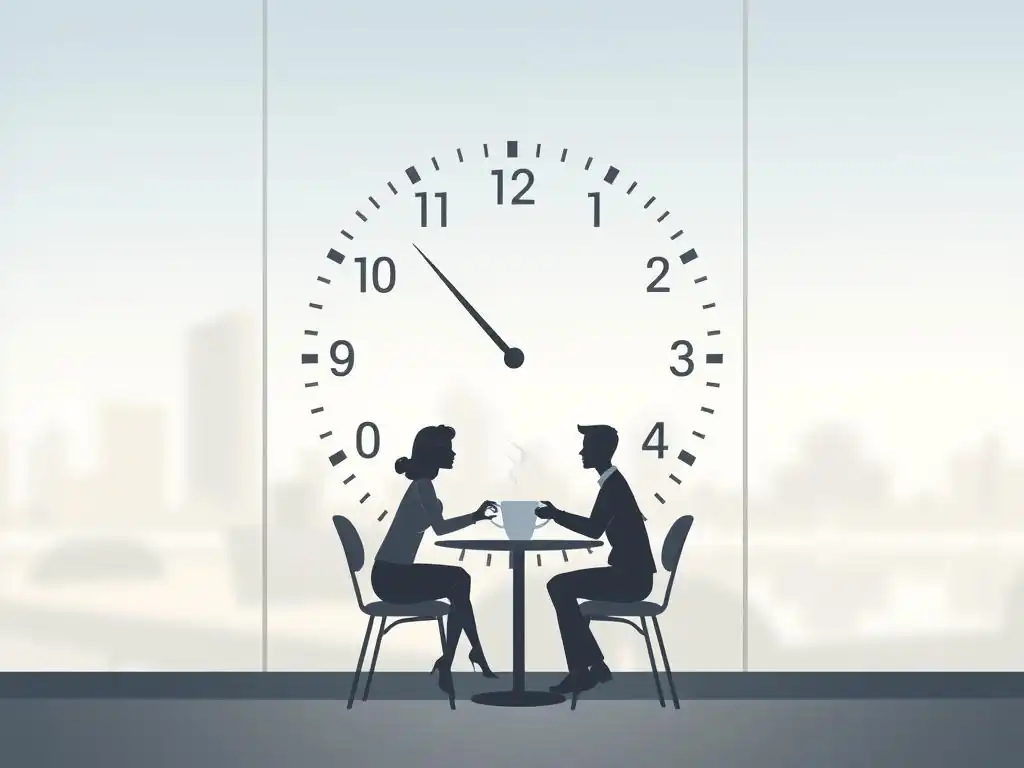
Managing dating anxiety effectively often involves a gradual approach. Instead of jumping into long, pressure-filled dinners or elaborate outings, consider starting with shorter, less intense dates. Think coffee dates, quick walks in the park, or even virtual meetups. These lower-stakes interactions allow you to practice your social skills and build comfort in the dating environment without feeling overwhelmed. The reduced time commitment minimizes the potential for anxiety to escalate.
Remember, the goal isn't to avoid anxiety entirely, but to manage it and gradually increase your exposure to dating situations. For instance, a 30-minute coffee date is far less intimidating than a three-hour dinner. Even a short, casual interaction can significantly boost your confidence and reduce your fear for future dates. This strategy allows you to practice conversation skills, gauge chemistry, and build your comfort zone incrementally.
You'll find that as you successfully navigate these shorter encounters, your confidence grows, making longer dates progressively easier to handle. Consider setting a timer for your initial shorter dates, reminding yourself that you can always leave if needed. This provides a sense of control and reduces the pressure to extend the interaction beyond your comfort level. Remember, progress is more important than perfection.
Building Confidence Through Small Wins: Celebrating Progress and Successes
Effectively managing dating anxiety requires celebrating your successes, no matter how small they seem. Did you initiate a conversation with someone new? Did you maintain eye contact for an extended period? Did you manage to go on a date without a panic attack? These are all significant accomplishments that deserve recognition.
Keep a journal to track your progress and note down each small victory. This conscious effort to acknowledge your achievements reinforces positive self-talk and boosts your self-esteem. This positive reinforcement cycle is vital for managing anxiety. For example, if you successfully completed a 30-minute coffee date without feeling excessively anxious, write it down! Highlighting these "small wins" helps to shift your focus from your fears to your capabilities.
You might even reward yourself for these achievements – a relaxing bath, a favorite book, or a small treat can all help reinforce the positive feelings associated with your progress. Remember, building confidence is a journey, not a destination. By consistently celebrating your successes, you’ll build momentum, making future dates feel less daunting and more achievable. Focus on the positive aspects of each dating experience, learn from any setbacks, and continue to celebrate your growth. This positive self-reinforcement is crucial for long-term success in managing dating anxiety effectively.
Seeking Professional Help When Needed
Managing dating anxiety effectively isn't always a solo journey. For some, the challenges might be too significant to overcome independently. Recognizing when professional support is crucial is a sign of strength, not weakness. This section explores when seeking professional help is the best approach for managing dating anxiety and building confidence. Remember, prioritizing your mental wellbeing is paramount in achieving a fulfilling dating experience.
Recognizing When Professional Support is Necessary
Many experience butterflies before a date – that's normal. However, dating anxiety becomes a problem when it significantly interferes with your daily life and ability to pursue relationships. Consider seeking professional help if your anxiety:
- Interferes with daily functioning: Do you find yourself avoiding social situations, including potential dates, due to overwhelming anxiety? Does the anticipation of a date cause significant distress impacting your work, sleep, or other responsibilities?
- Is persistent and intense: Is your anxiety about dating a constant companion, lasting for weeks or months, rather than a fleeting feeling? Does it feel overwhelming and unmanageable?
- Impacts your self-esteem: Does your dating anxiety lead to negative self-talk, self-criticism, and a belief that you are unworthy of love or connection?
- Includes physical symptoms: Do you experience intense physical symptoms like rapid heartbeat, shortness of breath, sweating, or trembling that are debilitating and interfere with your ability to enjoy social interactions?
- Leads to avoidance: Are you actively avoiding dating altogether because of your anxiety? This avoidance can prevent you from finding meaningful connections.
If you answered "yes" to several of these questions, seeking professional guidance could be incredibly beneficial. Don't hesitate to reach out for support; it's a sign of self-awareness and a proactive step towards a healthier and happier you. Remember, there's no shame in seeking help; it's a testament to your commitment to personal growth and well-being.
Several therapeutic approaches effectively address social anxiety related to dating. Two prominent methods are:
- Cognitive Behavioral Therapy (CBT): CBT helps identify and challenge negative thought patterns and beliefs contributing to anxiety. Through CBT, you'll learn to recognize and reframe unhelpful thoughts ("I'm going to mess this up," "They won't like me") and replace them with more realistic and positive ones. This process equips you with practical tools to manage anxiety in dating situations. CBT often involves exposure therapy, gradually exposing you to anxiety-provoking situations in a safe and controlled environment.
- Exposure Therapy: As mentioned above, this is often a key component of CBT. It involves gradually exposing yourself to the situations that trigger your anxiety, starting with less intense scenarios and progressively moving towards more challenging ones. This helps to desensitize you to the fear and build confidence over time.
Other therapeutic approaches, such as Acceptance and Commitment Therapy (ACT) and mindfulness-based techniques, can also be beneficial. The best approach depends on individual needs and preferences. A qualified therapist can help determine the most suitable treatment plan.
Finding a Qualified Therapist: Resources and Recommendations
Finding the right therapist is a crucial step. Several resources can assist you in your search:
- Your primary care physician: Your doctor can provide referrals to mental health professionals in your area.
- Online directories: Many online directories list therapists specializing in anxiety disorders. These directories often allow you to filter by location, insurance, and specialization.
- Your insurance provider: Check with your insurance company for a list of in-network therapists.
- Mental health organizations: Organizations dedicated to mental health often maintain lists of qualified therapists.
When choosing a therapist, consider their experience with social anxiety and dating-related anxiety. A good therapist will create a safe and supportive environment where you feel comfortable sharing your experiences and working towards your goals. Remember, building a strong therapeutic relationship is essential for successful treatment. Finding the right fit may require trying a few therapists before finding the one that best meets your needs. Don't be discouraged if it takes time; prioritizing your mental health and finding the right support is worth the effort. The journey to managing dating anxiety effectively begins with taking that first step.
Long-Term Strategies for Managing Dating Anxiety

This section focuses on sustainable strategies to effectively manage dating anxiety over the long term. Addressing anxiety is a journey, not a destination, and these approaches aim to build resilience and reduce reliance on short-term fixes. Remember, consistently implementing these strategies will significantly improve your ability to navigate the world of online dating with greater ease and confidence.
Maintaining a Healthy Lifestyle: The Role of Exercise, Diet, and Sleep
A healthy lifestyle is foundational to managing anxiety. The interconnectedness of physical and mental well-being is undeniable, and neglecting any one area can negatively impact your ability to manage dating anxiety effectively.
Regular exercise acts as a natural mood booster. Studies show that physical activity releases endorphins, which have mood-elevating effects. Aim for at least 30 minutes of moderate-intensity exercise most days of the week. This could be anything from brisk walking to cycling, swimming, or even a dance class. The key is to find something you enjoy and can stick with.
Diet plays a crucial role too. Processed foods, excessive sugar, and caffeine can exacerbate anxiety symptoms. Focus on a balanced diet rich in fruits, vegetables, whole grains, and lean protein. Staying hydrated is also essential; dehydration can worsen anxiety. Consider keeping a food diary to identify potential triggers and patterns.
Sleep is often overlooked, yet it's vital for mental well-being. Aim for 7-9 hours of quality sleep each night. Establish a relaxing bedtime routine, avoid screen time before bed, and create a comfortable sleep environment. Consistent sleep patterns are key to regulating your body's natural rhythms and reducing overall stress levels, leading to better management of dating anxiety. Insufficient sleep can significantly amplify anxiety, making even simple interactions feel overwhelming.
Having a strong support system is crucial for managing dating anxiety. Sharing your feelings and experiences with trusted friends, family members, or a therapist can provide invaluable emotional support and perspective. Don't underestimate the power of simply talking about your anxieties; verbalizing them can help process and lessen their intensity.
Consider joining a support group specifically for individuals dealing with social anxiety. Connecting with others who understand your struggles can be incredibly validating and empowering. Sharing experiences and learning coping strategies from others can significantly reduce feelings of isolation and increase your sense of self-efficacy in managing your anxiety. Remember, you're not alone in this.
A therapist specializing in anxiety can provide tailored strategies and tools to manage your anxiety effectively. Cognitive Behavioral Therapy (CBT) and other evidence-based therapies have proven highly effective in treating social anxiety. A therapist can help you identify negative thought patterns and develop healthier coping mechanisms, leading to a more positive and confident approach to dating.
Developing Coping Mechanisms: Tools for Managing Anxiety in Challenging Situations
Developing effective coping mechanisms is essential for navigating anxiety-provoking situations during the dating process. These techniques can help you manage your anxiety in the moment and build confidence over time.
- Deep breathing exercises: Practicing deep, slow breaths can help calm your nervous system. Inhale deeply through your nose, hold for a few seconds, and exhale slowly through your mouth. Repeat several times until you feel calmer.
- Progressive muscle relaxation: This technique involves systematically tensing and releasing different muscle groups in your body to reduce physical tension, which often accompanies anxiety.
- Mindfulness meditation: Mindfulness helps you focus on the present moment, reducing rumination on past experiences or worries about the future. Even a few minutes of daily meditation can make a significant difference.
- Positive self-talk: Challenge negative thoughts and replace them with more positive and realistic ones. Instead of thinking "I'm going to mess this up," try "I'm going to do my best and enjoy the experience."
- Exposure therapy: Gradually exposing yourself to anxiety-provoking situations can help you desensitize yourself to the triggers and reduce your overall anxiety levels. Start with small steps and gradually increase the intensity of the exposure. This might involve starting with online communication before progressing to in-person dates.
Remember, managing dating anxiety effectively is a process that requires patience and persistence. By consistently implementing these long-term strategies, you can significantly improve your ability to navigate the dating world with greater confidence and ease. 🎉
Continued Self-Compassion and Patience: Embracing the Journey of Self-Improvement
Managing dating anxiety effectively isn't a sprint; it's a marathon. Progress isn't always linear, and setbacks are a normal part of the process. Be kind to yourself during these moments. Remember that self-improvement takes time and consistent effort. Instead of beating yourself up over a less-than-perfect date or a missed connection, practice self-compassion. Acknowledge your feelings without judgment. Ask yourself: "What can I learn from this experience?" Focus on what you can control – your actions, your attitude, and your self-care – rather than dwelling on things outside your control, like another person's reactions.
Developing patience is crucial. You won't magically overcome all your anxieties overnight. Celebrate small victories along the way. Did you initiate a conversation with someone new? Did you manage to stay calm during a first date, even if it didn't lead to a second? These are all significant achievements.
Acknowledge your progress and use it as motivation to continue moving forward. Remember that consistent effort, coupled with self-compassion, is the key to long-term success in managing your dating anxiety and building healthier relationship patterns. This journey is about personal growth, and that's something to be proud of, regardless of the immediate outcomes of your dating experiences. Embrace the process, learn from each interaction, and allow yourself the time and space you need to flourish. The rewards of increased self-confidence and healthier relationships are well worth the effort.
Building a Supportive Network: Seeking External Help and Guidance
Surrounding yourself with a supportive network is vital in managing dating anxiety effectively. This doesn't necessarily mean confiding in everyone you know; rather, it's about identifying individuals who understand and can offer constructive support. This could include close friends, family members, or a therapist specializing in anxiety. Sharing your experiences with trusted individuals can help normalize your feelings and provide valuable perspective. They can offer encouragement, practical advice, and a listening ear during challenging times. Remember, you don't have to go through this alone.
Beyond your personal network, consider professional help. A therapist can provide tailored strategies for managing anxiety, teach coping mechanisms, and help you identify underlying issues contributing to your dating anxieties. Cognitive Behavioral Therapy (CBT) and other evidence-based therapies have proven effective in reducing anxiety symptoms. A therapist can also help you develop healthier communication patterns and navigate the complexities of dating with greater self-awareness and confidence.
Don't hesitate to seek professional guidance if you feel your anxiety is significantly impacting your quality of life. Seeking support is a sign of strength, not weakness, and it can significantly enhance your journey towards managing your dating anxiety effectively. The right support system can be invaluable in navigating the challenges of dating and building fulfilling relationships.
Maintaining a Healthy Lifestyle: The Mind-Body Connection in Anxiety Management
A healthy lifestyle plays a significant role in managing dating anxiety effectively. The mind and body are deeply interconnected, and neglecting physical health can exacerbate anxiety symptoms. Prioritize regular exercise, as physical activity releases endorphins, which have mood-boosting effects. Aim for at least 30 minutes of moderate-intensity exercise most days of the week. This could involve anything from brisk walking or cycling to more intense workouts. The key is to find activities you enjoy and can stick with consistently.
Furthermore, ensure you're getting enough sleep. Sleep deprivation can worsen anxiety, making you more susceptible to negative thoughts and feelings. Aim for 7-9 hours of quality sleep each night. Establish a relaxing bedtime routine to help you unwind before sleep. This could involve reading, taking a warm bath, or listening to calming music.
A balanced diet also contributes significantly to mental well-being. Focus on consuming whole, unprocessed foods, and limit your intake of caffeine and alcohol, both of which can exacerbate anxiety symptoms. By nurturing your physical health, you create a stronger foundation for managing your mental health and navigating the challenges of dating with greater ease and confidence. This holistic approach to self-care is a cornerstone of effectively managing dating anxiety in the long term.
Frequently Asked Questions
How can I manage my anxiety before a first online date?
Prepare beforehand to boost confidence. Review your date's profile, plan a few conversation starters, and choose a safe, public location. Remember, it's just a meeting, not a life-altering event.
What if I feel overwhelmed by the number of dating apps and profiles?
Focus on one or two apps at a time to avoid feeling overwhelmed. Prioritize quality over quantity when reviewing profiles, looking for genuine connections rather than just quantity. Take breaks if needed.
I get anxious about messaging people online. What should I do?
Start with short, friendly messages. Focus on shared interests from their profile. Don't overthink it – a simple "Hi, I noticed you like [shared interest], I do too!" is a great start. Be yourself and don't pressure yourself for instant replies.
How can I handle anxiety during an online date itself?
Practice mindfulness techniques like deep breathing to calm your nerves. Remind yourself that your date is likely feeling some anxiety too. Focus on enjoying the conversation and getting to know each other.
My anxiety is severely impacting my online dating experience. Should I seek professional help?
Absolutely. If anxiety is significantly affecting your well-being and ability to date, seeking help from a therapist or counselor is a wise and proactive step. They can provide tailored strategies and support.
Final Reflection: Finding Calm in the Dating World
The anxieties surrounding dating are far from trivial; they represent a significant barrier for many seeking connection and love in the modern world. Ignoring or dismissing these anxieties only serves to perpetuate the cycle of fear and avoidance. This article has explored practical strategies to navigate the complexities of dating while managing social anxiety, offering a path towards more fulfilling and less stressful experiences.
The impact of social anxiety on dating extends far beyond individual discomfort; it shapes our cultural understanding of relationships and self-worth. The pressure to conform to idealized images of romance, fueled by social media and popular culture, only exacerbates the problem. The greatest barrier to intimacy is our fear of vulnerability.
This quote highlights the core issue: opening ourselves up to potential rejection requires courage, and managing that fear is a crucial step towards genuine connection. My own journey in understanding and overcoming dating anxiety has reinforced the importance of self-compassion and consistent effort.
You hold the power to reshape your dating experience. Take the time to reflect on the strategies discussed – from mindful breathing exercises to setting realistic expectations – and identify which resonate most with you. Start small, celebrate your progress, and remember that seeking support is a sign of strength, not weakness. Embrace the journey, and allow yourself to find joy and connection in the process. The path to confident and fulfilling dating is within your reach.
Unlock Your Dating Confidence: Take the Next Step Today!
Thank you for exploring practical strategies to manage dating anxiety. We hope you found the advice helpful and inspiring. Now, let's put that knowledge into action!
Here are a few ways to build confidence and enjoy more fulfilling dates:
- Identify and challenge negative thoughts: This is crucial. Before your next date, write down any anxious thoughts and examine their validity. Replace them with positive and realistic self-affirmations.
- Share this information with a friend who might also find it beneficial. Helping others overcome their anxieties is a powerful way to boost your own self-assurance.
- Try one new dating approach from this article this week. Even a small step toward greater comfort can make a significant difference.
Ready to embrace a more confident and fulfilling dating life? What's one small step you can take today to feel more at ease before your next date?