
How to Respond to Ghosting: Strategies for When They Disappear


Ready to conquer the frustrating world of online dating? At OnlineDatingSuccess.org, we arm you with the knowledge and strategies to not only find a match but build a lasting connection. Tired of the disappearing act? Our expert guide on dating ghosting response strategies offers practical advice to navigate this common dating hurdle and helps you reclaim your power. Discover how to handle the silence and emerge stronger, ready to find the relationship you deserve. Let's dive in!
- Understanding Dating Ghosting and its Impact
- Effective Strategies for Responding to Ghosting
- How to Respond if You Choose to Contact Them
- Moving On After Ghosting: Self-Care and Healing
- Seeking Support and Community
- Protecting Yourself from Future Ghosting
- Frequently Asked Questions
- Final Reflection: Reclaiming Your Power After Ghosting
- Rediscover Your Dating Power: Take Control After Ghosting
Understanding Dating Ghosting and its Impact
Ghosting. The word itself evokes a chilling sense of emptiness and rejection. In the vibrant, yet often volatile, world of online dating, it's a harsh reality many experience. This article delves into the complexities of ghosting – what it is, why it happens, and, most importantly, how to navigate its emotional aftermath and develop effective response strategies.
We'll provide practical, empathetic advice to help you regain your sense of self-worth and move forward with confidence, armed with strategies to manage future encounters with this frustrating dating phenomenon. Understanding the dynamics of ghosting is the first step towards building resilience and finding healthy, fulfilling relationships. This guide focuses on providing actionable "Dating ghosting response strategies" to help you cope and thrive in the online dating landscape.
Defining Ghosting in Online Dating
Ghosting, in the context of online dating, refers to the abrupt and unexplained cessation of all communication by one person in a romantic pursuit. It's not just a brief lapse in communication; it's a complete and sudden disappearance, often without any prior warning or explanation. This can range from ceasing all contact after a few messages to disappearing after several dates.
The lack of closure is often the most painful aspect, leaving the ghosted individual feeling confused, rejected, and questioning their self-worth. This behavior is unfortunately prevalent in the fast-paced world of online dating, where individuals may feel less accountable for their actions due to the relative anonymity provided by the digital realm. It's crucial to recognize that being ghosted is not a reflection of your worth, but rather a reflection of the other person's inability or unwillingness to communicate effectively and respectfully.
The Emotional Toll of Being Ghosted
The emotional impact of ghosting can be significant. It's not simply a rejection; it's a rejection that leaves you grappling with unanswered questions and uncertainty. Common emotional responses include:
- Confusion: The sudden silence leaves you questioning what you did wrong or what triggered the abrupt end.
- Hurt and Rejection: Feeling unwanted and devalued is a natural response to being ignored.
- Anger and Frustration: The lack of closure fuels resentment and anger towards the person who ghosted you.
- Low Self-Esteem: Ghosting can lead to self-doubt and questioning your own worthiness of love and connection.
- Anxiety and Depression: In some cases, the emotional toll can be severe, leading to increased anxiety and even depression.
It's important to acknowledge and validate these feelings. Allow yourself time to process the experience and seek support from friends, family, or a therapist if needed. Remember that you deserve respect and consideration, and being ghosted is not a reflection of your worth. The pain is valid, and it's crucial to allow yourself time to heal.
Why People Ghost: Common Reasons and Motivations
While there's no single definitive reason why people ghost, several factors contribute to this behavior. Understanding these motivations doesn't excuse the act, but it can provide some context and help you process your feelings:
- Fear of Conflict: Some individuals avoid confrontation and find it easier to disappear than to engage in a difficult conversation.
- Indecisiveness: They may be unsure of their feelings and find ghosting a way to avoid making a decision.
- Lack of Emotional Maturity: Some individuals lack the emotional maturity to handle rejection or communicate their feelings honestly.
- Feeling Overwhelmed: The pressures of online dating can be overwhelming, leading some to withdraw entirely.
- Finding Someone Else: In some cases, ghosting might be due to finding another romantic interest.
While these reasons offer explanations, they don't justify the hurtful nature of ghosting. Healthy communication is crucial in any relationship, and ghosting is a significant lack of respect. Remember that you deserve better than to be treated this way.
Effective Strategies for Responding to Ghosting

Ghosting—the sudden and unexplained disappearance of someone you've been dating—is unfortunately a common experience in the online dating world. It can leave you feeling confused, hurt, and even questioning your self-worth. However, there are effective strategies you can employ to navigate this challenging situation and protect your emotional well-being.
This section outlines practical approaches to help you respond to ghosting with grace and self-respect. We'll explore whether or not reaching out is advisable, the crucial role of self-respect, and how to establish healthy boundaries moving forward. Remember, your emotional health is paramount, and you deserve to be treated with respect.
Should You Reach Out? Weighing the Pros and Cons
The question of whether or not to contact someone who has ghosted you is a deeply personal one. There's no universally "right" answer, and the best course of action depends on your individual circumstances and personality.
Let's consider the pros and cons:
Pros of Reaching Out (Use with Caution):
- Clarity: A brief, non-accusatory message might provide closure. You might receive an explanation, even if it's not the one you hoped for. This can help you move on more easily.
- Validation: Reaching out (again, cautiously) can validate your feelings and help you process the experience. The act itself can be empowering.
- Uncovering Underlying Issues: Sometimes, unexpected circumstances prevent someone from communicating. While unlikely in most ghosting situations, a brief message might reveal a genuine reason for their silence.
Cons of Reaching Out:
- Reinforcing Negative Behavior: Reaching out might inadvertently encourage this person to continue ghosting in the future, as it shows them they can get away with it.
- Wasting Your Time and Energy: You might invest emotional energy into someone who clearly isn't invested in you. This can prolong the hurt and hinder your healing process.
- Further Emotional Distress: Not getting a response or receiving a hurtful one can exacerbate your feelings of rejection and confusion.
When to Consider Reaching Out (Proceed with extreme caution):
- You had a strong connection and the ghosting was completely out of character.
- There was a clear, unresolved issue that might explain their silence.
- You're seeking closure for your own well-being.
When NOT to Reach Out:
- The ghosting was repetitive or a pattern in their behavior.
- You feel manipulated or controlled by their actions.
- You're hoping to rekindle the relationship.
Remember, reaching out should be a thoughtful decision, not an impulsive reaction. Prioritize your well-being and choose the path that best supports your emotional health.
The Importance of Self-Respect in Handling Ghosting
Self-respect is crucial when dealing with the sting of ghosting. It's easy to internalize the rejection and question your worth. However, remember that ghosting is a reflection of the ghoster's behavior, not your own value. Their actions speak volumes about them, not you.
Prioritizing self-respect involves:
- Avoiding Self-Blame: Don't scrutinize your actions or words, searching for reasons why they ghosted you. Their decision is about their insecurities and inability to communicate effectively, not your flaws.
- Focusing on Your Strengths: Remind yourself of your positive qualities and accomplishments. Ghosting doesn't diminish your worth or attractiveness.
- Seeking Support: Talk to trusted friends, family members, or a therapist. Sharing your experience can provide validation and emotional support.
- Practicing Self-Care: Engage in activities that nurture your physical and emotional well-being, such as exercise, spending time in nature, or pursuing hobbies. This helps you regain a sense of control and self-worth.
Remember, you deserve to be with someone who values open communication and respects your feelings. Ghosting is a cowardly act, and it's not a reflection of your worth.
Setting Boundaries After Being Ghosted
After experiencing ghosting, it's important to establish clear boundaries to protect yourself from future hurt. This involves defining what you will and will not tolerate in your dating life.
Examples of healthy boundaries:
- Limited Contact: If you choose to reach out, limit your attempts to one or two messages. Don't engage in a prolonged back-and-forth.
- No Second Chances: Establish that you won't tolerate ghosting a second time from the same person. If it happens again, cut ties immediately.
- Prioritizing Open Communication: Clearly communicate your expectations for honesty and direct communication in future relationships.
- Self-Compassion: Be kind to yourself throughout the process. Recognize that healing takes time, and it's okay to feel hurt and frustrated.
- Focusing on Healthy Relationships: Surround yourself with people who value open communication and treat you with respect.
Setting and enforcing boundaries is a powerful act of self-love. It shows that you value your emotional well-being and deserve to be treated with respect. By creating these boundaries, you're not only protecting yourself from future ghosting but also empowering yourself to build healthier and more fulfilling relationships. Remember, you deserve better than to be ghosted.
How to Respond if You Choose to Contact Them
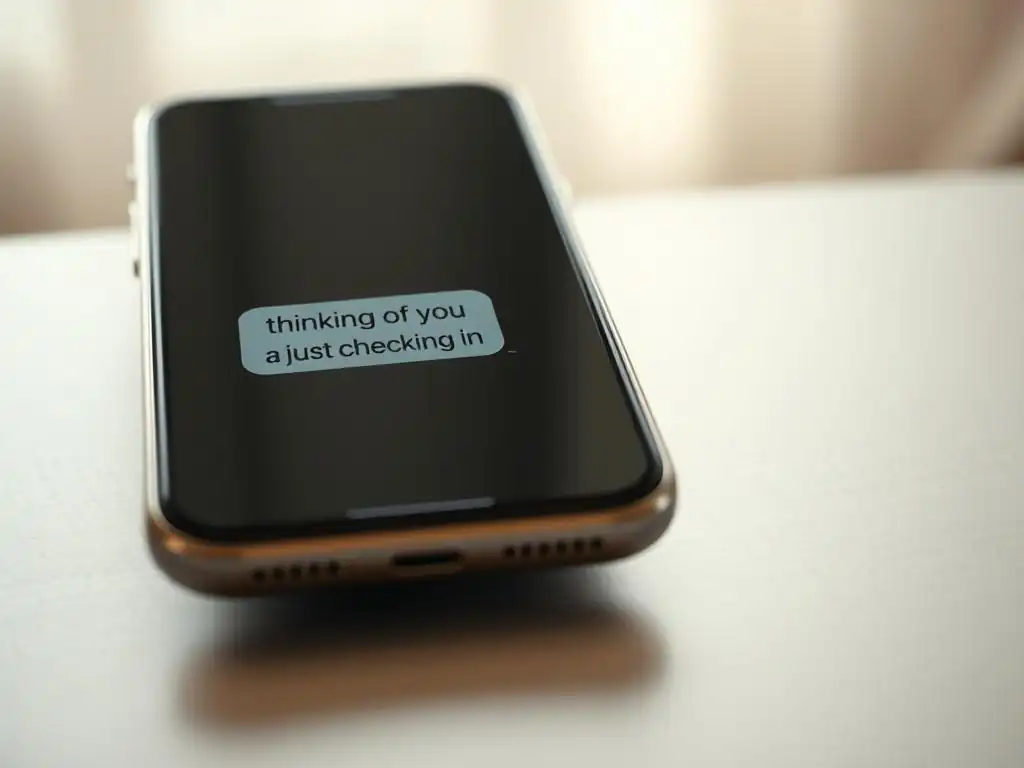
Ghosting hurts. It leaves you questioning your worth and the connection you thought you shared. While ignoring the situation entirely is often the best approach, sometimes a brief, respectful message can offer closure, or at least, a sense of finality. This section explores how to approach this delicate situation, focusing on strategies for crafting a message that's both assertive and emotionally intelligent.
Remember, the goal isn't to beg them to return; it's to acknowledge the situation and move on with grace. The effectiveness of this strategy depends heavily on your relationship's history and the context of the ghosting itself. A brief, casual acquaintance may not warrant a message, whereas someone you've invested more time in may deserve a clearer explanation.
Crafting a Thoughtful and Respectful Message
Before you send anything, take a deep breath. Consider why you feel the need to contact them. Is it for closure, to understand their behavior, or simply to express your feelings? Your motivation will shape the tone of your message. Avoid accusatory language; phrasing like "Why did you ghost me?" is rarely productive. Instead, focus on expressing your feelings and experiences.
Remember, you deserve respect. Your message should reflect this. Even if you're hurt or confused, maintain a calm and respectful tone. Keep the message concise and to the point. Long, rambling messages can come across as desperate or needy. Here's a framework to consider:
- Acknowledge the silence: Start by simply stating that you've noticed the lack of communication. For example, "I've noticed we haven't been in touch lately."
- Express your feelings (briefly): Share how their silence has affected you, but avoid blaming or demanding answers. For example, "I was enjoying getting to know you, and I'm a little confused by the lack of communication."
- Offer closure (optional): If you feel it's appropriate, you can politely suggest closure. This might be as simple as, "I wish you all the best."
- End the message: Keep it short and sweet. A simple "Take care" or "Best wishes" is sufficient.
Avoid messages that:
- Beg or plead for them to return.
- Contain threats or insults.
- Are overly emotional or dramatic.
- Try to re-initiate the conversation.
Examples of Messages to Send After Being Ghosted
Here are a few examples of messages you could adapt to your specific situation. Remember to tailor these to reflect your relationship with the person who ghosted you:
Example 1 (For a casual date):
Hi [Name], I noticed we haven't connected lately. I enjoyed our date, but I understand if you're not interested in continuing things. Wishing you all the best.
Example 2 (For someone you've been seeing for a while):
Hey [Name], I'm a little surprised by the silence lately. I was really enjoying getting to know you, and I'm feeling a little confused by the lack of communication. I wish you all the best in the future.
Example 3 (More direct, but still respectful):
Hi [Name], I've been thinking about our last conversation and wanted to check in. If you're not interested in continuing things, I understand, but a simple message would have been appreciated. Take care.
Remember, these are just templates. Adjust the tone and wording to fit your unique circumstances. The key is to be honest, respectful, and concise.
Knowing When to Let Go: Recognizing Unproductive Contact
Sending a message doesn't guarantee a response, and it's crucial to know when to accept the silence and move on. If you send a message and don't receive a reply, don't send another. Repeated attempts to contact someone who's ghosted you will likely only reinforce their decision and make you feel worse. Consider the following signs that it's time to let go:
- No response after a reasonable time: A few days is usually sufficient. If you haven't received a response after that, move on.
- You feel increasingly anxious or upset: If trying to contact them is causing you significant distress, it's time to stop.
- You're engaging in self-destructive behaviors: If you're neglecting your well-being or resorting to unhealthy coping mechanisms, it's a clear sign to prioritize your mental health.
- You're getting nowhere: If you've sent multiple messages without receiving a response, it's unlikely that anything will change.
Ultimately, prioritizing your emotional well-being is paramount. Dating ghosting response strategies should always be focused on self-respect and moving forward. Accepting that some people are unwilling or unable to communicate maturely is a vital part of navigating the online dating world. Remember, their behavior reflects on them, not you. Focus your energy on building healthy relationships with those who value open and honest communication.
Moving On After Ghosting: Self-Care and Healing
Ghosting can leave you feeling confused, hurt, and even questioning your self-worth. It's crucial to prioritize self-care and healing after such an experience. Remember, their actions are a reflection of them, not you. You deserve respect and genuine connection. This section focuses on practical steps to navigate this difficult emotional landscape and emerge stronger.
Focusing on Self-Reflection and Personal Growth
Ghosting, while painful, presents an opportunity for self-reflection and personal growth. Instead of dwelling on the negativity, use this as a chance to understand your dating patterns and preferences. Ask yourself: What attracted me to this person initially? Were there any red flags I ignored? Did my communication style contribute to the situation?
Honest self-assessment is key to preventing similar experiences in the future. Journaling can be incredibly helpful in this process; writing down your thoughts and feelings can provide clarity and emotional release. Consider focusing on positive self-affirmations to counteract any negative self-talk that might arise. For example, instead of thinking "I'm unlovable," try "I am worthy of love and respect, and I will find a partner who values me." Remember, personal growth is a journey, not a destination.
Building Resilience and Emotional Strength
Building resilience is vital in navigating the challenges of online dating, particularly after experiencing ghosting. Resilience isn't about avoiding pain, but about bouncing back from setbacks. One effective strategy is to cultivate a strong support system. Lean on trusted friends and family members for emotional support and perspective.
Talking about your feelings can be cathartic and help you process the experience. Engaging in activities you enjoy – hobbies, exercise, spending time in nature – can significantly boost your mood and overall well-being. Consider seeking professional help if you're struggling to cope. A therapist can provide guidance and tools to manage your emotions and build resilience.
Remember that seeking professional help is a sign of strength, not weakness. Prioritizing your mental health is essential for navigating the complexities of dating and life in general. Consider mindfulness practices like meditation or deep breathing exercises to help manage stress and anxiety. These techniques can help you stay grounded and centered even during challenging times.
Strategies for Preventing Future Ghosting Experiences
While you can't entirely prevent ghosting, understanding potential contributing factors can help minimize your risk. Clear and consistent communication is paramount. Establish boundaries early on, communicating your expectations and needs openly and honestly. If you're unsure about someone's intentions or feel they're being evasive, address it directly. Don't be afraid to ask questions and express your concerns.
This proactive approach can help you identify potential red flags early on and avoid investing too much time and energy in someone who is not genuinely interested. Pay close attention to your gut feeling. If something feels off or you sense a lack of genuine interest, trust your instincts. Remember, you deserve to be with someone who values you and communicates openly and honestly.
Prioritize your own self-worth and don't settle for less than you deserve. By focusing on healthy communication and self-awareness, you can significantly reduce the likelihood of experiencing ghosting again. Remember, dating is a process of learning and growth. Each experience, even the negative ones, teaches you valuable lessons that help you build stronger, healthier relationships in the future.
Recognizing Red Flags in Online Dating Profiles and Interactions
Ghosting, while painful, is sometimes a consequence of overlooking warning signs in the initial stages of online dating. Learning to identify red flags can significantly reduce your chances of experiencing this hurtful behavior. It's crucial to remember that you deserve respect and consideration, and engaging with someone who displays red flags often leads to disappointment. This proactive approach to online dating helps protect your emotional well-being and saves you time and energy.
One common red flag is a profile lacking detail or consistency. A profile with minimal information, vague descriptions, or contradictory statements should raise concerns. For example, someone claiming to be passionate about travel but having no photos or mentions of travel experiences could be hiding something. Similarly, inconsistencies between their written profile and their photos (e.g., age discrepancies, unrealistic body image) might suggest dishonesty. Pay close attention to these details; they often speak volumes about a person's integrity.
Another significant red flag is overly aggressive or demanding communication. While confident communication is attractive, excessive pressure to meet quickly, constant messaging, or possessive language is a major warning sign. Healthy relationships are built on mutual respect and allow for space and individual autonomy. If someone tries to control your time or actions early on, it's a clear indicator of potential problems down the line. This behavior often precedes ghosting, as they might disappear when they don't get the immediate response or compliance they desire.
Furthermore, be wary of profiles that focus heavily on negativity, complaining, or victimhood. While everyone experiences challenges, a constant stream of negativity suggests a lack of self-awareness and emotional maturity. These individuals may struggle to take responsibility for their actions and are more likely to project their issues onto others, often resulting in sudden disappearances when things don't go their way. Remember, you're looking for a partner, not a therapist. Focus on individuals who demonstrate emotional resilience and a positive outlook.
Finally, pay attention to how they respond to your messages and questions. Evasive answers, sudden changes in communication style, or a lack of genuine interest in getting to know you are all significant red flags. A healthy connection involves reciprocal curiosity and a desire to learn about each other.
If you feel like you're putting in more effort than they are, or if your questions are consistently brushed aside, it's a sign that this person may not be a good match for you and might ultimately ghost you. Trust your intuition; if something feels off, it probably is. Prioritizing your emotional safety is key to navigating the world of online dating successfully.
Seeking Support and Community

Ghosting is a painful experience, leaving you feeling confused, rejected, and even questioning your self-worth. Remember, you're not alone. Many people experience ghosting in online dating, and seeking support is a crucial step in healing and moving forward. Building a strong support network can significantly impact your emotional well-being and resilience during this challenging time. Effective coping mechanisms involve both personal and professional avenues for processing your feelings and gaining perspective. Let's explore how to leverage community and professional resources to navigate the aftermath of ghosting.
Talking to Friends and Family
Talking to trusted friends and family members is often the first and most readily available source of support. Sharing your experience can help you process your emotions and gain valuable perspective. A supportive listener can offer empathy, understanding, and practical advice. Remember to choose individuals who are known for their sound judgment and ability to offer constructive feedback, not those who might exacerbate your negative feelings or offer unhelpful advice.
For example, instead of dwelling on the "why" behind the ghosting, focus on sharing your feelings – "I feel hurt and confused," or "I'm frustrated that they didn't communicate." This allows your support system to offer emotional validation rather than getting entangled in speculation about the ghoster's motivations. Their perspective can help you contextualize the situation and see it as a reflection of the other person's issues, not your own shortcomings.
This is a vital step in avoiding self-blame and rebuilding your confidence. Don't hesitate to lean on them; genuine connection is key during this process. The emotional support offered by loved ones is invaluable in navigating the challenging aftermath of dating ghosting response strategies.
Finding Support Groups or Online Communities
Sometimes, talking to those closest to you isn't enough. Connecting with others who have experienced similar situations can be incredibly beneficial. Online forums and support groups specifically focused on dating and relationship challenges offer a safe space to share your experiences without judgment. These communities provide a sense of belonging and understanding, reminding you that you're not alone in your pain. Moreover, hearing others' stories and coping mechanisms can provide inspiration and practical advice. You might discover new dating ghosting response strategies you hadn't considered.
Many online support groups operate under pseudonyms, prioritizing anonymity and creating a welcoming environment for vulnerable individuals. The shared experiences within these communities foster a sense of solidarity and mutual support. Reading posts from others who have successfully navigated similar situations can be incredibly empowering, offering hope and reminding you that healing is possible. Active participation, by sharing your own experiences and offering support to others, can be particularly therapeutic. This reciprocal exchange of emotional support is a powerful tool in overcoming the sting of ghosting.
Considering Professional Help When Needed
While support from loved ones and online communities is invaluable, sometimes professional help is necessary. If you find yourself struggling to cope with the emotional fallout of ghosting, a therapist or counselor can provide a structured and objective environment to process your feelings. They can offer guidance on developing healthy coping mechanisms, addressing underlying insecurities, and improving your overall emotional well-being. Don't hesitate to seek professional help if you experience prolonged sadness, anxiety, or difficulty moving on.
A therapist can help you understand the patterns in your dating life and identify areas for improvement. They can provide tools and techniques to build resilience, manage expectations, and improve your self-esteem. This professional support can be particularly beneficial in breaking negative cycles and fostering healthier relationship patterns in the future. Remember, seeking professional help is a sign of strength, not weakness.
Prioritizing your mental health is crucial, especially after experiencing a hurtful experience like ghosting. A therapist can offer a tailored approach to your unique situation and provide the support you need to heal and move forward. They can also provide additional perspective and effective dating ghosting response strategies.
Protecting Yourself from Future Ghosting
Ghosting hurts. It leaves you feeling confused, rejected, and questioning your self-worth. While you can't control someone else's behavior, you can significantly reduce your chances of experiencing it again by proactively setting boundaries and fostering healthy communication. This section focuses on preventative measures, empowering you to navigate the online dating world with greater confidence and self-respect. Learning effective dating ghosting response strategies starts with preventing it in the first place.
Setting Clear Communication Expectations Early On
One of the most effective dating ghosting response strategies is to prevent ghosting from happening altogether. This begins with establishing clear communication expectations from the outset. Don't assume anything. Instead, directly and subtly communicate your preferences for how you like to connect. For example, if you prefer regular messaging, subtly mention it early on.
A casual phrase like, "I'm usually pretty good about responding promptly, so let me know if you're busy," sets a reasonable expectation without sounding demanding. This allows the other person to self-select out if they aren't comfortable with that level of engagement. This is a proactive approach to avoid wasting time on someone who won't reciprocate your communication style. Remember, open and honest communication is key to building healthy relationships, both online and offline. This strategy is far more effective than reactive approaches to managing ghosting.
Identifying Potential Ghosters in Online Dating
While you can't always predict who will ghost, certain red flags can indicate a higher likelihood. These are valuable dating ghosting response strategies in that they help you avoid engaging with people who are more likely to disappear. Look out for inconsistencies in their messaging—long periods of silence followed by brief, noncommittal responses. A lack of genuine interest in getting to know you beyond superficial details is another warning sign. Do they ask you questions about yourself, or is the conversation one-sided?
Do they avoid deeper conversations or discussions about future plans? Pay attention to their profile; profiles with very few photos or those lacking details can be a sign they aren't seriously looking for a connection. Trust your gut; if something feels off, it likely is. Recognizing these patterns early can save you emotional investment and prevent future disappointment.
Prioritizing Healthy Relationships and Communication
Ultimately, the best dating ghosting response strategies involve focusing on building healthy relationships based on mutual respect and open communication. Don't settle for less. If someone consistently avoids clear communication or exhibits the red flags mentioned above, it's time to move on. Prioritizing your emotional well-being is crucial. Remember, a healthy relationship involves reciprocal effort, consistent communication, and mutual respect.
Don't waste your time and energy on someone who doesn't value these things. Focus your attention on individuals who demonstrate genuine interest, consistent communication, and a willingness to build a meaningful connection. This proactive approach is a powerful dating ghosting response strategy, protecting your emotional well-being and increasing your chances of finding a fulfilling relationship. Remember, you deserve someone who values you and your time.
Frequently Asked Questions
What is ghosting, and why does it happen in online dating?
Ghosting is when someone you're dating suddenly stops all communication without explanation. It happens for various reasons, including fear of commitment, loss of interest, or simply poor communication skills. It's unfortunately common in online dating.
How can I prevent being ghosted on dating apps?
While you can't entirely prevent ghosting, you can minimize the risk by building genuine connections through meaningful conversations, being upfront about your intentions, and avoiding overly intense early communication.
What's the best way to respond (or not respond) to being ghosted?
The best response is often no response at all. Don't chase them or beg for an explanation; focus on your self-respect and move on. Resist the urge to send angry messages.
Are there any positive ways to view being ghosted?
While painful, ghosting can be a blessing in disguise. It reveals that the other person isn't ready for a relationship or isn't a good communicator, saving you time and emotional energy in the long run. Focus on the positive aspects of being free from a potentially unhealthy dynamic.
What are some healthy coping mechanisms after being ghosted?
Focus on self-care, spend time with supportive friends and family, and engage in activities you enjoy. Consider journaling or talking to a therapist to process your emotions. Remember your worth and don't let one person's actions diminish your self-esteem.
Final Reflection: Reclaiming Your Power After Ghosting
The sting of being ghosted remains a painfully modern experience, a testament to the complexities of digital dating and the fragility of human connection. While the act itself might seem cowardly and impersonal, understanding how to respond—or rather, how to not respond—is crucial to reclaiming your emotional well-being and self-respect. This isn't just about navigating a single dating setback; it's about building resilience and fostering healthier relationship patterns.
The impact of ghosting extends far beyond the immediate hurt; it speaks to a larger cultural shift in communication and expectations. We've become accustomed to instant gratification and easily disposable connections, often prioritizing convenience over genuine engagement. This trend, unfortunately, normalizes disrespectful behavior and undermines the importance of honest communication. The greatest glory in living lies not in never falling, but in rising every time we fall.
- Nelson Mandela. This quote, while not directly about ghosting, perfectly encapsulates the spirit of self-compassion and resilience needed to navigate this challenging experience. We must rise above the hurt and learn from it, focusing on building stronger, healthier relationships in the future.
Now, consider your own experiences. Have you been ghosted? How did you react? More importantly, what did you learn from that experience? This article provided strategies, but the true power lies in your ability to apply them, to choose self-respect over chasing validation, and to understand that your worth is not diminished by someone else's cowardly actions. Embrace this opportunity for growth; use this experience to build stronger boundaries, to prioritize your emotional well-being, and to attract relationships built on mutual respect and open communication. You deserve that.
Rediscover Your Dating Power: Take Control After Ghosting
Thank you for taking the time to learn how to navigate the difficult experience of being ghosted. You've now gained valuable strategies to handle this situation with grace and self-respect. Let's focus on turning this experience into a positive step forward.
Here's what you can do next:
- Prioritize self-care: Engage in activities that bring you joy and help you rebuild your self-worth. This could be anything from spending time in nature to connecting with supportive friends and family. Focus on yourself first.
- Reflect on your dating experiences: Consider what you learned from this experience. Was there anything you could have done differently, or was this simply a matter of incompatibility? Journaling can be a powerful tool for self-reflection.
- Share your experience (anonymously, if you prefer): Connect with our online community forum to discuss your experience and offer support to others facing similar situations. Knowing you're not alone is a powerful step towards healing and moving on.
Ready to move forward with renewed confidence in your dating life? What's one small step you can take today to prioritize your well-being?