
Rejection Resilience: Strengthening Your Emotional Muscles for Dating


Ready to rewrite your online dating story? At OnlineDatingSuccess.org, we understand the rollercoaster of emotions that comes with navigating the digital dating world. But what happens when you face rejection? This isn't about avoiding it—it's about building Online Dating Rejection Resilience. Discover practical strategies to bounce back stronger, learn to interpret feedback constructively, and ultimately, find the meaningful connection you deserve. Let's dive in and unlock your dating potential.
- Understanding Online Dating Rejection: Why It Happens and How to Process It
- Building Your Online Dating Rejection Resilience: Practical Strategies
- Reframing Rejection: Turning Setbacks into Opportunities
- Moving Forward After Rejection: Maintaining Momentum in Your Dating Journey
- Preventing Future Rejection in Online Dating: Proactive Steps
-
Frequently Asked Questions
- How can I build resilience to rejection in online dating?
- What should I do if I get consistently ignored on dating apps?
- How do I avoid feeling discouraged after multiple unsuccessful dates?
- Is it normal to feel rejected even if I get matches?
- How can I use rejection as a learning opportunity in online dating?
- Final Reflection: Cultivating Resilience in the Digital Dating Landscape
- Unleash Your Dating Confidence: Take Charge Now!
Understanding Online Dating Rejection: Why It Happens and How to Process It
Online dating, while offering exciting possibilities for connection, inevitably involves the experience of rejection. This isn't a sign of personal failure; it's a statistically common occurrence inherent to the process of searching for a compatible partner. This article focuses on building rejection resilience – the ability to bounce back from setbacks and maintain a positive outlook while navigating the world of online dating.
We'll explore common reasons for rejection, help you identify your emotional responses, and provide practical strategies to develop emotional strength and navigate the sometimes-difficult reality of ghosting. Understanding these aspects is crucial for building a healthy and sustainable approach to online dating, ultimately increasing your chances of finding a meaningful connection.
The path to finding love online isn't always smooth; developing resilience is key to staying motivated and empowered throughout your journey. Learning to manage rejection will not only improve your online dating experience but also enhance your overall emotional well-being.
Common Reasons for Rejection in Online Dating
Rejection in online dating can stem from a multitude of factors, rarely reflecting solely on your inherent worth. Sometimes, it's simply a matter of incompatibility. Perhaps your potential match is looking for something different in a partner – different lifestyle preferences, relationship goals, or even just a different sense of humor. Other times, the reason might be completely unrelated to you. They might be juggling multiple dating prospects, experiencing personal challenges, or simply not ready for a serious relationship. It's important to remember that a lack of connection doesn't always equate to personal deficiency.
Consider these common reasons:
- Incompatibility: Different values, lifestyles, or relationship goals.
- Timing: They might not be ready for a relationship right now.
- Lack of chemistry: The connection simply wasn't there, and that's okay.
- High volume of matches: They might be overwhelmed with options.
- Personal circumstances: Unexpected life events or personal issues.
- Misrepresentation: Discrepancies between their profile and reality. This can work both ways!
Recognizing Your Emotional Response to Rejection in Online Dating
Rejection, even in the relatively impersonal space of online dating, can trigger a range of emotions. It's crucial to acknowledge and validate these feelings rather than suppressing them. You might experience sadness, disappointment, anger, frustration, or even self-doubt. These are normal reactions to a setback. Understanding your emotional response is the first step towards developing resilience.
Common emotional responses include:
- Sadness and disappointment: Feeling let down or disheartened.
- Anger and frustration: Feeling irritated or annoyed.
- Self-doubt and low self-esteem: Questioning your worth or attractiveness.
- Anxiety and stress: Feeling worried or overwhelmed.
- Confusion: Feeling unsure about what happened or why you were rejected.
Learning to identify these feelings allows you to process them constructively. Journaling, talking to a trusted friend or therapist, or engaging in self-care activities can help you manage these emotions effectively. Remember, feeling these emotions doesn't mean you're weak; it means you're human.
The Impact of Ghosting and its Relation to Online Dating Rejection Resilience
Ghosting – the sudden cessation of communication without explanation – is a particularly painful form of rejection in online dating. It leaves you feeling confused, ignored, and questioning your worth. The lack of closure can be particularly damaging to your emotional well-being, making it harder to move on. Building resilience against ghosting requires acknowledging its prevalence, understanding that it often reflects the ghoster's issues rather than your own shortcomings, and developing healthy coping mechanisms.
Developing resilience against ghosting involves:
- Accepting its prevalence: Ghosting is unfortunately common in online dating. Recognizing this helps to normalize the experience.
- Focusing on self-compassion: Treat yourself with kindness and understanding.
- Limiting emotional investment early on: Avoid over-analyzing early interactions.
- Building a strong support system: Lean on friends and family for emotional support.
- Seeking professional help if needed: A therapist can help process difficult emotions.
Remember, your worth isn't diminished by someone else's actions. Building resilience is a process, and it takes time and self-compassion. By understanding the reasons behind rejection, acknowledging your emotions, and developing healthy coping mechanisms, you can navigate the challenges of online dating with greater strength and confidence. Ultimately, resilience will empower you to keep pursuing your goals and finding meaningful connections.
Building Your Online Dating Rejection Resilience: Practical Strategies
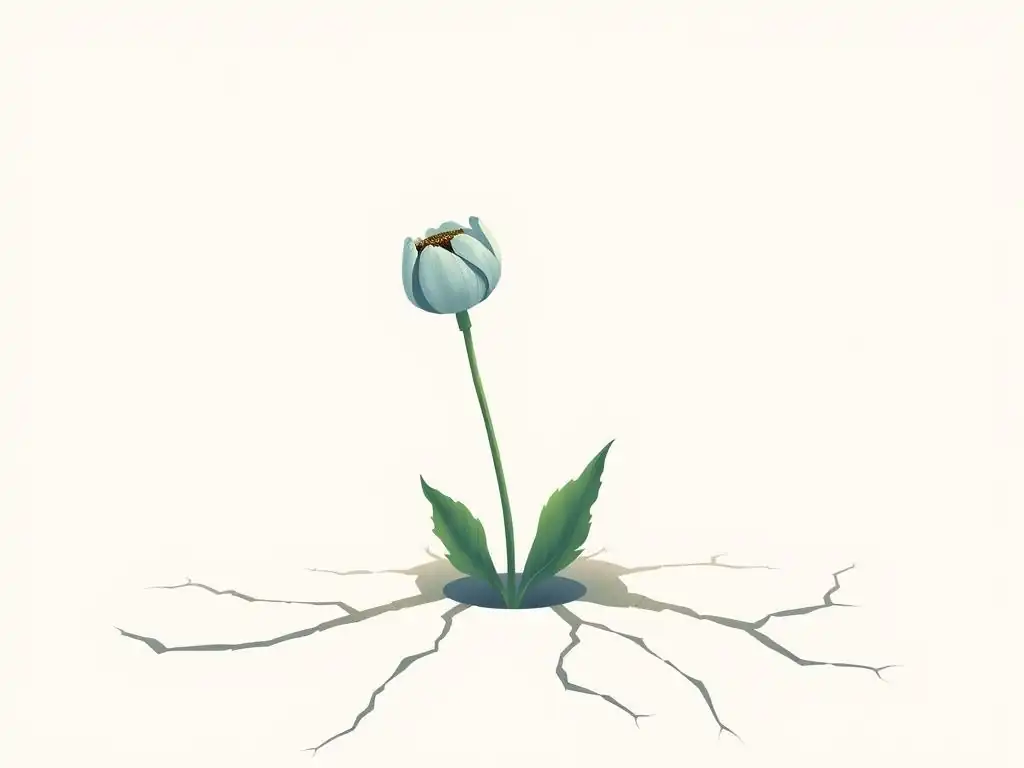
Navigating the world of online dating often involves facing rejection. It's a harsh reality, but understanding how to build resilience against these setbacks is crucial for long-term success and maintaining a positive outlook. This section provides practical strategies to help you develop emotional strength and navigate the inevitable bumps in the road. Remember, resilience isn't about avoiding rejection; it's about learning to cope with it healthily and effectively. Mastering online dating rejection resilience is key to finding meaningful connections.
Developing a Healthy Self-Image and Self-Esteem
Your self-worth shouldn't hinge on whether someone swipes right or sends a message. Building a strong sense of self-esteem is the cornerstone of online dating rejection resilience. This involves focusing on your strengths, accomplishments, and positive qualities, independent of external validation.
Consider these actions:
- Identify your core values: What truly matters to you? Focusing on your values helps you prioritize your well-being over fleeting online interactions.
- Practice self-compassion: Treat yourself with the same kindness and understanding you would offer a friend facing rejection. Avoid self-criticism and negative self-talk.
- Engage in self-care: Prioritize activities that nurture your physical and mental well-being, such as exercise, healthy eating, spending time in nature, and pursuing hobbies. These activities boost your overall mood and resilience.
- Celebrate your accomplishments: Acknowledge your achievements, both big and small. This reinforces your self-worth and reminds you of your capabilities.
- Seek professional help: If you're struggling with low self-esteem, consider seeking support from a therapist or counselor. They can provide personalized guidance and strategies to improve your self-image.
Remember, your value as a person is inherent and doesn't depend on others' opinions. Cultivating a healthy self-image is an ongoing process, but the rewards—increased resilience and a more fulfilling life—are well worth the effort. Building a strong sense of self is a crucial component of online dating success and overcoming rejection.
Cultivating a Growth Mindset to Improve Online Dating Success
A growth mindset—the belief that your abilities and intelligence can be developed through dedication and hard work—is essential for navigating the challenges of online dating. Instead of viewing rejection as a personal failure, embrace it as an opportunity for learning and growth.
Here's how to cultivate a growth mindset in online dating:
- Analyze your profile: Objectively review your dating profile. Are your photos representative of your personality? Is your bio engaging and accurate? Consider seeking feedback from trusted friends.
- Refine your messaging technique: Experiment with different communication styles. What works well for some people might not work for others. Observe successful communication patterns and adapt them to your style.
- Learn from each interaction: Analyze your interactions, both positive and negative. What did you learn from each experience? How can you improve your approach in the future?
- Focus on your progress, not perfection: Online dating is a process, not a race. Celebrate your progress, even the small victories. Don't strive for perfection; strive for continuous improvement.
- Embrace feedback: Constructive criticism can be invaluable. Use feedback to refine your approach and overcome challenges. Don't take negative feedback personally; view it as an opportunity to learn and grow.
By adopting a growth mindset, you transform rejection from a setback into a stepping stone toward improvement and ultimately, greater success in online dating. This proactive approach is key to building online dating rejection resilience.
Setting Realistic Expectations in Online Dating
Unrealistic expectations are a major contributor to disappointment and frustration in online dating. Setting realistic goals and expectations is crucial for managing rejection and maintaining a positive outlook.
Consider these points:
| Expectation Type | Realistic Expectation | Unrealistic Expectation |
|---|---|---|
| Number of Matches | A steady flow of matches, not an overwhelming number immediately. | Hundreds of matches within days. |
| Response Rate | Not everyone will respond, and some responses might be brief. | Every message will receive a prompt and enthusiastic response. |
| Relationship Timeline | Building a meaningful connection takes time. | Finding "the one" quickly and easily. |
| Perfect Match | Finding someone compatible, not necessarily perfect. Compromise is key. | Finding someone who meets every single expectation and has no flaws. |
| Success Rate | Online dating is a numbers game; not every connection will lead to a relationship. | Immediate success and a quick transition to a long-term relationship. |
Remember, online dating is a process. It's about building connections, learning about yourself and others, and enjoying the journey. By managing expectations, you'll be better equipped to handle rejection and appreciate the positive aspects of the online dating experience. Setting realistic goals enhances your overall resilience and contributes to a more positive online dating journey.
This approach to online dating rejection resilience will significantly improve your experience and increase your chances of finding a meaningful connection. 🎉
Identifying and Challenging Negative Self-Talk After Rejection
Rejection in online dating can trigger a cascade of negative self-talk. It's crucial to recognize these unhelpful thought patterns and actively challenge them. Many people, after being ghosted or receiving a direct rejection, engage in self-criticism, often focusing on perceived flaws or shortcomings. This might manifest as statements like, "I'm just not good enough," "No one will ever want me," or "There must be something fundamentally wrong with me." These statements, while seemingly harmless, are incredibly damaging to your self-esteem and can significantly hinder your progress in online dating.
The first step in building online dating rejection resilience is to become acutely aware of your internal dialogue. After experiencing rejection, take some time to reflect on your thoughts. Write them down if it helps. Are you focusing on your perceived flaws? Are you catastrophizing—assuming the worst possible outcome? Are you making sweeping generalizations about yourself based on a single interaction? Identifying these patterns is half the battle.
Once you've identified your negative self-talk, the next step is to challenge its validity. Ask yourself: Is this thought truly accurate? Is there evidence to support it? Often, negative self-talk is based on assumptions and biases, not objective reality. For example, if you believe "no one will ever want me," consider past relationships or friendships where people did want you. Remember positive interactions and experiences. If you're struggling, consider keeping a journal to track both positive and negative interactions. This helps to create a more balanced perspective and counteracts the tendency to focus solely on rejections.
Furthermore, try reframing negative thoughts into more constructive and realistic ones. Instead of "I'm just not good enough," try "This person and I weren't a match, and that's okay. There are many other people out there who would appreciate me for who I am." Instead of "There must be something fundamentally wrong with me," consider "This interaction didn't work out, but it doesn't define my worth."
This process of cognitive restructuring is a powerful tool in building resilience and improving your overall well-being. Remember, one rejection doesn't diminish your value; it simply means that you and that specific person weren't compatible. This is a common experience in online dating, and it doesn't reflect on your worth as a person.
Embrace the learning experience and move forward with renewed confidence. The right person will appreciate you for who you are. Online dating rejection resilience is a skill that can be learned and strengthened over time; be patient with yourself and celebrate small victories along the way.
Reframing Rejection: Turning Setbacks into Opportunities
Rejection in online dating is, unfortunately, common. However, viewing each instance as a failure undermines your potential for growth and success. Instead, cultivate a mindset that reframes rejection as valuable feedback, a stepping stone towards a more fulfilling online dating experience. This shift in perspective is crucial for building online dating rejection resilience. Think of it like this: every "no" brings you closer to a "yes." Each interaction, whether positive or negative, provides data points you can use to refine your approach.
Learning from Rejection Experiences to Enhance Your Online Dating Profile
Analyzing past rejections can significantly improve your online dating profile. Did you receive consistent feedback (or lack thereof)? This is your opportunity to identify areas for improvement. Consider these points:
- Profile Photos: Were your photos outdated, poorly lit, or did they not accurately reflect your personality? High-quality, recent photos showing you engaging in activities you enjoy are crucial. Consider getting professional photos taken if you're unsure.
- Profile Description: Was your profile description unclear, generic, or unengaging? A compelling description should showcase your personality, interests, and what you're looking for in a partner. Avoid clichés and be authentic. Remember, your profile is your first impression. It needs to be strong enough to attract the right people.
- Matching Preferences: Were your matching preferences too narrow or too broad? Fine-tuning your preferences can help you connect with more compatible individuals. Experiment with different settings to see what yields better results.
- Profile Completeness: Did you complete all sections of your profile? A fully completed profile demonstrates commitment and provides potential matches with more information to assess compatibility.
Let's use a hypothetical example. Imagine consistently receiving little to no response to your profile. A thorough self-assessment might reveal your photos are outdated, your description is too brief, and your preferences are overly restrictive. Addressing these issues—updating photos, writing a more engaging description, and broadening your preferences—increases your chances of a more positive outcome. The key is to approach this as a data-driven process, constantly refining your online presence based on real-world feedback.
Improving Your Communication Skills Based on Past Interactions
Rejection isn't always about your profile; sometimes, it's about how you communicate. Analyzing past interactions can reveal areas where you can improve your communication skills, enhancing your online dating rejection resilience and overall success.
- Initial Messages: Were your opening messages engaging and personalized, or were they generic and uninspired? Avoid generic greetings; instead, try referencing something specific from their profile to demonstrate genuine interest. Think about what makes you respond to a message—and replicate that.
- Conversation Flow: Did you dominate the conversation, or were you too passive? A healthy balance is key. Engage actively, ask thoughtful questions, and listen attentively.
- Red Flags: Did you miss any red flags in their profile or communication style? Learning to identify early warning signs can save you time and emotional energy.
Consider this scenario: you sent a generic "Hi, how are you?" message and received no response. Analyzing this reveals a missed opportunity to personalize the message. Next time, try something like, "Hi [Name], I saw you're a fan of [shared interest mentioned in their profile]—I am too! What's your favorite [related topic]?" This demonstrates genuine interest and sparks conversation. This iterative process—learning from each interaction—is crucial for improving communication.
Using Rejection as Motivation for Self-Improvement and Growth in Online Dating
Online dating rejection can be a catalyst for personal growth. Instead of viewing it as a setback, reframe it as an opportunity for self-reflection and improvement, building your online dating rejection resilience in the process.
- Self-Awareness: Rejection can highlight areas where you need to improve your self-esteem, confidence, or communication skills. Consider seeking professional guidance if needed.
- Goal Setting: Set realistic goals for your online dating journey. Focus on self-improvement and personal growth, rather than solely on finding a partner.
- Self-Care: Prioritize self-care activities to maintain emotional well-being. Engage in activities you enjoy, spend time with loved ones, and practice self-compassion. Remember, your mental health is paramount.
For example, consistently experiencing rejection might indicate a need to work on self-confidence. This could involve setting small, achievable goals, such as starting a new hobby or joining a social group. The focus shifts from solely finding a partner to focusing on personal growth, indirectly improving your dating prospects. Remember, resilience is built through consistent self-improvement and self-compassion. The journey of self-discovery is just as important as finding a partner. 🥂
Building a Support Network to Cope with Online Dating Rejection
Navigating the world of online dating can be emotionally taxing. Rejection, whether subtle (ghosting) or direct, is an unfortunately common experience. Building a strong support network is crucial for developing online dating rejection resilience. This isn't about avoiding the sting of rejection entirely, but rather about having a buffer to help process those feelings and move forward constructively.
One vital aspect of this support network is confiding in trusted friends and family. Sharing your experiences, both positive and negative, can provide valuable perspective. A friend who's also navigated the online dating scene can offer empathy and practical advice, understanding the unique challenges involved.
Family members, while perhaps less familiar with the intricacies of online dating, can offer unconditional support and a grounding presence during difficult times. Remember to choose individuals who are supportive and understanding, avoiding those who might minimize your feelings or offer unhelpful criticisms. The goal is to find people who will listen without judgment and help you process your emotions healthily.
Beyond close relationships, consider joining online communities or forums dedicated to online dating. These spaces offer anonymity and a sense of shared experience. Seeing that many others face similar challenges can be incredibly validating and reduce feelings of isolation. Participating in discussions, offering support to others, and receiving support in return can significantly bolster your resilience. Remember to engage positively and avoid dwelling on negativity; the goal is mutual support and encouragement.
Another valuable resource can be a therapist or counselor specializing in relationship issues. A professional can provide a safe and confidential space to explore your feelings around rejection, identify negative thought patterns, and develop coping mechanisms. Therapy can help you understand the roots of your emotional responses to rejection and build healthier ways of processing these experiences. This is particularly helpful if you find yourself struggling to cope independently or notice patterns of self-sabotage in your dating life.
Professional guidance can be instrumental in cultivating a resilient mindset and approaching online dating with greater emotional stability. Consider this a proactive approach to mental wellness, not a sign of weakness. Prioritizing your emotional well-being is key to long-term success in online dating and beyond.
Moving Forward After Rejection: Maintaining Momentum in Your Dating Journey

Rejection is an inevitable part of online dating. The sheer volume of profiles and the transient nature of digital interactions mean that experiencing rejection, even multiple times, is practically guaranteed. However, this doesn't mean you should give up. The key is to develop online dating rejection resilience, the ability to bounce back from setbacks and maintain a proactive approach to your dating journey. This section focuses on practical strategies for navigating rejection and continuing your search for a meaningful connection.
Maintaining a Positive Attitude Despite Setbacks in Online Dating
Maintaining a positive mindset is crucial for building online dating rejection resilience. Negative self-talk, such as "I'm not good enough" or "No one will ever want me," can be incredibly damaging. Instead, actively challenge these thoughts. Remind yourself of your strengths, your accomplishments, and your positive qualities. Focus on what you can control: your actions, your attitude, and your self-care.
Consider keeping a "success journal" – a record of your positive experiences, both big and small. This could include compliments you've received, enjoyable dates, or even simply having a pleasant conversation with someone online. Reviewing this journal when feeling down can provide a much-needed boost to your confidence and remind you of your worth. Remember, online dating is a numbers game; one rejection doesn't define your worth or your potential for finding a fulfilling relationship.
Furthermore, celebrate small victories. Did you have a particularly engaging conversation? Did you receive a thoughtful message? Acknowledge these positive interactions, no matter how seemingly insignificant they may appear. These small wins contribute to a sense of accomplishment and build momentum in your dating journey. This positive reinforcement can significantly impact your overall resilience.
Focusing on Your Personal Growth and Well-being While Dating Online
Online dating rejection resilience isn't just about bouncing back from rejection; it's about actively nurturing your overall well-being. Rejection can be emotionally taxing, so prioritizing self-care is essential. Engage in activities that bring you joy and help you relax. This could include exercising, spending time in nature, pursuing hobbies, or connecting with supportive friends and family.
Prioritizing self-improvement can also boost your confidence and improve your dating prospects. This might involve learning a new skill, working towards a personal goal, or focusing on aspects of your physical or mental health. Remember, the goal is not just to find a partner, but to become the best version of yourself. This personal growth will naturally enhance your attractiveness and increase your resilience to rejection. Think of it as an investment in your overall happiness, regardless of your dating success. Focusing on self-improvement fosters a sense of self-worth that transcends the ups and downs of online dating.
Recognizing When to Seek Professional Help to Overcome Rejection
While developing resilience is largely a personal endeavor, there are times when professional help can be invaluable. If you find yourself struggling to cope with rejection, experiencing persistent feelings of sadness, anxiety, or low self-esteem, or if rejection is significantly impacting your daily life, seeking professional support is a sign of strength, not weakness.
A therapist can provide a safe and supportive space to process your emotions, develop coping mechanisms, and address underlying issues that may be contributing to your difficulties. They can also help you identify negative thought patterns and develop healthier ways of thinking and relating to others. Remember, seeking professional help is a proactive step towards improving your mental well-being and building stronger resilience for navigating the challenges of online dating and life in general.
Don't hesitate to reach out for support if you need it; prioritizing your mental health is paramount. Many therapists specialize in relationship issues and can offer tailored strategies to help you build your online dating rejection resilience.
Celebrating Small Victories and Progress in Your Online Dating Experience
Online dating can feel like a rollercoaster, with highs and lows often coming in quick succession. Focusing solely on the ultimate goal—finding "the one"—can easily lead to discouragement after experiencing rejection. To build resilience against online dating rejection, it's crucial to shift your perspective and celebrate the smaller wins along the way. These small victories, while seemingly insignificant individually, collectively contribute to a significant sense of accomplishment and bolster your confidence.
For example, successfully crafting a compelling profile that reflects your authentic self is a victory worth acknowledging. Did you receive more matches than usual after tweaking your profile photos or bio? That's a win! Even a simple increase in positive interactions, such as receiving thoughtful messages or engaging in pleasant conversations, deserves recognition. These interactions show that your efforts are resonating with others and that you are making a positive impact. Keep a journal or use a notes app to record these small wins; revisiting them during moments of discouragement can provide much-needed encouragement.
Remember, progress isn't always linear. There will be days when you feel like you're not making headway, but even on those days, you're learning and growing. Every conversation, every date (successful or not), every connection made, is a step forward in your journey. Learning to appreciate these incremental achievements is key to building resilience against inevitable setbacks. Consider it like training for a marathon; you don't focus only on the finish line, but also on completing each mile, each successful training session.
These small victories are your "training miles" in the marathon of online dating. Celebrate them! You deserve it. This positive reinforcement strengthens your emotional muscles, making you better equipped to handle future rejection and ultimately increasing your chances of finding a meaningful connection. The journey itself is valuable, and acknowledging the small wins along the way makes the entire experience more enjoyable and sustainable.
Preventing Future Rejection in Online Dating: Proactive Steps
Rejection is, unfortunately, a part of online dating. However, by proactively addressing potential pitfalls, you can significantly reduce your chances of experiencing it. This isn't about guaranteeing acceptance, but about optimizing your approach to increase your odds of success and build resilience when facing setbacks. Focusing on self-improvement and clear communication are key components of this strategy. Let's explore some proactive steps you can take.
Crafting a Compelling and Authentic Online Dating Profile
Your online dating profile is your first impression – it's your digital handshake. A poorly crafted profile, even with a great personality, can lead to immediate rejection. Think of it as your marketing material; it needs to be engaging, informative, and truthful. Avoid generic phrases and clichés. Instead, showcase your unique personality and interests.
Use high-quality photos that accurately reflect your current appearance. Avoid heavily filtered or misleading images. Remember, honesty is the best policy. A genuine profile attracts genuine connections. Include details about your hobbies, interests, and values. What makes you you? Let that shine through! This authenticity is crucial for attracting compatible partners who appreciate the real you. Consider using a variety of photos – showcasing your interests, your smile, and your overall personality. Think about what aspects of your life you are most proud of and how you can subtly incorporate those into your profile.
Consider the following when creating your profile:
- High-quality photos: At least three, showing different aspects of your life.
- Engaging bio: Highlight your personality and interests, avoid clichés.
- Specific interests: Mention hobbies, activities, and things you are passionate about.
- Call to action: Subtly encourage interaction, perhaps by posing a question.
Improving Your Online Dating Communication Strategies
Even with a compelling profile, poor communication can lead to rejection. Think about how you communicate your personality and interests. Are you engaging, respectful, and attentive? Effective communication is more than just exchanging pleasantries; it's about building rapport and showing genuine interest in the other person.
Avoid generic opening messages. Instead, personalize your messages, referencing something specific from their profile. Show that you've taken the time to read their profile and understand their interests. Active listening is also key. Respond thoughtfully to their messages, demonstrating that you're paying attention and engaging in a genuine conversation. Be mindful of your tone – avoid being overly aggressive, passive-aggressive, or demanding. A respectful and engaging tone goes a long way.
Remember these communication best practices:
- Personalized messages: Avoid generic greetings.
- Active listening: Show genuine interest in their responses.
- Respectful tone: Avoid being overly aggressive or demanding.
- Balanced conversation: Don't dominate the conversation.
Setting Clear Boundaries and Expectations in Online Dating Interactions
Setting clear boundaries protects you from potential rejection and ensures you're attracting compatible partners. Knowing your values and non-negotiables helps you avoid wasting time on incompatible matches. Communicate your boundaries early on, whether it's about your expectations for communication frequency, relationship goals, or personal values.
For example, if you're looking for a long-term relationship, make that clear from the start. If you're not comfortable with certain types of communication or meeting in person too quickly, communicate that as well. This proactive approach avoids misunderstandings and prevents wasted time and emotional investment on incompatible matches. Remember, setting boundaries is not about being unkind; it's about self-respect and ensuring you’re attracting partners who align with your needs and values. It’s also about protecting yourself from potential harm or disappointment.
Consider these boundary-setting strategies:
- Relationship goals: Be upfront about what you're looking for.
- Communication style: Express your preferences for communication frequency and methods.
- Personal values: Share your non-negotiables early on.
- Safety: Prioritize your safety and well-being throughout the process. Trust your instincts.
By implementing these proactive strategies, you'll not only reduce the likelihood of rejection but also cultivate a more positive and fulfilling online dating experience. Remember, building online dating rejection resilience is a journey, not a destination. Embrace the process, learn from each experience, and continue to refine your approach. Success in online dating, like in life, often comes from persistence and self-improvement.
Prioritizing Safety and Security While Using Online Dating Platforms
Online dating rejection can be disheartening, but prioritizing your safety and security can significantly reduce the chances of negative experiences and build confidence. This isn't just about avoiding rejection; it's about protecting your well-being. A secure online dating experience fosters a positive mindset, making you more resilient to setbacks. Neglecting safety can lead to emotional distress far exceeding the sting of a simple rejection.
One crucial aspect is verifying the profiles you interact with. While no system is foolproof, many platforms offer verification features. Look for badges or indicators that confirm a user's identity. Be wary of profiles lacking photos or those with suspiciously generic information. Always trust your instincts; if something feels off, it probably is. Don't hesitate to report suspicious profiles to the platform's administrators. Remember, your safety is paramount.
Another critical step is controlling the information you share. Avoid revealing overly personal details early in the interaction. Sharing your full address, workplace, or children's names prematurely can expose you to unnecessary risks. Meet in public places for initial dates, and always let a friend or family member know your plans, including the person's name and contact information. Consider sharing your location with a trusted person in real-time via a location-sharing app. This proactive measure adds a layer of security and peace of mind.
Furthermore, be cautious about sharing financial information. Never send money to someone you've only met online, regardless of their claims or sob stories. Legitimate dating platforms rarely require financial transactions. If someone asks for money, it's a significant red flag. Report such instances immediately to the platform and the appropriate authorities. Remember, genuine connections don't involve financial exploitation. Protecting your finances is as important as protecting your personal information.
Finally, regularly review your online dating platform's privacy settings. Understand what information is publicly visible and what is kept private. Adjust these settings to your comfort level. Staying informed about the platform's security measures and actively managing your privacy settings are proactive steps that contribute to a safer and more positive online dating experience, making rejection less impactful as you focus on building genuine connections rather than worrying about potential risks. This proactive approach to safety directly contributes to building online dating rejection resilience.
Frequently Asked Questions
How can I build resilience to rejection in online dating?
Rejection is a common part of online dating. Building resilience involves practicing self-compassion, focusing on your strengths, and viewing rejection as an opportunity for growth and learning, not a reflection of your worth.
What should I do if I get consistently ignored on dating apps?
Don't take it personally! Review your profile for areas of improvement (photos, bio, etc.). Experiment with different approaches to messaging and try connecting with different types of people. Remember, it's a numbers game.
How do I avoid feeling discouraged after multiple unsuccessful dates?
Focus on the positive aspects of your dating journey, like meeting new people and gaining experience. Set realistic expectations, remember that connection takes time, and prioritize self-care to maintain your emotional well-being.
Is it normal to feel rejected even if I get matches?
Yes! Even with matches, you might experience rejection through unanswered messages or dates that don't lead to a second meeting. This is completely normal. Focus on quality over quantity of interactions.
How can I use rejection as a learning opportunity in online dating?
Analyze your experiences honestly. Did your messages resonate? Were your photos effective? Reflect on what you learned from each interaction to refine your approach and strategy for future success. Don't be afraid to seek feedback from trusted friends.
Final Reflection: Cultivating Resilience in the Digital Dating Landscape
The sting of online dating rejection is a universal experience, yet the ability to bounce back—to cultivate resilience—is the key to navigating this challenging terrain and finding genuine connection. The sheer volume of profiles, the immediacy of response (or lack thereof), and the often impersonal nature of online interactions can leave even the most confident individuals feeling disheartened. But understanding the psychology behind rejection and developing proactive coping mechanisms can transform this potentially demoralizing experience into a journey of self-discovery and growth.
The impact of online dating extends far beyond the realm of romantic relationships; it reflects a broader societal shift in how we connect and interact. It's a space where vulnerability is often met with silence, and self-worth can be easily eroded by superficial judgments. The greatest glory in living lies not in never falling, but in rising every time we fall.
- Nelson Mandela. This quote perfectly encapsulates the spirit of resilience we must embrace when facing the inevitable setbacks of online dating. It's not about avoiding rejection, but about learning from it, understanding its transient nature, and using it as fuel to refine our approach and strengthen our emotional core.
You, the reader, now hold the power to transform your online dating experience. Don't let rejection define you; let it refine you. Practice self-compassion, celebrate small victories, and remember that every "no" brings you closer to a resounding "yes." Embrace the lessons learned, adjust your strategy, and continue to nurture your emotional muscles. The journey to finding meaningful connection may be challenging, but the rewards of resilience are immeasurable. Begin today, and watch your strength blossom.
Unleash Your Dating Confidence: Take Charge Now!
Thank you for exploring the topic of building resilience to rejection! We hope you feel empowered to navigate the challenges and triumphs of online dating. Ready to put your newfound knowledge into practice?
- Prioritize self-care: Schedule some time each day for activities you enjoy—this is crucial for maintaining your emotional well-being. Even 15 minutes dedicated to relaxation or a favorite hobby can make a difference.
- Try a new approach: Experiment with a different dating app feature or strategy. Step outside your comfort zone! Perhaps try the video chat option, revamp your profile with fresh photos, or try a different dating app altogether.
- Share your insights: Share your key takeaway from this article in the comments below. Let's create a supportive community where we can learn and grow together.
What's one small step you can take today to boost your emotional strength and confidence in dating?