
Social Anxiety to Social Butterfly: Practical Dating Tips for You


Ready to transform your online dating experience from frustrating to fulfilling? At OnlineDatingSuccess.org, we understand the challenges of navigating the digital dating world, especially if you're dealing with social anxiety. Our expert advice, including practical dating tips for social anxiety, will empower you to create a compelling profile, communicate confidently, and build meaningful connections. Discover how to turn your anxiety into assurance and unlock the potential for a truly rewarding relationship. Let's get started!
- Understanding Your Dating Anxiety: Identifying Triggers and Patterns
- Building Confidence Before Your Date: Preparation is Key
- Mastering the Art of Conversation: Dating Tips for Social Anxiety
- Navigating First Dates with Social Anxiety: Practical Dating Tips
- Online Dating Strategies for Managing Social Anxiety
- Post-Date Reflection and Self-Care: Learning and Growing
- Seeking Professional Support: When to Reach Out for Help
-
Frequently Asked Questions
- How can I overcome social anxiety when messaging someone online?
- What if I freeze up during a video chat or date?
- How do I create an online dating profile that minimizes anxiety triggers?
- Are there specific dating apps better suited for people with social anxiety?
- What are some offline dating tips to help manage social anxiety?
- Final Reflection: From Nervousness to Connection: Embracing Dating with Social Anxiety
- Unlock Your Dating Confidence Now!
Understanding Your Dating Anxiety: Identifying Triggers and Patterns
Navigating the world of online dating can be daunting for anyone, but for individuals grappling with social anxiety, the challenges can feel particularly overwhelming. This article provides practical, empathetic guidance specifically tailored to help you, someone dealing with social anxiety, transform your dating experiences from sources of dread into opportunities for connection and growth. We'll explore strategies to identify your anxiety triggers, understand your reactions, and ultimately build the confidence you need to thrive in the online dating sphere. This isn't about magically eliminating anxiety; it's about equipping you with tools to manage it effectively and create positive dating experiences. We’ll cover practical dating tips for social anxiety, helping you transition from feeling anxious to feeling confident and comfortable in your interactions. Remember, you're not alone, and with the right approach, you can find success in online dating. Let's begin by understanding the nuances of your anxiety in dating contexts.
Social anxiety manifests differently in various situations, and dating is no exception. Recognizing your specific symptoms is the first crucial step towards managing them. Common symptoms in dating scenarios might include:
- Physical symptoms: Increased heart rate, sweating, trembling, shortness of breath, nausea, or muscle tension. These physical manifestations are your body's natural response to perceived threat.
- Cognitive symptoms: Negative self-talk ("I'm going to mess this up," "They won't like me"), catastrophizing (imagining worst-case scenarios), difficulty concentrating, and feeling overwhelmed. These thoughts fuel the anxiety cycle.
- Behavioral symptoms: Avoiding dating altogether, limiting interactions, difficulty making eye contact, fumbling words, or appearing withdrawn. These behaviors are often attempts to cope with the anxiety, but they can unfortunately hinder connection.
It’s important to note that the intensity of these symptoms can vary greatly depending on the individual and the specific dating situation. Some individuals might experience mild discomfort, while others might experience debilitating panic. Understanding your personal range of symptoms is key to developing effective coping mechanisms. For example, you might experience mild anxiety during initial online messaging but significant anxiety during a first in-person date. Pinpointing these variations allows for targeted strategies.
Identifying Your Specific Dating Anxiety Triggers
Understanding what triggers your anxiety is just as crucial as understanding how it manifests. Dating anxiety triggers are highly individual and can range from seemingly minor events to major milestones. Some common triggers include:
- First messages: The pressure to craft the perfect opening message or the fear of rejection after sending one.
- First dates: The anticipation, the uncertainty of the interaction, and the fear of awkward silences or negative evaluations.
- In-person meetings: The potential for unexpected social situations, physical proximity, and intense scrutiny.
- Rejection: The fear of being rejected, either explicitly or implicitly, is a common and powerful trigger for many.
- Self-perception: Negative self-image and low self-esteem can significantly amplify anxiety in dating situations.
To pinpoint your specific triggers, consider keeping a journal. Note down the situations, people, or thoughts that consistently precede or accompany your anxiety. This detailed self-monitoring will provide valuable insights into your personal patterns. For instance, you might discover that initiating contact is a bigger trigger than receiving messages, or that specific types of dates (e.g., crowded bars vs. quiet coffee shops) elicit a stronger anxiety response.
Tracking Anxiety Patterns to Understand Your Reactions
Once you've identified your triggers, the next step is to track your reactions. This involves observing not only the intensity of your anxiety but also how you cope with it. Do you avoid dating situations altogether? Do you engage in self-soothing behaviors (e.g., excessive drinking, eating)? Or do you utilize healthy coping mechanisms (e.g., deep breathing, mindfulness)?
Tracking these patterns helps you recognize unhelpful coping mechanisms and replace them with healthier alternatives. For example, a table might be useful here:
| Date/Time | Situation | Trigger(s) | Anxiety Level (1-10) | Coping Mechanisms Used | Effectiveness |
|---|---|---|---|---|---|
| Oct 26, 7 PM | First message sent to someone on app X | Fear of rejection, imperfect message | 7 | Deep breathing, positive self-talk | Somewhat effective |
| Oct 27, 10 AM | Received a reply! | Pressure to respond perfectly | 6 | Took a break, then replied calmly | Effective |
| Oct 28, 8 PM | Scheduled first date | Fear of awkward silences, negative evaluation | 9 | Listened to calming music, practiced conversation starters | Moderately effective |
By consistently tracking your experiences, you gain valuable self-awareness, allowing you to develop personalized strategies to manage your anxiety effectively and build confidence in your dating journey. Remember, progress is not linear, and setbacks are a normal part of the process. Celebrate your successes, learn from your challenges, and continue to build your resilience.
Building Confidence Before Your Date: Preparation is Key
Feeling anxious before a date is completely normal, especially if you're managing social anxiety. However, the right preparation can significantly reduce those pre-date jitters and transform you from feeling anxious to feeling confident and excited. This section focuses on proactive strategies to build your confidence before you even meet your date. Remember, feeling prepared empowers you to handle the unexpected with grace and ease. This is crucial for navigating the challenges that dating with social anxiety can present.
Pre-Date Relaxation Techniques: Mindfulness and Deep Breathing
Pre-date anxiety often manifests as physical symptoms: racing heart, sweaty palms, shortness of breath. Combatting this requires proactive relaxation techniques. Mindfulness and deep breathing exercises are powerful tools to calm your nervous system.
Practicing mindfulness involves focusing on the present moment, without judgment. Try a simple 5-minute mindfulness meditation before your date. Focus on your breath, noticing the sensation of the air entering and leaving your body. Acknowledge any anxious thoughts without getting carried away by them. Simply observe them and let them pass.
Deep breathing is another highly effective technique. Inhale deeply through your nose, hold for a few seconds, and exhale slowly through your mouth. Repeat this several times, focusing on the rhythm of your breath. This simple exercise can significantly lower your heart rate and reduce feelings of panic. Consider incorporating a guided meditation app for additional support. Regular practice of these techniques will build your resilience to anxiety triggers, making you better equipped to handle the pressures of dating.
Positive Self-Talk and Affirmations for Dating Success
Negative self-talk is a common obstacle for individuals with social anxiety. It's crucial to challenge these negative thoughts and replace them with positive affirmations. Instead of thinking, "I'm going to mess this up," try, "I'm going to be myself and enjoy this experience."
Create a list of positive affirmations tailored to your dating anxieties. For example:
- "I am worthy of love and connection."
- "I am confident and capable in social situations."
- "I am comfortable expressing myself authentically."
- "This date is an opportunity for me to connect with someone new."
- "I am excited to learn more about this person."
Repeat these affirmations throughout the day leading up to your date. Write them down, say them aloud, or even record yourself saying them to listen to later. The more you reinforce these positive messages, the more they will replace negative thoughts and boost your self-belief. Remember, consistent positive self-talk is a crucial part of managing social anxiety in dating and builds lasting self-esteem.
Planning a Low-Pressure First Date: Choosing the Right Environment
Choosing the right environment for your first date significantly impacts your comfort level. Opt for settings that minimize social pressure and allow for natural conversation. Avoid overly crowded or loud places that might amplify your anxiety.
Consider these low-pressure date options:
- A casual coffee date: A relaxed atmosphere where you can easily excuse yourself if needed.
- A walk in a park: A peaceful setting that encourages conversation and provides a natural escape route if things feel overwhelming.
- A museum or art gallery: Provides a shared focus point for conversation and avoids the pressure of sustained eye contact.
- A cooking class: A fun and engaging activity that encourages interaction and shared experience.
Remember, the goal of the first date is to get to know each other, not to force a connection. Choose a location that feels comfortable and safe for you, allowing you to focus on building a genuine connection rather than battling your anxieties. The right environment can make a world of difference in your dating experience. Prioritize your comfort and well-being above all else.
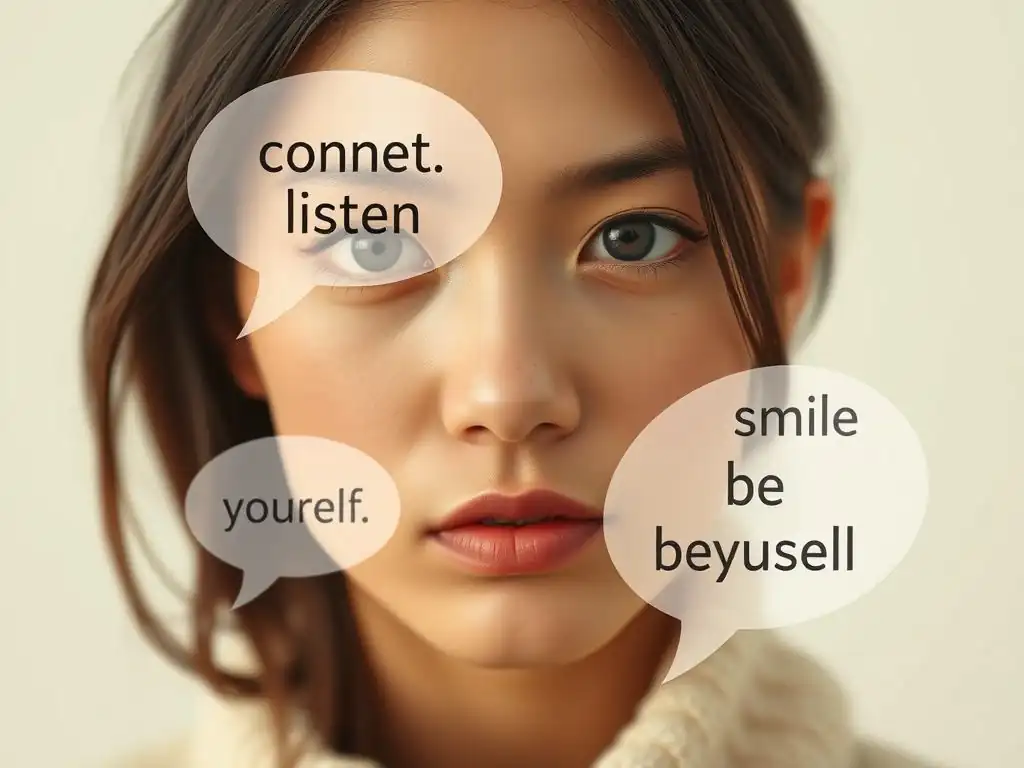
Social anxiety can make even the simplest conversations feel like a monumental task. However, mastering the art of conversation is crucial for successful online dating, transforming initial interactions into meaningful connections. This section provides practical strategies to navigate conversations with confidence, even if you’re feeling anxious. Remember, the goal isn't perfection; it's genuine connection.
Starting Conversations with Ease: Icebreakers and Engaging Questions
Beginning a conversation can be the most daunting part. Instead of focusing on the pressure to say something perfect, aim for something genuine and engaging. Avoid generic greetings like "Hey" or "What's up?". Instead, use the person's profile as inspiration. Did they mention a favorite hobby, book, or travel destination? This provides a natural starting point.
Here are some effective icebreaker examples, tailored for different profile details:
- If their profile mentions a hobby: "I saw you're into [hobby]! I've always wanted to try that. What's it like?" This shows you've read their profile and are genuinely interested.
- If their profile showcases a travel experience: "Your photos from [location] are amazing! What was your favorite part of the trip?" This invites them to share a positive experience.
- If their profile mentions a favorite book or movie: "I'm a big fan of [book/movie] too! What did you think of [specific aspect]?" This demonstrates shared interests and opens up a discussion.
Remember to keep your questions open-ended. Closed questions, answered with a simple "yes" or "no," stifle conversation. Open-ended questions encourage them to elaborate, allowing you to learn more about them and build rapport. For example, instead of asking "Do you like hiking? ", try "What do you enjoy most about hiking?"
Active Listening and Showing Genuine Interest: Building Connection
Active listening isn't just about hearing words; it's about understanding the meaning behind them. Showing genuine interest goes beyond simply responding; it's about demonstrating empathy and connection. Here's how to actively listen and build rapport:
- Maintain eye contact: This shows you're engaged and attentive. However, don't stare intensely; maintain a natural and comfortable gaze.
- Use verbal and non-verbal cues: Nodding, smiling, and using phrases like "That's interesting," or "Tell me more" show you're following along and encouraging them to continue.
- Reflect back what you hear: Summarize or paraphrase their points to ensure understanding. For instance, if they say, "I love trying new restaurants," you could respond, "So you're a bit of a foodie then?" This shows you were paying attention and encourages further conversation.
- Ask follow-up questions: Don't just listen passively; delve deeper into their answers. If they mention a challenging experience, show empathy and ask how they overcame it. This demonstrates you care about their experiences and perspectives.
Active listening is a skill that improves with practice. By focusing on understanding, rather than formulating your next response, you'll build stronger connections. This approach reduces anxiety by shifting the focus from your own performance to genuine engagement with your date.
Awkward silences are inevitable in any conversation, especially when navigating the complexities of dating with social anxiety. However, these silences don't have to be negative experiences. They can be opportunities to demonstrate your comfort and ease, turning potential challenges into moments of connection.
Here's how to handle awkward silences gracefully:
- Acknowledge the silence: Instead of panicking, acknowledge the silence with a lighthearted comment. For example, you could say, "Well, that was an interesting turn of conversation!" or "Let's see...what else is there to discover about you?" This demonstrates self-awareness and prevents the silence from escalating into an uncomfortable situation.
- Use the silence as a transition: Silences can be natural pauses in conversation. Use them as an opportunity to shift the topic gently. You could say something like, "That reminds me of a time when..." or "Speaking of [previous topic], have you ever...?"
- Prepare some backup topics: Having a few interesting topics in mind can be helpful, but avoid forcing a conversation. Think about current events, interesting articles you've read, or funny anecdotes from your life. However, ensure these topics are relevant to the flow of the conversation and align with the overall mood.
- Focus on the positive: Remember that awkward silences are normal. Don't dwell on them; instead, focus on the positive aspects of the interaction and build on those moments. The goal is connection, not flawless conversation.
By embracing these strategies, you can transform potential anxieties into opportunities for genuine connection, fostering a more positive and enjoyable dating experience. Remember, authenticity and genuine interest are far more important than perfect conversation.
Managing Nervousness During Conversations: Practical Strategies
Feeling nervous before or during online dating conversations is completely normal, especially if you have social anxiety. Many people experience this, and it doesn't mean you're doomed to fail. The key is to develop practical strategies to manage those nerves and turn them into manageable excitement. Remember, the person on the other side is likely just as nervous, if not more so!
One highly effective technique is deep, controlled breathing. Before initiating a conversation or when you feel anxiety creeping in, find a quiet moment and practice deep, slow breaths. Inhale deeply through your nose, hold for a few seconds, and exhale slowly through your mouth. This simple exercise can significantly calm your nervous system and reduce racing thoughts. Aim for at least five minutes of this mindful breathing practice several times a day, especially before anticipated interactions. You'll find yourself feeling more centered and capable of handling conversations with greater ease.
Another valuable strategy involves positive self-talk. Instead of focusing on potential negative outcomes ("What if they don't like me?" or "What if I say something stupid? "), actively challenge those thoughts with positive affirmations. Replace negative self-criticism with encouraging statements like, "I am capable of having a great conversation," or "I have interesting things to share." Write down these affirmations and read them aloud daily to reinforce positive self-perception. This conscious effort to shift your internal dialogue can profoundly impact your confidence and reduce anxiety.
Preparation plays a crucial role in managing nervousness. Before engaging in a conversation, consider the topics you could discuss. This doesn't mean scripting your entire interaction – spontaneity is important – but having a few conversational starters in mind can alleviate some of the pressure. Think about your hobbies, interests, and current events that might spark engaging discussions. Having a few go-to topics ready can ease the anxiety of finding common ground and keep the conversation flowing naturally. Remember, genuine interest in the other person is always the best conversational fuel.
Finally, remember that it's okay to have pauses in conversation. Silence doesn't always mean failure; it's a natural part of communication. Don't be afraid of brief moments of quiet; they allow both parties to process thoughts and formulate responses. If you find yourself feeling overwhelmed, politely excuse yourself for a moment to collect your thoughts and regain composure.
This demonstrates self-awareness and respect for your own well-being, which are highly attractive qualities. Taking short breaks can prevent conversations from becoming overly stressful and allow you to approach them with renewed energy and focus. Dating should be enjoyable – managing anxiety allows you to experience that enjoyment.

Dating with social anxiety can feel like navigating a minefield, but with the right strategies, you can transform those anxieties into confident connections. This section provides practical tips specifically tailored to help you manage your social anxiety during first dates, fostering a positive and enjoyable experience. Remember, you're not alone, and many people experience similar feelings. This journey is about self-compassion and gradual progress.
Choosing the Right First Date Location: Minimizing Anxiety Triggers
The environment of your first date significantly impacts your anxiety levels. Avoid overwhelming or overly stimulating locations. Instead, opt for settings that allow for comfortable conversation and easy exits if needed.
Consider these options:
- Low-key coffee shops: The casual atmosphere and ability to easily leave make coffee shops an excellent choice. The controlled environment minimizes unexpected sensory overload, a common anxiety trigger.
- Quiet walks in nature: A stroll through a park provides a relaxed setting for conversation, allowing for natural breaks and opportunities to manage anxiety symptoms. The fresh air can be calming.
- Museums or art galleries: These locations offer a shared activity that facilitates conversation without the pressure of constant eye contact. The visual stimuli can be engaging without being overwhelming for some.
Avoid:
- Loud, crowded bars or clubs: These environments are sensory overload central, exacerbating anxiety symptoms.
- Formal restaurants: The pressure to adhere to specific etiquette can increase anxiety.
- Activities requiring intense physical exertion: This can heighten anxiety and physical symptoms.
Remember to choose a location that aligns with your comfort level and helps you feel safe and secure. Prioritize your well-being above all else. Experiment and find what works best for you.
Managing Physical Symptoms of Anxiety During Dates: Coping Mechanisms
Physical symptoms of social anxiety—rapid heartbeat, sweating, trembling—are common. Understanding these symptoms and having coping mechanisms in place can significantly reduce their impact.
Here are some techniques:
- Deep breathing exercises: Practicing deep, slow breaths throughout the date can calm your nervous system. Inhale deeply through your nose, hold for a few seconds, and exhale slowly through your mouth. Repeat as needed.
- Progressive muscle relaxation: This technique involves tensing and releasing different muscle groups, relieving physical tension associated with anxiety. Start with your toes and work your way up to your head.
- Mindfulness techniques: Focusing on the present moment can help you detach from anxious thoughts. Pay attention to your senses: the taste of your coffee, the sounds around you, the texture of the table.
- Positive self-talk: Replace negative thoughts ("I'm going to mess this up") with positive affirmations ("I'm capable and interesting").
- Preparation: Planning what you might say can ease anxiety beforehand. Having a few conversation starters in mind reduces the pressure to improvise on the spot.
Remember that your date likely won’t notice your physical symptoms as much as you think they will. Focus on connecting with them authentically; genuine connection is more important than perfect composure.
Setting Realistic Expectations: Avoiding Pressure and Perfectionism
Perfectionism is a common pitfall for those with social anxiety. Don't strive for an unrealistic ideal of a "perfect" date. Instead, focus on enjoying the experience and getting to know your date.
- Embrace imperfection: It's okay if things don't go exactly as planned. View any awkward moments as opportunities for genuine connection and humor. Authenticity is attractive.
- Focus on the present: Don't dwell on past dating experiences or worry about future interactions. Concentrate on the present moment and the person you are with.
- Manage expectations: Don't put too much pressure on the date to determine the success or failure of a potential relationship. View it as an opportunity to make a connection, not a definitive test.
- Remember your worth: Your self-worth is not contingent upon the outcome of a date. You deserve respect and kindness, regardless of how the date progresses.
Remember, dating is a process, not a destination. Be patient with yourself, celebrate small victories, and focus on building genuine connections. Each date is a valuable learning experience, contributing to your growth and confidence. You've got this! 🎉
This section offers practical strategies to navigate the world of online dating while managing social anxiety. We understand that putting yourself out there can be daunting, especially if you experience social anxiety. These tips are designed to empower you, turning apprehension into excitement as you connect with potential partners. Remember, online dating is a journey, and progress, not perfection, is the key.
Creating a Confidence-Boosting Online Dating Profile: Showcasing Your Best Self
Crafting a compelling online dating profile is your first step towards success. It’s your digital handshake, the first impression that can either attract or deter potential matches. For those with social anxiety, the pressure to present a perfect image can be overwhelming. However, authenticity is key. Instead of striving for perfection, focus on showcasing your genuine self in a positive light.
Consider these points when building your profile:
- Choose photos that reflect your personality: Avoid overly posed or filtered images. Instead, opt for candid shots that capture your genuine smile and showcase your interests. A mix of solo shots and photos with friends or engaging in hobbies demonstrates a well-rounded personality. Think variety – a photo hiking, one with friends laughing, and a professional headshot.
- Write a bio that's both engaging and honest: Avoid generic statements. Instead, highlight your unique qualities, interests, and values. Use humor, if it suits your personality, but keep it light and relatable. For example, instead of "I like to travel," try "My next adventure involves exploring the hidden gems of Southeast Asia – any recommendations?" This invites conversation and shows initiative.
- Be specific about what you're looking for: Defining your relationship goals upfront saves time and avoids misunderstandings. Clearly stating your intentions reduces ambiguity and helps attract compatible matches. This reduces the anxiety of wondering if you're on the same page.
- Proofread everything carefully: Typos and grammatical errors can create a negative first impression. Carefully review your profile before publishing it. A well-written profile shows attention to detail and respect for potential matches.
Effective Communication Strategies for Online Dating: Setting Boundaries
Effective communication is crucial for building meaningful connections, but it can be particularly challenging for individuals with social anxiety. Setting healthy boundaries is paramount for protecting your mental wellbeing and fostering respectful interactions.
Here are some strategies to enhance your online communication:
- Start with short, introductory messages: Avoid overwhelming potential matches with lengthy messages. Keep your initial communication concise, focusing on common interests or something specific from their profile. This reduces the pressure on both parties.
- Respond at your own pace: Don't feel pressured to respond immediately to every message. Take your time to formulate thoughtful replies. Prioritize your mental health over rapid responses.
- Don't overshare in early conversations: Gradually reveal personal information as the relationship develops. Sharing too much too soon can be overwhelming and potentially unsafe.
- Establish clear boundaries: Communicate your expectations and limits respectfully but firmly. For example, if you're not comfortable with explicit conversations or constant messaging, express that clearly. This helps you maintain control and avoid situations that trigger anxiety.
- Learn to recognize and manage red flags: If a potential match behaves disrespectfully or makes you uncomfortable, don't hesitate to end the conversation. Your safety and wellbeing are paramount.
Managing Online Interactions: Protecting Your Mental Wellbeing
Online dating can be emotionally taxing, particularly for those with social anxiety. Protecting your mental wellbeing requires proactive strategies and self-compassion.
- Limit your time online: Avoid spending excessive time scrolling through profiles or engaging in endless conversations. Set realistic time limits to prevent burnout and maintain a healthy balance.
- Practice self-care: Engage in activities that help you relax and manage stress, such as exercise, meditation, or spending time in nature. Prioritizing self-care is essential for navigating the emotional challenges of online dating.
- Don't take rejection personally: Rejection is a normal part of online dating. Remember that compatibility is subjective, and not every connection will be a perfect match. Focus on your strengths and continue to refine your approach.
- Seek support if needed: Don't hesitate to reach out to friends, family, or a therapist if you're struggling to manage anxiety related to online dating. Professional support can provide valuable guidance and coping strategies. Remember, you are not alone. Many others experience similar challenges. Seeking help is a sign of strength, not weakness.
Post-Date Reflection and Self-Care: Learning and Growing

Dating with social anxiety can be emotionally taxing, so incorporating post-date reflection and self-care is crucial for your well-being and future dating success. It's not just about analyzing what went well or poorly; it's about fostering self-compassion and building resilience. This process allows you to learn from each experience, regardless of the outcome, transforming anxieties into opportunities for growth. Remember, every date is a step forward in your journey.
Analyzing Your Date Experience: Identifying Areas for Improvement
After a date, take some time—a day or two—to reflect on the experience. Don't rush the process. Jot down your thoughts and feelings. What aspects of the date did you enjoy? What felt challenging or uncomfortable? Were there specific moments where your social anxiety surfaced? Perhaps you felt tongue-tied during certain conversations, or found yourself overly self-conscious about your body language. Identifying these specific areas allows you to pinpoint strategies for improvement.
For instance, if you struggled to maintain eye contact, you can practice mindful eye contact exercises in everyday situations. If you found it difficult to initiate conversations, you can prepare a list of engaging conversation starters beforehand. Consider the flow of the conversation. Were there awkward silences? If so, brainstorm ways to bridge those gaps in future interactions. Detailed analysis helps transform vague feelings of anxiety into concrete action steps. Remember, even seemingly minor improvements can significantly boost your confidence.
Consider creating a simple table to organize your reflections:
| Aspect of Date | Positive Observations | Areas for Improvement | Action Plan |
|---|---|---|---|
| Conversation | Enjoyed discussing [Topic]; felt comfortable sharing [Information] | Struggled to maintain eye contact; felt hesitant to share personal experiences | Practice eye contact exercises; prepare conversation starters |
| Body Language | Felt relaxed and natural at times | Fidgeting; crossed arms; noticed tension in shoulders | Practice relaxation techniques; focus on open posture |
| Overall Feeling | Mostly positive; felt a connection | Occasional anxiety spikes; self-consciousness | Practice mindfulness and self-compassion techniques |
This structured approach helps you process your experiences objectively and develop a personalized plan for future interactions.
Practicing Self-Compassion: Acknowledging Progress and Challenges
Dating with social anxiety is a journey, not a race. There will be good dates and not-so-good dates. It's essential to practice self-compassion throughout this process. Acknowledge your progress, no matter how small. Celebrate the times you felt confident and comfortable, even if it was just for a brief moment. Don't dwell on setbacks; instead, view them as opportunities for learning and growth.
Remember that social anxiety is a real challenge, and it's okay to struggle sometimes. Be kind to yourself. Treat yourself with the same understanding and support you would offer a friend facing similar difficulties. Engage in activities that nurture your well-being, such as spending time in nature, listening to calming music, or practicing mindfulness meditation. These activities help regulate your nervous system and reduce anxiety levels. Self-compassion is not self-indulgence; it's a crucial component of building resilience and maintaining mental health.
Building Resilience and Confidence for Future Dates: A Continuous Journey
The key to overcoming social anxiety in dating is building resilience – the ability to bounce back from setbacks and keep moving forward. Each date, regardless of the outcome, provides valuable learning experiences. Analyze your experiences, celebrate small victories, and learn from challenges. This continuous process of reflection and adjustment strengthens your resilience and boosts your confidence.
Remember, progress is not linear. There will be ups and downs. Focus on the overall trend—are you making progress, are you feeling more confident over time? If so, celebrate those achievements. If not, re-evaluate your strategies and seek support if needed. Consider journaling your experiences and progress to track your growth and maintain perspective.
Remember, the goal is not perfection, but progress. Each date is a step forward in building your confidence and navigating the world of dating with greater ease and self-assurance. The journey to becoming a "social butterfly" is a personal one, and it's okay to take it one date at a time. Be patient, kind to yourself, and celebrate every milestone along the way. 🎉
Seeking Professional Support: When to Reach Out for Help
Dating can be challenging for anyone, but the added layer of social anxiety can make it feel overwhelming. While the tips in this article offer practical strategies, recognizing when professional support is beneficial is crucial for navigating online dating and real-life encounters successfully. Many individuals find that incorporating professional guidance significantly enhances their dating experience and overall well-being. This section focuses on understanding when to seek professional help and the advantages of doing so. Remember, seeking help is a sign of strength, not weakness.
Recognizing When Professional Help is Needed: Signs to Watch For
Feeling anxious about dating is normal, but persistent and intense anxiety can significantly impact your life. It's important to distinguish between normal nervousness and a more serious issue. Consider seeking professional help if your social anxiety related to dating exhibits the following signs:
- Overwhelming fear and avoidance: Do you consistently avoid dating situations altogether due to intense anxiety? Do you experience panic attacks before, during, or after dates? This persistent avoidance can severely limit your opportunities for connection.
- Significant impact on daily life: Is your social anxiety interfering with your work, studies, friendships, or other aspects of your life? Dating anxieties shouldn't consume your daily routines.
- Physical symptoms: Do you experience persistent physical symptoms like rapid heartbeat, sweating, trembling, nausea, or shortness of breath related to dating? These can be debilitating and warrant professional attention.
- Negative self-talk and self-esteem issues: Do you engage in excessive negative self-criticism or have low self-esteem that significantly worsens when considering or engaging in dating? This can create a vicious cycle of anxiety and avoidance.
- Inability to manage anxiety independently: Have you tried self-help techniques like relaxation exercises or mindfulness, but still find your anxiety overwhelming and unmanageable in dating contexts?
Remember, these are just some indicators. If you're unsure, consulting a mental health professional is always a good step. They can provide a personalized assessment and guidance. Early intervention can prevent anxiety from escalating and negatively impacting your well-being.
Finding the right therapist is key to a successful therapeutic experience. When searching for a therapist or counselor specializing in social anxiety and dating, consider the following:
- Specialization: Look for therapists with specific experience in treating social anxiety disorder (SAD) and its impact on relationships. Many therapists list their specializations on their websites or profiles.
- Therapeutic approaches: Different therapeutic approaches exist, such as Cognitive Behavioral Therapy (CBT), which is highly effective for social anxiety. Research different approaches and find one that resonates with you.
- Referrals: Ask your primary care physician, friends, or family members for referrals to mental health professionals. Personal recommendations can be invaluable.
- Insurance coverage: Check with your insurance provider to see which therapists are covered under your plan. This can significantly reduce the financial burden of therapy.
- Comfort and rapport: The therapeutic relationship is crucial. Choose a therapist with whom you feel comfortable and can establish a strong rapport. A good therapist will create a safe and supportive environment where you feel heard and understood.
Therapy offers numerous benefits for individuals struggling with social anxiety in the context of dating:
- Skill development: Therapists provide tools and techniques to manage anxiety, such as relaxation exercises, cognitive restructuring, and exposure therapy. These skills equip you to navigate dating situations with more confidence.
- Improved self-esteem: Therapy helps challenge negative self-beliefs and fosters self-compassion, leading to improved self-esteem and a more positive self-image. This is critical for successful dating.
- Enhanced communication skills: Therapists can help you develop assertive communication skills, enabling you to express your needs and boundaries effectively during dates.
- Reduced avoidance: Through gradual exposure techniques, therapy can help reduce avoidance behaviors and increase your willingness to engage in dating activities.
- Increased relationship satisfaction: By addressing underlying anxieties, therapy can pave the way for healthier and more fulfilling relationships.
Remember, seeking professional help is a proactive step towards building a more confident and fulfilling dating life. Don't hesitate to reach out for support if you're struggling. Your mental health and well-being are paramount.
Frequently Asked Questions
Start by planning your messages beforehand. Focus on asking open-ended questions to encourage conversation, and remember it's okay if they don't respond immediately. Be patient and focus on building a genuine connection.
What if I freeze up during a video chat or date?
It's normal to feel nervous! Try deep breathing exercises beforehand. If you freeze, acknowledge it with humor – it can break the tension. Remember, authenticity is key.
How do I create an online dating profile that minimizes anxiety triggers?
Keep your profile concise and positive, highlighting your interests and personality. Avoid overly detailed or self-deprecating descriptions. Choose photos that reflect your true self and make you feel confident.
While no app completely eliminates anxiety, some offer features that can help. Look for apps with strong safety features and easy-to-use interfaces. Consider apps that prioritize quality over quantity of matches.
Start with low-pressure settings, like group activities or coffee dates. Prepare conversation starters in advance to ease the initial awkwardness. Remember to focus on enjoying yourself, rather than solely on the outcome of the date.
Overcoming social anxiety in the dating world isn't just about finding a partner; it's about reclaiming your confidence and embracing authentic connection. The journey from feeling paralyzed by fear to actively participating in the dating scene is a powerful testament to personal growth, and one that deserves celebration. This journey is achievable with the right tools and mindset.
The impact of social anxiety on dating extends far beyond individual experiences; it shapes our cultural understanding of relationships and intimacy. It's a silent struggle for many, influencing how we perceive ourselves and interact with others. The stigma surrounding mental health often exacerbates the issue, making it harder for individuals to seek help and support. The greatest barrier to connection is our fear of disconnection.
This quote highlights the core challenge faced by those with social anxiety in dating, and underscores the importance of self-compassion and gradual steps towards overcoming it.
You hold the power to rewrite your dating narrative. Don't let social anxiety define your journey to finding love or connection. Take the practical tips outlined in this article, adapt them to your unique personality, and celebrate every small victory along the way. Remember, self-acceptance and consistent effort are your greatest allies. Embrace vulnerability, be kind to yourself, and watch as your confidence blossoms, leading you to genuine and fulfilling relationships.
Unlock Your Dating Confidence Now!
Thank you for exploring practical ways to overcome social anxiety and find dating success! We hope you've gained valuable insights into building confidence and connecting with others. Ready to put your knowledge into action?
- Take one small, achievable step toward your dating goals this week. This could be anything from updating your dating profile picture to messaging someone who interests you. Small wins build momentum!
- Share this article with a friend who might also benefit from these tips. Mutual support is invaluable.
- Expand your social horizons this week by engaging in one activity outside of dating. Join a book club, attend a workshop, or even strike up a conversation with a barista—the possibilities are endless.
Ready to see how much progress you can make this week? What's that first small step you'll take today?