
The Link Between Dating Anxiety and Attachment Style: Understanding Yourself


Ready to conquer your dating anxieties and finally find the connection you deserve? At OnlineDatingSuccess.org, we help you navigate the world of online dating with confidence. This isn't just about swiping right—it's about understanding the deeper dynamics at play. Our latest article explores the powerful link between dating anxiety and attachment style, offering insights that could transform your dating experience. Discover how understanding your attachment style can unlock lasting love—read on to learn more!
- Understanding Dating Anxiety and Its Manifestations
- Exploring Attachment Styles and Their Influence
- The Interplay Between Attachment Style and Dating Anxiety
- Strategies for Managing Dating Anxiety Based on Attachment Style
- Building Healthy Relationships Despite Dating Anxiety
- Overcoming Dating Anxiety: A Path Towards Meaningful Connections
-
Frequently Asked Questions
- How does my attachment style affect my dating anxiety?
- What are some common signs of dating anxiety linked to attachment?
- Can I change my attachment style to reduce dating anxiety?
- How can I manage dating anxiety related to my attachment style?
- Are there specific dating strategies for people with dating anxiety stemming from attachment issues?
- Final Reflection: Unlocking Love's Potential Through Self-Understanding
- Unlock Your Dating Potential: Step Into a More Secure You
Understanding Dating Anxiety and Its Manifestations
Navigating the world of online dating can be exhilarating, but it also frequently triggers anxiety. For many, the prospect of putting themselves out there, crafting the perfect profile, and engaging in potentially vulnerable conversations can be overwhelmingly stressful. This anxiety, often termed "dating anxiety," is a very real phenomenon impacting countless individuals seeking connection through online platforms.
This article delves into the intricate link between dating anxiety and attachment styles, providing insights into how understanding your own attachment style can help you manage and mitigate these anxieties, ultimately leading to more positive and fulfilling online dating experiences. We'll explore the symptoms of dating anxiety, its impact on profile creation and online interactions, and offer practical steps towards self-awareness and improved online dating success.
By understanding the root causes of your anxiety, you can begin to build a more confident and successful approach to online dating. Remember, you're not alone in this journey, and seeking self-understanding is the first crucial step towards overcoming dating anxiety and finding meaningful connections.
Recognizing the Symptoms of Dating Anxiety
Dating anxiety manifests in diverse ways, making it crucial to recognize its subtle and overt signs. Some individuals experience heightened physical symptoms like rapid heartbeat, sweating, or trembling before or during online interactions. Others might struggle with self-doubt, constantly second-guessing their messages or profile content. Procrastination in creating or updating dating profiles is another common symptom, as is the fear of rejection or negative feedback. The intensity of these symptoms varies greatly depending on individual personality traits and past experiences.
Furthermore, avoidance behaviors are a significant indicator. This might include avoiding sending messages altogether, limiting profile interaction, or even deleting profiles entirely due to overwhelming anxiety. Some individuals might also exhibit perfectionism, spending excessive time crafting the "perfect" message or profile, leading to procrastination and ultimately hindering progress. It's important to note that these symptoms are not necessarily indicative of a clinical condition, but rather a normal response to a stressful situation.
However, if these symptoms significantly impact your daily life and well-being, seeking professional help is advisable. The key is self-awareness and recognizing your individual triggers and responses. This self-awareness is the first step towards managing your anxiety effectively.
The Impact of Dating Anxiety on Online Dating Profiles
Dating anxiety significantly influences the creation and presentation of online dating profiles. Individuals struggling with anxiety might struggle to accurately represent themselves, often leading to profiles that are either too vague or overly self-deprecating. The fear of judgment can result in profiles lacking personality and authenticity, making it difficult for potential matches to connect.
For example, someone with high dating anxiety might create a profile with minimal personal information, using generic stock photos, and offering limited details about their interests and preferences. This lack of detail can make it challenging for potential matches to assess compatibility, leading to fewer meaningful connections. Conversely, others might overcompensate by crafting overly detailed profiles that appear boastful or inauthentic. The anxiety can lead to a cycle of self-doubt and profile revisions, hindering the process of self-representation and connection. A balanced approach, focusing on genuine self-expression within the confines of safety and privacy, is crucial.
How Dating Anxiety Affects Online Communication and Interactions
Dating anxiety significantly impacts online communication and interactions. The fear of rejection or negative feedback can lead to hesitant messaging, overly cautious language, or an inability to initiate conversations. Individuals might overanalyze every message sent and received, leading to increased stress and potentially hindering the development of meaningful connections.
For instance, someone experiencing high dating anxiety might take days to respond to a message, constantly editing and re-editing their response before finally sending it. This delay can create awkward silences and reduce the momentum of the conversation. Overthinking every word can also lead to missed opportunities for genuine connection and spontaneous interaction.
Additionally, the fear of appearing needy or desperate can result in overly brief or formal responses, hindering the development of rapport and intimacy. Learning to communicate authentically, while being mindful of self-preservation, is a vital skill in navigating online dating with anxiety. Practicing mindfulness and focusing on present-moment interactions can significantly improve communication and reduce the overwhelming effects of anxiety.
Exploring Attachment Styles and Their Influence

This section delves into the fascinating connection between attachment styles and dating anxiety. Understanding your attachment style can be a powerful tool in navigating the complexities of online dating and fostering healthier relationships. We'll explore the three main attachment styles – secure, anxious-preoccupied, and dismissive-avoidant – and how they manifest in the dating world. Recognizing your own patterns can help you manage dating anxiety and build more fulfilling connections. The impact of your attachment style on your dating experiences is significant, influencing everything from profile creation to communication and relationship expectations.
Secure Attachment Style and Dating
Individuals with a secure attachment style generally have positive views of themselves and others. They feel comfortable with intimacy and independence, displaying a balanced approach to relationships. In online dating, this translates to confident profile creation, authentic communication, and healthy relationship expectations. They're less likely to experience crippling dating anxiety because they possess a strong sense of self-worth and are comfortable expressing their needs.
For example, a securely attached individual might craft an online dating profile that honestly reflects their personality and interests, without feeling the need to exaggerate or present a false persona to attract attention. They approach messaging with genuine interest, comfortable with both initiating contact and responding to messages in a timely manner. They understand that rejection is a normal part of dating and don't take it personally, maintaining a healthy perspective.
Their communication style is open and honest, fostering trust and connection. They're also more likely to manage their expectations realistically, understanding that building a meaningful relationship takes time and effort. They don't rush into things and prioritize getting to know potential partners authentically.
Anxious-Preoccupied Attachment Style and Dating Anxiety
The anxious-preoccupied attachment style is strongly linked to dating anxiety. Individuals with this style often have a negative view of themselves but a positive view of others. This leads to a fear of abandonment and a constant need for reassurance. In the context of online dating, this can manifest as excessive checking of messages, overthinking interactions, and intense emotional reactions to perceived rejection or lack of responsiveness. They might create profiles that are overly eager to please or designed to attract maximum attention, reflecting their deep-seated need for validation.
For instance, someone with an anxious-preoccupied attachment style might send multiple messages without receiving a reply, leading to feelings of rejection and worthlessness. They might constantly analyze every word and action of potential partners, searching for signs of disinterest or rejection. This hyper-vigilance fuels anxiety and can lead to self-sabotaging behaviors, such as pushing potential partners away before they have a chance to develop a connection.
They might also struggle with setting healthy boundaries, prioritizing the needs of others over their own. This constant need for reassurance often stems from past experiences of rejection or inconsistency in relationships. They may struggle to trust that others will reciprocate their feelings, leading to a cycle of anxiety and insecurity.
Dismissive-Avoidant Attachment Style and Dating Challenges
Individuals with a dismissive-avoidant attachment style tend to have a positive self-image but a negative view of others. They often prioritize independence and avoid intimacy, leading to difficulties in forming close relationships. In online dating, this can manifest as a reluctance to engage deeply, difficulty expressing vulnerability, and a tendency to withdraw emotionally. They may create profiles that are minimalistic or impersonal, reflecting their desire to maintain emotional distance.
For example, a person with a dismissive-avoidant attachment style might create a brief, unengaging profile and only respond sporadically to messages. They may avoid deeper conversations, fearing vulnerability or emotional intimacy. They might interpret genuine interest as a threat to their independence, leading them to pull away from potential partners. Their communication style might be brief and superficial, hindering the development of meaningful connections.
Rejection, while potentially experienced, is often met with detachment rather than intense emotional distress. This detachment, however, can create significant challenges in forming lasting relationships. They might struggle to identify and express their own needs, leading to unmet expectations and ultimately hindering the potential for intimacy and connection. This pattern often stems from a history of feeling overwhelmed or stifled in past relationships, leading to a defensive strategy of emotional distance.
Fearful-Avoidant Attachment Style and Dating Difficulties
Individuals with a fearful-avoidant attachment style often experience a complex interplay of desires for intimacy and intense fear of rejection or abandonment. This stems from inconsistent or unpredictable caregiving experiences in childhood, leading to a deep-seated internal conflict. They deeply crave connection but simultaneously erect significant emotional barriers to protect themselves from the perceived pain of vulnerability. This internal battle significantly impacts their dating experiences.
One major challenge is the tendency towards self-sabotage. A fearful-avoidant individual might actively pursue a romantic connection, only to withdraw or push their partner away as the relationship progresses and intimacy increases. This can manifest as sudden coldness, unexplained disappearances, or overly critical behavior. They might interpret their partner's normal expressions of affection as controlling or smothering, triggering their ingrained fear of engulfment. This pattern of push-and-pull creates instability and confusion in relationships, often leading to repeated cycles of connection and disconnection.
Furthermore, communication is often a significant hurdle. The fear of rejection translates into difficulty expressing their needs and emotions openly and honestly. They may struggle to initiate conversations about important relationship matters, leading to unresolved conflicts and simmering resentment. This lack of transparent communication can breed mistrust and ultimately damage the relationship. They might also struggle to interpret their partner's cues accurately, often misreading benign actions as signs of rejection or abandonment.
Another key characteristic is a tendency towards intense emotional reactions, often disproportionate to the situation. Minor disagreements can escalate into major arguments, stemming from underlying insecurities and the fear of being hurt. This emotional volatility can be incredibly draining for partners, making it challenging to maintain a healthy and stable relationship. The constant fear of abandonment can lead to heightened sensitivity to perceived slights or criticisms, further exacerbating relationship difficulties.
Understanding this pattern is crucial for individuals with a fearful-avoidant attachment style. Recognizing the root of their anxieties and learning healthy coping mechanisms, such as seeking therapy and practicing self-compassion, can significantly improve their dating experiences and foster healthier, more fulfilling relationships. Learning to manage their emotional responses and communicating their needs assertively are key steps toward breaking the cycle of self-sabotage and building lasting connections. It's a journey that requires patience, self-awareness, and a willingness to confront deeply ingrained fears.
The Interplay Between Attachment Style and Dating Anxiety
Dating anxiety and attachment style are intricately linked. Understanding your attachment style is crucial to managing and overcoming dating anxiety. Many people experience discomfort or nervousness when dating, but the intensity and type of anxiety often stem from deeply ingrained patterns of relating to others, formed in early childhood relationships. These patterns manifest as different attachment styles, significantly influencing how individuals approach dating and romantic relationships. This section explores this crucial connection, providing insights to help you better understand your own experiences and develop coping strategies.
How Attachment Styles Shape Dating Experiences
Your attachment style, broadly categorized as secure, anxious-preoccupied, dismissive-avoidant, or fearful-avoidant, profoundly impacts your dating journey. Let's examine how each style manifests in dating scenarios:
- Secure Attachment: Individuals with secure attachment generally feel comfortable with intimacy and independence. They approach dating with a balanced perspective, neither clinging nor pushing people away. They tend to experience less dating anxiety because they have a strong sense of self-worth and trust in their ability to form healthy relationships. They are more likely to communicate openly and honestly, leading to more fulfilling connections.
- Anxious-Preoccupied Attachment: People with this style often crave intimacy and validation, leading to heightened dating anxiety. They may experience intense fear of rejection, constantly seeking reassurance from their dates. They might overthink messages, analyze every interaction, and become overly invested too quickly, fueling anxiety and potential relationship instability. They may also struggle with jealousy and possessiveness.
- Dismissive-Avoidant Attachment: Individuals with this style tend to suppress their emotions and prioritize independence. Dating anxiety might manifest as emotional unavailability or a tendency to avoid commitment. They might appear aloof or distant, even if they're interested, leading to misunderstandings and missed connections. They may fear intimacy and vulnerability, resulting in superficial relationships.
- Fearful-Avoidant Attachment: This style combines features of both anxious-preoccupied and dismissive-avoidant attachments. These individuals desire close relationships but simultaneously fear intimacy and rejection. This internal conflict can lead to significant dating anxiety, characterized by intense emotional swings and unpredictable behavior. They may struggle to maintain consistent relationships due to their conflicting needs and anxieties.
Recognizing Your Attachment Style and Its Impact on Dating Anxiety
Identifying your attachment style is the first step towards managing dating anxiety. While professional assessment is beneficial, self-reflection can provide valuable insights. Consider the following questions:
- Do you worry excessively about your partner's feelings and availability?
- Do you find it difficult to trust others?
- Do you tend to push people away before they can reject you?
- Do you struggle to express your emotions openly?
- Do you feel comfortable with independence or do you crave constant reassurance?
Answering these honestly can offer a clearer picture. Remember, understanding your attachment style isn't about labeling yourself; it's about gaining self-awareness. Recognizing your patterns allows you to proactively address behaviors that contribute to dating anxiety. For example, if you identify as anxiously attached, you might prioritize mindfulness techniques to reduce overthinking and self-soothing strategies to manage fear of rejection.
The Cycle of Dating Anxiety and Insecure Attachment
Insecure attachment styles (anxious-preoccupied, dismissive-avoidant, and fearful-avoidant) often perpetuate a cyclical pattern of dating anxiety. This cycle can be visualized as follows:
| Stage | Description | Example |
|---|---|---|
| Trigger | An event or thought related to dating (e.g., upcoming date, rejection fear) | A message goes unanswered, a date is canceled, thinking about past rejections |
| Anxiety | Heightened emotional distress, worry, and physical symptoms (e.g., sweating, racing heart) | Feeling panicky before a date, experiencing overwhelming nervousness during a date |
| Maladaptive Behavior | Actions driven by anxiety (e.g., overthinking, avoidance, clinginess) | Constantly checking phone, canceling a date due to anxiety, becoming overly demanding |
| Negative Outcome | Reinforcement of negative beliefs and increased anxiety (e.g., rejection, isolation) | Date goes poorly due to anxiety-driven behavior, reinforcing fear of future dates |
| Reinforcement | The negative outcome strengthens the cycle, leading to more anxiety in future dating situations. | The negative experience leads to increased avoidance or anxiety in the next dating scenario |
Breaking this cycle requires conscious effort. Therapy, self-help resources, and developing healthy coping mechanisms are essential for building self-awareness and managing dating anxiety effectively. Remember, understanding your attachment style is a powerful tool for navigating the complexities of dating and building healthier relationships.
Strategies for Managing Dating Anxiety Based on Attachment Style
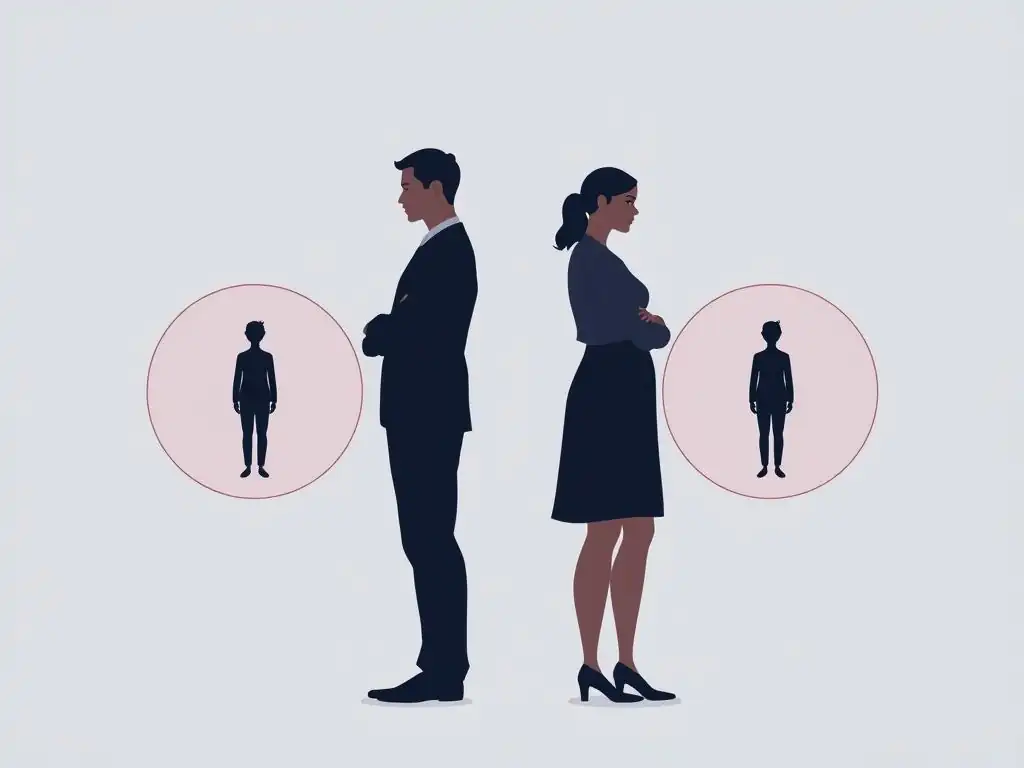
Dating anxiety is a common experience, but its intensity and manifestation often depend on an individual's attachment style. Understanding your attachment style—secure, anxious-preoccupied, or dismissive-avoidant—is crucial for developing effective coping mechanisms. This section provides tailored strategies for managing dating anxiety based on these three primary attachment styles. We'll explore practical tips to help you navigate the online dating world with greater confidence and reduce feelings of overwhelm. This knowledge empowers you to approach dating with a more self-aware and proactive mindset, ultimately leading to more fulfilling connections. Remember, recognizing your attachment style is the first step towards positive change.
Even securely attached individuals can experience dating anxiety, albeit often less intensely than those with other attachment styles. The key for securely attached individuals is to maintain their healthy balance while navigating the complexities of online dating. This involves recognizing potential triggers and proactively implementing strategies to manage stress.
While you generally possess a healthy sense of self and comfortable intimacy, the pressure of online dating can still create anxieties. For example, the sheer volume of profiles and the potential for rejection can be overwhelming, even for those with a secure attachment.
Here are some practical tips:
- Prioritize self-care: Maintain your existing healthy habits. Regular exercise, sufficient sleep, and a balanced diet are crucial for managing stress and maintaining emotional well-being. Prioritizing your well-being reduces vulnerability to dating anxieties.
- Set realistic expectations: Avoid setting unrealistic expectations for immediate success. Online dating is a process. Focus on building genuine connections rather than solely on finding "the one" immediately.
- Maintain healthy boundaries: Don't feel pressured to respond immediately or engage in activities that make you uncomfortable. Respecting your boundaries is essential for self-preservation and reduces potential stress.
- Practice mindfulness: Engage in mindfulness exercises to stay present and grounded, particularly before and during dates. This helps to reduce overthinking and anxiety-provoking anticipatory worries.
- Focus on quality over quantity: Rather than swiping through hundreds of profiles, focus on engaging meaningfully with a smaller number of potential partners whose profiles resonate with you.
Coping Mechanisms for Anxious-Preoccupied Individuals
Individuals with an anxious-preoccupied attachment style often experience heightened dating anxiety. They may worry excessively about rejection, crave constant reassurance, and struggle with self-doubt. Managing this anxiety requires a multifaceted approach focusing on self-compassion and building emotional resilience.
The core of managing dating anxiety for this group lies in challenging negative thought patterns and developing a stronger sense of self-worth independent of external validation.
Here's how to approach this:
- Identify and challenge negative thoughts: Become aware of your negative thought patterns and actively challenge their validity. Are your fears realistic? What evidence supports or contradicts them? Journaling can be a valuable tool in this process.
- Practice self-soothing techniques: Develop healthy coping mechanisms for managing anxiety, such as deep breathing exercises, meditation, or listening to calming music. These techniques help regulate emotions and reduce feelings of overwhelm.
- Seek professional support: Therapy, particularly cognitive behavioral therapy (CBT), can be incredibly beneficial in addressing underlying anxieties and developing healthier relationship patterns. A therapist can provide personalized guidance and support.
- Gradually increase exposure: Slowly increase your exposure to dating situations to gradually desensitize yourself to anxiety triggers. Start with less intense interactions, like online messaging, before progressing to in-person dates.
- Focus on self-improvement: Engage in activities that boost your self-esteem and confidence. This could involve pursuing hobbies, setting personal goals, or investing in self-care practices.
Strategies for Dismissive-Avoidant Individuals to Improve Dating Success
Dismissive-avoidant individuals often struggle with intimacy and may avoid close relationships. Dating anxiety for them might manifest as emotional detachment, difficulty expressing vulnerability, or a tendency to withdraw from potential partners. Overcoming this requires acknowledging emotional needs and learning to build healthy connections.
For dismissive-avoidant individuals, the challenge is to balance independence with the desire for connection. It's about learning to trust and accept vulnerability without feeling overwhelmed or losing autonomy.
These strategies can help:
- Increase self-awareness: Pay attention to your emotional responses in dating situations. Recognize when you're withdrawing or shutting down emotionally. Self-reflection is key to understanding your patterns.
- Challenge avoidance behaviors: Actively challenge your tendency to avoid intimacy or emotional closeness. Start small—perhaps by sharing a little more about yourself with a potential partner.
- Practice vulnerability: Gradually practice expressing your feelings and needs. This doesn't mean revealing everything at once, but rather taking small, manageable steps towards greater openness.
- Develop healthy communication skills: Learn how to communicate your needs and boundaries effectively. This will help you build healthier relationships based on mutual respect and understanding.
- Seek professional guidance: A therapist can help you explore the root causes of your avoidance behaviors and develop strategies for building healthier relationships. This support can be invaluable in navigating the complexities of dating.
Remember, overcoming dating anxiety takes time and effort. Be patient with yourself, celebrate small victories, and don't hesitate to seek professional support when needed. Understanding your attachment style is a powerful first step towards building healthier and more fulfilling relationships. 💖
Addressing Dating Anxiety in Fearful-Avoidant Individuals
Fearful-avoidant attachment styles present a unique challenge in the context of dating anxiety. Individuals with this attachment style often experience a complex interplay of intense desires for connection and deep-seated fears of intimacy. This internal conflict can manifest as significant dating anxiety, hindering their ability to form and maintain healthy relationships. The desire for closeness is constantly battling with a fear of rejection or vulnerability, leading to a cycle of seeking connection and then pulling away, creating instability and uncertainty in their dating lives. Understanding this internal struggle is the first crucial step in managing their anxiety.
One key aspect of managing dating anxiety for fearful-avoidant individuals lies in recognizing and validating their feelings. It's essential to acknowledge that their fear is a valid response to past experiences, perhaps involving betrayal or abandonment. Instead of dismissing or judging these feelings, self-compassion and acceptance are paramount. Journaling can be a powerful tool for exploring these emotions, helping them understand the root causes of their anxiety and gradually process them. This self-awareness allows for a more nuanced approach to dating, enabling them to identify triggers and develop coping mechanisms.
Cognitive Behavioral Therapy (CBT) techniques can prove especially beneficial for fearful-avoidant individuals. CBT helps to challenge and reframe negative thought patterns that contribute to dating anxiety. For instance, a common negative thought might be "If I get close to someone, they'll inevitably leave me." CBT helps to challenge the validity of this belief, offering alternative perspectives and encouraging healthier thought processes. This process, coupled with exposure therapy—gradually exposing themselves to dating situations in a controlled manner—can help reduce avoidance behaviors and increase comfort levels in intimate settings.
Furthermore, mindful dating practices are crucial. Encouraging these individuals to focus on the present moment during interactions, rather than dwelling on past negative experiences or anticipating future rejection, can dramatically reduce anxiety. Mindfulness exercises, such as meditation or deep breathing techniques, can be incorporated into their daily routine to cultivate a sense of calm and self-regulation. Practicing self-soothing techniques before, during, and after dates can significantly improve their ability to manage anxious feelings and respond more effectively to social cues.
Finally, seeking professional support is vital. A therapist specializing in attachment styles can provide personalized guidance and support, helping individuals navigate the complexities of their internal conflict and develop healthy relationship patterns. Therapy offers a safe space to explore their past experiences, challenge their negative beliefs, and develop strategies for managing their dating anxiety effectively. Remember, overcoming dating anxiety with a fearful-avoidant attachment style requires patience, self-compassion, and professional guidance—it’s a journey, not a race.
Building Healthy Relationships Despite Dating Anxiety

Dating anxiety, often intertwined with attachment style, can significantly impact the pursuit of healthy relationships. However, understanding this connection empowers you to manage your anxiety and build fulfilling connections. This section focuses on practical strategies to navigate online dating and cultivate meaningful relationships even with pre-existing anxieties. Remember, progress, not perfection, is the goal. Learning to manage your dating anxiety is a journey, not a race.
Setting Realistic Expectations in Online Dating
Online dating, while offering vast potential, can also amplify anxieties. Many individuals enter the online dating sphere with unrealistic expectations, often fueled by idealized portrayals of relationships in media. This discrepancy between reality and expectation can lead to disappointment and intensify anxiety. To mitigate this, it's crucial to cultivate realistic expectations.
Firstly, remember that online dating is a numbers game. Not every profile will be a match, and many initial interactions might not lead to a lasting connection. This is perfectly normal. Don't take rejection personally; it's often a reflection of incompatibility rather than a personal failing.
Secondly, be mindful of the curated nature of online profiles. People present themselves in the best possible light, highlighting their strengths and often downplaying their flaws. This curated presentation can create unrealistic expectations, leading to disappointment when meeting in person. Focus on genuine connection rather than superficial perfection.
Finally, avoid comparing yourself to others. The curated nature of online profiles can create a distorted sense of competition, fueling anxiety and self-doubt. Instead, concentrate on presenting your authentic self and finding individuals who appreciate your unique qualities. Remember, genuine connection thrives on authenticity, not perfection.
Prioritizing Self-Care and Emotional Well-being
Managing dating anxiety often involves prioritizing self-care and emotional well-being. This isn't merely a suggestion; it's a fundamental aspect of building resilience and navigating the challenges of online dating. Neglecting self-care can exacerbate anxiety, making it harder to form healthy relationships.
This involves several key aspects. Regular exercise, for instance, releases endorphins that have mood-boosting effects. Aim for at least 30 minutes of moderate-intensity exercise most days of the week. Even a brisk walk can make a difference. Adequate sleep is equally critical. Aim for 7-9 hours of quality sleep per night to allow your body and mind to rest and repair.
Furthermore, mindful practices like meditation or deep breathing exercises can help manage anxiety in the moment. These techniques help calm the nervous system and promote a sense of inner peace. Even five minutes of daily meditation can yield significant benefits. Finally, maintaining a healthy diet and limiting alcohol and caffeine consumption can also positively impact mood and anxiety levels. Nourishing your body supports your mental well-being.
Seeking Professional Support for Persistent Dating Anxiety
For some individuals, dating anxiety might prove persistent and significantly impact their daily lives. In such cases, seeking professional support is crucial. A therapist specializing in anxiety disorders can provide personalized guidance and tools to manage anxiety effectively.
Therapy offers a safe and confidential space to explore the root causes of your dating anxiety, often linked to past experiences or attachment styles. Cognitive Behavioral Therapy (CBT) and other evidence-based approaches can help you challenge negative thought patterns and develop healthier coping mechanisms. A therapist can teach you relaxation techniques, communication skills, and strategies for managing anxiety in social situations, including online dating.
Remember, seeking professional help is a sign of strength, not weakness. It's a proactive step towards improving your mental well-being and building healthier relationships. Don't hesitate to reach out for support if you feel overwhelmed by dating anxiety. Many resources are available to help you navigate this challenge and find the support you need.
Cultivating Self-Compassion and Acceptance
Dating anxiety often stems from a harsh inner critic. This critical voice can magnify perceived flaws, leading to self-doubt and hindering your ability to connect authentically with others. Learning to cultivate self-compassion is crucial for overcoming dating anxiety and building healthy relationships. This involves treating yourself with the same kindness and understanding you would offer a close friend struggling with similar anxieties.
Instead of focusing on your perceived shortcomings, acknowledge your feelings without judgment. For example, if you feel anxious before a date, instead of berating yourself with thoughts like, "I'm so awkward, they'll never like me," try a more compassionate approach: "It's understandable that I feel anxious; meeting new people can be challenging for anyone." This shift in self-talk can significantly reduce the intensity of your anxiety.
Practicing mindfulness can also be incredibly helpful. Mindfulness techniques, such as meditation or deep breathing exercises, help you become more aware of your thoughts and feelings without getting swept away by them. This increased awareness allows you to observe your anxiety without letting it control your actions. By acknowledging your anxiety without judgment, you create space for self-acceptance and reduce the power it holds over you.
Remember, everyone experiences self-doubt and insecurity at times; it's part of being human. Embracing your imperfections and acknowledging your vulnerabilities is a key step towards building genuine connections. Self-acceptance paves the way for healthier relationships, both with yourself and others.
This process takes time and consistent effort, but the rewards—increased self-esteem and more fulfilling relationships—are well worth the journey. Consider journaling as a tool to explore your feelings and track your progress in cultivating self-compassion. Writing down your thoughts and feelings can provide valuable insights into your patterns of self-criticism and help you develop more compassionate responses.
Overcoming Dating Anxiety: A Path Towards Meaningful Connections
Dating anxiety, often intertwined with attachment style, can significantly hinder the pursuit of meaningful connections. Understanding this link is crucial for developing effective coping mechanisms and fostering healthier relationship patterns. This section focuses on practical, long-term strategies to manage dating anxiety and build resilience. We'll explore self-reflection, personal growth, and confidence-building techniques to empower you on your journey towards fulfilling relationships. Remember, overcoming dating anxiety is a process, not a destination, and requires consistent effort and self-compassion.
Long-Term Strategies for Managing Dating Anxiety
Chronic dating anxiety often stems from deeper insecurities and learned behaviors. Addressing these underlying issues is key to long-term management. Instead of focusing solely on immediate anxieties during specific dating interactions, consider adopting a holistic approach. This involves understanding your triggers, challenging negative thought patterns, and developing healthy coping mechanisms. For example, journaling can help you identify recurring anxieties and their origins.
Cognitive Behavioral Therapy (CBT) techniques, such as cognitive restructuring, can help you reframe negative thoughts into more realistic and balanced perspectives. Practicing mindfulness and self-soothing techniques, such as deep breathing exercises or meditation, can help regulate your emotional responses in stressful dating situations. Regular exercise, a balanced diet, and sufficient sleep contribute significantly to overall mental well-being and resilience, reducing the impact of dating anxiety. Remember, self-care isn't selfish; it's a crucial investment in your mental health and ability to navigate the dating world successfully.
The Importance of Self-Reflection and Personal Growth
Self-awareness is paramount in overcoming dating anxiety. Understanding your attachment style – whether secure, anxious-preoccupied, dismissive-avoidant, or fearful-avoidant – provides valuable insight into your relational patterns and anxieties. Exploring your past relationships, identifying recurring themes and emotional responses, can reveal underlying insecurities and attachment wounds. This self-reflection can be achieved through journaling, therapy, or even self-help books focusing on attachment theory. Consider asking yourself questions like: What are my expectations in a relationship?
What are my fears of intimacy? What are my past relationship patterns? Honest answers to these questions provide the foundation for personal growth and developing healthier relationship dynamics. Remember, addressing your insecurities and working through past traumas are not weaknesses, but crucial steps towards building stronger, healthier relationships.
Building Confidence and Resilience in Dating
Building confidence and resilience is a gradual process that requires consistent effort and self-compassion. Setting realistic expectations about dating and relationships is crucial. Avoid putting undue pressure on yourself to find "the one" immediately. Instead, focus on building genuine connections and enjoying the process of meeting new people. Celebrate small victories, no matter how insignificant they may seem.
Did you have a pleasant conversation? Did you initiate contact with someone you found interesting? Acknowledge and appreciate these positive experiences. Practice self-affirmations to counter negative self-talk. Remind yourself of your strengths and positive qualities.
Consider joining social groups or activities that align with your interests to meet like-minded individuals in a low-pressure environment. Remember, building confidence is a marathon, not a sprint. Be patient with yourself, celebrate your progress, and maintain a positive outlook. The journey towards overcoming dating anxiety and building resilience is worth the effort, leading to more fulfilling and meaningful connections.
Frequently Asked Questions
How does my attachment style affect my dating anxiety?
Your attachment style, whether secure, anxious-preoccupied, dismissive-avoidant, or fearful-avoidant, significantly impacts your dating experiences. Insecure attachment styles often lead to higher levels of dating anxiety and relationship difficulties due to past relationship experiences. Understanding your style is key to managing this anxiety.
What are some common signs of dating anxiety linked to attachment?
Signs include excessive worrying about messages, dates, and rejection; difficulty trusting potential partners; intense fear of intimacy or commitment; and constantly seeking reassurance. These can stem from past relationship trauma or learned behaviors.
Can I change my attachment style to reduce dating anxiety?
While you can't completely change your attachment style, you can absolutely learn to manage the resulting anxiety. Therapy, particularly attachment-based therapy, can provide tools and strategies to improve your relationship patterns and reduce anxieties.
Practice self-compassion and self-soothing techniques. Identify your anxiety triggers and develop coping mechanisms. Gradually challenge negative thoughts and beliefs about yourself and relationships. Consider professional help if needed.
Are there specific dating strategies for people with dating anxiety stemming from attachment issues?
Yes! Start by setting realistic expectations and focusing on building genuine connections rather than chasing a perfect relationship. Communicate your needs openly and honestly with potential partners. Prioritize self-care to build resilience and confidence.
Final Reflection: Unlocking Love's Potential Through Self-Understanding
The anxieties surrounding dating are not merely fleeting butterflies; they are often deeply rooted in our attachment styles, shaping our experiences and expectations in profound ways. Understanding this connection is not just an academic exercise; it's a crucial step towards building healthier, more fulfilling relationships. Ignoring these underlying patterns only perpetuates cycles of insecurity and disappointment.
The exploration of attachment theory and its impact on dating has been transformative, not only in my own understanding of relationships, but also in observing its pervasive influence on modern dating culture. The pressure to conform to idealized romantic narratives, often fueled by social media, exacerbates the anxieties stemming from insecure attachment styles. The greatest love story is the one you write with yourself.
This quote resonates deeply, as self-acceptance and self-compassion are the cornerstones of navigating the complexities of dating with a secure attachment. By understanding our own patterns, we can begin to rewrite our narratives and create healthier relationship dynamics.
Now, consider your own dating experiences. What patterns have you observed? Where do you see your attachment style manifesting? This isn't about self-criticism; it's about self-discovery. Take the time to reflect on your past relationships, identify your triggers, and begin to cultivate self-awareness. By embracing this journey of self-understanding, you are not just improving your dating life; you are investing in a richer, more authentic life, filled with genuine connection and lasting love.
Unlock Your Dating Potential: Step Into a More Secure You
Thank you for exploring the connection between dating anxiety and your attachment style! Understanding this link is a powerful first step toward healthier relationships. Now, let's put that knowledge into practice.
Here's how you can build on what you've learned:
- Identify your attachment style: Review the resources provided, or consider seeking professional guidance from a therapist or counselor to gain a clearer understanding of your attachment style and develop a personalized plan for growth. This is a crucial step in your journey.
- Share your discoveries: Discuss your insights with a trusted friend, family member, or therapist. Talking about your experiences can help you process your emotions and solidify your understanding of your attachment style.
- Practice self-compassion: Explore self-compassion exercises such as journaling about your experiences and consciously practicing self-kindness. This can be surprisingly effective in easing anxieties and building self-esteem.
Ready to begin building more fulfilling connections? What's one small step you'll take today to cultivate a more secure attachment style in your dating life?