
How to Communicate Your Boundaries Clearly and Confidently Online


Ready to transform your online dating experience? At OnlineDatingSuccess.org, we empower you to build genuine connections. But navigating the digital dating world requires clear communication – and that starts with establishing healthy boundaries. Discover essential online dating boundary communication tips in our latest article and unlock the secret to safer, more fulfilling online interactions. Learn how to confidently express your needs and attract the right kind of attention. Let's dive in!
- Understanding Your Online Dating Boundaries: Defining What's Important
- Effective Communication Strategies for Setting Boundaries Online
- Protecting Yourself Online: Safety and Security Measures
- Maintaining Healthy Online Dating Relationships: Respect and Communication
- Mastering Online Dating Boundary Communication: Long-Term Strategies
- Frequently Asked Questions
- Final Reflection: Reclaiming Your Digital Space: Boundaries and Online Dating
- Take Control: Set Healthy Online Boundaries Today!
Understanding Your Online Dating Boundaries: Defining What's Important
Navigating the world of online dating requires more than just a captivating profile picture; it demands a clear understanding and confident communication of your personal boundaries. This is crucial not only for protecting your emotional well-being but also for attracting compatible partners who respect your needs and values. This article provides practical, empathetic guidance on how to effectively communicate your boundaries online, ensuring a safer and more fulfilling online dating experience. We'll explore how to identify your personal limits, recognize unhealthy behaviors, and define your non-negotiables, empowering you to create a positive and respectful online dating journey.
Mastering the art of boundary communication is key to filtering out incompatible matches early on and fostering healthier, more meaningful connections. This will help you avoid potential disappointments and ultimately increase your chances of finding a genuine and lasting relationship. Let's delve into the specifics of setting and communicating your boundaries effectively.
Identifying Personal Limits in Online Interactions
Before you can effectively communicate your boundaries, you need to clearly define them for yourself. What aspects of online communication make you uncomfortable? Consider various scenarios:
- Frequency of contact: Do you prefer daily check-ins, or are you more comfortable with less frequent communication?
- Sharing personal information: What information are you comfortable sharing early on, and what do you prefer to keep private until you've built trust? This could include anything from your full name and address to details about your family or work life.
- Type of communication: Are you more comfortable with text messaging, video calls, or phone calls? Do you have a preference for the platform used for communication?
- Level of intimacy: What level of intimacy are you comfortable with before meeting in person? This includes both emotional and physical intimacy.
- Time commitment: How much time are you willing to dedicate to online communication before deciding whether to pursue a relationship offline?
- Expectations: What are your expectations regarding honesty, respect, and reciprocity in online interactions?
Understanding your own comfort levels in these areas is the first step towards establishing healthy boundaries. Think about past experiences – both positive and negative – to pinpoint patterns and identify your personal limits. For example, if previous online dating experiences left you feeling pressured or overwhelmed by excessive messaging, you might decide to limit your communication to specific hours of the day or set a maximum number of messages per day. Remember, your comfort level is paramount, and there's no one-size-fits-all answer.
Recognizing Unhealthy Online Dating Behaviors
Recognizing unhealthy behaviors is equally important in setting boundaries. These behaviors can range from subtle manipulation to overt aggression and can significantly impact your mental well-being. Some red flags to watch out for include:
- Pressure to meet in person too quickly: A healthy relationship develops gradually. If someone consistently pressures you to meet in person before you're comfortable, it's a major red flag.
- Excessive messaging or calls: While initial enthusiasm is normal, overwhelming communication can be a sign of possessiveness or controlling behavior.
- Ignoring your boundaries: If you've clearly stated your limits and someone repeatedly disregards them, it's crucial to establish stricter boundaries or end the interaction.
- Disrespectful or rude communication: This includes using insulting language, making inappropriate jokes, or being generally condescending.
- Sharing personal information without consent: A healthy online relationship respects privacy. If someone shares your personal information without your permission, this is a serious breach of trust.
- Attempts to control your behavior: This can manifest in various ways, from dictating what you wear to trying to limit your interactions with other people.
Learning to recognize these warning signs allows you to proactively protect yourself and set clear boundaries. Remember, it's perfectly acceptable to end communication with someone who displays these behaviors. Your safety and well-being are paramount. It is better to err on the side of caution and protect yourself from potentially harmful interactions.
Defining Your Dealbreakers: Non-Negotiables in Online Dating
Finally, identify your "dealbreakers"—those non-negotiable aspects that are essential for a healthy relationship for you. These aren't merely preferences; they are fundamental values and expectations that you won't compromise on. Examples might include:
| Dealbreaker Category | Specific Example | Why it's a dealbreaker |
|---|---|---|
| Honesty and Integrity | Lying about age, occupation, or relationship status | Trust is foundational for a healthy relationship. |
| Respect and Communication | Disrespectful or condescending communication | Healthy relationships require mutual respect and open dialogue. |
| Values and Lifestyle | Significant differences in political or religious views | Incompatible values can lead to conflict and unhappiness. |
| Commitment and Expectations | Unwillingness to commit to a serious relationship | Clarity on relationship goals is essential. |
Clearly defining your dealbreakers empowers you to make informed decisions about who you choose to pursue. Don't be afraid to communicate these non-negotiables early in the online dating process. This will help you attract compatible partners who share your values and respect your boundaries, leading to a more fulfilling and rewarding experience. By setting and communicating these boundaries confidently, you are investing in your own well-being and increasing your chances of finding a meaningful connection.
Effective Communication Strategies for Setting Boundaries Online
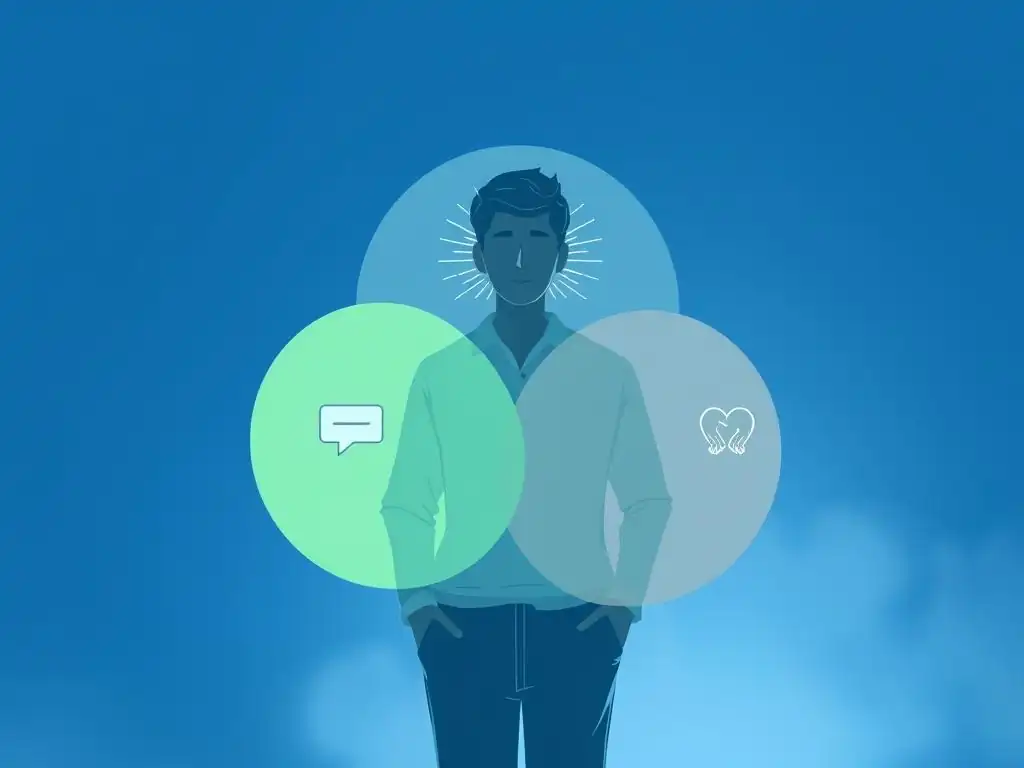
This section delves into practical strategies for communicating your boundaries effectively in the online dating world. Mastering this skill is crucial for fostering respectful interactions and protecting your emotional well-being. We'll explore how to establish clear boundaries from the outset, navigate challenging conversations, and respond assertively yet respectfully to inappropriate behavior.
Remember, setting boundaries isn't about being unfriendly; it's about self-respect and attracting compatible partners who value your needs. This empowers you to cultivate healthier and more fulfilling online dating experiences, increasing your chances of finding a meaningful connection. Effective communication is the cornerstone of successful online dating, and clearly articulated boundaries are a key component of that communication.
Setting Boundaries in Your Online Dating Profile: Creating a Safe Space
Your online dating profile is your first impression – a digital handshake that sets the tone for future interactions. By strategically incorporating boundary-setting language, you create a safer space and attract individuals who respect your values. Avoid vague statements; instead, be direct and specific. For example, instead of saying "Looking for someone serious," try: "Seeking a committed relationship with someone who values honesty and open communication." This clearly communicates your desire for a serious relationship and filters out those seeking casual encounters.
Consider adding information about your lifestyle and preferences to further establish boundaries. Are you looking for someone who shares your commitment to fitness? Do you prefer a partner who is environmentally conscious? Including these details subtly communicates your values and helps attract like-minded individuals. Think of your profile as a carefully curated introduction, showcasing not only your personality but also your non-negotiables.
Here’s a table illustrating the difference between vague and clear boundary-setting in dating profiles:
| Vague Statement | Clear Statement |
|---|---|
| Looking for someone nice. | Seeking a kind and respectful partner who values mutual respect. |
| Not into games. | I value honesty and direct communication. |
| Want someone who is active. | Enjoy hiking and outdoor activities; seeking a partner with similar interests. |
| Looking for a long-term relationship. | Seeking a committed relationship with a view to marriage. |
Remember, your profile is a powerful tool; use it wisely to attract compatible partners who respect your boundaries from the start. This proactive approach minimizes the potential for mismatched expectations and unpleasant interactions down the line. The goal is to attract individuals aligned with your values and relationship goals, ensuring a more positive and productive online dating experience.
Communicating Boundaries Through Direct Messaging: Examples and Templates
Once you've made initial contact, direct messaging becomes the primary avenue for setting and reinforcing boundaries. Being direct and assertive is key, but maintaining a respectful tone is equally important. Avoid accusatory language and focus on clearly stating your needs and expectations.
Here are some examples of how to communicate boundaries in different scenarios:
- Setting a time limit for messaging before meeting: "I enjoy getting to know people online, but I prefer to meet in person relatively quickly to see if there's a connection. Would you be interested in meeting for coffee next week?"
- Establishing expectations about sharing personal information: "I'm happy to share more about myself as we get to know each other better, but I'm not comfortable sharing [specific sensitive information] until we've met in person and built trust."
- Addressing inappropriate or overly forward messages: "I appreciate your interest, but your message made me uncomfortable. I'm looking for respectful communication and would appreciate it if you could refrain from [specific behavior]."
Using templates can be helpful, especially when dealing with difficult conversations. Here's a template you can adapt:
"I'm writing to you because I felt [uncomfortable/disrespected/etc.] by [specific action or message]. My boundary is [clearly state your boundary]. I hope we can continue this conversation respectfully, keeping this boundary in mind."
Remember to be firm but polite. Your goal is to set a clear expectation, not to start an argument. Consistency is key; if a boundary is violated, reiterate it calmly and firmly. If the behavior continues, you may need to end the conversation. Prioritizing your well-being is paramount in online dating.
Handling Boundary Violations: Responding to Inappropriate Behavior Online
Despite your best efforts, you might encounter boundary violations. This could range from subtle disrespect to overtly inappropriate behavior. It's crucial to respond assertively and protect your well-being.
First, document the violation. Save screenshots or copies of messages. This evidence is helpful if you need to report the behavior to the dating platform. Then, decide on your response. A direct and assertive message, similar to the templates above, is usually effective. If the behavior continues despite your clear communication, consider blocking the user and reporting them to the platform.
Remember, you have the right to protect yourself. Don't feel pressured to engage with someone who disrespects your boundaries. Your safety and emotional well-being are more important than maintaining a potentially damaging interaction. Reporting inappropriate behavior helps create a safer online dating environment for everyone. Prioritizing your well-being is not selfish; it's essential for a healthy and fulfilling online dating experience. Remember, you deserve respect.
Saying "No" Confidently and Respectfully Online
Saying "no" is a fundamental aspect of setting boundaries, and online dating presents unique challenges in this regard. It's crucial to develop strategies for refusing requests or declining dates in a way that's both assertive and considerate. Remember, you have the right to decline any interaction without feeling obligated to provide extensive justifications. Over-explaining can open the door to further pressure or unwanted arguments.
One effective technique is to use concise and polite statements. Instead of lengthy explanations, try phrases like, "Thank you for the invitation, but I'm not available then," or "I appreciate your interest, but I'm not feeling a romantic connection." These responses clearly communicate your disinterest without engaging in unnecessary debate. Avoid apologetic language; you don't need to apologize for prioritizing your own needs and preferences.
Consider the context of your "no." If you're declining a date suggestion, a simple, "I'm not available that day," might suffice. However, if someone is persistently crossing your boundaries, a firmer response might be necessary. For instance, if someone is sending inappropriate messages, a clear and direct "I'm uncomfortable with these messages; please stop contacting me" is appropriate. In extreme cases, you might need to block the user.
Remember, your comfort and safety are paramount. Don't feel pressured to engage with anyone who makes you feel uneasy. Setting boundaries online is an ongoing process, and learning to say "no" confidently and respectfully is a valuable skill in navigating the complexities of online dating. Practicing these techniques will help you build a safer and more positive online dating experience.
Mastering this skill empowers you to attract individuals who respect your boundaries and value your well-being. The ability to say "no" effectively contributes significantly to healthy relationship dynamics, both online and offline. It's a crucial element of self-respect and assertiveness, essential for building meaningful connections. Don't underestimate the power of a well-placed, confident "no" in establishing and maintaining healthy online interactions.
Protecting Yourself Online: Safety and Security Measures
Online dating offers exciting possibilities, but it's crucial to prioritize your safety and security. Effective communication of your boundaries is a key component of this. Failing to establish and maintain these boundaries can lead to uncomfortable or even dangerous situations. This section focuses on practical steps you can take to protect yourself while navigating the online dating world. Remember, your safety is paramount.
Protecting Your Personal Information: Sharing Only Necessary Details
One of the most important aspects of online dating boundary communication is controlling the information you share. Avoid oversharing personal details, especially in your initial interactions. This includes your full address, workplace address, exact location, and financial information. Consider these points:
- Profile Information: Keep your profile information concise and avoid revealing too much. Instead of stating your exact location, you could mention the general area you live in (e.g., "near downtown"). Similarly, instead of listing your full job title, you can provide a general description (e.g., "working in finance").
- Initial Conversations: During initial conversations, stick to general topics and avoid sharing sensitive personal details. Get to know someone gradually and build trust before divulging private information.
- Phone Number and Social Media: Don't rush into sharing your phone number or social media profiles. Wait until you've met the person in person or have established a significant level of trust. Even then, proceed with caution.
- Verification of Profiles: Many dating platforms offer profile verification features. Utilize these features to help ensure you are interacting with genuine profiles. This adds an extra layer of security to your online dating experience.
Remember, it's better to err on the side of caution. Sharing too much information too early can put you at risk. Think of it as building a relationship brick by brick – you wouldn't reveal your entire life story on the first date, would you? The same principle applies to online dating.
Managing Expectations and Avoiding Misunderstandings
Clear communication is key to managing expectations and avoiding misunderstandings. This involves stating your intentions, preferences, and boundaries upfront. Avoid vague language and be direct about what you're looking for and what you're not comfortable with. Consider these strategies:
- Be upfront about your relationship goals: Are you looking for a casual relationship, a serious relationship, or something else entirely? Clearly stating your intentions helps to attract compatible partners and avoid wasting time with those who have different goals.
- Communicate your dating preferences: What are you looking for in a partner? What are your dealbreakers? Communicating your preferences early on can help to save you time and energy.
- Set boundaries around communication frequency and style: How often do you prefer to communicate? What platforms are you comfortable using? Being upfront about your communication preferences can prevent misunderstandings and potential conflicts.
- Define your comfort levels for physical intimacy: Establish clear boundaries around physical intimacy and stick to them. Don't feel pressured to do anything you're not comfortable with.
This proactive approach demonstrates respect for yourself and your time, and it helps to attract individuals who respect your boundaries. Remember, healthy relationships are built on mutual respect and understanding.
Utilizing Online Dating Platform Features for Safety and Security
Most online dating platforms offer safety features designed to protect users. Familiarize yourself with these features and use them to enhance your safety and security. Consider these examples:
| Feature | Description | How it helps with boundary communication |
|---|---|---|
| Blocking and Reporting | Allows you to block users and report inappropriate behavior. | Provides a mechanism to immediately address boundary violations. |
| Location Sharing (optional) | Some platforms allow you to share your location with trusted contacts. | Allows friends or family to know your whereabouts during dates. |
| Verification Features | Many platforms offer profile verification features to confirm user authenticity. | Helps to ensure you are interacting with genuine profiles. |
| In-App Communication | Encourages communication through the platform's messaging system. | Offers a safer alternative to sharing personal contact information early. |
By using these features effectively, you create a safer online dating environment for yourself. Remember, your well-being is the priority. Don't hesitate to utilize all the tools available to you. These features are there to help you navigate the online dating world safely and confidently. Prioritizing your safety and setting clear boundaries are key elements of successful and enjoyable online dating experiences.
Recognizing and Avoiding Red Flags in Online Communication
Online dating presents unique challenges, and learning to identify red flags in communication is crucial for your safety and well-being. Red flags aren't always obvious; they can be subtle hints of potential problems. It's important to trust your instincts – if something feels off, it probably is. Don't dismiss your gut feeling.
One common red flag is inconsistent or evasive communication. Someone who frequently cancels plans, provides vague answers to your questions, or avoids direct conversations might be hiding something. For example, if they consistently refuse to answer simple questions about their work or hobbies, or if their responses are unusually short and dismissive, that's a significant warning sign. Remember, healthy communication is open and honest.
Another major red flag is pressure to move too quickly. This could manifest as intense declarations of love or commitment early on, pressure to share personal information prematurely, or persistent attempts to meet in person before you feel comfortable. Healthy relationships develop gradually, with mutual respect for each other's pace and boundaries. Someone who pressures you to move faster than you're ready for might be trying to manipulate or control you. A good example is someone who insists on meeting in person after only a few messages, especially if they're pressuring you to meet in a secluded location.
Furthermore, pay close attention to aggressive or controlling language. This could include belittling comments, threats, or attempts to dictate your behavior. Even subtle forms of controlling language, such as excessive questioning about your whereabouts or activities, should be taken seriously. For instance, repeated questioning about your relationships with friends or family, or demanding explanations for your choices, can be a sign of manipulative behavior. Online dating should be a positive experience; it shouldn't feel like an interrogation or a power struggle.
Finally, be wary of excessive flattery or unrealistic promises. While compliments are nice, excessive flattery that feels insincere or overly enthusiastic can be a red flag. Similarly, be cautious of anyone who makes grandiose promises or claims to be able to solve all your problems. These actions often mask ulterior motives.
For example, someone promising you the world within a few days of connecting online, especially promising financial assistance or other unrealistic benefits, is a classic red flag. Trust your judgment and avoid anyone who seems too good to be true. Remember, building a genuine connection takes time and effort; it shouldn't feel forced or rushed. Prioritizing your safety and well-being is paramount in the world of online dating.
Maintaining Healthy Online Dating Relationships: Respect and Communication

Effective communication is the bedrock of any healthy relationship, and online dating is no exception. Building respectful interactions from the outset is crucial for a positive experience and minimizing potential harm. This section focuses on practical strategies to cultivate respectful communication in the online dating sphere, directly addressing the challenges unique to this environment. Mastering these skills will significantly enhance your online dating journey, leading to more fulfilling and safer connections. Remember, clear and consistent communication is key to establishing and maintaining healthy boundaries.
Building Respectful Online Interactions: Fostering Positive Communication
The initial stages of online dating often involve exchanging messages. It's during this phase that you can subtly, yet effectively, establish your boundaries. Avoid overly familiar or suggestive language in early conversations. If someone crosses a boundary, politely but firmly address it. For instance, if someone sends an inappropriate picture or makes a sexually aggressive comment, a simple, "I'm not comfortable with that kind of language/image. Let's keep the conversation respectful," is sufficient. Don't be afraid to unmatch or block users who persistently ignore your boundaries. Remember, you have the right to choose who you interact with and how.
Many find it helpful to explicitly state their expectations early on. For example, you might say, "I'm looking for a respectful and honest connection," or "I prefer to keep conversations respectful and avoid sexually explicit content until we've met in person." This proactive approach sets the tone for the interaction and minimizes misunderstandings. Consistency is key—if you've stated a boundary, stick to it. Ignoring violations can inadvertently encourage further transgressions.
Consider using humor to diffuse tense situations, but only if it feels natural and appropriate. A well-placed joke can sometimes help redirect a conversation that's veering into uncomfortable territory. However, avoid sarcasm or anything that might be misinterpreted. The goal is to maintain a respectful and comfortable atmosphere. Remember that your comfort and safety are paramount.
Here's a simple table summarizing effective communication strategies:
| Strategy | Description | Example |
|---|---|---|
| Set clear expectations | State your preferences and boundaries upfront. | "I'm looking for a genuine connection, and I prefer to avoid overly familiar language." |
| Respond directly but calmly | Address boundary violations directly, yet politely. | "I'm not comfortable with that comment. Please respect my boundaries." |
| Unmatch/block | Don't hesitate to remove users who repeatedly disrespect your boundaries. | (Action, not a specific phrase) |
| Use humor (carefully) | Diffuse tension with appropriate humor, but avoid sarcasm or misinterpretation. | "Haha, that's a bit forward! Let's keep it light and fun for now." |
Maintaining Boundaries After Meeting Offline: Transitioning to In-Person Interactions
The transition from online to offline interactions requires a renewed focus on boundary maintenance. While the initial online communication set the stage, in-person interactions present new challenges. Before the first date, communicate your expectations regarding the date's location, duration, and activities. Having a plan helps establish a safe and comfortable environment. If you're uncomfortable with a particular suggestion, don't hesitate to propose alternatives. Remember, you're in control of your experience.
During the date, pay attention to your physical and emotional comfort levels. If something makes you uneasy, politely but firmly address it. If you feel pressured to do something you don't want to do, politely decline. It's essential to have an exit strategy planned in advance, such as a friend you can text to check in or a ride you can call. This provides a sense of security and control, especially on a first date.
After the date, regardless of whether you want a second date, communicate your feelings honestly and directly. If you felt uncomfortable at any point, let the other person know. This feedback, while potentially uncomfortable to deliver, helps to foster a culture of mutual respect and accountability. Remember, your feelings are valid, and expressing them is crucial for maintaining healthy boundaries. Honesty, even when difficult, strengthens your position and empowers you to make informed decisions in future interactions.
Seeking Support When Needed: Resources for Online Dating Challenges
Navigating the complexities of online dating can be challenging, and it's perfectly acceptable to seek support when needed. If you've experienced harassment, abuse, or other negative interactions, remember you are not alone. There are resources available to help you cope and navigate these challenging situations. Many organizations offer support for victims of online harassment and abuse. These organizations can provide guidance, emotional support, and practical advice.
Remember, establishing and maintaining healthy boundaries is a continuous process. It requires self-awareness, clear communication, and the willingness to prioritize your well-being. By implementing these strategies, you can create a safer and more fulfilling online dating experience. Prioritizing your safety and comfort is crucial, and don't hesitate to seek support if needed. Your emotional well-being is paramount.
Adjusting Boundaries Over Time: Adapting to Evolving Relationships
Online dating, unlike meeting someone in person, unfolds gradually. Initial interactions often involve carefully constructed profiles and cautious messaging, reflecting a natural need for safety and self-protection. As you get to know someone better, however, your comfort levels and boundaries might shift. This is perfectly normal and healthy. The key is to communicate these changes openly and honestly.
For example, you might initially set a boundary of only communicating through the dating app for the first week. After a few positive exchanges and a phone call, you might feel comfortable exchanging numbers and texting. This progression is fine, provided you communicate this shift to your date. A simple message like, "I've enjoyed our conversations so far, and I'm feeling comfortable sharing my phone number now," sets the stage for continued mutual respect.
Conversely, situations can arise where you need to re-adjust boundaries. Perhaps you initially agreed to meet for coffee but, after a few more interactions, you realize you're not feeling as comfortable as you initially thought. It’s perfectly acceptable to adjust your plans, perhaps suggesting a more public setting or shortening the meeting. Honesty is key; explain that you’re still getting to know them and want to ensure your safety and comfort. Don't feel pressured to move faster than you're comfortable with, even if your date expresses disappointment. Your feelings and safety are paramount.
Remember, healthy relationships are built on mutual respect and understanding. Open communication about evolving boundaries ensures both partners feel safe and valued. Regularly check in with yourself and your date to assess if the boundaries you've established are still working for both of you. Flexibility and honest dialogue are crucial for navigating the complexities of online dating and fostering a healthy relationship.
Ignoring your gut feelings or feeling pressured to compromise your boundaries can lead to uncomfortable or even unsafe situations. Prioritizing your well-being is always the right choice. The ability to communicate evolving needs is a sign of a strong and healthy relationship, even at the initial stages.
Mastering Online Dating Boundary Communication: Long-Term Strategies
This section focuses on developing sustainable strategies for communicating your boundaries in online dating, ensuring your well-being and fostering healthy relationships. Effective boundary communication isn't a one-time event; it's an ongoing process of self-reflection, skill refinement, and self-care. Think of it as an investment in your emotional health and the quality of your future relationships. Mastering this skill significantly improves your online dating experience and increases your chances of finding a compatible partner who respects your needs.
Reflecting on Your Experiences: Learning from Past Interactions
Analyzing past online dating interactions, both positive and negative, is crucial for identifying patterns in your boundary communication. Did you struggle to assert your needs? Did you compromise your values to appease potential partners? Were there instances where your boundaries were clearly violated? Consider journaling about these experiences. Ask yourself:
- What were the specific situations where you felt uncomfortable or disrespected?
- How did you respond in those moments? Did you communicate your boundaries effectively?
- What could you have done differently?
- What are your key values and non-negotiables in a relationship?
By honestly reflecting on these experiences, you can identify areas for improvement and develop more effective communication strategies. For example, if you consistently found yourself agreeing to dates or activities you didn't want to do, you might need to practice saying "no" more assertively. If you experienced ghosting after setting boundaries, perhaps your communication wasn't clear enough, or you need to improve how you handle rejection. This reflective process empowers you to shape your future interactions.
Remember, learning from past mistakes is a vital step in improving your online dating boundary communication. It's not about dwelling on negativity, but about extracting valuable lessons that will shape your future interactions. The goal is to transform past disappointments into opportunities for growth and improved self-advocacy.
Refining Your Communication Skills: Continuous Improvement
Effective boundary communication requires clear, concise, and assertive language. Avoid passive-aggressive statements or hints; instead, use "I" statements to express your needs and feelings directly. For instance, instead of saying, "You're always messaging me late at night," try, "I prefer to communicate during the day, as it's easier for me to respond then." Practice stating your boundaries calmly and confidently, even when facing potential conflict. This confidence is key to maintaining healthy boundaries.
Consider role-playing with a trusted friend or family member to practice assertive communication. This allows you to refine your approach in a safe environment before applying it to actual online dating interactions. Focus on your tone of voice and body language (even if it's virtual) as these nonverbal cues play a crucial role in how your message is received. Remember, your online profile is also a form of communication. Ensure that it accurately reflects your values and boundaries.
Consistent self-improvement is essential for mastering online dating boundary communication. It's a skill that requires constant practice and refinement. The more you practice, the more confident and effective you'll become at setting and maintaining healthy boundaries in your online interactions.
Prioritizing Your Wellbeing: Self-Care in Online Dating
Online dating can be emotionally taxing. Prioritizing your well-being is crucial for maintaining healthy boundaries and avoiding burnout. Engage in regular self-care activities to reduce stress and maintain a positive outlook. This might include exercise, meditation, spending time in nature, pursuing hobbies, or connecting with supportive friends and family. Remember, you can't pour from an empty cup. Self-care isn't selfish; it's essential for your overall health and happiness.
Setting boundaries doesn't mean isolating yourself. It means protecting your emotional and mental health while still engaging in online dating. Avoid over-investing emotionally in early stages of online interactions. Focus on building genuine connections based on mutual respect and understanding. If you find yourself feeling overwhelmed or stressed, take a break from online dating. Your well-being should always come first. Remember, healthy boundaries are a sign of self-respect and contribute to a more fulfilling online dating experience. Prioritize your mental and emotional health—it's the foundation for a successful and fulfilling online dating journey.
Building Confidence in Boundary Setting: Self-Empowerment in Online Dating
Building confidence in setting boundaries online requires a shift in mindset. It's about recognizing your self-worth and understanding that your needs are valid. Many people struggle with setting boundaries because they fear rejection or conflict. However, setting clear boundaries isn't about being rude; it's about protecting your emotional and mental well-being. This is crucial in the often unpredictable world of online dating. Remember, you deserve respect, and setting boundaries is a powerful way to command that respect.
One effective strategy is to practice self-compassion. Acknowledge that it's okay to say no, to prioritize your own needs, and to protect yourself from potentially harmful situations or individuals. Instead of viewing boundary-setting as a negative act, reframe it as self-care. It's an act of self-love and empowerment, demonstrating that you value your time, energy, and emotional well-being. This positive perspective can significantly boost your confidence.
Consider journaling to identify your personal values and needs. What are your non-negotiables in a relationship? What kind of interactions make you feel uncomfortable or unsafe? By clearly articulating these aspects of yourself, you’ll find it easier to communicate your boundaries with confidence. This self-reflection process strengthens your resolve and provides a clear framework for your interactions. Use this journal as a reference point when facing challenging situations online.
Another valuable technique is role-playing. Practice assertively communicating your boundaries with a trusted friend or family member. This simulated environment allows you to refine your communication style and build confidence before facing real-world scenarios. You can rehearse various scenarios, from politely declining unwanted advances to firmly stating your expectations. This practice helps to reduce anxiety and improve your ability to express yourself clearly and confidently. Remember, practice makes perfect, especially when it comes to confidently asserting your needs. The more you practice, the more natural and comfortable it will become.
Moreover, remember that setting boundaries isn’t a one-time event; it’s an ongoing process. Be prepared to reiterate your boundaries as needed. Consistency is key to ensuring that your boundaries are respected. Don't be afraid to adjust your boundaries as you gain experience and learn more about your needs and preferences. Online dating is a journey of self-discovery, and your boundaries may evolve over time. This is perfectly normal and reflects your growth and understanding of yourself. Embrace the process, and remember that your well-being is paramount.
Frequently Asked Questions
How can I set boundaries in my online dating profile?
You can set boundaries by clearly stating your dealbreakers and expectations upfront. For example, mention your desired relationship type (casual or serious), age range, and lifestyle preferences. This helps attract compatible matches and filters out those who aren't a good fit.
What if someone ignores my boundaries?
If someone disregards your stated boundaries, immediately cease communication. Don't engage in arguments or try to reason with them; your safety and well-being are paramount. Report them to the dating platform if necessary.
How do I communicate my boundaries during initial online conversations?
Start by being direct and assertive, but also kind and respectful. For instance, you could say, "I'm looking for a serious relationship, and I'm not interested in casual hookups." This sets the tone early on.
How can I handle uncomfortable or inappropriate messages?
Don't respond to messages that make you feel uneasy or violated. Block and report the sender to the dating platform. Your comfort and safety should always come first. Remember, you have the right to end any interaction.
What are some common online dating boundaries to consider?
Consider setting boundaries around sharing personal information, meeting in person, and frequency of communication. Don't feel pressured to share more than you're comfortable with, and always prioritize your safety.
Final Reflection: Reclaiming Your Digital Space: Boundaries and Online Dating
The ability to communicate boundaries clearly and confidently online is no longer a luxury; it's a necessity. In today's hyper-connected world, where our personal lives increasingly intersect with digital platforms, establishing healthy boundaries is crucial for maintaining well-being and fostering respectful interactions, especially within the often-complex landscape of online dating.
The impact of learning to set and communicate boundaries extends far beyond the realm of online dating; it shapes our overall digital experience and influences how we interact with others in the virtual world. It's about reclaiming our personal space and agency in a digital environment that often feels overwhelming and intrusive. The only way to do great work is to love what you do. If you haven't found it yet, keep looking. Don't settle.
– Steve Jobs. While seemingly unrelated, this quote speaks to the importance of finding your own comfort level online and not settling for less than respectful interactions. Finding that comfort requires clear boundary setting.
Now, consider how you can apply these strategies to your own online interactions. Think about the boundaries you want to establish, not just in dating profiles, but across all your digital platforms. Practice articulating them clearly and confidently. Remember, setting boundaries isn't selfish; it's a vital act of self-respect and a crucial step towards creating a safer, healthier, and more fulfilling online experience. Take control of your digital life – you deserve it.
Take Control: Set Healthy Online Boundaries Today!
Thank you for learning how to communicate your boundaries online! You now have the tools to create safer and more positive online interactions. Ready to apply this knowledge?
- Start by implementing one boundary strategy from this week's article. Begin with a manageable area and observe the positive impact.
- Share this article with a friend who might also benefit from learning about setting clear online boundaries. Let's support each other!
- Consider joining our online forum to discuss your experiences and exchange tips with other members. It's a supportive community where you can connect with like-minded individuals.
What's one specific online boundary you'll confidently communicate this week?