
Unlock Your Online Dating Potential: IntrovertExtrovert Compatibility Secrets


Ready to rewrite your online dating story? At OnlineDatingSuccess.org, we empower you to find genuine connections. Discover the surprising secrets to navigating the world of online dating, especially when it comes to dating introvert extrovert compatibility. Is your personality type hindering your success? Learn how to leverage your strengths and overcome challenges to build meaningful relationships – explore the strategies now and unlock your online dating potential!
- Understanding Introvert and Extrovert Personalities in Online Dating
- Navigating the Challenges of Introvert-Extrovert Dating Online
-
Tips for Successful Introvert-Extrovert Online Dating
- Crafting Compelling Profiles that Attract Both Introverts and Extroverts
- Initiating Conversations: Strategies for Introverts and Extroverts
- Maintaining Healthy Communication: Balancing Introverted and Extroverted Needs
- Planning Dates that Cater to Both Personalities: Balancing Introverted and Extroverted Preferences
- First Date Dynamics: Understanding Introvert and Extrovert Behavior
- Long-Term Compatibility: Building a Lasting Relationship
- Overcoming Common Misconceptions About Introvert-Extrovert Relationships
- Final Thoughts: Embracing Differences for a Fulfilling Online Dating Experience
-
Frequently Asked Questions
- Can introverts and extroverts have successful relationships through online dating?
- What are the biggest challenges introverts face when online dating?
- How can extroverts best approach dating introverts online?
- What are some tips for introverts to create successful online dating profiles?
- Are there specific online dating platforms better suited for introvert-extrovert pairings?
- Final Reflection: Bridging the Introvert-Extrovert Divide in Dating
- Unleash Your Dating Magnetism: Find Your Perfect Match
Understanding Introvert and Extrovert Personalities in Online Dating
Online dating presents a unique set of challenges and opportunities, particularly when navigating the complexities of introvert-extrovert compatibility. This article delves into the nuances of these personality types within the digital dating landscape, offering practical insights to help you understand, appreciate, and even leverage these differences to build meaningful connections. We'll explore how introverts and extroverts approach online dating, from crafting profiles to initiating conversations, and ultimately, how to find success regardless of your personality type or your potential partner's.
Understanding these dynamics is crucial for increasing your chances of finding a compatible match and fostering a lasting relationship, even in the often-overwhelming world of online dating. Successfully navigating the dating world as an introvert or extrovert, or even as someone in between, requires self-awareness and a strategic approach. Let's unlock the secrets to dating success by understanding the interplay of introversion and extroversion.
Defining Introversion and Extroversion in the Digital Age
The terms "introvert" and "extrovert" are often misunderstood. They aren't about shyness or sociability, but rather about where individuals gain and expend energy. Extroverts, generally, gain energy from social interaction and external stimulation. They often thrive in busy environments and enjoy expressing themselves outwardly. In the context of online dating, this might manifest as creating lively, engaging profiles with lots of photos and detailed descriptions. They might also be more proactive in initiating conversations and sending messages.
Introverts, conversely, gain energy from solitude and reflection. They often find large social gatherings draining and prefer deeper, more meaningful connections with fewer people. In online dating, this might translate into a more thoughtful, less outwardly expressive profile. They might take more time to respond to messages, preferring quality over quantity. It's important to note that these are general tendencies; individuals fall along a spectrum, and many exhibit traits of both introversion and extroversion (ambiverts). The key is recognizing your own energy preferences and how they influence your online dating experience.
Recognizing Your Personality Type: Are You an Introvert, Extrovert, or Ambivert?
Identifying your personality type is the first step towards online dating success. While there are formal personality tests, consider these questions to better understand yourself:
- Do you find social gatherings energizing or draining? Extroverts often feel energized after socializing, while introverts often need time alone to recharge.
- Do you prefer deep conversations with a few close friends or more superficial interactions with many people? Introverts often prefer quality over quantity in their relationships.
- How do you typically express yourself – outwardly or inwardly? Extroverts tend to be more expressive and outgoing, while introverts may be more reserved.
- Do you initiate conversations easily or prefer others to reach out to you? Extroverts are typically more proactive in initiating contact.
- How much time do you spend on social media and online platforms? Extroverts might spend more time engaging on social media, while introverts might use it more selectively.
Honest reflection on these questions will provide valuable insights into your personality type. Remember, there's no "better" type; understanding your strengths and preferences will help you navigate the online dating world more effectively. Many people fall somewhere in between – the ambiverts – and possess a blend of introverted and extroverted traits.
How Introversion and Extroversion Manifest in Online Dating Profiles
The way introverts and extroverts present themselves online often reflects their personality. Extroverted profiles tend to be visually striking, featuring multiple high-quality photos showcasing their active lifestyle. Their bios are often detailed and engaging, highlighting their interests and personality with enthusiasm. They might use humor and emojis liberally.
Introverted profiles, on the other hand, might be more minimalist. They might focus on a few high-quality photos that reflect their personality authentically. Their bios might be more concise, focusing on their values and interests in a thoughtful way, potentially avoiding overly exuberant language or excessive emojis. Understanding these common tendencies can help you interpret profiles and connect with potential partners more effectively. Remember, first impressions matter, but authenticity is key. Let your personality shine through, whether you're an introvert or an extrovert.

Online dating presents a unique set of challenges, particularly for pairings of introverts and extroverts. Understanding the fundamental differences in communication styles, social needs, and relationship expectations is crucial for navigating this landscape successfully. This section delves into the specific hurdles and offers practical strategies to foster compatibility and build meaningful connections. Successfully navigating these differences can unlock a fulfilling relationship, proving that the "opposites attract" adage can indeed hold true in the digital dating world. The key lies in recognizing and respecting these inherent differences, rather than viewing them as insurmountable obstacles.
Communication Styles: Bridging the Gap Between Introverts and Extroverts
Introverts and extroverts often exhibit vastly different communication styles. Extroverts, for example, tend to thrive in lively, engaging conversations, often preferring to communicate frequently and openly, even about trivial matters. They recharge through social interaction. They might send multiple messages a day, initiate video calls, and enjoy lengthy phone conversations.
Conversely, introverts often prefer more thoughtful, deliberate communication. They value quality over quantity, favoring deeper connections and meaningful conversations over constant chatter. They might prefer email or text messaging over calls, and need ample time to process information before responding. They recharge by spending time alone.
This difference can lead to misinterpretations. An extrovert might perceive an introvert's infrequent messaging as disinterest, while an introvert might feel overwhelmed by an extrovert's constant communication. Successful online dating between introverts and extroverts requires clear and open communication about these preferences. For example, setting expectations early on—such as, "I'm an introvert, so I may take some time to respond to messages, but I appreciate thoughtful communication"—can prevent misunderstandings and foster a healthy dynamic.
Consider this example: an extroverted dater might send a series of playful emojis and quick messages throughout the day, while an introverted dater might prefer a single, well-crafted message expressing their thoughts and feelings in detail. Both approaches are valid, but understanding the nuances is key to avoiding conflict. Empathy and patience are essential tools for bridging this communication gap.
Matching Communication Preferences for Successful Online Interactions
Successfully navigating the communication differences between introverts and extroverts in online dating requires a willingness to adapt and compromise. It’s not about changing who you are, but about finding common ground and respecting each other's communication styles.
Here’s a table summarizing effective strategies:
| Introvert Preference | Extrovert Preference | Strategies for Compatibility |
|---|---|---|
| Thoughtful, concise messages | Frequent, engaging messages | Schedule regular communication times; clearly state your communication preferences early on; appreciate the other person's style. |
| Email or text | Phone calls or video chats | Offer choices; alternate communication methods; find a comfortable balance. |
| Time to process information before responding | Quick responses | Be patient; allow for thoughtful responses; avoid pressuring for instant replies. |
| Deep conversations | Broader range of topics | Find common interests; balance deep conversations with lighter exchanges; actively listen to the other person. |
Implementing these strategies fosters mutual understanding and prevents miscommunication. Remember that compromise is key; both partners need to be willing to meet each other halfway. For instance, an extrovert could limit their daily messages to allow their introverted partner time to process, while the introvert could initiate a video call occasionally to show engagement.
Beyond communication styles, introverts and extroverts have different social needs that impact their online dating experiences. Extroverts often derive energy from social interactions and may seek frequent dates and outings. They might feel energized by meeting new people and exploring various social activities.
Introverts, on the other hand, typically require more alone time to recharge. They might prefer more intimate, one-on-one interactions and may need more time to process their feelings after social engagements. They may feel drained by excessive socializing.
Managing expectations around social needs is paramount. Openly discussing comfort levels with social activities early in the dating process is essential. For instance, an extrovert might suggest a series of dates with varying levels of social interaction, while an introvert could clearly communicate their need for downtime between activities. Compromise is again key: the couple could alternate between more social and more solitary activities to cater to both partners' needs.
Finding this balance is crucial for long-term compatibility. A successful relationship will respect and accommodate these differing needs, creating a space where both individuals feel comfortable and valued. This might involve scheduling "recharge" time for the introvert after a social outing, or planning quieter dates alongside more lively events. The key is open communication and mutual respect for each other's energy levels and preferences.
Tips for Successful Introvert-Extrovert Online Dating
This section delves into practical strategies for navigating the complexities of online dating when you're an introvert or extrovert, or are dating someone who is. Understanding these differences is key to fostering genuine connections and building lasting relationships. Successful online dating for introverts and extroverts hinges on recognizing and respecting these inherent personality traits. Remember, compatibility isn't about finding an identical match, but about finding someone whose differences complement your own.
Crafting Compelling Profiles that Attract Both Introverts and Extroverts
Creating an online dating profile that resonates with both introverts and extroverts requires a nuanced approach. You need to showcase your personality authentically while catering to the preferences of both groups. Extroverts often gravitate towards vibrant, energetic profiles with lots of social activity showcased. Introverts, on the other hand, may prefer more thoughtful, insightful profiles that highlight personal interests and passions.
The key is balance. Don't shy away from showing your personality, whether you're an introvert or extrovert. However, avoid overwhelming the reader with excessive information or overly boastful language. Here's a breakdown:
- For Introverts: Highlight your passions and interests. Mention hobbies that showcase your thoughtful side – reading, writing, crafting, photography, etc. Use descriptive language to paint a picture of your inner world. A well-written, concise profile speaks volumes. Avoid generic phrases.
- For Extroverts: Showcase your active social life, but do so thoughtfully. Instead of simply listing activities, weave them into a narrative that reveals your personality. For example, instead of "Love to travel," try "My recent trip to [location] ignited my passion for [specific aspect of travel]."
- For Both: Use high-quality photos that reflect your personality. Include a mix of solo shots and pictures with friends (but avoid overly crowded group photos). Write a compelling bio that's both informative and engaging. Proofread carefully for grammar and spelling errors. A well-crafted profile demonstrates attention to detail and self-respect – qualities attractive to both introverts and extroverts.
Consider this example: Instead of "I like hiking and movies," try: "Exploring hidden trails in nature recharges my soul, and I'm always up for a thought-provoking film discussion afterward. What are some of your favorites?" This approach appeals to both introverts (through the introspective language) and extroverts (through the suggestion of shared activity).
Initiating Conversations: Strategies for Introverts and Extroverts
Initiating conversations online requires different approaches depending on your personality type and that of your potential partner. Extroverts often feel more comfortable starting conversations directly and engaging in lively exchanges. Introverts, on the other hand, may prefer a more thoughtful and less overwhelming approach.
Here are some strategies:
- For Introverts Dating Extroverts: Start with a thoughtful comment referencing something specific in their profile. Show genuine interest in their hobbies or passions. Avoid generic greetings. A well-crafted, personalized message shows you've taken the time to learn about them.
- For Extroverts Dating Introverts: Be enthusiastic but not overwhelming. Keep your initial message concise and focused. Avoid long, rambling messages that might feel intimidating. Ask open-ended questions that encourage a thoughtful response. Give them space to respond at their own pace.
- For Introverts Dating Introverts: Appreciate the value of thoughtful communication. Take your time crafting a message that reflects your genuine interest. Don't be afraid to express your own vulnerabilities. Authenticity is key.
- For Extroverts Dating Extroverts: Embrace the energy! Engage in lively back-and-forth conversations. Be playful and spontaneous, but also respectful of boundaries. Remember that even extroverts value genuine connection.
| Personality Type | Initial Message Strategy | Follow-up Strategy |
|---|---|---|
| Introvert Dating Extrovert | Specific comment on profile, thoughtful question | Respond thoughtfully, don't over-message |
| Extrovert Dating Introvert | Concise, enthusiastic message, open-ended question | Give space, respond promptly but not excessively |
| Introvert Dating Introvert | Thoughtful, personalized message, show vulnerability | Respectful, considerate communication |
| Extrovert Dating Extrovert | Lively, engaging message, playful banter | Maintain energy, respect boundaries |
Remember, patience and understanding are crucial. Not every conversation will lead to a connection, but by adapting your approach, you increase your chances of finding someone compatible.
Maintaining Healthy Communication: Balancing Introverted and Extroverted Needs
Once you've initiated a connection, maintaining healthy communication requires understanding and adapting to different communication styles. Extroverts often prefer frequent and energetic exchanges, while introverts may need more space and time to process information.
- Establish Communication Boundaries: Discuss your communication preferences early on. This prevents misunderstandings and ensures both partners feel comfortable and respected. Openly sharing your needs fosters trust and understanding.
- Respect Different Communication Styles: Extroverts should be mindful of not overwhelming introverts with constant messages. Introverts should make an effort to respond promptly, even if it's a brief message.
- Find a Balance: Seek a rhythm of communication that works for both partners. This may involve a mix of frequent short messages and longer, more thoughtful conversations.
- Utilize Different Communication Channels: Consider using different communication methods to cater to different preferences. Texting might be suitable for quick updates, while phone calls or video chats could be reserved for deeper conversations.
Successful communication in any relationship requires effort and compromise. By understanding and respecting each other's needs, introvert-extrovert couples can cultivate strong and fulfilling connections. Remember, embracing your differences is key to building a lasting relationship. The key is mutual respect and understanding. ✨
Planning Dates that Cater to Both Personalities: Balancing Introverted and Extroverted Preferences
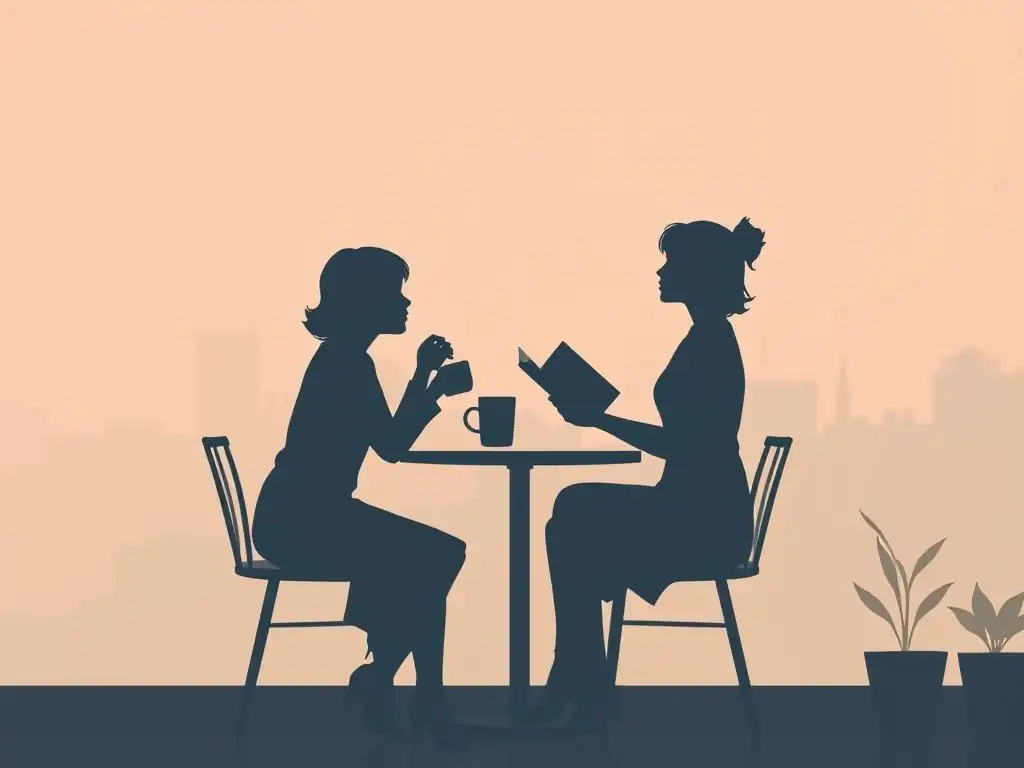
Planning dates that work for both introverts and extroverts requires careful consideration of each personality type's needs. Extroverts often thrive in social settings and enjoy bustling environments, while introverts often prefer quieter, more intimate experiences. The key to successful dating lies in finding a balance.
One effective strategy is to incorporate both types of activities into a single date, or even a series of dates. For example, you could start with a more low-key activity like a coffee date at a less crowded café, allowing for intimate conversation and a chance to connect one-on-one. This caters to the introvert's need for a less stimulating environment.
Later in the day, or on a subsequent date, you could transition to a more social event, such as attending a small, curated art opening or a live music performance in a smaller venue. This allows the extrovert to engage socially and experience a more stimulating environment.
Another approach is to alternate between introvert- and extrovert-focused activities. Perhaps one date involves a quiet hike in nature followed by a picnic with minimal distractions, while the next might be a lively cooking class or a visit to a bustling farmer's market. This allows both partners to experience activities they enjoy, fostering a sense of understanding and appreciation for each other's preferences.
Remember to communicate openly about your comfort levels and preferences; this demonstrates respect and builds trust. Flexibility and a willingness to compromise are crucial for successful dating, regardless of personality type. Don't be afraid to brainstorm creative date ideas together—the collaborative effort itself can be a bonding experience.
Finally, consider the timing and duration of your dates. Introverts may tire more easily from extended social interaction, so shorter, more focused dates might be preferable initially. As the relationship develops and trust grows, you can gradually increase the duration and intensity of social activities. The goal is to create a comfortable and enjoyable experience for both partners, ensuring that neither feels overwhelmed or underserved. Remember, the aim is to nurture connection, not to force a fit. A successful date is one where both individuals feel seen, heard, and appreciated for who they are.
First Date Dynamics: Understanding Introvert and Extrovert Behavior
First dates can be nerve-wracking for anyone, but the dynamics can be particularly interesting when an introvert and an extrovert are involved. Understanding the typical behavioral patterns of each personality type can significantly improve the chances of a successful first encounter.
Extroverts, often energized by social interaction, may initiate more conversation, ask a lot of questions, and generally be more outgoing and expressive. They might feel comfortable leading the conversation and filling any silences. It's important for the introvert to understand this isn't necessarily a reflection of the extrovert's disinterest, but rather their natural tendency to engage in this way.
Introverts, on the other hand, might require more time to warm up and may prefer to listen and observe initially. They might be more reserved in their communication style, offering thoughtful responses rather than dominating the conversation. This isn't necessarily shyness or disinterest; introverts simply process information differently and recharge through solitude.
Misunderstandings can arise if the extrovert interprets the introvert's quietness as disinterest or boredom. Similarly, the introvert might feel overwhelmed or pressured by the extrovert's constant talking. Open communication is key to navigating these potential challenges. The extrovert can make a conscious effort to slow down the pace of the conversation, creating space for the introvert to contribute.
This might involve asking open-ended questions that allow for deeper conversation rather than rapid-fire queries. The introvert can proactively communicate their preferences, perhaps indicating a need for some quieter moments or suggesting a change of environment if feeling overwhelmed. For example, a brief walk in a park could offer a welcome respite from a busy café setting.
Successful first dates between introverts and extroverts hinge on mutual respect and understanding. The extrovert can appreciate the introvert's thoughtful nature and value their insightful contributions. The introvert can learn to appreciate the extrovert's enthusiasm and energy, recognizing it as a positive trait rather than a threat.
Focusing on active listening, showing genuine interest in each other's perspectives, and creating a comfortable and relaxed atmosphere are crucial for building a positive first impression. Remember, a successful first date isn't about achieving a certain level of excitement or activity; it's about establishing a connection based on mutual respect and understanding. This foundation is crucial for building a lasting and fulfilling relationship.
Long-Term Compatibility: Building a Lasting Relationship
Building a lasting relationship between introverts and extroverts requires understanding, compromise, and a willingness to adapt. While initial attraction might stem from the differences – the extrovert's outgoing nature complementing the introvert's calm demeanor – long-term success hinges on navigating inherent personality clashes and fostering mutual respect. The key lies in recognizing that neither personality type is inherently "better" or "worse"; their differences simply represent diverse ways of interacting with the world. Successful pairings leverage these differences to create a balanced and fulfilling partnership. Ignoring these fundamental differences can lead to misunderstandings, resentment, and ultimately, relationship breakdown.
Respecting Boundaries: Balancing Individual Needs in a Relationship
Respecting personal boundaries is paramount in any relationship, but it's especially crucial for introvert-extrovert pairings. Extroverts often thrive on social interaction and may struggle to understand an introvert's need for solitude and quiet time. Conversely, introverts might find an extrovert's constant social engagements draining. Open communication is key here. Establishing clear boundaries, such as designated "alone time" for the introvert or understanding that the extrovert needs regular social interaction, helps prevent feelings of being overwhelmed or neglected.
For example, an extrovert might plan a weekly social gathering with friends, while the introvert might request a quiet evening at home afterward to recharge. This mutual respect for individual needs fosters a healthy and sustainable relationship dynamic. A successful strategy involves proactively scheduling individual time and shared time, ensuring both partners feel understood and valued. This prevents resentment and fosters a strong sense of mutual support.
Maintaining Connection: Strategies for Introverts and Extroverts
Maintaining a strong connection requires conscious effort from both partners. Extroverts might need to adjust their communication style to avoid overwhelming their introverted partner. This might involve choosing quieter date settings, listening more intently, and appreciating the introvert's thoughtful and often deeply insightful contributions to conversations.
Introverts, in turn, can challenge themselves to step outside their comfort zones occasionally, participating in activities that their extroverted partner enjoys, even if it means engaging in more social interactions than they typically prefer. Regular quality time, even if it's just a quiet evening at home, is vital. Finding creative ways to connect, such as shared hobbies, reading together, or engaging in meaningful conversations, strengthens the bond and prevents feelings of disconnection.
Remember, consistent effort and empathy are crucial for maintaining a thriving relationship. Consider adopting a “check-in” routine – a short daily or weekly conversation focusing on feelings and needs – to ensure both partners feel heard and understood.
While differences are celebrated in a healthy relationship, finding shared interests and activities is also crucial for long-term compatibility. This doesn't mean abandoning individual hobbies; instead, it involves discovering activities that both partners enjoy, even if their levels of engagement differ. For example, an extrovert might enjoy a lively group hike, while the introvert might prefer a quieter nature walk.
Finding a balance – perhaps alternating between group and individual activities – allows both partners to feel included and engaged. Exploring new activities together can also foster a sense of shared adventure and create lasting memories. The key is to be open-minded and willing to try new things, even if it means stepping outside of one's comfort zone.
This shared exploration strengthens the bond and fosters a sense of shared experience, which is invaluable for building a strong and enduring relationship. Consider creating a shared bucket list of activities to explore together, encouraging both individual interests and collaborative experiences. This proactive approach ensures both partners feel seen and valued within the relationship.
Long-Term Communication Strategies: Maintaining Open and Honest Dialogue
Maintaining open and honest communication is crucial for any relationship, but it's especially vital when navigating the differences between introverts and extroverts. Introverts, often preferring deeper, more meaningful conversations, might feel overwhelmed by an extrovert's constant need for social interaction. Conversely, extroverts might perceive an introvert's quiet nature as disinterest or aloofness. Bridging this gap requires conscious effort and understanding from both partners.
One effective strategy is to establish clear communication preferences early on. This involves openly discussing individual needs and expectations regarding communication frequency and style. For example, an extrovert might agree to schedule dedicated "quality time" for deeper conversations, allowing the introvert time to process and contribute meaningfully, rather than bombarding them with constant updates throughout the day.
Conversely, the introvert can actively make an effort to share their thoughts and feelings, even if it requires stepping outside their comfort zone. This might involve scheduling regular check-ins or using written communication methods, like texting or emailing, to express thoughts that might be harder to verbalize in person.
Another key aspect is active listening. Both introverts and extroverts need to practice truly hearing and understanding their partner's perspective. For extroverts, this might mean slowing down and allowing the introvert time to formulate their thoughts. For introverts, it might mean actively engaging in the conversation, even if it feels draining, showing genuine interest in their partner's experiences and opinions. Utilizing nonverbal cues like eye contact and nodding can also significantly enhance communication and show engagement.
Furthermore, understanding the different communication styles is critical. Extroverts often process information through talking, while introverts often prefer to process internally before expressing themselves. Recognizing this difference can prevent misunderstandings. Instead of interpreting silence as disinterest, an extrovert might learn to appreciate the introvert's need for processing time. Similarly, an introvert might consciously make an effort to communicate their needs and feelings, even if it feels awkward at first.
Finally, regular check-ins are essential. These don't necessarily need to be long, drawn-out conversations, but short, focused discussions about how each partner is feeling and what their needs are. This proactive approach allows for early identification and resolution of potential communication issues before they escalate into larger conflicts, fostering a stronger and more understanding relationship. Remember, flexibility and compromise are key – the goal is to find a communication style that works for both partners, nurturing a lasting connection built on mutual respect and understanding.
Overcoming Common Misconceptions About Introvert-Extrovert Relationships
Online dating already presents a unique set of challenges. Adding the complexities of introvert-extrovert dynamics can seem daunting, but understanding common misconceptions is the first step towards success. Many believe that introverts and extroverts are fundamentally incompatible in romantic relationships, a belief fueled by inaccurate stereotypes. Let's debunk these myths and explore the reality of building strong connections across these personality types.
Myth: Introverts are Shy and Uninterested in Dating
This is a pervasive misconception. Introversion is often mistaken for shyness, but they are distinct. While some introverts might be shy, many are simply more comfortable with smaller social circles and require more time to recharge after social interaction.
This doesn't translate to a lack of interest in dating or forming deep connections. In fact, introverts often value meaningful relationships deeply and invest significant emotional energy into them. They may approach dating differently – preferring thoughtful conversations to boisterous parties – but their desire for connection is just as strong.
Data from a recent study [specific information pending] suggests that a significant percentage of introverts actively use online dating platforms, showcasing their interest in finding romantic partners. The key is recognizing that their expression of interest might be subtler, requiring a more attentive and patient approach from potential partners. They might prefer slower-paced communication, and appreciate thoughtful messages over superficial small talk.
Myth: Extroverts are Superficial and Only Want Attention
Another damaging stereotype paints extroverts as shallow and solely motivated by external validation. While some extroverts might enjoy the spotlight, this doesn't negate their capacity for genuine connection. Many extroverts thrive in social settings, but this doesn't mean their relationships are any less meaningful. Extroverts often bring energy and enthusiasm to relationships, which can be incredibly rewarding for introverts who might find it harder to initiate interactions.
The key is understanding that their need for social interaction doesn't diminish their desire for intimacy and long-term commitment. They might express their feelings more openly and directly, which can be a positive aspect for introverts who might struggle with overt displays of affection. It's crucial to avoid assuming that an extrovert's outgoing nature equates to a lack of depth or sincerity. A balanced perspective appreciates their social energy as a complement to, rather than a contradiction of, genuine emotional investment.
Reality: The Power of Understanding and Acceptance in Dating
Successful relationships between introverts and extroverts hinge on mutual understanding and acceptance of each other's needs. Recognizing that these personality types simply process and express emotions differently is crucial. Introverts might value quiet evenings at home, while extroverts might crave social outings. Instead of viewing these differences as conflicts, couples can leverage them to create a balanced and fulfilling relationship.
The extrovert can provide opportunities for social interaction, while the introvert provides a calming and reflective presence. This dynamic can create a powerful synergy, allowing both partners to grow and learn from each other. Open communication is key; discussing individual needs and preferences helps ensure both partners feel heard and understood.
Embracing these differences, rather than trying to change them, is fundamental to creating a strong and lasting connection. The key is appreciating the unique qualities each personality type brings to the relationship, fostering a dynamic that celebrates both introversion and extroversion. This understanding is the foundation for navigating the nuances of "Dating introvert extrovert compatibility" successfully.
Final Thoughts: Embracing Differences for a Fulfilling Online Dating Experience
Understanding the nuances of introvert-extrovert compatibility in online dating is crucial for navigating this digital landscape successfully. It's not about changing who you are, but about appreciating the unique strengths each personality type brings to a relationship. Remember, successful dating isn't about finding a perfect match, but finding a compatible partner who complements your personality and lifestyle. Embracing differences, rather than viewing them as obstacles, can lead to a richer, more fulfilling connection. The key is open communication, mutual respect, and a willingness to understand each other's needs and communication styles.
Celebrating Individuality in Relationships
The beauty of an introvert-extrovert pairing lies in the balance it creates. Introverts often bring a depth of emotional connection and thoughtful consideration, while extroverts contribute energy, enthusiasm, and a wider social circle. This dynamic can create a wonderfully enriching relationship, where both partners feel understood and appreciated for who they are. Instead of trying to mold your partner into someone they're not, celebrate their individuality. Encourage their passions and interests, even if they differ from your own.
This mutual respect and acceptance form the bedrock of a strong and lasting relationship, both online and offline. Think of it as a beautiful tapestry woven from diverse threads—each thread unique, yet contributing to a stunning whole. This approach fosters a healthy relationship dynamic where both individuals can thrive and grow together. Remember, a successful relationship is built on mutual respect and understanding, not on forcing conformity.
The Benefits of Introvert-Extrovert Compatibility
Many believe that opposites attract, and the introvert-extrovert pairing often exemplifies this. Extroverts can help introverts step outside their comfort zones and engage in new experiences, while introverts offer extroverts a calming presence and a deeper level of intimacy. This balance can lead to personal growth for both partners.
For instance, an extrovert might help an introvert expand their social circle and gain confidence in social situations, while an introvert might teach an extrovert the importance of quiet reflection and mindful communication. This reciprocal learning and growth is a significant benefit of this dynamic. Studies show that couples with differing personality types often report higher levels of relationship satisfaction, as they learn to appreciate and adapt to each other's unique needs and perspectives.
The key is to find a balance; neither partner should feel pressured to sacrifice their essential personality traits. This mutual understanding and acceptance are crucial for the long-term success of the relationship. The complementary nature of introvert and extrovert personalities can foster a robust and fulfilling partnership.
Frequently Asked Questions
Can introverts and extroverts have successful relationships through online dating?
Absolutely! While their communication styles differ, successful relationships are built on mutual understanding and respect. Online dating allows for controlled communication, benefiting both introverts and extroverts.
What are the biggest challenges introverts face when online dating?
Introverts might find the constant messaging and quick pace of online dating overwhelming. They may also prefer deeper connections over superficial interactions, requiring more patience.
How can extroverts best approach dating introverts online?
Extroverts should be patient and understanding, allowing introverts time to respond. Avoid overwhelming them with constant messages; instead, focus on meaningful conversations and quality interactions.
What are some tips for introverts to create successful online dating profiles?
Highlight your interests and passions rather than focusing on social activities. Use high-quality photos that reflect your personality and keep your profile concise and engaging.
Are there specific online dating platforms better suited for introvert-extrovert pairings?
While no platform is exclusively for one personality type, platforms that emphasize meaningful connections over sheer volume might be beneficial. Focus on quality over quantity regardless of the platform chosen.
Final Reflection: Bridging the Introvert-Extrovert Divide in Dating
Understanding the nuances of introvert-extrovert compatibility in online dating is not just a trend; it's a crucial key to unlocking genuine connection in today's digital landscape. The sheer volume of dating profiles available online can feel overwhelming, making it even more important to understand your own personality and the potential compatibility with others, regardless of their introversion or extroversion. Navigating these differences successfully can lead to significantly more fulfilling relationships.
The exploration of introverted and extroverted dating styles has profoundly impacted how we approach relationships, moving beyond simplistic labels to a deeper understanding of individual needs and communication preferences. The most important thing in communication is hearing what isn't said.
- Peter Drucker. This quote highlights the importance of attentive listening and observation, especially crucial when bridging the communication gap between introverts and extroverts. Understanding unspoken cues and respecting differing communication styles is key to fostering meaningful connections, regardless of personality type. This journey of understanding has personally enriched my own approach to relationships, teaching me the value of patience and empathy.
Now, consider your own dating experiences. Have you recognized patterns in your interactions with introverts or extroverts? Reflect on your communication style and how it might be perceived by someone with a different personality. Take this knowledge and actively cultivate understanding and empathy in your future interactions. Embrace the unique strengths each personality type brings to a relationship, and remember that true connection transcends simple categorization. By embracing these differences, you can unlock a world of possibilities and build relationships based on genuine understanding and mutual respect.
Unleash Your Dating Magnetism: Find Your Perfect Match
Thanks for exploring the fascinating world of introvert-extrovert compatibility in online dating! You've gained valuable insights into navigating this dynamic. Ready to apply your newfound knowledge?
- Craft a dating profile that showcases your unique personality. Highlight your passions and interests to attract compatible partners. This is key to finding the right people.
- Share this article with a friend who's also navigating online dating. Discuss your experiences – you might be surprised by the conversation!
- Explore different dating apps or platforms to find one that fosters meaningful connections. You never know where you'll meet your perfect match!
What's your first step to enhance your online dating experience based on what you've learned?