
The Gamified Mind: How Swiping Affects Your Dating Expectations


Welcome to OnlineDatingSuccess.org, your guide to navigating the exciting yet complex world of online dating. Are you ready to ditch the frustrating swiping and unlock the secrets to building genuine connections? This website is dedicated to helping you achieve just that.
We delve into the fascinating world of online dating expectation psychology, exploring how the gamified nature of dating apps impacts your success. Discover how understanding your own expectations—and those of others—can transform your online dating journey. Read on to uncover the truth behind “The Gamified Mind: How Swiping Affects Your Dating Expectations” and start building the relationships you deserve!
- Understanding Online Dating Expectation Psychology
- The Psychology of Rejection in Online Dating
- Managing Expectations in the Age of Dating Apps
- Shifting from a "Game" Mentality to a Relationship Mindset
- Strategies for Positive Online Dating Experiences
- The Long-Term Effects of Swiping on Relationship Expectations
-
Frequently Asked Questions
- How does the "gamification" of dating apps affect my expectations?
- What psychological biases are at play in online dating?
- How can I manage unrealistic expectations stemming from online dating?
- Does the abundance of choices on dating apps negatively impact relationship success?
- How can I shift my mindset to improve my online dating experience?
- Final Reflection: Reframing Expectations in the Age of Swipe
- Level Up Your Dating Game: Take Control of Your Swipe Habits
Understanding Online Dating Expectation Psychology
The rise of dating apps has fundamentally altered how we approach romantic relationships. The seemingly effortless swipe-right-or-left mechanism, designed for ease of use, has inadvertently shaped our dating expectations in profound ways. This article delves into the psychology behind this phenomenon, exploring how the gamified nature of online dating impacts our perception of potential partners, our decision-making processes, and ultimately, our ability to build meaningful connections.
Understanding the psychological effects of swiping is crucial for navigating the online dating landscape successfully and fostering healthier relationship expectations. We'll examine how the constant stream of profiles, the immediate feedback system, and the inherent reward structure contribute to a distorted view of dating and relationships, impacting everything from initial profile creation to long-term relationship goals.
This exploration will equip you with the knowledge to approach online dating with a more realistic and fulfilling mindset, helping you avoid the pitfalls of a gamified approach and focus on building genuine connections. Let's unpack the complexities of "Online dating expectation psychology".
The Illusion of Choice and its Impact on Dating App Usage
The sheer volume of profiles available on most dating apps creates an illusion of endless possibilities. This abundance paradoxically leads to decision paralysis and a decreased satisfaction with available choices. Research suggests that having too many options can lead to dissatisfaction, a phenomenon known as the "choice overload effect." Instead of focusing on quality connections, users may find themselves endlessly swiping, chasing the elusive "perfect" match, a goal that is often unattainable.
This constant search for something better can prevent individuals from investing time and effort in potentially compatible partners. The endless scroll fosters a mindset of scarcity, even amidst abundance, leading to a sense of urgency and a fear of missing out (FOMO). This impacts not only the initial selection process but also long-term commitment. The inherent variability of the profiles encountered exacerbates this issue, leading to difficulties in creating a consistent and balanced evaluation criteria.
Furthermore, the algorithmic nature of many apps further fuels this illusion. Algorithms designed to maximize user engagement often prioritize novelty over compatibility, resulting in a stream of profiles that are not necessarily a good match for the user's stated preferences. This creates a cycle of disappointment and reinforces the belief that finding a compatible partner requires endless swiping and superficial judgments. The focus shifts from genuine connection to a superficial game of numbers, impacting the quality of interactions and ultimately hindering the development of meaningful relationships.
The Swipe-Induced Dopamine Rush: How It Influences Decision-Making
The act of swiping, particularly receiving a "match," triggers a release of dopamine, a neurotransmitter associated with reward and pleasure. This dopamine rush reinforces the behavior, creating a positive feedback loop that encourages continued app usage. This immediate gratification, however, can override more rational decision-making processes. Users may prioritize superficial attributes, such as physical attractiveness, over deeper compatibility factors, simply because a quick swipe and a potential match provide an instant dopamine hit. The brain’s reward system is thus hijacked, leading to impulsive decisions and a diminished capacity for careful consideration of potential partners.
This dopamine-driven decision-making can lead to a pattern of superficial interactions and a reluctance to invest in deeper connections. The constant influx of new profiles maintains a state of excitement and anticipation, making it challenging to focus on building rapport with any single individual. It's akin to a slot machine: the uncertainty and potential for reward keeps users hooked, even if the long-term payoff is minimal.
This constant stimulation can hinder the development of meaningful connections, as the focus shifts from genuine relationship building to the pursuit of instant gratification. The short-term reward of a match outweighs the long-term benefits of a substantial relationship.
Instant Gratification and its Effect on Relationship Building Expectations
The immediacy of online dating fosters unrealistic expectations about the speed of relationship development. The ease with which one can connect with numerous individuals creates a sense of entitlement to instant gratification in the romantic sphere. Users may expect quick connections, effortless communication, and rapid progression to more serious relationships.
This expectation of instant intimacy often leads to disappointment when relationships don't develop as quickly as anticipated. The inherent nature of online dating, with its emphasis on superficial interactions and quick judgments, contributes to this unrealistic expectation. The constant availability of potential partners minimizes the value of sustained effort and patience required to build a strong and lasting relationship.
This mindset of instant gratification can also lead to a lack of patience and understanding in dealing with the inevitable challenges that arise in any relationship. Users may quickly move on to the next potential partner at the slightest sign of incompatibility or difficulty, rather than investing time and effort in resolving conflicts and strengthening the bond. The swipe-right mentality, so effective in quickly discarding unsuitable options, can be detrimental in navigating the complexities of genuine human connection.
This creates a cycle of superficial encounters, leaving individuals feeling unfulfilled and reinforcing the belief that meaningful relationships are difficult or impossible to achieve online. The cultivation of patience and realistic expectations is thus crucial to navigate the online dating world successfully.
The Psychology of Rejection in Online Dating

Online dating, while offering unprecedented access to potential partners, also introduces a unique set of psychological challenges. The ease of swiping left or right, the seemingly endless stream of profiles, and the often impersonal nature of initial interactions can significantly impact our self-esteem and emotional well-being. Understanding the psychology of rejection within this context is crucial for navigating the online dating landscape successfully and maintaining a healthy perspective.
This section explores the impact of algorithmic matching, the consequences of ghosting, and strategies for building resilience against the inevitable rejections. Mastering these aspects is key to achieving positive online dating experiences and fostering a realistic "online dating expectation psychology".
The Impact of Algorithmic Matching on Self-Esteem
Algorithmic matching, a cornerstone of many popular dating apps, presents a double-edged sword. While designed to improve efficiency and connection, it can inadvertently contribute to negative self-perception. The constant evaluation inherent in the process – being "liked" or "disliked" by an algorithm – can subtly erode self-esteem.
Consider this: an individual might meticulously craft a profile, showcasing their best attributes, only to receive minimal matches. This can lead to feelings of inadequacy, questioning their attractiveness or desirability. The lack of personalized feedback further exacerbates this issue, leaving users to grapple with uncertainty and self-doubt.
The system, unintentionally, creates a feedback loop: low match rates lead to decreased self-esteem, potentially leading to profile adjustments based on perceived inadequacies rather than authentic self-expression. This can ultimately hinder the chances of forming genuine connections. Data suggests a correlation between heavy app usage and reduced self-esteem amongst users, highlighting the need for mindful engagement with these platforms.
Dealing with Ghosting and its Psychological Consequences
Ghosting – the sudden cessation of communication without explanation – is a pervasive phenomenon in online dating. Its abrupt and impersonal nature can be particularly damaging to mental health. The lack of closure leaves individuals feeling confused, rejected, and even questioning their worth. This can manifest as anxiety, depression, and a decrease in self-confidence.
The uncertainty surrounding the reasons for being ghosted can fuel rumination and negative self-talk, further impacting mental well-being. For example, someone might repeatedly analyze their messages, searching for clues or errors, leading to a cycle of self-blame and heightened emotional distress. Developing coping mechanisms, such as focusing on self-care and seeking support from friends or therapists, is vital in mitigating the psychological impact of ghosting. Understanding that ghosting often reflects the ghoster's issues, rather than a personal failing, is a crucial step towards emotional recovery and building resilience.
Building Resilience Against Online Dating Rejections
Rejection is an inevitable part of online dating. Building resilience against this is not about avoiding rejection entirely, but rather developing strategies to cope with it healthily and constructively. This involves shifting perspective: viewing rejection not as a personal failing, but as a natural part of the process.
It also necessitates setting realistic expectations. Online dating is a numbers game, and not every connection will lead to a successful relationship. Practicing self-compassion and self-care is crucial; engaging in activities that boost self-esteem and well-being helps buffer against the emotional impact of rejections.
Furthermore, maintaining a balanced approach, avoiding excessive app usage and prioritizing real-life connections, promotes a healthier perspective and reduces the emotional weight associated with online dating. Remember, a positive "online dating expectation psychology" focuses on self-growth and genuine connection, not solely on achieving a certain number of matches or dates. Focusing on personal growth and self-improvement will increase your confidence and attractiveness, leading to more fulfilling interactions.
Managing Expectations in the Age of Dating Apps
The gamified nature of many dating apps—the swiping, the matching, the notifications—can significantly impact our expectations regarding online dating. Understanding this psychology is crucial for navigating the platform successfully and avoiding disappointment. Many users subconsciously adopt a "numbers game" mentality, believing that the more profiles they swipe through, the higher their chances of finding "the one." This approach, however, often leads to unrealistic expectations and a sense of frustration.
Instead of focusing on quantity, a more fruitful strategy centers on quality interactions. This shift in mindset requires a conscious effort to evaluate profiles thoughtfully, engage in meaningful conversations, and prioritize genuine connections over superficial matches. The key is to remember that online dating is a process, not a race.
Setting Realistic Goals for Online Dating Success
Setting realistic goals is paramount to managing expectations in online dating. Instead of aiming for immediate gratification—a perfect match within days or weeks—consider setting smaller, achievable goals. For example, focus on refining your profile to accurately reflect your personality and interests. This might involve experimenting with different photos, adjusting your bio, or even trying out a different dating app altogether.
Another achievable goal is to aim for a certain number of meaningful conversations per week, prioritizing quality over quantity. This approach helps you practice your communication skills and build confidence in your online dating abilities. Don't aim for hundreds of matches; aim for a handful of engaging interactions that could potentially lead to something more. Remember, success in online dating is a marathon, not a sprint.
Celebrate small victories, like engaging conversations or enjoyable dates, and view setbacks as learning opportunities. This positive reinforcement helps build resilience and maintain a healthy perspective. The ultimate goal shouldn't be merely accumulating matches but fostering genuine connections that enrich your life.
Recognizing and Avoiding Unhealthy Dating App Behaviors
The addictive nature of dating apps can foster unhealthy behaviors. One common issue is the tendency to endlessly swipe, leading to "decision fatigue" and a decreased ability to discern quality profiles. This constant swiping can also fuel feelings of inadequacy or low self-worth if you're not receiving the number of matches you desire. Another unhealthy pattern is the tendency to compare yourself to others.
The curated nature of online profiles often presents an unrealistic picture of others' lives, leading to feelings of envy or self-doubt. Furthermore, constantly checking your app for notifications can become obsessive, hindering your ability to focus on other aspects of your life. To mitigate these issues, establish healthy boundaries. Set specific time limits for app usage, and avoid checking it constantly throughout the day.
Practice self-compassion and avoid comparing yourself to others. Remember that what you see online is often a carefully crafted presentation, not a complete picture of someone's reality. Prioritize self-care and engage in activities that boost your self-esteem independently of your dating app experience. This approach fosters a healthier relationship with online dating and reduces the likelihood of developing unhealthy behaviors.
Cultivating Patience and Persistence in Online Dating
Online dating requires patience and persistence. It's not uncommon to experience periods of inactivity or rejection. These experiences are a normal part of the process and shouldn't be taken as a reflection of your worth. Instead, view them as opportunities for learning and growth. Analyze your profile, your communication style, and your dating strategy to identify areas for improvement. Perhaps your profile picture isn't the most flattering, or your opening messages aren't engaging enough.
Experiment with different approaches and don't be afraid to seek feedback from trusted friends or family members. Persistence is crucial. Don't give up after a few unsuccessful attempts. Continue refining your approach, staying positive, and actively engaging with potential matches. Remember that finding a compatible partner takes time and effort. By cultivating patience and persistence, you'll increase your chances of finding a meaningful connection.
Remember, the journey is as important as the destination. Enjoy the process of meeting new people and learning about yourself along the way. The right person will eventually come along – it just might take some time and effort. Patience and persistence are key components to success in online dating. Don't let temporary setbacks discourage you.
Shifting from a "Game" Mentality to a Relationship Mindset
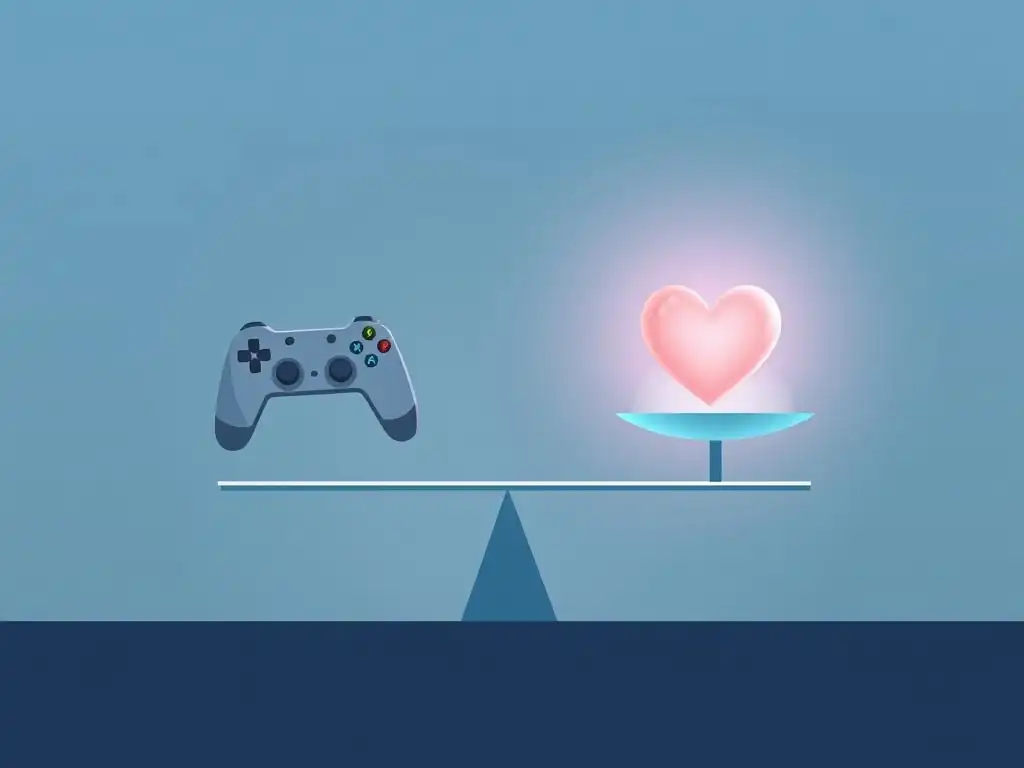
The pervasive nature of swipe-based dating apps often fosters a "gamified" mindset. Users become focused on metrics—the number of matches, likes received, and even the speed of responses—rather than the potential for genuine connection. This shift in perspective, from seeing dating as a process of building relationships to viewing it as a game to be won, significantly impacts online dating expectation psychology. The constant influx of profiles and the ease of dismissing potential partners with a simple swipe can lead to a sense of detachment and a lowered threshold for engagement.
This "game" mentality, characterized by superficial judgments and a focus on quantity over quality, ultimately undermines the very purpose of online dating: finding a meaningful connection. Understanding this psychological shift is crucial to fostering a more successful and fulfilling online dating experience. Instead of striving for a high score, focus on building genuine connections.
Focusing on Genuine Connection Over Superficial Swiping
The core issue with the gamified approach lies in its superficiality. Swiping often relies on quick visual assessments and minimal information, leading to judgments based on limited data. Instead of focusing on the number of matches, prioritize engaging with profiles that genuinely spark your interest. Take your time; read profiles carefully, paying attention to personality, interests, and values.
Think beyond the immediate aesthetic appeal and consider whether the person's values and life goals align with your own. This shift requires conscious effort, demanding a more deliberate and mindful approach to online dating. For example, instead of swiping right on every attractive profile, take a moment to consider what truly matters to you in a partner.
This mindful approach drastically changes online dating expectation psychology, moving the focus from fleeting attraction to long-term compatibility. Remember, the goal isn't to amass a large number of matches, but to find a compatible partner. This requires a conscious effort to shift your focus from superficial swiping to genuine connection.
Prioritizing Quality Interactions Over Quantity of Matches
The allure of a high match count is a common trap in the gamified dating app experience. However, a large number of matches doesn't necessarily translate to meaningful connections. In fact, it can often lead to a sense of overwhelm and disillusionment.
Prioritizing quality over quantity means focusing on engaging in thoughtful conversations with a smaller number of individuals who genuinely pique your interest. Instead of sending generic opening messages, tailor your communication to each individual's profile, demonstrating genuine interest and attentiveness. This approach not only increases your chances of finding a compatible partner but also reduces the mental burden of managing numerous superficial interactions.
Think about it: five meaningful conversations are far more valuable than fifty superficial exchanges. This change in approach directly impacts your online dating expectation psychology, shifting the focus from the sheer number of interactions to the depth and quality of those interactions. Remember, building a connection takes time and effort; it’s a marathon, not a sprint.
Developing Authentic Communication Skills for Lasting Connections
Effective communication is paramount in building lasting relationships, both online and offline. In the context of online dating, authentic communication involves expressing your true self, actively listening to others, and engaging in thoughtful conversations. Avoid generic pick-up lines or overly flirtatious messages; instead, focus on initiating genuine conversations based on shared interests or values expressed in profiles.
Ask open-ended questions, actively listen to their responses, and share your own experiences and perspectives honestly. The key to successful online dating is authenticity. By being genuine and transparent in your communication, you attract individuals who appreciate your true self and value genuine connection.
This approach directly addresses the skewed online dating expectation psychology that often prioritizes superficial attraction over authentic connection. Remember, building trust and rapport requires open, honest, and respectful communication—the foundation for any successful, long-term relationship. Developing these skills transforms your online dating experience from a game into a genuine search for connection.
Strategies for Positive Online Dating Experiences

This section delves into practical strategies to counteract the potentially negative impacts of the gamified nature of many dating apps and foster a more positive online dating experience. Understanding the psychology behind swiping is crucial, but equally important is actively shaping your online dating approach to align with your relationship goals. By focusing on authenticity and thoughtful engagement, you can significantly improve your chances of finding a meaningful connection.
This involves a conscious effort to move beyond the superficiality often associated with the swipe-based paradigm. We'll explore how to present yourself accurately, attract compatible partners, and navigate interactions with a mindful approach. This is key to managing your online dating expectation psychology effectively.
Crafting a Profile that Reflects Your Authentic Self
Creating an authentic online dating profile is paramount. Avoid generic statements or overly idealized portrayals. Instead, focus on highlighting your unique personality, interests, and values. Think of it less as a game and more as an opportunity to connect with someone who appreciates the real you.
Consider these points:
- Be Specific: Instead of writing "I love to travel," write "I recently backpacked through Southeast Asia and am planning a trip to Patagonia next year." Specificity makes your profile more engaging and provides concrete details for potential matches to connect with.
- Showcase Your Passions: What truly excites you? Are you a passionate baker, a dedicated volunteer, or an avid reader? Let your passions shine through. This attracts people who share similar interests or appreciate your enthusiasm.
- Use Humor (Tastefully): A well-placed joke or witty observation can make your profile memorable. However, avoid anything offensive or potentially misinterpreted. Humor is a great way to show your personality and break the ice.
- Avoid Negative Language: Steer clear of complaints, negativity, or self-deprecating remarks. Focus on the positive aspects of your life and what you're looking for in a partner. Your online dating expectation psychology will be significantly improved by focusing on positivity.
- Proofread Carefully: Typos and grammatical errors can create a negative impression. Take the time to carefully review your profile before publishing it.
Selecting High-Quality Photos that Showcase Your Personality
Your photos are often the first impression you make. Choose photos that accurately represent your appearance and personality. Avoid overly filtered or misleading images. Aim for a variety of photos that show you in different settings and activities. High-quality photos are crucial for managing your online dating expectation psychology positively.
Here's a breakdown of what to consider:
- Variety is Key: Include a mix of solo shots, photos with friends, and pictures showcasing your hobbies. This provides a more comprehensive view of your life and personality.
- Natural Lighting: Opt for photos taken in natural light. Avoid harsh flash photography which can distort your appearance.
- Good Composition: Pay attention to the background of your photos. A cluttered or unappealing background can detract from your overall presentation.
- Show Your Smile: A genuine smile is incredibly appealing. Include at least one photo where you're smiling naturally.
- Update Regularly: Keep your photos current. Outdated photos can give a false impression of your current appearance.
Writing Engaging and Thought-Provoking Prompts
Many dating apps offer prompts or questions to help you personalize your profile. Use these opportunities to share more about yourself in a creative and engaging way. Avoid cliché answers. Instead, choose prompts that allow you to showcase your personality and values. The goal is to spark conversation and attract meaningful connections. This directly impacts your online dating expectation psychology.
Examples of effective prompts:
- Instead of: "I love movies."
- Try: "My last movie binge involved [specific movies] and a lot of popcorn. What's your favorite guilty pleasure movie?"
- Instead of: "Looking for someone to settle down with."
- Try: "I'm looking for a partner who shares my passion for [hobby or interest] and enjoys [activity]. What are some things you're passionate about?"
Remember, crafting a compelling profile and actively managing your expectations is key to navigating the online dating world successfully. By focusing on authenticity and thoughtful engagement, you can significantly improve your chances of finding a meaningful connection. Addressing your online dating expectation psychology head-on is the first step to a positive experience.
The Long-Term Effects of Swiping on Relationship Expectations
The constant stream of profiles and the ease of moving on in online dating can subtly, yet significantly, alter our expectations for relationships. This isn't necessarily a negative effect; however, understanding how swiping impacts our perception of intimacy and commitment is crucial for building healthy, lasting connections. The gamified nature of many dating apps – the points, the matches, the "likes" – can inadvertently train our brains to expect instant gratification and a sense of constant choice.
This can lead to difficulties in navigating the complexities of real-world relationships, which often require patience, compromise, and sustained effort. The "grass is always greener" mentality, fueled by the endless possibilities presented by swiping, can make it harder to appreciate the unique qualities of a potential partner. This phenomenon, a key aspect of online dating expectation psychology, needs careful consideration.
Impact on Intimacy and Emotional Connection
The ease of discarding potential matches on dating apps can desensitize individuals to the nuances of building genuine emotional connections. Instead of focusing on developing meaningful conversations and understanding a person's character, the emphasis shifts towards superficial assessments based on photos and brief profiles. This can lead to a diminished capacity for empathy and vulnerability, essential components of fostering intimacy.
Research suggests [specific information pending] a correlation between heavy online dating app usage and a decreased ability to form deep, lasting emotional bonds. For example, individuals accustomed to the quick judgments inherent in swiping might struggle to navigate the slower pace of developing intimacy in face-to-face interactions, potentially leading to frustration and a reluctance to commit. This highlights the importance of mindful engagement with online dating, prioritizing genuine connection over superficial metrics.
The Role of Online Dating in Shaping Relationship Standards
Online dating significantly influences the standards we set for potential partners. The sheer volume of profiles available creates a "comparison shopping" mentality, leading to unrealistic expectations. We may become overly critical, fixating on minor imperfections or seeking out idealized traits often portrayed in curated online profiles. This can create a cycle of dissatisfaction, as no real-life person perfectly matches the image built up through countless swipes.
The curated nature of online profiles—where individuals often present their best selves—further contributes to this problem. This discrepancy between online presentation and real-life interactions can lead to disappointment and a feeling of being let down, impacting our overall online dating expectation psychology. Developing realistic expectations, acknowledging the imperfections inherent in all relationships, is key to navigating this aspect of online dating successfully.
Building Healthy Relationships After Online Dating Experiences
Recognizing the potential impact of online dating on relationship expectations is the first step towards building healthier connections. Consciously shifting away from the "swipe culture" mentality requires deliberate effort. This involves prioritizing quality over quantity, engaging in deeper conversations, and focusing on developing genuine connections rather than simply accumulating matches. Practicing mindfulness, self-reflection, and emotional regulation can also help to mitigate the negative effects of the gamified approach to dating.
Learning to appreciate the unique qualities of individuals, rather than comparing them to an idealized standard gleaned from online profiles, is crucial. Ultimately, understanding the psychology of swiping, and its influence on our expectations, is key to transforming online dating experiences into opportunities for building meaningful and lasting relationships. This process of self-awareness and mindful engagement is vital for navigating the complexities of modern dating and achieving long-term relationship success.
Frequently Asked Questions
How does the "gamification" of dating apps affect my expectations?
The constant swiping and matching in online dating creates an expectation of instant gratification and a vast pool of potential partners. This can lead to unrealistic standards and impatience in forming genuine connections. It fosters a mindset of abundance rather than scarcity.
What psychological biases are at play in online dating?
Online dating is susceptible to biases like the confirmation bias, where you favor information confirming pre-existing beliefs, and the availability heuristic, overestimating the frequency of easily recalled experiences (like many matches, but few meaningful ones). Self-serving biases can also inflate your perception of desirability.
How can I manage unrealistic expectations stemming from online dating?
Focus on building genuine connections rather than accumulating matches. Be mindful of the curated nature of online profiles and avoid comparing yourself to others. Remember that finding a compatible partner takes time and effort.
Does the abundance of choices on dating apps negatively impact relationship success?
Yes, the sheer number of choices can lead to decision paralysis, making it difficult to commit to any one person. It can also foster a sense of insecurity and fear of missing out (FOMO), hindering the development of meaningful relationships.
How can I shift my mindset to improve my online dating experience?
Practice mindfulness and self-compassion. Focus on your own happiness and self-improvement, rather than solely on finding a partner. Remember that healthy relationships require effort, compromise, and patience, regardless of how you meet someone.
Final Reflection: Reframing Expectations in the Age of Swipe
The relentless rhythm of swiping has fundamentally reshaped our approach to dating, creating a generation with potentially unrealistic expectations and a skewed perception of connection. This isn't simply about finding a partner; it's about understanding how the gamified nature of many online dating platforms impacts our self-esteem, our relationships, and our very definition of what constitutes a "successful" romantic pursuit. The ease of moving on to the next profile fosters a culture of instant gratification, potentially hindering the development of meaningful connections.
The constant influx of choices, the curated profiles, and the pressure to present a perfect digital self have undeniably altered the landscape of modern romance. This shift has profound implications, influencing how we approach intimacy, vulnerability, and even self-worth. As Sherry Turkle poignantly notes, We expect more from technology and less from each other.
This sentiment perfectly encapsulates the potential pitfalls of relying solely on gamified dating platforms for fulfilling romantic connections. The pressure to constantly optimize our profiles and compete for attention can lead to feelings of inadequacy and a distorted sense of self.
Consider the impact of this on your own dating life. Are you allowing the gamified nature of online dating to dictate your expectations? Are you prioritizing quantity over quality? I urge you to take a step back, reflect on your experiences, and consciously cultivate a healthier, more realistic approach to finding love. Challenge the algorithms, prioritize genuine connection over superficial swipes, and remember that lasting relationships are built on authenticity and mutual respect, not fleeting digital interactions. The future of your romantic life is not predetermined by the swipe; it's shaped by your choices.
Level Up Your Dating Game: Take Control of Your Swipe Habits
Thank you for exploring the world of online dating! We hope you've gained valuable insights into how swiping affects your expectations and relationships. Now, let's put that knowledge into practice.
Here's how you can start making a difference:
- Re-evaluate your swipe strategy: Become more aware of your unconscious biases and patterns. Are you basing your decisions on superficial traits or genuine connection cues? Try consciously changing your approach for a week. This might involve focusing more on profile details or simply taking your time with each profile.
- Practice mindful swiping: Schedule specific times for using dating apps and set realistic limits. Avoid mindless swiping when bored or stressed. Consider taking a break from dating apps altogether to focus on other aspects of your life.
- Share your thoughts: Discuss this article with a friend or family member. Start a conversation about how dating apps can influence our perceptions of relationships. This could lead to a meaningful discussion about healthier dating expectations.
Ready to consciously improve your dating experience and build more meaningful connections? What specific changes will you make to your swiping habits this week?