
From Fear to Fearless: Mastering the Art of Dating Rejection


Welcome to OnlineDatingSuccess.org, your guide to navigating the exciting yet sometimes challenging world of online dating. Are you ready to transform your dating experience? We understand that rejection is a part of the process, but it doesn't have to define your journey. Learn how to effectively handle online dating rejection and turn setbacks into stepping stones towards finding meaningful connections. Discover practical strategies and expert advice to build confidence and create the successful dating profile you deserve – your journey to lasting love starts here.
- Understanding Online Dating Rejection: It's Part of the Process
- Building Resilience: Strategies for Handling Rejection
- Practical Tips for Handling Rejection Gracefully
-
Moving Forward: Turning Rejection into a Stepping Stone
- Analyzing Past Experiences: Identifying Patterns and Areas for Improvement
- Refining Your Online Dating Profile: Optimizing Your Presentation
- Improving Communication Skills: Enhancing Your Interactions
- Focusing on Self-Improvement: Building Confidence and Attractiveness
- Embracing the Journey: The Long-Term Perspective on Online Dating Success
- Frequently Asked Questions
- Final Reflection: Embracing Vulnerability, Cultivating Resilience
- Unleash Your Dating Confidence: Take the Next Step
Understanding Online Dating Rejection: It's Part of the Process
Navigating the world of online dating can be exhilarating, filled with the promise of connection and potential romance. However, it's equally important to acknowledge that rejection is an inevitable part of the journey. This isn't a reflection of your worth or desirability; rather, it's a natural consequence of a process involving many individuals with diverse preferences and compatibility levels.
This article aims to equip you with the tools and understanding to handle online dating rejection with grace, resilience, and a renewed sense of self-assurance. Learning to navigate rejection effectively is key to building confidence and ultimately finding a meaningful connection. We'll explore common rejection scenarios, delve into the underlying reasons behind them, and equip you with strategies to manage your emotional response, ultimately transforming fear into fearless pursuit of your dating goals.
Remember, the ability to handle rejection is a crucial skill in the quest for successful online dating. It's about building emotional resilience and learning from each experience.
Recognizing Common Rejection Scenarios in Online Dating
Online dating presents a unique set of rejection scenarios, differing from traditional dating experiences. Recognizing these patterns can help you better understand the process and desensitize yourself to the sting of rejection. Some common scenarios include:
- The Ghosting Phenomenon: The sudden and unexplained disappearance of a potential match without any prior communication. This is unfortunately quite common and can be particularly disheartening. It's important to remember that this often reflects more on the other person's communication skills or emotional maturity than on you.
- The "Not a Match" Notification: Dating apps often provide this impersonal notification, indicating a lack of mutual interest. While brief, it provides closure, unlike ghosting. Learning to accept these as part of the process is crucial.
- The Unsolicited Rejection Message: Receiving a direct, though possibly brief, message explaining that the other person is not interested. While potentially painful, this is a more respectful approach than ghosting and allows for emotional processing.
- The Fading Away: A gradual decrease in communication, where messages become less frequent and eventually cease. This can be more subtle than ghosting but equally frustrating.
- The Date That Doesn't Lead to a Second Date: Even after a seemingly successful first date, there's no guarantee of a second. This doesn't necessarily mean you did anything wrong; compatibility is complex.
Understanding these common scenarios helps normalize the experience of rejection and prevents you from overanalyzing each instance. Remember, many factors contribute to compatibility, and not every connection will blossom into a relationship.
Why Rejection Happens: Factors Beyond Your Control
It's crucial to remember that many factors influencing online dating outcomes are beyond your control. Focusing solely on your perceived shortcomings can be detrimental to your mental well-being. Consider these factors:
- Timing: Sometimes, the timing simply isn't right for either party. One person might be emotionally unavailable, experiencing personal challenges, or simply not ready for a relationship.
- Compatibility: Even with a seemingly perfect profile match, fundamental incompatibilities in values, lifestyles, or goals can lead to rejection.
- Competition: Online dating is inherently competitive. Many people are vying for attention, and sometimes, another individual might simply be a better fit for a particular person's preferences.
- Personal Preferences: Individual preferences are subjective and diverse. What one person finds attractive, another might not. This is simply a matter of personal taste.
- App Algorithms: Dating app algorithms can be unpredictable and influence who you encounter and connect with. The algorithm might not always showcase you to the most compatible people.
Understanding these external factors allows you to detach from the personal blame game, shifting your focus towards self-improvement and maintaining a healthy self-image.
The Psychology of Rejection in Online Dating: Managing Your Emotions
Rejection can trigger a range of negative emotions, from disappointment and sadness to anger and even self-doubt. Effectively managing these emotions is key to preventing a cycle of negativity and maintaining a positive outlook.
- Self-Compassion: Treat yourself with the same kindness and understanding you would offer a friend experiencing a similar situation. Avoid self-criticism and focus on self-acceptance.
- Emotional Processing: Allow yourself time to process your emotions. Journaling, talking to a trusted friend or therapist, or engaging in self-care activities can be helpful.
- Perspective Shift: Reframe rejection as a redirection, an opportunity to learn and grow, and a chance to meet someone more compatible.
- Focus on Self-Improvement: Use rejection as motivation to refine your profile, improve your communication skills, or work on aspects of yourself that you'd like to improve.
- Celebrate Small Wins: Acknowledge and celebrate even small successes, such as a positive interaction or a meaningful conversation. This helps maintain a sense of hope and accomplishment.
Remember, handling online dating rejection is a skill that develops over time. Be patient with yourself, celebrate your progress, and remember that finding a meaningful connection is a journey, not a destination. The ability to navigate rejection gracefully is a testament to your emotional intelligence and resilience.
Building Resilience: Strategies for Handling Rejection

Dating, especially online dating, inevitably involves rejection. Learning to handle it gracefully and effectively is crucial for maintaining your emotional well-being and continuing your search for a meaningful connection. Building resilience isn't about avoiding rejection; it's about developing the mental and emotional fortitude to navigate it successfully. This section will explore practical strategies to help you bounce back from setbacks and approach online dating with renewed confidence. Mastering the art of handling online dating rejection requires proactive preparation and a shift in mindset.
Reframing Rejection: Shifting Your Perspective
The first step in building resilience is to reframe how you perceive rejection. Instead of viewing it as a personal failure, consider it as a filter. A "no" from one person doesn't negate your worth or desirability; it simply means that person isn't the right match for you at this time. Think of it like trying on clothes—not every item will fit, but that doesn't mean you're not a valuable individual. This shift in perspective can significantly reduce the sting of rejection and help you move forward more easily.
Many people experience rejection personally, interpreting a lack of response or a direct "no" as a reflection of their inherent flaws. This is a cognitive distortion. Remember, compatibility is complex and multifaceted. Someone's rejection may stem from factors completely unrelated to your personal qualities—their own personal baggage, conflicting life goals, or simply a different preferred dating style.
Developing a Growth Mindset: Learning from Every Experience
Adopting a growth mindset is essential for handling rejection constructively. This means viewing setbacks not as failures, but as opportunities for learning and growth. After each rejection, take time for self-reflection. Analyze the interaction—was there anything you could have done differently? Did your profile accurately reflect your personality and preferences? Did your communication style resonate with the other person? This self-assessment, free from self-criticism, allows you to refine your approach and increase your chances of success in future interactions.
Consider keeping a journal to track your online dating experiences. Note down successful interactions, as well as instances of rejection, along with your reflections on them. Over time, you’ll identify patterns and gain valuable insights into your dating style and what works best for you. This data-driven approach transforms rejection from a negative experience into valuable feedback for personal growth. This process directly contributes to effectively handling online dating rejection.
Self-Compassion: Treating Yourself with Kindness
Self-compassion is crucial during times of rejection. Treat yourself with the same kindness and understanding you would offer a friend experiencing a similar situation. Avoid self-criticism and negative self-talk. Acknowledge your feelings, allow yourself to grieve the missed connection (if you feel that way), and then gently encourage yourself to move forward.
Remember that everyone experiences rejection in dating. It's a normal part of the process, and it doesn't diminish your worth. Practice self-care activities that help you relax and de-stress, such as exercise, spending time in nature, engaging in hobbies, or connecting with supportive friends and family. These activities provide emotional replenishment and build resilience against future setbacks. Prioritizing self-compassion is a key strategy for mastering the art of handling online dating rejection. 💖 Remember, you are worthy of love and connection.
Practical Tips for Handling Rejection Gracefully
Dating, especially online dating, inevitably involves rejection. It's a part of the process, a statistic even. Learning to handle online dating rejection gracefully is crucial for maintaining your emotional well-being and increasing your chances of success. This section provides practical strategies to navigate those challenging moments with resilience and self-compassion. Remember, rejection doesn't define your worth; it simply means that person wasn't the right match. Focus on your strengths and continue to refine your approach.
Responding to Rejection with Positivity and Maturity
Responding to rejection with grace is a skill that can be learned and honed. Avoid impulsive reactions like sending angry messages or engaging in negative self-talk. Instead, practice acknowledging your feelings without judgment. Allow yourself to feel disappointed, but don't let that feeling consume you. Consider these steps:
- Acknowledge the emotions: It's okay to feel hurt or frustrated. Allow yourself to process these emotions without suppressing them. Journaling can be a helpful tool.
- Avoid blaming yourself: Rejection rarely has anything to do with your inherent worth. Sometimes, it's simply a matter of incompatibility. Focus on what you can control – your own actions and attitudes.
- Practice self-compassion: Treat yourself with the same kindness and understanding you would offer a friend in a similar situation. Remember your strengths and accomplishments.
- Respond with brevity and respect: If you choose to respond, keep it brief and polite. A simple "I understand," or "Thank you for letting me know," is sufficient. Avoid lengthy explanations or justifications.
- Move on: Once you've acknowledged your feelings and processed the situation, it's time to move on. Don't dwell on the rejection; instead, focus on your next steps.
Remember, how you handle rejection speaks volumes about your character and maturity. It's an opportunity to demonstrate emotional intelligence and resilience. Rejection is a learning experience; use it to grow and improve your approach to online dating. The right person will appreciate your maturity and emotional intelligence.
Maintaining Self-Respect After a Rejection
Maintaining self-respect after a rejection is paramount. It's easy to fall into the trap of self-doubt and negativity, but it's crucial to remember your inherent worth. Here's how to maintain your self-respect:
- Focus on your positive qualities: Make a list of your strengths, accomplishments, and positive attributes. Remind yourself of your value and worth, independent of the outcome of any one interaction.
- Avoid self-criticism: Negative self-talk is detrimental. Challenge negative thoughts and replace them with positive affirmations. Practice self-compassion and treat yourself with kindness.
- Set healthy boundaries: Don't allow others to disrespect you. If someone is consistently rude or dismissive, don't hesitate to block them or remove them from your life.
- Prioritize self-care: Engage in activities that nourish your mind, body, and soul. This could include exercise, spending time in nature, pursuing hobbies, or connecting with supportive friends and family. Self-care is not selfish; it's essential for maintaining your well-being.
- Seek support: Talking to a trusted friend, family member, or therapist can provide valuable perspective and support. Don't hesitate to reach out for help when you need it.
Maintaining self-respect involves actively protecting your emotional well-being and valuing yourself. This is crucial not just in the context of online dating, but in all aspects of your life. Remember, your worth is not determined by others' opinions or actions.
Setting Boundaries: Protecting Your Emotional Well-being
Setting healthy boundaries is crucial for protecting your emotional well-being in online dating. This involves establishing limits on how others can treat you and how much energy you invest in interactions that aren't reciprocated. Consider these boundaries:
- Limit contact with unresponsive individuals: Don't waste your time and energy on people who aren't actively engaging in conversation or showing interest. If someone is consistently ignoring your messages, it's time to move on.
- Don't overshare early on: Protect your privacy by avoiding oversharing personal information in the early stages of getting to know someone. It's important to build trust before sharing sensitive details.
- Don't tolerate disrespectful behavior: If someone is rude, dismissive, or disrespectful, end the interaction immediately. You deserve to be treated with kindness and respect.
- Take breaks when needed: Online dating can be emotionally draining. Don't hesitate to take breaks when you feel overwhelmed or discouraged. Stepping back can give you the space you need to recharge and approach dating with a fresh perspective.
- Prioritize your own needs: Remember that your well-being is paramount. Don't compromise your values or needs to please others. Set boundaries that protect your emotional health and allow you to maintain a sense of self.
Setting boundaries is an act of self-respect and self-care. It's essential for creating healthy relationships and protecting your emotional well-being. By setting clear boundaries, you create space for positive relationships to flourish and protect yourself from unnecessary emotional distress. Remember, you deserve to be treated with respect and kindness. Don't settle for anything less.
Taking a Break: Knowing When to Step Away
Feeling dejected after a string of unsuccessful online dating interactions is completely normal. The constant swiping, messaging, and potential for disappointment can take a toll on your emotional well-being. Recognizing when you need a break is crucial for protecting your mental health and preventing burnout. It's not about giving up; it's about strategically stepping back to regroup and return with renewed energy and a clearer perspective. Think of it as a necessary pause, not a defeat.
Many people find that a short break, even just a few days, can be incredibly beneficial. This time away allows you to disconnect from the pressure of constantly seeking validation through online interactions. Use this time to engage in activities you enjoy – spend time with friends and family, pursue hobbies, or focus on self-care practices like exercise, meditation, or reading. This renewed focus on yourself will help you regain a sense of self-worth that's independent of online dating outcomes.
However, the length of your break is entirely dependent on your individual needs and circumstances. There’s no magic number of days or weeks. Listen to your intuition. If you find yourself feeling increasingly frustrated, anxious, or even depressed, a longer break might be necessary. Don't hesitate to take a longer hiatus if you need it. Consider stepping away for a week, a month, or even longer, if that's what's best for your mental health. The goal is to return to online dating feeling refreshed and ready to approach it with a healthier mindset.
Remember that taking a break doesn't mean you’re failing. It's a sign of self-awareness and a commitment to your well-being. It's a proactive step towards building resilience and improving your overall dating experience. It’s about prioritizing your mental health, and that's always the right choice. Use this time to reflect on your dating goals, refine your profile, and develop healthier coping mechanisms for dealing with rejection. When you return, you'll be better equipped to handle the inevitable ups and downs of online dating.
Moving Forward: Turning Rejection into a Stepping Stone
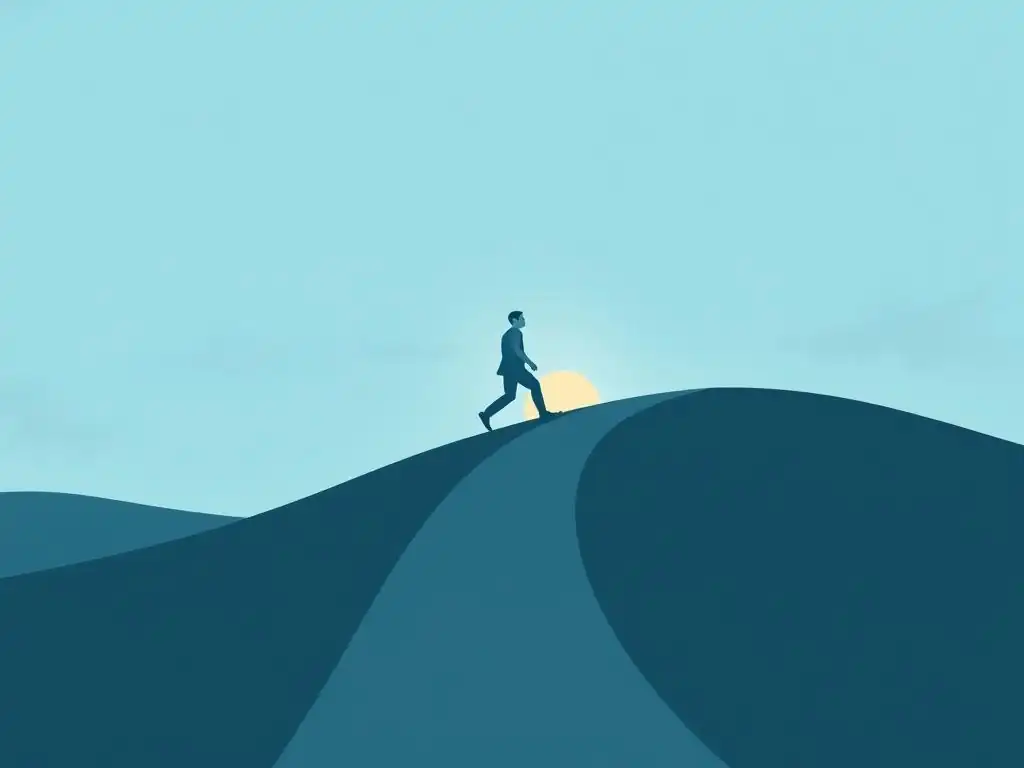
Rejection in online dating, while painful, is an inevitable part of the process. Instead of viewing it as a failure, reframe it as valuable feedback. Learning to handle online dating rejection effectively involves a proactive approach to self-improvement and a shift in perspective. This section focuses on practical strategies to transform rejection into a catalyst for growth and increased success. Remember, every "no" brings you closer to a "yes."
Analyzing Past Experiences: Identifying Patterns and Areas for Improvement
To effectively handle online dating rejection, begin by honestly reflecting on past experiences. What common threads emerge from unsuccessful interactions? Were there recurring patterns in the types of profiles you were attracted to, or the messages you sent? Did you consistently receive similar responses (or lack thereof)?
Consider creating a simple table to analyze your past interactions:
| Interaction | Profile Type | Initial Message | Response Received | Your Assessment | Actionable Improvement |
|---|---|---|---|---|---|
| Date 1 | Adventurous Traveler | "Hi! Your photos are amazing, especially the one in Nepal!" | No response | Message might have been too generic. | Craft more personalized, specific messages. |
| Date 2 | Bookworm | "Hey, I saw you're a fan of Tolkien. I am too! What's your favorite book?" | Short, unenthusiastic response | Maybe too intense of a question for first contact. | Start with lighter, less demanding conversation starters. |
| Date 3 | Fitness Enthusiast | "Nice physique! 😉" | Blocked | Came across as overly focused on physical appearance. | Focus on shared interests and personality traits. |
By identifying recurring issues, you can pinpoint areas needing improvement. This self-assessment is a crucial step in learning to handle online dating rejection constructively. The goal isn't to blame yourself, but to identify actionable steps for future success. Remember, even small adjustments can make a significant difference.
Refining Your Online Dating Profile: Optimizing Your Presentation
Your online dating profile is your first impression—it's the virtual equivalent of a handshake. A poorly crafted profile can lead to numerous rejections, regardless of your personality or intentions. Therefore, optimizing your profile is vital in reducing the frequency of rejection.
Consider these points:
- Photos: Use high-quality, recent photos that showcase your personality and interests. Avoid overly filtered or misleading pictures. Include a variety of shots—some solo, some with friends, some showcasing hobbies.
- Bio: Write a concise, engaging bio that highlights your personality, interests, and values. Avoid clichés and negativity. Be authentic and let your unique personality shine through. Use humor sparingly and ensure it's appropriate.
- Interests: Clearly state your interests and hobbies. This allows others to easily identify common ground and initiate conversations. Think about what makes you you and showcase it.
Re-evaluate your current profile with a fresh perspective. Ask a trusted friend for honest feedback. Small changes, such as adding a new, engaging photo or rewriting a section of your bio, can significantly impact your results and improve your ability to handle online dating rejection by increasing the quality of matches.
Improving Communication Skills: Enhancing Your Interactions
Effective communication is key to navigating the online dating world. Poor communication can lead to misunderstandings and rejection. Improving your communication skills will not only increase your chances of success but also equip you to handle rejection more gracefully.
- First Messages: Avoid generic opening lines. Instead, personalize your messages by referencing something specific from the other person's profile. Show genuine interest and ask engaging questions.
- Active Listening: When engaging in conversations, practice active listening. Pay attention to what the other person is saying and respond thoughtfully. Ask follow-up questions to demonstrate your interest.
- Setting Boundaries: Learn to set healthy boundaries. Don't be afraid to politely decline dates or conversations that don't feel right. This protects your emotional well-being and helps you prioritize your time and energy.
Improving your communication skills is an ongoing process. Practice makes perfect. The more you engage in meaningful conversations, the better you will become at expressing yourself and understanding others. This directly impacts your ability to handle online dating rejection by increasing the likelihood of positive interactions. Remember, genuine connection is the ultimate goal.
Focusing on Self-Improvement: Building Confidence and Attractiveness
Rejection in online dating, while painful, presents a unique opportunity for growth. Instead of dwelling on the negative, use it as fuel to enhance your profile and overall dating approach. This isn't about changing who you are fundamentally, but rather refining how you present yourself to potential partners. Consider investing time in activities that boost your self-esteem and attractiveness.
This could involve anything from joining a gym and improving your fitness to taking up a new hobby that sparks your passion, like learning a new language or mastering a musical instrument. The confidence you gain from these achievements will radiate outwards, making you a more attractive and engaging person, both online and offline. Remember, a strong sense of self is incredibly appealing. Focus on aspects of your life that bring you joy and fulfillment—these are the things that will truly shine through in your profile and interactions.
Don't underestimate the power of a genuine smile in your profile picture, or the confidence that comes from actively pursuing your personal goals. A balanced and fulfilling life outside of online dating is key to attracting compatible partners. Consider working with a life coach or therapist to help you identify areas for self-improvement and develop strategies for building your self-esteem. They can offer personalized guidance and support as you navigate this process.
Embracing the Journey: The Long-Term Perspective on Online Dating Success
Online dating isn't a sprint; it's a marathon. Many successful relationships begin after numerous encounters, some positive, some not. Each rejection is a data point, offering valuable feedback on what resonates and what doesn't. Analyze your dating profile: Is your self-description accurate and engaging? Are your photos high-quality and representative of your personality? Do you effectively communicate your interests and values?
Understanding these nuances, and making adjustments based on your experiences, is crucial. Consider the rejection as a learning opportunity. Instead of viewing it as a personal failure, see it as an opportunity to refine your approach. Perhaps your messaging style needs tweaking, or maybe your profile photos aren't conveying the right impression. Don't be afraid to experiment and try different strategies. Remember, the right person might not be looking for you right now.
The timing might not be right, or they might not be ready for a relationship. Focusing on self-improvement and personal growth will increase your chances of success in the long run. Maintain a positive attitude and remember that finding the right person takes time and patience. Celebrate your progress, learn from setbacks, and keep your sights on the ultimate goal: building a meaningful and fulfilling relationship. Persistence and a positive outlook are your greatest allies in this journey. The right person is out there, and your journey through online dating will bring you closer to finding them.
Frequently Asked Questions
How can I avoid rejection in online dating?
While you can't completely avoid rejection, you can minimize it by presenting an authentic profile, focusing on quality over quantity in your matches, and having realistic expectations. Remember, it's a numbers game; not every match will be a perfect fit.
What should I do if I get rejected after a few messages?
Don't take it personally! It's often due to incompatible personalities or goals, not a reflection of your worth. Move on and focus on connecting with others who appreciate you for who you are. Learn from the experience to improve future interactions.
How can I handle the emotional impact of online dating rejection?
Rejection is tough, but self-care is key. Engage in activities you enjoy, talk to a friend or family member, and remember your self-worth isn't defined by online dating success. Allow yourself to feel the emotions, but don’t dwell on them.
Is it okay to ask why someone rejected me?
Generally, it's not recommended. It can be perceived as pushy or demanding. Respect their decision and their right to privacy. Focusing on your own self-improvement is a more productive approach.
How can I turn rejection into a positive experience?
View rejection as feedback and a learning opportunity. Analyze what might have gone wrong and adjust your approach accordingly. Each interaction, whether successful or not, helps you refine your dating strategy and better understand what you're looking for.
Final Reflection: Embracing Vulnerability, Cultivating Resilience
The sting of online dating rejection is a universal experience, yet its impact extends far beyond the digital realm; it's a crucible forging resilience and self-awareness. The ability to navigate rejection gracefully is not merely a skill for finding a partner; it's a fundamental life skill, impacting our confidence, self-esteem, and overall emotional well-being. This article has explored strategies for reframing rejection, building self-compassion, and ultimately, transforming fear into fearless self-expression.
The journey from fear to fearless is not a linear one; it's a continuous process of learning, unlearning, and growing. It's about recognizing that rejection doesn't define our worth, but rather offers valuable feedback on our journey of self-discovery. As the poet Rupi Kaur so eloquently states: you are not your mistakes. you are not your failures. you are your resilience. you are your persistence.
This sentiment underscores the importance of viewing rejection not as an ending, but as an opportunity for growth and self-improvement, a chance to refine our approach and understand ourselves better.
Now, consider your own experiences with rejection. How have you navigated these moments? What lessons have you learned? I encourage you to embrace vulnerability, to see rejection not as a personal failing, but as a natural part of the human experience. Take the lessons learned from this article, apply them to your own life, and cultivate the resilience needed to not only handle online dating rejection, but to thrive in the face of any challenge life throws your way. The path to fearless self-expression begins with one courageous step.
Unleash Your Dating Confidence: Take the Next Step
Thank you for exploring how to overcome dating anxieties and build unshakeable confidence! We hope you found valuable insights into handling rejection and fostering self-assurance. Now, let's put that knowledge into practice.
- Craft a compelling dating profile: Refine your profile using what you've learned, emphasizing authenticity to attract your ideal partner. This is a crucial first step towards confident dating.
- Share your insights: Help others overcome dating challenges by sharing this article on social media and inspire a community of confident daters.
- Apply a new dating strategy: Identify one specific tip from this article and actively apply it on your next date—you'll be surprised by the results! Remember, consistent progress is key.
Ready to confidently navigate the dating world, one step at a time? What small but significant change will you make today to enhance your dating experience?