
First Date Safety: How to Spot a Potential Scammer Before It's Too Late


Welcome to OnlineDatingSuccess.org, your guide to navigating the exciting – and sometimes tricky – world of online dating! Are you ready to build genuine connections and find lasting love? We're here to help. But first, let's address a crucial aspect of online dating safety: how to avoid becoming a victim of a scam.
Our latest article on online dating scam detection provides essential insights and practical advice to ensure your first date, and every date after, is safe and enjoyable. Discover the warning signs and learn how to protect yourself – your journey to finding love starts with safety and confidence. Read on to learn more!
- Understanding Online Dating Scam Tactics: Recognizing Red Flags
- Online Dating Scam Detection: Red Flags During Initial Contact
- Protecting Yourself During Early Online Dating Interactions
-
First Date Safety Tips: Minimizing Risks on Your First Meeting
- Choosing Safe Meeting Places: Public Locations and Well-Lit Areas
- Informing Friends and Family: Sharing Your Plans and Location
- Maintaining Control: Staying Alert and Trusting Your Instincts
- Recognizing Warning Signs During the Date: Behavioral Red Flags
- Developing an Exit Strategy: Knowing When and How to Leave Safely
- Reporting Online Dating Scams: Taking Action After a Negative Experience
- Frequently Asked Questions
- Final Reflection: Navigating the Digital Dating Landscape Safely
- Empower Yourself: Take Control of Your Online Dating Safety
Understanding Online Dating Scam Tactics: Recognizing Red Flags
Navigating the world of online dating can be exciting, offering the potential to connect with like-minded individuals and build meaningful relationships. However, it's crucial to be aware of the potential dangers lurking within these virtual spaces. This article focuses on equipping you with the knowledge and tools to identify potential online dating scams before they impact your well-being and finances.
We'll delve into common scam tactics, helping you distinguish genuine connections from deceptive intentions. Learning to spot red flags early on is crucial for protecting yourself and ensuring a safe and positive online dating experience. Understanding the methods employed by scammers empowers you to make informed decisions and navigate the online dating landscape with confidence and caution.
This guide is designed to empower you to take control of your online safety and build healthy relationships free from manipulation and deceit. The goal is to enhance your online dating safety, allowing you to focus on building genuine connections rather than worrying about potential scams. We will explore various red flags, from pressure tactics to unrealistic profiles, providing you with practical strategies for online dating scam detection.
Identifying Common Online Dating Scams and Their Variations
Online dating scams come in many forms, each designed to exploit vulnerabilities and extract information or money. Some common variations include:
- Financial Scams: These often involve requests for money, often under the guise of an emergency, investment opportunity, or simply "help" with unexpected expenses. The scammer may create a compelling narrative to justify their need for funds. Be wary of anyone who constantly asks for financial assistance, especially early in the "relationship." 🕵️♀️
- Romance Scams: These scams prey on emotional vulnerability, building a false sense of intimacy and connection to manipulate victims. The scammer will invest time and effort in creating a seemingly genuine relationship before making their requests. They may use elaborate stories and emotional appeals to gain trust.💔
- Catfishing: This involves creating a fake online persona using stolen photos and fabricated information. The goal is typically to build a relationship based on a false identity, which can lead to emotional distress and potential exploitation. Be cautious of profiles with limited photos or those who are reluctant to video chat. 🎣
- Data Theft Scams: These focus on obtaining personal information, such as credit card details, social security numbers, or addresses. The scammer may use phishing techniques or malware to gain access to sensitive data. Never share sensitive information with someone you've only met online. 🔒
The variations are numerous, but the common thread is a push for quick intimacy and a request for personal information or money. Remember, legitimate relationships develop gradually, and genuine connections don't require financial transactions or rushed commitments.
Recognizing Pressure Tactics: Speed Dating and Immediate Commitment
Scammers often employ pressure tactics to rush the relationship and prevent victims from carefully assessing their intentions. Common tactics include:
- Rapid Progression: An unusually fast progression of the relationship, moving from initial contact to declarations of love within a short period. This rapid escalation should raise a red flag. ❤️🔥
- Constant Contact: Overly persistent communication, including frequent calls, messages, and emails, designed to overwhelm and limit your ability to critically assess the situation. 💬
- Isolation Tactics: Attempts to isolate you from friends and family, discouraging you from seeking external advice or validation. This control is a major red flag. 🚫
- Guilt Trips: Using emotional manipulation and guilt trips to pressure you into making decisions or sending money. Don't let anyone make you feel guilty for protecting yourself. 🤔
Learning to recognize these pressure tactics is crucial. A healthy relationship allows for space, respect, and thoughtful consideration. Don't feel pressured to make decisions you're uncomfortable with.
The "Too Good to Be True" Profile: Spotting Fake Profiles and Catfishing
Many scams start with a profile that seems too perfect to be true. These profiles often display:
- Unrealistic Photos: Highly polished or professional-looking photos that seem too good to be true. Often, these are stolen images. ✨
- Vague Information: Profiles with limited personal information or inconsistencies in their details. This lack of transparency should raise suspicion. ❓
- Inconsistent Stories: Noticeable discrepancies or changes in their stories over time. Pay attention to details and look for contradictions. 🧐
- Lack of Social Media Presence: Profiles with no links to social media accounts or those who are reluctant to share their social media handles. This can be a sign of a fake profile. 👻
Remember, genuine connections take time to develop. If a profile seems too good to be true, it probably is. Trust your instincts and prioritize your safety. Thorough investigation and cautious communication can help you avoid falling victim to these deceptive tactics.
Financial Scams in Online Dating: Protecting Your Money
Financial scams are unfortunately a prevalent issue in online dating. Scammers often create elaborate profiles, building trust over time before revealing their true intentions. They may weave compelling narratives of hardship, needing urgent financial assistance for medical emergencies, business ventures gone wrong, or travel difficulties. These stories are designed to evoke empathy and a desire to help, making you more susceptible to their manipulative tactics. Remember, genuine connections don't usually involve sudden requests for money.
One common tactic is the "Nigerian Prince" scam, though modernized. Instead of a prince, it might be a wealthy businessperson, a doctor working abroad, or someone facing an unexpected legal battle. They'll often claim to be unable to access their own funds, creating a sense of urgency and desperation. They might start with small requests, testing your willingness to help, before escalating the amounts significantly.
They may even send you fake proof of payment or promises of future repayment, further reinforcing their deceitful narrative. Always be wary of anyone who asks for money, especially if you've only communicated online and haven't met in person. Never send money to someone you've only met online, regardless of how convincing their story may seem.
Another variation involves investment opportunities. The scammer might present themselves as a financial expert, promising high returns on a seemingly legitimate investment. They'll often use sophisticated language and fabricated documents to appear credible. However, these "investments" are almost always fraudulent, designed to drain your funds without any chance of return. Always conduct thorough independent research before investing in anything, especially if it's presented through an online dating platform.
Legitimate investment opportunities will not be pitched through online dating sites. If it sounds too good to be true, it almost certainly is. Protecting your finances requires vigilance and a healthy dose of skepticism. Remember, true connections are built on trust and shared experiences, not financial transactions. Prioritize your financial security; your well-being is far more valuable than any amount of money.
Online Dating Scam Detection: Red Flags During Initial Contact

This section focuses on identifying potential online dating scams before a first date even happens. Proactive scam detection is crucial for protecting your safety and emotional well-being. While genuine connections are abundant in the online dating world, understanding the tactics used by scammers is your best defense. This involves carefully analyzing communication patterns, scrutinizing online profiles for inconsistencies, and evaluating the communication channels used. Mastering these skills significantly reduces your risk of becoming a victim of online dating fraud.
Analyzing Communication Patterns: Excessive Compliments and Pressure
One of the most common red flags in online dating scams is excessive flattery and unrealistic pressure. Scammers often shower their targets with an overwhelming amount of compliments, often using generic phrases rather than personalized observations. This is designed to quickly build trust and create a sense of intimacy. For example, a scammer might repeatedly compliment your beauty, intelligence, or personality without ever having met you or knowing you well. These compliments often lack specificity and feel insincere.
Furthermore, scammers will often try to rush the relationship. They may express strong feelings very early on, propose meeting in person quickly, or push for a significant commitment before you've even had a proper conversation. This pressure is a tactic to bypass your natural caution and move the interaction beyond the safety of the online platform.
Consider this example: A profile claiming to be a successful doctor begins messaging you with extravagant compliments like "You're the most beautiful woman I've ever seen," and "You're incredibly intelligent and inspiring." Within days, they are professing their undying love and suggesting a private meeting. This rapid escalation is a major warning sign. Legitimate relationships develop gradually, with a natural progression of getting to know each other.
Remember, genuine connection takes time. Be wary of anyone who tries to pressure you into a relationship or a meeting before you feel comfortable.
Inconsistencies in Online Profiles: Detecting Discrepancies and Lies
Thorough profile scrutiny is another critical aspect of online dating scam detection. Scammers often create profiles that are intentionally vague or contain inconsistencies. This vagueness is a deliberate tactic to avoid scrutiny and maintain anonymity. Pay close attention to details that don't quite add up.
Here's what to look for:
- Missing or vague information: A profile lacking details about their life, job, hobbies, or interests should raise suspicion. This lack of information makes it difficult to verify their identity.
- Stock photos: Many scammers use stock photos or images lifted from other sources. Reverse image search tools can help identify if a photo is legitimate.
- Contradictory information: Check for inconsistencies in their profile details. Do their stated age, profession, and location match up? Do their photos seem consistent with their claimed lifestyle?
- Grammar and spelling errors: While not always indicative of a scam, a large number of grammatical errors or poor spelling can suggest a lack of authenticity. This is particularly true if the profile claims a high level of education or professional success.
For example, a profile might claim to be a successful entrepreneur but provide no details about their company or work. Their photos might be professionally done but lack any personal context. Cross-referencing information provided on their dating profile with other sources like LinkedIn or social media can help uncover inconsistencies.
Evaluating Communication Channels: Avoiding Private Numbers and Unverified Accounts
Finally, be cautious about the communication channels used by potential dates. Scammers often prefer to move conversations off of the dating platform as quickly as possible, often using private phone numbers or unverified social media accounts. This allows them to maintain anonymity and avoid the platform's safety measures.
- Avoid private numbers: Stick to communicating through the dating app's messaging system initially. Only exchange phone numbers after you've had several conversations and feel comfortable doing so.
- Verify social media accounts: If they suggest connecting on other social media platforms, take the time to verify their accounts. Check their friend list, photos, and posts for consistency with their dating profile.
- Be wary of email-only communication: Scammers frequently prefer email as it offers a higher degree of anonymity than messaging apps. While email is a perfectly legitimate form of communication, be cautious if a potential date insists on using email exclusively.
By carefully analyzing communication patterns, scrutinizing online profiles, and evaluating communication channels, you can significantly reduce your risk of encountering online dating scams. Remember, your safety and well-being are paramount. Trust your instincts; if something feels off, it probably is.
Unrealistic Expectations and Promises: Identifying Early Warning Signs
Unrealistic expectations and promises are a major red flag in online dating scams. Scammers often present themselves as impossibly perfect, showering you with compliments and making grand promises early in the interaction. This is a tactic designed to quickly build trust and create a sense of urgency. They might claim to be incredibly wealthy, successful, and emotionally available, painting a picture far removed from reality. Remember, no one is perfect, and anyone who claims to be is likely hiding something.
For example, a scammer might claim to be a successful CEO traveling the world, constantly sending lavish gifts and professing undying love within days of initial contact. This level of intensity is unusual and should raise immediate suspicion. Genuine connections develop gradually, built on mutual respect, shared interests, and consistent communication. A sudden outpouring of affection, especially when coupled with extravagant promises, is a classic hallmark of a scam.
Pay close attention to the details of their claims. Do their stories seem too good to be true? Do their professions and lifestyles seem inconsistent with their online presence or the information they share? Scammers often fabricate details, and inconsistencies can be a telltale sign. Take your time, don't rush into anything, and always verify information independently. A quick online search of their alleged profession or company name can often reveal inconsistencies.
If something feels off, it probably is. Trust your instincts; they're usually right. Don't let the allure of a seemingly perfect match blind you to potential red flags. Remember, healthy relationships are built on honesty, transparency, and mutual respect, not unrealistic promises and extravagant displays of affection. Always prioritize your safety and well-being.
Protecting Yourself During Early Online Dating Interactions
This section focuses on proactive measures you can take to minimize your risk of encountering online dating scams during the initial stages of contact. Remember, prevention is key to a safe and positive online dating experience. The goal is to identify potential red flags before you invest significant time or emotional energy. Effective online dating scam detection relies on vigilance and a healthy dose of skepticism.
One of the most effective ways to verify a profile's authenticity is through a thorough background check. Many scammers use fake profiles with stolen images and fabricated information. This is where reverse image searches and social media cross-referencing become invaluable tools in your online dating scam detection arsenal.
Start by performing a reverse image search. Use your preferred search engine (Google, Bing, etc.) and upload the profile picture. This will show you where else that image appears online. If the image appears on multiple dating profiles or stock photo websites, it's a major red flag. Similarly, if the image is of a high-profile individual, it's almost certainly a fake.
Next, try to find the person on other social media platforms. Look for a consistent online presence across various platforms (Facebook, Instagram, LinkedIn, etc.). Inconsistencies between their dating profile and other social media profiles are a warning sign. Do their photos and biographical details match? If not, proceed with extreme caution.
Remember, discrepancies don't automatically mean a scam; however, they warrant further investigation and a slower approach. Don't rush into anything. Thorough profile verification is crucial for online dating scam detection. The extra time you spend verifying a profile could save you heartache and potential financial loss.
Slow and Steady Communication: Building Trust Over Time
Rushing into a relationship is a recipe for disaster, especially in the online dating world. Scammers often employ high-pressure tactics to quickly gain your trust and exploit your emotions. Effective online dating scam detection involves building trust gradually and observing the other person's behavior over time.
Instead of lengthy text messages or immediate video calls, start with short, casual conversations. Pay attention to the consistency and coherence of their messages. Do their responses seem genuine and thoughtful, or are they generic and repetitive? Do they answer your questions directly, or do they avoid providing specific details about themselves?
Be wary of individuals who profess strong feelings very quickly. Genuine connections develop over time, not overnight. If someone declares their undying love after only a few messages, it's a significant red flag. These individuals are often trying to manipulate your emotions to achieve their goals. Patience and observation are key components of effective online dating scam detection.
Use a variety of communication methods. Don’t rely solely on one platform. This adds another layer of security and helps you build a more holistic picture of the person. This approach allows you to assess their communication style and identify any inconsistencies or suspicious behavior.
Avoiding Sensitive Information Sharing: Protecting Your Privacy Online
Protecting your personal information is paramount when using online dating platforms. Scammers often target vulnerable individuals by gathering sensitive data and using it for fraudulent activities. Effective online dating scam detection involves proactively protecting your privacy and avoiding the disclosure of sensitive information.
Never share your full name, address, place of work, financial information, or social security number with someone you've only met online. This information should be kept private until you've met in person and developed a high level of trust. Even then, proceed with caution.
Be cautious about sharing photos that reveal too much personal information, such as your home address or workplace. Avoid posting images with location tags. Think twice before sharing details about your daily routine or travel plans. This information could be used to target you or your loved ones.
Remember, your safety is your responsibility. Taking proactive steps to protect your privacy and avoid sharing sensitive information is crucial for online dating scam detection and overall online safety. Prioritize your well-being and be vigilant in protecting your personal data.
Setting Clear Boundaries: Establishing Healthy Communication Patterns
Setting healthy boundaries is crucial for online dating safety and preventing scams. It's about protecting your personal information, time, and emotional well-being from the outset. Don't feel pressured to share more than you're comfortable with, and remember that a genuine connection shouldn't require you to compromise your values or safety. A scammer will often push boundaries to gain your trust and eventually your money or personal information.
One effective boundary is controlling the pace of communication. Don't feel obligated to respond immediately to every message. Take your time to consider your responses, and don't be afraid to let conversations naturally ebb and flow. If someone is overly demanding of your attention or becomes angry when you don't respond instantly, this could be a red flag. Healthy communication involves mutual respect for each other's time and needs.
Another important boundary involves protecting your personal information. Avoid sharing sensitive details like your full address, workplace address, social security number, or financial information, especially early in the relationship. Legitimate dates will understand and respect your need for privacy. Scammers, on the other hand, will often use this information to exploit you. Remember, verifying someone's identity online can be challenging, and it's always best to err on the side of caution. Consider using a temporary email address or phone number for initial communications, which can be easily changed if necessary.
Finally, be mindful of the type of information you are sharing. While sharing details about your life and interests is natural, be wary of oversharing personal details, particularly those that could easily be used to identify you or your location. Avoid giving too much information about your daily routine, travel plans, or family members. This type of information could make you more vulnerable to potential threats.
Remember, building trust takes time, and rushing the process can leave you open to manipulation. Prioritizing your safety and setting clear boundaries is not only crucial for avoiding online dating scams but also for fostering healthy and respectful relationships in general. Prioritize your safety and well-being above all else.
First Date Safety Tips: Minimizing Risks on Your First Meeting

This section focuses on practical strategies to mitigate risks when meeting someone for the first time you've connected with through online dating. Remember, your safety is paramount. While online dating offers exciting possibilities, it's crucial to approach first dates with caution and awareness. Effective online dating scam detection starts with proactive safety measures.
Choosing Safe Meeting Places: Public Locations and Well-Lit Areas
The location of your first date is a critical factor in ensuring your safety. Avoid secluded or private locations, especially on that initial meeting. Opt for well-lit, public places where other people are present. This significantly reduces the risk of potential harm and allows for a greater sense of security.
Consider these options:
- Coffee shops: Busy coffee shops offer a casual, public setting, allowing for a quick exit if needed.
- Restaurants: Similar to coffee shops, restaurants provide a public environment with staff present.
- Museums or art galleries: These locations provide a structured environment with numerous people around, fostering a safer atmosphere.
- Parks during the day: While parks can be lovely, only choose them for a daytime meeting in a well-populated area. Avoid secluded trails or areas with limited visibility.
Avoid meeting at someone's home or apartment on a first date, no matter how much you may feel you trust them. This is crucial for online dating scam detection, as scammers often try to isolate their victims. Remember that a safe environment is key to a comfortable and successful first date. Prioritizing your safety doesn't diminish the potential for a positive experience; it enhances it.
Informing Friends and Family: Sharing Your Plans and Location
Proactive communication with your support network is a vital component of online dating scam detection and overall safety. Before your date, inform a trusted friend or family member about your plans. Share the person's name, their profile picture (if comfortable), the date, time, and location of your meeting. Consider sharing your real-time location with them through a location-sharing app. This simple act provides an extra layer of security and allows someone to check in on you if they haven't heard from you within a reasonable timeframe.
Consider this example: "Hey Sarah, I'm meeting John from the dating app for coffee at 'The Daily Grind' on Elm Street at 7 pm. I'll text you when I'm heading home. Just wanted to let you know!" This brief message provides essential information for your safety net. Regular check-ins with your friend or family member can further enhance your safety and peace of mind. This is a simple yet effective strategy for online dating scam detection and overall safety. It empowers you and provides a support system should anything unexpected occur.
Maintaining Control: Staying Alert and Trusting Your Instincts
Throughout your date, maintain awareness of your surroundings and trust your intuition. If something feels off or makes you uncomfortable, don't hesitate to leave. Your safety is always the priority. This is crucial for effective online dating scam detection, as scammers often exhibit subtle warning signs.
Here's a checklist for staying alert:
| Warning Sign | Action |
|---|---|
| Feeling pressured or rushed | Politely excuse yourself and leave. |
| Inconsistencies in their story | Ask clarifying questions; if explanations are vague or contradictory, be wary. |
| Excessive flattery or charm | Be cautious of overly enthusiastic behavior; it may be a manipulation tactic. |
| Unwillingness to meet in public | This is a major red flag. Insist on a public, well-lit location. |
| Requests for financial assistance | Never send money to someone you've met online. This is a common scam. |
Remember, your gut feeling is a powerful tool. If something doesn't feel right, it probably isn't. Prioritize your safety and well-being above all else. Effective online dating scam detection is not just about identifying red flags; it's about empowering yourself to make safe and informed decisions. Trust your instincts and take control of your safety.
Recognizing Warning Signs During the Date: Behavioral Red Flags
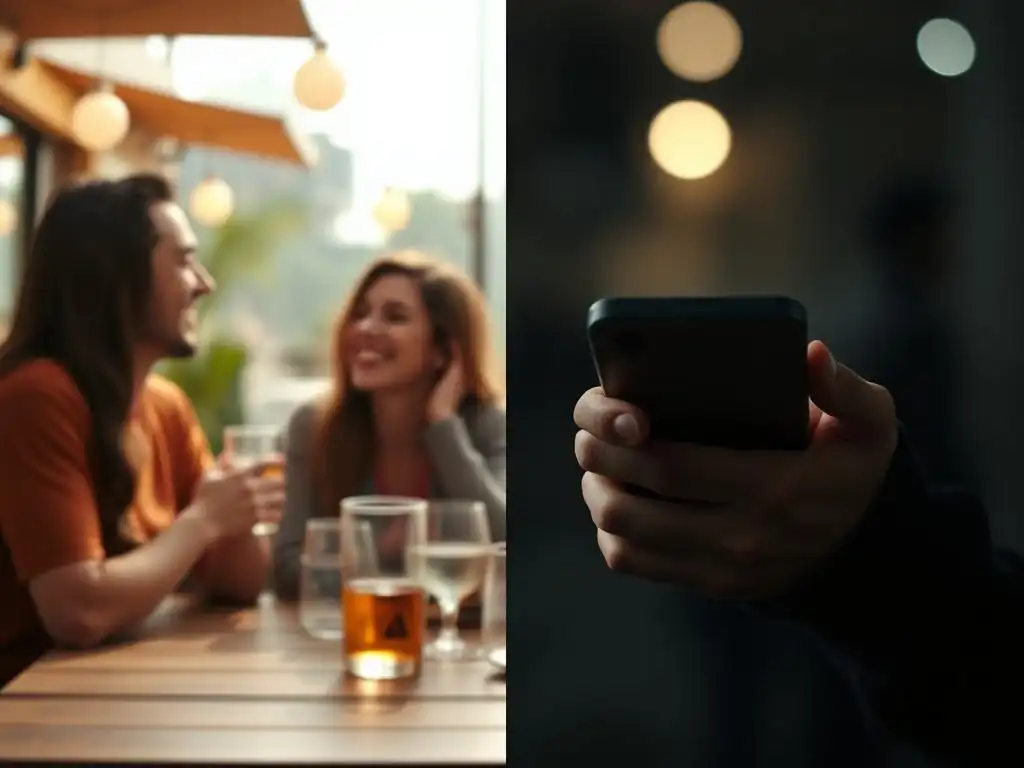
Online dating scam detection isn't just about spotting red flags before the date; it's crucial to remain vigilant throughout the encounter. Many scammers are adept at masking their true intentions initially. Therefore, paying close attention to their behavior during the date itself is paramount for your safety. Some key behavioral red flags to watch out for include inconsistencies in their story. Do their actions match what they've told you online? If they've claimed to be a successful entrepreneur, for example, does their appearance and demeanor align with that claim?
Discrepancies are a significant warning sign. Another critical aspect is their level of control and pressure. Are they overly possessive, demanding your undivided attention, or trying to isolate you from friends or family? Healthy relationships are built on mutual respect and independence, not control. A manipulative scammer will try to exert dominance early on.
Furthermore, be wary of excessive flattery or unrealistic promises. While initial compliments are normal, overly effusive praise that seems insincere or grandiose should raise concerns. Similarly, promises of wealth, travel, or a quick-moving relationship with little to no substance are classic scammer tactics. These are often empty promises designed to lure you in. Their communication style also matters. Do they avoid answering direct questions or change the subject frequently when pressed?
Evasive answers and a reluctance to discuss personal details can be indicators of deception. Finally, pay close attention to their body language. Do they seem nervous, fidgety, or avoid eye contact? While not definitive proof of malicious intent, these non-verbal cues can signal discomfort or dishonesty. Remember, trust your intuition; if something feels off, it probably is. Prioritizing your safety and well-being should always be your top priority in online dating scam detection.
Developing an Exit Strategy: Knowing When and How to Leave Safely
Having a plan for a safe exit is a critical component of online dating scam detection and overall first date safety. This isn't about being cynical, but rather proactive and prepared. Before the date, share your location and plans with a trusted friend or family member. Let them know where you're going, who you're meeting, and when you expect to be back.
Regularly check in with them throughout the date, even if it's just a quick text message. This simple act can provide a vital safety net. Consider pre-arranging a "check-in call" at a specific time during the date. This gives you a plausible excuse to end the date if needed.
Your exit strategy should also involve having a pre-planned escape route. If you feel uncomfortable, you need a way to leave quickly and discreetly. This could be having a friend waiting nearby or ensuring you have access to a ride-sharing service or your own transportation. Avoid situations where you are completely reliant on your date for transportation.
During the date itself, be mindful of your surroundings. If you're meeting in a public place, choose a well-lit and populated area. Stay aware of your surroundings and if you feel unsafe, trust your instincts and leave immediately. Don't hesitate to make a scene if necessary – your safety outweighs any social awkwardness.
Remember, there's no shame in prioritizing your well-being. Finally, having a pre-determined phrase or signal with your trusted contact can facilitate a quick and discreet exit without raising suspicion with your date. This could be a simple text message containing a specific word or phrase that signals you need help. This proactive approach to online dating scam detection can significantly reduce your risk and empower you to take control of your safety.
Reporting Online Dating Scams: Taking Action After a Negative Experience
Experiencing a scam on an online dating platform can be incredibly distressing. Knowing how to respond effectively is crucial, not only for your personal well-being but also to potentially prevent others from falling victim. This section outlines the steps you can take after encountering a suspected scammer. Remember, reporting is vital in combating online dating fraud and holding perpetrators accountable. Effective online dating scam detection involves proactive reporting as well as personal safety measures.
Reporting to Online Dating Platforms: Utilizing Internal Reporting Mechanisms
Most reputable online dating platforms have robust internal mechanisms for reporting suspicious activity. These mechanisms typically involve flagging a profile or reporting specific interactions. Take advantage of these features! Detailed reports significantly increase the chances of a scammer's profile being investigated and potentially removed from the platform. When reporting, be as specific as possible. Include:
- Screenshots: Document the conversation, including any suspicious requests for money or personal information. Screenshots serve as irrefutable evidence.
- Dates and Times: Precise timestamps help investigators track the scammer's activity.
- Specific Details: Describe the scammer's behavior, including any red flags you noticed (e.g., inconsistent stories, pressure for financial assistance, requests for personal details early in the interaction).
- Links and URLs: If applicable, provide links to the scammer's profile or any external websites they linked to.
Remember, the more information you provide, the more likely the platform is to take action. Many platforms have dedicated support teams trained to handle these reports effectively. Don't hesitate to contact them directly if you encounter any difficulties with the reporting process. Thorough reporting contributes significantly to better online dating scam detection for other users.
Contacting Law Enforcement: Filing a Police Report and Seeking Legal Advice
While reporting to the dating platform is crucial, contacting law enforcement is equally important, especially if you've suffered financial loss or experienced significant emotional distress. Filing a police report allows authorities to investigate the scam, potentially track down the perpetrator, and gather data to aid in future online dating scam detection efforts. This is especially relevant if the scammer has attempted to solicit money or obtain sensitive information through deceptive means.
When filing a police report, be prepared to provide the same detailed information you provided to the online dating platform. Additionally, keep records of any financial transactions you made, including bank statements and payment confirmations. Consider seeking legal advice from a lawyer specializing in internet fraud. They can advise you on your legal options and help you navigate the process of recovering any losses. Proactive legal counsel can make a significant difference in the aftermath of an online dating scam.
Protecting Your Online Presence: Securing Your Accounts and Information
After experiencing a scam, it's crucial to review and strengthen your online security practices. This proactive approach to online dating scam detection helps prevent future incidents. Here's what you should do:
- Change Passwords: Update passwords for all your online accounts, including your dating profile, email, and social media accounts. Use strong, unique passwords for each account.
- Enable Two-Factor Authentication (2FA): 2FA adds an extra layer of security, making it significantly harder for scammers to access your accounts even if they obtain your password.
- Review Privacy Settings: Carefully review the privacy settings on your online dating profile and social media accounts. Limit the information you share publicly to reduce your vulnerability.
- Monitor Your Accounts: Regularly monitor your bank accounts and credit reports for any unauthorized activity. Report any suspicious transactions immediately to your bank and the relevant credit bureaus.
- Be Wary of Future Contacts: Remain vigilant and cautious when interacting with new people online. Don't rush into relationships, and always be aware of the red flags associated with online dating scams. This ongoing vigilance is a key component of effective online dating scam detection.
Remember, you are not alone. Many people experience online dating scams, and seeking help is a sign of strength, not weakness. Taking proactive steps to report, protect yourself, and educate others will contribute to a safer online dating environment for everyone.
Seeking Support: Connecting with Victims' Support Groups and Resources
Experiencing an online dating scam can be incredibly isolating and emotionally draining. Knowing you're not alone is crucial for healing and moving forward. Fortunately, numerous resources and support groups exist specifically designed to help victims of online dating scams navigate the aftermath.
These groups offer a safe space to share your experiences, process your emotions, and learn from others who have gone through similar situations. The shared experiences within these groups can be incredibly validating, helping you realize that what you experienced wasn't your fault and that recovery is possible. Many offer peer-to-peer support, allowing you to connect with individuals who understand the nuances of online dating scams and the emotional toll they take.
Beyond support groups, various organizations provide resources and guidance for victims. These resources often include information on reporting scams to the appropriate authorities, advice on protecting your financial information, and counseling services to help you cope with the emotional trauma. Some organizations specialize in financial fraud, offering assistance in recovering lost funds or preventing further financial harm.
Others focus on emotional support, providing access to therapists and counselors experienced in dealing with the psychological impacts of scams. Remember that seeking professional help is a sign of strength, not weakness. These resources are available to help you reclaim your emotional well-being and prevent future victimization.
Don't hesitate to reach out – your well-being is paramount. The process of healing takes time, but with the right support, you can overcome this challenging experience and build a healthier, safer approach to online dating. Finding the right support group or organization often involves searching online for keywords like "online dating scam support" or "cybercrime victim support," but it is important to carefully vet any organization before sharing personal information.
Frequently Asked Questions
How can I spot a potential scammer on an online dating site?
Be wary of profiles with limited information, poor-quality photos, or inconsistent details. Look for red flags like overly-romantic messages early on and requests for money or personal information. Trust your instincts; if something feels off, it probably is.
What are some common tactics used by online dating scammers?
Scammers often create fake profiles with stolen photos and fabricated information. They may use high-pressure tactics, love-bombing, or create elaborate stories to gain your trust before asking for financial assistance. They may also try to move conversations quickly off the dating platform.
How can I protect my personal information while online dating?
Never share sensitive information like your full address, social security number, or bank details with someone you've only met online. Be cautious about sharing photos that could be used to identify you. Use a strong password and enable two-factor authentication where available.
What should I do if I suspect I'm being scammed?
Immediately stop all communication with the suspicious individual. Report the profile to the dating site's administrators. Consider blocking the user and if you've already sent money, contact your bank or financial institution immediately to report the fraud.
Where can I find more information about online dating safety?
OnlineDatingSuccess.org provides comprehensive guides and resources dedicated to online dating safety and scam detection. We offer practical tips and advice to help you navigate the online dating world safely and build meaningful connections. Explore our website for further information.
The rise of online dating has revolutionized romance, but it's also created fertile ground for scammers preying on vulnerable hearts. This ease of connection, while offering incredible opportunities, necessitates a heightened awareness of potential dangers. Ignoring the risks is not an option; protecting yourself is paramount.
The impact of online dating scams extends far beyond financial loss; it leaves victims feeling betrayed, violated, and deeply insecure. The emotional toll is often devastating, leaving lasting scars on self-esteem and trust. The heart wants what it wants,
they say, but a discerning mind protects it. This article aims to empower you to navigate the digital dating world with confidence and caution, recognizing the red flags and safeguarding your well-being. The ongoing evolution of these scams requires constant vigilance and adaptation, making education and awareness crucial tools in our collective fight against this insidious form of exploitation.
You now possess the knowledge to identify potential red flags and protect yourself from online dating scams. Take this information to heart, and use it to build safer, more fulfilling connections. Don't let fear paralyze you; instead, let awareness empower you to embrace the possibilities of online dating while prioritizing your safety and emotional well-being. Remember, your intuition is your greatest ally. Trust it, and build a dating experience that is both exciting and secure.
Empower Yourself: Take Control of Your Online Dating Safety
Thank you for taking the time to learn about online dating safety! We hope you feel more confident and prepared to navigate the world of online romance. Let's put your new knowledge into action:
- Create a Personal Safety Plan: Develop a checklist of key safety tips, including recognizing warning signs and verifying profiles. Keep this checklist readily accessible before, during, and after your dates to proactively assess situations.
- Share Your Safety Plan with Loved Ones: Inform your friends and family about your safety precautions. A strong support network is invaluable, and sharing this information could help others avoid potentially dangerous situations.
- Share Your Safety Tips: What safety measures do you prioritize on first dates? Share your best tips and experiences below – let's build a safer online dating community together!
Ready to make your next online dating experience safer and more enjoyable?