
The "Why Don't You Answer Faster" Text: Understanding Demanding Behavior


Tired of the agonizing wait for a reply? You're not alone. Navigating the world of online dating often leaves us wondering why messages go unanswered. At OnlineDatingSuccess.org, we understand the frustration of online dating slow response anxiety, and we're here to help you decode the digital dating game. This article, focusing on demanding behavior, unlocks the secrets to confident communication and building meaningful connections – discover how to manage expectations and foster healthy relationships in the digital age. Let's dive in!
- Understanding Online Dating Slow Response Anxiety
- Deciphering the "Why Don't You Answer Faster?" Message
- Healthy Communication Expectations in Online Dating
- Strategies for Handling Demanding Behavior
- When to Walk Away: Recognizing Unhealthy Dynamics
-
Frequently Asked Questions
- Why am I so anxious about slow responses in online dating?
- Is it okay to ask someone why they're responding slowly?
- How can I manage my anxiety around online dating response times?
- What if someone consistently responds slowly, even after I've expressed my feelings?
- Is it normal to feel insecure when someone doesn't respond quickly in online dating?
- Final Reflection: Unpacking the Urgency in Online Dating
- Unlock Happier Dating: Respond with Confidence!
Understanding Online Dating Slow Response Anxiety
Navigating the world of online dating can be exhilarating, but it also presents unique challenges. One common source of frustration and anxiety is the dreaded slow response, or the lack thereof. This article delves into the phenomenon of "online dating slow response anxiety," exploring its underlying causes, recognizing demanding communication styles, and ultimately, how managing expectations can significantly improve your online dating experience.
We'll examine the psychology behind the impatience many feel when messages go unanswered, and offer practical strategies for navigating these situations with grace and self-respect. Understanding the nuances of online communication and setting healthy boundaries is crucial for building meaningful connections, and this guide will equip you with the tools to do just that.
The goal isn't to eliminate all anxiety, but to equip you to handle it constructively and avoid behaviors that might hinder your chances of finding a compatible partner. Let's explore how to manage the anxieties associated with slow responses and build healthier communication patterns in the online dating world.
The Root of Impatience: Why Speed Matters in Online Dating
The immediacy of modern communication has reshaped our expectations of response times. We live in a world of instant messaging, near-instantaneous email delivery, and social media notifications that ping us constantly. This constant connectivity can inadvertently cultivate a sense of urgency and impatience, which seeps into our online dating interactions.
For many, a slow response can be interpreted as disinterest, rejection, or even a sign of something more sinister. This feeling is amplified by the inherently uncertain nature of online dating; every interaction carries a weight of possibility and vulnerability. The longer the wait, the more room there is for negative interpretations to take root.
Furthermore, the sheer volume of potential partners on most dating platforms can intensify the feeling of competition, leading to a heightened sensitivity to perceived rejection signaled by a delayed response. This anxiety isn't necessarily irrational; it's a natural response to a situation filled with ambiguity and a desire for connection.
Several factors contribute to this heightened sensitivity:
- Fear of Missing Out (FOMO): The abundance of profiles creates a sense of competition and the fear of missing out on a potentially better match.
- Low Self-Esteem: A lack of confidence can lead to overanalyzing every interaction, magnifying the significance of a delayed response.
- Past Relationship Trauma: Previous negative experiences can heighten sensitivity and trigger anxiety in new relationships, even online.
- Personality Traits: Some individuals are naturally more impatient or prone to anxiety than others.
Recognizing Demanding Communication Styles in Online Dating
While waiting for a response is a common experience, demanding behavior crosses a line. This can manifest in various ways, from repeatedly sending messages to expressing frustration or anger over a lack of immediate replies. Examples of demanding communication styles include:
- Excessive Messaging: Sending multiple messages in quick succession, especially if the recipient hasn't responded to previous ones.
- Accusatory Language: Implying disinterest or blaming the other person for not responding quickly enough.
- Ultimatums: Giving the other person a deadline to respond or implying consequences for a delayed reply.
- Passive-Aggressive Behavior: Using sarcasm or indirect communication to express frustration.
Recognizing these patterns is crucial, both in others and in ourselves. Demanding behavior is rarely effective and can actually drive potential partners away. It suggests a lack of respect for the other person's time and autonomy and can create an unbalanced dynamic from the start. Instead of demanding a response, focus on building a connection through engaging conversation and respecting the other person's boundaries.
The Impact of Immediate Response Expectations on Online Dating Success
The pressure to respond immediately can significantly hinder online dating success. It creates an unrealistic expectation for constant availability and can lead to burnout. Prioritizing immediate responses over genuine connection can also result in superficial interactions and a lack of meaningful engagement.
Furthermore, demanding immediate responses can be a major turn-off for potential partners, creating an environment of pressure and discomfort rather than mutual attraction. Striving for a balance between responsiveness and respecting personal space is key to fostering healthy communication and building sustainable relationships. Remember, online dating is a marathon, not a sprint.
Allowing for natural rhythms in communication, and responding thoughtfully rather than hastily, is more likely to lead to meaningful connections. Patience and understanding are crucial ingredients for success in the online dating world. Managing expectations and focusing on building genuine connections, rather than fixating on response times, will significantly increase your chances of finding a compatible and fulfilling relationship.
Deciphering the "Why Don't You Answer Faster?" Message
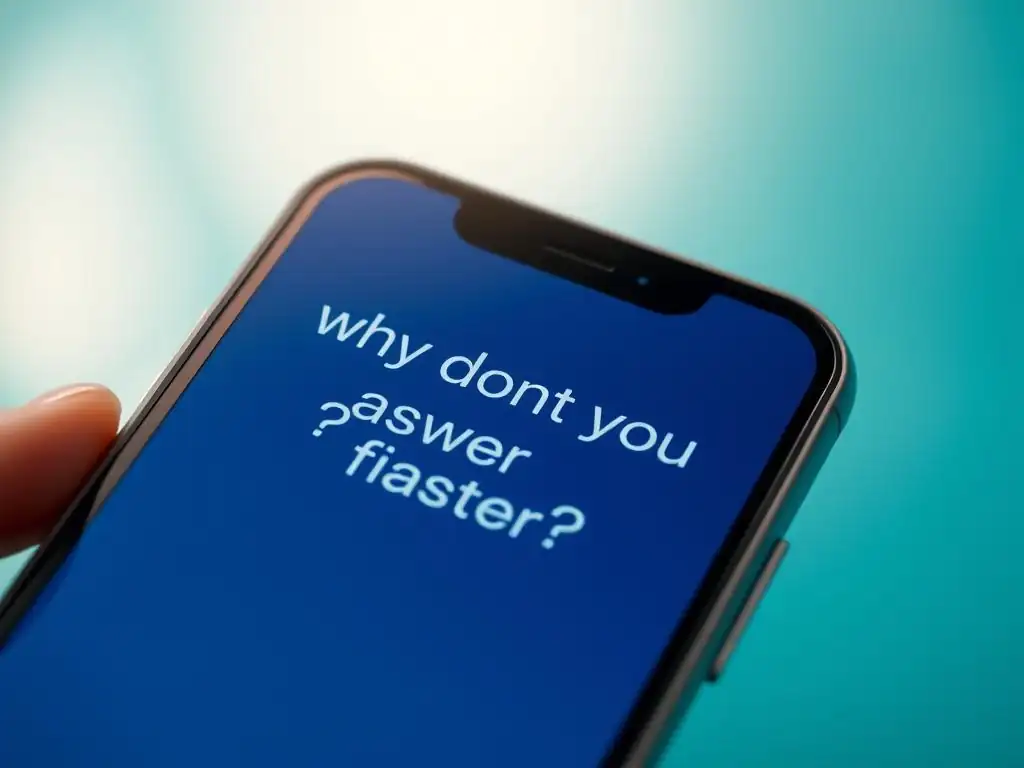
This seemingly simple question, "Why don't you answer faster? ", hides a multitude of potential underlying issues in online dating. It's a red flag that deserves careful consideration, signaling potential problems in communication styles and relationship dynamics. Understanding the nuances of this seemingly innocuous text is crucial for navigating the complexities of online dating and protecting your emotional well-being. The anxiety stemming from slow responses is often felt by both parties, but the demand for a quicker response is where the problem lies. We'll explore the underlying causes and help you identify when it's time to move on.
Analyzing the Underlying Insecurity in Demanding Texts
The demand for immediate responses often stems from deep-seated insecurity. A person who feels the need to control the pace of communication might be grappling with low self-esteem or a fear of rejection. They may project this insecurity onto their dating partner, viewing a delayed response as a personal slight or indication of disinterest. This behavior isn't about you; it's a reflection of their internal struggles. Consider this example: Imagine someone who has a history of being ignored or dismissed in past relationships.
They might subconsciously equate slow responses with abandonment, leading to anxious behavior and demanding messages. Their actions are driven by fear, not necessarily malice. Understanding this context allows for a more empathetic, yet firm, response. Remember, your time and emotional energy are valuable, and you don't owe anyone instant replies.
Identifying Control Issues in Online Dating Communication
Demanding texts often indicate a larger pattern of controlling behavior. While a single instance of asking "Why don't you answer faster?" might be a minor oversight, repeated demands for immediate attention are a significant red flag. This behavior can escalate into other forms of control, such as excessive texting, constant checking in, and attempts to dictate your actions or schedule. Think of it like this: A healthy relationship is built on mutual respect and autonomy.
Controlling communication patterns undermine this foundation. This isn't about being "difficult" or "unavailable"; it's about setting healthy boundaries and recognizing manipulative tactics. Observe the overall pattern of communication. Is it characterized by respect and understanding, or by pressure and demands? The answer will guide your decision.
Recognizing Red Flags: When to Disengage from Demanding Daters
Online dating slow response anxiety is a common issue, but the demand for a faster response transforms it from a shared experience into a potential red flag. If you consistently receive demanding messages, coupled with other controlling behaviors, it's crucial to disengage. Prioritizing your own well-being is paramount.
Consider these scenarios: Repeated questioning about your whereabouts, pressure to respond immediately regardless of your schedule, accusations of ignoring them when you have a delayed response, and attempts to regulate your online activity are all serious warning signs. These behaviors indicate a lack of respect for your boundaries and personal space. Remember, a healthy relationship involves open communication and mutual respect, not demands and control.
Disengaging from such interactions allows you to focus on building healthy, fulfilling connections that respect your autonomy and value your time. You deserve a partner who appreciates your individuality and respects your personal space, not one who demands constant attention and control. Prioritize your well-being; it's the most important aspect of online dating success.
Healthy Communication Expectations in Online Dating
Online dating involves a unique set of communication dynamics. Unlike in-person interactions, where immediate feedback is often expected, online dating introduces delays due to various factors. Understanding these nuances is crucial to avoid misinterpretations and unnecessary anxiety, especially concerning the dreaded "Why don't you answer faster?" text. This section will explore healthy communication expectations to navigate this aspect of online dating successfully. Remember, healthy communication fosters genuine connections, while demanding behavior often creates distance. Let's explore what constitutes healthy expectations in the context of online dating.
Setting Realistic Response Timeframes in Online Dating
Establishing realistic response timeframes is key to managing your own expectations and those of your dating partners. It's unrealistic to expect immediate responses every time. People have lives, jobs, and other commitments.
A good rule of thumb is to aim for a response within 24-48 hours, considering the individual's stated availability and your own communication style. For instance, if someone mentions they're busy with work during the week, a response on the weekend would be perfectly reasonable. Conversely, if someone is consistently responding within minutes, and you are unable to reciprocate, this is also a point to address and consider.
Consider these factors when setting expectations:
- Their stated availability: Pay attention to any hints they may give about their schedules.
- Your own availability: Don't overcommit yourself. It's better to respond thoughtfully when you have time.
- The nature of the communication: A simple "hello" might warrant a quicker response than a long, thoughtful message.
- The stage of the relationship: Early stages might involve more frequent communication than established relationships.
Avoid jumping to conclusions if someone doesn't respond instantly. Patience and understanding are vital in online dating. Remember, online dating slow response anxiety is common, but managing expectations is key to mitigating it.
Balancing Responsiveness with Personal Life in Online Dating
Online dating shouldn't consume your entire life. It's crucial to maintain a healthy balance between engaging with potential partners and prioritizing your well-being and other commitments. Over-prioritizing online dating can lead to burnout and negatively impact your mental health and relationships.
Here are some strategies to achieve this balance:
- Schedule dedicated time: Set aside specific times for checking messages and responding. This prevents constant checking and promotes mindful engagement.
- Set boundaries: Communicate your availability upfront. Let potential matches know when you're likely to be less responsive (e.g., during work hours).
- Don't feel obligated to respond immediately: It's okay to take breaks and prioritize other aspects of your life.
- Focus on quality over quantity: Engage meaningfully with those who genuinely interest you instead of spreading yourself too thin.
- Prioritize self-care: Engage in activities that nourish your well-being, independent of online dating. This will prevent burnout and maintain a healthy perspective.
Prioritizing Your Well-being: Avoiding Communication Burnout
Experiencing online dating slow response anxiety is a common occurrence. However, constantly fretting over response times can be detrimental to your mental health. Prioritizing your well-being is paramount. Remember that your worth isn't determined by the speed of someone's response.
Here’s how to mitigate online dating slow response anxiety and avoid burnout:
- Practice self-compassion: Be kind to yourself. It's okay to feel frustrated or disappointed, but don't let these feelings consume you.
- Limit screen time: Excessive screen time can exacerbate anxiety. Set limits to prevent over-engagement with online dating.
- Engage in offline activities: Focus on hobbies, social interactions, and self-care activities that bring you joy and fulfillment.
- Seek support: Talk to friends, family, or a therapist if you're struggling with anxiety related to online dating.
- Remember your worth: Your value isn't tied to someone's response time. Focus on building healthy relationships based on mutual respect and understanding, not on immediate gratification.
Remember, healthy communication is a two-way street. If you consistently find yourself experiencing excessive anxiety due to slow responses, it might be a sign to re-evaluate your approach or the relationships you're pursuing. Prioritizing your well-being is always the best strategy.
Strategies for Handling Demanding Behavior

Online dating slow response anxiety is a real phenomenon. Many users experience frustration when their messages aren't immediately answered, leading to feelings of rejection or insecurity. However, demanding immediate responses is a significant red flag, indicative of potential controlling behavior or a lack of respect for your time and autonomy. This section explores strategies to navigate these challenging interactions effectively and protect your emotional well-being.
Responding to Pressure for Immediate Responses
The pressure to respond instantly can feel overwhelming. Remember, you have the right to set your own communication pace. Instead of feeling obligated to reply immediately, consider these options:
- Delayed Responses: A simple, "Busy at the moment, will get back to you later," is often sufficient. This sets a boundary without being confrontational. Don't feel the need to over-explain.
- Setting Expectations: If the demanding behavior continues, you could proactively set expectations. For example, "I usually respond to messages in the evenings." This provides context and manages expectations without being apologetic.
- Ignoring Unreasonable Demands: If someone persistently demands immediate responses or becomes aggressive when you don't comply, it's perfectly acceptable to ignore their messages. This protects your mental health and sends a clear message about your boundaries. Remember, you are not obligated to engage with anyone who disrespects your time.
Consider this scenario: You're enjoying a quiet evening when a new match sends a flurry of messages, demanding immediate responses. Instead of feeling pressured, you calmly reply, "Hey! Having a relaxing evening. I'll catch up with you tomorrow." This response is polite, assertive, and sets a healthy boundary.
Setting Boundaries with Demanding Online Daters
Setting clear boundaries is crucial for maintaining your well-being in online dating. This involves identifying your limits and communicating them effectively.
- Identify Your Limits: What level of communication pressure is acceptable to you? How much time are you willing to dedicate to messaging before a first date? Clearly defining your limits will empower you to enforce them.
- Communicate Your Boundaries: Directly and calmly communicate your boundaries. For instance, "I appreciate your interest, but I prefer to keep communication at a reasonable pace." Avoid being apologetic; you're stating your preferences, not asking for permission.
- Enforce Your Boundaries: This is the most important step. If someone consistently crosses your boundaries despite your communication, don't hesitate to unmatch or block them. Your well-being is paramount.
Think of boundaries as a protective shield. They safeguard your emotional and mental health, preventing you from being overwhelmed or manipulated. Ignoring red flags can lead to more significant issues down the line. Don't underestimate the power of self-preservation.
Maintaining Healthy Communication While Protecting Your Time
Balancing healthy communication with protecting your time requires careful management. Remember, online dating should be enjoyable, not a source of stress.
- Prioritize Quality over Quantity: Focus on meaningful conversations rather than engaging in superficial exchanges. Prioritize those who respect your time and communication style.
- Schedule Dedicated Time: Instead of constantly checking messages, allocate specific times for responding. This prevents you from feeling overwhelmed and allows you to be more present in your interactions.
- Don't Over-Communicate: Excessive messaging before a first date can create unrealistic expectations and potentially lead to disappointment. Maintain a balanced pace to keep the excitement alive.
Maintaining a healthy balance between engagement and self-care is key. Remember, you are in control of your online dating experience. By prioritizing your well-being and setting clear boundaries, you can create a positive and respectful online dating journey. Don't let online dating slow response anxiety dictate your actions. You deserve to feel safe and respected.
When to Walk Away: Recognizing Unhealthy Dynamics
Online dating slow response anxiety is a real issue, but sometimes, the slow response is the least of your worries. Understanding when to disengage from a potentially unhealthy dynamic is crucial for your emotional and physical safety. This section focuses on identifying red flags that signal you should move on, regardless of how attractive the person might seem or how intriguing the initial connection felt. Remember, your peace of mind is invaluable.
Identifying Controlling Behavior in Online Dating Interactions
Controlling behavior often manifests subtly at first. It might start with seemingly innocuous comments about your choices, gradually escalating to demands and attempts to dictate your actions. Look out for these signs:
- Excessive questioning: Are they constantly asking about your whereabouts, who you're talking to, and what you're doing? This isn't genuine interest; it's a control tactic.
- Jealousy and possessiveness: Do they express jealousy over your friends, family, or even past relationships, disproportionate to the stage of your connection? Healthy relationships celebrate each other's independence.
- Attempts to isolate you: Do they try to minimize your contact with others, suggesting you spend less time with friends or family? This is a classic sign of controlling behavior.
- Pressure to respond immediately: While slow responses are a common online dating frustration, constant pressure for instant replies, angry reactions to delays, or accusations of ignoring them are major red flags. This is about their control, not a genuine concern about communication.
- Gaslighting: Do they deny your reality, make you question your own perceptions, or twist your words to make you feel at fault? This insidious tactic aims to undermine your confidence and self-worth. This is particularly relevant to online dating slow response anxiety, as they might gaslight you into believing your anxieties are unfounded.
For example, imagine someone constantly texting you, demanding immediate responses, and then accusing you of being "cold" or "uninterested" if you don't reply within minutes. This isn't a matter of miscommunication; it's a deliberate attempt to control your time and attention. This behavior is a clear indication to walk away.
Recognizing Signs of Potential Abuse or Harassment
Controlling behavior can escalate into abuse or harassment. It's vital to recognize these patterns early. Online harassment can take various forms, including:
- Verbal abuse: This includes insults, name-calling, threats, and constant criticism.
- Cyberstalking: This involves monitoring your online activity, tracking your location, or contacting you repeatedly despite your requests to stop.
- Threats of violence: Even veiled threats should be taken seriously. Your safety is paramount.
- Sharing private information: This is a serious violation of trust and can have significant consequences.
- Non-consensual sharing of intimate images or videos: This is illegal and deeply damaging.
Remember, even if the abuse seems minor at first, it can escalate quickly. Don't minimize the impact of these behaviors; trust your instincts. If you experience any of these, immediately block the person and report them to the dating platform.
Prioritizing Your Safety and Well-being in Online Dating
Your safety and well-being should always be your top priority. Here's how to protect yourself:
- Trust your gut: If something feels off, it probably is. Don't ignore your intuition.
- Meet in public places: Never meet someone from an online dating site in a secluded or private location, especially on a first date.
- Tell a friend or family member about your plans: Let someone know where you're going and who you're meeting.
- Have a backup plan: Arrange for a friend to check in on you or have a way to contact someone if you need help.
- Block and report abusive behavior: Don't hesitate to block and report users who exhibit controlling, abusive, or harassing behavior. Most dating platforms have robust reporting mechanisms.
Remember, online dating should be a positive experience. Don't tolerate behavior that makes you feel uncomfortable, unsafe, or anxious. Prioritizing your well-being is not selfish; it's essential. Learning to recognize unhealthy dynamics and prioritizing your safety will help you navigate the world of online dating with confidence and peace of mind. Addressing online dating slow response anxiety is important, but recognizing and avoiding potentially dangerous situations is even more crucial.
Frequently Asked Questions
Why am I so anxious about slow responses in online dating?
This anxiety is common! It stems from a fear of rejection and a desire for instant gratification. Remember that everyone moves at their own pace.
Is it okay to ask someone why they're responding slowly?
It's generally okay to gently inquire, but avoid accusatory language. Phrase it as a simple question showing genuine interest, not demanding an explanation. For example: "Just checking in! Hope everything's okay."
How can I manage my anxiety around online dating response times?
Focus on self-care and distraction techniques. Engage in hobbies, spend time with friends, and remind yourself that one person's response (or lack thereof) doesn't define your worth.
What if someone consistently responds slowly, even after I've expressed my feelings?
This could signal a lack of interest or incompatibility. Respect their communication style, but don't waste your time waiting endlessly for a response. Prioritize your own emotional well-being.
Is it normal to feel insecure when someone doesn't respond quickly in online dating?
Absolutely! Online dating can be emotionally charged. These feelings are valid and experienced by many. Focus on building a strong sense of self-worth independent of other people's responses.
Final Reflection: Unpacking the Urgency in Online Dating
The pressure to respond instantly in online dating isn't just about speed; it's a reflection of our deeper anxieties about connection and validation in the digital age. This seemingly simple act of waiting for a text message reveals a complex interplay of expectations, insecurities, and the ever-present fear of rejection. Understanding this dynamic is crucial for navigating the modern dating landscape with greater self-awareness and emotional resilience.
The pervasive nature of instant communication has profoundly altered our expectations of interpersonal interactions. We've become accustomed to immediate gratification, blurring the lines between personal and professional communication. This constant connectivity, while offering convenience, can also fuel impatience and intensify feelings of anxiety when responses aren't immediate. The tyranny of the urgent often prevents us from attending to the truly important.
This quote highlights the need to prioritize mindful communication over reactive responses, a crucial lesson for anyone navigating the often-frustrating world of online dating.
Consider the impact of this pressure on your own interactions. Are you finding yourself anxiously refreshing your dating app, or feeling disheartened by a delayed response? Take a moment to reflect on your own expectations and how they might be contributing to your stress. Instead of succumbing to the urgency, try practicing patience and self-compassion. Remember that everyone moves at their own pace, and a delayed response doesn't necessarily equate to disinterest. By cultivating a healthier relationship with technology and expectations, you can create a more fulfilling and less stressful online dating experience.
Unlock Happier Dating: Respond with Confidence!
Thanks for exploring the complexities of demanding texting behavior! You now have the tools to navigate challenging conversations with greater ease and understanding. Ready to apply your new knowledge?
- Craft thoughtful responses: Consider the techniques discussed and plan how you'll respond next time someone expects an immediate reply. Practice will improve your responses.
- Share your experiences: Have you faced similar situations? Share your thoughts and strategies in the comments below—let's create a supportive community!
- Learn more: Explore our site's resources on healthy communication to build even stronger relationships.
Ready to confidently handle demanding texts and foster healthier relationships? What small step will you take today to improve your dating communication?