
The Power of Managing Triggers: A Guide for Anxious Daters Online


Dive into the world of confident online dating! Are you letting anxiety sabotage your chances of finding love? At OnlineDatingSuccess.org, we understand the challenges of navigating the digital dating scene. This article on managing online dating anxiety, part of our Attachment Styles & Online Dating series, provides practical strategies to help you overcome your triggers and build healthy, fulfilling relationships. Discover how to reclaim control and unlock your dating potential – let's get started!
- Understanding Online Dating Anxiety and its Triggers
- Strategies to Manage Online Dating Anxiety
- Practical Tips for Navigating Triggering Situations
- Leveraging Online Dating Features to Minimize Anxiety
- Building Resilience and Long-Term Success
- Frequently Asked Questions
- Final Reflection: Reclaiming Your Dating Power Online
- Unleash Your Dating Confidence: Take Control Now!
Understanding Online Dating Anxiety and its Triggers
Online dating, while offering exciting possibilities for connection, can also be a significant source of anxiety. The constant influx of messages, the pressure to present a perfect online persona, and the inherent uncertainties of meeting strangers virtually can trigger a cascade of negative emotions. For many, this anxiety isn't just a fleeting feeling; it's a persistent challenge that can hinder their ability to form meaningful relationships.
This guide focuses on helping individuals effectively manage online dating anxiety by understanding its root causes, recognizing its symptoms, and developing coping mechanisms. We will explore the powerful connection between anxious attachment styles and heightened sensitivity to online dating triggers, offering practical strategies to navigate this complex landscape and build healthier dating experiences.
This isn't just about avoiding anxiety; it's about transforming it into a tool for self-awareness and growth, ultimately leading to more fulfilling and authentic connections. We'll delve into specific techniques to help you reclaim control of your emotions and create a more positive online dating journey.
Identifying Your Personal Online Dating Triggers
Understanding your individual triggers is the first crucial step in managing online dating anxiety. These triggers are unique to each person and can manifest in various forms. Some common triggers include:
- Slow responses or lack of communication: The anticipation of a reply and the potential for rejection can be incredibly stressful. The longer the wait, the more the anxiety can escalate.
- Ghosting or being ignored: This abrupt cessation of contact can be particularly hurtful and trigger feelings of inadequacy and rejection.
- Negative feedback or criticism: Even constructive criticism can be perceived negatively by those prone to anxiety, leading to self-doubt and decreased self-esteem.
- Comparison with other profiles: Scrolling through countless profiles can lead to feelings of inadequacy and trigger anxieties about one's own profile and perceived attractiveness.
- Pressure to maintain a "perfect" online persona: The constant need to present an idealized version of oneself can be exhausting and contribute to significant anxiety.
- Fear of vulnerability: Sharing personal information online can feel risky, triggering anxiety about rejection or potential harm.
To identify your personal triggers, take some time for self-reflection. Consider keeping a journal to document your emotional responses to different online dating experiences. Note the specific situations that lead to increased anxiety and try to pinpoint the common threads. This process of self-awareness is crucial for developing effective coping strategies. For example, if you find that comparing yourself to others on dating apps significantly increases your anxiety, you might choose to limit your time spent browsing profiles.
Recognizing Anxiety Symptoms in Online Dating
Recognizing the symptoms of anxiety is just as important as identifying the triggers. Anxiety manifests differently in each person, but some common symptoms in the context of online dating include:
- Physical symptoms: Increased heart rate, shortness of breath, trembling, sweating, and muscle tension.
- Emotional symptoms: Feelings of nervousness, worry, irritability, restlessness, and overwhelming fear.
- Cognitive symptoms: Racing thoughts, difficulty concentrating, catastrophizing (expecting the worst), and negative self-talk.
- Behavioral symptoms: Avoidance of online dating altogether, compulsive checking of messages, overthinking interactions, and difficulty sleeping.
It's important to distinguish between healthy nervousness (a normal part of dating) and overwhelming anxiety that significantly impacts your well-being and ability to function. If you consistently experience severe anxiety symptoms that interfere with your daily life, it's crucial to seek professional help. A therapist can provide personalized support and coping strategies to manage your anxiety effectively.
The Link Between Anxious Attachment and Online Dating Triggers
Anxious attachment, characterized by a fear of abandonment and a need for constant reassurance, significantly amplifies the impact of online dating triggers. Individuals with anxious attachment styles are often more sensitive to perceived rejection, leading to heightened anxiety and emotional distress in the online dating environment. The uncertainty inherent in online interactions exacerbates these feelings, creating a cycle of anxiety and insecurity.
Understanding your attachment style can provide valuable insights into your online dating experiences. Recognizing that your heightened sensitivity stems from your attachment style can help you approach online dating with more self-compassion and develop strategies to manage your emotional responses more effectively. This involves learning to regulate your emotions, challenge negative thought patterns, and build healthier communication patterns. Remember, recognizing and working through these patterns is a journey, not a destination. With self-awareness and appropriate support, you can navigate the challenges of online dating and build more secure and fulfilling relationships.
Strategies to Manage Online Dating Anxiety
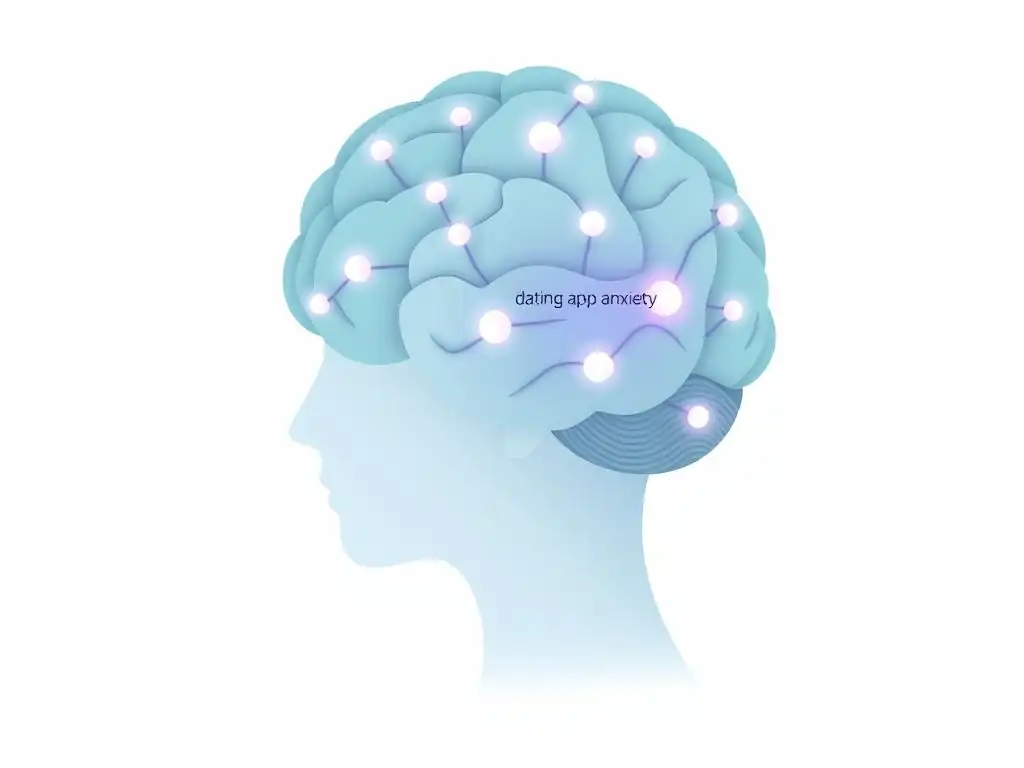
Online dating can be a rollercoaster of emotions, especially for those with anxiety. The constant notifications, the pressure to present a perfect self, and the uncertainty of connection can trigger overwhelming feelings. Learning to manage these triggers is crucial for a positive online dating experience. This section outlines practical strategies to help you navigate the anxieties associated with finding love online, ultimately empowering you to manage online dating anxiety and find fulfilling connections. We'll explore techniques to help you cultivate calm, set realistic goals, and build a strong sense of self-worth.
Mindfulness Techniques for Reducing Dating App Stress
Mindfulness practices offer powerful tools to manage the stress associated with online dating. The constant influx of messages, notifications, and the pressure to respond quickly can fuel anxiety. By incorporating mindfulness into your daily routine, you can cultivate a sense of calm and control, even amidst the chaos of the online dating world.
One effective technique is mindful breathing. When you feel overwhelmed by a notification or a negative interaction, take a few deep breaths. Focus on the sensation of the air entering and leaving your body. This simple act can help ground you in the present moment and reduce feelings of panic. Try the 4-7-8 breathing technique: inhale for 4 seconds, hold for 7 seconds, and exhale for 8 seconds. Repeat several times.
Another helpful strategy is body scan meditation. This involves systematically bringing awareness to different parts of your body, noticing any sensations without judgment. This can help you become more attuned to your physical reactions to stress and learn to manage them. For instance, if you notice your shoulders tensing up after reading a disappointing message, consciously relax them.
Regular mindfulness meditation, even for just 5-10 minutes a day, can significantly reduce overall stress levels and improve your ability to manage anxiety-provoking situations like online dating. Consider using guided meditation apps or online resources to support your practice. Remember, consistency is key; even short, regular sessions can yield significant benefits in managing online dating anxiety.
Setting Realistic Expectations in Online Dating
One of the biggest contributors to online dating anxiety is unrealistic expectations. The curated profiles and idealized images often presented online can create a distorted perception of reality. It's crucial to cultivate a realistic outlook to protect your mental well-being.
First, understand that not every interaction will lead to a connection. Rejection is a part of the process, and it doesn't reflect your worth. Instead of viewing rejection as a personal failure, see it as an opportunity to learn and move forward. Remember, compatibility is a two-way street; sometimes, a lack of connection is simply a matter of differing preferences or life stages.
Second, avoid comparing yourself to others. Social media and online dating platforms can fuel comparison, leading to feelings of inadequacy. Focus on your strengths and unique qualities rather than dwelling on perceived shortcomings. Remember that everyone has their own journey and timeline. Your path to finding love is unique to you.
Third, be patient. Finding a meaningful connection takes time and effort. Avoid putting undue pressure on yourself to find a partner quickly. Embrace the process of self-discovery and personal growth that online dating can offer, even if it doesn't immediately lead to a romantic relationship. Celebrate small victories along the way, and remember that managing online dating anxiety is a journey, not a race.
Building Self-Compassion and Self-Esteem
Self-compassion and self-esteem are fundamental to navigating the challenges of online dating. When faced with rejection or negative experiences, a strong sense of self-worth can help you bounce back and maintain a positive outlook.
Practice self-compassion by treating yourself with the same kindness and understanding you would offer a friend in a similar situation. Acknowledge your feelings without judgment, and remind yourself that everyone makes mistakes and experiences setbacks. Instead of criticizing yourself, offer encouragement and support. For example, if you receive a negative response, remind yourself that it's okay to feel disappointed, but that it doesn't diminish your value.
Boosting your self-esteem involves focusing on your positive qualities and accomplishments. Make a list of your strengths, talents, and things you're proud of. Engage in activities that bring you joy and fulfillment. Prioritize self-care practices such as exercise, healthy eating, and sufficient sleep. These actions contribute to overall well-being and enhance your self-confidence, making you better equipped to handle the ups and downs of online dating. Remember, managing online dating anxiety is significantly easier when you have a strong foundation of self-love and self-acceptance.
Creating a Safe and Supportive Online Dating Environment
Building a safe and supportive online dating environment is crucial for managing anxiety. This doesn't mean shielding yourself completely from potential discomfort—that's unrealistic. Instead, it's about proactively minimizing risks and maximizing your sense of control. This begins with careful profile creation. Avoid sharing overly personal information early on, such as your exact address or workplace. Instead, focus on presenting a positive and genuine image of yourself, highlighting your interests and personality. Remember, your profile is your first impression—make it count!
Furthermore, utilize the safety features provided by the dating platform. Most reputable sites offer tools to block and report inappropriate users. Don't hesitate to use these features if someone makes you uncomfortable. Your safety and well-being are paramount. Learning to recognize and avoid red flags is also a vital part of creating a safe space. Be wary of users who are overly pushy, demanding, or secretive. Trust your instincts—if something feels off, it likely is.
Beyond the platform's features, consider building a support network outside of the dating app. Confide in trusted friends or family members about your online dating journey. Sharing your experiences can help alleviate anxiety and provide valuable perspective. Consider joining a support group or online forum for people navigating similar challenges. Connecting with others who understand can significantly reduce feelings of isolation and increase your resilience.
Remember, you’re not alone in this. Many people experience anxiety when dating online, and seeking support is a sign of strength, not weakness. Creating a supportive offline environment can significantly bolster your confidence and ability to navigate the online dating world successfully. This holistic approach—combining platform safety features, mindful profile creation, and a strong support system—will greatly contribute to a more positive and less anxiety-inducing online dating experience.
Online dating, while offering exciting possibilities for connection, can be a minefield for individuals with anxious attachment styles. The inherent uncertainties – unanswered messages, sudden silences, and the constant judgment inherent in profile assessments – can trigger intense anxiety and feelings of inadequacy. Effectively managing online dating anxiety requires proactive strategies and a compassionate understanding of your own emotional responses. This section offers practical techniques to navigate these potentially triggering situations.
Managing Rejection and Negative Feedback Online
Rejection is an unavoidable part of online dating. For those with anxious attachment, even subtle signs of disinterest can feel devastating. Learning to manage these feelings requires reframing your perspective and building resilience. Instead of viewing rejection as a personal failing, consider it a sign of incompatibility. Not everyone will be a good match, and that's okay.
Remember, a "no" from one person doesn't negate your worth. Focus on your positive qualities and accomplishments. Maintain a healthy self-esteem separate from the validation you seek online. Create a list of your strengths and accomplishments to consult when feeling down. This can serve as a powerful reminder of your value.
Consider journaling about your feelings after a negative experience. This can help you process your emotions in a healthy way and identify recurring patterns in your responses to rejection. Analyzing these patterns can empower you to develop coping mechanisms tailored to your specific needs. For example, if you tend to overthink after a negative interaction, try implementing a "no-contact" period for a set time after rejection, allowing yourself to calm down before engaging in further online activity.
Dealing with Ghosting and Unresponsiveness
Ghosting, the abrupt cessation of communication without explanation, is particularly hurtful for those with anxious attachment. The uncertainty it breeds can fuel anxiety and intensify feelings of insecurity. While you cannot control others' actions, you can control your reaction.
Firstly, acknowledge that ghosting is often not a reflection of your worth; it's a reflection of the other person's inability or unwillingness to communicate effectively. Many people struggle with direct communication, and ghosting, sadly, is a common coping mechanism.
Secondly, establish healthy coping strategies. Avoid repeatedly checking their profile or engaging in obsessive thought patterns. Instead, focus on self-care activities that nurture your well-being. This could include exercise, spending time with loved ones, engaging in hobbies, or practicing mindfulness techniques.
Thirdly, remember that your worth is not contingent on someone else's behavior. Ghosting is a reflection of their limitations, not yours. Focus on building a strong sense of self-worth independent of external validation. Consider seeking support from a therapist or counselor if ghosting consistently triggers intense emotional distress. They can provide personalized strategies to manage your anxiety and build healthy relationship patterns.
Setting Boundaries in Online Communication
Setting healthy boundaries is crucial for managing anxiety in online dating. This involves establishing clear expectations for communication and interaction. This doesn't mean being rigid or demanding, but rather, protecting your emotional well-being.
For instance, establish a time limit for how long you'll wait for a response before moving on. Avoid excessive messaging or constant checking for updates. If someone is consistently unresponsive or disrespectful, don't hesitate to unmatch or block them. Your time and energy are valuable resources; don't waste them on individuals who don't reciprocate your respect.
Furthermore, be upfront about your needs and expectations. If you're looking for something serious, communicate that clearly. If you prefer regular communication, don't be afraid to express that. This transparency helps to attract compatible partners and reduces the likelihood of triggering situations arising from unmet expectations. Remember, healthy relationships are built on mutual respect and open communication. Establishing these boundaries empowers you to navigate the online dating world with greater confidence and emotional resilience. Prioritize your emotional health; you deserve it.
Taking Breaks When Needed: Preventing Burnout
Online dating, even for the most confident individuals, can be emotionally draining. For those managing anxiety, the constant influx of messages, profiles, and potential rejections can quickly lead to burnout. Recognizing your limits and taking proactive breaks is crucial for maintaining your mental wellbeing and preventing overwhelm. This isn't about giving up; it's about strategic self-care. Think of it as refueling your emotional tank before embarking on another round of online interactions.
One effective strategy is to schedule specific times for online dating activity. Instead of passively scrolling through profiles throughout the day, dedicate a set amount of time – perhaps an hour or two in the evening – to focus solely on your dating efforts. Outside of these designated periods, completely disconnect. This creates boundaries, preventing the constant pull of notifications and the potential for anxiety spikes.
Another important aspect is recognizing your personal burnout indicators. Do you find yourself becoming increasingly irritable or withdrawn? Are you experiencing difficulty concentrating on other areas of your life? Are you noticing a significant decrease in your overall mood and energy levels? These are all potential signs that you need a break. When you notice these warning signs, step away immediately. Engage in activities that bring you joy and relaxation, such as spending time in nature, listening to music, or reading a good book.
The length of your break depends entirely on your individual needs. It could be a few hours, a day, or even a week. There's no shame in taking the time you need to recharge. Remember, consistent self-care is not a luxury; it's a necessity for long-term success and emotional stability in online dating.
Prioritizing your mental health is paramount, and taking breaks is a powerful tool in managing online dating anxiety and preventing burnout. By implementing these strategies, you can approach online dating with a renewed sense of energy and focus, increasing your chances of finding a meaningful connection. Remember, a well-rested and emotionally balanced you is a more effective and resilient dater.
Leveraging Online Dating Features to Minimize Anxiety
Online dating, while offering exciting possibilities, can be a significant source of anxiety for individuals with anxious attachment styles. However, many dating platforms offer features specifically designed to mitigate these anxieties. Understanding and utilizing these tools is crucial for managing your online dating experience and fostering a more positive and safe environment. Proactive management of your online presence can significantly reduce feelings of overwhelm and vulnerability. This section will explore how specific features can directly address common anxieties.
Utilizing Privacy Settings for Enhanced Safety
Privacy is paramount when navigating the world of online dating. Many platforms allow for granular control over who can see your profile, message you, or access your personal information. Taking advantage of these settings can dramatically reduce the feeling of being exposed or overwhelmed by unwanted attention.
For example, you can choose to only allow matches to see your profile, limiting visibility to those who have already demonstrated some level of mutual interest. This reduces the feeling of being constantly scrutinized and judged by a large, anonymous audience. Similarly, blocking features allow you to remove individuals who make you uncomfortable or violate your personal boundaries, providing a sense of control and safety.
Actively managing these settings is a proactive way to manage online dating anxiety and create a safer space for yourself. Don't underestimate the power of carefully curated privacy settings; they are a valuable tool for anxious daters to build confidence and control.
Choosing the Right Dating Apps for Your Needs
Different dating apps cater to different demographics and user experiences. Some apps prioritize extensive profile details and lengthy questionnaires, while others focus on quick matches and immediate communication. Selecting an app that aligns with your comfort level and preferences is crucial for managing anxiety. For example, if you feel overwhelmed by a large pool of potential matches, consider an app with a more curated matching system or one that emphasizes quality over quantity.
Apps with strong verification processes can also provide an added layer of security and comfort, reducing concerns about fake profiles or scams. It's essential to research different apps, read reviews, and understand their unique features before committing. Choosing the right platform is a strategic step in managing online dating anxiety and setting yourself up for success. Remember, finding the right fit can significantly impact your overall experience and reduce stress.
Creating a Positive and Honest Dating Profile
Your dating profile is your first impression, and it sets the tone for your interactions. Crafting a positive and honest profile is key to attracting compatible matches and minimizing anxiety. Avoid overly revealing personal information in your initial profile description to maintain a sense of control and safety. Focus instead on highlighting your positive traits and interests, showcasing the aspects of yourself that you feel most confident about. This approach allows you to present yourself authentically without feeling overly vulnerable. Using clear and concise language, avoiding potentially triggering topics, and focusing on your interests and values can make the profile creation process itself less stressful. A well-crafted profile is not just about attracting matches; it’s a powerful tool for managing online dating anxiety by fostering a sense of self-assurance and control. Remember, your profile is a representation of you – present yourself in a way that feels comfortable and genuine.
Focusing on Quality Interactions Over Quantity
The overwhelming nature of online dating, with its constant notifications and seemingly endless stream of potential matches, can significantly fuel anxiety. Many anxious daters fall into the trap of prioritizing quantity over quality, believing that swiping right on everyone or sending out numerous generic messages will increase their chances of success. This approach, however, often leads to feeling overwhelmed, disheartened, and more anxious. Instead of focusing on the sheer number of interactions, shift your attention to cultivating meaningful connections. This means being more selective about who you engage with and investing more time and energy into each interaction.
Consider the profiles carefully. Don't just swipe based on a single photo; read the bios, look for shared interests, and assess compatibility. When you do message someone, craft personalized messages that demonstrate genuine interest in their profile. Avoid generic greetings or copy-and-paste messages—these are easily spotted and often come across as insincere, potentially increasing your anxiety about rejection. A thoughtfully crafted message shows that you've taken the time to get to know them, increasing the likelihood of a positive response and a more fulfilling interaction.
Remember, quality over quantity applies to dates as well. Instead of scheduling multiple dates in a short period, prioritize one or two meaningful dates a week. This allows you to focus your energy and attention on each person, reducing feelings of being spread too thin and overwhelmed. It also prevents burnout, a common pitfall for those who engage in excessive online dating activity. By focusing on genuine connections, you'll not only reduce anxiety but also improve your chances of finding someone compatible. This more considered approach allows for deeper engagement and a more enjoyable online dating experience. It’s about building connections, not just collecting matches. Prioritize meaningful conversations and genuine interest; this will significantly reduce the anxiety associated with online dating and increase your chances of finding a compatible partner. The key is to remember that building meaningful connections takes time and patience – it’s a marathon, not a sprint.
Building Resilience and Long-Term Success
Navigating the world of online dating, especially with anxious attachment, requires cultivating resilience. This isn't about ignoring your anxieties; it's about developing the tools to manage them effectively and build a healthier relationship with the process. Remember, setbacks are inevitable. The key lies in how you respond to them.
Learning to view challenges as opportunities for growth is crucial for long-term success in online dating and beyond. This involves a shift in perspective – from viewing rejection as a personal failure to seeing it as a natural part of the process, a filtering mechanism even. Not every connection will be a perfect match, and that’s okay.
Developing Coping Mechanisms for Online Dating Challenges
Online dating can trigger a cascade of anxious feelings: fear of rejection, uncertainty about messaging, the pressure to present a perfect image. Developing healthy coping mechanisms is paramount to managing these triggers. Consider these strategies:
- Mindfulness and Meditation: Practicing mindfulness can help you stay grounded in the present moment, reducing the intensity of anxious thoughts. Even short, five-minute meditation sessions can make a difference. Focus on your breath, your body sensations, and observe your thoughts without judgment.
- Journaling: Writing down your feelings can help process them and gain perspective. Journaling allows you to articulate your anxieties, identify patterns, and track your progress. Consider journaling prompts like: "What triggered my anxiety today? ", "What coping mechanisms did I use? ", and "How effective were they? ".
- Physical Activity: Exercise releases endorphins, which have mood-boosting effects. Regular physical activity, whether it's a brisk walk, a yoga session, or a gym workout, can significantly reduce anxiety levels. Aim for at least 30 minutes of moderate-intensity exercise most days of the week.
- Healthy Boundaries: Setting clear boundaries protects your emotional well-being. This means limiting your time on dating apps, avoiding excessive messaging with someone who isn't reciprocating, and prioritizing self-care over the demands of online dating. Remember, your mental health is paramount.
Seeking Professional Support When Needed
While self-help strategies are valuable, sometimes professional support is necessary. If your anxiety significantly impacts your daily life or interferes with your ability to manage online dating, seeking help from a therapist or counselor specializing in anxiety and attachment issues is a wise decision. A therapist can provide personalized guidance, teach you advanced coping mechanisms, and help you address underlying issues contributing to your anxiety. They can offer a safe space to explore your feelings and develop strategies tailored to your specific needs.
Don't hesitate to reach out for professional help; it's a sign of strength, not weakness. Many therapists offer online sessions, making it convenient to access support from the comfort of your own home. Remember, managing online dating anxiety is a journey, and seeking professional help can significantly accelerate your progress.
Celebrating Small Victories and Progress
Managing online dating anxiety is a process, not a destination. Acknowledge and celebrate your progress along the way. Every step forward, no matter how small, is a victory. Did you successfully send a message without overthinking it? Did you manage to stay off the dating apps for a whole day? Did you have a pleasant conversation with someone?
These are all achievements worth acknowledging. Keep a record of your successes – a journal, a list, or even a visual reminder – to reinforce your progress and build your confidence. This positive reinforcement will help you stay motivated and maintain a healthy perspective throughout your online dating journey. Remember, self-compassion is key; be kind to yourself and celebrate every milestone. The journey to managing online dating anxiety is a marathon, not a sprint, so enjoy the small wins along the way!
Shifting Focus from Perfection to Progress
Online dating, for many, feels like a high-stakes game where one wrong move could lead to rejection. This pressure to present a perfect version of yourself can be incredibly anxiety-provoking, especially for those with anxious attachment styles. The pursuit of perfection is, however, a recipe for burnout and disappointment. Instead of striving for an unattainable ideal, focus on making progress, no matter how small. Each message sent, each profile update, each date arranged represents a step forward.
Celebrate these milestones, no matter how insignificant they might seem at first. Did you finally send that message you’d been drafting for days? That's a win! Did you have a pleasant conversation, even if it didn't lead to a second date? That's progress!
Remember, online dating is a marathon, not a sprint. The journey is just as important as the destination, and celebrating incremental gains will significantly reduce the pressure and build your confidence over time. Think of it like building muscle; you don’t see results overnight, but consistent effort leads to significant improvement. Apply this same mindset to online dating, and you’ll find the process much less overwhelming.
This shift in perspective requires conscious effort. It's easy to get caught up in comparing yourself to others, focusing on perceived flaws, and dwelling on negative experiences. Actively challenge these negative thought patterns. When you catch yourself criticizing your profile or replaying a disappointing interaction, gently redirect your thoughts towards the progress you have made. Keep a journal documenting your successes, no matter how small.
This can be a powerful tool for building self-compassion and reinforcing your positive accomplishments. For example, instead of focusing on the five profiles that didn't respond, celebrate the one that did initiate a conversation. This positive reinforcement will help cultivate a healthier and more sustainable approach to online dating, reducing anxiety and fostering a sense of accomplishment. Remember, progress, not perfection, is the key to long-term success in online dating.
Frequently Asked Questions
How can I manage anxiety before a first online date?
Practice self-soothing techniques like deep breathing or meditation beforehand. Remember that everyone feels some anxiety; it's normal. Focus on enjoying the experience and getting to know someone new.
What if I get a bad feeling about someone I'm meeting online?
Trust your instincts! If something feels off, don't hesitate to end the interaction. Your safety and comfort are paramount. Prioritize meeting in public places.
How do I cope with rejection on online dating apps?
Rejection is part of the process. Focus on self-care and remember your worth isn't determined by others' choices. Learn from each experience and keep refining your profile and approach.
How can I avoid overthinking after an online date?
Avoid constantly analyzing every detail. Engage in distracting activities you enjoy. Reflect briefly on what you learned, but don't dwell on minor imperfections.
What are some strategies for managing anxiety during online conversations?
Take breaks if needed. Don't feel pressured to respond instantly. Write out your responses before sending to avoid impulsive messages. Focus on building genuine connections.
Final Reflection: Reclaiming Your Dating Power Online
The ability to manage triggers is no longer a luxury, but a necessity for navigating the complexities of modern online dating. The sheer volume of profiles, the potential for rejection, and the pressure to present a perfect version of yourself can be overwhelming, leading to anxiety that prevents many from finding genuine connection. This isn't just about avoiding discomfort; it's about unlocking the potential for authentic relationships.
The impact of online dating anxiety extends far beyond the digital realm; it shapes our self-perception, our approach to intimacy, and even our overall well-being. The constant barrage of curated profiles and fleeting interactions can erode self-esteem and foster a sense of inadequacy. As the writer and activist Brené Brown so eloquently states, Vulnerability is not weakness; it's our greatest measure of courage.
Learning to manage our triggers allows us to embrace vulnerability, to be seen and known authentically, and to build connections based on genuine understanding rather than fear.
Now, consider your own online dating experiences. What triggers have you identified? How can you consciously manage them to create a more positive and fulfilling experience? I encourage you to take the insights from this guide and actively implement strategies that empower you. Remember, reclaiming your power in online dating isn't about achieving perfection; it's about cultivating self-awareness, practicing self-compassion, and approaching the process with intention and courage. You deserve to find connection on your terms, free from the constraints of anxiety.
Unleash Your Dating Confidence: Take Control Now!
Thank you for exploring mindful online dating! You've discovered powerful strategies to manage dating anxiety and build genuine connections. Ready to apply what you've learned?
- Identify and Address Your Anxiety Triggers: Take some time today to reflect on situations that trigger your dating anxiety. Writing them down is the crucial first step towards overcoming them.
- Share Your Experiences: Discuss your key insights or a specific anxiety trigger with other readers in the comments below. Let's create a supportive community!
- Practice Calming Techniques: Experiment with deep breathing or mindfulness exercises when you feel dating anxiety creeping in. Even small changes can significantly improve your experience.
Now, tell us: What's one concrete step you'll take this week to better manage your online dating anxiety?