
AI and Dating Safety: Identifying Scammers and Protecting Yourself

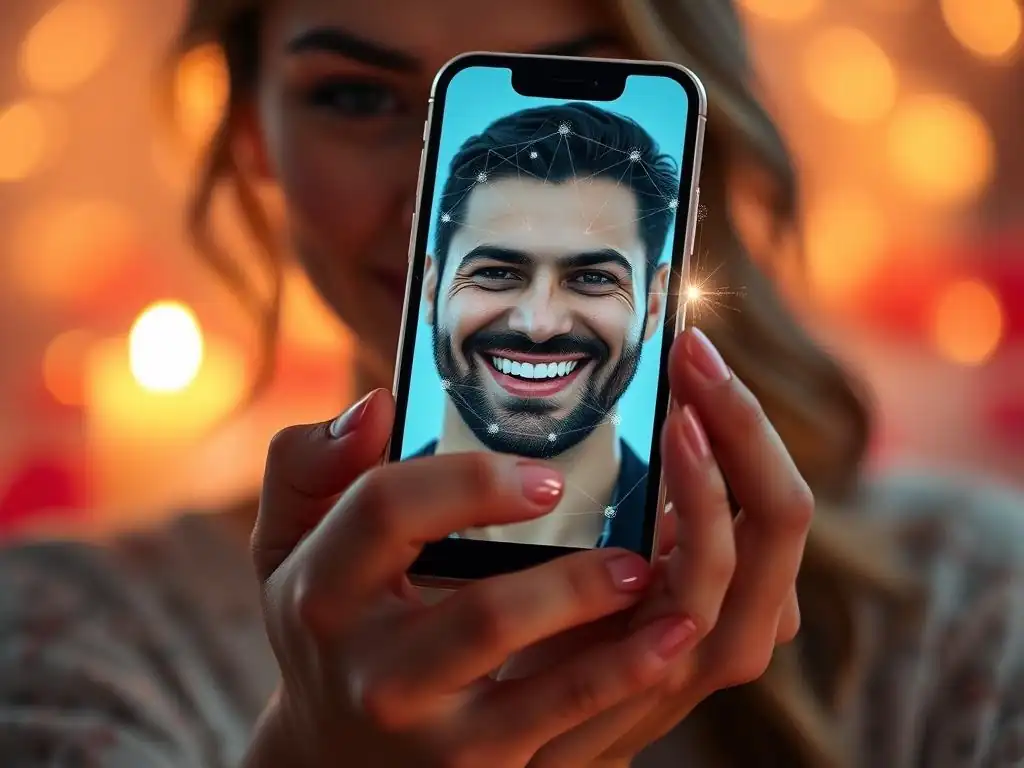
Welcome to OnlineDatingSuccess.org, your guide to navigating the exciting yet sometimes treacherous world of online dating. Are you ready to transform your dating experience? We're dedicated to helping you build meaningful connections, and that starts with safety. Discover how revolutionary advancements in AI-powered scammer detection are changing the game, and learn how to protect yourself in the digital dating landscape. Dive into our insightful article on "Online dating scammer detection AI" and unlock the secrets to a safer and more rewarding online dating journey.
- Understanding the Rise of Online Dating Scams
- Leveraging AI for Online Dating Scammer Detection
-
Online Dating Scammer Detection AI: Practical Applications and Tools
- Available AI-Powered Dating Safety Apps and Software
- AI-Driven Features Within Popular Dating Platforms
- Example: Social Catfish's reverse image search
- Example: TruePeople's background check service
- Reverse image search for profile picture verification
- AI-powered tools for analyzing language and communication patterns
- Beyond AI: Additional Strategies for Online Dating Safety
- The Future of AI in Online Dating Safety
- Frequently Asked Questions
- Final Reflection: Navigating the Digital Heart: AI, Safety, and the Future of Dating
- Unveil Your Safer Dating Journey: Take Control Now!
Understanding the Rise of Online Dating Scams
Online dating has revolutionized how people meet and form relationships. Millions utilize dating apps and websites daily, seeking connection and companionship. However, this digital landscape presents a significant challenge: the alarming increase in online dating scams. This article delves into the intersection of artificial intelligence (AI) and online dating safety, focusing on how AI-powered tools can help users identify and avoid scammers, ultimately fostering safer and more positive online dating experiences.
We will explore the prevalence of these scams, the devastating consequences they inflict, common tactics employed by fraudsters, and, crucially, how emerging AI technologies are transforming the fight against online dating fraud. Understanding these threats is the first step towards protecting yourself and building genuine connections in the virtual world. The rise of AI in this context offers a beacon of hope, promising to empower users with effective tools to navigate the complexities of online dating more safely.
The Growing Prevalence of Dating Scams in the Digital Age
The anonymity and ease of communication offered by online dating platforms unfortunately create fertile ground for scammers. The sheer volume of users, combined with the inherent vulnerability of individuals seeking connection, makes online dating a prime target. Reports of dating scams are steadily increasing globally, with significant financial and emotional losses reported annually.
While precise figures vary depending on the reporting methods and geographical location, [specific information pending] indicate a substantial and concerning upward trend. This growth is further fueled by the sophistication of scammer tactics, which constantly evolve to bypass security measures and exploit user trust. The ease of creating fake profiles, coupled with the ability to quickly disappear from one platform and reappear on another, presents a significant challenge for both dating platforms and individual users.
The lack of robust, easily accessible, and effective verification systems on some platforms exacerbates the problem. The anonymity inherent in online interactions allows scammers to operate with impunity, hiding behind fabricated identities and manipulating their victims with ease. 🌊
Financial Losses and Emotional Distress Caused by Online Dating Fraud
The consequences of online dating scams extend far beyond simple financial losses. While victims often suffer significant monetary theft—ranging from small amounts to substantial life savings—the emotional distress is equally, if not more, damaging. Victims frequently experience feelings of betrayal, shame, embarrassment, and profound loneliness. The violation of trust can be deeply traumatic, leading to anxiety, depression, and even post-traumatic stress disorder (PTSD) in some cases. The long-term psychological impact can be significant and long-lasting, affecting self-esteem, future relationships, and overall well-being. Furthermore, the social stigma associated with being a victim of online fraud can prevent individuals from seeking help or reporting the crime. Beyond the individual impact, the cumulative effect of these scams on society is substantial, contributing to a climate of distrust and fear in the online dating community. The emotional toll often surpasses the financial losses, highlighting the urgent need for comprehensive solutions to combat these crimes.💔
Common Scam Tactics Used by Online Dating Fraudsters
Online dating scammers employ a variety of deceptive tactics to lure their victims. These tactics often involve building trust and rapport over time before ultimately extracting money or personal information. Some common methods include:
- Catfishing: Creating fake profiles using stolen photos and fabricated identities.
- Love bombing: Overwhelming victims with excessive affection and attention in the early stages of communication.
- Emergency scams: Inventing fabricated emergencies requiring urgent financial assistance.
- Romance scams: Developing a seemingly genuine romantic relationship to gain the victim's trust before requesting money.
- Investment scams: Promising high returns on investments, often involving cryptocurrency or other high-risk ventures.
- Extortion scams: Threatening to reveal personal information unless the victim complies with their demands.
These tactics are often combined and refined, making them increasingly difficult to detect. The scammers are often highly skilled manipulators, preying on the vulnerabilities of individuals seeking connection and companionship. Recognizing these tactics and understanding the psychology behind them is crucial for effective protection. The development of AI-powered detection systems is vital in combating this sophisticated form of fraud. 🕵️♀️
Leveraging AI for Online Dating Scammer Detection
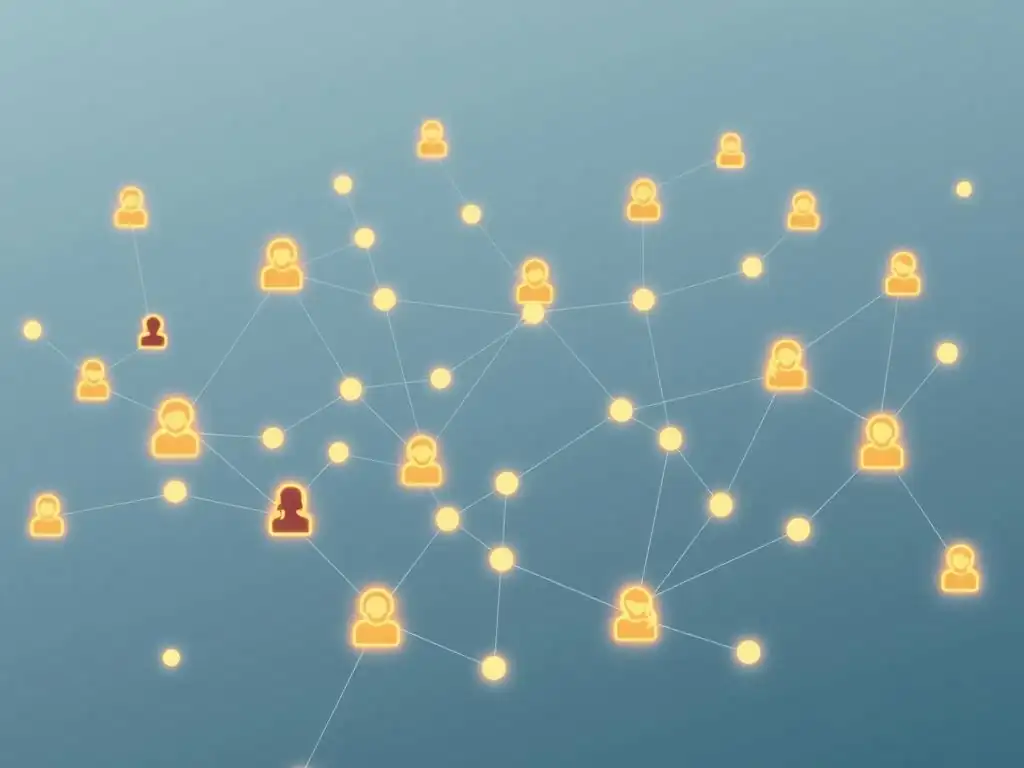
The rise of online dating has unfortunately been accompanied by a rise in fraudulent activity. Scammers prey on vulnerable individuals seeking connection, causing emotional and financial distress. Fortunately, advancements in artificial intelligence (AI) offer a powerful new tool in the fight against online dating scams.
AI-powered solutions are increasingly sophisticated in their ability to identify suspicious profiles and behaviors, significantly improving online dating safety. This section explores how AI is being utilized to detect and deter scammers, empowering users to navigate the online dating world with greater confidence. The potential of "Online dating scammer detection AI" is vast, offering a proactive approach to a pervasive problem.
AI-Powered Analysis of User Profiles and Communication Patterns
AI algorithms can analyze vast amounts of data from user profiles and communication patterns to identify potential red flags. This goes beyond simple keyword searches; sophisticated AI can detect subtle inconsistencies and anomalies that might escape the human eye. For example, AI can compare a user's profile picture with other images online to identify potential instances of identity theft.
It can also analyze the language used in messages, looking for patterns associated with common scammer tactics, such as overly romantic language early in communication, urgent requests for money, or inconsistent narratives. Furthermore, AI can track communication frequency and patterns, flagging accounts that exhibit unusually high levels of activity or contact with multiple users simultaneously – a telltale sign of a bot or mass-mailing scammer. Successful implementation relies on robust data sets and continuous algorithm refinement to adapt to evolving scammer techniques.
The more data the AI is trained on, the more accurate and effective it becomes in identifying and flagging suspicious activity. Think of it as a constantly learning security system, improving its detection capabilities over time.
Detecting Fake Profiles Through AI-Driven Image and Text Analysis
AI plays a crucial role in detecting fake profiles by analyzing both images and text. For image analysis, AI can use advanced techniques like reverse image searching to identify if a profile picture has been stolen from another source. It can also analyze facial features and compare them across multiple profiles to identify potential duplicates, indicating a single individual creating multiple fake accounts.
This process goes beyond simple comparisons; AI can also detect subtle manipulations like photo editing, which might indicate attempts to disguise identity. Regarding text analysis, AI algorithms can scrutinize profile descriptions for inconsistencies, grammatical errors, or the use of generic phrases often found in boilerplate scammer profiles. It can also cross-reference information provided in the profile with publicly available data to verify authenticity.
The combination of image and text analysis provides a multi-layered approach to identifying fake profiles, drastically increasing the accuracy of detection. This proactive approach empowers users to make more informed decisions and avoid potentially harmful interactions.
Identifying Red Flags and Suspicious Behaviors Using AI Algorithms
AI algorithms are being trained to recognize a wide range of red flags and suspicious behaviors commonly associated with online dating scammers. This includes identifying inconsistencies between a user's profile information and their communication style, flagging unusual financial requests, or detecting attempts to manipulate or pressure users into sharing personal information. For example, an algorithm might flag a profile that claims to be a successful doctor but uses poor grammar and spelling in their messages.
Or, it might highlight a user who consistently asks for money or gift cards under various pretexts. Furthermore, AI can monitor user interactions for signs of coercive control or manipulative behavior, alerting users to potentially dangerous situations. These AI-driven alerts empower users to make informed decisions, protecting themselves from potential harm.
The continuous development and refinement of these algorithms are crucial to stay ahead of evolving scammer tactics. The ultimate goal is to create a safer and more trustworthy online dating environment for everyone. The effectiveness of "Online dating scammer detection AI" is directly related to the ongoing refinement and training of these algorithms.
AI's Role in Predicting and Preventing Scam Attempts
AI is rapidly transforming how we approach online dating safety, moving beyond reactive measures to proactive prevention of scams. Sophisticated algorithms can analyze vast datasets of user profiles, communication patterns, and reported scams to identify potential red flags far earlier than human moderators could. This predictive capability is a game-changer. Instead of simply reacting to reported scams after they've occurred, AI can flag suspicious accounts before they have the opportunity to target vulnerable users.
For example, AI can identify inconsistencies in a user's profile information, such as discrepancies between claimed age and photo appearance, or a lack of genuine personal details. It can also detect unusual communication patterns, like overly persistent messaging, requests for money or personal information early in the interaction, or the use of generic, copy-pasted messages sent to multiple users.
These are all classic scammer tactics that AI can readily identify. Moreover, AI can analyze the language used in messages, looking for specific keywords or phrases commonly associated with scams, and even assess the emotional tone and sentiment expressed to detect manipulative tactics.
The predictive power of AI extends beyond individual profiles and messages. By analyzing network interactions, AI can identify clusters of suspicious accounts potentially working together in coordinated scams. This allows platforms to proactively ban entire networks of fraudulent profiles, significantly reducing the overall prevalence of scams. The continuous learning aspect of AI is crucial here; as new scam tactics emerge, the AI models adapt and update their detection capabilities, ensuring that the preventative measures remain effective.
This constant evolution is key to staying ahead of the ever-changing landscape of online dating fraud. The implementation of such AI-powered systems represents a significant leap forward in protecting online daters from sophisticated and evolving scams. The shift from reactive to proactive safety measures is a vital step towards creating a safer and more trustworthy online dating environment.
Online Dating Scammer Detection AI: Practical Applications and Tools
This section explores the practical applications of Artificial Intelligence (AI) in detecting online dating scammers and the tools currently available to help users stay safe. The rise of AI has brought about innovative solutions to combat the pervasive problem of online dating fraud, offering users a technological edge in protecting themselves. The effectiveness of these tools varies, but their increasing sophistication is a significant step towards a safer online dating environment.
We'll examine both standalone AI-powered tools and integrated features within established dating platforms. Understanding these tools and their capabilities is crucial for navigating the online dating world with enhanced safety. The goal is not to eliminate all risk, but to significantly reduce vulnerability to sophisticated scams.
Available AI-Powered Dating Safety Apps and Software
Several dedicated apps and software programs leverage AI to analyze user profiles, messages, and other data points to identify potential red flags associated with scammers. These applications often employ sophisticated algorithms that look for inconsistencies, unusual patterns of behavior, and other indicators of fraudulent activity. For example, some AI-powered tools can analyze profile images using reverse image search technology to determine if the image has been used in multiple profiles or if it's associated with known scams.
Others can analyze communication patterns, flagging suspicious language, unusually persistent messaging, or requests for financial assistance. The efficacy of these tools depends on the quality of their algorithms and the amount of data they have access to. It is important to note that while these tools can be incredibly helpful, they are not foolproof, and users should remain vigilant even when using such technology.
Many services offer free trials, allowing users to test their capabilities before committing to a subscription. The features offered vary widely, some focusing on profile verification, others on message analysis, and still others on broader risk assessment.
AI-Driven Features Within Popular Dating Platforms
Increasingly, mainstream online dating platforms are integrating AI-powered safety features directly into their services. This integration offers a more seamless and convenient experience for users, eliminating the need to use third-party applications. These features can range from automated profile verification systems that identify fake accounts to sophisticated algorithms that detect and flag suspicious behavior within the platform. For instance, some platforms use AI to analyze the language used in messages, identifying potentially harmful or abusive communication patterns.
Others employ AI to detect inconsistencies between a user's profile information and their activity on the platform, flagging potential discrepancies. The specific features offered vary depending on the platform, but the trend towards integrating AI-powered safety measures is clear and reflects a growing commitment to user safety within the online dating industry. This integration enhances the overall safety of the platform and makes it easier for users to avoid potentially harmful interactions.
Social Catfish is an example of a platform that utilizes AI-powered reverse image search technology to help users verify the identities of potential matches. By uploading a profile picture, users can determine if the image has been used elsewhere online, potentially indicating a fake profile. This technology analyzes the image against a massive database of images and identifies any matches, providing users with valuable information to assess the authenticity of a profile.
While this is just one feature offered by Social Catfish, it highlights the practical application of AI in enhancing online dating safety. The results are presented in a user-friendly format, making it easy to understand and interpret the information provided.
Remember that while tools like Social Catfish can be very helpful, they should be used in conjunction with other safety precautions and critical thinking to fully protect yourself from online dating scams. No single tool can guarantee complete safety, but the combination of multiple protective measures significantly reduces the risk.
Example: TruePeople's background check service

TruePeople offers a background check service specifically designed to help users of online dating platforms verify the identities and backgrounds of potential matches. Their service goes beyond basic information readily available online, delving into criminal records, civil judgments, and other potentially red flags. This in-depth approach aims to provide a more comprehensive picture than a simple Google search could offer.
For example, TruePeople might uncover past instances of fraud or harassment that a user might not otherwise discover, thereby allowing them to make more informed decisions about proceeding with a relationship. The service's effectiveness relies on the accuracy and completeness of the data it accesses, which is subject to limitations depending on the jurisdiction and the availability of public records. While not a foolproof method of scammer detection, TruePeople’s background checks offer an additional layer of protection for those concerned about online dating safety.
The cost of this service varies depending on the level of detail requested and the scope of the background check. It's important to note that, even with a comprehensive background check, users should always maintain their own awareness and critical thinking skills when interacting with potential matches online. Remember that no single tool guarantees complete safety, and a multi-layered approach to online dating safety is always recommended.
Reverse image search for profile picture verification
Reverse image searching is a simple yet powerful tool in the fight against online dating scammers. By uploading a potential match's profile picture to a reverse image search engine (like Google Images or TinEye), users can quickly determine if the image is being used elsewhere online. This can help identify instances of "catfishing," where scammers use stolen photos to create fake profiles.
If the image appears on multiple dating sites or social media platforms associated with different names and profiles, it's a significant red flag. Furthermore, reverse image searches can reveal if the photo is significantly altered or if it's a stock image, both of which are common tactics employed by scammers. The speed and ease of use make this a vital first step in verifying a profile's authenticity.
However, it's crucial to understand that the absence of a reverse image match doesn't automatically guarantee the profile's authenticity; scammers can still use original photos or photos from less accessible sources. Therefore, combining reverse image searches with other verification methods is crucial for a comprehensive approach to online dating safety. This technique is a readily available and cost-free method, making it a highly accessible tool for enhanced online dating safety.
AI-powered tools for analyzing language and communication patterns
Several emerging AI-powered tools are being developed to analyze communication patterns and language use in online dating interactions. These tools aim to identify inconsistencies or red flags indicative of fraudulent behavior. For example, an AI might detect inconsistencies between a user's stated age or profession and their writing style or vocabulary. Such tools can also analyze the frequency and speed of responses, looking for patterns that suggest automated or scripted responses—a common tactic among scammers.
The efficacy of these AI tools depends heavily on the quality and quantity of data used to train the algorithms. Currently, these tools are still under development and their accuracy varies. While promising, they are not yet a guaranteed solution for detecting every scammer.
However, as these AI systems mature and are trained on larger datasets, they will likely become increasingly effective in identifying potentially fraudulent profiles and communication patterns. The future of "online dating scammer detection AI" likely lies in the integration of these tools with other safety measures, forming a robust, multi-pronged defense against online dating fraud. The development and refinement of this technology is crucial for enhancing user safety in the ever-evolving landscape of online dating.
Beyond AI: Additional Strategies for Online Dating Safety
While AI-powered scammer detection tools are invaluable, they aren't a foolproof solution. A multi-layered approach to online dating safety is crucial. Relying solely on technology ignores the human element, leaving you vulnerable. This section outlines crucial supplementary strategies to enhance your safety and reduce your risk of encountering online dating scammers. Remember, proactive measures are key to a positive and secure online dating experience. This section explores some essential non-AI methods to bolster your online dating safety.
Importance of Thorough Profile Verification and Background Checks
Thorough profile verification and background checks are vital steps in minimizing your risk of encountering scammers. While AI can flag suspicious profiles, manual verification adds another layer of protection. Don't just rely on the information presented on a dating profile. Take the time to perform your own due diligence.
Several red flags should prompt further investigation. Inconsistent information across different profiles (e.g., age discrepancies on various platforms) is a major warning sign. Vague or overly generic profile descriptions, lacking specific details about hobbies or interests, should raise suspicion. Be wary of profiles with an abundance of professional-looking photos but minimal personal information. This can indicate a lack of authenticity.
Consider using reverse image searches to verify the authenticity of profile pictures. A simple Google Images search can reveal if the photos are stolen from elsewhere online. Additionally, be cautious of profiles that lack personal contact information or those that push for quick off-platform communication. Legitimate daters are generally comfortable sharing contact details once a level of trust has been established. Remember, a rushed approach is often a tactic employed by scammers.
The process of verification can be time-consuming, but it significantly enhances your safety. Taking these extra steps shows that you are serious about your online dating experience and are not an easy target for scammers. This proactive approach will help you to identify and avoid potential risks before they escalate.
Safe Communication Practices to Avoid Falling Victim to Scammers
Even with thorough profile verification, maintaining safe communication practices is paramount. Scammers often utilize clever tactics to manipulate their victims. Understanding these tactics and implementing safe communication strategies is crucial.
- Avoid sharing Personally Identifiable Information (PII): Never disclose sensitive information such as your full address, workplace, bank details, or social security number during early stages of online dating. This information can be used for identity theft and other malicious purposes.
- Start conversations on the dating platform: Initiate and maintain communication through the dating platform's messaging system for as long as possible. This provides a layer of accountability and allows the platform to monitor interactions.
- Be cautious of high-pressure tactics: Scammers often create a sense of urgency, pushing for quick meetings or financial transactions. Always proceed slowly and cautiously, and never feel pressured to make any decisions you're not comfortable with.
- Video calls: Consider initiating a video call early in the communication process. This can help verify the identity of the person you're communicating with and uncover inconsistencies in their profile.
- Beware of overly romantic language: Scammers often use overly romantic or flattering language to quickly build trust and manipulate their victims. Be wary of anyone who seems too good to be true.
- Report suspicious behavior: If you suspect you're communicating with a scammer, immediately report the profile and interactions to the dating platform.
Implementing these safe communication practices will significantly reduce your vulnerability to online dating scams. Remember, your safety should always be your priority.
Recognizing and Reporting Suspicious Activity to Dating Platforms
Recognizing and reporting suspicious activity is a crucial part of maintaining online dating safety. Many dating platforms have robust reporting mechanisms in place to help identify and remove scammers. Familiarize yourself with your chosen platform's reporting procedures.
Common signs of suspicious activity include:
| Sign of Suspicious Activity | Description | Action |
|---|---|---|
| Requests for Money or Financial Assistance | Sudden requests for financial help, often under the guise of an emergency. | Immediately report the profile and cease all communication. |
| Inconsistent Information | Discrepancies between the profile information and the person's communication style or provided details. | Investigate further; use reverse image search; report if inconsistencies are substantial. |
| Overly Romantic Language | Excessively flattering or romantic language early in the communication, creating an unrealistically intense connection. | Be cautious; proceed slowly; report if behavior is manipulative. |
| Pressure for Off-Platform Communication | Persistent attempts to move conversations off the dating platform to other messaging services. | Report the profile and avoid switching platforms. |
| Lack of Personal Information | Minimal personal details provided in the profile; vague or generic descriptions. | Be cautious; investigate further; report if details are insufficient. |
By actively reporting suspicious activity, you contribute to a safer online dating environment for everyone. Your vigilance helps to protect others from falling victim to scams. Don't hesitate to report any behavior that makes you uncomfortable or seems out of the ordinary. Remember, your safety and the safety of others are paramount.
Protecting Your Personal Information and Financial Security Online
Protecting your personal information is paramount when navigating the world of online dating. Scammers are adept at gleaning details to exploit you, so vigilance is key. Never share sensitive information like your full address, place of work, social security number, or bank account details with anyone you meet online, regardless of how much you trust them. Even seemingly innocuous details can be pieced together to create a comprehensive profile that leaves you vulnerable. Remember, a genuine connection will develop organically without the need to reveal such private information prematurely.
Building trust takes time, and rushing into sharing personal details is a major red flag. Instead of immediately disclosing your address, consider suggesting a public meeting place for your first date. This allows you to assess the person's demeanor and intentions in a safe and controlled environment. If someone pressures you to share sensitive information before you feel comfortable, it's a significant warning sign. Prioritize your safety and well-being; trust your instincts.
Financial security is another critical aspect. Be wary of any requests for money, regardless of the reason. Scammers often create elaborate stories to manipulate their victims into sending funds. They might feign emergencies, claim to be stranded abroad, or invent other compelling scenarios. Legitimate relationships do not involve financial transactions in the early stages.
If someone asks for money, immediately end contact. Report suspicious profiles and individuals to the dating platform you are using – they often have robust systems in place to identify and remove fraudulent accounts. Remember, genuine connections don't involve financial burdens. Protecting your finances is just as important as protecting your personal information.
Always be cautious and prioritize your financial safety. Consider using separate bank accounts and credit cards specifically for online dating activities to further minimize your risk. This added layer of security can offer peace of mind and help prevent significant financial losses. Never share your banking details, credit card information or any passwords with anyone online, irrespective of how well you know them.
The Future of AI in Online Dating Safety
The integration of Artificial Intelligence (AI) into online dating platforms promises a significant leap forward in user safety and the prevention of scams. Current methods often rely on reactive measures, such as user reports and post-incident investigations. However, proactive AI-driven solutions can analyze vast amounts of data in real-time, identifying suspicious patterns and behaviors before harm occurs.
This represents a paradigm shift, transforming online dating from a largely self-regulated environment to one with robust, technologically-enhanced safety mechanisms. The potential benefits are considerable, particularly in reducing the prevalence of online dating scams and fostering a more trustworthy online dating experience. This section explores the advancements, potential, and ethical considerations surrounding this burgeoning field.
Advancements in AI Technology and Their Impact on Scam Detection
Advancements in machine learning, particularly deep learning and natural language processing (NLP), are at the forefront of improving online dating scammer detection. AI algorithms can now analyze various data points, including profile text, images, communication patterns, and even the metadata associated with user accounts. For example, NLP can detect inconsistencies in a user's writing style, flagging potentially fabricated profiles.
Image recognition AI can identify manipulated or stolen photos, a common tactic used by scammers. Furthermore, sophisticated algorithms can analyze communication patterns, identifying red flags such as unusually persistent messaging, requests for money, or inconsistencies in the narrative presented by a user. These AI-powered systems can be trained on vast datasets of known scammer profiles and interactions, constantly learning and adapting to new tactics employed by fraudsters.
The accuracy of these systems is steadily improving, leading to a more effective detection rate and proactive prevention of scams. For instance, recent studies indicate that AI-powered systems can achieve a [specific accuracy percentage pending] accuracy rate in identifying fake profiles, significantly higher than traditional methods. This improvement translates directly into a safer online dating experience for millions of users.
The Potential of AI to Enhance User Trust and Safety in Online Dating
Beyond scam detection, AI offers several other avenues for enhancing user trust and safety in online dating. AI-powered moderation systems can analyze user interactions in real-time, identifying and flagging instances of harassment, hate speech, or other forms of abusive behavior. This proactive approach can create a more welcoming and inclusive environment for all users.
Furthermore, AI can personalize safety settings and recommendations based on individual user preferences and risk profiles. This could include features like automated background checks, verification systems, or personalized safety alerts. The enhanced safety features provided by AI can significantly improve user confidence and encourage more authentic interactions, ultimately leading to more meaningful connections.
The potential for AI to build trust is immense; a platform known for its robust AI-powered safety measures will naturally attract more users seeking genuine connections. This increase in user trust translates to a more vibrant and active community, benefiting both users and the platform itself.
Ethical Considerations and Challenges in Utilizing AI for Dating Safety
While the potential benefits of AI in online dating safety are significant, several ethical considerations and challenges must be addressed. One major concern is the potential for bias in AI algorithms. If the training data reflects existing societal biases, the AI system may inadvertently discriminate against certain groups of users. For example, an algorithm trained on a dataset predominantly featuring certain demographics might unfairly flag profiles belonging to other groups.
Ensuring fairness and mitigating bias is crucial to prevent the creation of AI systems that perpetuate harmful stereotypes. Another challenge is the need for transparency and user control. Users should be informed how AI is being used to assess their profiles and interactions, and they should have the ability to opt out or adjust their privacy settings.
Furthermore, the potential for misuse of AI-powered surveillance tools raises privacy concerns. Striking a balance between safety and privacy is paramount to ensure the ethical and responsible implementation of AI in online dating. The development of robust ethical guidelines and regulatory frameworks will be crucial to navigate these challenges and harness the full potential of AI for creating a safer and more trustworthy online dating experience.
Frequently Asked Questions
How can AI help me avoid online dating scammers?
AI-powered tools can analyze profile data, communication patterns, and images to identify potential red flags associated with scammers. These tools flag suspicious behavior, such as inconsistent information or overly persistent communication, helping you make safer choices.
Are there specific AI tools designed for online dating safety?
Yes, several companies are developing AI-powered tools specifically to detect scammers on dating platforms. These tools often focus on analyzing language patterns, image verification, and profile consistency to assess risk.
How accurate is AI in detecting online dating scammers?
The accuracy of AI in detecting scammers is constantly improving, but it's not perfect. While AI can identify many red flags, it's vital to use your own judgment and critical thinking skills alongside AI tools. No system is foolproof.
What kind of information does an AI scammer detection tool need?
These tools typically require access to profile information (text, images), and sometimes your communication history with potential matches. They analyze this data to look for inconsistencies and patterns associated with fraudulent behavior. Always ensure the tool is secure and privacy-focused.
Can AI completely eliminate the risk of online dating scams?
No, AI cannot completely eliminate the risk. While AI significantly improves safety, scammers constantly adapt their methods. Therefore, maintaining a healthy dose of skepticism, practicing safe online communication habits, and using your own critical thinking remain crucial for online dating safety.
The rise of AI in online dating presents both incredible opportunities and significant challenges. The ease of connection it offers is unfortunately matched by the sophistication of scammers leveraging the same technology to exploit vulnerable individuals. This necessitates a proactive and informed approach to online dating safety, utilizing the tools at our disposal to protect ourselves and build genuine connections.
The impact of online dating scams extends far beyond financial loss; it erodes trust and leaves lasting emotional scars. The pervasiveness of these scams highlights a critical need for increased awareness and readily available resources. The best way to find a good person is to be a good person yourself,
a sentiment often overlooked in the rush of online interactions, underscores the importance of self-awareness and responsible online behavior in mitigating risk. This article aims to be a step towards empowering individuals to navigate the digital dating landscape with confidence and caution.
You, the reader, now hold the knowledge to better identify and avoid online dating scams. Don't let fear paralyze you; instead, use this information to build safer and more meaningful connections. Engage critically with online profiles, utilize AI-powered detection tools where available, and remember that genuine connections take time and trust. Embrace the potential of technology while remaining vigilant and prioritizing your well-being. The future of dating is a collaborative one, requiring both technological innovation and individual responsibility to create a safer and more authentic online experience for everyone.
Unveil Your Safer Dating Journey: Take Control Now!
Thank you for learning about online dating safety! We hope this article has given you the confidence to navigate the digital world. Now, let's put your new knowledge into practice.
- Review your dating profiles immediately: Carefully examine your photos, biography, and shared information. Are you revealing too much personal information? Remove anything that could compromise your safety. This is a crucial first step.
- Share this article with your friends: Help protect others by raising awareness about online dating scams. Sharing this information can significantly improve someone's safety.
- Join the conversation below: Share your experiences or ask any questions you may have. Let's build a supportive community dedicated to safer online dating.
What's one small step you can take today to improve your online dating safety?