
Emotional Intimacy Online: How to Create a Safe Space for Vulnerability


Ready to transform your online dating experience? At OnlineDatingSuccess.org, we empower you to build genuine connections. But navigating the world of online dating requires understanding your safe online dating vulnerability. This article, part of our Long-Term Success series, delves into the crucial topic of emotional intimacy and how to create a safe space for vulnerability online – leading you towards more meaningful relationships. Discover the secrets to connecting authentically and securely; let's unlock your dating potential together.
- Understanding Safe Online Dating Vulnerability
-
Building Emotional Intimacy Online: A Step-by-Step Guide
- Step 1: Cultivating Open Communication for Safe Online Dating Vulnerability
- Step 2: Establishing Boundaries to Protect Your Emotional Well-being
- Step 3: Gradually Increasing Vulnerability in Online Interactions
- Step 4: Recognizing Red Flags and Unsafe Behaviors Online
- Step 5: Seeking Support When Needed: Navigating Difficult Situations
- Protecting Yourself: Strategies for Safe Online Dating Vulnerability
- Fostering Healthy Online Relationships: Moving Beyond Safe Online Dating Vulnerability
- When to Seek Professional Help: Addressing Online Dating Trauma
-
Frequently Asked Questions
- How can I protect myself from vulnerability in online dating?
- What are some red flags to watch out for regarding online dating safety?
- How can I communicate effectively to build trust and avoid unsafe situations?
- What's the best way to manage emotional vulnerability while dating online?
- Where can I find more information about safe online dating practices?
- Final Reflection: Cultivating Authentic Connection in the Digital Age
- Unveil Deeper Connections: Cultivate Authentic Online Intimacy
Understanding Safe Online Dating Vulnerability
Navigating the world of online dating requires a delicate balance between self-expression and self-protection. Building meaningful connections hinges on vulnerability—sharing your thoughts, feelings, and experiences with another person. However, the digital realm presents unique challenges, making vulnerability in online dating a particularly sensitive topic. This article explores how to cultivate emotional intimacy while prioritizing your safety and well-being online, addressing the crucial keyword: "Safe online dating vulnerability".
We’ll delve into defining vulnerability in this context, recognizing potential risks, and emphasizing the importance of establishing trust and safety within your virtual interactions. Ultimately, the goal is to help you foster genuine connections without compromising your personal security. This is key to achieving long-term success in online dating, moving beyond superficial interactions to build something truly meaningful.
Defining Vulnerability in Online Dating
Vulnerability in online dating isn't simply about sharing personal information; it's about revealing your authentic self – your hopes, fears, dreams, and imperfections – to someone you've only met virtually. It involves taking emotional risks, trusting another person with your feelings, and being open to potential rejection or hurt. This can manifest in various ways, from sharing personal anecdotes and experiences to expressing your deepest desires and insecurities.
However, in the online dating sphere, this requires a more cautious approach than in face-to-face interactions. The anonymity and distance afforded by the internet can lead to both increased opportunities for connection and heightened risks. Successfully navigating this delicate balance requires careful consideration and proactive safety measures.
For example, sharing your deepest fears prematurely with someone you’ve only exchanged a few messages with can be risky. Instead, build trust gradually, sharing more personal information as the connection deepens and mutual respect is established.
Recognizing the Risks of Online Vulnerability
While vulnerability is essential for genuine connection, it also carries inherent risks in the online dating world. These risks range from emotional manipulation and catfishing to doxing and identity theft. The lack of physical presence makes it easier for individuals to misrepresent themselves or exploit others' trust. Some common risks include:
- Catfishing: Individuals creating fake profiles using stolen photos and fabricated identities to deceive others.
- Emotional Manipulation: Exploiting someone's vulnerability for personal gain, often involving manipulation and control.
- Privacy Violations: Sharing personal information prematurely can lead to stalking, harassment, or identity theft.
- Online Harassment: Receiving abusive or threatening messages, often targeted at someone who has expressed personal feelings.
- Sharing Personally Identifiable Information (PII) too early: This includes your full name, address, workplace, etc. before establishing a high level of trust.
It's crucial to approach online interactions with a healthy dose of skepticism and a commitment to protecting your personal information. Building trust takes time, and rushing into deep emotional sharing before establishing a secure foundation can have serious consequences. Remember, a gradual and cautious approach is always safer.
The Importance of Trust and Safety in Virtual Connections
Building trust and ensuring safety are paramount in fostering healthy emotional intimacy online. This involves establishing boundaries, verifying information, and being mindful of your own emotional well-being. Prioritizing your safety doesn't mean avoiding vulnerability entirely; rather, it means approaching it strategically and responsibly. This includes:
- Slow and Steady: Don't rush the process of getting to know someone. Take time to verify their identity and build a foundation of trust through consistent communication and careful observation.
- Video Calls: Consider initiating video calls early on to help verify the person's identity and build a stronger sense of connection.
- Meeting in Public: When you decide to meet in person, always choose a public place for your first few meetings.
- Inform a Friend or Family Member: Let someone know where you're going and who you're meeting.
- Trust Your Instincts: If something feels off or unsafe, don't hesitate to end the interaction. Your safety and well-being are paramount.
By prioritizing trust and safety, you create a space where genuine emotional intimacy can flourish. This approach allows you to reap the benefits of vulnerability while mitigating the inherent risks of online dating, ultimately increasing your chances of finding a meaningful and lasting connection. Remember, building a safe space online requires conscious effort, patience, and a commitment to your own well-being.
Building Emotional Intimacy Online: A Step-by-Step Guide
This section details how to foster emotional intimacy online while prioritizing safety and minimizing vulnerability risks. Building trust and connection requires careful navigation, especially in the digital realm. We'll explore practical steps to create a safe space for sharing your feelings and experiences. Remember, fostering "safe online dating vulnerability" is a process, not a destination.
Step 1: Cultivating Open Communication for Safe Online Dating Vulnerability
Open and honest communication is the bedrock of any healthy relationship, online or offline. However, the digital environment presents unique challenges. Misunderstandings can easily arise due to the lack of non-verbal cues. To mitigate this, prioritize clear, concise messaging. Avoid ambiguity and use emoticons or emojis sparingly, as their interpretation can be subjective. For example, instead of saying "lol," which might be misinterpreted, try "That's funny!" or "I enjoyed reading that."
The key to safe online dating vulnerability lies in gradually revealing personal information. Start with general topics to gauge the other person's receptiveness and communication style. Observe their responses; do they reciprocate your openness and honesty? Do they ask thoughtful questions? Do they respect your boundaries? These are crucial indicators of their emotional intelligence and willingness to build a safe space for vulnerability.
Consider the following tips for effective communication:
- Be mindful of your tone: Written words can easily be misinterpreted. Use punctuation and paragraph breaks to clarify your meaning.
- Ask clarifying questions: Don't hesitate to ask for clarification if something is unclear.
- Avoid making assumptions: Assume positive intent, but don't assume you know what the other person is thinking or feeling.
- Practice active listening: Pay attention to what the other person is saying, both verbally and nonverbally (if applicable through video calls). Summarize their points to ensure understanding.
Step 2: Establishing Boundaries to Protect Your Emotional Well-being
Establishing healthy boundaries is paramount to protect your emotional well-being while exploring vulnerability online. This involves setting limits on what you're willing to share, when, and with whom. It's about protecting your personal space and emotional energy. Think of it as building a fence around your heart, allowing select individuals to enter gradually and respectfully.
For example, you might decide to avoid sharing highly personal or sensitive information, such as traumatic experiences, until you've established a significant level of trust. You might also set limits on the amount of time you spend communicating online each day, to prevent burnout or emotional exhaustion.
Consider these boundary-setting strategies:
- Be assertive: Clearly communicate your boundaries and expectations.
- Don't feel guilty: Setting boundaries is not selfish; it's self-preservation.
- Enforce your boundaries: If someone violates your boundaries, don't hesitate to address it or end the interaction.
- Regularly review your boundaries: Your needs and comfort levels may change over time. It's okay to adjust your boundaries as needed.
Step 3: Gradually Increasing Vulnerability in Online Interactions
Increasing vulnerability online is a gradual process, akin to peeling back the layers of an onion. Start with small, less personal disclosures, and gradually share more intimate details as trust develops. Pay close attention to the other person's responses. Do they reciprocate your vulnerability? Do they respect your pace? If not, it might be a sign to slow down or reconsider the relationship.
For instance, you might start by sharing your hobbies and interests, then move on to your values and life goals. Sharing your feelings about specific events or experiences can come later, once you feel a stronger sense of connection and safety. Remember, the goal is to build intimacy organically, not to force it.
Here's a suggested approach:
| Stage | Level of Vulnerability | Examples | Indicators of Safe Progression |
|---|---|---|---|
| Initial Contact | Low – Sharing basic information and interests | Hobbies, favorite movies, travel experiences | Positive and responsive communication, respectful tone, mutual interest |
| Building Trust | Moderate – Sharing personal values and life goals | Career aspirations, family background (general), personal beliefs | Openness to sharing personal information, consistent communication |
| Deepening Bond | High – Sharing feelings and experiences | Childhood memories, past relationships (briefly), emotional challenges | Emotional reciprocity, empathy, active listening, mutual support |
Remember, building "safe online dating vulnerability" is a journey, not a race. Prioritize your safety and well-being throughout the process. If at any point you feel uncomfortable or unsafe, trust your instincts and disengage.
Step 4: Recognizing Red Flags and Unsafe Behaviors Online
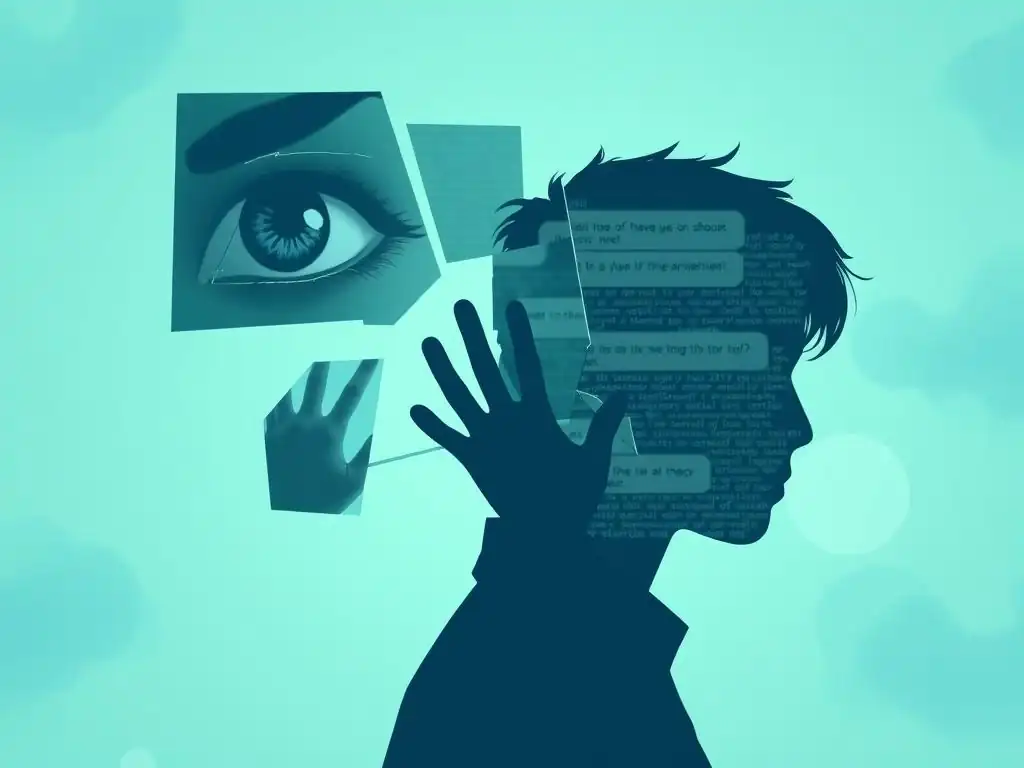
Building emotional intimacy online requires vigilance. It's crucial to understand that not everyone online has good intentions. Learning to recognize red flags and unsafe behaviors is paramount to your safety and emotional well-being. This isn't about being cynical, but rather proactive in protecting yourself. Many seemingly harmless interactions can escalate quickly, so it's essential to be discerning.
One common red flag is pressure to move the relationship off the dating app quickly. Legitimate connections develop gradually, and someone rushing you into private communication or in-person meetings before you feel comfortable is a significant warning sign. Similarly, be wary of individuals who are overly complimentary or excessively enthusiastic in the early stages. While genuine affection exists, extreme flattery can be a manipulative tactic.
Another indicator of potential danger is inconsistency in their online profile. Do their photos seem staged or unrealistic? Are their biographical details vague or contradictory? These discrepancies could suggest deception or an attempt to conceal their true identity. Pay close attention to their communication style. Are they evasive when asked direct questions about their life? Do they frequently change the subject or avoid discussing personal details? These behaviors can indicate a lack of transparency and trustworthiness.
Finally, be mindful of any attempts to control or manipulate your emotions. This might manifest as guilt-tripping, gaslighting, or attempts to isolate you from friends and family. Trust your gut; if something feels off, it likely is. Prioritizing your safety and well-being should always come first. Remember, a healthy relationship is built on mutual respect, trust, and open communication. If these elements are missing, it's time to re-evaluate the connection. Prioritizing your "safe online dating vulnerability" is key.
Even with careful precautions, challenging situations can arise in online dating. Knowing where to turn for support is crucial for navigating these difficulties. Remember, you're not alone, and seeking help is a sign of strength, not weakness.
If you encounter harassment, threats, or any form of abuse online, immediately report the behavior to the dating platform. Most reputable sites have robust reporting mechanisms in place to address such issues. Additionally, consider blocking the individual to prevent further contact. Document all interactions, including screenshots of messages and profiles, as this evidence can be useful if you need to pursue further action.
Beyond reporting to the platform, consider confiding in a trusted friend, family member, or therapist. Talking about your experience can provide emotional support and help you process what you’ve been through. A therapist can offer professional guidance and support tailored to your specific situation. They can help you understand the dynamics of the interaction and develop coping mechanisms for future online interactions. Remember, processing difficult experiences is crucial for maintaining your emotional well-being.
Several online resources also offer support for victims of online harassment and abuse. These resources can provide valuable information, advice, and a supportive community. They offer a safe space to share your experiences and learn from others who have faced similar challenges.
Seeking support doesn't diminish your experience; it empowers you to take control and protect your emotional well-being in the online dating world. Remember, building a safe space for vulnerability online requires both proactive measures and the knowledge of where to seek help when needed. This is crucial for developing healthy, fulfilling relationships while mitigating risks associated with "safe online dating vulnerability."
Protecting Yourself: Strategies for Safe Online Dating Vulnerability
Building emotional intimacy online requires vulnerability, but it's crucial to do so safely. Navigating the complexities of online dating while protecting your emotional well-being and personal safety is paramount. This section focuses on practical strategies to mitigate risks and foster a secure environment for sharing your authentic self. Remember, building trust takes time, and prioritizing your safety shouldn't be seen as a sign of distrust, but rather as a proactive measure for a healthy and fulfilling online dating experience. The goal is to cultivate safe online dating vulnerability, allowing you to connect meaningfully without compromising your personal security.
Choosing Secure Communication Platforms
The platform you choose significantly impacts your safety and privacy. Avoid using platforms that lack robust security measures or user verification processes. Prioritize platforms that offer end-to-end encryption, meaning only you and the recipient can read your messages. This encryption protects your conversations from unauthorized access, a key element of safe online dating vulnerability. Consider the following when choosing a platform:
- End-to-end encryption: This is a crucial feature ensuring only you and the recipient can access your messages. Look for platforms that explicitly state they use this technology.
- Reporting mechanisms: A strong reporting system allows you to easily report harassment or inappropriate behavior, enhancing your safety.
- Privacy settings: Utilize all available privacy settings to control who can see your profile and contact you. Limit the information you share publicly to minimize potential risks.
- User verification: Platforms with robust user verification processes can help reduce the risk of encountering fake profiles or scams.
Think of it like this: you wouldn't share your deepest secrets in a crowded, public space. Choose communication platforms with the same level of discretion and privacy you'd expect from a private, secure conversation.
Verifying Identities and Profiles
Before sharing personal information or engaging in deeper conversations, take steps to verify the identity of the person you're interacting with. While complete verification is impossible online, you can significantly reduce risks by employing several strategies. This is a crucial aspect of achieving safe online dating vulnerability. Remember, a healthy dose of skepticism is not paranoia; it's responsible online behavior.
- Reverse image search: Use a reverse image search engine to check if the profile pictures are genuine and haven't been taken from another source. Inconsistent or stolen images are red flags.
- Social media checks: If they provide social media handles, discreetly check their profiles for consistency with their dating profile information. Look for any discrepancies that might raise concerns.
- Video calls: Once a level of trust is established (and only after you feel comfortable), consider a video call to confirm their identity and build rapport visually. This can help you assess their authenticity.
- Slow and steady: Don't rush into sharing personal details or meeting in person. Take your time to get to know someone online before moving to a more personal level of interaction. This gradual approach is essential for safe online dating vulnerability.
Protecting Personal Information Online
Never share sensitive personal information, such as your full address, workplace, or financial details, with someone you've only met online, regardless of how much you trust them. This is paramount for maintaining safe online dating vulnerability. Protecting your personal data is crucial for your safety and well-being.
- Avoid oversharing: Keep your profile information concise and avoid revealing too much personal detail. Protect your privacy by only sharing what's necessary.
- Use strong passwords: Employ strong, unique passwords for all your online accounts, including your dating profile. Consider using a password manager to help you manage your passwords securely.
- Regularly review privacy settings: Dating apps and websites often update their privacy settings. Regularly review and adjust your settings to ensure your information remains protected.
- Be aware of phishing scams: Be cautious of suspicious emails or messages requesting personal information. Legitimate dating platforms will never ask for your banking details or passwords.
Remember, building trust and intimacy online takes time. Prioritizing your safety and protecting your personal information are not obstacles to connection; they are essential components of a healthy and successful online dating experience. By following these strategies, you can cultivate safe online dating vulnerability and build meaningful relationships while safeguarding your well-being.
Maintaining Privacy Settings on Dating Apps
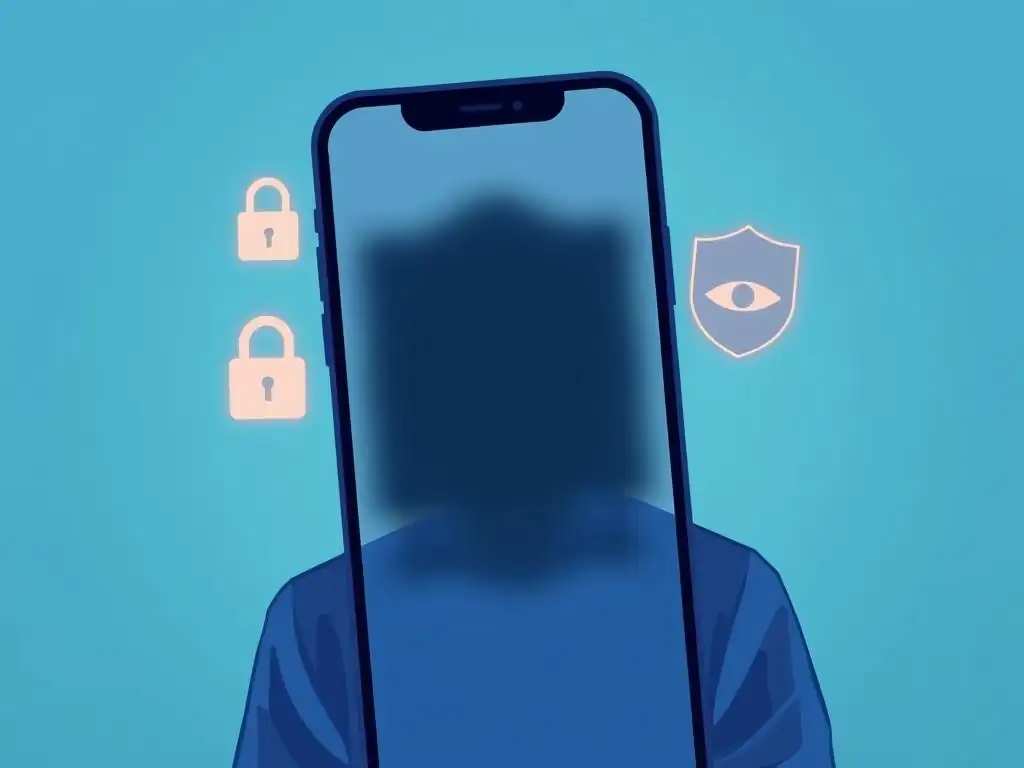
Protecting your personal information is paramount when navigating the world of online dating. Many dating apps offer robust privacy settings, but understanding and utilizing them effectively is crucial for maintaining your safety and preventing unwanted attention. Failing to adjust these settings can expose you to unnecessary risks, from unwanted messages to potential harassment or even stalking. Think of your privacy settings as your first line of defense in creating a safe space for vulnerability.
One of the most important settings to consider is your location sharing. While some apps encourage location sharing to facilitate connections with nearby users, it's generally advisable to limit the precision of your location data. Many apps allow you to share your general city or region without revealing your exact address. Over-sharing your location can make you a more easily identifiable target, potentially compromising your safety and security.
Another critical aspect of privacy settings relates to photo visibility. While it's important to have appealing photos on your profile to attract potential matches, be selective about which photos you share. Avoid posting photos that reveal too much personal information—such as photos taken inside your home, showing your license plate, or displaying your workplace. These seemingly innocuous details can be pieced together by malicious individuals to build a more complete picture of your life and potentially compromise your safety.
Furthermore, pay close attention to who can contact you. Many apps allow you to control who can send you messages—limiting it to only those you've already expressed interest in, for example. This reduces the likelihood of receiving unwanted messages or harassment from strangers. Regularly reviewing and adjusting these settings ensures that only those you choose can initiate contact, creating a more controlled and safer online environment. Remember, it's always better to err on the side of caution when it comes to sharing personal information online.
Verifying Profiles and Identifying Red Flags
Building trust and fostering genuine connections in the online dating world requires vigilance. While not every user has malicious intent, it's important to be aware of red flags and employ strategies to verify the authenticity of profiles you encounter. This proactive approach significantly contributes to creating a safe space for vulnerability. Ignoring potential warning signs can lead to unpleasant or even dangerous situations.
One crucial step is to carefully examine profile photos for inconsistencies or potential red flags. Reverse image searching is a valuable tool; it allows you to determine if the photos used on a profile are genuine or have been lifted from other sources. Inconsistencies between photos and the information presented in the profile description should also raise concerns. For instance, if a profile claims to be a professional athlete but their photos show them in casual attire without any visible athletic equipment or attire, this could be a sign of deception.
Communication style is another important indicator. Be wary of profiles that exhibit overly aggressive, pushy, or overly romantic behavior early in the interaction. Genuine connections develop gradually, built on mutual respect and trust. Sudden declarations of intense feelings or demands for personal information should serve as warning signs. Instead, focus on building rapport through meaningful conversations and getting to know the person gradually.
Finally, remember that verifying a profile is an ongoing process, not a one-time event. As your interactions progress, be observant of any inconsistencies or behaviors that raise concerns. Trust your instincts; if something doesn't feel right, it's always best to err on the side of caution and end the interaction. Prioritizing your safety and well-being is non-negotiable when establishing genuine connections online.
When building emotional intimacy online, it's essential to approach the sharing of personal information gradually and strategically. This approach helps to mitigate risks and build trust organically, creating a safer environment for vulnerability. Over-sharing personal information too early in the dating process can expose you to unnecessary risks and potentially compromise your safety and privacy.
Instead of divulging sensitive information immediately, focus on building a rapport through casual conversation. Start with general topics and gradually introduce more personal details as you get to know your potential partner better. This approach allows you to assess their character and intentions over time, reducing the chance of encountering malicious individuals. Remember, building trust is a process that requires time and careful observation.
When sharing personal information, always prioritize your safety. Avoid revealing sensitive details such as your full address, place of work, or financial information until you have established a strong level of trust. Even then, proceed with caution and consider the potential consequences of sharing such information. Remember, it's always better to err on the side of caution.
Consider using a separate email address or phone number specifically for online dating interactions. This helps to maintain a level of separation between your personal and online dating life, protecting your privacy and personal information. This simple step can significantly reduce the risk of unwanted contact or harassment. Prioritize your safety and well-being above all else. Remember, building meaningful connections takes time and careful consideration.
Fostering Healthy Online Relationships: Moving Beyond Safe Online Dating Vulnerability

This section explores practical strategies for cultivating genuine emotional connections in the online dating sphere, going beyond simply prioritizing safe online dating vulnerability. It's crucial to remember that safety is foundational, but it shouldn't be the sole focus. Building a strong, lasting relationship requires emotional intimacy, and achieving this online requires a deliberate and thoughtful approach. We'll examine key components for fostering healthy relationships that prioritize both safety and authentic connection.
Creating a sense of shared experience is vital for building emotional intimacy, even virtually. This doesn't mean sharing deeply personal secrets immediately; it's about gradually revealing aspects of your life and personality to build trust and rapport. Start with lighter topics – your hobbies, favorite books or movies, travel experiences – and gradually move towards more personal details as the relationship progresses. Remember, reciprocity is key.
Pay attention to what your potential partner shares and engage authentically. For instance, instead of just saying "I love hiking," you could say, "I love hiking, especially in the Redwood National Park; the towering trees are breathtaking! What are some of your favorite outdoor activities?"
This encourages a more meaningful exchange and creates opportunities for shared understanding. Think of it like building a house – you need a strong foundation of shared experiences before you can build the walls of deeper emotional connection. The key is to move at a pace that feels comfortable for both of you, and always remember that safe online dating vulnerability is about gradual disclosure, not immediate oversharing.
Developing Empathy and Understanding in Virtual Interactions
Online communication can sometimes lack the nuances of in-person interaction, making it challenging to fully understand someone's emotions. However, by actively listening and practicing empathy, you can bridge this gap. Pay close attention to not only what someone says, but how they say it. Are their messages short and abrupt, or detailed and thoughtful?
Do they use emojis or other nonverbal cues that might reveal their emotional state? Ask clarifying questions to ensure you understand their perspective. For example, if they mention feeling stressed, instead of offering generic advice, ask, "What specifically is causing you stress right now?" This shows genuine interest and allows them to open up further.
Remember, empathy is about trying to see the world from their perspective, even if you don't necessarily agree with their feelings or experiences. This approach is critical for navigating the complexities of safe online dating vulnerability and building a truly empathetic relationship. Active listening and the willingness to understand are essential building blocks for a healthy connection.
Maintaining Healthy Expectations in Online Dating
Online dating often creates unrealistic expectations due to curated profiles and idealized portrayals. Maintaining healthy expectations is paramount for both your mental well-being and the development of a genuine connection. Avoid idealizing someone based on limited information; remember that online profiles only offer a snapshot of someone's life. Be patient and allow the relationship to develop organically. Don't expect instant intimacy or a perfect match; relationships require effort, compromise, and understanding.
Setting realistic expectations about the pace of the relationship and the level of disclosure helps to manage safe online dating vulnerability effectively. Remember, it’s okay to take things slow and prioritize getting to know someone authentically before committing to anything serious. Focus on building a connection based on genuine shared experiences and mutual respect, rather than chasing an idealized version of a relationship. This realistic approach is crucial for long-term success in online dating.
Recognizing the Difference Between Online and Offline Intimacy
Building emotional intimacy online differs significantly from doing so offline. While the ultimate goal—a deep, meaningful connection—remains the same, the path to achieving it presents unique challenges and opportunities. Offline intimacy often benefits from the richness of non-verbal cues: a shared glance, a gentle touch, the unspoken understanding that comes from physical proximity. These subtle signals are largely absent in the online world, relying instead on carefully chosen words, emoticons, and the carefully curated image presented in a profile.
This necessitates a higher degree of conscious effort and mindful communication. Misinterpretations are more likely, and the potential for miscommunication is amplified. For example, sarcasm, a common tool in everyday conversation, can easily be lost in translation online, leading to hurt feelings or misunderstandings. Therefore, patience and a willingness to clarify are paramount in fostering healthy online relationships.
The nuances of tone and emotion must be explicitly communicated, demanding greater self-awareness and a willingness to be transparent about one's feelings. This active engagement, while demanding, can ultimately lead to a deeper understanding and a more authentic connection than might be achieved through superficial offline interactions. The key is to recognize these inherent differences and adjust one's communication style accordingly, embracing the unique opportunities the online space offers for building genuine emotional intimacy while mitigating the risks associated with the lack of physical presence. Successfully navigating this landscape requires understanding the limitations of online communication and compensating for them with clear, conscious, and empathetic interaction.
When to Seek Professional Help: Addressing Online Dating Trauma
Navigating the world of online dating can be emotionally taxing. While the goal is connection and potential romance, the reality often involves rejection, ghosting, catfishing, and even harassment. These experiences, while common, can significantly impact mental well-being, leading to anxiety, depression, and even post-traumatic stress disorder (PTSD). Understanding when to seek professional help is crucial for maintaining your emotional health and safeguarding your journey towards finding a meaningful relationship.
The key is recognizing that seeking help isn't a sign of weakness, but rather a proactive step towards self-care and healing. This section focuses on identifying those critical moments when professional intervention becomes necessary. Remember, prioritizing your mental health is paramount to achieving safe online dating vulnerability.
Recognizing Signs of Emotional Distress
Experiencing some level of emotional discomfort during online dating is normal. However, persistent or overwhelming negative emotions warrant attention. Signs of emotional distress can manifest in various ways, including but not limited to:
- Persistent sadness or low mood: Feeling consistently down, hopeless, or losing interest in activities you once enjoyed.
- Increased anxiety: Experiencing excessive worry, nervousness, or panic attacks, particularly related to online dating interactions.
- Changes in sleep patterns: Significant disruptions in sleep, such as insomnia or excessive sleeping.
- Changes in appetite: Noticeable changes in eating habits, either overeating or loss of appetite.
- Social withdrawal: Isolating yourself from friends and family, avoiding social interactions.
- Difficulty concentrating: Struggling to focus on work, studies, or other daily tasks.
- Increased irritability or anger: Experiencing heightened frustration, anger outbursts, or feeling easily agitated.
- Self-harm thoughts or behaviors: Having thoughts of self-harm or engaging in self-destructive behaviors.
- Intrusive thoughts or flashbacks: Experiencing recurring memories or flashbacks of negative online dating experiences. This is particularly relevant to instances of harassment or abuse.
If you're experiencing several of these symptoms consistently, it's vital to reach out for professional support. The intensity and duration of these symptoms should guide your decision. Don't minimize your feelings; your emotional well-being deserves prioritization. Remember, seeking help is a sign of strength, not weakness. It's about proactively managing your mental health and creating a safe online dating vulnerability experience.
Finding Support Resources for Online Dating Challenges
Fortunately, numerous resources exist to provide support and guidance for individuals facing challenges in online dating. These resources range from online support groups and helplines to professional therapists specializing in relationship dynamics and online dating-related trauma.
- Online Support Groups: Many online communities offer a safe space to share experiences and connect with others facing similar challenges. These groups can provide emotional validation, practical advice, and a sense of community. The anonymity offered by many online platforms can be particularly helpful for those who feel uncomfortable disclosing their struggles in person.
- Helplines: Several helplines are dedicated to providing emotional support and guidance for individuals experiencing distress. These helplines offer confidential support and can connect you with additional resources if needed.
- Therapists and Counselors: A therapist specializing in relationship issues or trauma can provide personalized support and guidance tailored to your specific needs. Therapy can help you process negative experiences, develop coping mechanisms, and build healthier relationship patterns. Consider seeking a therapist with experience in online dating-related issues for a more targeted approach to your specific needs.
The key is to find a resource that feels comfortable and supportive. Don't hesitate to explore different options until you find the right fit for your needs. Remember, seeking professional help is a positive step towards reclaiming your emotional well-being and fostering a safe online dating vulnerability.
Therapy offers significant benefits for individuals navigating the complexities of online dating. A skilled therapist can provide a safe and non-judgmental space to explore your experiences, process emotions, and develop healthy coping mechanisms. The benefits extend beyond simply addressing past trauma; therapy can also help you:
- Identify unhealthy relationship patterns: Therapy can help you recognize recurring patterns in your online dating experiences and break free from self-sabotaging behaviors.
- Develop healthy communication skills: Learn effective communication strategies for building healthy connections with potential partners.
- Set healthy boundaries: Establish clear boundaries to protect yourself from emotional manipulation or harm.
- Improve self-esteem and confidence: Therapy can help you build self-confidence and self-worth, empowering you to approach online dating with a healthier perspective.
- Manage anxiety and stress: Learn effective techniques for managing anxiety and stress related to online dating interactions.
- Process trauma and build resilience: Work through past negative experiences and develop resilience to better handle future challenges.
Investing in therapy is an investment in your emotional well-being and long-term happiness. It's a proactive step towards creating a safe online dating vulnerability and building healthy, fulfilling relationships. Remember, seeking professional help is a testament to your commitment to self-care and your journey towards finding love and connection.
Frequently Asked Questions
How can I protect myself from vulnerability in online dating?
Protecting yourself involves gradually building trust, verifying profiles, and avoiding sharing sensitive personal information too early. Always meet in public places for first dates.
What are some red flags to watch out for regarding online dating safety?
Red flags include pressure to move quickly to a relationship, inconsistent information in their profile, avoiding video calls, and demanding money or favors. Trust your instincts.
How can I communicate effectively to build trust and avoid unsafe situations?
Open and honest communication is key. Start with casual conversations, gradually disclose personal information, and be mindful of your tone and language. Don't feel pressured to share more than you're comfortable with.
What's the best way to manage emotional vulnerability while dating online?
Self-awareness is crucial. Recognize your emotional needs and boundaries. Don't rush into intimacy, take your time getting to know someone, and be honest with yourself and your potential partner about your feelings.
Where can I find more information about safe online dating practices?
Our website, OnlineDatingSuccess.org, offers numerous resources and guides on safe online dating practices, including articles on profile creation, communication strategies, and avoiding scams. We prioritize your safety and well-being.
Final Reflection: Cultivating Authentic Connection in the Digital Age
The pursuit of genuine emotional intimacy online is no longer a niche interest; it's a crucial skill for navigating the complexities of modern relationships. The ability to foster vulnerability and trust in digital spaces directly impacts our well-being and the quality of our connections, shaping how we build meaningful relationships in an increasingly interconnected world. This is not merely about finding a romantic partner; it's about creating safe spaces for authentic human connection, regardless of the platform.
The journey towards safe online vulnerability is a continuous process of learning and unlearning, a delicate dance between self-protection and courageous self-expression. It requires a conscious effort to cultivate empathy, establish boundaries, and prioritize genuine connection over superficial interactions. As Brené Brown so eloquently states, Vulnerability is not weakness; it's our greatest measure of courage.
This quote resonates deeply because it highlights the inherent risk and immense reward associated with opening ourselves up to others online, a risk that can lead to profound connection and personal growth.
Consider the lessons shared within this article – from establishing clear communication boundaries to recognizing red flags and prioritizing your emotional well-being – and apply them to your own online interactions. You have the power to shape your online experiences, to create spaces where vulnerability is met with respect and understanding. Don't shy away from the challenge; embrace the opportunity to build meaningful connections, to foster trust, and to experience the profound rewards of authentic online intimacy. The journey towards a safer, more connected digital world begins with you.
Unveil Deeper Connections: Cultivate Authentic Online Intimacy
Thanks for exploring ways to build more meaningful online relationships! You've learned valuable strategies for fostering emotional intimacy in the digital world. Ready to apply what you've learned?
- Prioritize vulnerability: Share something personal in your next online interaction. This could be a favorite hobby, a recent challenge you overcame, or even a simple detail about your day. Observe how this simple act strengthens your connection with others.
- Share this knowledge: Encourage others to create safer online spaces for open communication. Discuss this article with a friend or share it on social media to spark a conversation about genuine connection.
- Practice mindful communication: Actively listen and respond thoughtfully in your online conversations. Focus on understanding others' perspectives before formulating your reply, fostering a climate of mutual respect and understanding.
Ready to experience the transformative power of genuine online intimacy? What small step will you take today to deepen your connections?