
Dating After Divorce in Your 40s: Avoiding Common Dating Pitfalls


Welcome to OnlineDatingSuccess.org, your guide to navigating the exciting yet sometimes challenging world of online dating. Are you ready to rewrite your dating story? We understand that dating after divorce in your 40s presents unique challenges, and that's why we've created this resource. Discover how to avoid common dating pitfalls after divorce in your 40s and unlock the secrets to finding a meaningful connection. Let's explore the path to your next chapter – read on to learn more!
- Navigating the Dating Scene After Divorce in Your 40s
-
Common Dating Pitfalls After Divorce in Your 40s
- Comparing Your New Partner to Your Ex: A Recipe for Disaster
- Rushing into a New Relationship Too Quickly After Divorce
- Ignoring Red Flags in Online Dating Profiles and Interactions
- Failing to Communicate Your Needs and Boundaries Clearly
- Neglecting Self-Care and Personal Growth During the Dating Process
-
Strategies for Avoiding Dating Pitfalls After 40s Divorce
- Setting Realistic Expectations for Dating in Your 40s
- Prioritizing Self-Reflection and Personal Growth Before Dating Again
- Creating a Compelling Online Dating Profile That Attracts the Right People
- Mastering Effective Online Communication to Build Genuine Connections
- Identifying and Avoiding Red Flags During Online and In-Person Interactions
- Building Healthy Relationships Based on Respect and Mutual Understanding
- Finding Love After 40s Divorce: Tips for Success
- Moving Forward: Building Healthy and Lasting Relationships
-
Frequently Asked Questions
- What are some common dating pitfalls for people in their 40s after divorce?
- How can I avoid baggage from my previous marriage affecting my new dating life?
- What are some red flags to watch out for when dating after divorce in your 40s?
- How can I create a successful online dating profile after divorce?
- Is it okay to talk about my divorce on a first date?
- Final Reflection: Reclaiming Your Heart After 40: A New Beginning
- Rediscover Dating: Your Next Chapter Starts Now!
Dating after divorce in your 40s presents a unique set of challenges and opportunities. This isn't simply a matter of re-entering the dating world; it's about navigating a landscape shaped by past experiences, evolving priorities, and the often-complex emotional terrain of post-divorce life. This article will explore the common pitfalls many individuals face when dating after divorce in their 40s, offering practical advice and strategies to help you build confidence, create a compelling online profile, communicate effectively, and ultimately, find a meaningful connection.
We'll delve into the specific challenges unique to this demographic, focusing on how to avoid common mistakes and build a positive and successful dating experience. Remember, finding love after divorce is entirely possible, and with the right approach, you can increase your chances of finding a fulfilling relationship. Let's explore how to make the most of this new chapter.
The Unique Challenges of Dating After 40s Divorce
Dating in your 40s after a divorce differs significantly from dating in your 20s or 30s. The emotional baggage from a previous marriage, coupled with the societal expectations and pressures often associated with this age group, can create a complex and sometimes overwhelming experience. Many individuals find themselves grappling with:
- Emotional baggage: Processing the emotions associated with divorce – sadness, anger, guilt, or even relief – is crucial before jumping back into dating. Unresolved emotional issues can significantly impact your ability to form healthy relationships. Consider seeking professional guidance if needed.
- Shifting priorities: Your priorities at 40 may be vastly different than they were in your younger years. You might be focused on career advancement, raising children, or simply enjoying your independence. Understanding these priorities and communicating them clearly is essential.
- Societal expectations: There can be societal pressure to "settle down" or find a partner quickly, which can add unnecessary stress to the dating process. Remember, there's no timeline for finding love.
- Dating app fatigue: Navigating the world of online dating apps can be exhausting, particularly when dealing with ghosting, superficial interactions, or a sense of being overwhelmed by choices. Developing a strategic approach to app usage is key.
- Time constraints: Balancing work, family, and personal life can leave limited time for dating. Prioritizing your dating life and being realistic about time commitments is crucial.
This isn't an exhaustive list, but it highlights the significant differences and challenges individuals in their 40s face after divorce. Understanding these unique hurdles is the first step towards overcoming them. The next section will explore how to rebuild confidence, a crucial element in navigating this new phase of life.
Rebuilding Confidence After Divorce: A Key to Dating Success
Rebuilding your confidence after a divorce is paramount to dating success. The experience can leave you feeling vulnerable, insecure, and questioning your self-worth. However, regaining your confidence is achievable, and it's a journey that often involves self-reflection, self-care, and positive reinforcement. Here's how you can begin this crucial process:
- Focus on self-care: Prioritize activities that nourish your mind, body, and soul. This could include exercise, meditation, spending time in nature, pursuing hobbies, or connecting with supportive friends and family. Taking care of yourself physically and emotionally will significantly boost your self-esteem. Remember to celebrate even small victories! 🎉
- Challenge negative self-talk: Divorce can lead to negative self-perception. Actively challenge negative thoughts and replace them with positive affirmations. Remind yourself of your strengths, accomplishments, and positive qualities.
- Set realistic expectations: Avoid comparing yourself to others or setting unrealistic expectations for your dating life. Remember that finding a fulfilling relationship takes time and patience.
- Seek support: Lean on your support network – friends, family, therapists – for guidance and encouragement. Sharing your experiences and emotions can be incredibly helpful. Don't hesitate to seek professional help if you're struggling to cope with the emotional aftermath of your divorce.
- Embrace your independence: Divorce can be an opportunity for personal growth and self-discovery. Embrace your independence and focus on building a life you love, independent of a romantic relationship. This newfound self-reliance will radiate confidence and attract the right partner.
This process takes time and effort, but the rewards are immeasurable. By focusing on rebuilding your confidence, you'll be better equipped to navigate the dating world and attract a partner who appreciates and values you for who you are. Remember, you deserve happiness and a fulfilling relationship. ❤️
Common Dating Pitfalls After Divorce in Your 40s
Dating after divorce in your 40s can be both exciting and challenging. Many individuals find themselves navigating this new landscape with a blend of hope and trepidation. Understanding and avoiding common pitfalls can significantly increase your chances of finding a fulfilling relationship. This section focuses on some key areas where many individuals stumble, offering practical advice to help you steer clear of potential problems. Successfully navigating these challenges requires self-awareness, patience, and a realistic outlook. Remember, building a healthy relationship takes time and effort.
Comparing Your New Partner to Your Ex: A Recipe for Disaster
One of the most significant hurdles in dating after divorce, particularly in your 40s, is the tendency to compare your new partner to your ex. This is a recipe for disaster. Unconsciously, you might find yourself measuring your current partner against the standards (both positive and negative) set by your past relationship. This comparison is unfair to both your ex and your current partner. Each individual is unique, with their own strengths and weaknesses.
Instead of focusing on what your new partner isn't (like your ex), concentrate on what they are. What are their positive qualities? What are their values? Do your values align? Do you enjoy spending time with them? Are you building a genuine connection? These are far more important questions than how they stack up against someone from your past.
Consider journaling about your past relationship, identifying specific aspects that contributed to its failure. This introspection can help you release the baggage of the past and approach new relationships with a fresh perspective. Remember, dwelling on comparisons will only lead to disappointment and hinder the growth of a new, healthy relationship. Let go of the past and embrace the present!
Rushing into a New Relationship Too Quickly After Divorce
The desire for companionship after a divorce is completely understandable, especially in your 40s. However, rushing into a new relationship before you've fully processed your divorce and healed emotionally can lead to significant problems. You need time for self-reflection, personal growth, and emotional healing. Jumping into a new relationship prematurely often masks unresolved issues from the past, preventing you from building a healthy, sustainable connection.
Consider these questions before committing to a new relationship:
- Have you fully processed the emotions surrounding your divorce?
- Have you taken time for self-care and personal growth?
- Are you dating to fill a void or to build a genuine connection?
- Are you comfortable being alone?
Take your time. Allow yourself the space to rediscover your identity and what you truly want in a partner. A rushed relationship built on unmet needs and unresolved emotional baggage is rarely successful. Prioritize self-love and self-discovery before seeking a romantic partner. The right person will appreciate and respect your journey.
Ignoring Red Flags in Online Dating Profiles and Interactions
Online dating presents unique challenges, and ignoring red flags is a common pitfall. In your 40s, you likely possess more life experience and better judgment, but even seasoned daters can overlook warning signs. These flags might manifest in various ways, from inconsistencies in a profile to concerning behavior during communication.
Here's a checklist to help you identify potential red flags:
| Red Flag Category | Example | How to address it |
|---|---|---|
| Inconsistent Profile Info | Age discrepancies, vague or missing details | Do further research, be cautious, and avoid rushing into a meet-up. |
| Vague or Evasive Answers | Avoids answering direct questions | Don't be afraid to ask clarifying questions; if they're evasive, that's a flag. |
| Overly Aggressive or Pushy | Demands immediate commitment, ignores boundaries | Set firm boundaries and end communication if they're disrespected. |
| Lack of Personal Information | Profile is overly generic or impersonal | Look for genuine details that reflect their personality and interests. |
| Negative or Controlling Language | Uses harsh language about exes or others | This is a sign of potential toxicity. Proceed with extreme caution. |
Ignoring these warning signs can lead to unpleasant or even dangerous situations. Trust your instincts; if something feels off, it probably is. Prioritize your safety and well-being above all else. Remember, a healthy relationship is built on mutual respect, trust, and open communication, not on ignoring important warning signals. Your safety and emotional well-being are paramount.
Failing to Communicate Your Needs and Boundaries Clearly
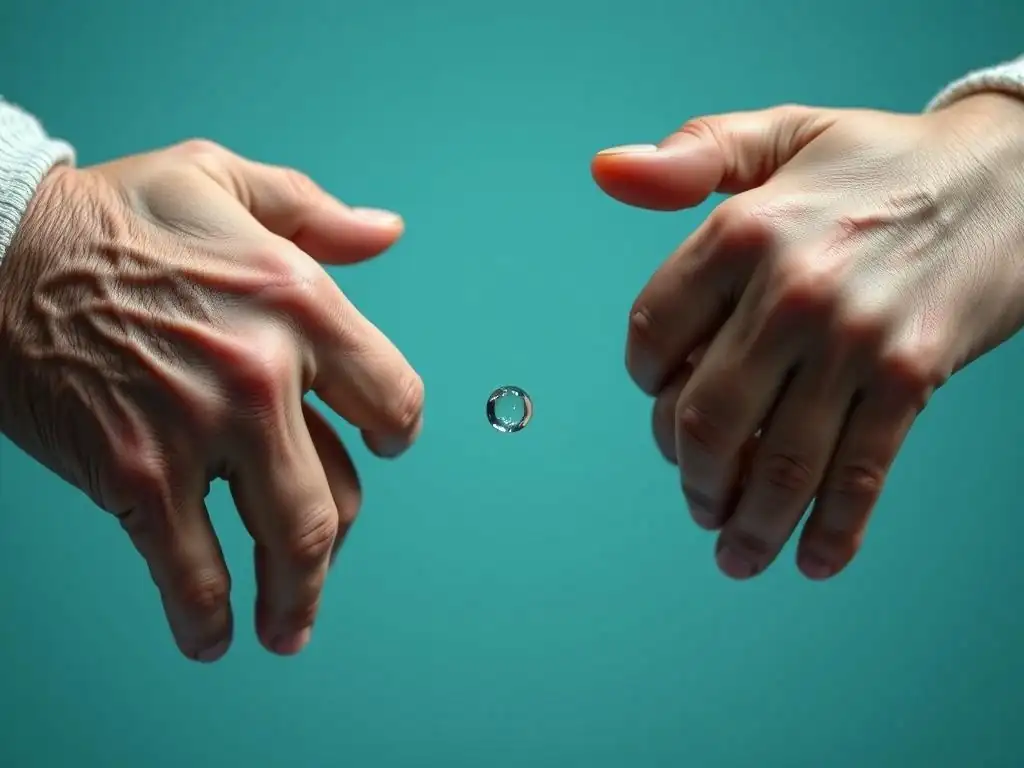
Dating after divorce in your 40s often means navigating a landscape of complex emotions and experiences. It's crucial to remember that clear communication is paramount, especially when it comes to your needs and boundaries. Many individuals, particularly those emerging from a long-term relationship, struggle to articulate what they want and need in a partner and a relationship.
This can lead to mismatched expectations and ultimately, disappointment. For example, someone might enter a dating scenario hoping for a serious, committed relationship, while their date is only looking for casual encounters. This fundamental incompatibility, left unaddressed, can lead to wasted time and emotional distress.
To avoid this pitfall, prioritize open and honest communication from the outset. Don't be afraid to express your desires, whether it's a preference for monogamy, a desire for a family, or specific non-negotiables in a partner. Similarly, setting healthy boundaries is essential. This includes defining your comfort levels with physical intimacy, frequency of contact, and how much personal information you're willing to share early on.
For instance, clearly stating your expectations regarding exclusivity or your limitations on time commitment can prevent misunderstandings and potential hurt feelings down the line. Remember, healthy relationships are built on mutual respect and understanding, both of which stem from clear and consistent communication. Being upfront about your needs and boundaries empowers you and attracts partners who value and respect those needs.
Don't shy away from assertive communication; it's a sign of self-respect and maturity. Consider practicing how to express your needs and boundaries before your next date, perhaps by role-playing with a trusted friend. This will build your confidence and make the conversation flow more naturally.
Neglecting Self-Care and Personal Growth During the Dating Process
Re-entering the dating world after a divorce, particularly in your 40s, can be emotionally taxing. The pressure to find a new partner, coupled with the lingering effects of the divorce itself, can easily lead to neglecting your own well-being. This is a significant pitfall that many individuals fall into.
Focusing solely on finding a new relationship, often at the expense of self-care, can create a vicious cycle of disappointment and frustration. You might find yourself constantly checking dating apps, obsessively analyzing every message, and neglecting your physical and mental health in the process. This imbalance can lead to burnout, making you less attractive to potential partners and hindering your ability to form genuine connections.
Prioritizing self-care is not selfish; it's essential for your overall happiness and success in dating. This means making time for activities that nourish your mind, body, and soul. This could include regular exercise, healthy eating, sufficient sleep, spending time in nature, pursuing hobbies, engaging in mindfulness practices, or connecting with supportive friends and family. Furthermore, personal growth is equally vital.
Consider taking up new skills, exploring your interests, or engaging in therapy to address any emotional baggage from your past relationship. Remember, a fulfilling relationship is built on two whole individuals, not two halves desperately trying to complete each other. By investing in yourself, you not only improve your overall well-being but also become a more confident and attractive individual, capable of forming healthier and more meaningful connections.
Think of self-care as an investment in your future happiness, both inside and outside of a romantic relationship. It's not a luxury; it's a necessity. Schedule time for self-care activities just as you would schedule a date, and treat these appointments with the same level of importance.
Strategies for Avoiding Dating Pitfalls After 40s Divorce
Dating after divorce in your 40s presents unique challenges. Many individuals find themselves navigating a landscape vastly different from their previous dating experiences. Understanding and proactively addressing potential pitfalls is crucial for a positive and successful experience. This section focuses on key strategies to avoid common setbacks and build a fulfilling dating life. We'll explore setting realistic expectations, prioritizing personal growth, and crafting an effective online profile—all vital components in navigating the dating world after divorce in your 40s.
Setting Realistic Expectations for Dating in Your 40s
Entering the dating scene after a long-term relationship, particularly a marriage, requires a recalibration of expectations. The "dating pitfalls after divorce 40s" often stem from unrealistic comparisons to the past or idealized notions of future partnerships.
One common pitfall is the expectation of immediate connection or a quick return to the intimacy and familiarity of a long-term relationship. This often leads to disappointment and frustration. It's crucial to remember that building meaningful connections takes time and effort. Dating, at any age, is a process of exploration and discovery, not a race to the finish line. Allow yourself the time and space to get to know potential partners without pressure.
Another area where unrealistic expectations can derail progress is the idealized image of the "perfect" partner. Instead of focusing on an unattainable ideal, concentrate on identifying your core values and non-negotiables in a partner. This approach allows for a more realistic assessment of compatibility and reduces the likelihood of settling for less than you deserve. Remember, a successful relationship is built on mutual respect, shared values, and genuine connection, not perfection.
Prioritizing Self-Reflection and Personal Growth Before Dating Again
Before diving back into the dating pool, prioritizing self-reflection and personal growth is paramount. This isn't about fixing yourself; it's about understanding your past experiences, identifying personal growth areas, and ensuring you're entering the dating scene from a place of strength and self-awareness.
Many individuals rush back into dating as a way to fill the void left by their divorce. However, this often leads to unhealthy relationships and repeated patterns of disappointment. Take the time to process your emotions, learn from past relationship dynamics, and address any unresolved issues from your previous marriage.
Consider therapy or counseling if needed; it can provide a safe and supportive environment to explore these complex emotions and develop healthy coping mechanisms. This period of self-reflection is an investment in your future happiness and well-being. It equips you with the self-knowledge necessary to make informed decisions about your future relationships.
Creating a Compelling Online Dating Profile That Attracts the Right People
Your online dating profile is your first impression, and it significantly impacts your dating success. In the context of "dating pitfalls after divorce 40s", a poorly crafted profile can lead to wasted time and discouraging experiences. A compelling profile showcases your personality, interests, and values authentically, attracting individuals compatible with your goals and lifestyle.
Here's a breakdown of key elements:
- High-Quality Photos: Use recent, well-lit photos showcasing your personality. Avoid overly posed or filtered images. Include a variety of shots—some casual, some showing hobbies or interests.
- Honest and Engaging Bio: Write a concise and engaging bio that highlights your personality and interests. Avoid clichés and negative language. Focus on what you're looking for in a partner and what you offer in a relationship.
- Specific Interests: Mention specific hobbies, interests, and activities. This provides potential matches with common ground for conversation. For example, instead of saying "I like to travel," specify, "I love exploring historical sites and trying new cuisines."
- Avoid Negative Language: Refrain from mentioning past relationship issues or focusing on what you don't want. Maintain a positive and forward-looking tone.
- Proofread Carefully: Ensure your profile is free of grammatical errors and typos. This reflects your attention to detail and professionalism.
By focusing on these strategies, individuals navigating the dating world after divorce in their 40s can significantly reduce the likelihood of encountering common pitfalls and increase their chances of building meaningful and fulfilling relationships. Remember, self-awareness, realistic expectations, and a well-crafted online presence are key ingredients for success.
Mastering Effective Online Communication to Build Genuine Connections

Effective online communication is crucial for navigating the dating scene after divorce in your 40s. It's not just about exchanging pleasantries; it's about building a genuine connection that translates to a successful offline encounter. Many individuals in this age group have been hurt in the past, leading to communication styles that might inadvertently hinder the formation of meaningful relationships.
One common pitfall is rushing into deep conversations too quickly. Instead of immediately divulging personal traumas or expectations, focus on building rapport gradually. Start with light, engaging topics—shared interests, hobbies, or even funny anecdotes about daily life. This allows for a natural flow of conversation and helps assess compatibility without overwhelming the other person. Remember, the goal is to spark curiosity and interest, not to unload your emotional baggage prematurely.
Another key aspect is active listening. Truly hearing what the other person says, asking thoughtful follow-up questions, and demonstrating genuine interest are paramount. Avoid interrupting or dominating the conversation. Instead, create a space where both individuals feel comfortable sharing their thoughts and feelings. This creates a sense of trust and mutual respect, foundational elements for any healthy relationship. Consider the use of emojis to convey emotion and tone appropriately, especially in text-based communication. A simple 😊 can go a long way in softening the tone and avoiding misunderstandings.
Finally, be mindful of your own communication style. Are you overly critical or judgmental? Do you tend to overshare? Reflect on your communication patterns and actively work on improving areas that might hinder connection. Self-awareness is crucial for fostering healthy relationships. Consider journaling to reflect on past interactions and identify recurring patterns in your communication that might need adjustment.
Identifying and Avoiding Red Flags During Online and In-Person Interactions
Dating after divorce in your 40s often means increased awareness of potential red flags. Experience has taught valuable lessons, and recognizing warning signs early on can save time and emotional energy. These red flags can manifest in both online and in-person interactions, requiring a keen eye and a healthy dose of skepticism.
Online, be wary of profiles that lack detail or have inconsistent information. Beware of individuals who are overly vague about their personal life or who avoid answering direct questions. Inconsistencies in photos or a lack of personal information can suggest dishonesty or a lack of commitment to building a genuine connection. Pay close attention to the language used—aggressive, controlling, or overly demanding language should raise immediate concerns.
In-person interactions offer a different set of red flags. Pay attention to how the individual treats others, including service staff. Disrespectful or condescending behavior towards others is a significant indicator of potential future problems. Similarly, observe their body language and overall demeanor. Are they constantly criticizing or complaining? Do they seem genuinely interested in getting to know you, or are they primarily focused on themselves? Listen to your gut feeling; if something feels off, trust your instincts.
Another crucial aspect is assessing their level of emotional maturity. Are they able to handle disagreements respectfully? Do they take responsibility for their actions, or do they tend to blame others? These are essential indicators of a person's capacity for healthy relationships. Remember, past experiences can inform our present choices, but they shouldn't dictate our future happiness. Don't settle for less than you deserve. A respectful and mutually fulfilling relationship is attainable, even after divorce in your 40s.
Building Healthy Relationships Based on Respect and Mutual Understanding
Building healthy relationships after divorce in your 40s requires a conscious effort to establish a foundation of respect and mutual understanding. This means prioritizing open communication, emotional intelligence, and shared values. It's about creating a partnership based on equality and mutual support, rather than dependence or control.
Open communication is the cornerstone of any healthy relationship. This involves expressing your needs and feelings honestly and respectfully, while also actively listening to your partner's perspectives. Avoid bottling up your emotions or making assumptions about your partner's intentions. Regular check-ins and honest conversations are essential for maintaining a strong connection and addressing potential conflicts effectively. Remember, effective communication involves both verbal and nonverbal cues; pay attention to your partner's body language and emotional state.
Emotional intelligence plays a vital role in fostering healthy relationships. This involves understanding and managing your own emotions, as well as empathizing with your partner's feelings. Be mindful of your reactions and avoid resorting to defensiveness or blame when disagreements arise. Instead, focus on finding common ground and working together to resolve conflicts constructively. This requires patience, understanding, and a willingness to compromise.
Finally, shared values are essential for long-term compatibility. This doesn't mean you need to agree on everything, but having a shared vision for the future and a fundamental understanding of each other's core beliefs and principles is crucial for building a lasting relationship. Consider creating a shared list of values that you both prioritize in a relationship. This exercise can highlight areas of potential conflict and facilitate open discussions about expectations. Remember, building a healthy relationship takes time and effort, but the rewards are immeasurable.
Finding Love After 40s Divorce: Tips for Success

This section focuses on practical strategies to navigate the dating scene after divorce in your 40s, minimizing common pitfalls and maximizing your chances of finding a fulfilling relationship. The 40s often bring a unique set of challenges to dating, including established routines, children, and potentially lingering emotional baggage from a previous marriage. Successfully navigating this requires self-awareness, a positive mindset, and a proactive approach. We'll delve into specific techniques to help you build confidence and attract compatible partners.
Building a Support System During Your Dating Journey
Dating after divorce can feel isolating, even daunting. Building a strong support system is crucial for maintaining emotional resilience and navigating the inevitable ups and downs. This doesn't just mean leaning on family; it also involves cultivating friendships that offer understanding and encouragement. Consider joining social groups aligned with your interests – book clubs, hiking groups, volunteer organizations – to meet new people in a low-pressure environment.
These connections offer companionship, validation, and a sense of belonging outside the dating world, acting as a buffer against potential disappointments. Remember, having a strong support network isn't a sign of weakness; it's a testament to your self-awareness and commitment to your well-being. Prioritizing this aspect significantly reduces the risk of falling prey to common dating pitfalls after divorce in your 40s, such as rushing into a new relationship to fill a void.
A trusted friend or therapist can provide invaluable perspective and guidance, helping you process emotions and make informed decisions. They can offer a safe space to discuss challenges, celebrate successes, and avoid impulsive choices driven by loneliness or fear. Remember, dating is a journey, and having a supportive network helps you navigate it with greater confidence and emotional stability. Don't underestimate the power of a strong support system in achieving your dating goals.
Embracing the Lessons Learned from Past Relationships
Divorce, while painful, offers a unique opportunity for self-reflection and growth. Analyzing your past relationship, identifying contributing factors to its demise, and extracting valuable lessons is crucial for future success. This isn't about dwelling on past mistakes but rather gaining a deeper understanding of your own needs, desires, and relationship patterns. What worked well? What didn't? What are your non-negotiables in a partner? Honesty in this self-assessment is key. For example, if you consistently chose partners who were emotionally unavailable, understanding why you were drawn to that pattern is critical to breaking the cycle.
This process of introspection prevents repeating past mistakes. It empowers you to make conscious choices in your next relationship, leading to more fulfilling and lasting connections. By embracing this learning process, you're actively shaping a healthier and happier future dating experience. This conscious self-awareness is a powerful antidote to many dating pitfalls after divorce in your 40s, avoiding the trap of repeating unhealthy dynamics. Consider journaling, therapy, or even mindful reflection to facilitate this process. The goal is not self-blame, but self-improvement.
Staying Positive and Patient While Dating After Divorce
Dating after divorce in your 40s requires patience and a positive outlook. It’s a process, not a race. There will be setbacks and disappointments along the way. It's important to maintain a realistic perspective, acknowledging that finding the right partner takes time and effort. Avoid comparing yourself to others or succumbing to pressure to settle for less than you deserve. Focus on self-care, nurturing your passions, and enjoying the journey of self-discovery.
Remember, maintaining a positive attitude doesn't mean ignoring challenges; it means approaching them with resilience and a willingness to learn. Celebrating small victories, acknowledging progress, and practicing self-compassion are crucial. This proactive approach mitigates the risk of common dating pitfalls after divorce in your 40s, such as becoming discouraged or cynical.
Focusing on your personal growth and well-being while dating increases your attractiveness and builds self-confidence, making you a more appealing partner. Patience and a positive attitude are invaluable assets in finding lasting love after divorce. Embrace the journey, and trust that the right person will come along at the right time.
Moving Forward: Building Healthy and Lasting Relationships
Dating after divorce in your 40s can feel daunting, but focusing on building healthy relationships is key to finding lasting love. This means shifting your focus from simply finding a partner to finding the right partner. This section explores how to identify and cultivate healthy relationships, moving beyond the common pitfalls often encountered after divorce. Understanding the signs of a healthy relationship and prioritizing a balanced life outside of dating are crucial steps in this process.
Recognizing Signs of a Healthy Relationship
Identifying a healthy relationship requires self-awareness and a clear understanding of your needs and boundaries. Many individuals, especially after a divorce, might settle for less than they deserve, overlooking red flags in their eagerness to find a partner. Here are some key indicators of a healthy relationship:
- Open and Honest Communication: This is the cornerstone of any successful relationship. Are you able to openly and honestly discuss your feelings, needs, and concerns without fear of judgment or retaliation? Healthy communication involves active listening and respectful dialogue, even during disagreements. This is especially crucial after a divorce, where past communication patterns might need to be consciously addressed and improved.
- Mutual Respect and Support: Do you feel respected and valued for who you are, flaws and all? Does your partner support your goals and aspirations, even if they differ from their own? Mutual respect involves appreciating each other's individuality and providing emotional support during challenging times. A healthy relationship should be a source of strength and encouragement, not a constant battleground.
- Shared Values and Goals: While complete alignment isn't necessary, sharing fundamental values and life goals is essential for long-term compatibility. Consider your views on family, finances, career, and lifestyle. Are these values largely compatible with your partner's? Significant discrepancies in these areas can lead to future conflict.
- Trust and Honesty: Trust is built over time through consistent actions and honest communication. Do you feel comfortable sharing your thoughts and feelings without fear of betrayal? Trust is a fundamental component of any lasting relationship and is particularly important after experiencing a broken trust in a previous marriage.
- Independent Identities: Maintaining a sense of self is crucial. A healthy relationship allows for individual pursuits and interests, fostering personal growth and preventing codependency. You should still have your own friends, hobbies, and personal time outside of the relationship. This is especially important after a divorce, as rediscovering your individual identity might be a key part of the healing process.
Creating a Balanced and Fulfilling Life Beyond Dating
Focusing solely on finding a partner can be detrimental to your overall well-being. A balanced life, rich with fulfilling activities and relationships outside of dating, is essential for attracting a healthy partner and maintaining a healthy relationship. This involves:
- Prioritizing Self-Care: Engage in activities that nourish your mind, body, and soul. This could include exercise, meditation, pursuing hobbies, spending time in nature, or simply relaxing and unwinding. Self-care is not selfish; it's a necessity for maintaining emotional well-being and attracting a healthy relationship. After a divorce, this is especially crucial for self-healing and personal growth.
- Nurturing Existing Relationships: Invest time and energy in your existing relationships with family and friends. These connections provide support, love, and a sense of belonging, which are crucial for emotional well-being. Strengthening these relationships can also help you build confidence and self-esteem, making you a more attractive partner.
- Pursuing Personal Goals: Focus on your personal and professional goals. Whether it's pursuing a new career, furthering your education, or simply achieving a personal milestone, pursuing your goals will increase your self-esteem and sense of accomplishment. This will make you more confident and attractive, both to yourself and to potential partners.
- Enjoying Solo Activities: Embrace your independence and enjoy activities you can do on your own. This could be anything from reading a book to traveling solo. Learning to enjoy your own company is a sign of maturity and self-sufficiency, both attractive qualities in a partner. After a divorce, reclaiming your independence and learning to thrive alone is an important part of moving forward.
Remember, building healthy and lasting relationships takes time and effort. By focusing on self-care, fostering healthy communication, and prioritizing a balanced life, you'll increase your chances of finding a fulfilling and lasting partnership after divorce in your 40s. 🥂
Frequently Asked Questions
What are some common dating pitfalls for people in their 40s after divorce?
One major pitfall is rushing into a new relationship before fully processing the divorce. Others include comparing new partners to your ex, and unrealistic expectations based on past experiences. Self-reflection is key.
How can I avoid baggage from my previous marriage affecting my new dating life?
Focus on self-healing and addressing any unresolved issues from your past. Practice self-compassion and healthy communication skills. Don't project your past experiences onto new partners.
What are some red flags to watch out for when dating after divorce in your 40s?
Be wary of partners who are disrespectful, controlling, or avoidant of serious discussions about the relationship. Inconsistency in actions versus words is also a significant red flag. Trust your gut instincts.
How can I create a successful online dating profile after divorce?
Highlight your positive qualities and interests, showcasing your personality and values. Be honest and authentic in your profile and photos. Focus on what you're looking for in a partner, and avoid negativity.
Is it okay to talk about my divorce on a first date?
While you shouldn't dwell on the past, briefly mentioning your divorce can be helpful for context and transparency. However, avoid making it the main focus of the conversation. Focus on getting to know your date.
Final Reflection: Reclaiming Your Heart After 40: A New Beginning
Navigating the dating world after divorce in your 40s is not just about finding a partner; it's about rediscovering yourself and building a fulfilling future. The challenges are real, from baggage and societal expectations to the complexities of blending families and navigating a changed dating landscape. But the rewards, the potential for genuine connection and lasting happiness, are equally profound.
The journey back into dating after a significant relationship ending is deeply personal, a process of healing, self-discovery, and ultimately, empowerment. It's about learning from past mistakes, recognizing your own worth, and setting healthy boundaries. This process isn't always easy; it requires courage, vulnerability, and a willingness to embrace the unknown. The most beautiful people we have known are those who have known defeat, known suffering, known struggle, known loss, and have found their way out of the depths.
This quote perfectly encapsulates the resilience and strength required to navigate this chapter of life. The scars we carry become a testament to our journey, shaping us into stronger, wiser individuals ready for authentic connection.
Now, consider your own experiences. Reflect on the lessons learned throughout this article. What resonates most with your own journey? What steps can you take today to cultivate a healthier, more fulfilling dating experience? Embrace this new chapter with open arms, learn from your past, and remember that your happiness is within your reach. You deserve love, connection, and a future filled with joy. Start building that future, one intentional step at a time.
Rediscover Dating: Your Next Chapter Starts Now!
Thank you for exploring the world of dating after divorce. We hope you gained valuable insights into navigating this exciting, yet sometimes challenging, journey. Ready to put that knowledge into practice?
- Prioritize self-reflection: Take some time this week to reflect on your dating goals and values. This will help you approach future dates with clarity and intention. Consider journaling to clarify your thoughts and feelings.
- Explore new dating app features: Many dating platforms offer unique search functions or community features—experiment with these to expand your options and meet new people.
- Share your key takeaway: Let's start a conversation! What resonated most with you, and how will you apply it to your dating journey? Share your thoughts in the comments below.
What's one small step you can take today to confidently embrace your next dating chapter?