
Managing Dating Anxiety After a Bad Date: Tools for a Quick Recovery


Dive into the world of confident online dating with OnlineDatingSuccess.org! Are you struggling to shake off the lingering effects of a less-than-ideal date? We understand. That's why we've crafted this guide on dating anxiety recovery tips, offering practical strategies to help you bounce back stronger and more prepared for your next connection. Discover how to transform setbacks into stepping stones on your journey to finding meaningful relationships. Ready to reclaim your dating confidence? Let's get started!
- Understanding Post-Date Anxiety: Recognizing the Symptoms
- Effective Coping Mechanisms for Dating Anxiety Recovery
- Strategies for Moving Forward After a Negative Dating Experience
- Building Resilience and Confidence for Future Dates
- Seeking Professional Help for Persistent Dating Anxiety
- Long-Term Strategies for Dating Anxiety Prevention
-
Frequently Asked Questions
- How can I overcome the anxiety triggered by a bad date?
- What are some practical tips for managing dating anxiety before the next date?
- Is it normal to experience anxiety after a negative dating experience?
- How can I use OnlineDatingSuccess.org's advice to recover from dating anxiety?
- Where can I find additional support for managing dating anxiety?
- Final Reflection: Reclaiming Your Dating Confidence
- Rediscover Your Dating Confidence: Take Control Now
Understanding Post-Date Anxiety: Recognizing the Symptoms
Navigating the world of online dating can be exhilarating, but it's also a journey fraught with potential pitfalls. A bad date, unfortunately, is a common experience, and its emotional fallout can significantly impact your confidence and enthusiasm for future encounters. This article focuses on managing the anxiety that often follows a disappointing date, providing you with practical tools and strategies for a quicker recovery.
We'll explore the common symptoms of post-date anxiety, helping you differentiate between normal disappointment and something more significant, equipping you to bounce back stronger and more resilient in your online dating journey. Learning to effectively manage this anxiety is crucial for maintaining a healthy and positive outlook, ultimately increasing your chances of finding a meaningful connection.
Remember, a single bad date doesn't define your dating success; it's an opportunity for growth and self-reflection. Let's delve into understanding the nuances of post-date anxiety and equip you with the resources to navigate it successfully.
Identifying Common Reactions to a Negative Dating Experience
Following a less-than-ideal date, it's normal to experience a range of emotions. These reactions can manifest in various ways, and understanding these common responses is the first step towards effective management. Many individuals report feeling a sense of disappointment, perhaps even a little let down. This is a completely normal human reaction. However, for some, these feelings can escalate into more significant anxiety. Some common emotional reactions include:
- Self-doubt: Questioning your attractiveness, personality, or dating skills. This can lead to negative self-talk and a decreased sense of self-worth.
- Frustration: Feeling irritated or angry with yourself, the other person, or the entire dating process.
- Discouragement: Losing motivation to continue dating or feeling pessimistic about finding a compatible partner.
- Fear of future dates: Developing apprehension or even dread about future interactions with potential partners.
These emotional responses are often accompanied by behavioral changes, such as withdrawing from social activities, avoiding online dating profiles, or overanalyzing every detail of the date. Recognizing these patterns is key to addressing the underlying anxiety.
Recognizing Physical and Emotional Signs of Dating Anxiety
Beyond the emotional turmoil, post-date anxiety can also manifest physically. These physical symptoms can range in severity, and understanding them can help you identify and manage the anxiety effectively. Some common physical manifestations include:
- Increased heart rate: A racing heart or palpitations can be a significant indicator of anxiety.
- Sleep disturbances: Difficulty falling asleep, staying asleep, or experiencing restless sleep.
- Muscle tension: Experiencing tightness or soreness in the muscles, particularly in the shoulders, neck, and jaw.
- Digestive issues: Upset stomach, nausea, or changes in bowel habits.
- Fatigue: Feeling unusually tired or drained, even after adequate rest.
In addition to these physical symptoms, you might also experience heightened emotional sensitivity, irritability, difficulty concentrating, and a general feeling of unease. It's important to note that the intensity of these symptoms can vary greatly from person to person. If you are experiencing intense or persistent physical symptoms, seeking professional guidance is advisable.
Differentiating Between Normal Disappointment and Excessive Anxiety
It's crucial to distinguish between the normal feelings of disappointment that can follow a bad date and the more intense, persistent anxiety that requires intervention. Normal disappointment is a temporary feeling that usually subsides within a reasonable timeframe. It might involve some self-reflection, but it doesn't significantly impact your overall well-being or daily functioning.
Excessive anxiety, on the other hand, is characterized by persistent negative thoughts, overwhelming feelings, and significant physical symptoms that interfere with your daily life. If your post-date feelings are intense, long-lasting, and significantly impacting your ability to function, it's essential to seek support. This could involve talking to a trusted friend, family member, or a mental health professional. Remember, seeking help is a sign of strength, not weakness. Taking proactive steps to manage your anxiety will significantly improve your overall well-being and your success in the world of online dating.
Effective Coping Mechanisms for Dating Anxiety Recovery

Dating anxiety is a common experience, and recovering from a bad date requires proactive steps. This section provides practical tools and techniques to help you manage your anxiety and move forward with confidence. Remember, a single unsuccessful date doesn't define your dating journey. It's an opportunity for growth and learning.
These strategies focus on self-care, cognitive restructuring, and practical actions to help you regain your emotional equilibrium after a disappointing encounter. Effective management of dating anxiety requires consistent effort and self-compassion. The key is to learn from the experience and apply these coping mechanisms to build resilience for future dates. These "dating anxiety recovery tips" will empower you to take control of your emotional well-being.
Practicing Self-Compassion After a Disappointing Date
After a bad date, it's natural to feel disappointed, even dejected. However, self-criticism only exacerbates anxiety. Instead, practice self-compassion. Acknowledge your feelings without judgment. Tell yourself, "It's okay to feel this way. Not every date will be a perfect match." Treat yourself with the same kindness and understanding you would offer a friend in a similar situation.
This involves several key steps:
- Acknowledge your emotions: Don't suppress your feelings. Allow yourself to feel the disappointment, frustration, or even anger. Journaling can be a helpful tool here.
- Avoid self-blame: Analyze the date objectively. Did something go wrong? Certainly, but focus on what you learned, not on personal shortcomings. Was there a lack of chemistry? Different preferences are perfectly acceptable.
- Practice self-soothing: Engage in activities that bring you comfort and relaxation, such as taking a warm bath, listening to calming music, or spending time in nature. These actions help regulate your nervous system and reduce anxiety.
- Seek support: Talk to a trusted friend, family member, or therapist about your experience. Sharing your feelings can provide valuable perspective and emotional support. Sometimes, just verbalizing your feelings can significantly lessen their intensity.
Remember, setbacks are a normal part of the dating process. Self-compassion is crucial for building resilience and maintaining a positive outlook. Treat yourself with the same kindness you'd offer a friend in need.
Reframing Negative Thoughts and Self-Talk After a Bad Date
Negative self-talk can significantly amplify dating anxiety after a bad experience. Challenge those negative thoughts and replace them with more balanced and realistic ones. This cognitive restructuring technique is a powerful tool for managing anxiety. Instead of dwelling on what went wrong, focus on what you learned and how you can improve your dating experience in the future.
For example, instead of thinking, "I'm completely un-datable," try reframing that thought to, "This date didn't work out, but it doesn't mean I won't find someone compatible." Or, instead of "I'm so awkward," try "I can work on my communication skills and feel more comfortable on future dates."
Here's a practical approach to reframing negative thoughts:
- Identify negative thoughts: Write down the negative thoughts and feelings that arise after a bad date.
- Challenge the thoughts: Ask yourself: Is this thought realistic? Is there evidence to support this thought? What would I tell a friend who had this thought?
- Replace negative thoughts: Formulate more positive and realistic thoughts that replace the negative ones.
- Practice regularly: Consistent practice is key to making this a habit and reducing the power of negative self-talk.
Engaging in Self-Soothing Techniques to Manage Anxiety Symptoms
Physical symptoms of anxiety, such as increased heart rate, shortness of breath, and muscle tension, are common after a disappointing date. Employ self-soothing techniques to calm your body and mind. These techniques help regulate your nervous system and reduce the intensity of anxiety symptoms.
Consider these effective strategies:
- Deep breathing exercises: Slow, deep breaths can significantly reduce anxiety. Inhale deeply through your nose, hold for a few seconds, and exhale slowly through your mouth. Repeat several times.
- Progressive muscle relaxation: Systematically tense and release different muscle groups in your body. This helps release physical tension associated with anxiety.
- Mindfulness meditation: Focus on the present moment without judgment. Pay attention to your breath, bodily sensations, and thoughts without getting carried away by them. Even short meditation sessions can be beneficial.
- Physical activity: Exercise releases endorphins, which have mood-boosting effects. A brisk walk, yoga session, or any physical activity can help alleviate anxiety symptoms.
Remember, managing dating anxiety is a process. Be patient with yourself, and celebrate your progress along the way. By consistently implementing these coping mechanisms, you'll build resilience and confidence in your dating journey. You've got this! 🎉
Strategies for Moving Forward After a Negative Dating Experience
Dating can be a rollercoaster of emotions, and a bad date can leave you feeling discouraged and anxious. The key is not to let one negative experience derail your progress. This section provides actionable strategies to help you recover quickly and confidently approach future dating opportunities. Remember, setbacks are a normal part of the process, and learning from them is crucial for growth. This is all part of your dating anxiety recovery.
Analyzing the Date Objectively: Identifying Learnings and Growth Opportunities
After a disappointing date, it's natural to ruminate on what went wrong. However, instead of dwelling on negative feelings, try to objectively analyze the experience. What aspects of the date didn't meet your expectations? Was it a mismatch in personalities, values, or communication styles? Perhaps the date itself was fine, but your anxiety made it harder to connect. Identifying these areas offers valuable insights for future dates.
For example, consider journaling your feelings. Write down specific details about the date – what you liked, what you disliked, and how you felt throughout. This process helps shift from emotional reactivity to a more analytical perspective. This analytical approach is a critical part of dating anxiety recovery tips.
You can also create a simple table to categorize your observations:
| Aspect of the Date | Observation | Learning/Improvement |
|---|---|---|
| Conversation Flow | Felt stilted and forced; limited shared interests. | Practice active listening and prepare conversation starters beforehand. |
| Physical Chemistry | Little to no physical attraction. | Be more upfront about my preferences in my profile and during initial communication. |
| Overall Vibe | Felt uncomfortable and pressured. | Set clear boundaries and don't hesitate to end the date if it feels wrong. |
By identifying patterns and areas for improvement, you transform a negative experience into a valuable learning opportunity. This proactive approach is key to building resilience and reducing future dating anxiety. Learning from each date, good or bad, contributes to stronger dating anxiety recovery.
Setting Realistic Expectations for Future Dates and Relationships
Unrealistic expectations can significantly contribute to dating anxiety. Often, we idealize potential partners and dates, leading to disappointment when reality doesn't match our fantasy. Remember that online dating profiles often present an idealized version of someone, and not every date will be perfect.
To manage expectations, focus on building genuine connections instead of chasing perfection. Accept that compatibility isn't always immediately apparent, and some dates might simply be exploratory conversations. Shift your focus from finding "the one" to enjoying the process of meeting new people and expanding your social circle. This healthier perspective is a critical element of your dating anxiety recovery tips.
Consider these points:
- Avoid comparing yourself or your dates to others. Everyone's journey is unique.
- Focus on having fun and getting to know someone, without pressure to form a long-term relationship immediately.
- Remember that rejection is a normal part of dating, and it doesn't reflect your worth.
Setting realistic expectations reduces pressure and increases your enjoyment of the dating process, contributing significantly to your dating anxiety recovery.
Focusing on Self-Improvement and Personal Growth
A bad date can sometimes highlight areas where personal growth could be beneficial. This might involve working on communication skills, improving self-esteem, or addressing underlying anxieties. Use this as an opportunity for self-reflection and personal development.
Consider engaging in activities that boost your confidence and well-being. This could include:
- Joining a club or group related to your interests.
- Taking a class or workshop to learn a new skill.
- Practicing mindfulness or meditation to manage stress and anxiety.
- Spending time with supportive friends and family.
Investing in yourself fosters self-confidence and improves your overall emotional well-being, making you better equipped to handle future dating situations. Prioritizing self-care is a crucial aspect of successful dating anxiety recovery tips. Remember, your happiness and well-being are paramount, regardless of your dating experiences. Prioritizing your mental health is a vital part of your journey to overcome dating anxiety recovery.
Building Resilience and Confidence for Future Dates
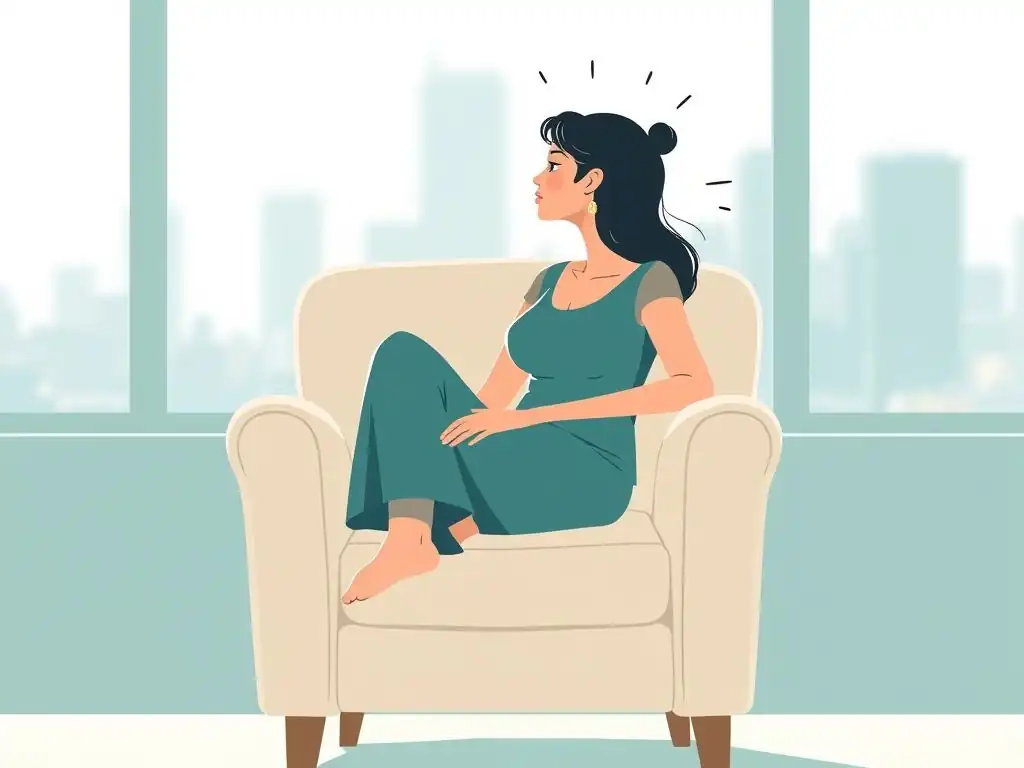
After a disappointing date, it's natural to experience a setback in confidence. However, viewing this experience as a learning opportunity is crucial for building resilience and preparing for future encounters. The goal isn't to erase the negative feelings entirely, but to learn from them and move forward with a renewed sense of self-assurance. This involves actively working on your emotional well-being and developing strategies to manage future anxieties.
Remember, dating is a process, and not every date will be a perfect match. Focusing on your personal growth and self-improvement will significantly boost your confidence and increase your chances of finding a compatible partner. Learning to manage dating anxiety is a journey, not a destination.
Developing a Positive Mindset and Self-Esteem
Rebuilding self-esteem after a bad date is paramount for future dating success. Start by challenging negative self-talk. Instead of dwelling on what went wrong, focus on your strengths and positive qualities. Create a list of your accomplishments, both big and small, to remind yourself of your value.
Practice self-compassion; treat yourself with the same kindness and understanding you would offer a friend going through a similar experience. Engage in activities that bring you joy and boost your self-worth – whether it's pursuing a hobby, spending time in nature, or connecting with loved ones. Remember, your worth is not determined by a single date.
Positive affirmations, repeated regularly, can also significantly impact your self-perception and reduce feelings of self-doubt. For example, try repeating phrases like, "I am worthy of love and happiness," or "I am confident and capable." This process takes time and consistent effort, but the rewards are well worth it.
Creating a Supportive Network for Emotional Support
Leaning on your support system is crucial during times of emotional distress. Share your experience with trusted friends or family members who can offer empathy and understanding. Talking about your feelings can help process the emotions and gain a fresh perspective. A supportive network can provide valuable emotional support, helping you to navigate the challenges of dating and regain your confidence.
Consider joining a support group specifically for singles, where you can connect with others who understand the anxieties and challenges of online dating. Sharing your experiences and hearing others' stories can be incredibly validating and reassuring. Remember, you are not alone in this journey. Surrounding yourself with people who uplift and encourage you will significantly improve your emotional well-being and resilience.
Utilizing Mindfulness and Relaxation Techniques to Reduce Anxiety
Mindfulness and relaxation techniques are powerful tools for managing dating anxiety. Practicing mindfulness involves paying attention to the present moment without judgment. This can help reduce overthinking about past dates and anxieties about future ones.
Simple mindfulness exercises, such as deep breathing or body scans, can help calm your nervous system and reduce feelings of stress. Progressive muscle relaxation involves systematically tensing and releasing different muscle groups in your body, promoting relaxation and reducing physical tension associated with anxiety. Guided meditation, readily available through apps or online resources, can also be incredibly beneficial in calming the mind and reducing anxiety levels.
Regular practice of these techniques will equip you with valuable coping mechanisms for managing anxiety in various situations, including future dates. Consider incorporating these practices into your daily routine for long-term benefits and improved emotional regulation. The more you practice, the more effective these techniques will become in managing your "dating anxiety recovery tips".
Seeking Professional Help for Persistent Dating Anxiety

Dating anxiety is a common experience, but when it significantly impacts your daily life and ability to pursue relationships, it's crucial to seek professional support. This section explores when professional help is warranted and how to find the right therapist to help you manage your dating anxiety and build healthier relationship patterns. Remember, seeking help is a sign of strength, not weakness, and it can significantly improve your overall well-being and dating success. Many individuals find that professional guidance offers valuable tools for managing their dating anxiety recovery tips.
When to Consider Therapy or Counseling for Dating Anxiety
Dating anxiety shouldn't control your life. While occasional nervousness is normal, consider professional help if your anxiety:
- Interferes with your daily activities: Are you avoiding social events, work, or other responsibilities because of the fear of dating or potential negative dating experiences? This is a strong indicator that professional intervention might be beneficial.
- Causes significant distress: Does the thought of dating trigger overwhelming feelings of fear, panic, or dread? Do these feelings significantly impact your mood and overall well-being?
- Impacts your self-esteem: Does dating anxiety lead to feelings of inadequacy, low self-worth, or self-criticism? This can create a vicious cycle, making it harder to navigate the dating world.
- Persists for an extended period: Has your dating anxiety lasted for several weeks or months, without significant improvement despite trying self-help techniques? Long-term, unmanaged anxiety can negatively affect your mental and emotional health.
- Impacts your relationships: Is your dating anxiety affecting your ability to form and maintain healthy relationships? This could manifest as avoidance, difficulty communicating openly, or constantly overthinking interactions.
If you've answered "yes" to several of these questions, seeking professional help is a wise decision. A therapist can provide personalized strategies and support tailored to your specific needs and experiences. This can significantly improve your quality of life and help you develop healthier coping mechanisms for managing dating anxiety.
Finding a Therapist Specializing in Relationship and Dating Issues
Finding the right therapist is a crucial step in your dating anxiety recovery journey. Not all therapists have the same expertise in relationship dynamics and dating-specific anxieties. To find a suitable therapist, consider the following:
- Specialization: Look for therapists who explicitly specialize in relationship issues, anxiety disorders, or even specifically dating anxiety. Many therapists list their areas of expertise on their websites or profiles.
- Approach: Research different therapeutic approaches like Cognitive Behavioral Therapy (CBT), which is often effective in managing anxiety. Consider your preferences and what resonates with you.
- Referrals: Ask your primary care physician, friends, or family members for referrals. Word-of-mouth recommendations can be invaluable.
- Online directories: Several online directories list therapists, often allowing you to filter by specialization and insurance coverage. Carefully review therapist profiles and ensure they are licensed and qualified.
- Initial consultation: Most therapists offer a free or low-cost initial consultation. This is a great opportunity to assess their approach, style, and whether you feel comfortable working with them.
Exploring Different Therapeutic Approaches for Anxiety Management
Several therapeutic approaches can effectively manage dating anxiety. The best approach will depend on individual needs and preferences. Here are some common methods:
- Cognitive Behavioral Therapy (CBT): CBT helps identify and challenge negative thought patterns and beliefs contributing to anxiety. It teaches practical coping skills to manage anxious feelings and behaviors in dating situations. CBT is often considered a highly effective treatment for anxiety disorders.
- Exposure Therapy: This involves gradually exposing yourself to anxiety-provoking situations in a safe and controlled environment. This helps desensitize you to the triggers of your anxiety, gradually reducing your fear response. For dating anxiety, this might involve practicing social interactions or dating scenarios with the support of a therapist.
- Acceptance and Commitment Therapy (ACT): ACT focuses on accepting difficult emotions and thoughts without judgment, while committing to valued actions. This approach helps you manage anxiety by focusing on your goals and values, rather than letting anxiety control your behavior.
- Mindfulness-Based Techniques: Mindfulness practices like meditation and deep breathing can help regulate your nervous system and reduce feelings of anxiety. These techniques can be used independently or in conjunction with other therapeutic approaches.
Remember, recovery from dating anxiety is a process, and progress may not be linear. Be patient with yourself, celebrate small victories, and remember that seeking professional help is a courageous step towards a healthier and more fulfilling dating experience. With the right support and strategies, you can overcome dating anxiety and build the confidence to pursue meaningful connections.
Long-Term Strategies for Dating Anxiety Prevention
Dating anxiety, while a common experience, doesn't have to dictate your online dating journey. Proactive, long-term strategies can significantly reduce its impact and even prevent future episodes. This section focuses on building resilience and establishing healthy habits to manage stress and navigate dating with increased confidence. The goal is not to eliminate anxiety entirely – that's often unrealistic – but to equip you with the tools to handle it effectively. Remember, consistent effort is key to long-term success in managing dating anxiety.
Maintaining a Healthy Lifestyle to Reduce Stress and Anxiety
A healthy lifestyle forms the bedrock of effective anxiety management. Think of it as building a strong immune system for your mental well-being. Neglecting physical health often exacerbates emotional struggles. Prioritizing sleep, nutrition, and exercise is crucial for mitigating dating anxiety's effects.
Sufficient sleep is paramount. Aim for 7-9 hours of quality sleep each night. Poor sleep intensifies stress hormones, making you more vulnerable to anxiety. Establish a regular sleep schedule, create a relaxing bedtime routine (avoid screens! ), and consider sleep hygiene practices like ensuring a dark, quiet, and cool sleeping environment. 😴
Nutrition plays a significant role too. A balanced diet rich in fruits, vegetables, and whole grains provides the essential nutrients your body and mind need to function optimally. Limit processed foods, sugary drinks, and excessive caffeine, all of which can worsen anxiety symptoms. Consider incorporating foods known to boost mood, such as those rich in omega-3 fatty acids (salmon, walnuts) and magnesium (dark leafy greens, almonds).
Regular physical activity is a powerful stress reliever. Exercise releases endorphins, natural mood boosters that combat stress and anxiety. Find an activity you enjoy – whether it's running, yoga, swimming, or dancing – and aim for at least 30 minutes of moderate-intensity exercise most days of the week. Even a short walk can make a difference! 🚶♀️
Cultivating Healthy Coping Mechanisms for Daily Stress
Dating anxiety often stems from broader life stressors. Developing healthy coping mechanisms for everyday stress is crucial for preventing it from spilling over into your dating life. These strategies help you build resilience and manage stress before it escalates into overwhelming anxiety.
Mindfulness practices, such as meditation and deep breathing exercises, are incredibly effective. These techniques help you become more aware of your thoughts and feelings without judgment, allowing you to manage anxious thoughts more effectively. Even a few minutes of daily mindfulness can significantly reduce stress levels. Numerous apps offer guided meditations for beginners.
Journaling can provide valuable insight into your thoughts and feelings. Writing down your anxieties can help you process them and identify underlying triggers. It's a powerful tool for self-reflection and emotional regulation. Try to maintain a regular journaling practice, even if it's just for a few minutes each day. ✍️
Connecting with supportive friends and family is vital. Sharing your anxieties with trusted individuals can provide emotional support and perspective. Remember, you're not alone in experiencing dating anxiety. Talking about it can help alleviate feelings of isolation and shame. Lean on your support network during challenging times. 💖
Practicing Assertiveness and Setting Boundaries in Dating
Assertiveness and healthy boundaries are essential for managing dating anxiety. Setting clear boundaries protects your emotional well-being and prevents potentially stressful situations. Assertiveness allows you to communicate your needs and preferences effectively, reducing the likelihood of miscommunication and conflict.
Learn to say "no" without guilt. It's perfectly acceptable to decline dates or invitations that don't feel right for you. Don't feel pressured to compromise your comfort or safety. Setting boundaries is an act of self-respect.
Communicate your needs and expectations clearly and respectfully. Don't assume your date will understand your preferences; explicitly state them. This reduces ambiguity and prevents misunderstandings that could trigger anxiety. For example, if you prefer to meet in public places for initial dates, communicate that clearly.
Practice assertive communication techniques. This involves expressing your needs and opinions respectfully, while also acknowledging the other person's perspective. It's about finding a balance between being assertive and being considerate. Assertiveness training resources are available online and can be incredibly helpful.
| Technique | Description | Example |
|---|---|---|
| "Broken Record" | Repeat your point calmly and persistently until it's understood. | "I'm not comfortable meeting at your apartment for a first date." |
| "Fogging" | Acknowledge the other person's point without agreeing or disagreeing directly. | "You might see it that way, but I prefer to keep things slow and steady." |
| "Negative Inquiry" | Ask clarifying questions to understand their perspective better. | "Can you help me understand why you feel that way?" |
Remember, managing dating anxiety is a journey, not a destination. By incorporating these long-term strategies, you'll build resilience, reduce stress, and navigate the online dating world with greater confidence and ease. 🎉
Frequently Asked Questions
How can I overcome the anxiety triggered by a bad date?
A bad date can be disheartening. Focus on self-compassion; acknowledge your feelings and avoid self-blame. Engage in relaxation techniques like deep breathing or meditation to calm your nerves. Remember, one date doesn't define your dating journey.
What are some practical tips for managing dating anxiety before the next date?
Prepare yourself mentally by practicing positive self-talk and visualizing a successful date. Engage in activities you enjoy to boost your confidence. Plan a fun, low-pressure activity for your next date to reduce pressure.
Is it normal to experience anxiety after a negative dating experience?
Absolutely! Dating involves vulnerability, and negative experiences are common. Allow yourself time to process your emotions. Don't hesitate to reach out to friends or family for support. It's a completely normal response.
How can I use OnlineDatingSuccess.org's advice to recover from dating anxiety?
Our site offers tools to build stronger profiles, improve communication skills, and enhance your confidence. Learning to manage your expectations and communicate your needs effectively can significantly reduce anxiety. Explore our articles for specific strategies.
Where can I find additional support for managing dating anxiety?
Consider seeking professional help from a therapist or counselor specializing in anxiety management. Support groups or online communities dedicated to dating can also provide valuable peer support and a sense of community. Don't struggle alone.
Final Reflection: Reclaiming Your Dating Confidence
The sting of a bad date can linger, but your power to overcome it is far greater than you might think. This article explored practical strategies for managing dating anxiety after a negative experience, emphasizing the importance of self-compassion, healthy coping mechanisms, and reframing negative thoughts. These tools aren't just for immediate recovery; they're foundational to building a healthier and more confident approach to dating in the long run.
The impact of dating anxiety is far-reaching, affecting self-esteem, social interactions, and even overall well-being. It's a pervasive issue, often unspoken, yet deeply felt by many. The journey to overcoming it is deeply personal, a process of self-discovery and growth. The only way to do great work is to love what you do.
While this quote from Steve Jobs might seem unrelated to dating, its essence applies: finding genuine self-love and acceptance is key to navigating the complexities of dating with confidence and grace. This journey isn't about finding the perfect partner, but about becoming the best version of yourself, ready for a healthy and fulfilling relationship.
You have the power to rewrite your dating narrative. Don't let one bad date define your worth or dictate your future interactions. Take the time to reflect on the strategies discussed – self-compassion, reframing negative thoughts, engaging in self-care – and actively incorporate them into your life. Remember, each date is a learning experience, a chance to grow, and a step closer to finding a connection that truly resonates. Embrace the journey, celebrate your resilience, and know that your dating confidence is within your reach.
Rediscover Your Dating Confidence: Take Control Now
Thank you for reading about managing dating anxiety. We hope this article gave you practical tools to recover from a disappointing date. Now, let's put that knowledge into action.
- Prioritize self-care: Schedule something enjoyable—a relaxing bath, a walk in nature, or anything that helps you recharge and feel better about yourself. This is vital for rebuilding your confidence.
- Share your experiences: Have you developed coping mechanisms you'd like to share? Leave a comment below and inspire the community! Your experience could really help someone else.
- Refresh your dating profile: Review your profile with a renewed sense of self-awareness and confidence. Make any necessary adjustments to reflect your personal growth and improved outlook.
Ready to approach your next date with greater confidence and a renewed sense of self-worth? What small step will you take today to build your resilience in dating?