
Is It Too Soon? Dating After Widowhood in Your 40s+: A Timeline Guide

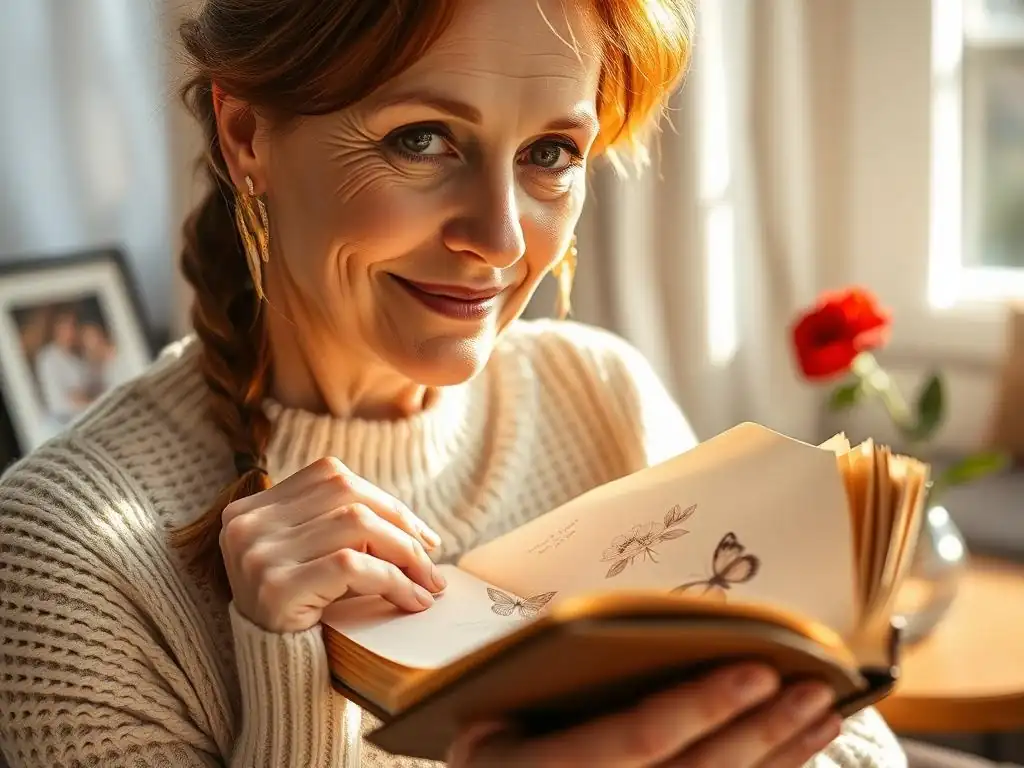
Ready to rediscover love after loss? At OnlineDatingSuccess.org, we understand the unique challenges and triumphs of navigating the online dating world. This journey, especially dating after widowhood, requires careful consideration and a strategic approach. Our comprehensive guide, focusing on the Dating after widowhood timeline, will help you confidently determine your personal pace and build a fulfilling future. Dive in and discover how to create a successful profile, communicate effectively, and prioritize your safety – all while honoring your past and embracing a hopeful future.
- Understanding Your Grief Journey: The First Steps After Widowhood
- Setting a Realistic Dating Timeline After Widowhood
- Navigating Online Dating After Widowhood: Practical Tips
- The First Dates: What to Expect and How to Prepare
- Long-Term Relationship Considerations After Widowhood
- Seeking Support: Resources for Dating After Widowhood
-
Frequently Asked Questions
- How long should I wait before dating after the death of my spouse?
- What are some signs I'm ready to start dating again after widowhood?
- How do I navigate dating after widowhood in my 40s+?
- What if I feel guilty about dating again after losing my spouse?
- Where are the best places to meet people for dating after widowhood?
- Final Reflection: Navigating the Uncharted Waters of Love After Loss
- Rediscover Your Love Story: Next Steps to Finding Happiness
Understanding Your Grief Journey: The First Steps After Widowhood
Dating after widowhood in your 40s or beyond is a deeply personal journey, significantly different from navigating the dating scene after a divorce or a long-term single period. This guide offers a sensitive and practical timeline, acknowledging the unique challenges and emotional complexities involved. It’s crucial to understand that there's no one-size-fits-all answer to the question, "Is it too soon?" The process is intensely individual, influenced by the length of your marriage, the circumstances of your spouse's passing, your support system, and your personal coping mechanisms.
This article aims to provide a framework to help you navigate this delicate transition, allowing you to honor your grief while thoughtfully considering when and how to re-enter the world of dating. We'll explore the emotional stages, practical considerations, and signs that indicate you might be ready to start exploring new connections. Remember, patience and self-compassion are key throughout this process. ❤️
Processing Grief and Loss: Recognizing Your Emotional Needs
The death of a spouse is a profound loss, triggering a wide range of emotions – sadness, anger, guilt, loneliness, and even relief in some cases. These feelings are completely normal and should be acknowledged, not suppressed. The intensity and duration of grief vary greatly. Some individuals might experience a relatively linear grieving process, while others might face periods of intense sadness followed by moments of relative calm.
It's vital to allow yourself to feel these emotions fully. Consider seeking support through grief counseling, support groups specifically for widows and widowers, or simply confiding in trusted friends and family members. Journaling can also be a powerful tool for processing your emotions and understanding your grief journey. Remember that seeking professional help is a sign of strength, not weakness.
Prioritizing your emotional well-being is paramount before considering dating again. This might involve therapy, meditation, or engaging in activities that bring you joy and a sense of peace. The goal here isn't to “get over” your grief, but to learn to live with it, integrating it into your life in a healthy and manageable way. This process takes time, patience, and self-compassion.
Allowing Yourself Time to Heal: Avoiding Premature Dating
Jumping into the dating world too soon after the loss of a spouse can be incredibly damaging. Premature dating can complicate your grieving process, potentially leading to feelings of guilt, confusion, and self-doubt. It can also create unrealistic expectations and hinder your ability to truly connect with someone new. There's no magic number of months or years to wait; the timeline is entirely personal.
Instead of focusing on a specific timeframe, consider focusing on your emotional and mental well-being. Are you able to function independently without feeling overwhelmed by sadness or anxiety? Can you manage daily tasks and responsibilities without significant difficulty? Do you feel a sense of peace and acceptance regarding your loss?
If the answer to these questions is "no," then it's likely too early to consider dating. Prioritize self-care, self-discovery, and healing before seeking a new romantic partner. Engage in activities that nurture your spirit, such as spending time in nature, pursuing hobbies, reconnecting with old friends, or exploring new interests.
Identifying Signs of Readiness: When You Feel Emotionally Available
Knowing when you're ready to date again is a deeply personal decision. However, several signs can indicate that you might be emotionally available for a new relationship. These include: feeling a genuine sense of peace and acceptance regarding your late spouse's passing; being able to talk about your late spouse without being consumed by overwhelming sadness; having a positive outlook on the future; experiencing genuine interest in connecting with others; feeling capable of forming healthy emotional boundaries; feeling comfortable with the idea of sharing your life with someone new without feeling disloyal to your late spouse; and having a strong sense of self and independence.
If you find yourself consistently experiencing these feelings, it could be a sign that you are ready to explore the possibility of dating again. However, remember that even with these indicators, dating after widowhood is a unique and challenging experience.
Proceed with caution, patience, and self-compassion. Take things slow, be open and honest about your feelings, and prioritize your emotional well-being above all else.
Setting a Realistic Dating Timeline After Widowhood

There's no magic number or universally applicable timeline for dating after widowhood. The process is deeply personal and depends heavily on individual circumstances, grief processing, and personal readiness. While some might feel ready to dip their toes back into the dating pool within months, others may require years.
The key is to avoid comparing your journey to others and to prioritize your emotional well-being above all else. This section will explore the factors influencing your personal timeline and offer guidance on setting realistic expectations for your journey. Remember, there's no right or wrong answer; it's about your journey and your pace.
The goal is not to rush, but to rebuild a fulfilling life, including potentially a loving relationship. This is a marathon, not a sprint, and celebrating each milestone along the way is essential. Understanding this will help manage expectations and reduce pressure, which are key factors in successfully navigating dating after widowhood.
The Importance of Self-Reflection: Defining Your Dating Goals
Before even considering online profiles or first dates, prioritize self-reflection. This isn't about dwelling on the past, but about understanding your present needs and desires. Ask yourself crucial questions: What am I looking for in a partner? What are my non-negotiables? What are my dealbreakers? What kind of relationship am I ready for? Are you seeking companionship, a long-term commitment, or something in between?
Journaling can be incredibly helpful here. Write down your feelings, your fears, and your hopes. This process allows you to clarify your dating goals and ensures you're entering the dating world with intentionality, not desperation. Defining your goals will help you attract compatible partners and avoid wasting time on unsuitable matches. This self-awareness is crucial to a successful re-entry into dating after such a significant life event. Remember, knowing yourself is the first step towards finding someone who truly complements you.
Jumping back into social situations after a period of grief can feel overwhelming. A gradual re-entry is often more beneficial. Start small. Reconnect with friends, engage in hobbies you enjoy, and participate in activities that bring you joy. This helps rebuild your social network and boosts your confidence.
Consider joining a book club, taking a class, or volunteering – these provide opportunities for casual interactions and social connections without the immediate pressure of dating. Think of it as a gentle reintroduction to social dynamics and a chance to practice interacting with new people in a low-pressure environment. This process will help you regain your confidence and ease your anxiety about the prospect of dating again. Small steps can lead to significant progress in rebuilding your social life and preparing you for the dating world.
Setting Boundaries: Protecting Your Emotional Well-being
Protecting your emotional well-being is paramount throughout this process. Setting boundaries is crucial. This includes being upfront about your needs and limitations. It's perfectly acceptable to take things slow, to decline dates that don't feel right, or to end a date early if you feel uncomfortable. Don't feel pressured to conform to societal expectations or the timelines of others.
Communicate your boundaries clearly and respectfully. Prioritize your emotional health above all else. This might involve limiting the number of dates you go on in a week, taking breaks from dating altogether if needed, or communicating your needs to potential partners. Remember, healthy boundaries are not selfish; they are essential for protecting your emotional well-being and ensuring a healthy and fulfilling dating experience. Honoring your boundaries demonstrates self-respect and attracts partners who value your emotional needs.
This section offers practical advice for navigating the online dating world after widowhood, specifically tailored to individuals in their 40s and beyond. The journey can be emotionally complex, but with a thoughtful approach, you can increase your chances of finding a meaningful connection. Remember, there's no right or wrong timeline; this is your journey.
Creating a Compelling Dating Profile: Honesty and Vulnerability
Creating an online dating profile after the loss of a spouse requires a delicate balance of honesty and vulnerability. Avoid generic descriptions; instead, highlight what makes you unique. Use specific examples to illustrate your personality and interests. For example, instead of writing "I love to travel," try "My recent trip to Italy reignited my passion for exploring ancient ruins and enjoying delicious pasta!" This paints a vivid picture and invites connection.
It's crucial to be upfront about your widowhood. Don't hide it; instead, integrate it naturally into your profile. You could mention your late spouse briefly and positively, focusing on the lessons learned and the growth experienced. For instance, you could write: "My late husband, John, taught me the importance of cherishing every moment. Now, I'm eager to create new memories and share adventures with someone special." This shows emotional maturity and honesty, attracting individuals who appreciate authenticity.
Remember to include recent, high-quality photos that reflect your current lifestyle and personality. Avoid overly posed or filtered images; genuine smiles and natural poses are more appealing. Consider including photos that showcase your hobbies and interests, providing potential matches with further insight into your life.
Communicating Your Experience: Sharing Your Story Authentically
Open and honest communication is key to building trust and meaningful connections in online dating after widowhood. Don't feel pressured to share every detail of your grief immediately. However, being upfront about your experiences is crucial to avoid misunderstandings and potential hurt feelings down the line.
Consider using subtle cues in your initial messages to gauge the other person's understanding and empathy. For example, you could casually mention your late spouse in conversation, observing their response. A respectful and compassionate reply indicates a potential for a deeper connection. Conversely, dismissive or insensitive responses should be a red flag.
Remember, you are not obligated to disclose every detail of your grief journey. Focus on sharing your present self, your hopes, and your dreams for the future. Highlight your resilience and the positive aspects of your life. This approach attracts individuals who appreciate your strength and are interested in getting to know the you of today.
Managing Expectations: Realistic Approaches to Online Interactions
Online dating, even after widowhood, requires managing expectations. Not every connection will lead to a long-term relationship. Some interactions may be brief and some may not progress beyond initial conversations. This is perfectly normal. The key is to approach each interaction with a balanced perspective.
Avoid placing unrealistic pressure on yourself or potential matches. Focus on building genuine connections, rather than solely seeking a romantic partner. Enjoy the process of getting to know new people and exploring potential friendships. Remember, building meaningful relationships takes time and patience.
Develop a clear understanding of your own needs and boundaries. Know what you are looking for in a partner and don't be afraid to communicate those needs clearly. Similarly, respect the boundaries of others. If a connection doesn't feel right, don't hesitate to move on. This is a journey of self-discovery as much as it is a search for a partner. Embrace the process and celebrate your strength and resilience. 🥂
Safety First: Protecting Yourself Online
Dating after widowhood, especially in your 40s+, can be emotionally vulnerable. Navigating the online dating world adds another layer of complexity, making safety paramount. Protecting yourself online isn't about being paranoid; it's about being proactive and informed. Remember, you're sharing personal information, and exercising caution is key to a positive experience.
One crucial step is to never share sensitive personal information early in the process. This includes your full address, workplace details, or the exact location of your children's school. Wait until you've met someone in person several times and feel completely comfortable with their character before disclosing such details. Even then, proceed with caution and consider the potential risks.
Another effective strategy is to verify profiles. While not foolproof, checking for inconsistencies or red flags in a person's profile can help you avoid potential scams or harmful encounters. Look for discrepancies between their profile picture and other photos, or check their social media presence (if they provide links – which you shouldn't share readily) to see if their online persona matches their claims. Be wary of profiles that lack detail, have generic photos, or seem too good to be true.
Consider using a reverse image search for profile pictures. This simple step can reveal if the photo is being used on multiple dating profiles, suggesting potential deception. It's a quick and easy way to add an extra layer of security to your online dating journey.
Furthermore, always meet in public places for your first few dates. Choose well-lit, populated areas where you feel safe and comfortable. Let a friend or family member know where you're going, who you're meeting, and when you expect to be home. This extra precaution provides an added sense of security and peace of mind. Never feel pressured to meet someone privately, especially early in the dating process.
Finally, trust your instincts. If something feels off or unsafe, don't hesitate to end the conversation or interaction. Your safety and well-being are always the top priority. Remember, online dating should be an enjoyable experience; safeguarding yourself ensures it remains so. Taking these precautions doesn't diminish the romance; it enhances it by creating a secure environment for building genuine connections. Dating after widowhood requires patience and self-care, and prioritizing your safety is a crucial part of that process.
The First Dates: What to Expect and How to Prepare

Dating after widowhood, especially in your 40s+, can feel daunting. The first few dates are crucial for navigating this new chapter and setting a healthy foundation. Remember, there's no rush; prioritize your well-being and comfort. This section will guide you through what to anticipate and how to best prepare for those initial encounters, offering a realistic perspective on the dating after widowhood timeline.
Choosing the Right Setting: Comfort and Safety
Selecting the right environment for your first date significantly impacts the overall experience. Avoid overly private or isolated locations, especially in the early stages. Instead, opt for public spaces where you feel safe and comfortable. Consider these options:
- Coffee shops: Casual, daytime settings provide a relaxed atmosphere for conversation.
- Museums or art galleries: Shared interests can spark engaging discussions.
- Lunch dates: Less pressure than dinner, offering a shorter timeframe if needed.
- Walking trails or parks (during daylight hours): A more active date, promoting natural conversation.
Remember, your comfort is paramount. If a suggested location makes you uneasy, propose an alternative. Trust your instincts; a safe and comfortable environment allows for genuine connection. Prioritize places that allow for easy exits if needed. This is especially important when considering the emotional complexities of dating after widowhood.
Discussing Your Past: Open Communication is Key
The topic of your late spouse will likely arise, and it's perfectly natural. However, the timing and depth of this conversation should be guided by mutual comfort and respect. It's not necessary to delve into painful details on a first date. A simple, honest acknowledgment of your past is sufficient. For example:
I was married for many years before my husband passed away. It's still a part of my life, but I'm also excited to explore new connections.
This approach demonstrates openness and vulnerability without overwhelming your date. Observe your date's reactions; their responses will indicate their readiness to navigate these sensitive topics. Remember, genuine connection thrives on open communication and mutual respect. This is a key element of a healthy dating after widowhood timeline.
Recognizing Red Flags: Protecting Yourself from Hurt
While embracing new possibilities, remember self-preservation. Be vigilant in recognizing potential red flags. These could manifest in various ways:
- Controlling behavior: Excessive texting, demanding attention, or attempts to isolate you from friends and family.
- Disrespectful communication: Demeaning comments, dismissing your feelings, or lack of empathy.
- Inconsistencies in their story: Contradictions or evasiveness when discussing their past or present life.
- Pressure for intimacy: Pushing for physical intimacy before you feel comfortable and ready.
Don't dismiss your intuition. If something feels off, it likely is. Prioritize your emotional and physical safety. A healthy dating after widowhood timeline involves respecting your boundaries and recognizing when a relationship isn't right for you. Remember, it's okay to end a date early or to not pursue a second date if you feel uncomfortable or unsafe. Your well-being is the ultimate priority. Trust your gut feeling; it often knows more than you realize.
Long-Term Relationship Considerations After Widowhood

This section focuses on the unique challenges and opportunities when considering long-term relationships after widowhood in your 40s and beyond. The emotional landscape is significantly different than entering a relationship after a divorce or a long period of singlehood. The death of a spouse leaves a profound impact, influencing how you approach future relationships. Successfully navigating this requires self-awareness, patience, and a realistic understanding of your emotional needs. Understanding your personal timeline for dating after widowhood is crucial, but equally important is understanding what you're looking for in a long-term partnership at this stage of life.
Balancing Grief and New Love: Integrating Past and Present
Finding a balance between honoring your late spouse's memory and embracing a new love is a delicate act. It's not about "replacing" your late spouse, but rather about integrating your past experiences into your present life. Many individuals find that journaling, therapy, or support groups can be invaluable tools in this process. These avenues provide a safe space to process grief and gain clarity on your emotional readiness for a new relationship.
Remember, there is no right or wrong timeline. Some may find themselves ready sooner than others. The key is to listen to your intuition and avoid rushing into a new relationship before you've adequately processed your grief. Allow yourself time to heal and to understand your own needs and boundaries before seeking a new partner.
This self-awareness will form the foundation of a healthy and respectful relationship. This process might involve revisiting cherished memories, perhaps creating a small memorial space in your home, or engaging in activities that remind you of your late spouse in a positive way. This acknowledgement of your past doesn't preclude moving forward; instead, it provides a framework for a more complete and authentic present.
Introducing a new partner to your family and friends after widowhood can be emotionally charged. Your loved ones may still be grieving the loss of your spouse and might have preconceived notions about your new relationship. Open and honest communication is vital. Explain your feelings and the significance of this new person in your life.
Be prepared for a range of reactions; some may be supportive and welcoming, while others may need more time to adjust. Patience and understanding are crucial. Consider introducing your new partner gradually, starting with close friends or family members who are likely to be more understanding. It's important to remember that your family and friends' reactions are often rooted in their own feelings of loss and concern for your well-being.
Creating a space for open dialogue and addressing their concerns directly can help to ease the transition. Remember, this is your journey, and your happiness matters. However, respecting the feelings of others is also important for navigating this potentially complex situation successfully.
Building a Healthy Partnership: Communication and Trust
Building a healthy partnership after widowhood requires strong communication and trust. Openly discussing your past experiences, including your grief and emotional needs, is essential for fostering intimacy and understanding. Your new partner needs to understand the unique context of your relationship and the potential emotional complexities that might arise. Establishing clear boundaries and expectations early on is also crucial.
This includes respecting each other's space, acknowledging past relationships, and maintaining open communication about your emotional well-being. Trust is built over time through consistent actions and mutual respect. This includes being honest and transparent with each other, actively listening, and supporting each other's emotional needs.
Developing a healthy partnership after widowhood requires patience, understanding, and a willingness to work through challenges together. Remember, building a strong foundation of communication and trust will be the cornerstone of a successful and fulfilling long-term relationship. This process is unique to each individual and couple, so flexibility and understanding are key to navigating this important stage.
Seeking Support: Resources for Dating After Widowhood
Dating after widowhood, especially in your 40s and beyond, presents unique challenges. The emotional landscape can be complex, and finding the right support system is crucial for navigating this journey successfully. This section explores various resources designed to help you find comfort, guidance, and connection as you begin dating again. Remember, there's no right or wrong timeline; prioritizing your emotional well-being is paramount. The key is to find the support that best fits your needs and personality.
Finding Support Groups: Connecting with Others Who Understand
Connecting with others who've experienced similar losses can be incredibly validating and helpful. Support groups offer a safe space to share your feelings, learn from others' experiences, and build a community of understanding. These groups aren't just about dating; they provide a broader network of emotional support that can positively impact your dating journey.
Many support groups are specifically designed for widows and widowers, providing a unique understanding of the grief and complexities involved in navigating a new relationship after loss. Some groups may focus on specific age ranges or have a religious affiliation, offering a diverse range of options to find the best fit. The shared experiences within these groups can create a sense of belonging and alleviate feelings of isolation, often a significant factor for those dating after widowhood.
Attending meetings, even just a few, can provide invaluable emotional support and practical advice. Look for local groups in your community or explore online options for broader reach. Consider the size and structure of the group—smaller groups might allow for more intimate sharing, while larger groups offer a wider range of perspectives.
Seeking Professional Guidance: Therapists and Counselors
The emotional complexities of dating after widowhood often benefit from professional guidance. A therapist or counselor specializing in grief and loss can provide a safe and confidential space to process your emotions, address any lingering trauma, and develop healthy coping mechanisms. They can help you understand your emotional responses, identify potential roadblocks to healthy relationships, and build skills for effective communication and boundary-setting—all vital aspects of successful dating.
Finding the right therapist is crucial. Look for someone with experience in grief counseling and relationship dynamics. Don't hesitate to schedule consultations with several therapists before making a decision. A good therapeutic relationship is built on trust and mutual understanding. Professional support can be particularly valuable in addressing feelings of guilt, anxiety, or fear that might arise during the dating process. Remember, seeking professional help is a sign of strength, not weakness. It's an investment in your emotional well-being and your future happiness. Many insurance plans cover mental health services, so check your coverage to understand your options.
Online Communities: Finding Support and Advice
The internet offers a wealth of online communities specifically designed for widows and widowers. These platforms provide a space to connect with others, share experiences, and receive advice and support. Many online forums and social media groups are dedicated to this specific demographic, offering a sense of community and understanding. Remember to prioritize safety and privacy when engaging in online communities. Be mindful of sharing personal information and only interact with trusted individuals.
These online spaces can be a valuable source of information and emotional support. You can find practical advice on navigating dating profiles, communicating effectively, and setting healthy boundaries. The anonymity offered by some online communities can be particularly helpful for those who feel uncomfortable sharing their experiences in person.
However, always remember that online interactions lack the nuance of face-to-face communication. While online support can be helpful, it's important to supplement it with in-person connections whenever possible for a more well-rounded approach to navigating dating after widowhood. The diverse perspectives and shared experiences within these communities can provide a sense of hope and encouragement as you embark on this new chapter.
Frequently Asked Questions
How long should I wait before dating after the death of my spouse?
There's no magic number; it's entirely personal. Focus on your emotional healing before considering dating. Allow yourself the time you need.
What are some signs I'm ready to start dating again after widowhood?
You feel a genuine desire for companionship, not just to fill a void. You've processed your grief and can discuss your late spouse without overwhelming sadness. You feel emotionally available to connect with someone new.
Be honest and upfront about your past. Focus on finding someone who understands and respects your experience. Take things slowly and prioritize your emotional well-being.
What if I feel guilty about dating again after losing my spouse?
Grief is complex; guilt is normal, but don't let it prevent you from finding happiness. Remember your late spouse would likely want you to be happy. Focus on self-care and honoring your own needs.
Where are the best places to meet people for dating after widowhood?
Consider widow/widower support groups, online dating sites with specific filters, or shared interest activities. Focus on environments where you can connect authentically with others.
The journey through grief is deeply personal, yet the desire for connection remains a universal human experience. Finding love again after widowhood, particularly in your 40s and beyond, is a testament to the resilience of the human spirit and a powerful affirmation of life's enduring capacity for joy. This isn't about replacing a lost love, but about embracing the possibility of a new chapter filled with companionship and happiness.
The societal pressure to "move on" often overshadows the complex emotional landscape widows and widowers navigate. It's crucial to remember that there's no right or wrong timeline; healing is a deeply individual process. Grief is not a sign of weakness, nor is it a disorder, but a price we pay for love.
This quote perfectly encapsulates the bittersweet reality of finding love again after loss. The pain of the past doesn't diminish the potential for future happiness; rather, it shapes and informs our journey, adding depth and perspective to our understanding of love and loss.
You, the reader, hold the key to your own happiness. Don't let societal expectations or self-doubt dictate your path. Take the time you need to heal, honor your grief, and rediscover your own desires. When you feel ready, embrace the possibility of new connections with courage and self-compassion. Remember, the timeline is yours to define, and your journey toward love is a testament to your strength and enduring capacity for joy. Embrace it.
Rediscover Your Love Story: Next Steps to Finding Happiness
Thank you for exploring the complexities of dating after widowhood. We hope this guide offered valuable insights and boosted your confidence. Now, let's move forward toward finding happiness and connection.
Here's how you can begin:
- Explore dating profiles: Don't delay! Even if it feels overwhelming, start reviewing profiles on your chosen dating platform. Focus on those that align with your values and lifestyle.
- Share your experiences: Join the conversation in the comments below! What resonated most with you, and what challenges did you find particularly helpful to address? Your perspective can be incredibly encouraging to others.
- Connect with a support group: Find a local or online group where you can connect with others facing similar experiences. The shared understanding can be invaluable.
Ready to write the next chapter of your love story? What's the first step you'll take today?