
Love Languages and Conflict Resolution: Staying Connected During Online Disagreements


Ready to transform your online dating experience? At OnlineDatingSuccess.org, we empower you to build genuine connections. But what happens when disagreements arise? Our latest article on online dating conflict resolution tips, specifically addressing the impact of Love Languages, reveals powerful strategies to navigate disagreements and maintain a strong, healthy connection. Discover how understanding communication styles can be the key to lasting online romance – read on to unlock the secrets!
- Understanding Online Dating Conflict: Recognizing the Signs
- Love Languages and Online Communication Styles
-
Online Dating Conflict Resolution Tips: Practical Strategies
- Navigating Disagreements Using Words of Affirmation
- Resolving Conflicts Through Quality Time in the Online Space
- Managing Conflicts with Acts of Service in Online Relationships
- Addressing Conflicts Using Receiving Gifts Digitally
- Handling Conflicts Through Physical Touch (Adapting for Online Dating)
-
Applying Love Languages to Specific Online Dating Conflicts
- Handling disagreements about profile pictures and online presence
- Resolving conflicts related to communication frequency and responsiveness
- Managing disagreements on relationship expectations and future plans
- Addressing jealousy and insecurity in online relationships
- Overcoming differences in communication styles and preferences
-
Maintaining Connection After Online Disagreements
- Repairing trust after an online conflict
- Strengthening your bond using your partner's love language
- Preventing future online disagreements through proactive communication
- Seeking external support when needed (Relationship coaches, online resources)
- Long-term strategies for healthy online communication and conflict resolution
-
Frequently Asked Questions
- How can understanding love languages help resolve online dating conflicts?
- What are some common online dating conflicts?
- How can I communicate effectively during an online dating disagreement?
- What should I do if an online dating conflict becomes too intense?
- Are there specific online dating conflict resolution tips for long-distance relationships?
- Final Reflection: Bridging the Digital Divide with Love
- Unlock Deeper Connections: Put Love Languages into Action
Understanding Online Dating Conflict: Recognizing the Signs
Navigating the world of online dating can be exhilarating, filled with the potential for connection and romance. However, just like any relationship, online dating comes with its share of challenges. Disagreements and conflicts are inevitable, but how you handle these situations can significantly impact the longevity and health of your budding relationship.
This article explores the crucial role of love languages in resolving conflicts that arise in the online dating sphere, providing practical strategies to foster understanding, empathy, and ultimately, stronger connections. Understanding your own communication style and recognizing the early warning signs of conflict are key steps in building resilience and navigating disagreements constructively. We'll delve into specific techniques for resolving conflicts, ensuring that disagreements don't derail the potential for meaningful connections.
Mastering online conflict resolution is a vital skill for anyone seeking a successful and fulfilling online dating experience, and this guide will equip you with the tools you need to navigate disagreements with grace and understanding. Learning to effectively communicate and resolve conflict online can dramatically improve your chances of finding a lasting and happy relationship.
Identifying Early Warning Signs of Online Disagreements
Online communication, while convenient, can lack the nuances of face-to-face interaction. This can lead to misunderstandings and escalate disagreements quickly. Recognizing early warning signs is crucial for preventing minor disagreements from becoming major conflicts. These signs can manifest in various ways:
- Increased frequency of short, abrupt messages: A sudden shift from lengthy, engaging conversations to terse, one-word replies can signal underlying tension.
- Ignoring messages or delaying responses: Uncharacteristic delays or a complete lack of response can indicate avoidance or disinterest, potentially leading to frustration and conflict.
- Use of sarcasm or passive-aggressive language: Online, tone is easily misinterpreted. Sarcasm, even if intended playfully, can come across as hostile and escalate a situation.
- Defensive or accusatory language: Phrases like "You always..." or "You never..." tend to shut down communication and create a defensive atmosphere.
- Changing the subject abruptly or avoiding sensitive topics: A consistent avoidance of important issues can indicate unresolved feelings or a reluctance to address potential conflicts.
Learning to recognize these subtle cues is the first step in proactively addressing potential conflicts before they escalate. Remember, open and honest communication is key to resolving disagreements effectively. Early intervention often prevents minor issues from snowballing into larger problems.
Recognizing Your Own Communication Style in Online Interactions
Understanding your own communication style is paramount in resolving online dating conflicts. Are you a direct communicator, preferring clear and concise messages? Or do you tend to be more indirect, relying on subtle cues and hints? Knowing your tendencies helps you anticipate potential misunderstandings and adjust your approach accordingly. For example:
| Communication Style | Strengths | Weaknesses | Tips for Online Dating |
|---|---|---|---|
| Direct | Clarity, efficiency, avoids ambiguity | Can be perceived as blunt or insensitive | Use emojis and soften language to prevent misinterpretation. |
| Indirect | Diplomatic, avoids confrontation | Can be unclear, leading to misinterpretations | Be explicit about your needs and feelings. |
| Passive | Avoids conflict, maintains harmony | Can lead to resentment and unresolved issues | Practice assertive communication techniques. |
| Aggressive | Assertive, gets needs met | Can be perceived as hostile and intimidating | Focus on "I" statements and avoid blaming language. |
Consider which style best describes you. Understanding your communication style allows you to anticipate potential pitfalls and adjust your communication accordingly, leading to more effective conflict resolution. It also helps you understand how your communication style might be perceived by others.
The Impact of Miscommunication in Online Dating Relationships
Miscommunication is a significant contributor to conflict in online dating. The lack of non-verbal cues, such as body language and tone of voice, can easily lead to misunderstandings. A simple text message can be interpreted in countless ways, depending on the recipient's emotional state and past experiences. The absence of immediate feedback can also prolong misunderstandings, allowing frustration and resentment to build.
For example, a seemingly harmless joke might be misinterpreted as offensive if the recipient is having a bad day or is sensitive to a particular topic. Similarly, a delayed response might be perceived as disinterest or rejection, even if the sender was simply busy. This highlights the importance of clear, concise, and empathetic communication. Using emojis, clarifying your tone, and actively seeking clarification can significantly reduce the chances of miscommunication and prevent disagreements from escalating. Remember that patience and understanding are crucial in navigating the complexities of online communication. Always strive for clarity and empathy to foster positive relationships.
Love Languages and Online Communication Styles
This section explores how understanding your love language and your partner's can significantly improve communication and conflict resolution in online dating. Successfully navigating the digital landscape of romance requires a nuanced approach, and recognizing how your preferred ways of giving and receiving love manifest online is crucial. Failing to understand these subtle differences can lead to misunderstandings and conflict, even when both partners have good intentions. Let's delve into how your love language impacts your online interactions.
How Your Love Language Influences Online Interactions
Your love language significantly shapes how you express affection and interpret the actions of others, both offline and online. Consider these examples:
- Words of Affirmation: For those whose primary love language is Words of Affirmation, receiving frequent positive messages, compliments, and encouraging words is paramount. Online, this translates to expecting regular, thoughtful messages, virtual gifts like cute emojis 🥰, and heartfelt comments on posts. A lack of these verbal affirmations can be interpreted as disinterest or coldness, even if unintentional. Conversely, they might express their love through detailed, well-written messages, showering their partner with praise and encouragement.
- Acts of Service: Individuals who value Acts of Service show love through helpful actions. Online, this could manifest as scheduling virtual dates, proactively suggesting activities, or helping with technical issues. A partner who prioritizes Acts of Service might feel unloved if their efforts to assist aren't acknowledged or reciprocated. They may also show their love by taking initiative in planning online dates or helping their partner with their online profiles.
- Receiving Gifts: While physical gifts are harder to exchange in online dating, the principle remains. Thoughtful gestures, such as sending a digital "gift" (like a virtual coffee ☕ or a subscription to a streaming service), or sending a personalized meme or video can be highly valued. Neglecting these symbolic gestures can lead to feelings of being unappreciated.
- Quality Time: For those who prioritize Quality Time, uninterrupted, focused attention is key. In online dating, this translates to scheduling regular video calls, engaging in meaningful conversations, and avoiding distractions during those interactions. Frequent cancellations or rushed conversations can be hurtful. They demonstrate love by actively listening during video calls and being fully present in online interactions.
- Physical Touch: This is the most challenging love language to translate to the online world. However, even here, there are ways to connect. Sending affectionate emojis 🤗, expressing longing for physical intimacy (appropriately and respectfully), and planning for in-person meetings showcase this love language. The lack of physical touch can be a significant challenge, requiring open communication and patience.
Matching Love Languages and Communication Preferences in Online Dating
Successfully navigating online dating requires understanding not only your own love language but also your partner's. Mismatches can lead to conflict if not addressed proactively. For example:
| Your Love Language | Partner's Love Language | Potential Conflict Points | Resolution Strategies |
|---|---|---|---|
| Words of Affirmation | Acts of Service | Feeling unappreciated despite partner's helpful actions; partner feeling undervalued if praise is lacking. | Explicitly verbalize appreciation for acts of service; actively express words of affirmation. |
| Acts of Service | Quality Time | Feeling ignored due to lack of focused attention; partner feeling overwhelmed by constant tasks. | Schedule dedicated time for focused communication; clearly delineate tasks and expectations. |
| Receiving Gifts | Physical Touch | Feeling unloved despite partner's efforts; partner struggling to express affection online. | Explore creative ways to express affection online; plan in-person meetings sooner. |
| Quality Time | Words of Affirmation | Feeling unappreciated due to lack of verbal affirmation; partner feeling ignored despite dedicated time. | Verbally express appreciation; balance quality time with verbal expressions of affection. |
| Physical Touch | Receiving Gifts | Feeling disconnected due to lack of physical closeness; partner feeling pressure to constantly provide gifts. | Communicate the importance of physical connection; focus on symbolic gestures, not material ones. |
Understanding these potential conflicts allows for proactive strategies, fostering stronger online connections. Open communication is key; discussing love languages early in the online dating process can prevent misunderstandings and build a stronger foundation.
Adapting Your Communication Style Based on Your Partner's Love Language
Effective online communication involves adapting your style to resonate with your partner's love language. This isn't about changing who you are, but about thoughtfully choosing how you express your affection.
Consider these examples: If your partner's primary love language is Acts of Service, actively offer assistance, even with small online tasks. If it's Words of Affirmation, frequently send encouraging messages and express your appreciation. For those who value Quality Time, prioritize dedicated, uninterrupted video calls. Remember, consistent effort in understanding and responding to your partner’s love language builds trust and strengthens your connection. This mindful adaptation demonstrates care and fosters a more fulfilling online dating experience. Even small gestures, tailored to their love language, can significantly improve your communication and help resolve potential conflicts before they escalate.
Online Dating Conflict Resolution Tips: Practical Strategies
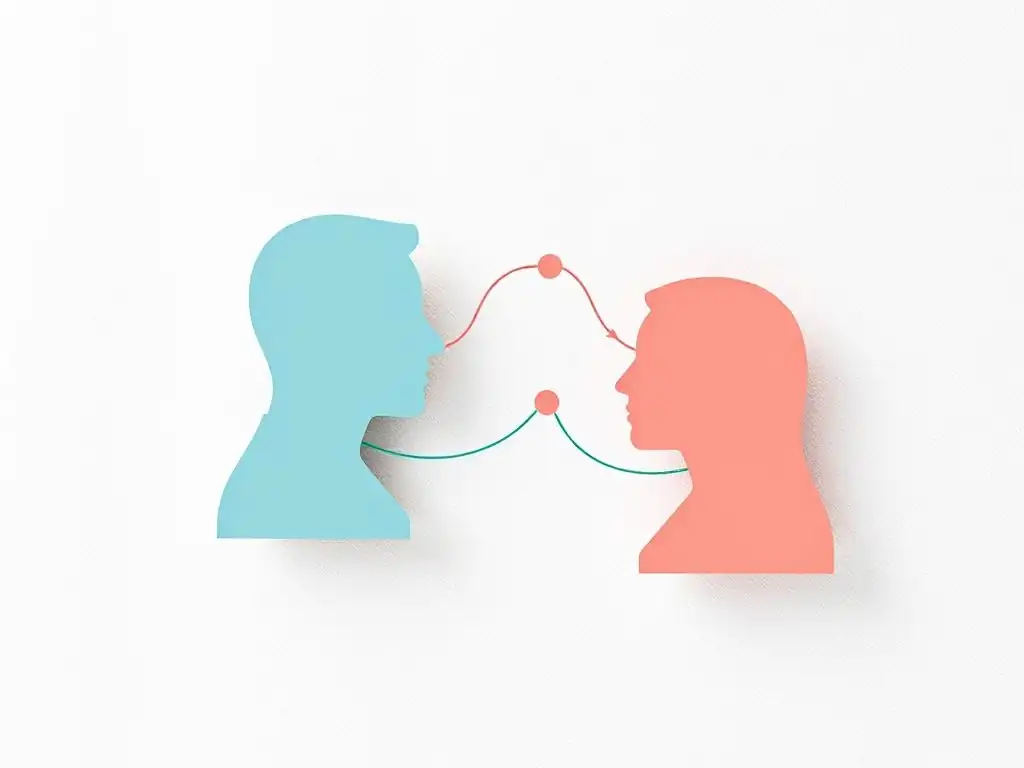
This section delves into practical strategies for resolving conflicts that may arise during online dating, focusing on how understanding and applying the five love languages can significantly improve communication and strengthen relationships. Successfully navigating disagreements is crucial for building trust and fostering meaningful connections in the virtual realm. Remember, effective communication is key, even – and perhaps especially – when dealing with disagreements. Ignoring conflict often leads to more significant problems down the line. Let's explore how different love languages can inform your approach to conflict resolution.
For those whose primary love language is Words of Affirmation, disagreements can feel particularly hurtful if not addressed with sensitivity and thoughtful language. Remember, it's not just what you say, but how you say it. A harsh tone or accusatory language can be deeply damaging. Instead, focus on expressing your feelings using “I” statements. For example, instead of saying, "You always ignore my messages," try, "I feel neglected when I don't hear back from you promptly. Could we schedule a time to chat regularly?"
Positive reinforcement is crucial. Even during a disagreement, acknowledge the other person's perspective and appreciate their willingness to engage in the conversation. For instance, you could say, "I appreciate you taking the time to discuss this with me. Even though we disagree, I value your opinion."
Active listening is vital; summarize their points to show understanding before offering your own. Remember to offer sincere apologies when necessary, focusing on the impact of your actions rather than making excuses. Small acts of verbal affirmation, such as expressing gratitude for their patience or understanding, go a long way in smoothing out the rough patches.
Resolving Conflicts Through Quality Time in the Online Space
For those who prioritize Quality Time, resolving conflicts necessitates dedicated, focused interaction. Scheduling specific times to talk, free from distractions, is essential. This might mean setting aside 30 minutes each evening to chat via video call or planning a virtual "date night" to focus solely on each other. Avoid multitasking during these conversations; put away your phone and other devices to demonstrate that you are fully present and engaged.
The goal isn't just to solve the problem but to reconnect. Engage in lighthearted activities together online, such as playing online games, watching a movie simultaneously, or exploring virtual tours of museums. These shared experiences can help to rebuild intimacy and create a more positive emotional connection following a disagreement. Remember, the quality of the time spent together is more important than the quantity. Even short, focused interactions can be more effective than lengthy, distracted conversations.
Managing Conflicts with Acts of Service in Online Relationships
When Acts of Service is the primary love language, conflict resolution involves tangible actions that demonstrate care and consideration. In the online realm, this might involve taking initiative to solve a problem the other person is facing. Perhaps they're having trouble with a dating app; offer to help troubleshoot or research solutions. If they're struggling with their profile, offer to proofread or give constructive feedback.
Small gestures of assistance can significantly impact the relationship. Going the extra mile to make their online experience smoother shows that you care. For example, if they mentioned feeling overwhelmed with their schedule, you could offer to help them organize their calendar or suggest time-management apps. These actions speak louder than words, demonstrating your commitment to the relationship and your willingness to support them during challenging times. Remember, the focus is on providing practical help and showing your care through tangible actions, enhancing the online interactions through thoughtful service.
Addressing Conflicts Using Receiving Gifts Digitally
The "Receiving Gifts" love language might seem challenging to translate to the online dating world, but it's surprisingly adaptable. It's not about expensive material gifts; it's about thoughtful gestures that show you care. In the context of conflict resolution, consider digital gifts as a way to express your remorse or appreciation.
This could involve sending a curated playlist of their favorite songs, a digital gift card to their preferred online store, or even a personalized e-book filled with inside jokes and memories you share. The key is personalization; a generic gift card won't convey the same level of thoughtfulness as something specifically tailored to their interests.
Think about the times you've successfully resolved a conflict in person with this love language. Perhaps a small, unexpected present helped smooth things over. Online, we can replicate that feeling with digital substitutes. For example, if a misunderstanding occurred during a video chat, sending a funny meme related to the situation, followed by a heartfelt apology, can be surprisingly effective.
It demonstrates understanding and a willingness to lighten the mood, showing them that you value your connection and are invested in repairing the rift. Remember, the goal isn't to bribe them into forgiveness, but to show you value them and are actively working towards reconciliation. The focus should always be on genuine reconciliation, not just appeasement. Even a simple, heartfelt digital message expressing your regret and willingness to understand their perspective can go a long way.
Successfully navigating conflicts using this love language requires careful consideration and a deep understanding of your partner's preferences. Avoid generic options; instead, focus on personalized gifts that genuinely reflect their tastes and your relationship's history. This thoughtful approach shows that you're paying attention and value their feelings, thus contributing to a more positive and understanding resolution.
Handling Conflicts Through Physical Touch (Adapting for Online Dating)
The "Physical Touch" love language presents a unique challenge in the realm of online dating. Direct physical contact, obviously, isn't possible. However, the essence of this love language isn't solely about physical touch; it's about feeling connected and emotionally close. Adapting this for online conflict resolution requires creativity and a focus on creating a sense of closeness and intimacy through other means.
While you can't offer a comforting hug through a screen, you can find alternative ways to convey the same sentiment. Consider scheduling a longer video call, making eye contact, and using a warm, reassuring tone of voice. You can also use verbal affirmations of affection and support.
Instead of relying solely on text-based communication which can easily be misinterpreted, opting for video calls allows for non-verbal cues to soften the blow of disagreements and show your genuine care. The warmth in your voice and the genuine expressions on your face can convey a sense of emotional closeness and understanding, mirroring the comfort offered by physical touch. Active listening during these calls is crucial; truly hearing their perspective and validating their feelings is paramount.
Furthermore, consider incorporating elements that simulate the feeling of physical closeness. For instance, if the conflict is relatively minor, a simple virtual high-five or "heart" emoji during a video chat can acknowledge their feelings and offer a sense of connection. Remember, it's about adapting the essence of the love language, not directly replicating the physical act. Focus on creating a safe and empathetic space where open communication can flourish, and your partner feels understood and supported, even through a screen. This approach, centered on emotional connection, can be more effective than relying solely on text-based communication for conflict resolution.
Applying Love Languages to Specific Online Dating Conflicts
This section delves into practical applications of the five love languages – Words of Affirmation, Acts of Service, Receiving Gifts, Quality Time, and Physical Touch – in resolving common conflicts that arise in online dating. Understanding your partner's and your own primary love language can significantly improve communication and conflict resolution. Remember, effective online dating conflict resolution tips hinge on empathy and understanding.
Handling disagreements about profile pictures and online presence
Disagreements about profile pictures and online presence are surprisingly common. One partner might feel their image isn't accurately represented, while the other may feel uncomfortable with certain photos or levels of online activity. Applying love languages can help navigate this sensitive area.
For example, if your partner's primary love language is Words of Affirmation, addressing their concerns with kind and reassuring words is crucial. Instead of dismissing their feelings, validate their perspective. You could say something like, "I understand you feel your personality isn't fully captured in these photos. Let's brainstorm together to find images that better reflect who you are." This approach focuses on affirming their feelings and working collaboratively towards a solution.
If their love language is Acts of Service, actively participate in choosing new photos. Offer to help them find flattering pictures, perhaps even suggesting a professional photoshoot. This shows you value their feelings and are willing to invest time and effort in resolving the conflict.
Conversely, if Receiving Gifts is their primary love language, a small, thoughtful gift alongside a discussion about profile pictures could soften the tension. This doesn't need to be expensive; a small token of appreciation, combined with a willingness to compromise, can go a long way.
Remember, even if your partner’s primary love language isn't explicitly mentioned, elements of other languages can be incorporated to foster understanding and empathy during the conflict resolution process. Online dating conflict resolution tips often involve a combination of approaches.
Differences in communication styles are a frequent source of friction in online dating. One partner might crave constant updates, while the other prefers a more measured approach. Understanding love languages helps bridge this gap.
Those whose love language is Quality Time often equate frequent communication with feeling valued. If your partner falls into this category, scheduling specific times to connect, even if it's just a quick text or video call, can demonstrate your commitment and affection. This isn't about constant messaging, but about dedicated moments of connection.
If their love language is Words of Affirmation, explaining your communication style and assuring them of your feelings can alleviate their concerns. For example, you could say, "I value our connection deeply, but I need some time to focus on my work/studies during the day. However, I'll always make time for you in the evenings." This direct and reassuring communication shows respect for their needs while setting healthy boundaries.
Conversely, if the conflict arises from your desire for more frequent communication, consider your partner's primary love language. If it's Acts of Service, maybe they feel overwhelmed by messages and need to focus on other tasks. Respecting their need for space and showing appreciation for their actions might be a better approach than repeatedly messaging.
Managing disagreements on relationship expectations and future plans
Conflicts surrounding relationship expectations and future plans are often the most challenging to navigate. These disagreements often highlight fundamental differences in values and goals.
If your partner prioritizes Physical Touch, a virtual hug or a simple "I miss you" video call can help ease tension during discussions about the future. This shows affection and reassures them of your commitment, even in the face of uncertainty.
However, if their love language is Acts of Service, demonstrating your commitment through concrete actions – like actively listening to their concerns, researching potential compromises, or making plans that incorporate their interests – can be more effective than verbal assurances. Showing you're willing to put in the effort speaks volumes.
For those with Words of Affirmation as their primary love language, validating their feelings and reassuring them of your continued interest is key. Open, honest communication that acknowledges their concerns and expresses your intentions is vital for conflict resolution. This involves active listening and empathetic responses. Remember, effective online dating conflict resolution tips involve more than just words; it’s about demonstrating genuine understanding.
Understanding and applying love languages provides a powerful framework for navigating disagreements in online dating. By tailoring your approach to your partner's love language, you can create a more empathetic and understanding environment, fostering stronger connections and helping to resolve conflicts effectively. This ultimately contributes to a more fulfilling and successful online dating experience.
Addressing jealousy and insecurity in online relationships
Jealousy and insecurity are common challenges in online dating, often amplified by the lack of physical proximity and the potential for misinterpretations. Addressing these issues requires understanding the root cause and applying love languages effectively. If your partner's love language is Words of Affirmation, directly addressing their insecurities with reassuring words and compliments is crucial.
For example, instead of dismissing their concerns, try saying, "I understand you're feeling insecure about my interactions with other people online. I want you to know that you're my priority, and I'll always be upfront about my online activity." This demonstrates respect for their feelings and provides the verbal reassurance they crave.
If their primary love language is Acts of Service, showing commitment through consistent effort can alleviate insecurity. This could involve making time for regular virtual dates, proactively initiating communication, or even small gestures like sending a thoughtful message during their workday. These actions demonstrate that you value their presence in your life and are actively investing in the relationship.
For those whose love language is Receiving Gifts, small, thoughtful virtual gifts or digital tokens of affection can go a long way in demonstrating your commitment and building trust. A personalized digital artwork, a funny meme relevant to an inside joke, or even a virtual "coupon" for a future virtual date can express care and alleviate insecurity.
For partners whose love language is Quality Time, dedicated, uninterrupted virtual time together is paramount. This means putting away distractions, scheduling dedicated time for meaningful conversations, and engaging in shared activities online. Playing online games together, watching a movie simultaneously, or even just having a long, uninterrupted video chat can create a strong sense of connection and combat feelings of insecurity. Finally, if Physical Touch is their primary language, while physical touch isn't directly possible in online dating, you can find creative ways to convey affection.
Sending a heartfelt handwritten letter, or even a virtual hug emoji coupled with a loving message, can help bridge the gap and offer a sense of closeness. Remember, empathy and understanding are key. Actively listening to your partner's concerns and validating their feelings is crucial in navigating these sensitive issues.
Overcoming differences in communication styles and preferences
Online dating presents unique communication challenges. Differing communication styles can lead to misunderstandings and conflict. Understanding your partner's love language is vital in bridging these gaps. If your partner prioritizes Words of Affirmation, ensure your communication is positive and affirming. Avoid ambiguous or critical language, and focus on expressing appreciation and acknowledgment of their feelings. For example, instead of saying "You're always late responding," try "I'd love to hear from you more often; it makes me feel closer to you." This approach focuses on your needs while expressing appreciation for their presence.
If their love language is Acts of Service, show consideration by adapting your communication to their preferences. This might involve checking in regularly, being prompt in your responses, or proactively initiating conversations. For those who value Receiving Gifts, thoughtful digital messages or virtual surprises can make a significant difference in communication. A personalized meme, a heartfelt e-card, or even a virtual gift card can add a touch of warmth and demonstrate care.
For partners who value Quality Time, prioritize dedicated communication time. Schedule regular virtual dates, engage in meaningful conversations, and actively listen without distractions. This focused attention shows you value their presence and prioritize meaningful connection.
Finally, if Physical Touch is their primary love language, find creative ways to convey affection virtually. While physical touch isn't directly possible online, expressive emojis, virtual hugs, or even a detailed description of a physical gesture you'd like to share in person can create a sense of intimacy and connection. Remember, effective communication in online dating requires patience, empathy, and a willingness to adapt.
Understanding and applying your partner's love language can significantly improve your communication and help you navigate disagreements more constructively, strengthening your online relationship. Open communication and mutual respect are key to overcoming differences and building a strong, healthy connection.
Maintaining Connection After Online Disagreements

Navigating disagreements is a crucial aspect of any relationship, and online dating presents unique challenges. Misunderstandings can easily escalate when lacking the nonverbal cues of face-to-face interaction. Successfully resolving conflicts online requires understanding, empathy, and a proactive approach to rebuilding trust and strengthening your bond. This section provides actionable strategies for maintaining connection even after disagreements erupt in the digital space. Mastering these techniques will significantly improve your online dating experience and increase your chances of building a lasting, meaningful relationship. This is crucial for effective online dating conflict resolution.
Repairing trust after an online conflict
Repairing trust after an online conflict requires conscious effort and a willingness from both parties to acknowledge their roles in the disagreement. It's important to remember that digital communication often lacks nuance, leading to misinterpretations. A simple misunderstanding can quickly escalate into a major conflict if not addressed promptly and effectively.
One effective technique is to explicitly state your intention to repair the damage. A simple message like, "I'm sorry if my words came across harshly. I value our connection and want to work through this," can go a long way in demonstrating your commitment to the relationship. Avoid making excuses or minimizing your actions. Instead, take responsibility for your part in the conflict. For example, instead of saying "You misunderstood me," try "I could have expressed myself more clearly."
Following up with tangible actions shows sincerity. This might involve offering a specific apology related to the conflict's details. Perhaps you misinterpreted a message and jumped to conclusions. Actively listening to your partner's perspective without interruption and validating their feelings is crucial. This demonstrates empathy and respect, essential elements for rebuilding trust. Remember, online dating conflict resolution requires genuine effort and a commitment to understanding. The goal is not just to end the argument but to strengthen the bond.
Strengthening your bond using your partner's love language
Understanding and utilizing your partner's love language is paramount in conflict resolution and relationship building. The five love languages – words of affirmation, acts of service, receiving gifts, quality time, and physical touch – influence how people express and receive love. Applying this knowledge to online dating conflict resolution can significantly improve communication and strengthen your connection.
Consider the following examples:
| Love Language | How to Strengthen Bond After a Disagreement Online |
|---|---|
| Words of Affirmation | Send a heartfelt message expressing your care and appreciation. Focus on positive qualities and your commitment to the relationship. |
| Acts of Service | Offer to help with something your partner needs, even if it's a small task. This could be something related to their online profile or a shared project. |
| Receiving Gifts | Send a small, thoughtful virtual gift, like a digital card or a subscription to a service they enjoy. This shows you care and were thinking of them. |
| Quality Time | Schedule a virtual date or a longer video chat to reconnect and discuss your feelings. Focus on quality conversation and shared experiences. |
| Physical Touch | While not directly applicable online, plan a future date with physical closeness to look forward to. Mentioning this can be reassuring. |
Remember, even in the digital realm, showing love in your partner's preferred way demonstrates care and fosters emotional intimacy. This is an important aspect of successful online dating conflict resolution.
Preventing future online disagreements through proactive communication
Proactive communication is key to preventing future conflicts. Establishing clear communication guidelines from the outset can significantly minimize misunderstandings. This includes setting expectations for response times, preferred communication methods, and how disagreements will be handled.
- Establish clear communication boundaries: Discuss preferred communication methods and response times. This helps avoid frustration and misinterpretations.
- Practice active listening: Pay close attention to what your partner is saying, both verbally and nonverbally (in text). Ask clarifying questions to ensure understanding.
- Use "I" statements: Focus on expressing your own feelings and needs without blaming your partner. For example, say "I felt hurt when..." instead of "You made me feel..."
- Take breaks when needed: If a conversation becomes heated, agree to take a break and revisit the discussion later when you're both calmer.
- Clarify intentions: Before sending a message that could be misinterpreted, take a moment to consider its potential impact and ensure it conveys your intended meaning. Use emojis sparingly to avoid miscommunication. 😉
By implementing these proactive strategies, you can create a more positive and harmonious online dating experience. Remember, successful online dating conflict resolution is an ongoing process that requires consistent effort and commitment from both partners. This investment will significantly increase your chances of building a strong and lasting relationship.
Seeking external support when needed (Relationship coaches, online resources)
Navigating online dating disagreements can be emotionally taxing, and sometimes, seeking external support is crucial. Many find immense value in professional guidance. Relationship coaches, for example, offer a safe space to unpack complex emotions and develop effective communication strategies tailored to your specific needs and love language. They can help you identify recurring patterns in your online interactions that might be contributing to conflict, and provide tools to address them constructively.
A coach can help you understand your own communication style and how it interacts with your partner's, fostering greater empathy and understanding. Remember, seeking help is a sign of strength, not weakness. It demonstrates a commitment to improving your online relationships and building a healthier communication dynamic.
Beyond relationship coaches, several online resources exist to aid in conflict resolution. Websites and apps dedicated to relationship advice often offer articles, forums, and even guided exercises designed to improve communication skills. These resources can provide valuable insights into different conflict resolution techniques, such as active listening, compromise, and assertive communication.
Many of these platforms also offer anonymous forums where you can connect with others facing similar challenges, gaining support and perspective from shared experiences. Remember to be discerning when choosing online resources; look for reputable sources with qualified professionals or a strong community backing. While these resources can be incredibly helpful, they shouldn't replace professional guidance if you're struggling with persistent or severe relationship conflicts.
Long-term strategies for healthy online communication and conflict resolution
Building strong, healthy online relationships requires proactive effort and a commitment to ongoing self-improvement. One key strategy is establishing clear communication boundaries from the outset. This includes setting expectations around response times, preferred communication methods (e.g., text, video chat), and topics to avoid during disagreements.
Openly discussing your love language and communication preferences with your partner early on can prevent misunderstandings and frustration down the line. For example, if you're a words of affirmation love language type, make sure your partner understands the importance of receiving positive feedback and encouragement. Similarly, if your partner is a acts of service type, ensure you understand and appreciate their efforts to show their care online.
Another critical element of long-term success is the practice of active listening. This involves paying full attention to what your partner is saying, both verbally and nonverbally, without interrupting or formulating your response beforehand. Truly understanding their perspective is key to resolving conflicts effectively. Couple this with practicing empathy; try to see the situation from their point of view, even if you don't agree. Remember, online communication can lack the nonverbal cues present in face-to-face interactions, making it even more crucial to pay close attention to the words your partner uses and the tone they convey.
Finally, cultivate a culture of forgiveness and understanding within your online relationship. Disagreements are inevitable; the key is learning to navigate them constructively and move forward. Practice letting go of resentment and holding onto the positive aspects of your connection.
Regularly reaffirming your commitment to the relationship and your appreciation for your partner can strengthen your bond and make it easier to resolve future conflicts. Remember, building healthy online relationships takes time and effort, but the rewards of a meaningful connection are well worth it. Utilizing these online dating conflict resolution tips will significantly improve the quality of your interactions.
Frequently Asked Questions
How can understanding love languages help resolve online dating conflicts?
Knowing your and your partner's love languages can significantly improve communication. Addressing disagreements in a way that resonates with their love language (e.g., acts of service, words of affirmation) makes conflict resolution much more effective and lessens hurt feelings. Understanding their needs is key.
What are some common online dating conflicts?
Common conflicts include mismatched expectations about the relationship's pace, misunderstandings due to lack of non-verbal cues, and disagreements about values or lifestyle choices. Differences in communication styles also frequently cause friction.
How can I communicate effectively during an online dating disagreement?
Active listening is crucial. Try to understand their perspective before responding. Use "I" statements to express your feelings without blaming, and avoid accusatory language. Take breaks if needed to avoid escalating the conflict.
What should I do if an online dating conflict becomes too intense?
If the disagreement becomes too heated or you feel unsafe, take a break from communication. Consider seeking advice from a trusted friend or family member. In extreme cases, block the user and report any concerning behavior.
Are there specific online dating conflict resolution tips for long-distance relationships?
For long-distance relationships, clear and consistent communication is paramount. Schedule regular check-ins, use video calls to maintain connection, and be extra mindful of potential misunderstandings due to the lack of physical presence. Prioritize empathy and understanding.
Final Reflection: Bridging the Digital Divide with Love
Understanding love languages is not just a romantic ideal; it's a crucial skill for navigating the complexities of online relationships, especially when conflict arises. The rise of online dating and communication has created a unique landscape where misunderstandings can easily escalate, leading to fractured connections. This article has explored how recognizing and adapting to different love languages can significantly improve conflict resolution in the digital sphere, fostering healthier and more fulfilling online interactions.
The impact of miscommunication in online relationships is profound, often leading to unnecessary hurt and the premature ending of potentially meaningful connections. The single biggest problem in communication is the illusion that it has taken place.
- George Bernard Shaw. This quote rings especially true in the digital age, where nonverbal cues are absent and the potential for misinterpretation is amplified. Learning to communicate effectively, considering the unique ways individuals express and receive love, is paramount to building strong, lasting relationships, regardless of the platform.
Now, consider your own communication style. How do you express love and affection online? How do you receive it? Take some time to reflect on your own love language and the love languages of those you connect with online. By consciously applying these principles, you can transform online disagreements from potential points of fracture into opportunities for deeper understanding and connection. Embrace the challenge of bridging the digital divide with empathy and understanding, and watch your online relationships flourish.
Unlock Deeper Connections: Put Love Languages into Action
Thanks for exploring the world of love languages and conflict resolution! You've gained valuable tools to navigate online disagreements with greater empathy and understanding. Ready to apply this knowledge?
- Prioritize your partner's preferred way of receiving affection during your next online conversation: Identify their primary love language and consciously integrate it into your communication. A simple "I appreciate you sharing your thoughts" can make a significant difference!
- Share this article with someone who might find these strategies helpful: Spread the word and help others build stronger, healthier relationships.
- Experiment with different communication methods the next time a conflict arises: Instead of texting, consider a video call or even a handwritten note – you might discover a more effective way to connect.
Have you noticed how understanding your partner's preferred way of showing and receiving love can transform even the most challenging online disagreements? What small adjustment can you make today to foster more positive communication?