
Dating Rejection: The Secret to Building Resilience and Confidence


Welcome to OnlineDatingSuccess.org, your guide to navigating the exciting yet sometimes challenging world of online dating. Are you ready to transform the way you approach online dating and build the confidence to find meaningful connections? Then you've come to the right place. This site is dedicated to helping you succeed, and we'll start by exploring the crucial skill of Dating Rejection Resilience. Discover practical tips and strategies to bounce back from setbacks and build unshakeable confidence in your online dating journey. Let's unlock your potential for finding lasting love – read on to learn more!
- Understanding Dating Rejection: Why It Happens and How to Process It
- Building Resilience After Dating Rejection: Practical Strategies
- Boosting Confidence After Setbacks in Online Dating
- Leveraging Rejection for Future Dating Success: Learning and Growing
- Dating Rejection Resilience Tips: A Step-by-Step Guide to Recovery
- Frequently Asked Questions
- Final Reflection: Embracing Rejection, Embracing Growth
- Unlock Your Dating Confidence: Take Charge of Your Journey
Understanding Dating Rejection: Why It Happens and How to Process It
Dating, especially online dating, can be a rollercoaster of emotions. While the pursuit of connection offers the thrill of potential romance, it also inevitably involves the sting of rejection. This isn't a sign of failure; it's a completely normal part of the process. This article provides practical strategies to build resilience and confidence in the face of dating rejection, helping you navigate the emotional landscape and ultimately increase your chances of finding a meaningful connection.
We'll explore common reasons for rejection, identify healthy ways to cope with the emotional fallout, and equip you with the tools to bounce back stronger and more confident than ever. Learning to manage rejection effectively is key to achieving online dating success and building healthy, fulfilling relationships. This guide focuses on developing resilience around “Dating rejection resilience tips”, empowering you to view setbacks as learning opportunities rather than insurmountable obstacles.
Common Reasons for Rejection in Online Dating
Rejection in online dating can stem from a multitude of factors, many of which are completely outside your control. Understanding these reasons can help you approach future interactions with greater self-compassion and perspective. Sometimes, it's simply a matter of incompatibility – differing preferences, values, or life goals. Other times, it might be due to factors unrelated to you, such as someone changing their mind, finding someone else, or simply not being ready for a relationship. Let's examine some common causes:
- Lack of Compatibility: This is perhaps the most frequent reason. Differences in personality, lifestyle, or long-term goals can lead to a mismatch, even if both individuals are perfectly wonderful people.
- Timing: Sometimes, the timing just isn't right. One person might be ready for a serious relationship while the other is not.
- Unrealistic Expectations: Setting unrealistic expectations for yourself or your potential partner can lead to disappointment and rejection.
- Poor Communication: A lack of clear communication can lead to misunderstandings and ultimately, rejection.
- Insufficient Profile Information: A poorly written or incomplete profile can fail to attract the right kind of attention.
- Competition: Online dating is a competitive landscape. Even with a great profile and excellent communication skills, you might simply be outmatched by someone else.
Identifying Your Emotional Response to Rejection
Understanding your emotional response to rejection is crucial for developing coping mechanisms. Rejection can trigger a range of feelings, from sadness and disappointment to anger and even self-doubt. It's important to acknowledge these feelings without judgment. Common emotional responses include:
- Sadness and Disappointment: These are normal and expected responses to rejection. Allow yourself to feel these emotions without suppressing them.
- Anger and Frustration: It's understandable to feel angry or frustrated when your efforts don't lead to the desired outcome. Channel this energy into self-improvement rather than self-criticism.
- Self-Doubt and Low Self-Esteem: Rejection can sometimes trigger self-doubt. Remember that one person's rejection doesn't define your worth.
- Anxiety and Fear: The fear of future rejection can be paralyzing. Addressing this fear through self-compassion and positive self-talk is essential.
Healthy Ways to Process Rejection and Avoid Rumination
Ruminating on rejection – repeatedly replaying the events and analyzing them endlessly – can be detrimental to your well-being. Instead, focus on healthy ways to process your emotions and move forward:
- Allow Yourself to Grieve: Acknowledge your feelings and allow yourself time to process the disappointment. Don't try to suppress your emotions.
- Practice Self-Compassion: Treat yourself with the same kindness and understanding you would offer a friend going through a similar experience.
- Engage in Self-Care: Prioritize activities that promote your well-being, such as exercise, spending time in nature, or pursuing hobbies.
- Seek Support: Talk to trusted friends, family members, or a therapist about your feelings. Sharing your experiences can provide valuable perspective and support.
- Learn from the Experience: Reflect on the situation objectively. What could you have done differently? What did you learn about yourself and what you're looking for in a partner? Use this as an opportunity for growth.
- Focus on Your Strengths: Remind yourself of your positive qualities and accomplishments. Rejection doesn't diminish your worth.
- Set Realistic Expectations: Adjust your expectations about the online dating process. Remember that it's a numbers game and that rejection is a normal part of the process.
- Maintain a Positive Mindset: Focus on the positive aspects of your life and your dating journey. Maintain hope and continue to put yourself out there.
By implementing these strategies, you can transform dating rejection from a source of despair into an opportunity for growth and self-discovery. Remember, resilience is built through experience and self-compassion. Embrace the journey, learn from your experiences, and continue to strive towards building meaningful connections.
Building Resilience After Dating Rejection: Practical Strategies

Dating rejection is, unfortunately, a common experience in the online dating world. It can sting, leaving you feeling disheartened and questioning your worth. However, resilience is key to navigating these setbacks and emerging stronger. This section provides practical strategies to help you bounce back from dating rejection and build unshakeable confidence.
Building resilience isn't about avoiding rejection; it's about learning to manage your emotional response and to use each experience as a stepping stone towards your dating goals. This involves cultivating a healthy mindset and proactive coping mechanisms. Remember, rejection doesn't define you; it's simply a part of the process.
Reframing Rejection: Shifting Your Perspective
One of the most powerful tools for building dating rejection resilience is reframing your perspective. Instead of viewing rejection as a personal failure, consider it as a sign of incompatibility. Not every connection is meant to be, and sometimes, a lack of chemistry is simply a matter of two individuals not being the right fit. This isn't about you being inadequate; it's about finding the right person for you.
Think about it like this: if someone rejects you, it's their loss, not yours. They've missed out on the opportunity to connect with someone amazing. Focus on the positive aspects of your personality and your strengths. Remember your worth isn't determined by someone else's opinion.
This process requires conscious effort. Try keeping a journal where you record instances of rejection and actively reframe your thoughts. Instead of writing, "They rejected me, I'm not good enough," try writing, "This person and I weren't compatible. It's okay, and I'll find someone who appreciates me." This simple shift in language can significantly impact your emotional response. Consistent practice is key to mastering this skill.
Developing Self-Compassion and Self-Acceptance
Self-compassion is crucial in building resilience. After a rejection, it's easy to be hard on yourself, engaging in self-criticism and negative self-talk. However, treating yourself with the same kindness and understanding you would offer a friend facing a similar situation is vital.
Practice self-compassion by acknowledging your feelings without judgment. Allow yourself to feel the sadness, disappointment, or frustration, but don't let these emotions consume you. Remind yourself that everyone experiences rejection, and it's a normal part of life. Treat yourself with the same empathy and understanding you would extend to a loved one.
Self-acceptance is equally important. Embrace your imperfections and celebrate your strengths. Rejection doesn't diminish your value or worth. Focus on what makes you unique and embrace your individuality. Remember that you are worthy of love and happiness, regardless of your dating experiences. Self-love is the foundation of resilience.
Focusing on Self-Improvement and Personal Growth
Dating rejection can be a catalyst for personal growth. Use it as an opportunity to reflect on your dating profile, communication style, and overall approach. What could you improve? Are there aspects of your dating strategy that you could refine?
Consider seeking feedback from trusted friends or family members about your online dating profile. Are your photos appealing and representative of your personality? Is your profile description engaging and accurate? Small improvements can make a big difference in attracting compatible partners.
Furthermore, use this time to focus on self-improvement in areas unrelated to dating. Pursue hobbies, develop new skills, or spend time with loved ones. Investing in yourself will boost your confidence and self-esteem, making you a more attractive and resilient individual in all areas of your life, not just dating. This holistic approach will help you overcome dating rejection and build a stronger, more confident you. Remember, personal growth is a continuous journey, and each experience, even rejection, contributes to your overall development.
Building a Strong Support System
Dating rejection can feel incredibly isolating, making it crucial to cultivate a strong support network. Leaning on trusted friends and family can provide invaluable emotional support during difficult times. Sharing your experiences with people who understand and empathize can help you process your emotions and gain a fresh perspective. Don't underestimate the power of simply talking about your feelings; verbalizing your frustrations can significantly reduce their intensity. Choose individuals known for their empathy and positive outlook – those who can offer encouragement rather than judgment.
Consider joining a support group, either online or in person. Connecting with others who have experienced similar challenges can foster a sense of community and shared understanding. Sharing experiences and coping mechanisms can be incredibly empowering. Many online forums and groups specifically cater to individuals navigating the challenges of online dating, offering a safe space to discuss rejections and celebrate successes. Remember, you're not alone in this journey.
Beyond friends and family, consider seeking professional support. A therapist or counselor can provide guidance and tools to build resilience and manage emotional distress. They can help you identify negative thought patterns and develop healthier coping strategies tailored to your specific needs. Therapy offers a confidential and structured environment to explore your feelings without judgment, allowing you to work through the emotional impact of dating rejection effectively.
Building a strong support system is a proactive step towards developing the resilience needed to navigate the ups and downs of online dating. This network will be invaluable in helping you bounce back from setbacks and maintain a positive outlook. Remember, seeking support isn't a sign of weakness; it's a sign of strength and self-awareness.
Boosting Confidence After Setbacks in Online Dating
Dating rejection, particularly in the online realm, is unfortunately common. It's crucial to understand that experiencing rejection doesn't reflect your inherent worth or desirability. Instead of letting setbacks define you, focus on building resilience and bolstering your confidence. This section provides practical strategies to help you bounce back stronger after facing rejection in online dating.
Remember, building resilience is a journey, not a destination. Consistent effort and self-compassion are key. The goal is not to eliminate rejection entirely—that's unrealistic—but to manage its impact and emerge feeling empowered. This is vital for achieving your online dating goals and fostering meaningful connections.
Identifying and Challenging Negative Self-Talk
Rejection often triggers negative self-talk, a relentless internal dialogue filled with self-criticism and doubt. Phrases like "I'm not good enough," "No one will ever want me," or "I'll always be alone" are common examples. These thoughts, while seemingly valid in the moment, are usually distortions of reality. To combat this, practice mindful self-awareness. Pay attention to the negative thoughts as they arise, but don't judge yourself for having them. Instead, challenge their validity.
For example, if you receive a rejection, ask yourself: Is this a factual statement, or is it an emotional interpretation? Often, rejection isn't a reflection of your inherent worth, but rather a mismatch in compatibility, timing, or preferences. Someone's rejection doesn't mean you're inherently flawed; it simply means you weren't the right fit for that person. Try reframing negative thoughts into more positive and realistic ones.
Instead of "I'm unlovable," try "This person wasn't the right match for me, but there are many others out there who would appreciate me." Keeping a journal to track these negative thoughts and their reframed counterparts can be incredibly helpful. This process, over time, strengthens your ability to manage and overcome negative self-talk, a crucial element of dating rejection resilience.
Celebrating Small Victories and Progress
Online dating can feel like a marathon, not a sprint. While the ultimate goal might be finding a long-term partner, focusing solely on that distant target can be discouraging. Instead, celebrate the smaller achievements along the way. Did you craft a compelling profile that received many likes? Did you have an engaging conversation with someone new? Did you successfully navigate a potentially awkward situation with grace and confidence? These are all significant victories that deserve acknowledgment.
Consider keeping a "success log" to document these moments. This simple act of recording your progress can significantly boost your morale and reinforce your sense of self-efficacy. Even seemingly small steps forward contribute to your overall growth and resilience. For instance, if you initially struggled to initiate conversations, successfully engaging in three meaningful chats with potential matches should be celebrated as a significant win.
This positive reinforcement helps to counteract the negativity associated with rejection and builds lasting confidence. Remember, progress, no matter how incremental, is still progress. Acknowledge and reward yourself for your efforts, fostering a sense of accomplishment and self-belief.
Setting Realistic Expectations and Goals
Unrealistic expectations are a major contributor to disappointment and feelings of inadequacy in online dating. It's important to understand that not every interaction will lead to a successful relationship. Many factors influence compatibility, including personality, values, life goals, and timing. Setting realistic expectations means accepting that some rejections are inevitable and not personal.
Start by defining clear, achievable goals. Instead of aiming for a "perfect" partner immediately, focus on smaller, more manageable objectives. For example, aim to improve your profile, engage in a specific number of meaningful conversations each week, or go on at least one date per month. These smaller goals provide a sense of accomplishment and prevent you from feeling overwhelmed.
Regularly review and adjust your goals as needed, making sure they remain challenging yet attainable. This iterative process helps maintain motivation and build resilience in the face of inevitable setbacks. Remember, the journey of online dating is about personal growth as much as finding a partner. By setting realistic expectations and celebrating your progress, you'll build the resilience needed to navigate the challenges and ultimately, achieve your dating goals.
Practicing Self-Care and Mindfulness Techniques
Dating rejection can be emotionally draining. It's crucial to prioritize self-care to build resilience and prevent burnout. This isn't about indulging in unhealthy coping mechanisms; it's about actively nurturing your well-being. Think of it as preventative maintenance for your emotional health, just as important as physical exercise. Neglecting self-care after repeated rejections can lead to decreased self-esteem and increased anxiety, making future dating attempts even more challenging.
One powerful tool is mindfulness. Mindfulness practices, such as meditation or deep breathing exercises, help you to center yourself and become more aware of your thoughts and feelings without judgment. When faced with rejection, instead of immediately spiraling into negative self-talk, mindfulness allows you to observe those feelings without letting them completely overwhelm you. There are many guided meditation apps available that offer specific sessions focused on managing stress and anxiety related to rejection. Even five minutes of mindful breathing can make a noticeable difference in calming your nervous system.
Beyond mindfulness, incorporating other self-care practices is equally important. This could involve regular exercise – something as simple as a daily walk can significantly boost your mood and energy levels. Prioritize healthy eating habits, ensuring you're fueling your body with nutritious foods that support both physical and mental well-being.
Sufficient sleep is also critical; lack of sleep exacerbates negative emotions and impairs cognitive function, making it harder to cope with setbacks. Finally, consider engaging in hobbies and activities that bring you joy and relaxation, whether it's reading, listening to music, spending time in nature, or pursuing a creative outlet. These activities provide a much-needed distraction and a sense of accomplishment, boosting your overall sense of self-worth.
Remember, building resilience after dating rejection isn't just about overcoming the immediate sting; it's about cultivating a holistic approach to well-being that supports you through the ups and downs of online dating. Prioritizing self-care isn't selfish; it's essential for long-term success and happiness.
Leveraging Rejection for Future Dating Success: Learning and Growing
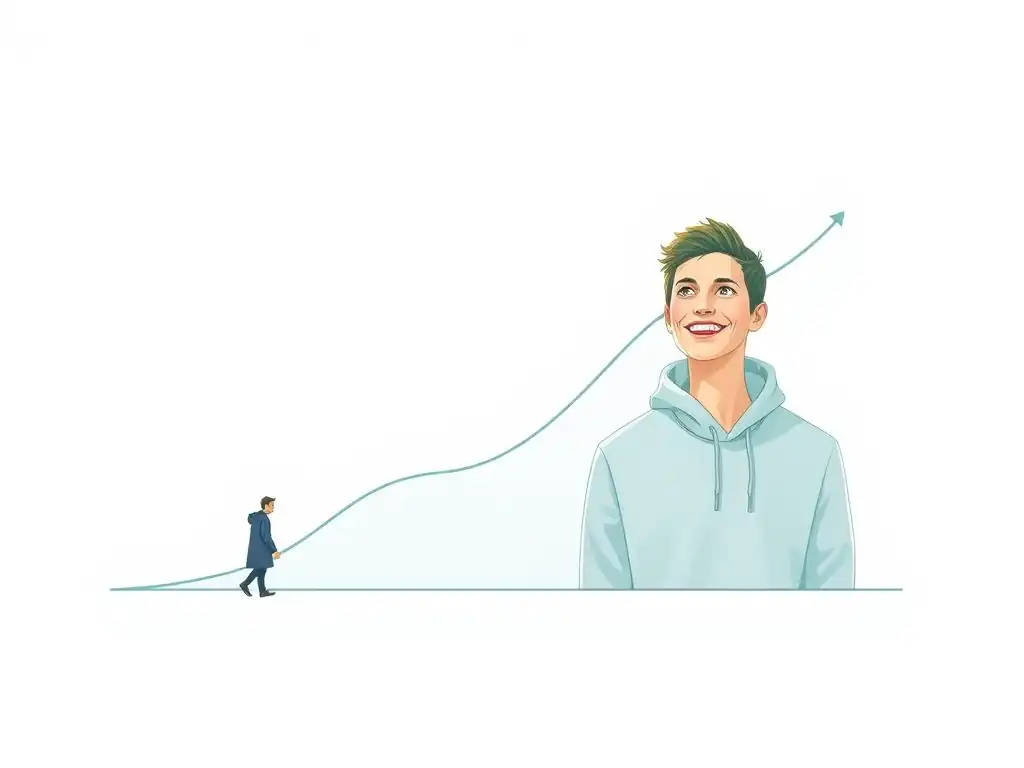
Dating rejection, unfortunately, is a common experience for many online daters. However, instead of viewing rejection as a setback, we can reframe it as invaluable feedback, a crucial stepping stone towards achieving online dating success. This section focuses on practical strategies to transform negative experiences into positive growth, ultimately building resilience and bolstering your confidence in the dating world.
Remember, the goal isn't to eliminate rejection entirely – it's to learn from it and emerge stronger. This process of iterative improvement is key to mastering the art of online dating and finding meaningful connections. This is where building dating rejection resilience becomes paramount.
Analyzing Past Dating Experiences for Patterns
To effectively leverage past rejections, we must first understand the underlying patterns. This involves a thorough self-reflection process, analyzing past interactions to identify recurring themes or potential areas for improvement. Did you consistently receive similar types of feedback? Were there particular aspects of your profile or communication style that might have contributed to the lack of connection?
Consider creating a simple table to track your dating experiences:
| Date | Person's Profile Highlights | My Profile Highlights | Communication Style | Outcome | Key Learnings |
|---|---|---|---|---|---|
| Oct 26, 2023 | Loves hiking, dogs | Focus on career | Brief, formal | No second date | Need to highlight shared interests more |
| Nov 15, 2023 | Into cooking, indie music | Generic profile | Too many questions | No response | Profile needs more personality & less interrogation |
| Dec 10, 2023 | Enjoys travel, art | Lots of selfies | Came across as arrogant | Blocked | Photos need to be more varied & less self-focused |
Identifying these patterns allows you to pinpoint specific areas needing attention. Were your messages too short, too long, too formal, or too informal? Did your profile accurately reflect your personality and interests? Honest self-assessment, even if uncomfortable, is crucial for growth. This process is about identifying opportunities for improvement, not self-criticism. Remember, every rejection is a chance to fine-tune your approach and increase your odds of success.
Refining Your Online Dating Profile and Messaging Strategy
Once you've identified patterns from past experiences, it's time to refine your online dating profile and messaging strategy. This is where the real transformation happens. Think of your profile as your first impression – it needs to be compelling, authentic, and representative of your personality.
- Profile Optimization: Consider these questions: Are your photos high-quality and diverse? Do they showcase your hobbies and interests? Is your bio engaging and informative, highlighting what makes you unique? Avoid generic phrases and clichés; instead, use specific examples to illustrate your personality and values. Consider adding details about your passions and interests that go beyond the usual dating profile clichés.
- Messaging Mastery: Your messages are just as important as your profile. Avoid generic opening lines; instead, personalize each message to the recipient's profile. Show that you've actually read their profile and found something genuinely interesting. Keep your messages concise and engaging, focusing on shared interests and creating a natural flow of conversation. Practice active listening and respond thoughtfully to their messages, demonstrating genuine interest.
Remember, refining your profile and messaging is an ongoing process. Continuously evaluate your results and adjust your strategy accordingly. Consider A/B testing different profile descriptions or message approaches to see what resonates best with potential matches. The more you refine your approach based on feedback (even rejection! ), the better your chances of success.
Improving Communication Skills and Confidence in Interactions
Beyond profile optimization and messaging, your communication skills during actual interactions are vital for building connections. Rejection can sometimes stem from poor communication, so improving this area is crucial for bolstering your dating rejection resilience.
- Active Listening: Pay close attention to what the other person is saying, both verbally and nonverbally. Ask clarifying questions to show your genuine interest and understanding. Active listening demonstrates respect and fosters deeper connections.
- Assertiveness: Express your thoughts and feelings clearly and respectfully. Don't be afraid to be yourself and share your genuine interests and preferences. Assertiveness, without aggression, shows confidence and attracts potential partners who appreciate authenticity.
- Confidence Building: Rejection can significantly impact confidence. To combat this, focus on building your self-esteem through activities you enjoy. Engage in hobbies, spend time with supportive friends and family, and practice self-compassion. Remember, your worth is not determined by whether or not someone chooses to date you. Focus on self-improvement and personal growth, and your confidence will naturally increase. This increased self-assurance will translate into more confident and engaging interactions, ultimately enhancing your dating success. By focusing on these areas, you can turn dating rejection into a powerful catalyst for personal growth and improved online dating performance. The key is to view each experience as an opportunity for learning and refinement.
Setting Boundaries and Protecting Your Emotional Well-being
Dating rejection can be emotionally draining. It's crucial to prioritize your emotional well-being and establish healthy boundaries to prevent burnout and maintain your self-esteem. This isn't about avoiding rejection altogether—it's about navigating it in a way that protects your mental health. One key aspect is recognizing your own emotional limits.
For example, if you find yourself constantly checking your dating app after a rejection, leading to feelings of anxiety and disappointment, it's time to set a boundary. This might involve limiting your app usage to specific times of day or taking a break entirely for a set period. Remember, self-care isn't selfish; it’s essential for your overall well-being.
Another crucial boundary is related to communication. While it's tempting to engage in lengthy back-and-forths trying to understand why someone rejected you, this can often prolong the negative feelings. Instead, acknowledge their decision respectfully and move on. Setting a limit on the amount of time and energy you invest in analyzing a rejection is a form of self-protection.
Consider creating a personal "rejection recovery plan" that includes activities that soothe and uplift you. This could involve spending time with loved ones, pursuing hobbies, or engaging in self-care practices like meditation or exercise. These activities shift your focus away from the rejection and towards positive self-nurturing.
Furthermore, consider who you share your dating experiences with. Surround yourself with supportive friends and family who offer encouragement and understanding. Avoid sharing your dating disappointments with people who may inadvertently add to your negativity or offer unhelpful advice. Choosing your confidants wisely can significantly impact your emotional resilience.
Remember, your emotional well-being is paramount. Building strong boundaries is not about being cold or unapproachable; it's about protecting your emotional energy and allowing yourself to heal and move forward after a rejection. Prioritizing self-care and creating a supportive environment will help you navigate the challenges of online dating with greater resilience and confidence, turning dating rejection into a learning experience rather than a devastating setback. This proactive approach to emotional well-being is a critical component of building resilience against dating rejection and fostering a healthier approach to online dating.
Dating Rejection Resilience Tips: A Step-by-Step Guide to Recovery

Dating rejection is, unfortunately, a common experience. It stings, it hurts, and it can easily derail even the most confident among us. But rejection doesn't have to define your online dating journey. Building resilience to dating rejection is key to maintaining a positive outlook and ultimately finding success. This guide provides practical, actionable dating rejection resilience tips to help you bounce back stronger after each setback. Remember, every "no" brings you closer to a "yes."
Step 1: Acknowledge and Accept Your Feelings
The first step in building resilience is acknowledging and accepting your feelings. Don't try to suppress or ignore the disappointment, anger, or sadness you might be experiencing. Allow yourself to feel these emotions fully. Suppressing them will only prolong the healing process. Consider journaling your feelings; writing down your thoughts can be incredibly cathartic.
Many people find it helpful to talk to a trusted friend or family member about their experiences. Sharing your feelings can provide validation and support, helping you feel less alone in your experience. Remember, it's okay to not be okay. Giving yourself permission to grieve the loss of a potential connection is crucial for moving forward. It's a normal part of the dating process, and acknowledging it is the first step towards acceptance.
Consider this: a study by the University of California, Berkeley, found that individuals who actively processed their negative emotions after rejection experienced less emotional distress in the long run. This suggests that confronting your feelings directly is a proactive approach to building resilience. Don't shy away from the discomfort; embrace it as a necessary part of the growth process.
Step 2: Identify and Challenge Negative Thoughts
Rejection often triggers negative self-talk. You might start questioning your worth, attractiveness, or even your ability to find love. These negative thoughts are often unhelpful and inaccurate. It's crucial to identify these thoughts and challenge their validity.
For example, if you receive a rejection message saying "I'm not feeling a connection," you might automatically think, "There must be something wrong with me." This is a cognitive distortion; a negative thought that doesn't accurately reflect reality. Instead, consider alternative explanations. Perhaps the other person wasn't looking for the same things in a partner, or their timing simply wasn't right. Remember, compatibility is complex, and a lack of connection doesn't necessarily reflect your value.
Here's a helpful table to illustrate this:
| Negative Thought | Realistic Alternative |
|---|---|
| "I'm unlovable." | "This person wasn't the right match for me; there are others out there." |
| "I'm not attractive enough." | "Attraction is subjective; someone else will appreciate my qualities." |
| "I'll never find love." | "This is one rejection; it doesn't determine my future relationships." |
| "I'm doing something wrong." | "I'm learning and growing with each experience; I can adjust my approach." |
By actively challenging these thoughts, you can gradually reframe your perspective and foster a more positive self-image. This is a fundamental aspect of developing dating rejection resilience.
Step 3: Practice Self-Compassion and Self-Care
After a rejection, it's important to prioritize self-compassion and self-care. Treat yourself with the same kindness and understanding you would offer a friend going through a similar experience. Engage in activities that bring you joy and relaxation. This could include spending time in nature, reading a good book, exercising, listening to music, or pursuing a hobby.
Self-care isn't selfish; it's essential for your well-being and resilience. It helps replenish your emotional resources and allows you to approach future dating experiences with a renewed sense of positivity and confidence. Think of self-care as refueling your emotional tank after a bumpy ride.
Consider creating a self-care plan that includes specific activities you enjoy. This could be as simple as taking a long bath, meditating for 10 minutes each day, or going for a walk in the park. The key is to find activities that help you relax, recharge, and feel good about yourself. Remember, building resilience is a marathon, not a sprint; consistent self-care is crucial for long-term success. Prioritizing your well-being is one of the most valuable dating rejection resilience tips you can adopt. 💖
Step 4: Learn from the Experience and Move Forward
Rejection in online dating, while painful, presents a valuable opportunity for self-growth. Instead of dwelling on the negative, actively seek to understand what transpired. Were there aspects of your profile that could be improved? Did your communication style need refinement? Perhaps your expectations were unrealistic, or you weren't fully aligned with the other person's values.
Honest self-reflection is crucial. Consider keeping a journal to document your experiences, noting both successes and setbacks. This allows you to track patterns and identify areas for improvement. For example, if you consistently receive negative feedback about a certain aspect of your profile, it's a clear sign that adjustment is needed. Remember, every interaction, regardless of outcome, provides data points for refining your approach.
Don't be afraid to experiment with different profile pictures, bio descriptions, and messaging strategies to see what resonates best with potential matches. The key is to view each rejection not as a failure, but as valuable feedback guiding you toward a more successful dating journey. This iterative process of learning and adapting is key to building resilience and achieving your dating goals. Think of it as a scientific experiment – each date is a data point, and the goal is to refine your hypothesis (your dating strategy) until you achieve your desired results.
Step 5: Focus on Building Your Confidence and Self-Esteem
Resilience in the face of dating rejection is inextricably linked to self-esteem. Building your confidence is not just about attracting potential partners; it's about fostering a healthy sense of self-worth independent of romantic validation. Engage in activities that boost your self-esteem. This could involve pursuing hobbies you enjoy, connecting with supportive friends and family, focusing on your career goals, or taking care of your physical and mental health. Prioritize self-care; exercise regularly, eat nutritious foods, and ensure you get enough sleep.
These practices contribute significantly to your overall well-being and resilience. Consider practicing mindfulness or meditation to manage stress and cultivate a more positive mindset. Remember that your worth is inherent and not contingent on external validation. Dating should complement a fulfilling life, not define it. By focusing on self-improvement and cultivating a strong sense of self, you become less susceptible to the sting of rejection and more confident in approaching new opportunities.
This inner strength will not only improve your dating prospects but will also enrich every aspect of your life. Investing in yourself is the most rewarding investment you can make, and it's the foundation upon which lasting resilience is built. Remember, your self-worth is not determined by the opinions of others; it's a reflection of your inner strength and values. 🎉
Frequently Asked Questions
How can I cope with rejection on dating apps?
Rejection is a common part of online dating. Focus on building your self-esteem and remember that compatibility isn't guaranteed. Each "no" brings you closer to a "yes."
What if I'm getting rejected repeatedly?
Analyze your profile and messaging style. Are you presenting your best self? Seek feedback from trusted friends. Maybe try a different approach.
How do I avoid taking rejection personally?
Remember that rejection often reflects the other person's preferences and circumstances, not your inherent worth. Focus on your own growth and self-improvement.
How can I bounce back from a particularly hurtful rejection?
Allow yourself to feel the emotions, but don't dwell. Engage in self-care activities, connect with supportive friends, and redirect your energy towards your goals.
What are some long-term strategies to build dating rejection resilience?
Develop a growth mindset, celebrate small wins, and practice self-compassion. Remember that persistence and a positive attitude are key to success in online dating.
Final Reflection: Embracing Rejection, Embracing Growth
The sting of dating rejection is universal, yet our ability to navigate it shapes not only our romantic lives but our overall sense of self-worth. Learning to build resilience in the face of romantic setbacks is not just about finding a partner; it's about cultivating a stronger, more confident version of ourselves. This journey, though challenging, is ultimately empowering.
The impact of rejection extends far beyond the immediate hurt; it shapes our self-perception, our communication skills, and even our future relationships. We learn to identify our own needs and desires more clearly, to communicate them effectively, and to understand that rejection rarely reflects a personal failing. As Maya Angelou wisely said, Nothing can dim the light which shines from within.
This inner light, nurtured through resilience, is what truly attracts genuine connection.
You now hold the tools to transform rejection from a source of pain into a catalyst for growth. Consider how you can actively apply these strategies—from self-compassion to mindful self-reflection—to not only navigate future romantic encounters but also to approach all areas of life with greater confidence and grace. Embrace the lessons learned, celebrate your strength, and remember that your journey to self-love and fulfilling relationships is a testament to your resilience and unwavering spirit.
Unlock Your Dating Confidence: Take Charge of Your Journey
Thank you for exploring the topic of dating resilience! We hope you gained valuable insights into handling rejection and building unshakeable self-belief. Now, let's put your newfound knowledge into practice.
- Embrace a New Dating Mindset: Identify a key takeaway from this article that resonated with you and actively apply a new approach. This could involve updating your dating profile, changing your perspective on rejection, or focusing on self-improvement. Even a small adjustment can make a significant difference!
- Share Your Experiences: Connect with our supportive community at OnlineDatingSuccess.org and share your journey. Connecting with others facing similar challenges can be incredibly motivating and beneficial.
- Track Your Progress: Keep a journal to record your dating experiences and celebrate your achievements, no matter how small. This fosters self-reflection and helps you refine your approach over time.
Ready to transform your dating life? What's the first step you'll take today to boost your confidence and resilience?