
Building Trust Online and Offline: The Key to a Lasting Relationship


Welcome to OnlineDatingSuccess.org, your guide to navigating the exciting yet complex world of online dating! Are you ready to ditch the endless swiping and finally build meaningful connections? We understand the challenges – that’s why we’re dedicated to providing you with practical strategies for creating a compelling profile, communicating authentically, and most importantly, building online dating trust. Discover how to foster genuine connections and pave the way for lasting relationships – let's unlock the secrets to your online dating success, starting with our in-depth article on building trust online and offline.
- Understanding the Importance of Trust in Online Dating
- Establishing Trust Online: Strategies for Building Confidence
- Fostering Trust Offline: Transitioning from Online to In-Person
- Maintaining Trust in a Long-Term Relationship
- Red Flags and Warning Signs: Identifying Potential Issues
- Building Trust: A Long-Term Investment in Your Relationship
-
Frequently Asked Questions
- How can I build trust with someone I've only met online?
- What are some red flags to watch out for when building trust online?
- Is it possible to build real trust solely through online interactions?
- How can I protect my personal information while building trust online?
- How do I know when it's safe to meet someone I've met online in person?
- Final Reflection: Cultivating Trust in a Digital Age
- Unlock Deeper Connections: Build Trust and Find Lasting Love
Understanding the Importance of Trust in Online Dating
Building a successful and lasting relationship, whether it begins online or offline, hinges on a foundation of trust. In the world of online dating, where initial interactions happen behind screens and anonymity can be a factor, establishing trust becomes even more crucial. This article explores the multifaceted nature of trust in online dating, examining how to build it, its impact on relationships, and ultimately, how it contributes to the transition from fleeting online connections to meaningful, long-term partnerships.
We'll delve into practical strategies to foster trust both in your online profile and during interactions, ultimately helping you navigate the complexities of online dating and build genuine connections that can blossom into lasting relationships. This is particularly important as you move from the initial stages of online dating into the more personal and intimate aspects of a budding relationship.
Mastering the art of building trust online is key to achieving long-term success in your dating journey and finding a partner you can truly connect with. The ability to build online dating trust is a skill that will serve you well throughout your dating life.
Why Trust is Crucial for Successful Online Relationships
Trust forms the bedrock of any healthy relationship, and online dating is no exception. Without a sense of trust, vulnerability becomes difficult, and genuine connection remains elusive. Consider the following aspects of why trust is so important:
- Open Communication: Trust allows for open and honest communication, a vital component for resolving conflicts and fostering intimacy. Without trust, conversations can feel guarded, preventing true understanding and emotional connection.
- Vulnerability and Intimacy: Sharing personal information and feelings requires trust. A lack of trust creates emotional distance, hindering the development of intimacy and emotional closeness.
- Reduced Anxiety and Uncertainty: Knowing you can rely on your partner reduces anxiety and uncertainty, creating a sense of security and stability crucial for a thriving relationship. The online dating world, with its inherent uncertainties, makes trust even more paramount.
- Long-Term Commitment: Trust is essential for making a long-term commitment. A lack of trust breeds suspicion and doubt, making it challenging to envision a future together.
- Conflict Resolution: Disagreements are inevitable in any relationship. However, trust provides the framework for navigating conflicts constructively and resolving them in a healthy manner. This is particularly important in online relationships where misinterpretations can easily arise.
Building Trust: The Foundation of Lasting Connections
Building trust online requires a deliberate and consistent effort. It involves being authentic, transparent, and demonstrating reliability. Here are some key strategies:
- Authentic Profile Creation: Present yourself honestly and accurately in your online profile. Avoid using misleading photos or exaggerating your qualities. Authenticity builds credibility and attracts individuals seeking genuine connections. This is the first step in building online dating trust.
- Consistent Communication: Respond to messages promptly and maintain consistent communication. Inconsistent communication can breed distrust and uncertainty.
- Transparency and Honesty: Be open and honest about your intentions and expectations. Avoid hiding crucial information or being evasive about your past. This fosters a sense of security and transparency that is essential in building trust.
- Respectful Interactions: Treat your online dates with respect, courtesy, and consideration. Respectful interactions build trust and demonstrate your value as a potential partner.
- Verification of Information: When possible, verify information shared by your date through other means. This precaution can help prevent catfishing or other forms of online deception.
- Gradual Disclosure of Personal Information: Share personal information gradually as the relationship progresses. Avoid oversharing too early, as this can make you vulnerable to manipulation or exploitation.
The Impact of Trust on Communication and Intimacy
The level of trust in a relationship directly impacts communication and intimacy. High trust leads to:
- Deeper Conversations: Trust enables more profound and meaningful conversations, allowing for the exploration of deeper emotions and vulnerabilities.
- Increased Emotional Intimacy: Trust fosters emotional intimacy, creating a safe space for expressing feelings and needs without fear of judgment or rejection. This is a crucial aspect of moving from online dating to a real-world relationship.
- Improved Conflict Resolution: Trust provides a foundation for navigating conflicts constructively and resolving disagreements effectively. Disagreements are inevitable, but trust helps manage them without causing further damage to the relationship.
- Stronger Bond: Ultimately, trust strengthens the bond between partners, fostering a secure and fulfilling relationship. This foundation of trust is essential for a lasting connection that transcends the initial online interactions.
- Enhanced Shared Experiences: Trust promotes a willingness to share experiences and create lasting memories together, solidifying the connection.
The development of trust is a gradual process that requires patience, honesty, and consistency. By implementing these strategies, you can significantly increase your chances of building strong, meaningful relationships that stand the test of time, starting with building online dating trust.
Establishing Trust Online: Strategies for Building Confidence

Building online dating trust is paramount for transitioning from initial online interactions to meaningful offline connections. It's a gradual process requiring careful consideration of your online presence and communication style. This section focuses on practical strategies to foster trust digitally, laying the groundwork for a successful and safe relationship journey. Remember, building trust is not a one-time event but an ongoing process that requires consistent effort and mindful actions.
Creating a Genuine and Authentic Online Profile
Your online dating profile is your first impression – your digital handshake. A genuine profile is the cornerstone of building trust. Avoid overly filtered or unrealistic photos; instead, opt for natural, diverse images that accurately represent your appearance and personality. Authenticity extends beyond visuals; your written bio should reflect your true self, highlighting your interests, values, and aspirations without exaggeration.
Instead of generic statements like "love to travel," specify your favorite destinations and travel style. For example, instead of "I love movies," mention your favorite genres and a few specific films you enjoy. This level of detail allows potential partners to connect with the real you and assess compatibility more effectively.
Remember, honesty is the best policy when building online dating trust. Inconsistencies between your profile and your actual personality will inevitably erode trust later on. Think of it as a digital representation of your true self, not an idealized version.
Consider adding details that showcase your personality and values. Do you volunteer? Mention it! Are you passionate about a particular cause? Share it! These small details reveal more about who you are as a person and help others see beyond the surface level. The more authentic your profile, the easier it is for compatible individuals to connect with you and trust your intentions. Think of it this way: Would you trust a profile that is clearly fabricated or misleading? Probably not.
Sharing personal information online requires a delicate balance between transparency and privacy. While openness is crucial for building connections, revealing too much too soon can compromise your safety and security. Start by sharing basic details about your life, such as your interests, hobbies, and career. As you get to know someone better and build trust, you can gradually share more personal information. Avoid sharing highly sensitive details like your full address, workplace address, or financial information, especially in the early stages of online dating. Remember, your safety is paramount.
It's helpful to think about information sharing in stages. In the initial conversations, stick to general interests and experiences. As you develop a stronger connection and more comfort with the other person, you can gradually share more personal aspects of your life. This approach allows you to gauge the other person's trustworthiness and respect for your boundaries before disclosing more sensitive details. This measured approach not only protects your safety but also allows for a more natural progression of intimacy and trust.
Consider using privacy settings on your dating app to control who can see your profile and contact you. Many platforms offer robust privacy features that allow you to customize your visibility and filter out unwanted interactions. Actively using these features demonstrates your commitment to online safety and your respect for your personal boundaries. This proactive approach to privacy significantly contributes to building trust, both in yourself and in potential partners who value your safety.
Safe Online Communication Practices: Avoiding Scams and Catfishing
Safe online communication is vital for building online dating trust and avoiding potential scams or catfishing. Be wary of individuals who are overly eager to move the conversation offline or who pressure you to share personal information before you're comfortable. Always meet in a public place for your first in-person date, and let a friend or family member know where you're going and who you're meeting. Never send money or gifts to someone you've only met online, no matter how convincing their story may seem.
🚩 Red flags to watch out for include:
- Inconsistencies in their profile or story.
- Requests for money or financial assistance.
- Pressure to move the conversation offline quickly.
- An unwillingness to video chat or share personal photos.
- Excessive flattery or promises.
If you encounter any of these red flags, it's best to end the conversation immediately and report the profile to the dating platform. Remember, your intuition is a valuable tool. If something feels off, trust your gut and prioritize your safety. Building trust online requires vigilance and a healthy dose of skepticism. By being aware of potential scams and catfishing tactics, you can protect yourself and increase your chances of finding a genuine connection. Prioritizing safety in your online communication is a crucial component of building lasting trust, both online and offline.
Utilizing Verification Features and Safety Tools
Building trust online begins with leveraging the safety features provided by the dating platform itself. Many reputable online dating sites offer verification processes, allowing users to confirm their identities. These might involve verifying email addresses, phone numbers, or even connecting social media accounts.
While some might feel this is an invasion of privacy, opting into these verification features significantly reduces the chances of encountering fake profiles or bots, a major obstacle to building trust in the online dating world. Think of it as a digital handshake – a way to show you're a genuine person committed to building authentic connections. The increased security offered by verification helps foster a more trustworthy environment, allowing you to focus on getting to know potential partners without the constant worry of deception.
Moreover, explore the safety tools offered by the platform. These could include features like blocking and reporting mechanisms. Knowing you have these tools at your disposal empowers you to take control of your online interactions. If you encounter inappropriate behavior or feel unsafe at any point, utilize these tools immediately.
Reporting suspicious profiles helps the platform maintain a safer environment for everyone. Remember, your safety and well-being are paramount, and utilizing these features demonstrates a proactive approach to building trust – both in yourself and in the platform you're using. Don't hesitate to report anything that makes you uncomfortable; your safety is not optional.
A platform that prioritizes user safety reflects a commitment to building a trustworthy community. This contributes directly to your ability to build genuine connections with others who are also invested in a safe and respectful online experience. By using these tools, you're not only protecting yourself, but you're also contributing to a healthier online dating environment for everyone.
Fostering Trust Offline: Transitioning from Online to In-Person

Successfully building online dating trust is only the first step. The real test comes when you transition from digital interactions to face-to-face encounters. This shift requires careful planning and a commitment to open communication to ensure a smooth and safe progression towards a meaningful relationship. Remember, building trust offline is a gradual process that requires patience, understanding, and a willingness to be vulnerable. Don't rush this crucial phase – a strong foundation built on mutual respect and honesty is paramount for long-term success.
Planning Safe and Thoughtful First Dates
The first in-person meeting is a pivotal moment. Careful planning is key to mitigating risks and creating a positive experience. Always choose a public place for your first date – a bustling café, a well-lit park, or a popular restaurant are good options. Let a friend or family member know where you're going and when you expect to be back. Avoid revealing too much personal information too early, and trust your instincts. If something feels off, don't hesitate to end the date prematurely.
Consider the activity you choose. A simple coffee date allows for easy conversation and an opportunity to gauge compatibility. More involved activities, while potentially fun, can sometimes hinder open communication. Prioritize getting to know each other over extravagant gestures. Remember, the goal is to build a connection based on genuine interest and shared values, not to impress with superficial displays. The best first dates are those that allow for authentic interaction and leave both parties feeling comfortable and respected.
Open Communication: Sharing Your Feelings and Expectations
Open and honest communication is the bedrock of any healthy relationship, and this is especially crucial when transitioning from online to offline interactions. Don't be afraid to express your feelings and expectations, both positive and negative. This doesn't mean unloading all your emotional baggage at once; rather, it involves sharing your thoughts and feelings in a measured and respectful manner. Be upfront about your boundaries and comfort levels. For example, clearly stating your expectations regarding physical intimacy can prevent misunderstandings and build trust.
Sharing vulnerabilities is also essential. This doesn't mean revealing everything at once, but gradually sharing personal experiences and perspectives fosters a deeper connection. Be mindful of your partner's responses and adjust your communication style accordingly. Remember, building trust is a two-way street. Encourage your partner to share their thoughts and feelings openly, creating a safe space for vulnerability and honest dialogue. This reciprocal sharing of emotions will solidify the bond between you.
Active Listening and Empathy: Understanding Your Partner's Perspective
Active listening goes beyond simply hearing your partner's words; it involves truly understanding their perspective. Pay attention to their body language, tone of voice, and the emotions they convey. Ask clarifying questions to ensure you understand their message correctly. Empathy, the ability to understand and share the feelings of another, is crucial for building trust. Try to see the situation from your partner's point of view, even if you don't necessarily agree with their perspective. This demonstrates respect and understanding, fostering a deeper connection and strengthening the bond between you.
Demonstrating empathy in practice might involve acknowledging your partner's feelings, even if you don't fully understand them. For example, if your partner expresses anxiety about meeting in person, acknowledge their feelings by saying something like, "I understand you might be feeling nervous about our first meeting; I want to make sure you feel comfortable and safe." This simple act of validation can go a long way in building trust and fostering a secure connection. Remember, building trust offline requires a continuous effort to understand and appreciate your partner's perspective, fostering a strong and lasting relationship.
Respecting Boundaries and Personal Space
Building trust offline isn't just about grand gestures; it's about the small, everyday actions that demonstrate respect for your partner's boundaries and personal space. This is crucial, especially after the initial excitement of meeting someone online has subsided. Ignoring someone's need for space can quickly erode trust and create feelings of discomfort or even fear. Remember, the transition from online interactions to in-person meetings is a significant step, and respecting boundaries allows for a smoother, more comfortable progression. This isn't about being distant or cold; it's about being mindful and considerate.
One key aspect of respecting boundaries is actively listening to your partner's verbal and nonverbal cues. Perhaps they're less comfortable with physical touch than you are, or maybe they prefer a slower pace in getting to know each other intimately. Honoring these preferences is vital for building trust. For instance, if your date mentions feeling uncomfortable with a particular topic of conversation, immediately change the subject and apologize for making them feel uneasy.
This shows that you value their feelings and are willing to adapt your behavior accordingly. Similarly, if they seem hesitant to engage in physical intimacy, respect their decision and don't pressure them. Pressuring someone into physical intimacy before they're ready is a major breach of trust and can severely damage your chances of building a meaningful relationship.
Another crucial element is understanding the concept of personal space. While physical closeness can be a sign of affection, it's essential to be sensitive to your partner's personal bubble. Pay attention to their body language. Are they leaning away when you get close? Do they seem tense or uncomfortable?
If so, give them more space. These seemingly small details can speak volumes about their comfort level and should be carefully observed and respected. Respecting personal space doesn't mean being distant; it means being attuned to your partner's needs and adjusting your behavior accordingly. This demonstrates consideration and respect, two fundamental pillars of trust in any relationship, online or offline. Remember, genuine connection blossoms when both individuals feel safe, comfortable, and respected.
Maintaining Trust in a Long-Term Relationship
Building online dating trust is crucial, but maintaining that trust as the relationship transitions offline and progresses requires ongoing effort. This section focuses on the key practices that foster trust and build a strong, lasting relationship. Remember, trust isn't a one-time achievement; it's a continuous process requiring consistent commitment from both partners. This section will explore how to nurture trust through communication, affection, and conflict resolution.
Continuous Communication and Honesty: Addressing Concerns Promptly
Open and honest communication is the bedrock of any successful relationship, especially one built on a foundation of online dating. It's not just about sharing information; it's about creating a safe space where both partners feel comfortable expressing their thoughts and feelings, even the difficult ones. Addressing concerns promptly prevents small issues from escalating into major trust breaches.
This means actively listening to your partner, validating their feelings, and responding thoughtfully, even if you don't agree. Avoid defensiveness and instead focus on understanding their perspective. For example, if your partner expresses concern about your late-night online activity, don't dismiss their worry. Instead, explain your actions and reassure them of your commitment to the relationship. Transparency is key; concealing information, even seemingly small details, can erode trust over time.
Consider establishing regular check-ins, perhaps a weekly "relationship meeting," to discuss any concerns or anxieties. This proactive approach prevents small issues from festering and allows for timely resolution. Remember, a willingness to communicate openly and honestly demonstrates respect and strengthens the bond between you. The goal is to create a culture of trust where both partners feel heard and understood. This builds confidence and stability in the relationship, ultimately leading to a stronger, more fulfilling partnership.
Showing Appreciation and Affection: Building Emotional Intimacy
Building online dating trust extends beyond verbal communication; it also involves demonstrating consistent affection and appreciation. Small gestures of kindness, both big and small, reinforce the emotional connection and build a strong foundation of trust. These actions show your partner that you value them and that you're invested in the relationship's success.
Think about incorporating regular acts of affection into your routine. This could involve simple things like sending a thoughtful text message during the day, leaving a loving note, or performing a small chore to ease their burden. Larger gestures, such as planning a special date night or surprising them with a thoughtful gift, also demonstrate your commitment and care. Remember that showing appreciation isn't about grand gestures; it's about the consistency of small acts of kindness that demonstrate your love and respect.
Regular physical affection is also important. Holding hands, cuddling, and engaging in other forms of physical intimacy reinforce the emotional bond and create a sense of closeness and security. These acts of affection are crucial in building emotional intimacy, a vital component of a strong, trusting relationship. The consistent demonstration of love and appreciation shows your partner that you value them and that you're committed to building a future together.
Disagreements are inevitable in any relationship. However, how you handle these conflicts significantly impacts the level of trust within the relationship. Instead of resorting to blame or defensiveness, focus on constructive conflict resolution strategies. This means approaching disagreements with empathy, understanding, and a willingness to find a mutually agreeable solution.
When conflicts arise, avoid personal attacks and focus on the specific issue at hand. Use "I" statements to express your feelings and needs without blaming your partner. For example, instead of saying "You always leave the dishes dirty," try saying, "I feel frustrated when the dishes aren't cleaned up, and it would help me if we could work together to keep the kitchen tidy." Active listening is crucial; make sure you understand your partner's perspective before attempting to resolve the conflict.
Consider implementing techniques like taking a break when emotions run high to avoid escalating the argument. Once calm, return to the conversation with a renewed focus on finding a solution that works for both of you. Remember, resolving conflicts constructively demonstrates respect and commitment, strengthening the bond between you and reinforcing the trust you've built. Successfully navigating disagreements showcases maturity and strengthens the foundation of your relationship. This approach builds resilience and fosters a deeper, more enduring connection.
Maintaining Individuality While Building Together: Balancing Independence and Partnership
Building a strong, lasting relationship in the digital age requires a delicate balance: maintaining individual identities while fostering a deep connection with your partner. This isn't about creating distance, but rather about preserving the unique aspects of yourselves that initially attracted you to each other. Losing sight of your individuality can lead to resentment and ultimately, the erosion of trust. Remember the spark that ignited your connection? Nurturing that spark often involves retaining aspects of your independent lives.
One crucial element is maintaining separate hobbies and interests. Perhaps you love hiking while your partner prefers pottery. Maintaining these individual pursuits allows you to bring fresh perspectives and experiences back into the relationship, preventing stagnation and keeping things exciting. It also demonstrates to your partner that you value your own self-worth and aren't solely defined by the relationship. This demonstrates a healthy level of self-sufficiency, a cornerstone of mutual respect and trust in any long-term relationship.
Furthermore, preserving friendships and social connections outside of the relationship is vital. These external relationships provide support networks, varied perspectives, and opportunities for personal growth. Sharing your life with your partner doesn't mean isolating yourselves from the rest of the world. In fact, maintaining healthy relationships with friends and family can enrich your partnership by offering different viewpoints and preventing the relationship from becoming the sole focus of your lives. This demonstrates maturity and emotional intelligence, enhancing trust and understanding.
Open communication is key to navigating this balance. Regularly check in with each other to discuss your individual needs and how you're both feeling about the level of independence and togetherness in the relationship. Honest conversations about personal time, shared activities, and individual pursuits can preempt misunderstandings and strengthen your bond.
Remember, building trust involves acknowledging and respecting each other's need for autonomy while simultaneously cherishing the shared moments that define your partnership. This ongoing dialogue reinforces the understanding that your individual identities contribute to the strength and richness of your relationship, not detract from it. A healthy relationship thrives on a dynamic interplay between independence and togetherness, a delicate dance that strengthens the bonds of trust and mutual respect.
Red Flags and Warning Signs: Identifying Potential Issues
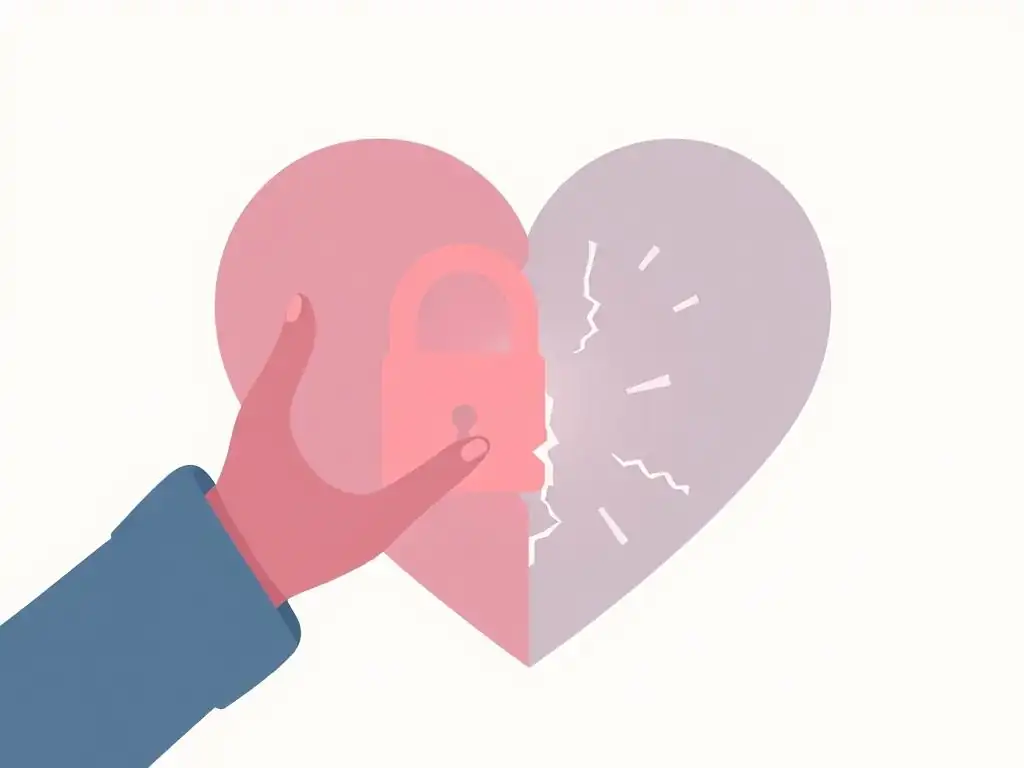
Building trust in online dating is crucial for transitioning from initial interactions to meaningful relationships. However, not everyone online has good intentions. Learning to recognize red flags and warning signs is paramount to protecting yourself and fostering healthy connections. This section focuses on identifying potential problems early on, before emotional investment becomes too significant. Remember, your safety and well-being are paramount. Ignoring red flags can lead to heartache and even dangerous situations. Learning to identify these warning signs is a vital skill in building online dating trust.
Recognizing Deceptive Behavior and Dishonesty
Deceptive behavior can manifest in many subtle ways. It's not always about outright lies; sometimes, it's about omissions or carefully crafted half-truths. Pay close attention to inconsistencies in their narratives. Do their stories change over time?
Do they avoid answering direct questions? For example, someone claiming to be a successful entrepreneur but unable to provide concrete details about their work should raise suspicion. Similarly, vague responses to questions about their personal life, especially when pressed for specifics, could signal a lack of honesty. Be wary of individuals who are overly evasive or change the subject frequently when you attempt to learn more about their background.
Always trust your intuition; if something feels off, it probably is. Building online dating trust requires vigilance and a healthy dose of skepticism. Don't be afraid to ask probing questions; a genuinely trustworthy individual will be happy to answer them openly and honestly. Remember, consistent and transparent communication is the cornerstone of any healthy relationship, online or offline.
Detecting Inconsistent Information or Actions
Inconsistency is a significant red flag in online dating. This can range from minor discrepancies in their profile information to major contradictions between their words and actions. For instance, their profile might boast of a love for travel, yet their conversation reveals a lack of travel experience. Or, they might claim to be incredibly busy, but their online activity shows otherwise, suggesting they have ample free time.
These inconsistencies can be subtle, requiring careful observation and attention to detail. Keep a mental note of everything they tell you and compare it to their online presence and other interactions. Are their social media profiles consistent with their claims? Do their pictures seem authentic and recent?
Discrepancies don't always indicate malicious intent, but they often signal a lack of trustworthiness. Building online dating trust involves cross-referencing information and validating their claims. Don't hesitate to gently inquire about inconsistencies; a truthful person will usually provide satisfactory explanations.
Identifying Controlling or Manipulative Behaviors
Controlling or manipulative behaviors are serious red flags and should never be ignored. These behaviors can be subtle at first, often disguised as concern or affection. Examples include excessive texting or calling, demanding constant attention, or trying to isolate you from friends and family. They might criticize your choices, try to control your appearance, or make you feel guilty for setting boundaries.
These actions are indicative of a potentially toxic and abusive relationship. Building online dating trust requires recognizing and rejecting such behaviors early on. If you feel pressured, controlled, or manipulated, it's crucial to distance yourself from the individual immediately. Prioritize your safety and well-being; your emotional health is more important than any potential relationship.
Remember, a healthy relationship is built on mutual respect, trust, and open communication, not control and manipulation. Trust your instincts; if something feels wrong, it's crucial to prioritize your safety and seek support from trusted friends or family. Learning to identify these red flags is essential for building online dating trust and ensuring a safe and positive dating experience.
Building Trust: A Long-Term Investment in Your Relationship
Building trust, whether online or offline, is paramount for establishing a lasting and fulfilling relationship. It's not a one-time event, but rather a continuous process requiring consistent effort, patience, and a genuine commitment to honesty and respect. This section will explore the multifaceted nature of building trust in the context of online dating and its crucial role in transitioning to a successful offline relationship. Successfully navigating the complexities of building trust can significantly increase your chances of finding a meaningful long-term connection. This isn't just about avoiding scams; it's about creating a secure and loving partnership.
The Rewards of Trust in Online and Offline Relationships
The benefits of a trusting relationship extend far beyond the initial stages of courtship. Trust forms the bedrock upon which intimacy, emotional connection, and mutual support are built. Think about it: a relationship built on trust allows for:
- Increased Intimacy: When trust is present, both partners feel safe to be vulnerable, sharing their thoughts and feelings openly without fear of judgment or betrayal. This vulnerability fosters deeper emotional connection.
- Improved Communication: Open and honest communication flourishes in a trusting environment. Partners are more likely to express their needs and concerns without hesitation, leading to more effective conflict resolution.
- Stronger Resilience: Couples who trust each other are better equipped to navigate challenges and setbacks. Their shared confidence in each other provides a strong foundation to weather life's storms.
- Greater Happiness and Satisfaction: Studies consistently show a strong correlation between trust and relationship satisfaction. When trust is high, partners experience greater happiness and fulfillment in their relationship.
Building online dating trust, specifically, allows you to move beyond superficial interactions and connect on a deeper, more meaningful level with potential partners. This reduces anxiety and allows for more authentic connections. The transition from online interactions to offline dates becomes smoother and more comfortable when trust is established.
Cultivating Trust Over Time: Consistent Effort and Patience
Trust isn't built overnight; it's a gradual process that requires consistent effort and patience from both individuals. Think of it as a plant that needs nurturing to grow strong and healthy. Here are some key strategies to cultivate trust in your online and offline relationships:
- Be Consistent and Reliable: Follow through on your commitments, both big and small. If you say you'll call, call. If you say you'll meet, meet. Consistency builds confidence and demonstrates reliability.
- Practice Active Listening: Truly listen when your partner is speaking, showing genuine interest in their thoughts and feelings. Ask clarifying questions and reflect back what you've heard to ensure understanding.
- Be Honest and Transparent: Openness and honesty are crucial. Don't hide things or try to present a false image of yourself. Authenticity builds trust.
- Respect Boundaries: Respect your partner's physical, emotional, and personal boundaries. This shows consideration and demonstrates that you value their autonomy.
- Manage Expectations: Avoid setting unrealistic expectations. Relationships take time to develop, and trust is built gradually. Be patient and understanding.
- Forgive and Learn: Mistakes happen. The ability to forgive and learn from errors is essential for building and maintaining trust. Focus on growth and understanding.
The Value of Openness, Honesty, and Respect in a Lasting Partnership
Openness, honesty, and respect are the cornerstones of any successful, long-term relationship. They are not merely desirable qualities, but rather essential ingredients for building and maintaining trust. Let's delve into each one:
- Openness: Being open involves sharing your thoughts, feelings, and experiences with your partner, even the difficult ones. It requires vulnerability and a willingness to be seen for who you truly are. Openness fosters a sense of intimacy and connection.
- Honesty: Honesty is about being truthful in your words and actions. It means avoiding deception and maintaining integrity in all aspects of the relationship. Honesty builds confidence and strengthens the bond between partners.
- Respect: Respect involves valuing your partner's thoughts, feelings, opinions, and boundaries. It means treating them with kindness, consideration, and empathy. Respect is the foundation upon which trust is built and sustained. Lack of respect, even in small ways, can severely erode trust.
Building trust in online dating requires a conscious and deliberate effort. By prioritizing openness, honesty, and respect, and by consistently demonstrating reliability and empathy, you can significantly improve your chances of forming a strong and lasting relationship. Remember, building online dating trust is an investment in your future happiness.
Frequently Asked Questions
How can I build trust with someone I've only met online?
Building trust online requires gradual disclosure and consistent communication. Share information at your own pace, verify their profile details, and engage in meaningful conversations before meeting in person.
What are some red flags to watch out for when building trust online?
Be wary of users who are vague about their personal details, avoid direct questions about your finances, or pressure you into meeting too quickly. Inconsistencies in their stories or overly romantic language early on should also raise concerns.
Is it possible to build real trust solely through online interactions?
While a strong foundation can be built online, in-person meetings are crucial for confirming authenticity and building deeper trust. Online interactions should be seen as a first step, not the whole relationship.
How can I protect my personal information while building trust online?
Never share sensitive personal information like your full address, bank details, or social security number early on. Use a separate email address for online dating and be cautious about sharing photos that reveal too much about your location.
How do I know when it's safe to meet someone I've met online in person?
Only meet when you feel comfortable and secure, after having verified their identity and having engaged in extensive online communication. Choose a public place for your first meeting and let a friend or family member know your plans.
Final Reflection: Cultivating Trust in a Digital Age
The ability to build trust, both online and offline, is no longer a luxury but a necessity for navigating the complexities of modern relationships. In a world saturated with digital interactions, the foundation of genuine connection remains the same: trust. Without it, even the most promising relationships crumble under the weight of suspicion and insecurity. This is especially true in the realm of online dating, where initial impressions are often formed through a screen, making the establishment of trust even more crucial.
The impact of this digital age on our capacity for intimacy is profound. We're constantly bombarded with information, making it harder to discern authenticity from artifice. The greatest gift you can give someone is your honest, unfiltered self.
This quote rings truer than ever in the context of online relationships, where vulnerability can feel risky, yet is ultimately the pathway to genuine connection. The journey of building trust, whether it begins with a swipe right or a chance encounter, requires courage, patience, and a willingness to be truly seen.
Now, consider your own relationships. How do you cultivate trust in your interactions? What steps do you take to ensure authenticity and build strong connections, both online and offline? I encourage you to reflect on these questions and actively work towards fostering trust in all your relationships. By embracing vulnerability, practicing open communication, and demonstrating consistent reliability, you can build a foundation of trust that will support lasting, meaningful connections—a foundation that transcends the digital divide and strengthens the bonds of human connection.
Unlock Deeper Connections: Build Trust and Find Lasting Love
Thank you for exploring the power of trust in relationships! You've gained valuable insights into building genuine connections, both online and offline. Now, let's put that knowledge into practice.
- Prioritize vulnerability: Take a small step towards deeper connection today. Sharing something personal—a hobby, a dream, or a past experience—with someone you're getting to know can be surprisingly effective in building trust.
- Share this article: Spread the word! Share this guide with friends who might benefit from learning how to build stronger relationships. Let's work together to cultivate a community of trust and understanding.
- Reflect on your communication style: Consider your interactions this week. Identify moments where you demonstrated vulnerability and areas where you could improve communication to foster stronger trust.
What small act of trust will you commit to today to strengthen your relationships?