
Dating Rejection: How to Turn a Negative into a Positive


Welcome to OnlineDatingSuccess.org, your guide to navigating the exciting yet sometimes challenging world of online dating. Are you ready to transform the way you approach dating and finally build meaningful connections? We understand that rejection is a part of the process, but it doesn't have to define your journey. Learn how to effectively deal with dating rejection and turn setbacks into stepping stones towards finding lasting love. Discover practical strategies and build the confidence you need to succeed—explore our expert advice and unlock your dating potential.
- Understanding Dating Rejection: Why It Happens and How to Process It
- Reframing Rejection: Shifting Your Perspective for Growth
-
Practical Strategies for Dealing with Dating Rejection
- Analyzing Your Online Dating Profile: Optimizing for Authenticity and Attraction
- Improving Your Communication Skills: Conveying Confidence and Genuine Interest
- Setting Realistic Expectations: Avoiding Disappointment Through Balanced Goals
- Managing Your Online Dating Habits: Avoiding Over-Reliance and Maintaining Balance
-
Turning Rejection into a Positive: Building Confidence and Success
- Leveraging Rejection for Self-Discovery: Identifying Your Ideal Partner
- Building Your Support Network: Connecting with Friends and Family for Emotional Support
- Celebrating Small Wins: Recognizing Progress and Positive Feedback
- Maintaining a Positive Outlook: Staying Motivated Despite Setbacks
- Long-Term Success in Online Dating: Building Confidence and Achieving Your Goals
- Frequently Asked Questions
- Final Reflection: Reframing Rejection, Redefining Success
- Unlock Your Dating Confidence: Turn Rejection into Resilience
Understanding Dating Rejection: Why It Happens and How to Process It
Navigating the world of online dating can be exhilarating, but it's also a journey filled with potential setbacks. Rejection is, unfortunately, an inevitable part of the process. This doesn't mean you're doing anything wrong; it simply means that the dynamics of online dating involve a high volume of interactions, and not every connection will lead to a lasting relationship.
This article aims to empower you with practical strategies to not only cope with dating rejection but to actively transform negative experiences into valuable learning opportunities. We'll explore common reasons for rejection, effective emotional processing techniques, and methods to identify and address any self-sabotaging behaviors that might be hindering your success. Learning to deal with dating rejection is a crucial step toward building resilience and ultimately finding a meaningful connection.
Remember, rejection is a temporary setback, not a reflection of your inherent worth. Let's delve into the strategies that will help you navigate this aspect of online dating with greater confidence and emotional intelligence.
Recognizing the Patterns: Common Reasons for Rejection in Online Dating
Rejection in online dating can stem from various factors, and understanding these patterns can significantly reduce the sting and help you improve your approach. It's crucial to remember that rejection rarely reflects a personal failing; often, it's simply a matter of incompatibility. Let's explore some common reasons:
- Lack of Compatibility: Sometimes, there's simply no chemistry or shared values. This isn't a reflection on your worth; it's just a matter of finding the right match. Think of it like trying on clothes – not every item will fit, and that's okay!
- Differing Relationship Goals: Individuals seek different things in a relationship. Perhaps your desired level of commitment doesn't align with the other person's. Clarifying your goals early on can save time and heartache.
- Poor Profile Presentation: A poorly written or unengaging profile can deter potential matches. This is easily rectifiable with some thoughtful revisions and improvements.
- Unclear Communication: Misunderstandings and misinterpretations can arise from unclear communication. Focusing on clear and concise messaging can significantly improve your interactions.
- Timing and Circumstances: Sometimes, the timing simply isn't right for either party. Life circumstances may prevent someone from pursuing a relationship, regardless of their interest in you.
Processing Rejection Emotionally: Dealing with Disappointment and Hurt
Experiencing rejection can evoke a range of emotions, from disappointment and hurt to frustration and even anger. It's vital to acknowledge and process these feelings in a healthy way. Suppression only prolongs the discomfort. Here are some strategies to navigate these difficult emotions:
- Allow Yourself to Feel: Don't try to bottle up your emotions. Allow yourself to feel the disappointment and sadness, acknowledging that it's a valid response to a setback. Consider journaling your feelings to better understand them.
- Practice Self-Compassion: Treat yourself with the same kindness and understanding you'd offer a friend in a similar situation. Avoid self-criticism and focus on self-care.
- Engage in Self-Soothing Activities: Find healthy ways to soothe yourself, such as spending time in nature, listening to calming music, or practicing mindfulness exercises.
- Seek Support: Talking to a trusted friend, family member, or therapist can provide valuable emotional support and perspective. Sharing your experiences can help you process your emotions and feel less alone.
- Focus on Self-Improvement: Use this experience as motivation to work on aspects of yourself that you wish to improve. This could involve personal growth, skill development, or pursuing hobbies.
Identifying Self-Sabotaging Behaviors: Are You Accidentally Blocking Success?
Sometimes, we unknowingly engage in behaviors that hinder our success in online dating. Recognizing these self-sabotaging patterns is crucial for making positive changes. Here are some common examples:
- Negative Self-Talk: Constantly criticizing yourself or focusing on your perceived flaws can undermine your confidence and attractiveness. Challenge negative thoughts and replace them with positive affirmations.
- Unrealistic Expectations: Having unrealistic expectations about finding the "perfect" partner can lead to disappointment and discouragement. Focus on finding someone compatible with your values and goals.
- Fear of Vulnerability: Being unwilling to share your true self can prevent genuine connections from forming. Embrace vulnerability as a pathway to deeper intimacy.
- Poor Communication Styles: Communicating poorly, such as being overly demanding or critical, can drive potential partners away. Work on improving your communication skills.
- Excessive Focus on External Validation: Seeking validation solely through romantic relationships can be detrimental to your self-esteem. Cultivate self-love and build fulfilling relationships outside of romantic contexts. Remember, your worth is not defined by your dating success. 💖
Reframing Rejection: Shifting Your Perspective for Growth

Dealing with dating rejection can feel incredibly disheartening. The sting of a "no" can be intense, especially in the already vulnerable landscape of online dating. However, the key to transforming this negative experience lies in reframing your perspective. Instead of viewing rejection as a personal failing, consider it valuable feedback within the larger context of your dating journey.
This shift in mindset is crucial for building resilience and ultimately increasing your chances of success. Remember, rejection doesn't define your worth; it simply provides an opportunity for growth and self-discovery. This section will explore specific strategies to help you reframe your experience and use rejection as a catalyst for positive change. Let's learn how to turn a perceived setback into a stepping stone towards your dating goals.
Redefining "Failure": Rejection as a Learning Opportunity in Online Dating
Online dating, like any skill, requires practice and refinement. Each interaction, whether it leads to a date or not, offers valuable data points. A rejection shouldn't be interpreted as an absolute "failure," but rather as data informing your approach. Consider these points:
- Profile Analysis: Was your profile engaging and accurately reflective of your personality and goals? Did it attract the right kind of attention? A lack of responses might suggest needing adjustments to your photos, bio, or the overall presentation. Perhaps your profile was too generic or didn't highlight your unique qualities.
- Communication Style: Did you communicate effectively and respectfully? Were your messages engaging and personalized, or did they come across as generic or impersonal? Analyze your interactions to see where improvements can be made. Maybe you need to work on your conversational skills, or perhaps your initial approach was too forward or too passive.
- Compatibility: Sometimes, incompatibility is simply unavoidable. Rejection might indicate that you and the other person weren't a good match. This isn't a reflection of your worth; it's simply a recognition that different people have different preferences and needs.
Remember, every "no" brings you closer to a "yes." Embrace the learning process and use each rejection as an opportunity to refine your strategy and enhance your overall dating experience. Analyzing past interactions with a critical yet compassionate eye allows for continuous improvement.
Focusing on Self-Improvement: Using Feedback to Enhance Your Profile and Approach
Rejection provides invaluable feedback for self-improvement. Instead of dwelling on the negative emotions, actively analyze the situation to identify areas for growth. This involves introspection and a willingness to adapt your approach.
Consider these actionable steps:
- Profile Optimization: Review your online dating profile objectively. Ask a trusted friend for honest feedback. Are your photos current, flattering, and representative of your personality? Is your bio engaging and informative, showcasing your interests and values? Are you clearly communicating what you're looking for in a partner?
- Communication Enhancement: Practice your communication skills. Work on writing engaging and personalized messages that show genuine interest in the other person. Focus on asking open-ended questions and actively listening to their responses. Consider taking a communication skills course or seeking advice from a relationship coach.
- Dating App Strategy: Experiment with different dating apps and platforms. Each platform has its own user base and dynamics. What works on one app might not work on another. Explore different approaches and see what yields the best results.
Resilience is crucial for navigating the sometimes unpredictable world of online dating. Developing a growth mindset—believing that your abilities and intelligence can be developed through dedication and hard work—is key to bouncing back from setbacks. This involves:
- Self-Compassion: Be kind to yourself. Rejection is a common experience, and it doesn't diminish your worth. Practice self-compassion by acknowledging your feelings, treating yourself with understanding, and avoiding self-criticism.
- Positive Self-Talk: Challenge negative thoughts and replace them with positive affirmations. Instead of thinking "I'm not good enough," try "I'm learning and growing with each experience." This positive self-talk can significantly impact your emotional well-being and resilience.
- Focus on Your Strengths: Remember your positive qualities and accomplishments. Focus on what you bring to a relationship and what makes you unique. This focus will help you maintain a positive self-image and build confidence.
By embracing a growth mindset, you transform rejection from a source of negativity into a springboard for self-discovery and personal growth. Remember, the journey to finding a meaningful connection takes time and effort. Persistence and a positive attitude are your greatest allies. Embrace the learning process, celebrate your successes, and view rejection as a valuable opportunity for growth.
Practical Strategies for Dealing with Dating Rejection
Dating rejection is, unfortunately, a common experience in the online dating world. However, viewing rejection as a learning opportunity, rather than a personal failure, is crucial for building resilience and achieving online dating success. This section outlines practical strategies to help you navigate rejection and transform it into a positive experience. Learning to effectively deal with dating rejection is a significant step towards building confidence and finding meaningful connections.
Analyzing Your Online Dating Profile: Optimizing for Authenticity and Attraction
Your online dating profile is your first impression. A poorly crafted profile can lead to fewer matches and more rejections. Critically analyzing your profile for areas of improvement is paramount. Consider these points:
- Photos: Are your photos high-quality, recent, and diverse? Do they showcase your personality and interests? Avoid overly filtered or misleading images. A good mix of solo shots and photos with friends or engaging in hobbies is ideal. Remember, authenticity is key! Consider the message each photo conveys – are you projecting the image you wish to portray?
- Bio: Is your bio engaging and informative, reflecting your personality and values? Does it highlight your interests and what you're looking for in a partner? Avoid clichés and generic statements. Instead, focus on creating a unique and compelling narrative that sparks curiosity. Think of it as a mini-story about yourself. What makes you unique? What are your passions?
- Prompt Answers: If the platform uses prompts, are your answers thoughtful and insightful? Do they provide potential matches with more to work with in initiating a conversation? Avoid one-word answers or generic responses. Show your personality and sense of humor.
- Keyword Optimization: While not overtly, subtly incorporate relevant keywords to improve your profile's visibility in searches. Instead of directly stating "I love hiking," you could say something like, "I find peace and adventure exploring the trails on weekends." This subtle approach enhances your profile's discoverability without sacrificing authenticity.
Let's analyze a hypothetical example. A profile with blurry photos, a generic bio stating "Looking for someone nice," and one-word answers to prompts is unlikely to attract many high-quality matches. Conversely, a profile with clear, engaging photos, a bio detailing specific hobbies and interests, and thoughtful prompt answers will significantly increase your chances of connecting with compatible individuals. Remember, the goal is to attract people who genuinely appreciate who you are.
Improving Your Communication Skills: Conveying Confidence and Genuine Interest
Even with a compelling profile, communication is crucial. How you interact with potential matches significantly impacts your success. Poor communication can lead to rejection, even if your profile is perfect.
- Initiating Conversations: Start conversations with engaging questions that go beyond simple greetings. Show genuine interest in their profile. Refer to specific details from their profile to demonstrate you've actually read it. This shows that you're not just sending generic messages.
- Active Listening and Responding: Pay attention to what they say and respond thoughtfully. Don't just answer questions; ask follow-up questions to show you're engaged in the conversation. Avoid one-word answers or generic responses. Aim to create a natural back-and-forth flow.
- Maintaining a Positive and Respectful Tone: Always maintain a positive and respectful tone. Avoid negativity or controversial topics early in the conversation. Keep the conversation light and fun. Remember, you're aiming to build a connection, not to argue.
- Knowing When to Move On: Recognize when a conversation isn't going anywhere. Don't waste time on matches that aren't reciprocating your interest. It's perfectly acceptable to gracefully bow out of a conversation that isn't progressing.
Consider this: A message like "Hey" is far less effective than "Hey [Name], I saw you're a big fan of [band/hobby from their profile]! I love them too. What's your favorite song/experience?" The second example shows genuine interest and invites a more engaging response. Remember, effective communication is about building rapport and connection.
Setting Realistic Expectations: Avoiding Disappointment Through Balanced Goals
Unrealistic expectations are a major contributor to dating rejection. Adjusting your approach to include more realistic goals can significantly reduce disappointment.
- Understanding Compatibility: Recognize that compatibility isn't just about physical attraction. Shared values, interests, and life goals are equally important. Focus on finding someone who aligns with your long-term vision, not just someone who meets a checklist of superficial preferences.
- Accepting Rejection: Rejection is a part of dating. Don't take it personally. It's often a matter of incompatibility, not a reflection of your worth. Focus on what you can learn from each experience and move forward.
- Focusing on Self-Improvement: Rather than solely focusing on finding a partner, prioritize your own well-being and self-improvement. This will boost your confidence and make you a more attractive partner.
- Setting Achievable Goals: Set realistic goals for your online dating journey. Focus on making genuine connections, rather than solely aiming for a relationship quickly. Enjoy the process of meeting new people and learning about yourself.
For example, instead of aiming to find "the one" within a month, set smaller, more achievable goals, such as having three meaningful conversations a week or going on one date per month. These smaller victories build confidence and momentum, making the overall journey less daunting. Remember, building meaningful connections takes time and patience. Enjoy the journey!
Managing Your Online Dating Habits: Avoiding Over-Reliance and Maintaining Balance
Online dating, while offering incredible opportunities to connect with people, can also become a source of significant stress if not managed properly. Over-reliance on these platforms can lead to disappointment and negatively impact your self-esteem. It's crucial to maintain a healthy balance between your online dating activities and the rest of your life. Avoid spending hours each day endlessly swiping or refreshing your inbox.
This behavior can be addictive and ultimately unproductive. Instead, set realistic time limits for your online dating sessions. Perhaps dedicate 30 minutes to an hour each evening, or even just a few days a week. This structured approach helps prevent burnout and allows you to focus on other important aspects of your well-being.
A key element of managing your habits is to cultivate a diverse social life outside of online dating. Engage in hobbies, spend time with friends and family, pursue personal goals, and maintain your existing relationships. These activities provide a sense of fulfillment and perspective, helping you avoid fixating solely on the outcome of your online dating efforts. Remember that a fulfilling life is not solely defined by romantic relationships. By diversifying your activities, you'll increase your overall happiness and resilience, making dating rejection easier to handle.
Consider taking breaks from online dating altogether if you find yourself feeling overwhelmed or discouraged. A temporary hiatus can help you regain perspective and re-evaluate your approach. Use this time to reflect on your dating goals, refine your profile, and improve your communication skills. Returning to online dating after a break can often feel refreshed and more strategic. Remember, online dating is a tool, not a solution.
It's a means to an end, not the end itself. Maintaining balance ensures that you're using the tool effectively without letting it dictate your overall happiness and well-being. This balanced approach is crucial for dealing with dating rejection effectively; it prevents you from becoming overly invested in each interaction and allows you to maintain a healthy emotional state. Prioritizing self-care and maintaining a rich life outside of the digital realm is key to navigating the sometimes challenging world of online dating.
Turning Rejection into a Positive: Building Confidence and Success
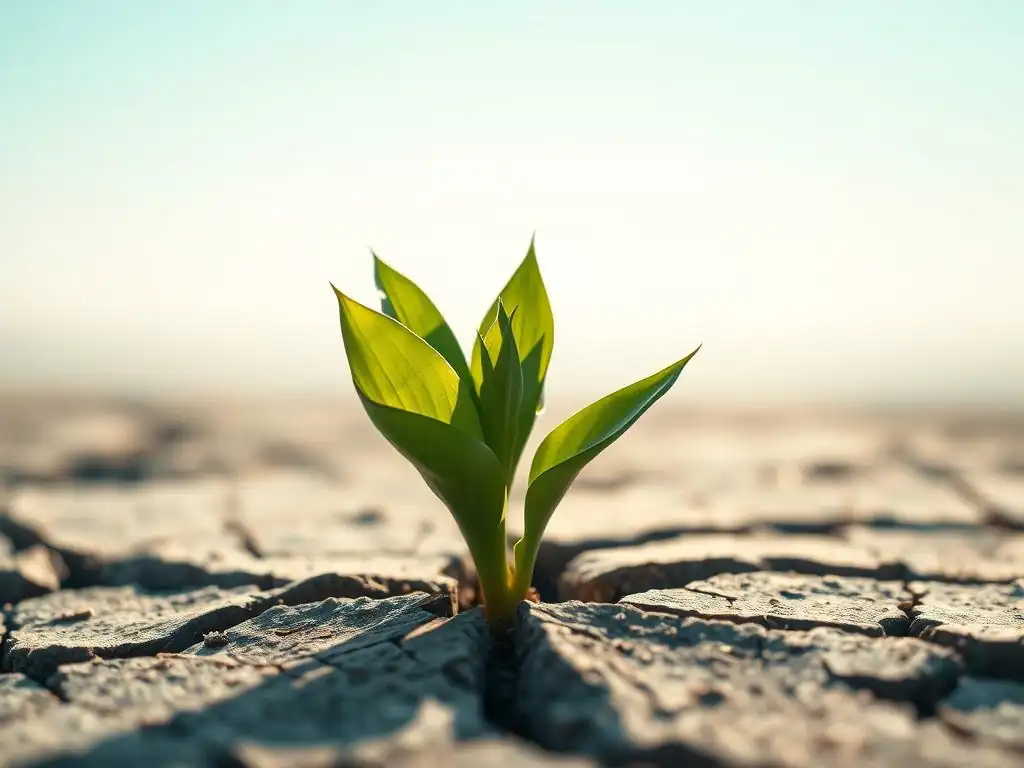
Dating rejection, unfortunately, is a common experience. However, viewing rejection as an opportunity for growth, rather than a setback, is crucial for building confidence and achieving online dating success. Instead of dwelling on the negative, we can actively reframe our perspective and utilize these experiences to refine our approach and ultimately find a fulfilling connection. This section will explore practical strategies for turning rejection into a positive catalyst for personal development and relationship success. Learning to deal with dating rejection effectively is a key skill in navigating the online dating world.
Leveraging Rejection for Self-Discovery: Identifying Your Ideal Partner
Rejection, while painful, can offer invaluable insights into your preferences and compatibility. Each "no" brings you closer to understanding what you truly seek in a partner. Analyze past experiences: What characteristics or behaviors in potential partners led to rejection? Were there communication styles or values clashes? Did you feel a lack of genuine connection?
Consider creating a detailed journal to track your dating experiences. Note not only the outcome (acceptance or rejection), but also the specifics of your interactions. Look for patterns. Were you consistently rejected by people who valued [specific trait, e.g., a high-paced lifestyle]?
Did you experience more success when you emphasized [specific quality, e.g., your sense of humor]? This self-reflection is crucial for identifying your ideal partner profile and refining your dating strategy. Understanding your own preferences and needs is paramount for creating a fulfilling connection and avoiding future disappointments. This process of self-discovery isn't just about avoiding rejection; it's about dealing with dating rejection in a way that leads to a more authentic and successful dating journey.
Building Your Support Network: Connecting with Friends and Family for Emotional Support
Navigating the emotional rollercoaster of online dating requires a strong support system. Leaning on trusted friends and family members can provide invaluable emotional support during times of rejection. Share your experiences with them; allow yourself to be vulnerable and express your feelings. Their empathy and understanding can help you process your emotions and maintain a positive outlook.
Consider creating a "dating accountability group" with friends who are also navigating the online dating world. Sharing experiences and offering encouragement to each other can foster a sense of community and reduce feelings of isolation. This shared experience can help normalize the emotional ups and downs of dating and offer practical advice and emotional support. Remember, dealing with dating rejection is often easier when you have a solid support network to help you through challenging times. Don't underestimate the power of human connection in building resilience and fostering emotional well-being.
Celebrating Small Wins: Recognizing Progress and Positive Feedback
It's easy to focus solely on rejections and overlook the positive aspects of your dating journey. Actively celebrate small victories, such as engaging in meaningful conversations, receiving positive feedback on your profile, or even simply having the courage to put yourself out there. These small wins demonstrate progress and build confidence.
Keep a "success journal" to record positive interactions and feedback. Note instances where you felt confident and connected. This helps reframe your perspective and reminds you of your strengths. For example, you might note: "I had a great conversation with [person's name] about [topic].
We shared a laugh and I felt comfortable and at ease." This positive reinforcement counters the negativity associated with rejection and helps maintain a healthy perspective on your dating journey. Celebrating these small wins is an integral part of dealing with dating rejection effectively and fostering a positive mindset. Remember, progress, not perfection, is the goal.
Maintaining a Positive Outlook: Staying Motivated Despite Setbacks
Dealing with dating rejection can be emotionally draining. It's easy to feel discouraged, especially after investing time and effort into crafting the perfect profile, engaging in stimulating conversations, and even going on dates. However, maintaining a positive outlook is crucial for long-term success in online dating. Remember that rejection is a normal part of the process; it doesn't reflect your worth or desirability. Many factors influence compatibility, and sometimes, the connection simply isn't there, regardless of how amazing you are.
One effective strategy is to focus on self-care. Prioritize activities that bring you joy and relaxation, such as spending time with loved ones, pursuing hobbies, exercising, or practicing mindfulness. These activities help replenish your emotional reserves and prevent you from becoming overly fixated on setbacks. Think of it as refueling your emotional tank before embarking on your next online dating adventure.
Consider keeping a journal to track your progress and celebrate small victories. This can be a powerful tool for maintaining perspective and boosting your self-esteem. Each positive interaction, even a brief exchange of messages, is a step forward. Don't discount these small wins; they contribute to building your confidence.
Another helpful approach is to reframe rejection as redirection. Instead of viewing it as a personal failure, see it as an opportunity to learn and grow. Analyze your dating profile, messages, and date experiences. Identify areas where you could improve, such as refining your communication style or clarifying your dating preferences. This process of self-reflection can lead to significant improvements in your online dating strategy, increasing your chances of finding a compatible partner. Remember, every "no" brings you closer to a "yes." The journey to finding love is rarely linear, and setbacks are inevitable.
Long-Term Success in Online Dating: Building Confidence and Achieving Your Goals
Long-term success in online dating isn't about finding a partner overnight; it's about building confidence, developing healthy dating habits, and maintaining a positive mindset. Rejection is a valuable learning experience that contributes to your overall growth and resilience. Each interaction, whether positive or negative, provides insights into your preferences, communication style, and what you truly seek in a partner.
Building confidence is a gradual process, and online dating provides ample opportunities for self-discovery and growth. Celebrate your achievements, no matter how small. Did you send a message to someone you found interesting? Did you go on a date that felt comfortable and enjoyable? Acknowledge these successes and use them to fuel your motivation. Remember that your worth is not determined by the number of matches or dates you have. Focus on your personal growth and self-improvement, and the right person will eventually appreciate your unique qualities.
Setting realistic goals is also crucial for long-term success. Instead of focusing solely on finding "the one," concentrate on improving your profile, enhancing your communication skills, and expanding your social circle. These smaller, achievable goals contribute to a sense of accomplishment and build your confidence over time. Consider setting weekly or monthly goals, such as sending a certain number of messages or going on at least one date.
Tracking your progress helps you stay motivated and celebrate your achievements along the way. Remember, the journey is just as important as the destination. Embrace the learning process, and celebrate your growth every step of the way. The ultimate goal—finding a meaningful connection—will feel all the more rewarding when achieved through consistent effort and self-belief.
Frequently Asked Questions
How can I cope with rejection on dating apps?
Rejection is a common part of online dating. Focus on self-compassion, acknowledging your feelings, and remember that it's not a reflection of your worth. Shift your attention to self-improvement and enjoying your life outside of dating.
What should I do if someone ghosts me after a few dates?
Ghosting is unfortunately common. Try not to take it personally; it often reflects the other person's issues, not yours. Focus on your own well-being and move on. Consider blocking the person to avoid further emotional distress.
How can I avoid taking rejection personally in online dating?
Remember that online dating involves many factors beyond your control. Compatibility is key, and not every connection will be a match. Maintain a positive mindset and view each interaction as a learning opportunity. Focus on your strengths and keep your standards high.
Is it normal to feel hurt or upset after being rejected?
Yes, it is absolutely normal to feel hurt or disappointed after rejection. Allow yourself time to process your emotions. Talk to a friend, family member, or therapist if you need support in navigating these feelings. Don't suppress your emotions.
How can I turn a negative dating experience into a positive one?
Rejection can be a valuable learning experience. Reflect on what you learned about yourself and your preferences. Use this feedback to improve your profile, communication skills, and dating strategy. This will increase your chances of success in future interactions.
Final Reflection: Reframing Rejection, Redefining Success
The sting of dating rejection is universal, yet our ability to navigate it shapes not only our romantic lives but our overall self-esteem and resilience. Learning to reframe rejection as a stepping stone, rather than a stumbling block, is not just a helpful dating strategy; it's a crucial life skill applicable to every area of personal growth.
The impact of societal pressures on dating, coupled with the often-harsh realities of online interactions, can leave individuals feeling disheartened and questioning their self-worth. This article aimed to provide a framework for understanding and processing rejection, moving beyond simple platitudes to offer actionable strategies. The only way to do great work is to love what you do.
While this quote from Steve Jobs might seem unrelated to dating, the principle holds true: embracing the process, flaws and all, is key to finding fulfillment, whether in a relationship or in life itself.
Now, consider your own experiences with rejection. How have you handled setbacks in the past? What strategies from this article resonate most deeply with you? I encourage you to actively cultivate self-compassion, to view rejection not as a personal failing but as an opportunity for growth and self-discovery. Embrace the lessons learned, refine your approach, and remember that your worth is inherent and independent of any romantic outcome. The journey of self-love and connection begins with you.
Unlock Your Dating Confidence: Turn Rejection into Resilience
Thank you for exploring the power of reframing dating rejection! You've gained valuable insights into turning setbacks into opportunities for growth. Now, let's put that knowledge into action.
- Prioritize self-reflection: Take some time today to reflect on a recent dating experience. Focus on what you learned and how you can adapt your approach. This focused reflection is key to building resilience.
- Refresh your online presence: Try a new profile picture or experiment with a different opening message. A fresh approach can significantly improve your dating experience.
- Join the conversation: Share your experiences and insights with our community! Leave a comment below and let's discuss how we can all become more resilient when facing dating challenges.
What small step will you take today to boost your dating confidence?