
The Ultimate Guide to Privacy Settings on Dating Apps

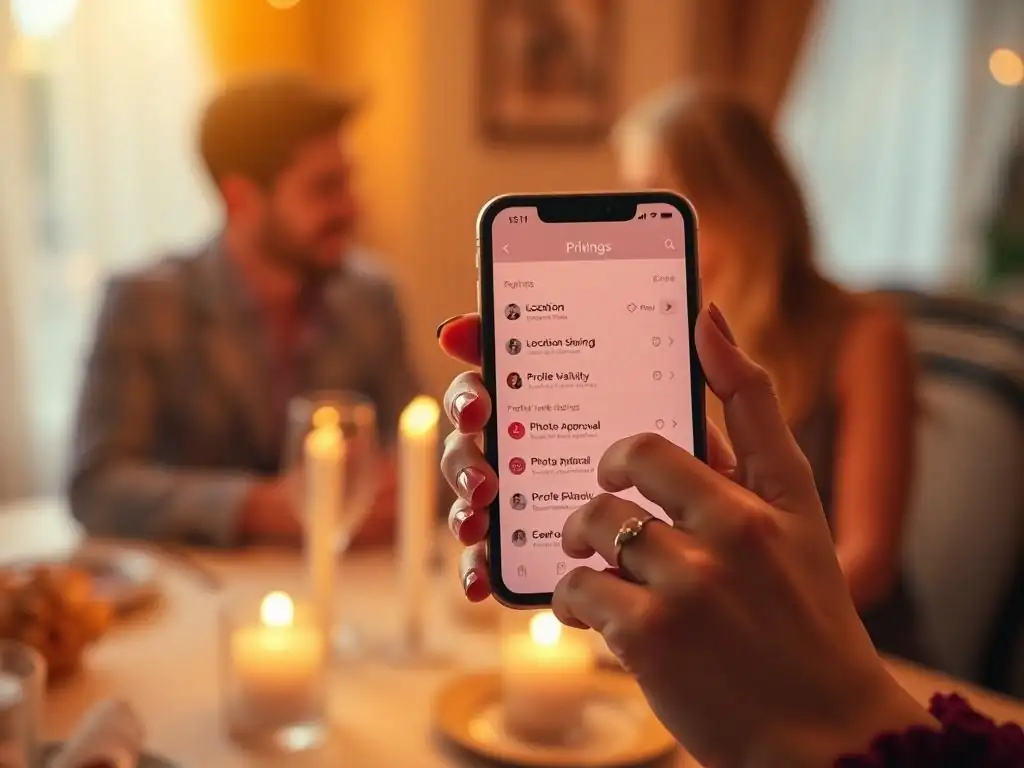
Tired of feeling vulnerable while searching for love online? At OnlineDatingSuccess.org, we understand the anxieties of modern dating. This is why we've created the ultimate resource for navigating the digital dating world with confidence. Learn how to take control of your online safety and privacy with our essential Dating app privacy settings guide, a crucial step towards building meaningful connections without compromising your personal information. Discover the secrets to a safer and more successful online dating experience – start exploring now!
- Understanding Dating App Privacy: A Comprehensive Guide
- Mastering Your Dating App Privacy Settings: A Step-by-Step Guide
- Beyond Basic Settings: Advanced Privacy Tips for Dating Apps
- Staying Safe While Online Dating: Best Practices
-
Frequently Asked Questions
- What are the most important privacy settings to adjust on dating apps?
- How can I prevent my location from being shared on dating apps?
- Is it safe to use my real name and photo on dating apps?
- What should I do if I receive inappropriate messages on a dating app?
- How often should I review and update my dating app privacy settings?
- Final Reflection: Reclaiming Your Digital Heart in the Age of Dating Apps
- Take Control: Secure Your Online Dating Journey
Understanding Dating App Privacy: A Comprehensive Guide
Navigating the world of online dating requires more than just a captivating profile picture and a witty bio. In today's digital landscape, protecting your personal information is paramount, especially when using dating apps. This ultimate guide to privacy settings on dating apps will equip you with the knowledge and tools to control your data and maintain your safety while searching for love online.
We'll explore key privacy concerns, examine the data collection practices of popular platforms, and emphasize the critical importance of safeguarding your personal information. Understanding and effectively managing your privacy settings is not just about security; it's about taking control of your online dating experience and fostering a safer, more positive journey towards meaningful connections.
This guide will help you navigate the complexities of dating app privacy, empowering you to make informed decisions and prioritize your well-being throughout your online dating journey. Let's dive in and learn how to make your online dating experience both successful and secure.
Key Privacy Concerns on Dating Apps
Online dating apps, while offering exciting opportunities to meet new people, also present significant privacy challenges. Many users are unaware of the extent of data collection undertaken by these platforms, potentially exposing sensitive personal information to risks like identity theft, stalking, or unwanted contact. Some key concerns include:
- Data breaches: The risk of a data breach exposing user profiles, messages, and location data is a very real threat. A breach could lead to the widespread dissemination of sensitive personal information.
- Location tracking: Many apps utilize location services to facilitate matching and suggest nearby users. However, constant location tracking can compromise your privacy and safety.
- Profile information misuse: Information shared on profiles, even seemingly innocuous details, can be used for malicious purposes if not carefully managed.
- Third-party data sharing: Some apps share user data with third-party advertisers or analytics companies, raising concerns about the commercial use of personal information.
- Unwanted contact and harassment: Despite safety features, the anonymity afforded by online platforms can embolden harassment and unwanted advances. Inadequate privacy settings can exacerbate these risks.
- Phishing and scams: Malicious actors may use dating apps to target users with phishing scams or other fraudulent activities, aiming to steal personal information or financial resources.
Data Collection Practices of Popular Dating Apps
Understanding how different dating apps collect and use your data is crucial for informed decision-making. While specific practices vary, many apps collect a wide range of information, including:
| App Name | Data Collected | Privacy Settings Options |
|---|---|---|
| [App Name 1] | Profile information, location data, messages, photos, connection history | [Specific examples of settings, e.g., "Profile Visibility," "Location Sharing"] |
| [App Name 2] | Similar to App 1, potentially including social media connections, device information | [Specific examples of settings, e.g., "Match Preferences," "Notification Controls"] |
| [App Name 3] | Similar to App 1 & 2, potentially including purchase history and browsing data | [Specific examples of settings, e.g., "Data Usage," "Advertising Preferences"] |
It's important to note that this table requires further research to populate with real app names and their specific data practices. Always consult each app's individual privacy policy for detailed information.
The Importance of Protecting Your Personal Information Online
Protecting your personal information on dating apps is not just a good idea; it's essential for your safety and well-being. Taking proactive steps to manage your privacy settings can significantly reduce your risk of exposure to various threats. Remember that your privacy is your responsibility, and by understanding and utilizing the available tools, you can create a safer and more positive online dating experience.
Failing to prioritize your privacy can lead to unforeseen consequences, ranging from minor inconveniences to significant personal harm. Therefore, understanding and implementing robust privacy measures is a crucial aspect of responsible online dating. Prioritize your safety and well-being by taking control of your data and making informed decisions.
Mastering Your Dating App Privacy Settings: A Step-by-Step Guide
This section delves into the specifics of managing privacy on popular dating apps. We'll cover crucial settings to help you control your data and interactions, ensuring a safer and more comfortable online dating experience. Remember, prioritizing your privacy is paramount when navigating the digital dating world. This detailed guide helps you master your dating app privacy settings and navigate the complexities of online dating safely. This is your Dating app privacy settings guide for enhanced safety and control.
Optimizing Privacy Settings on Tinder
Tinder, a widely used dating app, offers several features to manage your privacy. Understanding and utilizing these settings is crucial for a positive and safe experience. Properly configuring your Tinder privacy settings can significantly reduce unwanted attention and protect your personal information. This section will help you navigate these settings effectively, allowing you to tailor your experience to your comfort level.
Controlling Your Profile Visibility on Tinder
Tinder allows you to control who can see your profile. By default, your profile is visible to users within a certain radius. However, you can adjust this radius, limiting the geographic area where your profile appears. Furthermore, you can utilize Tinder's "Smart Photos" feature, which uses data analytics to showcase your most successful profile pictures.
While this enhances visibility to potential matches, it also increases your profile's visibility overall. Consider carefully whether this trade-off aligns with your privacy goals. You can also choose to completely disable your profile temporarily, effectively making you invisible to other users without deleting your account. This is a powerful tool for taking a break from the app without losing your progress.
Managing Location Sharing Preferences on Tinder
Precise location sharing is a key feature of many dating apps, including Tinder. However, constantly broadcasting your exact location can compromise your privacy. Tinder allows you to adjust your location settings, choosing to share a broader area rather than your precise coordinates. This reduces the risk of unwanted attention or even stalking. Remember, even with these settings adjusted, your general location is still visible to other users within the radius you've set. Balancing visibility with privacy requires careful consideration of these settings. Regularly review and adjust these preferences based on your comfort level and dating goals.
Blocking and Reporting Users on Tinder
Tinder provides robust tools for managing unwanted interactions. If you encounter inappropriate behavior or feel uncomfortable with another user, you can block them. Blocking prevents that user from seeing your profile, contacting you, or matching with you. Furthermore, Tinder allows you to report users for violating its terms of service, which includes harassment, spam, or other inappropriate conduct.
Reporting users helps maintain a safer environment for everyone on the platform. Don't hesitate to use these features; they are designed to protect you and contribute to a healthier online dating community. Remember, reporting inappropriate behavior isn't just about protecting yourself; it's about making the app safer for everyone.
Securing Your Privacy on Bumble
Bumble, known for its female-forward approach, also prioritizes user privacy. This section outlines the key privacy settings within the Bumble app and how to effectively utilize them. Understanding these settings is vital for a safe and positive experience on this popular platform. Remember, proactive management of your privacy settings on Bumble can significantly improve your online dating experience.
Adjusting Profile Privacy Settings on Bumble
Similar to Tinder, Bumble allows you to control the visibility of your profile. You can adjust your profile's visibility radius, limiting the geographic area where potential matches can see your profile. Bumble also offers options to control who can see your profile based on your connection status (e.g., only visible to those who have already initiated contact).
Additionally, you can manage the information displayed on your profile, choosing to hide certain details or only share specific information with those you've matched with. Consider carefully what information you choose to share publicly versus privately, as this directly impacts your privacy. Regularly reviewing and adjusting these settings is crucial for maintaining control over your personal information.
Managing Connection Requests and Interactions on Bumble
Bumble's unique features, such as the time limit on initiating conversations, provide a layer of control over interactions. However, you can further manage connection requests and interactions. You can choose to disable the app's "Beeline" feature (which shows you users who have already liked your profile), reducing the potential for unwanted attention. You can also control how often you receive notifications and manage your interaction settings to limit unsolicited messages or unwanted connections. Remember, setting healthy boundaries is key to a positive dating experience; Bumble's settings empower you to do just that.
Utilizing Bumble's Blocking and Reporting Features
Bumble offers similar blocking and reporting features to Tinder. If you encounter any inappropriate behavior or feel unsafe, you can utilize the blocking feature to prevent further contact. Furthermore, Bumble provides a robust reporting system to address violations of its terms of service. Don't hesitate to utilize these features; they are designed to protect you and contribute to a safer environment for all Bumble users. Remember, reporting helps maintain the integrity and safety of the platform for everyone. Your proactive participation in reporting contributes to a more positive and secure dating experience for all users.
Protecting Your Data on Hinge
Hinge, known for its focus on meaningful connections, offers a range of privacy settings to help users control their data and online presence. Understanding and utilizing these settings is crucial for a safe and positive online dating experience. Many users overlook these features, leaving themselves potentially vulnerable. This section will guide you through the essential privacy controls offered by Hinge, ensuring you're in charge of your information.
Remember, proactive privacy management is key to a successful and secure dating journey. Don't be afraid to experiment with different settings to find the balance that best suits your comfort level. The more control you exert, the better you can protect your personal information. Regularly review and adjust your settings, as apps frequently update their features and privacy policies.
Customizing Profile Visibility on Hinge
Hinge allows you to fine-tune who can see your profile. You can choose to make your profile visible only to people you've already liked or those who have liked you. This significantly reduces the risk of unwanted attention from strangers. Another important setting allows you to control who can see your photos.
You might choose to share only certain pictures with a wider audience while keeping others private for those you've connected with. This granular control gives you the power to manage your online image effectively and to curate your profile for maximum safety and impact. Think carefully about which photos you wish to share publicly and which ones you want to keep more private. This approach allows you to manage the information you share strategically, attracting the right kind of attention and minimizing the risk of unwanted contact.
Controlling Your Location Data on Hinge
Your location data is a sensitive piece of information, and Hinge provides options to control how much you share. You can choose to share your general location (e.g., city) instead of your precise coordinates, reducing the chances of unwanted encounters. Consider the level of detail you're comfortable revealing; a broader location setting offers more anonymity while still allowing you to connect with potential matches within a reasonable radius.
By limiting the precision of your location data, you reduce the risk of someone easily identifying your home or workplace. Remember to review these settings periodically, especially if you travel or change your residence. Keeping your location settings up-to-date is a crucial element of maintaining your online safety.
Managing Hinge's Connection and Interaction Settings
Beyond profile visibility and location, Hinge offers further controls over interactions. You can choose to disable the "Likes You" feature, meaning you won't see who has already liked your profile until you like them back. This added layer of privacy gives you more control over the pace of your interactions. Additionally, you can manage your notification settings, choosing which types of notifications you receive.
This allows you to personalize your experience and avoid unwanted distractions or interruptions. Consider disabling certain notifications if you find them overwhelming or intrusive. By carefully managing these settings, you can create a more personalized and controlled dating experience, focusing on interactions that align with your comfort level and safety preferences.
Privacy Settings on Other Popular Dating Apps
While Hinge provides robust privacy controls, other popular dating apps like Tinder, Bumble, and OkCupid also offer various privacy features. These often include options to control profile visibility, location sharing, and the types of notifications received. However, the specific settings and their functionalities can vary significantly between apps.
It's crucial to carefully read each app's privacy policy and settings menu to understand the level of control offered. Remember that each app has its own approach to privacy, so you should familiarize yourself with the specific features and options available on each platform you use. Regularly reviewing and adjusting your settings across multiple apps can be time-consuming but is vital for maintaining your online privacy and safety.
Consider the different privacy features offered by each app when choosing which platforms to use. This proactive approach ensures you are aware of the risks and have the tools to mitigate them. This informed decision-making process promotes a safer and more positive dating experience.
Beyond Basic Settings: Advanced Privacy Tips for Dating Apps
This section dives deeper into privacy measures beyond the readily available settings within dating apps themselves. While adjusting notification preferences and photo visibility is a crucial first step, true online dating privacy requires a multi-layered approach. We'll explore advanced techniques to safeguard your personal information and enhance your online safety. Mastering these strategies will significantly reduce your vulnerability and help you navigate the dating world with greater confidence and peace of mind. This "Dating app privacy settings guide" aims to provide you with comprehensive, actionable steps to protect your data.
Using a VPN for Enhanced Online Dating Privacy
A Virtual Private Network (VPN) masks your IP address, encrypting your internet traffic and making it significantly harder for anyone to track your online activity. This is particularly useful for online dating, where revealing your location can compromise your safety. Many dating apps use location services to suggest matches nearby; however, a VPN can help you manage this information more discreetly. By connecting to a VPN server in a different location, you can mask your actual whereabouts, offering a degree of anonymity while still allowing you to connect with potential matches.
Remember, a VPN doesn't make you completely untraceable, but it adds a substantial layer of protection against data breaches and unwanted tracking. Consider using a reputable VPN provider with a strong no-logs policy to ensure your privacy is truly protected. This is a crucial element of a comprehensive "dating app privacy settings guide".
Protecting Your Personal Information Beyond the App
Dating apps are not the only source of potential privacy risks. Be mindful of how you interact with matches outside the app. Avoid sharing personally identifiable information (PII) too early in the process. This includes your full address, workplace, exact location, or other details that could be used to identify or locate you.
Even seemingly innocuous details, when combined, can create a comprehensive profile that could be exploited. Always be cautious about sharing photos that reveal too much about your surroundings or daily routines. Think twice before using the same username or profile picture across multiple platforms, as this can make it easier for someone to track your online presence. Remember, building a strong online persona starts with protecting your personal data; this is a fundamental principle in any thorough "dating app privacy settings guide."
The Importance of Strong Passwords and Two-Factor Authentication
Using strong, unique passwords for each of your dating apps is non-negotiable. Avoid easily guessable passwords like birthdays or pet names. Instead, opt for complex passwords that combine uppercase and lowercase letters, numbers, and symbols. Consider using a password manager to generate and store these complex passwords securely.
Furthermore, enabling two-factor authentication (2FA) adds an extra layer of security. 2FA typically involves receiving a code via text message or authentication app whenever you log in from a new device. This prevents unauthorized access even if someone manages to obtain your password. By implementing these measures, you significantly reduce the risk of your account being compromised and your personal information being stolen.
This is a critical aspect of any effective "dating app privacy settings guide" and should never be overlooked. Remember, protecting your accounts is an ongoing process, not a one-time task. Regularly review and update your security measures to stay ahead of potential threats. 🛡️
Regularly Reviewing and Updating Your Privacy Settings
Regularly reviewing and updating your privacy settings is crucial for maintaining control over your personal information on dating apps. Dating apps frequently update their features and security protocols, meaning your previously chosen settings might no longer offer the same level of protection. Think of it like changing the locks on your house—you wouldn't leave the same old lock in place forever, would you? The same principle applies to your digital privacy.
Consider setting aside a specific time each month, or even every few weeks, to revisit your privacy settings. This proactive approach allows you to catch any potential vulnerabilities before they're exploited. Many apps send notifications about updates to their privacy policies; pay close attention to these. They often highlight changes that could directly impact your data security and privacy preferences.
Moreover, your personal circumstances might change. Perhaps you’ve moved to a new city, started a new job, or simply feel more or less comfortable sharing certain aspects of your life. These changes warrant a re-evaluation of your privacy settings to ensure they align with your current comfort level and risk tolerance. For example, if you initially enabled location sharing to meet people nearby, you might choose to disable this feature once you've established a few connections.
It's also important to review the privacy settings of any connected accounts. Many dating apps allow you to link your profile to other social media platforms, such as Instagram or Facebook. While this can enhance your profile, it also expands the amount of personal information available to others. Regularly examine which accounts are linked and whether the level of access granted is still appropriate.
Consider disconnecting accounts that no longer serve a purpose or that you're uncomfortable having connected. Remember, the more platforms linked, the larger the attack surface. A breach on one platform could potentially compromise your information on others.
By regularly reviewing and updating your privacy settings, you demonstrate a commitment to proactive digital safety and exhibit a higher level of online awareness, ultimately increasing your chances of a positive and safe online dating experience. Don't just set it and forget it; actively manage your privacy for a more secure and enjoyable online dating journey. Think of it as an ongoing process of refinement, adapting your settings to reflect your evolving needs and the ever-changing landscape of online dating.
Staying Safe While Online Dating: Best Practices
This section focuses on practical steps you can take to minimize risks while using dating apps, complementing your understanding of privacy settings. Remember, even with robust privacy settings, proactive safety measures are crucial for a positive online dating experience. This guide emphasizes proactive measures to enhance your online safety and protect your personal information. Navigating the world of online dating requires vigilance, and this section provides you with the tools to stay safe.
Avoiding Phishing and Scams on Dating Apps
Dating apps, unfortunately, attract scammers. Phishing attempts often involve fake profiles designed to lure you into revealing personal information or financial details. These scams can range from requests for money to attempts to gain access to your bank accounts or social media profiles. Protecting yourself requires a healthy dose of skepticism and awareness.
Here are some red flags to watch out for:
- Requests for money or financial assistance: Legitimate daters won't ask for money early in the relationship. This is a major warning sign.
- Unusual requests for personal information: Be wary of anyone who asks for your full address, social security number, or other sensitive details too early in the conversation.
- Inconsistencies in their profile or communication: Do their photos seem too good to be true? Do they avoid video calls? Do their messages seem generic or rushed? These are all potential indicators of a fake profile.
- Pressure to move off the app quickly: Legitimate daters are usually comfortable getting to know you on the app before suggesting a move to other communication channels. Beware of anyone who pressures you to move to a different platform immediately.
- Overly romantic or flattering messages: Be cautious of overly enthusiastic or flattering messages, especially if you've only had minimal interaction.
Remember, if something feels off, it probably is. Trust your instincts and don't hesitate to report suspicious profiles. A little caution can go a long way in avoiding dating app scams. Prioritize your safety above all else.
Protecting Your Identity Online
Protecting your identity online requires a multi-faceted approach, extending beyond just the privacy settings of your dating app. Think of it as layering your security: the more layers, the better your protection.
- Avoid sharing Personally Identifiable Information (PII): Refrain from sharing your full name, address, workplace, or other sensitive information until you've established trust and met in person.
- Use strong and unique passwords: Employ strong, unique passwords for all your online accounts, including your dating app. Consider a password manager to help you manage these passwords securely.
- Enable two-factor authentication (2FA): This adds an extra layer of security by requiring a code from your phone or email in addition to your password. Most dating apps offer this feature; make sure it's enabled.
- Be mindful of your location sharing: Many dating apps use location services. Be aware of the level of location data you're sharing and adjust the settings accordingly. Avoid sharing your exact location with someone you haven't met in person.
- Reverse image search your matches: Before meeting someone, perform a reverse image search on their profile pictures to check if the images appear elsewhere online. This can help detect fake profiles.
By carefully managing your online presence and adopting these safety measures, you significantly reduce the risk of identity theft or other online harms. Remember, your safety is paramount.
Recognizing and Reporting Suspicious Behavior
Knowing how to identify and report suspicious behavior is crucial for your safety and the safety of other users. Dating apps usually have reporting mechanisms in place. Don't hesitate to use them.
Here's what to look out for and how to respond:
- Harassment or abusive behavior: Report any instances of harassment, threats, or abusive language immediately.
- Inappropriate or sexually explicit content: Report any content that violates the app's terms of service.
- Fake profiles or scams: Report profiles that seem fake or are engaging in suspicious activities, such as asking for money.
- Catfishing: If you suspect someone is misrepresenting themselves, report the profile.
- Stalking or threatening behavior: If you feel threatened or stalked, report the behavior immediately and consider contacting law enforcement.
Most dating apps provide clear instructions on how to report suspicious activity. Familiarize yourself with these procedures. Your report can help protect other users and contribute to a safer online dating environment. Remember, reporting suspicious behavior is not just about protecting yourself; it's about creating a safer community for everyone. Your proactive participation is essential.
Frequently Asked Questions
What are the most important privacy settings to adjust on dating apps?
Your most important settings include controlling who can see your profile, message you, and find your location. Ensure these are set to your comfort level; stricter settings offer more privacy.
Most apps allow you to disable location sharing entirely or to only share a broader region rather than your precise location. Check your app's settings menu for these options.
Is it safe to use my real name and photo on dating apps?
Using your real name and photo increases authenticity, but consider the potential risks. Use caution and only share what you're comfortable with; consider using a less common variant of your name.
What should I do if I receive inappropriate messages on a dating app?
Immediately block and report the user to the app's support team. Many apps have robust reporting mechanisms to help keep users safe. Save screenshots as evidence.
How often should I review and update my dating app privacy settings?
It's a good idea to review and update your privacy settings regularly, especially after a major app update or if your comfort level changes. Proactive management is key to online safety.
Final Reflection: Reclaiming Your Digital Heart in the Age of Dating Apps
The careless sharing of personal information on dating apps is a pervasive issue, threatening not only our privacy but also our safety and emotional well-being. The sheer volume of data collected and the potential for misuse highlight the urgent need for informed and proactive digital citizenship. We've explored the intricate landscape of privacy settings, but the real challenge lies in understanding their implications and actively protecting ourselves.
The impact of dating apps on our social lives is undeniable, shaping how we connect, form relationships, and even perceive ourselves. The ease of connection, however, comes at a cost. We've seen how seemingly innocuous details can be pieced together to create a comprehensive profile, vulnerable to exploitation. The price of anything is the amount of life you exchange for it,
wrote Henry David Thoreau, and in the digital realm, this exchange often involves our privacy. We must be mindful of what we're giving away and the potential consequences.
Now, consider your own digital footprint. What information are you willingly sharing, and what are the potential risks? Take a moment to review your privacy settings on all your dating apps, and consider the broader implications of your online presence. Don't just passively accept the default settings; actively curate your digital self, prioritizing your safety and well-being. This isn't just about protecting your data; it's about reclaiming control over your narrative and building healthier, more authentic connections.
Take Control: Secure Your Online Dating Journey
Thank you for learning how to protect your privacy on dating apps! You now have the knowledge to navigate the online dating world confidently. Ready to apply what you've learned?
- Prioritize your privacy settings: Carefully review and adjust the privacy settings on all your dating apps. Consider which personal details you want to keep private, and make the necessary changes.
- Share this guide: Help your friends and family stay safe online by sharing this guide with them – let's work together to make online dating safer for everyone!
- Join the Conversation: What privacy setting have you found most effective? Share your tip in the comments below!
What's one small step you'll take today to improve your online dating safety?