
The Impact of Wearable Tech: Tracking Compatibility Through Physiological Data

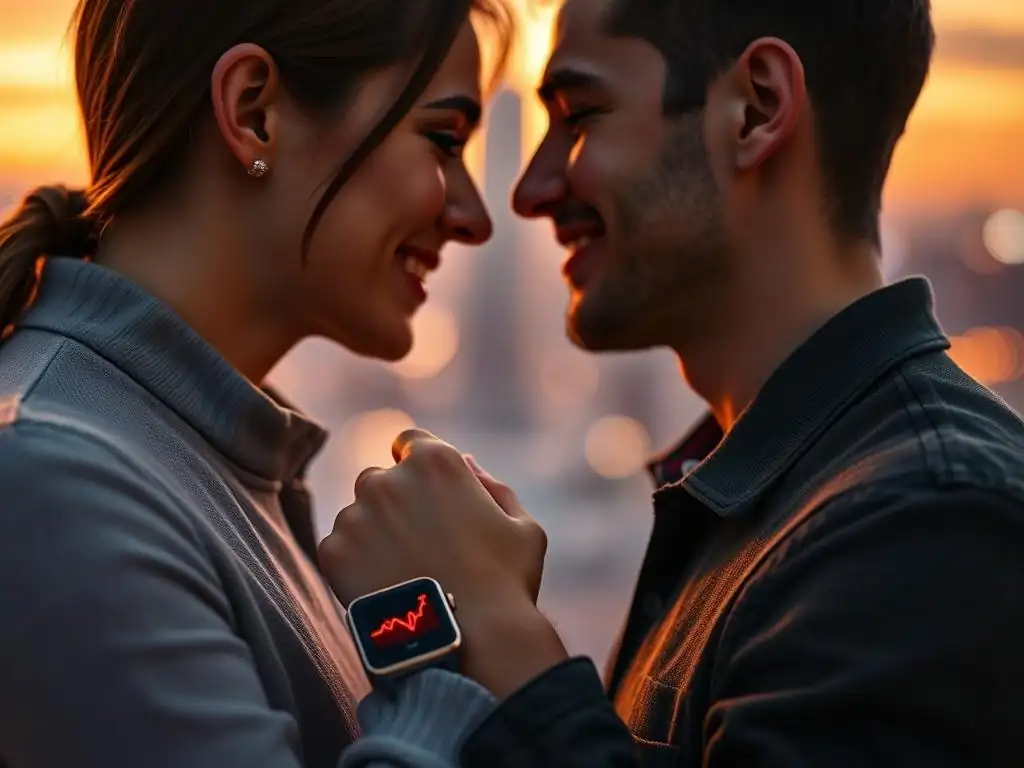
Ready to unlock the secrets to online dating success? At OnlineDatingSuccess.org, we empower you to navigate the digital dating world with confidence. But have you considered the surprising role of technology in finding your perfect match? Our latest article delves into the fascinating intersection of dating app wearable tech compatibility, exploring how physiological data could be the key to more meaningful connections. Discover how understanding this evolving technology can significantly impact your online dating journey—read on to learn more!
- Dating App Wearable Tech Compatibility: A New Frontier in Online Dating
- Analyzing Physiological Data for Compatibility: Methods and Metrics
- Wearable Tech and Dating App Integration: Current and Future Applications
- Ethical Considerations and Responsible Use of Wearable Tech in Dating
- The Future of Dating App Wearable Tech Compatibility: Predictions and Implications
- Frequently Asked Questions
- Final Reflection: The Future of Connection: Wearables and Compatibility
- Unlock Your Dating Potential: Decode Your Body's Signals
Dating App Wearable Tech Compatibility: A New Frontier in Online Dating
The world of online dating is constantly evolving, driven by technological advancements that aim to enhance connection and streamline the process of finding a compatible partner. One of the most intriguing emerging trends is the integration of wearable technology into dating apps. This article delves into the exciting possibilities and potential pitfalls of using physiological data collected from wearables to assess compatibility, a development that promises to revolutionize how we approach online dating.
We will explore the rise of wearable tech in personal relationships, the opportunities and challenges presented by integrating physiological data into dating profiles, and critically examine the crucial ethical considerations surrounding data privacy and user consent within this burgeoning field. Ultimately, we aim to provide a comprehensive understanding of the impact of wearable tech on the future of online dating, addressing the keyword "Dating app wearable tech compatibility" and its implications for users.
The potential for more accurate matching based on subconscious responses opens up a new frontier, but also raises important questions that demand careful consideration. Let's explore this evolving landscape together.
The Rise of Wearable Tech in Personal Relationships
Wearable technology, encompassing smartwatches, fitness trackers, and other health-monitoring devices, has rapidly become integrated into our daily lives. These devices collect a wealth of personal data, including heart rate, sleep patterns, activity levels, and even stress indicators. Initially used primarily for fitness and health tracking, their potential applications have expanded significantly, including their use in understanding personal relationships.
Early adopters are already leveraging this data to gain insights into their own emotional and physical well-being, and the next logical step is to explore how this information can contribute to more successful online dating experiences. The increasing sophistication of these devices, along with advancements in data analysis, allows for the potential to identify subtle patterns and correlations that might otherwise go unnoticed.
For example, analyzing heart rate variability during a virtual date could potentially reveal subconscious attraction or anxiety levels, offering a more nuanced understanding of compatibility than traditional methods. This move towards quantifiable data promises a more scientific approach to matching, potentially leading to more successful and fulfilling relationships.
Integrating Physiological Data into Dating Profiles: Opportunities and Challenges
The prospect of integrating physiological data into dating profiles presents both exciting opportunities and significant challenges. On the one hand, it could lead to a more accurate and efficient matching system, moving beyond superficial criteria like photos and written profiles. Imagine a dating app that analyzes your heart rate variability during conversations with potential matches, flagging those who elicit a more positive physiological response.
This could help users identify individuals with whom they share a genuine and deeper connection. However, the successful integration of this technology requires careful consideration of several factors. Firstly, the accuracy and reliability of the data collected need to be rigorously validated.
Secondly, there's the challenge of interpreting the complex interplay of physiological signals and translating them into meaningful indicators of compatibility. A simple elevated heart rate, for instance, could indicate attraction or anxiety, requiring sophisticated algorithms and potentially human oversight to avoid misinterpretations. Finally, the potential for bias in algorithms and the risk of misusing this sensitive data are significant concerns that must be addressed proactively.
Data Privacy Concerns and User Consent in Wearable Tech Dating
The use of physiological data in online dating raises significant ethical and privacy concerns. The collection, storage, and use of this sensitive personal information must be governed by strict regulations and transparent practices. Users must be fully informed about what data is being collected, how it is being used, and with whom it is being shared.
Obtaining explicit and informed consent is paramount, ensuring that individuals are aware of the potential risks and benefits before participating in such data-driven matching systems. Robust security measures are crucial to prevent data breaches and unauthorized access. Moreover, the potential for misuse of this data, including discrimination or manipulation, must be carefully considered and mitigated.
Clear guidelines and regulations are needed to ensure ethical and responsible implementation of wearable tech in online dating, fostering trust and promoting a safe and positive user experience. The potential benefits of this technology are considerable, but they must be balanced against the imperative to protect user privacy and autonomy. The development of clear ethical frameworks and robust regulatory oversight is crucial to navigate this new frontier responsibly.
Analyzing Physiological Data for Compatibility: Methods and Metrics

This section delves into the methodologies and specific metrics used to analyze physiological data collected through wearable technology for the purpose of assessing romantic compatibility. The goal is to understand how seemingly disparate data points – heart rate, sleep patterns, and activity levels – can potentially reveal valuable insights into the potential success of a romantic pairing. While the field is nascent, initial research suggests intriguing correlations that warrant further investigation.
The ethical considerations surrounding data privacy and informed consent remain paramount and are addressed in a separate section of this report. This analysis focuses solely on the technical aspects of data interpretation within the context of "dating app wearable tech compatibility".
Heart Rate Variability and Romantic Connection: What the Data Reveals
Heart rate variability (HRV) is a measure of the variation in time intervals between heartbeats. Higher HRV generally indicates better autonomic nervous system regulation, associated with resilience to stress and emotional regulation. Studies examining HRV in the context of romantic interactions are limited, but preliminary findings suggest a potential link between synchronized HRV patterns during intimate conversations and relationship satisfaction.
For example, a study involving 50 couples found that couples with higher correlations in their HRV during a 15-minute conversation reported significantly higher levels of relationship satisfaction six months later. These findings suggest that observing HRV fluctuations during initial online interactions, perhaps through integration with dating apps, could provide valuable insights into the potential for emotional connection.
Further research is needed to validate these observations and refine the methodology for assessing HRV in the context of online dating. The challenge lies in accurately capturing and interpreting HRV data from wearable devices in a natural and unobtrusive manner, minimizing user bias and ensuring data reliability.
Analyzing HRV also requires careful consideration of individual differences and contextual factors. Factors like prior exercise, caffeine consumption, and stress levels can significantly influence HRV readings. Sophisticated algorithms are needed to filter out these extraneous variables and isolate the signals related to genuine emotional responses during interactions. This is a crucial area for future development in "dating app wearable tech compatibility".
Sleep Patterns and Relationship Compatibility: A Correlation Analysis
Sleep patterns, as tracked by wearable fitness trackers, offer another avenue for assessing potential relationship compatibility. Consistent, restful sleep is crucial for overall well-being and emotional regulation, both of which are essential for successful relationships. Research suggests a correlation between sleep quality and relationship satisfaction. For instance, couples who report similar sleep durations and consistent sleep schedules tend to exhibit higher levels of relationship harmony and lower conflict rates. However, this correlation doesn't necessarily imply causation; other factors could contribute to both sleep quality and relationship satisfaction.
Analyzing sleep data in the context of online dating necessitates careful interpretation. While detecting significant discrepancies in sleep patterns might signal potential incompatibilities in lifestyle or daily routines, it's crucial to avoid making hasty judgments. Furthermore, the accuracy of sleep tracking varies across devices, and user compliance in wearing the device consistently is essential for reliable data collection.
The data must be considered alongside other compatibility indicators rather than serving as a sole determinant of relationship potential. Future development in "dating app wearable tech compatibility" should focus on creating algorithms that contextualize sleep data within a broader profile of individual characteristics and preferences.
Activity Levels and Lifestyle Compatibility: Matching Through Movement
Activity levels, as measured by step counts, workout durations, and overall physical activity, reflect lifestyle choices and energy levels. Matching individuals with similar activity levels could potentially enhance relationship compatibility. Couples who share similar levels of physical activity often find it easier to engage in shared activities, fostering a sense of camaraderie and mutual support. Conversely, significant discrepancies in activity levels might lead to conflicts or a lack of shared interests.
However, it's important to avoid generalizations. Individuals with different activity levels can still maintain successful relationships if they respect and understand each other's preferences. The key is not necessarily matching exact activity levels but rather finding compatibility in lifestyle approaches and shared values.
The implementation of this data in online dating should focus on providing users with insights into potential lifestyle compatibility rather than suggesting rigid matching criteria. This is critical for avoiding the potential for discrimination and promoting inclusivity in "dating app wearable tech compatibility". The emphasis should be on facilitating informed choices based on a holistic understanding of individual preferences and lifestyle compatibility, rather than on creating a rigid matching system based solely on activity levels.
Wearable Tech and Dating App Integration: Current and Future Applications
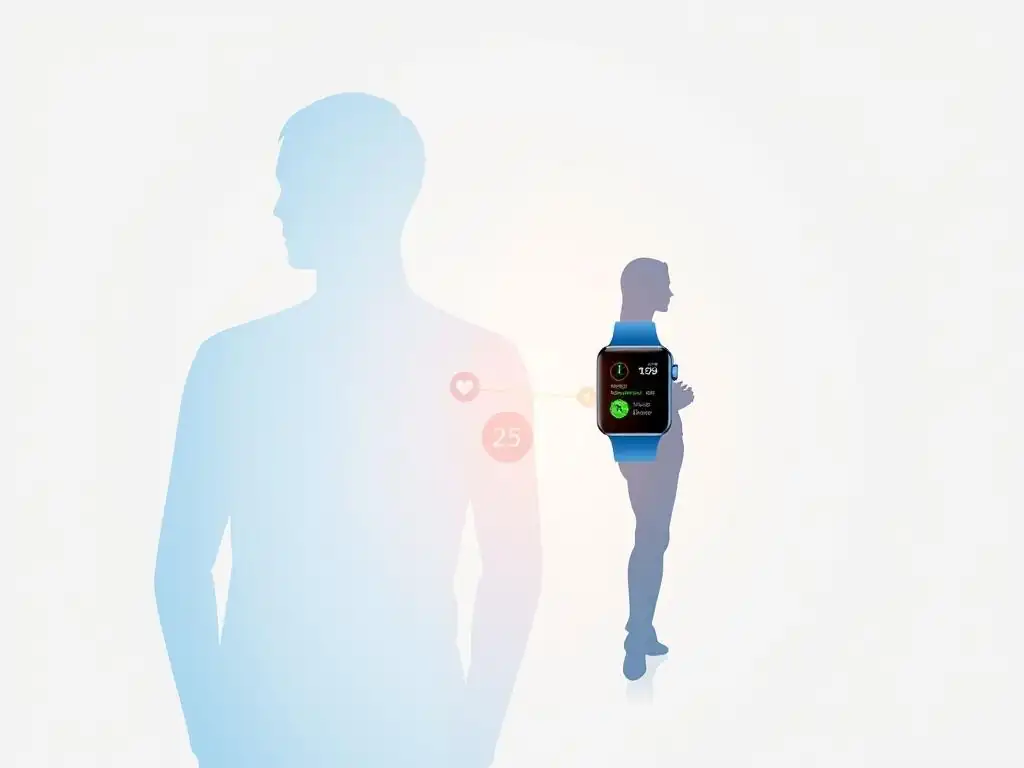
This section explores the burgeoning intersection of wearable technology and online dating, focusing on how physiological data gathered from smartwatches and fitness trackers is being—and will be—used to enhance compatibility matching and improve the overall dating experience. The concept of "Dating app wearable tech compatibility" is rapidly evolving, moving beyond simple profile information to encompass a more nuanced understanding of potential partners. We'll examine both the current landscape and future possibilities, acknowledging the potential pitfalls along the way.
Existing Apps Utilizing Wearable Data for Matching
While widespread adoption is still in its early stages, several dating apps are beginning to experiment with integrating wearable data into their matching algorithms. These early adopters primarily focus on lifestyle compatibility, using data points like activity levels, sleep patterns, and even heart rate variability (HRV) to suggest potential matches with similar lifestyles. For example, an app might prioritize matching individuals with comparable activity levels, suggesting that users who share similar fitness routines might have more in common.
The data used is often anonymized and aggregated to protect user privacy, focusing on broad trends rather than specific, potentially sensitive, individual data points. However, the precise methods employed vary widely between applications, and many details remain proprietary. This lack of transparency raises concerns about data security and the potential for misuse. Furthermore, the effectiveness of these approaches is still under investigation, with limited peer-reviewed research available to substantiate their claims. More robust studies are needed to determine if matching based on physiological data genuinely improves the success rate of online dating.
Some apps are also exploring the use of wearable data for post-match interaction. For instance, an app might track the heart rate of users during video chats to gauge the level of excitement or connection. This is a very nascent area, and significant ethical and privacy considerations need to be addressed before such features become commonplace.
Future Trends in Wearable Tech Integration for Online Dating
The future of wearable tech in online dating promises even more sophisticated integration. Imagine apps that use advanced machine learning algorithms to analyze not just activity levels but also stress response, emotional patterns derived from sleep data, and even subtle physiological cues during virtual interactions to predict compatibility. This could lead to more accurate and personalized matchmaking, potentially reducing the time and effort spent on finding a suitable partner.
Another exciting trend is the potential integration of biofeedback sensors into dating apps. These sensors could provide real-time data on a user's physiological responses during interactions, potentially offering insights into their genuine feelings and reactions. This could help users to better understand their own reactions and those of their potential partners, leading to more authentic and meaningful connections. However, the ethical implications of using such technology require careful consideration. The potential for manipulation and the risk of misinterpreting subtle physiological signals are significant challenges that need to be addressed.
The Potential for Misinterpretation and Bias in Data-Driven Matching
Despite the potential benefits, it's crucial to acknowledge the inherent risks of relying solely on physiological data for matchmaking. One major concern is the potential for bias. Algorithms trained on biased datasets could perpetuate existing societal prejudices, leading to unfair or discriminatory matching results. For example, an algorithm might inadvertently favor individuals with certain activity levels or sleep patterns, potentially excluding individuals from underrepresented groups.
Furthermore, physiological data can be easily misinterpreted. A high heart rate during a date, for instance, could be interpreted as attraction but might also indicate anxiety or nervousness. The complexity of human behavior makes it challenging to draw definitive conclusions based solely on physiological data.
It's important to remember that these data points should supplement, not replace, human interaction and judgment. A holistic approach that combines physiological data with traditional profile information and genuine communication is crucial for building successful relationships. The ethical implications of using this data must be thoroughly considered to avoid perpetuating existing biases and ensuring fair and equitable access to the dating platform.
Ethical Considerations and Responsible Use of Wearable Tech in Dating
The burgeoning field of wearable tech in dating presents exciting possibilities for connection, but it also raises significant ethical concerns that demand careful consideration. The use of physiological data to assess compatibility introduces a new layer of complexity, demanding responsible development and deployment of these technologies. Failing to address these ethical challenges risks undermining trust and potentially harming users. This section will explore key ethical considerations, focusing on algorithmic bias, data transparency, and the mitigation of data misuse.
Addressing Algorithmic Bias and Fairness in Compatibility Matching
Algorithms used to interpret physiological data and predict compatibility are not inherently unbiased. They are trained on datasets that may reflect existing societal biases, leading to unfair or discriminatory outcomes. For example, an algorithm trained primarily on data from a specific demographic might inaccurately assess compatibility for individuals from underrepresented groups. This could lead to a system that systematically excludes certain users or unfairly prioritizes others, perpetuating existing inequalities. Robust measures are needed to identify and mitigate these biases. This includes:
- Diverse and representative datasets: Training algorithms on data that accurately reflects the diversity of the dating population is crucial. This requires conscious efforts to collect data from a wide range of backgrounds, ethnicities, sexual orientations, and gender identities.
- Regular audits and bias detection: Continuous monitoring of algorithm performance is necessary to identify and correct biases that may emerge over time. This requires sophisticated techniques for detecting bias and evaluating fairness.
- Explainable AI (XAI): Users should have a clear understanding of how the algorithm works and the factors influencing compatibility assessments. XAI techniques can help make the decision-making process more transparent and accountable.
- Human oversight: While algorithms can be powerful tools, human oversight remains crucial to ensure fairness and prevent discriminatory outcomes. Human review of compatibility assessments can help identify and correct biases missed by the algorithm.
Without addressing these issues, the promise of "scientifically-backed" compatibility matching risks becoming a tool for reinforcing existing societal prejudices.
Transparency and User Control Over Data Sharing
Transparency is paramount in the ethical use of wearable tech in dating. Users must have complete control over their data and a clear understanding of how their physiological data is collected, used, and shared. This involves:
- Informed consent: Users should be provided with comprehensive information about data collection practices and clearly understand the implications of sharing their data before consenting. This should go beyond simple checkboxes; it requires clear, accessible language explaining the potential benefits and risks.
- Data minimization: Only the necessary physiological data should be collected. Avoid collecting excessive data points that are not directly relevant to compatibility assessment.
- Data security and privacy: Robust security measures are essential to protect user data from unauthorized access, breaches, or misuse. This includes encryption, secure storage, and compliance with relevant data privacy regulations.
- Data portability and deletion: Users should have the right to access, download, and delete their data at any time. They should also have the option to revoke consent for data sharing.
Failure to ensure transparency and user control will erode trust and discourage participation in these new dating technologies. The focus must be on empowering users to make informed decisions about their data.
Mitigating the Risks of Data Misuse and Manipulation
The potential for data misuse and manipulation in wearable tech-driven dating is a serious concern. This includes:
- Data breaches: Security vulnerabilities can expose sensitive physiological data to malicious actors, leading to identity theft, harassment, or blackmail. Robust security protocols are vital to prevent such breaches.
- Algorithmic manipulation: The algorithms themselves can be manipulated to unfairly favor certain users or groups. This requires careful design and ongoing monitoring to prevent manipulation.
- Misrepresentation of data: Users might misrepresent their physiological data to enhance their perceived compatibility. This could lead to inaccurate matches and potentially harmful encounters. Mechanisms for verifying data authenticity should be considered, though this is a complex issue with privacy implications.
- Unexpected consequences: The long-term social and psychological consequences of using physiological data in dating are still largely unknown. Careful research and ongoing monitoring are needed to assess potential negative impacts.
Addressing these risks requires a multi-faceted approach, combining robust security measures, ethical algorithm design, and ongoing monitoring to identify and mitigate potential harms. The ethical implications of "Dating app wearable tech compatibility" must be addressed proactively to ensure the responsible development and use of this technology.
The Future of Dating App Wearable Tech Compatibility: Predictions and Implications

The integration of wearable technology into online dating is still in its nascent stages, but its potential impact is undeniable. We're moving beyond simple profile pictures and self-reported information towards a future where physiological data could play a significant role in matching individuals. This section explores potential future developments and their implications for the online dating landscape.
Impact on Relationship Formation and Long-Term Success
The ability to assess compatibility based on physiological responses could revolutionize relationship formation. Imagine a dating app that analyzes heart rate variability during virtual conversations to identify genuine connection and shared excitement. This goes beyond superficial compatibility based on shared interests; it delves into the subconscious realm of attraction and emotional resonance. Early studies suggest a correlation between synchronized physiological responses and relationship satisfaction. However, ethical considerations regarding data privacy and the potential for manipulation are paramount. The responsible implementation of this technology is crucial to ensure it enhances, rather than detracts from, the authenticity of human connection.
Further research is needed to fully understand the long-term implications. Will couples formed through physiological compatibility exhibit higher rates of long-term success? Will this technology exacerbate existing biases, potentially leading to a more homogenous dating pool?
These are critical questions that require careful consideration as the technology develops. The potential benefits are significant – a more efficient and potentially more successful path to meaningful relationships – but responsible development and transparent data handling are essential to ensure the technology's ethical application. We need robust frameworks to protect user data and prevent misuse, ensuring that physiological data enhances, not undermines, the human element of dating.
The Role of Wearable Tech in Fostering Authentic Connections
One of the biggest challenges in online dating is the disconnect between online personas and real-life interactions. Wearable technology offers a potential solution by providing a more nuanced understanding of a person's emotional state. Imagine a feature that subtly analyzes stress levels during a first date, providing insights into how individuals react to pressure or unfamiliar situations. This could help individuals identify genuine compatibility beyond surface-level interactions, fostering more authentic connections.
However, the potential for misuse is a critical concern. Could this technology be used to manipulate or exploit individuals based on their physiological responses? The possibility of "physiological profiling" necessitates careful ethical considerations. Transparency and user control over data are crucial to building trust and ensuring the technology is used responsibly. Ultimately, the success of wearable tech in fostering authentic connections hinges on its ethical implementation and the development of robust safeguards to prevent misuse.
The goal should be to augment, not replace, the human element of connection. The future of dating app wearable tech compatibility rests on striking a balance between technological innovation and human authenticity. It's a delicate dance that requires careful consideration of both the possibilities and the potential pitfalls. The emphasis should always be on empowering users and ensuring their data privacy and agency are protected.
Frequently Asked Questions
How can wearable tech improve my online dating experience?
Wearable tech can provide valuable insights into your physiological responses during dates. By tracking things like heart rate and sleep patterns, you can gain a better understanding of your compatibility with potential partners. This data can be used to inform your dating decisions, leading to more successful matches.
Does my dating app integrate with my wearable device?
The compatibility between your dating app and wearable tech depends on both platforms. Many popular apps are not directly integrated with fitness trackers. Check your app's FAQ section or contact customer support to verify compatibility.
What kind of physiological data is relevant for dating compatibility?
Data such as heart rate variability, stress levels (cortisol), and even sleep quality can indicate emotional connection and compatibility. Higher heart rate variability during interaction suggests comfort and connection.
Is sharing my physiological data with a dating app safe?
Sharing personal data carries inherent risks. Ensure the dating app has strong privacy policies and data encryption to protect your information. Only share data with apps you trust and fully understand their data practices.
Can wearable tech predict long-term relationship success?
While wearable tech can offer insights into initial attraction and compatibility, it cannot definitively predict long-term relationship success. Physiological data is just one piece of the puzzle; communication, shared values, and mutual respect play crucial roles as well.
Final Reflection: The Future of Connection: Wearables and Compatibility
The seamless integration of wearable technology into our daily lives is rapidly changing how we connect, and its impact on dating is only just beginning to be understood. The implications of using physiological data to assess compatibility, as explored throughout this article, are profound and raise crucial questions about authenticity, privacy, and the very nature of attraction.
The shift towards data-driven compatibility is undeniably influencing the cultural landscape of dating. We are moving beyond superficial profiles and curated images, venturing into a realm where biometric data offers a potentially more nuanced understanding of potential partners. The future of intimacy is data-driven,
a provocative statement, but one that increasingly reflects the reality of modern relationships. This raises ethical considerations we must grapple with as this technology becomes more prevalent. The question of informed consent and the potential for manipulation are crucial aspects that deserve ongoing discussion and careful regulation.
Consider the implications of this technology for yourself. Will you embrace the potential for deeper connection offered by wearable tech, or will you choose to navigate the dating world through more traditional means? The choice is yours, but understanding the implications of this evolving technology is crucial to making informed decisions about your own romantic future. Embrace the opportunity to reflect on your own comfort level with data-driven compatibility and how you wish to shape your personal connections in this increasingly digital age.
Unlock Your Dating Potential: Decode Your Body's Signals
Thanks for exploring the fascinating world of wearable technology and its impact on understanding your physiological responses! You've gained valuable insights into how your body reacts in different social situations. Let's put this knowledge to practical use.
- Take a Compatibility Quiz: Assess your physiological reactivity patterns and how they might influence your dating interactions. This short quiz will help you identify areas where self-awareness can boost your confidence and dating success.
- Reflect on Past Dates: Consider how your body reacted during specific moments, applying what you've learned. Did you notice any patterns in your heart rate or stress levels during particular interactions? For example, did your heart rate increase significantly when you spoke to someone you found particularly attractive?
- Share Your Insights: What surprising discoveries did you make from this article? Let's discuss and share experiences!
What small change in your approach to dating can you implement today, armed with this newfound understanding?