
Stop Letting Dating Triggers Control You: A Guide for Anxious Daters


Ready to transform your online dating experience? At OnlineDatingSuccess.org, we understand the challenges of navigating the digital dating world. Feeling overwhelmed by dating anxiety? Our expert guide on managing dating anxiety triggers will equip you with practical strategies to overcome your fears and build confidence, leading you towards more fulfilling connections. Discover how to unlock your dating potential and finally find the relationship you deserve—let's get started!
- Understanding Your Dating Anxiety Triggers
- Strategies to Manage Dating Anxiety Triggers
- Building Resilience and Self-Compassion
- Seeking Professional Support for Dating Anxiety
- Creating a Safe and Supportive Dating Environment
- Long-Term Strategies for Managing Dating Anxiety
- Frequently Asked Questions
- Final Reflection: Reclaiming Your Dating Narrative
- Unleash Your Dating Confidence: Take Control Now!
Understanding Your Dating Anxiety Triggers
Online dating, while offering incredible opportunities for connection, can be a minefield for individuals struggling with anxiety. The constant influx of messages, the pressure of presenting your best self, the uncertainty of reciprocation – these are all potential triggers that can amplify existing anxieties and derail the entire dating experience. This guide is designed to help you, the anxious dater, navigate these challenges.
We will explore common dating triggers, help you identify your personal triggers, and uncover the link between your attachment style and the anxieties you experience in the online dating world. Ultimately, the goal is to empower you to manage dating anxiety triggers effectively and build healthier, more fulfilling relationships. Understanding your triggers is the first crucial step towards reclaiming control and finding lasting love.
Learning to manage these triggers isn't about eliminating anxiety entirely (that's unrealistic! ), but about developing coping mechanisms and strategies to navigate them with grace and self-compassion.
Identifying Common Dating Triggers for Anxious Daters
Many anxious daters share common triggers. Recognizing these patterns can provide a sense of validation and help you feel less alone in your experience. Some frequently reported triggers include:
- Slow or inconsistent responses: The dreaded "read receipt" without a reply. The agonizing wait for a message back can spiral into negative self-talk and a fear of rejection. 💔
- Lack of initiation: When the other person doesn't initiate contact, it can fuel anxieties about their interest and your worthiness.
- Mixed signals: Ambiguous messages or actions can leave anxious daters feeling confused and insecure, leading to overthinking and heightened anxiety. 🤔
- Fear of rejection: This is a pervasive trigger for many. The possibility of being ignored or rejected can trigger intense feelings of self-doubt and inadequacy.
- Comparison to others: Scrolling through other profiles and comparing yourself to others is a common trigger that can lead to feelings of inadequacy and low self-esteem.
- Pressure to present a perfect image: The pressure to create a flawless online profile and maintain a certain image can be incredibly stressful and anxiety-inducing. Perfectionism is a common enemy of genuine connection. 🤳
- First date anxieties: The anticipation and uncertainty surrounding a first date can trigger significant anxiety, leading to overthinking and self-sabotaging behaviors.
- Ghosting and Breadcrumbing: Experiencing these hurtful behaviors can significantly impact self-esteem and exacerbate existing anxieties, reinforcing negative patterns.
It's important to note that the intensity of these triggers varies from person to person. What might be a minor inconvenience for one person could be a major setback for another. Self-awareness is key.
Recognizing Your Personal Dating Anxiety Triggers
While the common triggers listed above provide a helpful starting point, it's crucial to identify your specific personal triggers. Take some time for honest self-reflection. Consider keeping a journal to track your emotional responses in different dating scenarios. Ask yourself questions like:
- What specific situations or interactions consistently lead to heightened anxiety?
- What thoughts or feelings accompany these anxious responses?
- Are there patterns in the types of people or interactions that trigger your anxiety?
- What physical sensations do you experience (e.g., rapid heartbeat, shortness of breath)?
By carefully observing your reactions, you'll gain a clearer understanding of your unique triggers and develop personalized strategies to manage them. This self-awareness is a powerful tool in overcoming dating anxiety.
The Connection Between Attachment Style and Dating Triggers
Your attachment style significantly influences how you experience and react to dating triggers. For instance, individuals with an anxious-preoccupied attachment style may be more prone to intense anxieties related to rejection, abandonment, and lack of responsiveness. Understanding your attachment style can provide valuable insight into the root causes of your dating anxiety and inform more effective coping strategies.
Recognizing this connection allows for a more compassionate and self-aware approach to managing your triggers, fostering healthier relationship patterns. There are resources available to help you understand and identify your attachment style, which can be a valuable addition to your self-help journey.
Strategies to Manage Dating Anxiety Triggers

Dating can be exciting, but for those with anxiety, it can also be a minefield of triggers. Learning to manage these triggers is crucial for a positive online dating experience and building healthy relationships. This section provides practical strategies to help you navigate the anxieties associated with online dating, fostering a more confident and enjoyable journey. Remember, managing dating anxiety is a process, not a destination. Be patient with yourself and celebrate your progress along the way.
Mindfulness Techniques for Reducing Dating App Anxiety
The constant notifications, the pressure of crafting the perfect profile, and the uncertainty of responses – online dating can be incredibly stimulating for anxious individuals. Mindfulness techniques offer a powerful antidote. By focusing on the present moment, you can detach from the overwhelming thoughts and anxieties that often accompany online dating.
One effective technique is mindful breathing. When you feel the anxiety rising from checking your dating app, take a few deep, slow breaths. Focus on the sensation of the air entering and leaving your body. Notice the rise and fall of your chest or abdomen. This simple practice can help calm your nervous system and reduce feelings of overwhelm.
Another useful approach is a body scan meditation. This involves systematically bringing your attention to different parts of your body, noticing any sensations without judgment. This helps you become more aware of your physical responses to anxiety, such as muscle tension or a racing heart, allowing you to manage them more effectively. Even five minutes of mindful breathing or a body scan can significantly reduce dating app anxiety.
Consider incorporating mindfulness into your daily routine, even outside of the context of dating apps. This cultivates a consistent practice, making it easier to access these tools when facing dating-related anxieties. Practicing mindfulness regularly can improve your overall sense of well-being and resilience, leading to a more positive and manageable online dating experience.
Cognitive Restructuring: Challenging Negative Dating Thoughts
Many anxieties stem from negative thought patterns. Cognitive restructuring involves identifying and challenging these unhelpful thoughts, replacing them with more realistic and balanced perspectives.
For example, if you receive a limited number of matches or messages, you might automatically assume you're undesirable or unlovable. Cognitive restructuring encourages you to question this assumption. Ask yourself: Is this really true? What evidence supports this thought? Are there alternative explanations? Perhaps the app's algorithm isn't showing your profile to the right people, or the people you're interested in might be less active.
Another common negative thought is catastrophizing – anticipating the worst possible outcome. "If I go on a date, it'll be a disaster." Cognitive restructuring helps you challenge this by asking: What's the most likely outcome? What's the worst that could really happen? And even if the worst did happen, how could I cope with it? By acknowledging and reframing these negative thoughts, you can reduce their power and foster a more positive outlook on dating.
Grounding Techniques for Managing Overwhelming Emotions During Dates
Dates can be emotionally charged, even for those without anxiety. For anxious daters, the pressure can be amplified, leading to overwhelming feelings. Grounding techniques help you reconnect with the present moment and manage intense emotions during dates.
One simple grounding technique is the 5-4-3-2-1 method. Name five things you can see, four things you can touch, three things you can hear, two things you can smell, and one thing you can taste. This focuses your attention on your immediate surroundings, anchoring you in the present and distracting you from anxious thoughts.
Another effective technique is to focus on your senses. Pay close attention to the textures of your clothing, the temperature of your drink, or the taste of your food. This helps you shift your focus away from internal anxieties and ground yourself in the physical world. Remember, these techniques are not about suppressing your feelings but about managing them effectively so you can fully engage in the dating experience. Practice these techniques regularly to improve your ability to manage overwhelming emotions in various situations, not just dates.
| Technique | Description | Benefits |
|---|---|---|
| Mindful Breathing | Focusing on the sensation of breath entering and leaving the body. | Calms nervous system, reduces overwhelm. |
| Body Scan Meditation | Systematically bringing attention to different parts of the body, noticing sensations without judgment. | Increases body awareness, manages physical anxiety responses. |
| 5-4-3-2-1 Method | Identifying five things you see, four you touch, three you hear, two you smell, and one you taste. | Anchors you in the present, distracts from anxious thoughts. |
| Sensory Focus | Paying close attention to the textures, temperatures, tastes, and smells in your immediate environment. | Shifts focus from internal anxieties, grounds you in the physical world. |
Remember, managing dating anxiety is a journey. Be kind to yourself, and don't hesitate to seek professional help if needed.
Setting Realistic Expectations in Online Dating to Reduce Anxiety
Online dating, while offering exciting possibilities, often fuels anxiety due to unrealistic expectations. Many users fall prey to the curated perfection presented on profiles, leading to disappointment and heightened anxiety when reality doesn't match the idealized image. Managing these expectations is crucial for mitigating dating anxiety triggers.
One of the most common pitfalls is comparing oneself to others. Scrolling through seemingly perfect profiles can trigger feelings of inadequacy and self-doubt. Remember that online profiles are often highly edited snapshots, showcasing only the best aspects of a person's life. They rarely reflect the full complexity of a person's personality or experiences. Focus on presenting your authentic self, rather than striving for an unattainable ideal.
Another significant source of unrealistic expectations stems from the sheer volume of potential matches. The abundance of choice can be overwhelming, leading to anxiety about making the "right" decision. Instead of viewing each profile as a potential soulmate, approach online dating as a process of exploration and discovery. Give yourself permission to connect with several people, explore different types of relationships, and learn what you truly desire in a partner. This approach reduces the pressure of finding "the one" immediately, thus easing anxiety.
Furthermore, avoid fixating on immediate results. Online dating is not a quick fix; it requires patience and persistence. Don't be discouraged by initial setbacks or lack of immediate success. Instead, view each interaction as an opportunity for growth and self-discovery.
Celebrate small victories, such as engaging in meaningful conversations or going on a pleasant date, rather than focusing solely on finding a long-term partner immediately. This shift in perspective can significantly reduce the pressure and anxiety associated with online dating. Remember, building meaningful connections takes time and effort, and focusing on the journey rather than the destination can significantly alleviate anxiety. This process allows for a more genuine and less pressured approach to online dating, leading to healthier relationships and reduced anxiety.
Finally, understanding that rejection is a normal part of the process is essential. Not every connection will lead to a lasting relationship, and that's okay. Rejection is not a reflection of your worth; it simply means that you and the other person weren't a match. Learning to accept rejection gracefully, without internalizing it, is a key step towards managing dating anxiety triggers. By embracing a more realistic and compassionate approach to online dating, you can significantly reduce the anxiety it often produces.
Building Resilience and Self-Compassion
Dating, especially online dating, can be a rollercoaster of emotions. Rejection, ghosting, and the pressure to present a perfect online persona can trigger intense anxiety for those with anxious attachment styles. Learning to manage these dating anxiety triggers is crucial for building resilience and fostering a healthier approach to finding love. This section focuses on practical strategies to cultivate self-compassion and develop effective coping mechanisms. Understanding how to manage these triggers will allow you to navigate the online dating world with greater confidence and emotional stability. Remember, building resilience is a journey, not a destination.
Practicing Self-Compassion During Dating Setbacks
Dating setbacks are inevitable. Rejection, for example, is a common experience, even for those with secure attachment styles. However, for individuals with anxious attachment, these setbacks can be particularly challenging, leading to negative self-talk and spiraling anxiety. Practicing self-compassion is key to mitigating these effects. Instead of criticizing yourself after a bad date or a lack of responses, try treating yourself with the same kindness and understanding you would offer a close friend in a similar situation.
Here's a practical exercise: Imagine a friend confiding in you about a difficult dating experience. What would you say to comfort them? Now, direct those same words of encouragement and empathy towards yourself. Acknowledge your feelings without judgment. Phrases like, "It's okay to feel hurt," or "This doesn't define your worth," can be incredibly powerful. Remember, setbacks are opportunities for growth and learning, not indicators of failure. Self-compassion allows you to process these experiences constructively, fostering resilience and emotional healing. Consider journaling about your feelings after a disappointing dating encounter, focusing on self-soothing and positive self-talk.
Developing Healthy Coping Mechanisms for Dating Stress
Developing healthy coping mechanisms is essential for managing the stress associated with online dating. When anxiety triggers arise, it's vital to have a toolbox of strategies readily available. These strategies should help regulate your emotions and prevent anxious thoughts from escalating.
Here are some examples of effective coping mechanisms:
- Mindfulness and Meditation: Regular mindfulness practice can help you become more aware of your thoughts and feelings without judgment, allowing you to manage anxious thoughts more effectively. Even 5-10 minutes a day can make a significant difference.
- Deep Breathing Exercises: Deep, slow breaths can calm your nervous system and reduce feelings of anxiety. Practice box breathing (inhale for 4, hold for 4, exhale for 4, hold for 4) when feeling overwhelmed.
- Physical Activity: Exercise releases endorphins, which have mood-boosting effects. A brisk walk, a yoga session, or any physical activity you enjoy can help alleviate stress and improve your overall well-being.
- Connecting with Supportive Friends or Family: Talking to trusted individuals about your anxieties can provide valuable emotional support and perspective. Sharing your experiences can help you feel less alone and more understood.
- Engaging in Hobbies: Focusing on activities you enjoy can help distract you from anxious thoughts and provide a sense of accomplishment and self-worth. This is a great way to manage feelings of rejection or disappointment.
Remember to identify your personal triggers and develop coping mechanisms tailored to your specific needs. Experiment with different techniques to find what works best for you.
The Importance of Self-Care in Managing Dating Anxiety
Self-care is not a luxury; it's a necessity, especially when navigating the challenges of online dating. Prioritizing self-care practices helps regulate your emotional state, build resilience, and manage dating anxiety triggers effectively. Self-care encompasses a wide range of activities that nourish your physical, emotional, and mental well-being.
Consider incorporating these self-care strategies into your routine:
- Prioritizing Sleep: Aim for 7-8 hours of quality sleep each night. Sufficient sleep is crucial for regulating mood and reducing stress levels.
- Healthy Diet: Nourishing your body with healthy foods provides the energy and nutrients needed to cope with stress. Limit processed foods, sugar, and caffeine.
- Setting Boundaries: Learning to set healthy boundaries in your dating life is crucial for protecting your emotional well-being. This might involve limiting the time you spend online dating or declining dates that don't feel right.
- Time Management: Effective time management can reduce stress and prevent feeling overwhelmed. Prioritize tasks, break down large projects into smaller steps, and schedule time for relaxation.
- Mindful Social Media Use: Excessive social media use can exacerbate anxiety and feelings of inadequacy. Set limits on your screen time and be mindful of the content you consume.
By prioritizing self-care, you're investing in your overall well-being, building a strong foundation for managing dating anxiety and fostering healthier relationships. Remember, self-care is a personalized process. Experiment with different strategies to discover what works best for you and consistently incorporate them into your daily routine. This commitment to self-care will empower you to navigate the online dating world with greater confidence and emotional resilience.
Seeking Professional Support for Dating Anxiety
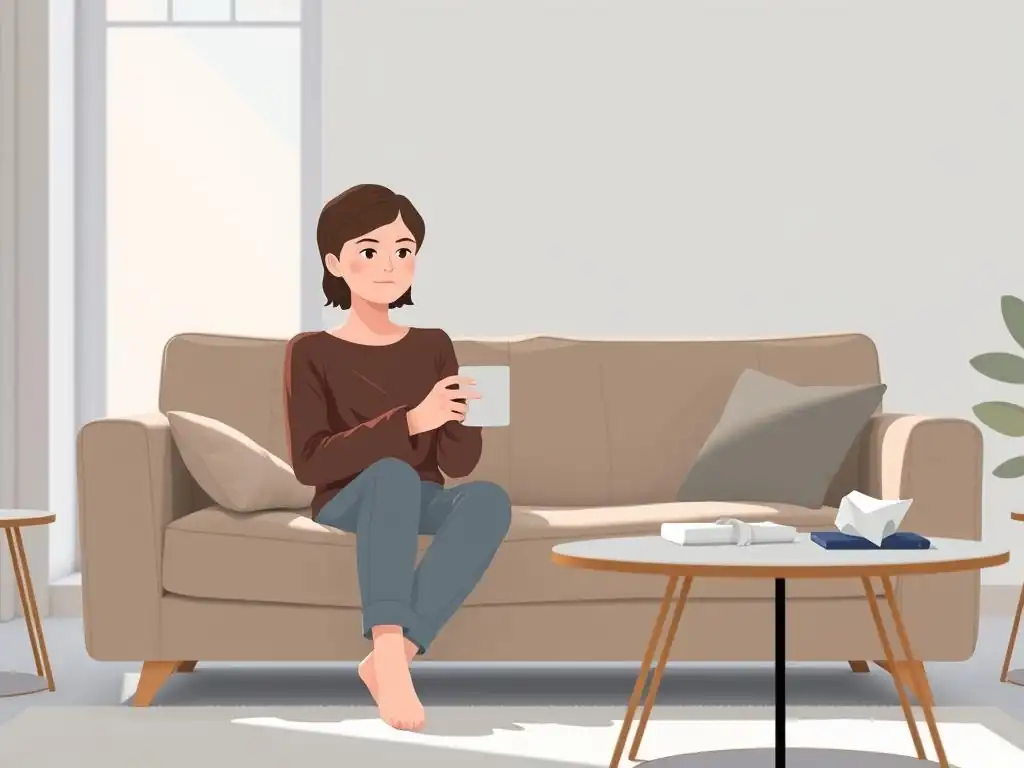
Dating can be emotionally taxing, and for individuals with anxious attachment styles, the experience can be amplified, leading to significant distress. While self-help strategies and the tips outlined in this guide are valuable, recognizing when professional support is necessary is crucial for managing dating anxiety triggers effectively. Ignoring persistent and overwhelming anxiety can hinder your ability to form healthy relationships and negatively impact your overall well-being. This section explores when to seek professional help and the types of therapy that can be particularly beneficial.
When to Seek Professional Help for Dating Anxiety
Knowing when to seek professional help can be challenging. It's not simply about feeling anxious; it's about the intensity, duration, and impact of that anxiety on your daily life. Consider seeking professional support if your dating anxiety:
- Significantly interferes with your daily life: Are you avoiding social situations entirely? Is your work performance suffering due to constant worry about dating? Is your sleep disrupted by ruminating on past dates or fearing future ones? These are strong indicators that professional help could be beneficial.
- Persists despite self-help efforts: Have you tried various self-help techniques, including those described in this article, yet your anxiety remains overwhelming and debilitating? This suggests that a more structured approach with a therapist might be necessary.
- Leads to unhealthy coping mechanisms: Are you self-medicating with alcohol or drugs to manage your anxiety? Are you engaging in behaviors that harm your relationships or self-esteem? These are serious signs requiring immediate professional intervention.
- Causes significant emotional distress: Are you experiencing persistent feelings of sadness, hopelessness, or worthlessness related to your dating experiences? These are symptoms that should not be ignored.
The threshold for seeking help is different for everyone. Trust your instincts. If your anxiety is causing you considerable distress and impacting your quality of life, don't hesitate to reach out for professional support. You deserve to navigate dating without being controlled by excessive anxiety. Remember, seeking help is a sign of strength, not weakness.
Types of Therapy Effective for Managing Dating Anxiety
Several therapeutic approaches have proven effective in managing dating anxiety, particularly for individuals with anxious attachment styles. These therapies often focus on identifying and modifying maladaptive thought patterns and behaviors related to dating and relationships.
- Cognitive Behavioral Therapy (CBT): CBT is a widely used and effective therapy that helps identify and challenge negative or unhelpful thought patterns (cognitive restructuring) and replace them with more realistic and positive ones. It also involves behavioral experiments to gradually expose individuals to anxiety-provoking situations in a safe and controlled manner. For example, a therapist might help you gradually increase your interaction with potential partners online or in person, building confidence along the way.
- Attachment-Based Therapy: This approach focuses specifically on understanding and resolving attachment insecurities that might contribute to dating anxiety. It helps individuals explore past relationship experiences and develop healthier attachment patterns. This can be particularly helpful in identifying and addressing the root causes of your anxiety.
- Acceptance and Commitment Therapy (ACT): ACT emphasizes accepting difficult emotions and thoughts related to dating without judgment, while committing to actions aligned with your values. Instead of trying to eliminate anxiety entirely, ACT helps you learn to manage it and move forward toward your relationship goals.
The best type of therapy for you will depend on your individual needs and preferences. Working with a therapist to determine the most suitable approach is crucial.
Finding a Therapist Specializing in Attachment Issues and Dating
Finding a therapist who understands anxious attachment and its impact on dating is essential. Here's how you can start your search:
- Online directories: Many online directories list therapists specializing in various areas, including attachment and relationship issues. You can filter your search based on location, insurance coverage, and areas of expertise.
- Referrals from your primary care physician or psychiatrist: Your doctor might be able to recommend therapists in your area who are familiar with anxiety and relationship challenges.
- Support groups: Attending support groups for individuals with anxiety or attachment issues can lead to valuable connections and referrals.
Remember, finding the right therapist takes time. Don't be discouraged if your first choice isn't the perfect fit. Continue your search until you find a therapist with whom you feel comfortable and confident. Taking this step is a significant investment in your emotional well-being and your ability to manage dating anxiety triggers effectively. It’s a proactive approach to building healthier and more fulfilling relationships.
Creating a Safe and Supportive Dating Environment

Navigating the world of online dating with anxiety can feel like walking a tightrope. Understanding and managing your dating anxiety triggers is crucial for a positive experience. This section focuses on proactively creating a safe and supportive environment, both online and offline, to minimize triggers and foster healthy dating habits. Remember, self-care is paramount in managing dating anxiety.
Setting Boundaries in Online and Offline Dating
Establishing clear boundaries is a cornerstone of managing dating anxiety triggers. These boundaries protect your emotional well-being and help you maintain control in potentially stressful situations. This isn't about being rigid or unapproachable; it's about self-respect and setting the tone for healthy interactions.
For example, you might decide to limit the amount of time you spend on dating apps each day to avoid feeling overwhelmed. Setting a specific timeframe – say, 30 minutes in the evenings – can prevent excessive scrolling and the potential for negative self-comparison. This is a simple yet effective boundary.
Another crucial boundary involves communication. You have the right to end conversations that feel uncomfortable or unsafe. Don't feel obligated to respond to every message or continue a date if you're feeling uneasy. A polite but firm "I'm not feeling a connection" is perfectly acceptable. This boundary protects you from potentially triggering interactions.
Consider also setting boundaries around sharing personal information. Avoid revealing sensitive details too early in the dating process. This helps to mitigate the risk of unwanted attention or manipulation, reducing anxiety-inducing situations. Start with general information, and gradually disclose more as you build trust and feel comfortable. Protecting your privacy is a significant aspect of managing dating anxiety triggers. Remember, you're in control of the information you share.
Finally, establishing offline boundaries is equally important. Always meet in public places for initial dates, and let a friend or family member know your plans, including the time, location, and the person you're meeting. This proactive approach can significantly reduce anxiety and enhance feelings of safety. Prioritizing your safety directly impacts your ability to manage dating anxiety triggers.
Choosing Dating Platforms that Prioritize Safety and Respect
The platform you choose can significantly influence your dating experience and your ability to manage dating anxiety triggers. Some platforms have better safety features and community guidelines than others. Researching and selecting a platform that prioritizes safety and respect is a proactive step towards mitigating anxiety.
Look for platforms with robust reporting mechanisms for inappropriate behavior. The ability to easily report harassment or unwanted advances is crucial for feeling safe and protected. Read user reviews and look for platforms with a reputation for a supportive and respectful community.
Consider platforms that offer verification options for users. While not foolproof, verified profiles can provide a degree of added security and reduce the risk of encountering fake profiles or scams, which can be major triggers for anxiety. A platform that actively works to maintain a safe environment directly contributes to managing dating anxiety triggers.
Having a strong support system is invaluable when navigating the complexities of online dating, especially when managing dating anxiety triggers. This support network can offer guidance, encouragement, and a safe space to process your experiences.
This might involve confiding in trusted friends or family members who understand your anxieties and can offer empathetic support. Sharing your experiences and challenges with them can help you feel less alone and more empowered to manage your triggers.
Consider joining a support group for anxious daters. Connecting with others who share similar experiences can provide valuable perspective and coping strategies. Sharing your struggles and hearing others' stories can foster a sense of community and reduce feelings of isolation.
Remember, seeking professional help is not a sign of weakness but a sign of strength. A therapist can provide personalized strategies for managing anxiety and develop coping mechanisms specific to your needs and triggers. Professional support is a powerful tool for navigating the challenges of online dating and managing dating anxiety triggers effectively.
Long-Term Strategies for Managing Dating Anxiety
This section focuses on developing long-term coping mechanisms to reduce the impact of dating anxiety triggers. Instead of reacting impulsively, these strategies empower you to proactively manage your emotional responses and build resilience. Remember, consistent effort is key to lasting change. Learning to manage dating anxiety triggers is a journey, not a destination.
Maintaining Self-Awareness and Identifying Trigger Patterns
Understanding your own triggers is the first step towards managing them effectively. This involves honest self-reflection and potentially journaling. What specific situations, messages, or behaviors consistently provoke anxiety? Is it the initial contact, the first date, a lack of response, or something else entirely? Keeping a detailed log of your dating experiences, noting both positive and negative interactions, can illuminate recurring patterns. For example, you might discover that unanswered messages trigger feelings of rejection, while overly enthusiastic responses lead to performance anxiety. This self-awareness allows you to anticipate potential triggers and develop proactive strategies to mitigate their impact.
Consider these journaling prompts:
- What specific situations or interactions consistently trigger my anxiety?
- What physical and emotional sensations do I experience when a trigger occurs?
- What are my typical coping mechanisms (healthy and unhealthy)?
- What are my thought patterns in response to these triggers? Are they realistic or distorted?
By meticulously tracking your emotional responses, you can gain valuable insights into your personal trigger landscape. This personalized data is crucial for developing effective management techniques tailored to your unique needs. Remember, consistency is key; the more you practice self-reflection, the clearer your understanding becomes.
Developing Healthy Communication Skills for Dating
Effective communication is paramount in navigating the complexities of online dating and reducing anxiety. Misunderstandings and misinterpretations can easily escalate anxiety, so clear, concise, and respectful communication is crucial. Practice expressing your needs and boundaries directly, without fear of judgment. For instance, if you need time to respond to messages, communicate that clearly. If a date isn't going as planned, politely excuse yourself. Avoid passive-aggressive communication; direct and respectful communication reduces the likelihood of misinterpretations and subsequent anxiety.
Here's how to improve communication:
- Active listening: Pay close attention to what the other person is saying, both verbally and nonverbally.
- Clear and concise messaging: Avoid ambiguity and use straightforward language.
- Expressing needs and boundaries: Communicate your needs and boundaries respectfully and assertively.
- Managing expectations: Be realistic about what you can expect from dating, and don't put too much pressure on yourself or your dates.
- Seeking clarification: Don't hesitate to ask for clarification if you're unsure about something.
Mastering healthy communication skills not only reduces anxiety but also builds stronger, more fulfilling connections. It's an investment in both your emotional well-being and your dating success.
Cultivating Self-Esteem and Confidence to Improve Dating Experiences
A strong sense of self-esteem is a powerful antidote to dating anxiety. When you value yourself and your worth, you're less likely to be overly affected by the opinions or actions of others. Engage in activities that boost your self-worth, such as pursuing hobbies, connecting with supportive friends and family, and celebrating your accomplishments. Remember your strengths and focus on your positive qualities. Self-compassion is also vital; treat yourself with the same kindness and understanding you would offer a friend.
Here are some practical tips for building self-esteem:
- Identify your strengths and accomplishments: Make a list of your positive qualities and achievements.
- Practice self-compassion: Treat yourself with the same kindness and understanding you would offer a friend.
- Set realistic goals: Set achievable goals for yourself and celebrate your progress.
- Challenge negative self-talk: Identify and challenge negative thoughts and replace them with positive affirmations.
- Engage in activities you enjoy: Spend time doing things that make you happy and fulfilled.
By nurturing your self-esteem, you'll approach dating with greater confidence and resilience, reducing the impact of anxiety-inducing triggers. This proactive approach positions you for healthier, more fulfilling dating experiences. Remember, self-love is the foundation for healthy relationships.
Frequently Asked Questions
What are common dating anxiety triggers?
Common triggers include negative past experiences, fear of rejection, pressure to impress, uncertainty about the future of the relationship, and social anxiety in general dating situations. Understanding your specific triggers is the first step to managing them.
How can I identify my personal dating anxiety triggers?
Pay close attention to your physical and emotional responses during various stages of dating. Journaling your feelings and experiences can help identify patterns and pinpoint specific triggers. Consider seeking professional help if you're struggling to do this alone.
What techniques can help manage dating anxiety triggers?
Mindfulness techniques, like deep breathing and meditation, can help calm your nervous system. Cognitive reframing challenges negative thoughts. Exposure therapy, gradually exposing yourself to anxiety-provoking situations, can also be effective, alongside professional guidance.
Are there specific strategies for managing triggers during online dating?
Yes, limiting time spent on dating apps, focusing on quality interactions over quantity, and using self-compassion are key. Remember to take breaks if you feel overwhelmed and prioritize self-care.
When should I seek professional help for managing dating anxiety?
If your anxiety significantly interferes with your daily life or prevents you from pursuing relationships, seeking professional help is crucial. A therapist can provide tailored strategies and support to help you manage your anxiety and build healthier dating habits.
Final Reflection: Reclaiming Your Dating Narrative
Understanding and managing dating anxiety triggers isn't just about navigating awkward silences or first-date jitters; it's about reclaiming your power and building a healthier relationship with yourself and potential partners. The strategies outlined in this guide—from identifying your personal triggers to practicing self-compassion and setting boundaries—are crucial tools for creating a more fulfilling and less stressful dating experience. This isn't a quick fix, but a journey towards a more authentic and empowered you.
The impact of dating anxiety extends far beyond the realm of romantic relationships. It subtly shapes our self-perception, influencing our choices and interactions in all areas of life. The fear of rejection, the pressure to conform to societal expectations, and the constant self-doubt can become pervasive, impacting our confidence and overall well-being. The greatest glory in living lies not in never falling, but in rising every time we fall.
This quote, often attributed to Nelson Mandela, perfectly encapsulates the resilience required to navigate the challenges of dating anxiety and emerge stronger on the other side. It's about embracing the falls, learning from them, and continuing to rise.
You are the author of your dating story. This guide provides the tools, but the journey of self-discovery and healing is yours to embark on. I encourage you to actively identify your triggers, practice the techniques discussed, and most importantly, be kind to yourself throughout the process. Remember, progress, not perfection, is the key. Embrace the imperfections, celebrate the small victories, and continue to build a healthier, more confident you, one date (or one self-compassionate moment) at a time.
Unleash Your Dating Confidence: Take Control Now!
Thank you for exploring ways to manage dating anxieties. You've already made significant progress in identifying and managing your triggers—that's a huge accomplishment! Now let's put that knowledge into practice.
- Focus on One Trigger This Week: Choose a single dating trigger that consistently affects you and actively challenge its influence. Journal about a specific situation, analyze your emotional response, and develop healthier coping mechanisms.
- Share Your Journey: Connect with our supportive Online Dating Success community on social media and share your experiences—both successes and setbacks. Your insights can help others.
- Deepen Your Understanding (Optional): For a more in-depth approach, download our free workbook, which provides additional tools and techniques to master your dating experience.
Ready to experience more confident and fulfilling dating? What's one small step you can take today to overcome your dating anxieties?